Planning a long road trip across the United States takes more than mapping a route and filling the gas tank. Drivers often budget for fuel, hotels, and meals, then face extra charges that can add hundreds of dollars to the journey. Tolls, parking, vehicle wear, roadside emergencies, and small daily purchases are easy to underestimate.
A realistic budget helps you compare routes, choose stops, and avoid relying on credit cards for unexpected expenses. This guide covers ten forgotten costs, with US dollar estimates for long drives across states, including how toll fees vary by route, vehicle, and payment method ahead.
1. Highway Tolls: How Much Should You Budget?
Highway tolls are among the most frequently overlooked expenses on long US road trips. Many drivers assume that interstate highways are free, and that is true for much of the national highway network.
However, toll roads, bridges, tunnels, and express lanes can add high costs when traveling through certain regions. If your journey crosses several states, toll charges may become a noticeable part of your total transportation budget.
The amount you pay depends on your route, vehicle type, distance traveled, and payment method. A short toll road might cost just a few dollars, while a longer trip through multiple toll facilities can cost $30 to $100 or more in one direction.
Routes through parts of the Northeast can be particularly expensive because drivers may encounter several toll roads, bridges, and tunnels during a single journey.
For example, a road trip from New York to Washington, DC, may involve tolls depending on the route and crossings selected. Driving between New York and Boston can also involve multiple toll facilities.
A Florida road trip may include toll roads around Orlando, Miami, or other metropolitan areas. As a broad planning estimate, set aside $20 to $60 for a regional trip with tolls and $50 to $150 or more for a longer, toll-heavy journey. These are planning ranges, not guaranteed prices.
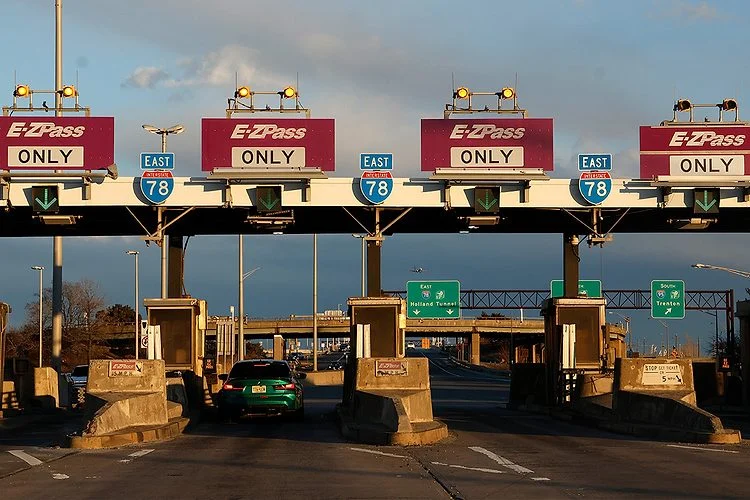
Your payment method can also affect the final bill. Electronic toll systems such as E-ZPass operate across many participating toll facilities, while Florida uses systems such as SunPass. Some facilities accept cash, some are entirely cashless, and others use license plate billing.
Rental car companies may charge administrative fees for processing tolls, so check the agreement before driving through a cashless toll point. Never assume that a toll transponder works on every road without checking its coverage.
2. Fuel Costs and Unexpected Gas Price Changes
Fuel is a major expense on any long-distance road trip, but many travelers underestimate how much gasoline they will actually use. A route that covers 2,000 miles may require several fill-ups, particularly if the vehicle has average fuel economy or carries heavy luggage. The estimated distance alone does not reveal the full cost because traffic, elevation, speed, weather, and detours all influence fuel consumption.
A practical calculation starts with the vehicle’s fuel economy. If your car averages 28 miles per gallon, a 2,000-mile trip requires approximately 71.4 gallons.
At $3.50 per gallon, the estimated fuel expense is about $250. At $4.50 per gallon, the same journey costs roughly $321. These figures are examples rather than current national prices, and the actual amount depends on local fuel prices and your vehicle’s efficiency.
Gas prices vary considerably between states and even between nearby towns. Stations along busy highways may charge more than locations a short distance away. Remote areas can have fewer fuel options, which limits your ability to shop around.
California, Nevada, and other western destinations can also present different pricing conditions from states in the South or Midwest, so travelers should avoid using a single local price for an entire cross-country journey.
Planning sensible fuel stops, maintaining steady speeds, and removing unused cargo can help keep expenses under control. A well-maintained vehicle usually offers a better chance of matching its expected fuel economy.
3. Hotel Parking and Overnight Parking Fees
Accommodation budgets often include the room rate but overlook the cost of parking. This can be a significant mistake when visiting major cities or staying at hotels near airports, tourist districts, and downtown attractions.
Some properties provide free self-parking, while others charge guests each night. These fees may appear modest at first, yet a multi-day stay can add a substantial amount to the final accommodation bill.
Hotel parking charges vary by location and property. A suburban hotel might offer complimentary parking, while an urban property may charge $25 to $60 per night or more. In particularly expensive city centers, rates can exceed that range.
For a three-night stay with a $40 nightly parking fee, the additional expense is $120 before any applicable taxes. Travelers who reserve rooms based only on the advertised nightly rate can easily miss this difference.
Overnight parking is not limited to hotels. Visitors may pay to park near restaurants, entertainment venues, national attractions, or popular beaches. Some vacation rentals also charge separate parking fees or limit the number of vehicles permitted on the property.
If your trip includes several destinations, check parking policies before confirming reservations. A cheaper hotel outside the city may offer free parking and save money even after accounting for transportation into town.
Street parking introduces a different set of expenses and restrictions. Metered spaces may have time limits, residential areas may require permits, and certain streets prohibit overnight parking.
Parking tickets can cost far more than the original parking charge. Read posted signs carefully, particularly when parking in unfamiliar neighborhoods. If an attraction offers a designated parking facility, check its daily maximum and whether reentry is included in the price.
4. Vehicle Maintenance, Oil Changes, and Tire Wear
A long road trip puts more miles on your vehicle than an ordinary week of commuting. Even a car that performs reliably around town may need attention before or during a journey covering several thousand miles.
Oil changes, tire inspections, fluid checks, and brake maintenance should be considered part of the trip budget. These expenses may not occur on every journey, but ignoring them can lead to costly mechanical problems far from home.
An oil change may cost roughly $40 to $120 or more, depending on the vehicle, oil type, service provider, and location. Many modern vehicles can travel several thousand miles between oil changes, so an extra service is not automatically necessary before every trip.
Check the manufacturer’s maintenance schedule and your current oil life or mileage. If service is due during the journey, plan where and when to have it completed.
Tires deserve special attention because they affect braking, handling, fuel economy, and safety. Before departure, inspect tread depth, tire pressure, and signs of uneven wear or damage.
A full set of replacement tires can cost several hundred dollars, with premium or specialty tires costing substantially more. You do not need to charge the entire cost of a new set to every road trip, but existing wear should be addressed before setting out on a long drive.
Other maintenance items include windshield wipers, engine coolant, brake fluid, battery condition, and worn belts or hoses where applicable. A new battery might cost approximately $100 to $300 or more, depending on the vehicle and installation requirements.
Wiper blades are usually less expensive, but poor visibility during heavy rain can make a small maintenance issue a serious problem. Addressing known problems at home is generally easier than arranging repairs in an unfamiliar town.
The purpose is to acknowledge that long-distance driving creates wear and that preventive maintenance can help reduce the risk of expensive breakdowns.

5. Emergency Repairs and Roadside Assistance
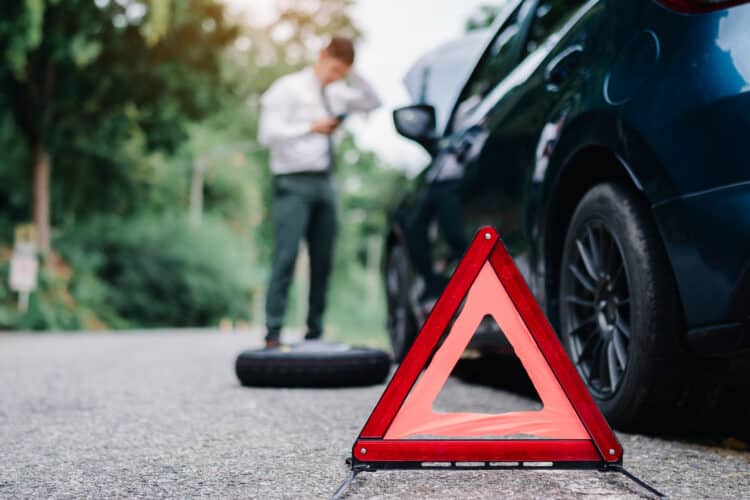
Unexpected vehicle problems can turn a carefully planned vacation into an expensive interruption. Flat tires, dead batteries, overheating, and mechanical failures are among the problems drivers may encounter far from home.
Repair prices depend on the issue, vehicle, labor rates, and availability of parts. Even a relatively minor fault can become costly when it requires towing or emergency service outside normal business hours.
Towing is particularly important to include in your budget. A short local tow may cost around $75 to $200, while longer distances can add substantial mileage charges. If your vehicle breaks down in a remote area, the nearest suitable repair shop may be far away.
Heavy-duty towing, difficult recovery conditions, and specialized vehicles can cost more. Ask your insurance provider or roadside assistance company what distance and service types are covered.
Roadside assistance memberships can help control some of these costs. Depending on the provider and plan, coverage may include towing, battery jump-starts, lockout assistance, fuel delivery, and help with flat tires.
Annual membership prices vary, and some plans impose limits on towing distance or the number of service calls. Check whether your existing auto insurance, vehicle warranty, credit card, or manufacturer benefits already include similar protection before purchasing an additional service.
A roadside emergency can also create indirect expenses. You may need an extra hotel night, meals while waiting for repairs, a rental car, or alternative transportation to reach your destination.
These costs can exceed the repair bill itself, particularly when several passengers are traveling together. If the breakdown occurs during a holiday or in a remote tourist area, replacement vehicles and available rooms may be limited or more expensive than expected.
For long US road trips, consider keeping $300 to $1,000 available for unexpected vehicle-related expenses, depending on your financial circumstances and the reliability of your car. This is a reserve rather than a prediction that you will spend that amount.
Drivers with older vehicles or limited roadside coverage may want a larger cushion. Review assistance benefits before departure and save important contact details somewhere accessible even if your phone battery dies.

6. Food, Snacks, Coffee, and Drinks on the Road
Meal expenses can rise quickly during a long road trip because travelers often eat away from home several times a day. A coffee before departure, snacks at a gas station, lunch near an attraction, and dinner at a restaurant can create a surprisingly large daily total.
These purchases may seem insignificant individually, but the combined expense becomes more noticeable on a journey lasting a week or longer.
A traveler who spends $15 on breakfast, $20 on lunch, and $30 on dinner uses $65 per day before adding snacks or drinks. Over seven days, that amounts to $455 for one person. A couple following the same pattern could spend approximately $910.
Actual costs depend on restaurant choices, portion sizes, location, and whether children are traveling. Families may save by preparing some meals and choosing accommodations with kitchen facilities.
Convenience stores and highway service plazas can be more expensive than ordinary grocery stores. Bottled water, packaged snacks, energy drinks, and ready-made meals are easy to purchase when time is limited.
Buying these items repeatedly can cost more than stocking a cooler before departure. Keep reusable water bottles, basic snacks, and simple food supplies in the vehicle, while following safe food storage practices for items that need refrigeration.
Eating every meal at restaurants is not necessary to enjoy the trip. Breakfast at the hotel, picnic lunches, and occasional grocery-store meals can reduce costs without making the journey less enjoyable.
Travelers can still plan special dinners in destinations where local food is part of the experience. The key is to decide in advance which meals are worth spending more on instead of making every food decision while hungry.

7. National Park Entry Fees and Tourist Attractions
A road trip through the United States may include national parks, historic sites, scenic attractions, museums, and other destinations that charge admission.
Travelers sometimes focus so heavily on reaching each location that they forget to calculate the cost of entering it. These charges can be minor for a single stop, but visiting several parks and attractions may add a substantial amount to the vacation budget.
National park entrance fees vary by location and vehicle category. Some sites charge a per-vehicle fee, while others charge per person or use a different entry structure.
A private vehicle pass at a major park may cost roughly $20 to $35 for a short entry period, though individual parks set their own rates. Certain sites are free to enter, and additional activities such as guided tours or special experiences may have separate prices.
Travelers planning to visit several national parks should compare individual entrance fees with the applicable annual pass. The America the Beautiful annual pass can provide entry benefits at participating federal recreation sites, subject to its terms and coverage.
Eligibility, prices, and rules can change, so verify the details before buying. The pass does not automatically cover every state park, private attraction, camping charge, concession, or special tour.
State parks, caves, observation decks, boat tours, museums, and amusement attractions may charge separate admission fees. Some destinations also require advance reservations or timed-entry permits, which may have their own booking conditions.
8. Travel Insurance, Rental Car Protection, and Extra Fees
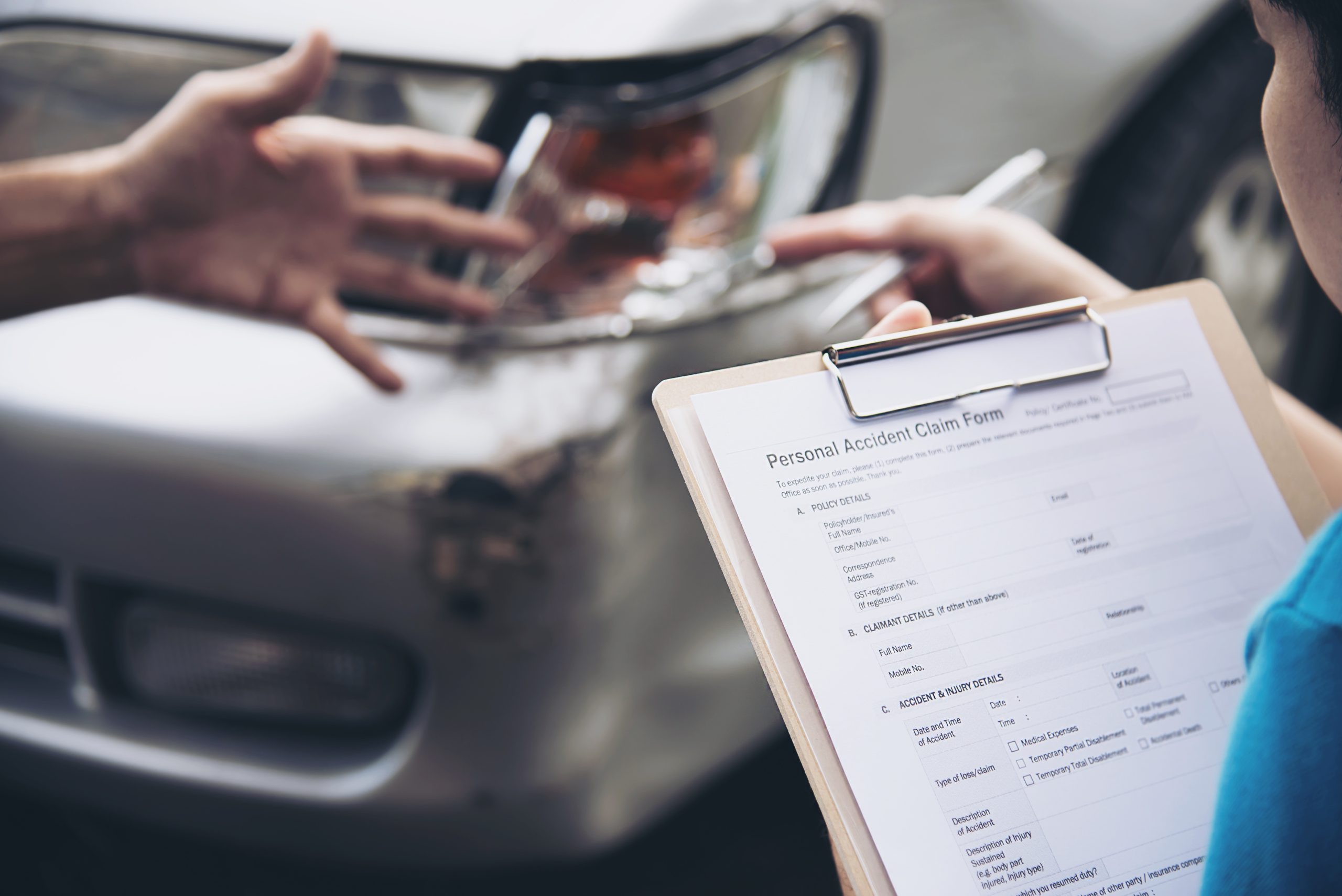
Insurance-related costs can be confusing because several different products may apply to a single road trip. Drivers using their own vehicles may already have auto insurance, while rental car customers must review the rental agreement and decide which optional protections they need.
Travel insurance can cover certain trip interruptions or emergencies, but it does not automatically replace auto insurance or cover every roadside problem.
Rental cars frequently come with expenses beyond the advertised daily rate. Taxes, airport surcharges, additional driver fees, young-driver charges, and optional equipment can increase the final amount. Some rental agreements also impose specific charges for toll administration, late returns, or returning a vehicle with less fuel than required.
A seven-day rental advertised at $40 per day starts at $280 before taxes and extras, so compare the full price rather than the headline figure.
Before buying rental protection, check whether your personal auto policy or credit card provides applicable coverage. Benefits vary, and certain cards require you to pay for the rental with that card and decline particular rental company protections.
Coverage may exclude some vehicle types, countries, or rental periods. Do not assume a credit card covers liability, every type of damage, or every loss. Contact the provider and read the applicable terms before relying on these benefits.
Travel insurance may be useful when a trip includes prepaid hotels, flights, tours, or other nonrefundable reservations. Depending on the policy, covered events may include certain trip cancellations, interruptions, or medical emergencies.
9. Mobile Data, Navigation, and Connectivity
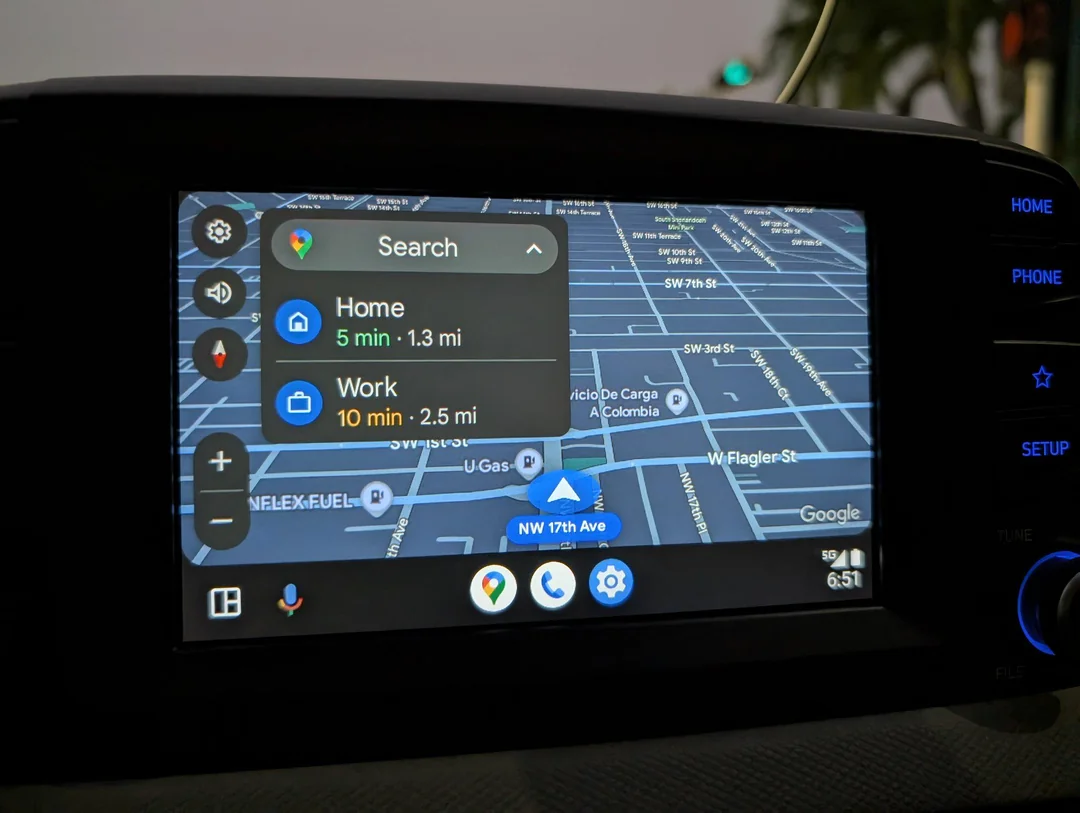
Navigation apps make long-distance driving easier, but connectivity can create extra costs. Drivers may use mobile data for maps, traffic updates, music streaming, hotel searches, and communication.
If a phone plan has a limited data allowance, several days of navigation and entertainment can lead to additional charges or reduced speeds. International visitors using US mobile service may face different pricing and roaming conditions.
Map navigation does not always consume large amounts of data, particularly when maps are downloaded in advance. However, live traffic updates, frequent searches, streaming services, and uploading photos can increase usage.
Travelers who move between rural areas and cities may also encounter weak signals. Downloading offline maps for the planned route gives drivers access to basic navigation in areas with limited reception, though live traffic information may be unavailable.
A phone mount and charging accessories are other small expenses worth considering. A reliable mount can make navigation easier to follow without holding a phone, and a suitable car charger helps keep the battery available for emergencies.
A portable power bank may be useful when leaving the vehicle for hikes or sightseeing. These items vary widely in price, but buying appropriate equipment before departure can be less stressful than searching for it during the trip.
Travelers who need additional connectivity should review their current phone plan before purchasing a temporary data package or hotspot. A plan upgrade may be unnecessary if the existing allowance is sufficient.
10. Laundry, Showers, Camping Supplies, and Miscellaneous Expenses
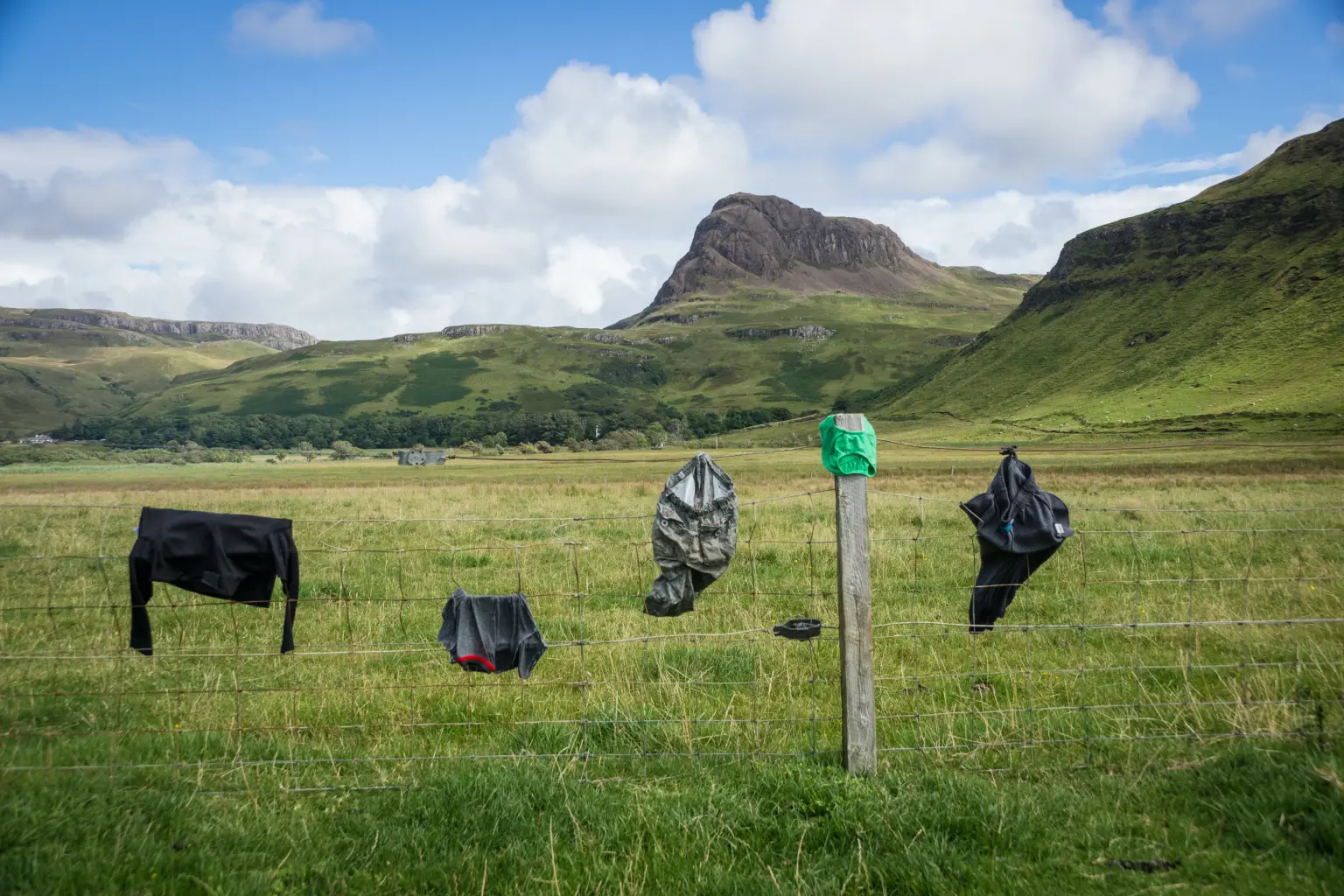
Long road trips create daily expenses that rarely appear in the first budget calculation. Laundry is a good example. Travelers staying away from home for a week or more may need coin-operated machines, hotel laundry services, or a laundromat.
A self-service wash and dry might cost approximately $4 to $10 per load, depending on the facility and location, while hotel laundry services can be much more expensive.
Camping trips bring additional expenses beyond campground reservations. Travelers may need propane, firewood where permitted, ice, water, replacement tent stakes, batteries, or other supplies. Campgrounds may charge extra for showers, electrical hookups, additional vehicles, or certain amenities.
Buying essential equipment at a popular destination can cost more than purchasing it at home, so make a checklist before departure and confirm which facilities are included in the campground fee.
Small purchases also add up throughout the journey. Sunscreen, insect repellent, tissues, wet wipes, pain relievers, reusable bags, and basic toiletries may be needed along the way.
Families may spend extra on entertainment for children, while pet owners may need additional food, waste bags, cleaning supplies, or pet fees at accommodations. These costs are not identical for every traveler, but they are easy to overlook when planning only major expenses.
Weather and itinerary changes can create further miscellaneous charges. A sudden rainstorm may lead to an indoor attraction, while extreme heat may increase spending on drinks or cooling supplies.