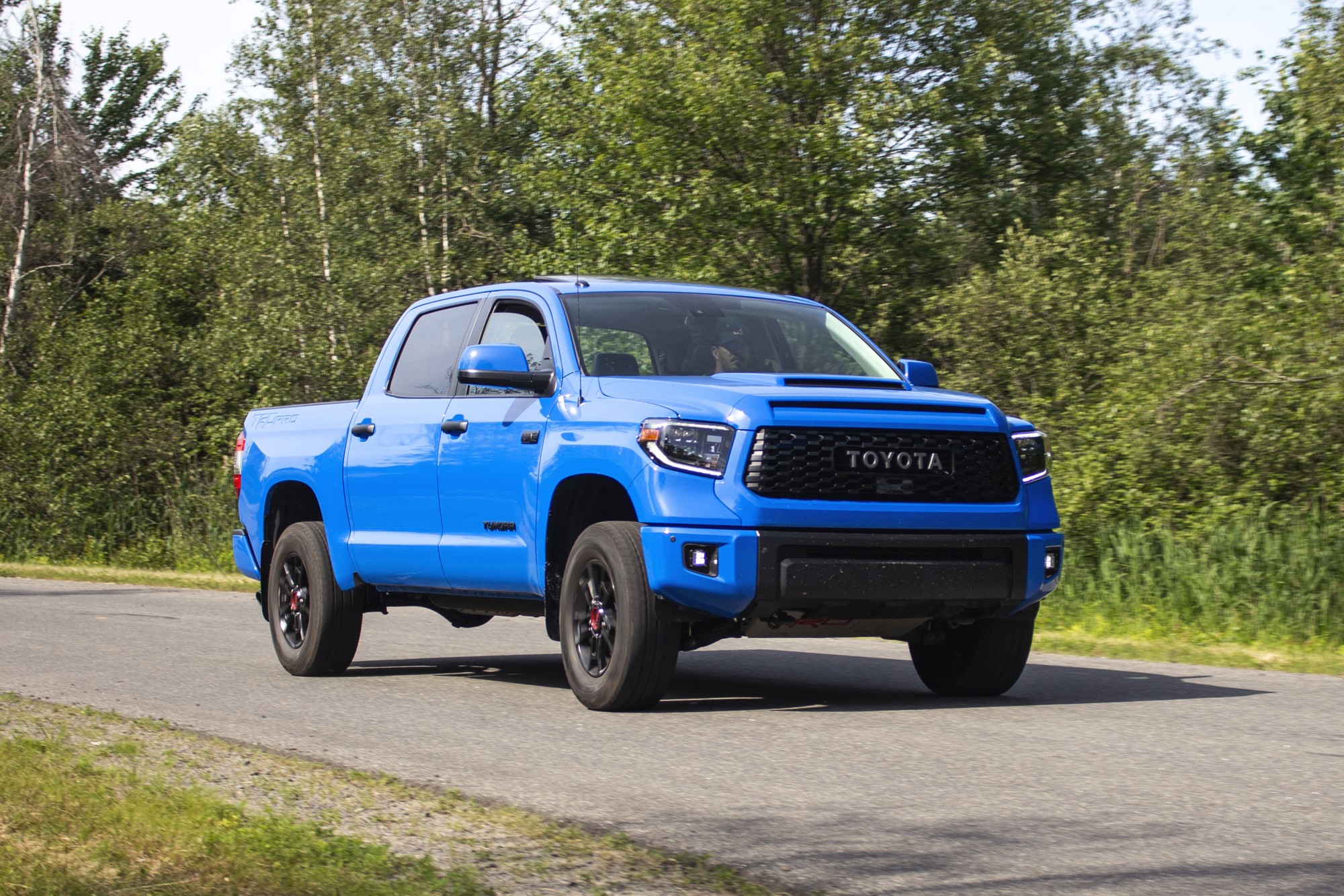
The American automotive market is changing as buyers reconsider prices, fuel economy, electric vehicles, reliability, and brand reputation. Some automakers are attracting more customers through competitive pricing, refreshed models, and improved technology, while others are struggling to maintain their positions.
Market share provides a useful way to understand these shifts, revealing which brands are gaining ground and which are losing their appeal among American drivers. Examining recent sales trends, consumer preferences, and product strategies helps explain these changes and offers valuable insight into the future direction of the US automotive industry.
5 Car Brands Growing Fastest in the US Market
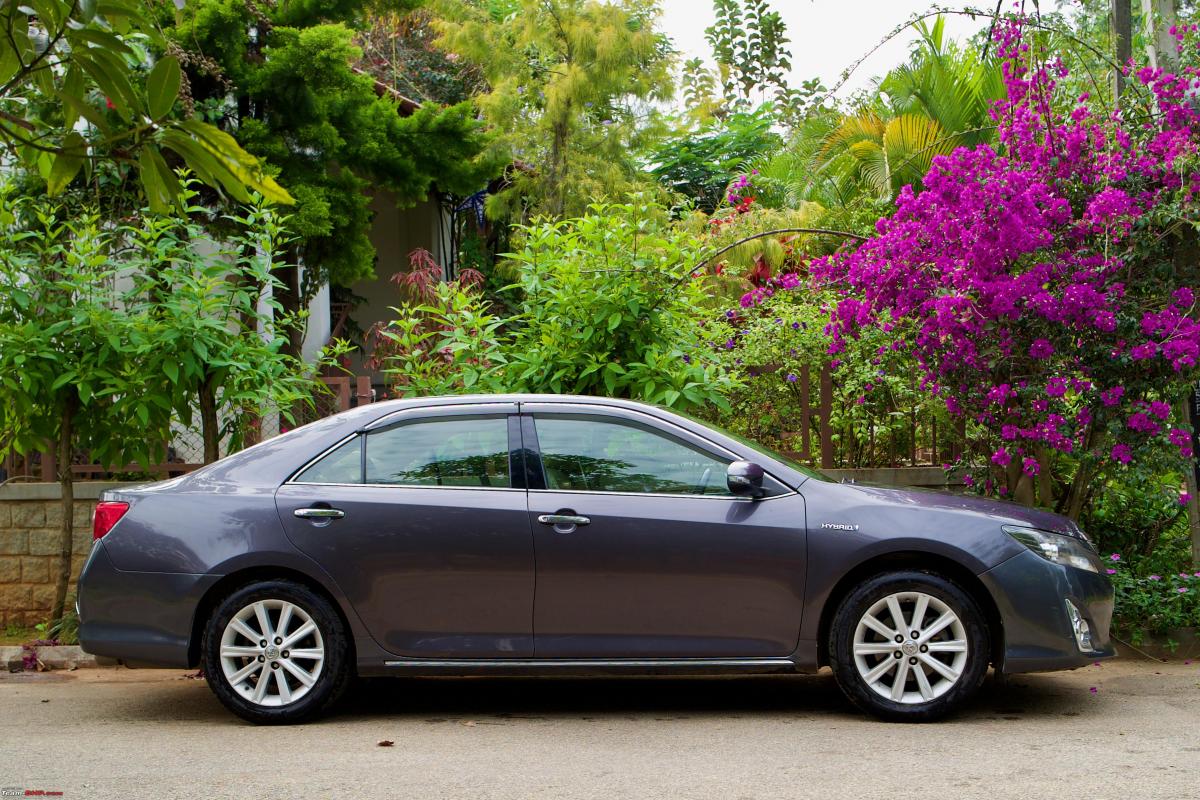
1. Toyota: Strong Demand for Reliable and Fuel-Efficient Vehicles
Toyota remains a major force in the American automotive market because it combines a broad model range with a reputation for reliability and strong resale values. The company sold approximately 2.15 million vehicles in the United States during 2025, an increase of 8.1% over 2024. Its parent manufacturer, Toyota Motor North America, also increased its estimated US market share from 14.5% to 15.5% in 2025.
A major contributor to Toyota’s growth is its hybrid strategy. Models such as the Camry, RAV4 Hybrid, Corolla Hybrid, and Prius appeal to buyers who want lower fuel consumption without relying entirely on charging stations.
Conventional hybrid vehicles combine a gasoline engine with an electric motor and battery, reducing fuel use in many driving conditions. This approach serves commuters, families, and drivers who regularly travel long distances.
Toyota also benefits from having vehicles at several price points. The Corolla attracts budget-conscious buyers, the Camry serves midsize sedan customers, and the RAV4 competes in the highly popular compact SUV segment. Larger SUVs, trucks, and premium vehicles expand its reach. Customers can often remain with the same manufacturer as their income, family size, and transportation needs change.
Another advantage is the company’s established dealer network and extensive service infrastructure. Buyers often consider maintenance costs, replacement parts, warranty support, and resale value alongside the initial purchase price.
Toyota’s long-standing presence in the United States helps it compete on these practical factors. Its hybrid options also provide an alternative for customers who are not ready to purchase a fully electric vehicle.
Toyota’s continued growth will depend on pricing, production capacity, and its ability to keep popular vehicles available. Competition from Honda, Hyundai, Kia, and American manufacturers remains intense. Rising vehicle prices and borrowing costs could also affect demand.
Nevertheless, Toyota’s combination of hybrids, popular SUVs, and a wide dealer network gives the company a strong foundation for defending and expanding its US market position.
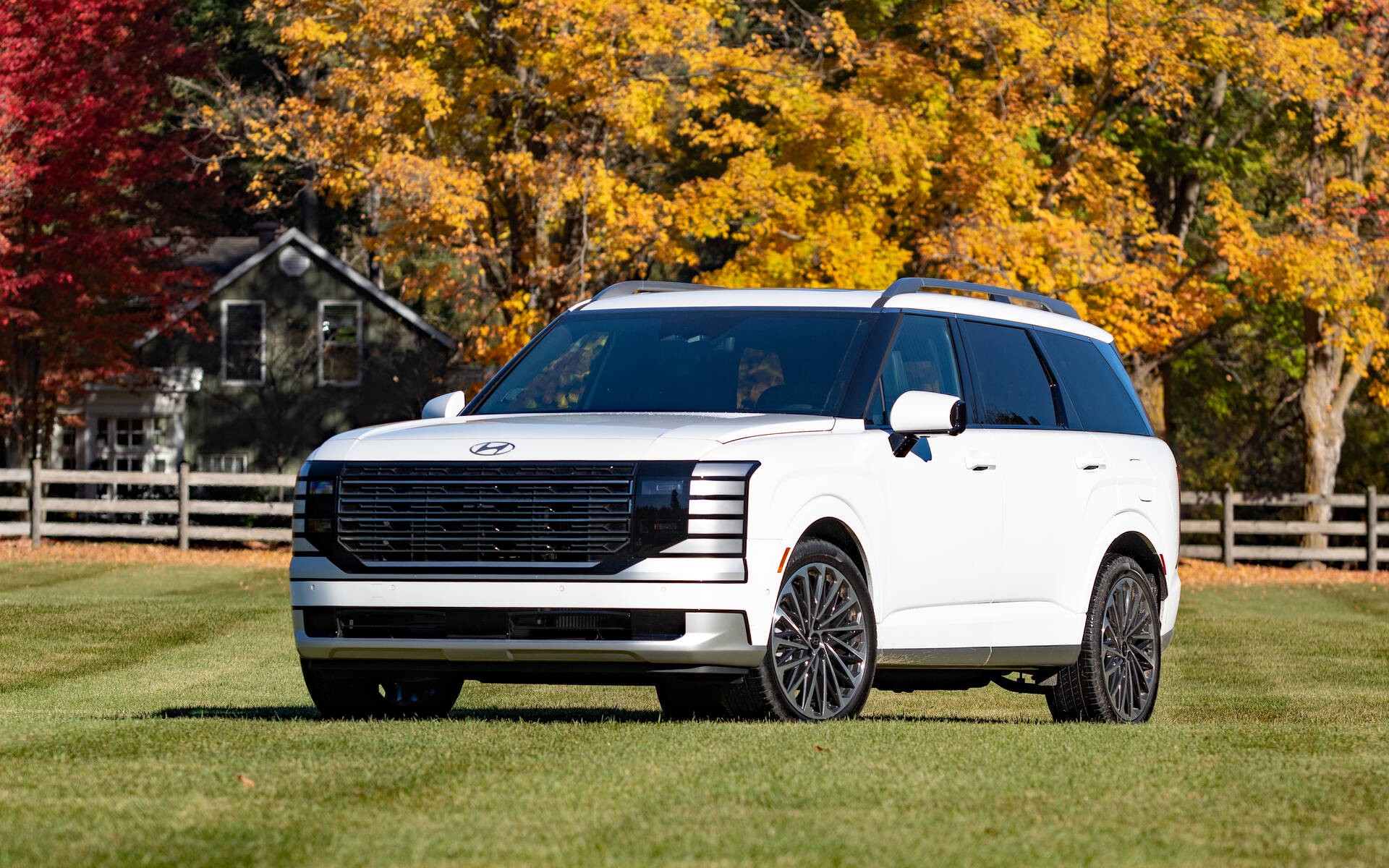
2. Hyundai: Expanding Its Appeal Through Modern Designs and Technology
Hyundai has become increasingly competitive in the United States by improving its vehicle designs, expanding its SUV range, and offering a strong collection of safety and convenience features.
The brand sold approximately 901,686 vehicles in 2025, up 7.8% from the previous year, according to reported US sales figures. This growth reflects its ability to attract buyers across several vehicle categories.
The Tucson and Santa Fe are important parts of Hyundai’s strategy. Both serve the expanding SUV market, where customers frequently prioritize interior space, passenger comfort, technology, and flexible cargo capacity.
The Palisade targets families seeking a larger three-row SUV. Hyundai also continues to offer compact sedans, performance-oriented models, hybrids, and electric vehicles, giving customers multiple options within its lineup.
Hyundai’s hybrid models are particularly relevant as fuel costs influence household budgets. Hybrid versions of popular vehicles allow drivers to reduce gasoline consumption while retaining familiar refueling habits.
This makes the technology accessible to people who may not have convenient home charging or who regularly drive through areas with limited public charging infrastructure. A varied powertrain lineup helps the brand reach more buyers.
Technology and warranty coverage also contribute to Hyundai’s competitive position. Driver assistance systems, smartphone connectivity, digital displays, and modern cabin layouts help its vehicles compare favorably with established rivals.
Warranty terms can provide additional reassurance, though buyers should review the precise coverage, exclusions, and maintenance requirements for each vehicle before purchasing.
Hyundai’s challenge is to sustain customer confidence while controlling costs and maintaining quality as sales increase. It faces competition from Toyota, Honda, Kia, and several domestic manufacturers.
Its future market position will depend on product reliability, attractive pricing, dealer service, and consistent availability. If Hyundai continues delivering practical vehicles with competitive features, it has a credible opportunity to build on its recent American sales gains.
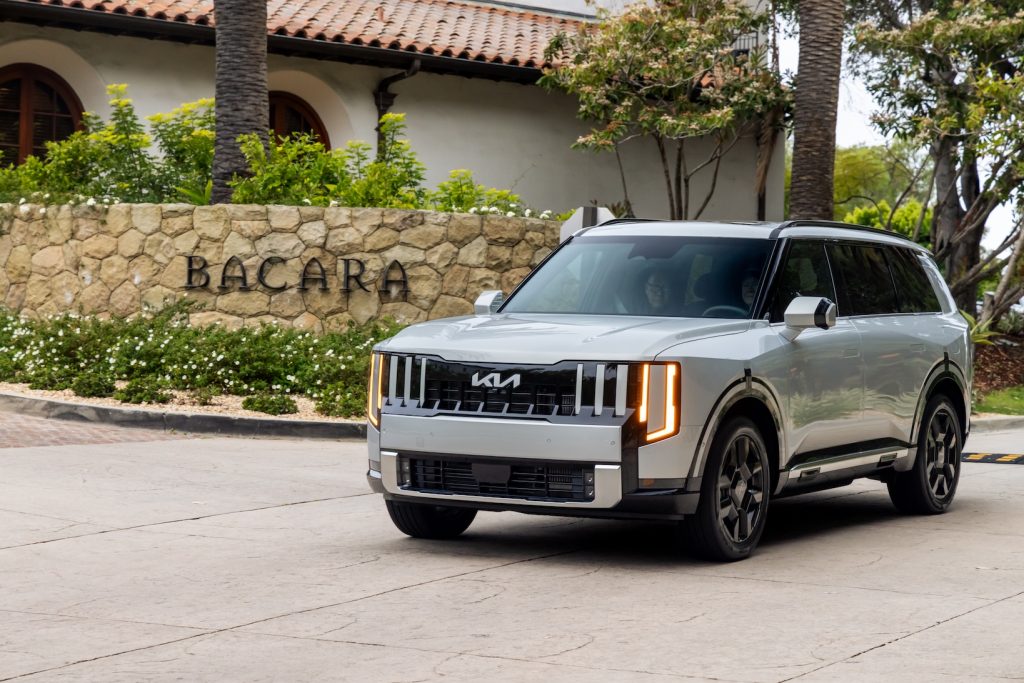
3. Kia: SUVs and Practical Features Drive Customer Interest
Kia recorded approximately 852,155 US vehicle sales in 2025, a 7% increase from 2024. This performance placed the South Korean brand among the stronger large-volume growth performers in the market. Its appeal comes from a product lineup that combines distinctive styling, competitive equipment levels, and a wide range of vehicles for households with different budgets.
The Sportage is a key model for Kia because compact SUVs attract a broad group of American buyers. It offers the elevated driving position, passenger room, and cargo flexibility that many customers want for daily commuting and family travel.
The Sorento serves buyers who need additional seating, while the larger Telluride competes for shoppers seeking a more spacious family vehicle.
Kia also provides hybrid and electric options in selected vehicle lines. These choices help it reach consumers interested in reducing fuel expenses or moving toward electrification. Buyers can compare gasoline-powered vehicles with hybrid or electric alternatives while remaining within the same brand.
The availability of different powertrains matters as customer preferences vary according to driving distance, electricity prices, charging access, and purchase budget.
Value is another important element of Kia’s competitive position. Customers often compare the equipment included at a particular price rather than judging vehicles solely by their badges.
Features such as heated seats, driver assistance technology, infotainment systems, and practical storage can make a model attractive when competing vehicles cost more with similar equipment. Kia’s styling also helps its products stand out in crowded vehicle categories.
To maintain its momentum, Kia must protect reliability, improve the ownership experience, and respond to changing demand. Strong sales can place pressure on production and dealer inventory, while aggressive discounts can reduce profitability if used carelessly.
Competition from Toyota, Hyundai, Honda, and other SUV makers remains substantial. Kia’s recent growth shows that buyers are responding to its products, but sustained performance will require consistent quality and competitive long-term ownership costs.
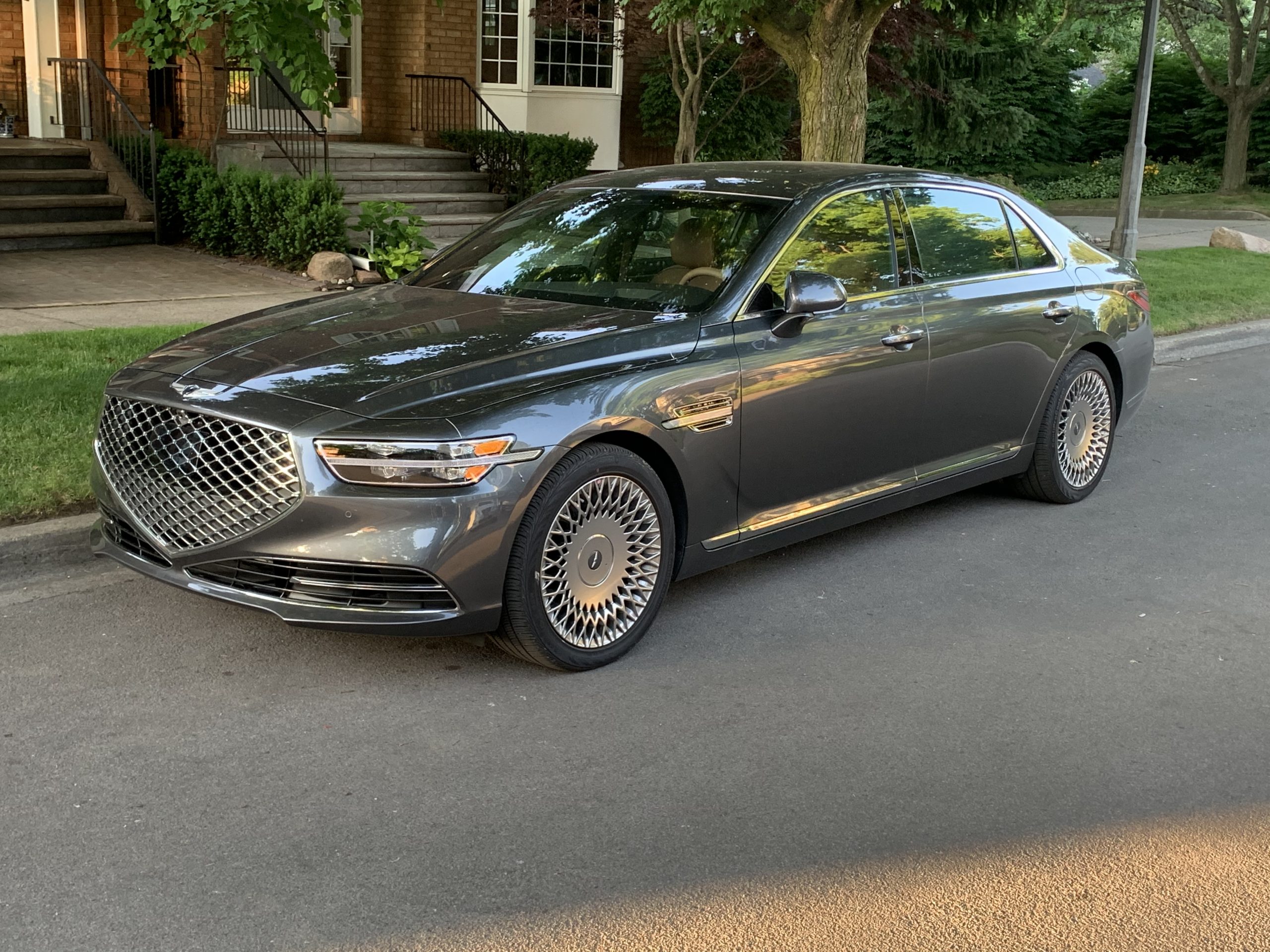
4. Genesis: Premium Growth From a Smaller Starting Point
Genesis is the luxury brand associated with Hyundai Motor Group. It operates in a segment where buyers frequently consider cabin quality, ride comfort, advanced technology, dealer service, and brand prestige.
Genesis recorded approximately 82,331 US sales in 2025, representing reported growth of 9.8% over the previous year. Its expansion is important because it is competing against established premium manufacturers with decades of brand recognition.
The G70, G80, and G90 sedans provide choices for customers seeking different levels of performance, space, and luxury. Its SUV lineup, including the GV70 and GV80, places the brand in categories that have attracted considerable interest from premium buyers. These vehicles give Genesis access to customers who might otherwise consider BMW, Mercedes-Benz, Lexus, Audi, or Cadillac.
Genesis seeks to compete through equipment, styling, interior materials, and a relatively straightforward model range. Luxury buyers frequently compare the features included at a given price, making standard equipment an important consideration.
The brand’s designs also provide a distinct visual identity, helping it avoid looking like a direct copy of more established competitors. Its relationship with Hyundai Motor Group offers access to substantial automotive engineering and manufacturing resources.
Growth from a smaller base requires careful interpretation. A brand selling tens of thousands of vehicles can achieve a high percentage increase with a much smaller numerical gain than a manufacturer selling millions.
Genesis therefore remains considerably smaller than Lexus and the leading German luxury brands. Its sales growth is encouraging, but it does not mean that the brand has captured a comparable share of the entire US vehicle market.
The next stage of Genesis’s development will depend on strengthening its reputation for long-term reliability, maintaining premium customer service, and expanding recognition among luxury shoppers.
Dealer convenience and resale values will also influence future purchasing decisions. If the company can deliver a consistently high-quality ownership experience, it may attract more customers who want a premium vehicle without automatically choosing a traditional luxury badge.
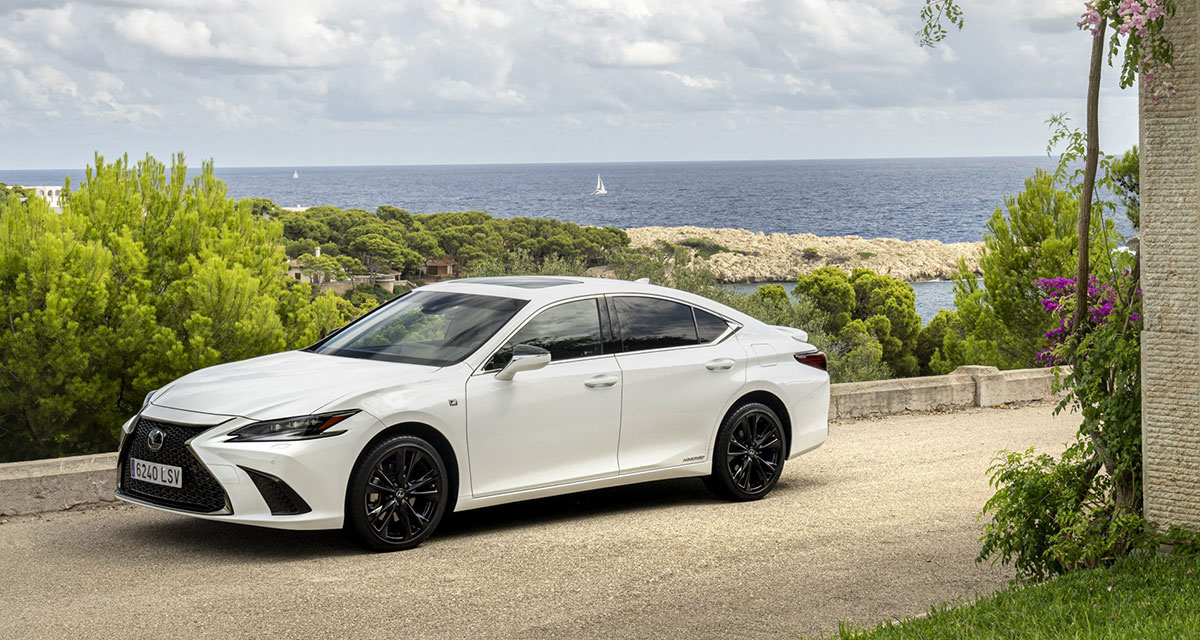
5. Lexus: Luxury Buyers Continue to Value Efficiency and Dependability
Lexus, Toyota’s luxury division, sold approximately 370,260 vehicles in the United States in 2025, an increase of 7.1% compared with 2024.
Its performance reflects continued demand for premium vehicles that emphasize comfort, reliability, and everyday usability. Lexus benefits from Toyota’s engineering resources while maintaining a separate luxury identity, dealer network, and product portfolio.
The RX and NX SUVs are important to Lexus because premium buyers increasingly favor vehicles with flexible interiors and elevated seating positions. The ES sedan appeals to customers who prioritize a comfortable ride and traditional luxury-sedan proportions.
Larger SUVs serve families requiring additional passenger or cargo space. This breadth allows Lexus to compete across several profitable premium segments rather than relying on a single successful model.
Hybrid powertrains are another significant part of the Lexus offering. Luxury buyers may want strong acceleration, a quiet cabin, and advanced equipment without accepting the fuel consumption of a large gasoline engine.
Hybrid options can help balance those priorities. Lexus also offers fully electric models, though the suitability of an electric vehicle depends on charging access, driving habits, price, and the availability of appropriate models.
Lexus benefits from a reputation for dependability and comparatively strong resale values. These factors can influence total ownership costs, particularly for buyers who intend to keep their vehicles for several years.
Service experience also matters in the luxury segment, where customers expect convenient appointments, professional treatment, and consistent support. Such considerations can help sustain repeat purchases and recommendations from existing owners.
5 Car Brands Losing Ground in the US Market
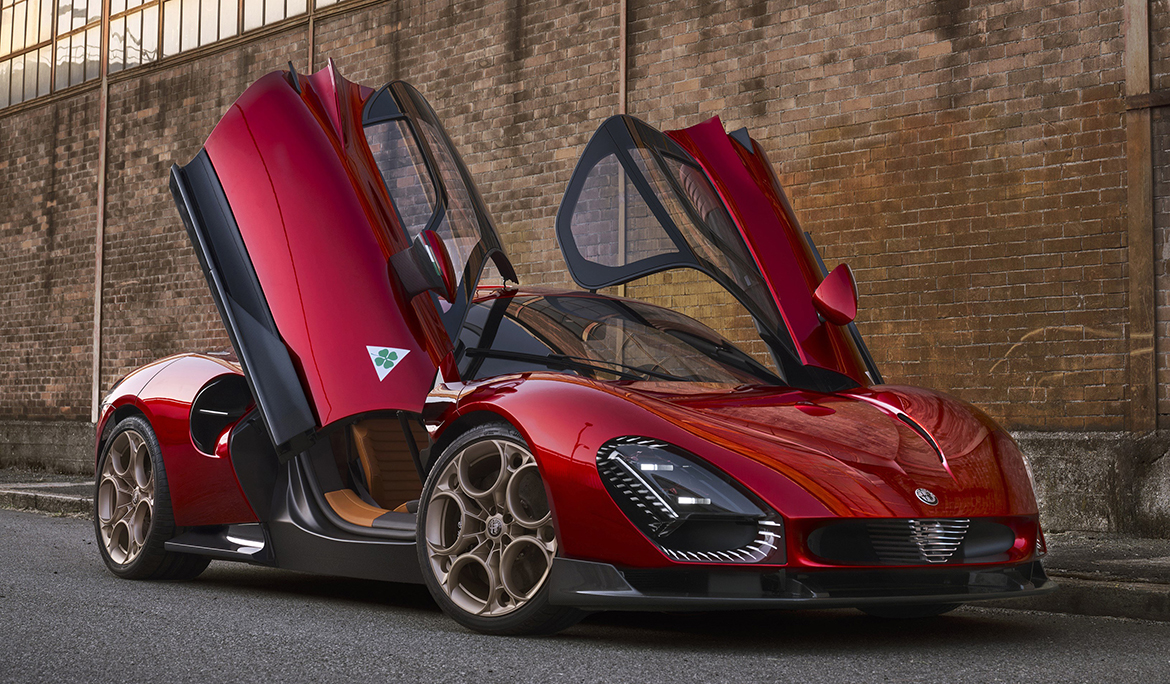
6. Alfa Romeo: Limited Sales Volume and a Narrow Model Range
Alfa Romeo experienced the steepest decline among the brands considered here.
The Italian manufacturer recorded approximately 5,652 US sales in 2025, a drop of 36.2% from 2024. Its small sales base makes the percentage decline particularly striking. The result also illustrates how difficult it can be for a niche luxury brand to maintain momentum when demand weakens.
The Giulia sedan and Stelvio SUV have traditionally represented the core of Alfa Romeo’s American offering. Both emphasize European styling and driving character, appealing to customers who want something different from mainstream luxury vehicles.
However, a relatively limited range gives shoppers fewer options than they might find at BMW, Mercedes-Benz, Lexus, or Cadillac dealerships.
Product freshness is important in the premium market. Buyers expect modern infotainment systems, competitive driver assistance features, updated interiors, and powertrains that reflect current expectations.
If a vehicle lineup lacks significant updates or does not offer the body style a customer wants, shoppers can easily switch to a rival brand. Alfa Romeo must give prospective buyers clear reasons to choose its vehicles.
Dealer coverage and ownership confidence also influence purchasing decisions. Customers may consider the distance to an authorized service center, replacement-part availability, maintenance expenses, and expected resale value before committing to a premium car. A smaller dealer network can create additional concerns for buyers living outside major metropolitan areas. These practical considerations matter alongside styling and performance.
Alfa Romeo’s recovery depends on a convincing product strategy, competitive pricing, and a stronger ownership experience. New or updated models could attract attention, but sustainable growth requires more than launch publicity.
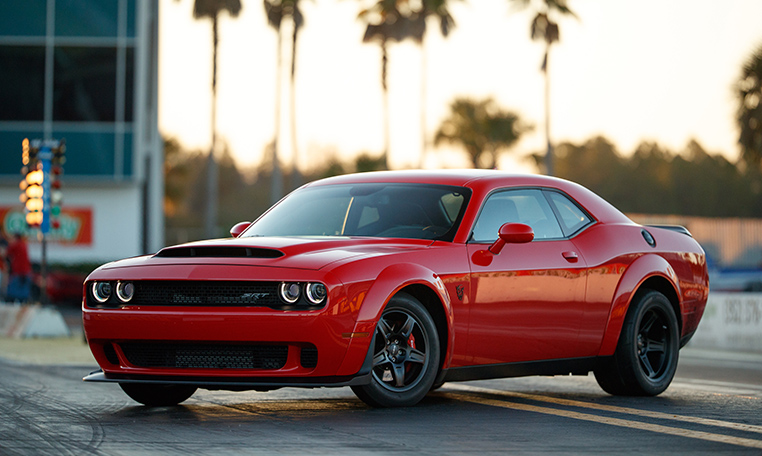
7. Dodge: Performance Heritage Faces a Changing Market
Dodge sold approximately 101,927 vehicles in the United States in 2025, a decline of 28.1% compared with 2024. The brand has long been associated with American muscle cars, bold styling, and powerful engines.
However, changes to its traditional performance-car lineup have created challenges as it attempts to reposition its products for current market conditions.
The Charger and Challenger built strong recognition among customers who valued powerful engines and unmistakable styling. Changes in vehicle availability and the transition toward new powertrain configurations disrupted the continuity of that offering.
Buyers who wanted familiar gasoline-powered performance options faced a different selection, giving some customers a reason to delay purchases or consider alternatives.
Dodge also competes in a market where shoppers increasingly compare practicality and running costs. Performance cars can carry higher insurance premiums, consume more fuel, and cost more to maintain than ordinary commuter vehicles.
SUVs and crossovers appeal to families seeking additional room and everyday convenience. These changes make it harder for a performance-focused brand to rely on its historic identity alone.
The introduction of electric performance vehicles creates both an opportunity and a challenge. Electric powertrains can deliver rapid acceleration, but customers may have different expectations about driving sound, vehicle weight, charging convenience, and purchase price.
Enthusiasts who associate Dodge with traditional muscle-car character may need time to accept the new direction. Success will depend on whether the products satisfy both performance expectations and practical ownership needs.
Dodge can improve its position by establishing a clear product identity and ensuring that new vehicles appeal to a sufficiently broad audience.
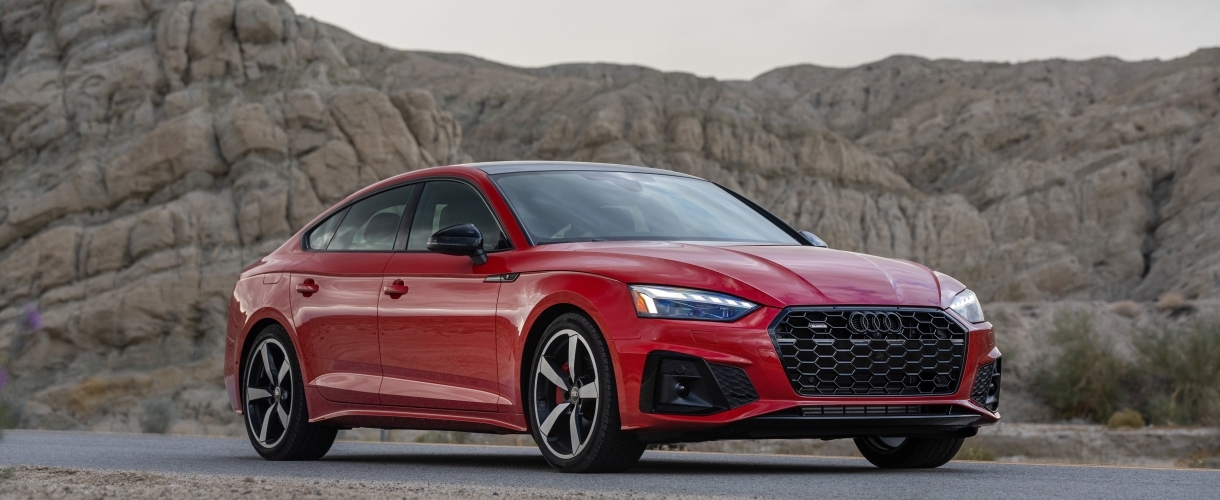
8. Audi: Intense Competition in the Luxury Vehicle Segment
Audi recorded approximately 164,942 US sales in 2025, a decline of 16.1% from the previous year.
The German premium manufacturer competes in a crowded segment where customers can choose among established luxury brands, premium electric vehicles, and increasingly well-equipped mainstream models. Its recent sales decline indicates that maintaining customer interest has become more difficult.
Audi offers vehicles such as the A3, A5, A6, Q5, and Q7, serving customers with different preferences for size, comfort, and performance. Its reputation for understated design, refined interiors, and available all-wheel drive remains an important part of its identity. However, customers compare these strengths against the pricing, technology, and product freshness offered by competing manufacturers.
Model availability can influence sales significantly. Buyers often want recently updated infotainment systems, modern cabin layouts, efficient engines, and advanced safety technology.
If rivals refresh their vehicles sooner or offer more attractive equipment at similar prices, Audi can lose shoppers even when its products remain competitive. Product timing and a coherent model range are therefore important for restoring momentum.
The luxury market also faces financial pressure from higher vehicle prices and borrowing costs. Buyers may postpone replacing an existing car, choose a less expensive model, or consider certified pre-owned vehicles.
Audi must demonstrate that its products justify their premiums through tangible benefits, including comfort, build quality, performance, and a satisfying ownership experience.
To strengthen its US position, Audi needs to maintain an appealing model lineup and communicate the value of its vehicles more clearly.
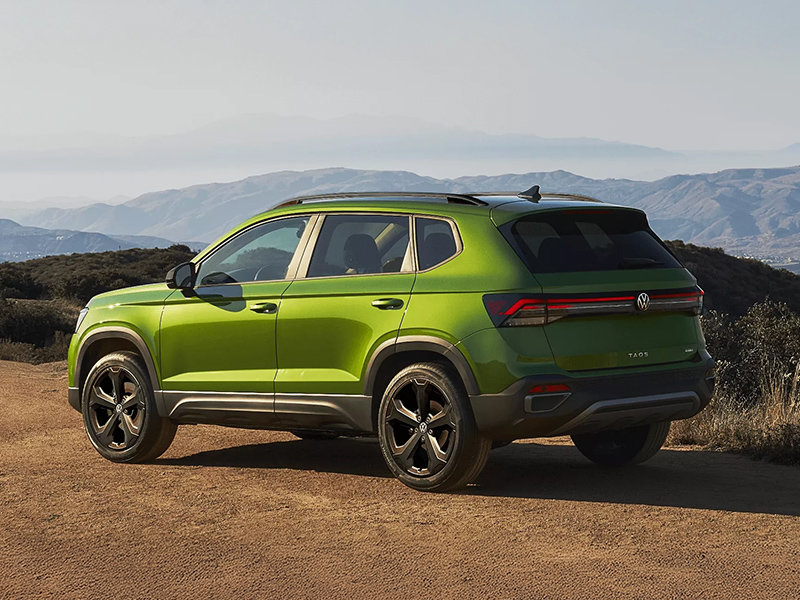
9. Volkswagen: Mainstream Buyers Have More Alternatives
Volkswagen experienced a difficult year in the United States in 2025, recording approximately 329,813 vehicle sales, down 13% from 2024.
The German manufacturer remains recognized for practical engineering and European design, but its American lineup faces strong competition from Japanese, Korean, and domestic brands. The decline suggests that its current product offering has not generated enough demand to keep pace with leading rivals.
The Tiguan, Jetta, and other Volkswagen models serve buyers seeking practical transportation with a distinct European character. However, compact SUVs and affordable sedans are intensely competitive segments.
Toyota, Honda, Hyundai, and Kia offer established alternatives with different combinations of fuel economy, equipment, pricing, and perceived reliability. Volkswagen must persuade customers that its vehicles provide a compelling reason to choose them over those competitors.
Electric vehicles add complexity to the company’s US strategy. The ID.4 and ID. Buzz offer alternatives for customers interested in battery-powered transportation, but electric-vehicle demand can fluctuate with purchase incentives, charging access, electricity costs, and vehicle pricing.
A manufacturer must balance investment in electrification with the needs of customers who continue to prefer gasoline-powered cars and SUVs.
Brand perception and the ownership experience are equally important. Buyers may research long-term reliability, repair costs, warranty coverage, and resale values before selecting a vehicle.
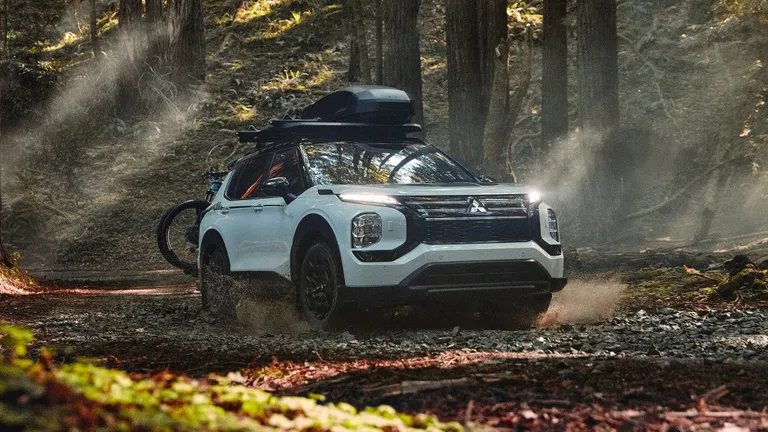
10. Mitsubishi: A Smaller Lineup Limits Its Competitive Reach
Mitsubishi recorded approximately 94,754 US vehicle sales in 2025, a decline of 13.7% compared with 2024. The Japanese brand operates on a smaller scale than Toyota, Honda, or Hyundai and has fewer models competing across the largest American vehicle segments.
That limited presence can make it harder to attract customers who want a wide selection of vehicles from a single manufacturer.
The Outlander and Outlander Sport are important to Mitsubishi’s US business because SUVs account for a substantial share of consumer demand. The Outlander provides family-oriented space, while the smaller Outlander Sport targets buyers seeking a more compact vehicle.
The brand’s plug-in hybrid technology also offers a route toward lower fuel consumption for customers whose driving patterns suit that type of vehicle.
A narrow model range creates commercial risks. When a manufacturer lacks competitive choices in popular segments, customers may move to brands that offer more body styles, powertrains, or price points. A shopper who needs a pickup truck, a larger premium SUV, or a particular hybrid configuration may find fewer suitable options at Mitsubishi dealerships than at competing manufacturers.
Dealer reach, product updates, and brand awareness also shape demand. Customers often favor manufacturers with convenient service locations and extensive parts availability.