
Finding affordable car insurance can make a meaningful difference to a household budget, especially as vehicle ownership costs continue to include fuel, maintenance, registration, and unexpected repairs.
The cheapest car insurance states often benefit from lower claim costs, less traffic congestion, moderate repair expenses, or insurance regulations that influence pricing. However, the amount drivers pay depends on several factors, including their driving history, vehicle type, age, location, and selected coverage.
Understanding how combined average premiums compare across states helps drivers make informed decisions, identify potential savings, and choose suitable protection without sacrificing essential financial security.

1. Maine
Maine is a strong starting point for anyone comparing states with low historical combined average car insurance premiums. The state ranked first in the cited 2023 National Association of Insurance Commissioners data, with a combined average premium of approximately $926.02 per year.
This figure provides a useful benchmark for understanding the relative affordability of auto insurance in Maine. It is important to remember that a statewide average does not represent every driver’s individual quote. A motorist living in a small rural community may receive a different price from someone living in a busy town, even when both have similar vehicles and driving records.
The number of accidents, severity of injuries, repair costs, and frequency of insurance claims all affect the prices insurers charge. These factors help explain why statewide averages differ, but they do not guarantee that every Maine driver will qualify for a low premium.
Weather also plays a role in Maine’s insurance market. Winters can bring snow, ice, and reduced visibility, creating risks for drivers throughout the state. Insurers account for weather-related claims when calculating rates, including damage caused by collisions and certain covered natural events.
Maine’s affordability should therefore not be interpreted as an absence of driving hazards. Motorists still need suitable tires, safe driving habits, and insurance that matches their financial circumstances. A lower average premium is most valuable when the policy provides dependable protection against the risks a driver is likely to encounter.
Drivers in Maine can improve their chances of securing an affordable policy by comparing multiple insurance companies. Insurers may assess the same applicant differently because their underwriting guidelines, discount programs, and claims experience vary.
Maintaining a clean driving record, avoiding unnecessary claims, and selecting a vehicle with reasonable repair costs may help lower premiums. Drivers should also review available discounts for bundling policies, insuring multiple vehicles, or qualifying for safe-driving programs.
Each discount has its own eligibility requirements, so it is worth requesting a detailed quote rather than assuming a reduction will apply automatically.

2. Vermont
Vermont is another state known for comparatively affordable car insurance. In the cited historical data, it recorded a combined average premium of $957.80 annually, placing second in the combined premium ranking.
Its smaller population and many rural communities can influence traffic patterns and accident exposure. However, premiums still vary according to the driver’s location, coverage requirements, and insurance history. Residents should treat the statewide figure as a reference point rather than a personal price estimate.
The state’s road network includes rural highways, small-town streets, and routes that pass through mountainous areas. Traffic levels are often lower than those found in large urban centers, but winter weather creates distinct challenges. Snowfall, ice, and limited visibility can contribute to accidents and vehicle damage.
Insurers consider the frequency and cost of claims when assessing local risks, which means road safety and weather patterns can affect the final price.
Vermont drivers can take practical steps to control insurance expenses. Maintaining a good driving record, choosing a vehicle with strong safety features, and reviewing deductibles can help make a policy more affordable.
Drivers who use their vehicles infrequently may also want to ask whether a low-mileage program is available. The potential savings depend on the insurer’s rules and the amount of driving involved.
When reviewing policies, motorists should pay attention to liability limits and optional protection. State minimum requirements may not cover the full cost of a serious accident.
Collision coverage can help pay for covered damage to the insured vehicle, while comprehensive coverage generally addresses specified non-collision losses, such as theft or certain weather-related damage. The right combination depends on the vehicle’s value, any lender requirements, and the driver’s financial ability to absorb losses.

3. North Dakota
North Dakota recorded a combined average car insurance premium of $961.28 in the cited historical data, placing third in the national ranking. Its relatively low population density and broad rural areas can contribute to different driving conditions from those in crowded metropolitan states. Insurance prices still depend on individual circumstances, and local accident trends can influence the amount drivers pay.
Many residents travel across long distances for employment, education, shopping, and other everyday activities. Longer journeys can increase annual mileage, which may affect insurance pricing.
At the same time, lower traffic density in some areas can reduce exposure to congestion-related collisions. These competing factors demonstrate why insurers consider several details rather than relying on population alone when determining rates.
Winter driving deserves particular attention in North Dakota. Snow, ice, strong winds, and reduced visibility can make travel difficult, while freezing conditions may increase the risk of certain accidents.
Comprehensive coverage may help with specified non-collision damage, depending on the policy, while collision protection can cover eligible vehicle damage after an accident. Drivers should read the policy wording carefully to understand exclusions and deductibles.
Residents can seek better rates by comparing insurers that serve their particular communities. Some companies may offer discounts for safe driving, multiple vehicles, policy bundling, or approved vehicle safety equipment.
A driver who travels fewer miles than average should ask about mileage-based pricing. It is also worth checking whether a higher deductible would meaningfully reduce the premium and whether that amount could comfortably be paid after a claim.
4. Idaho
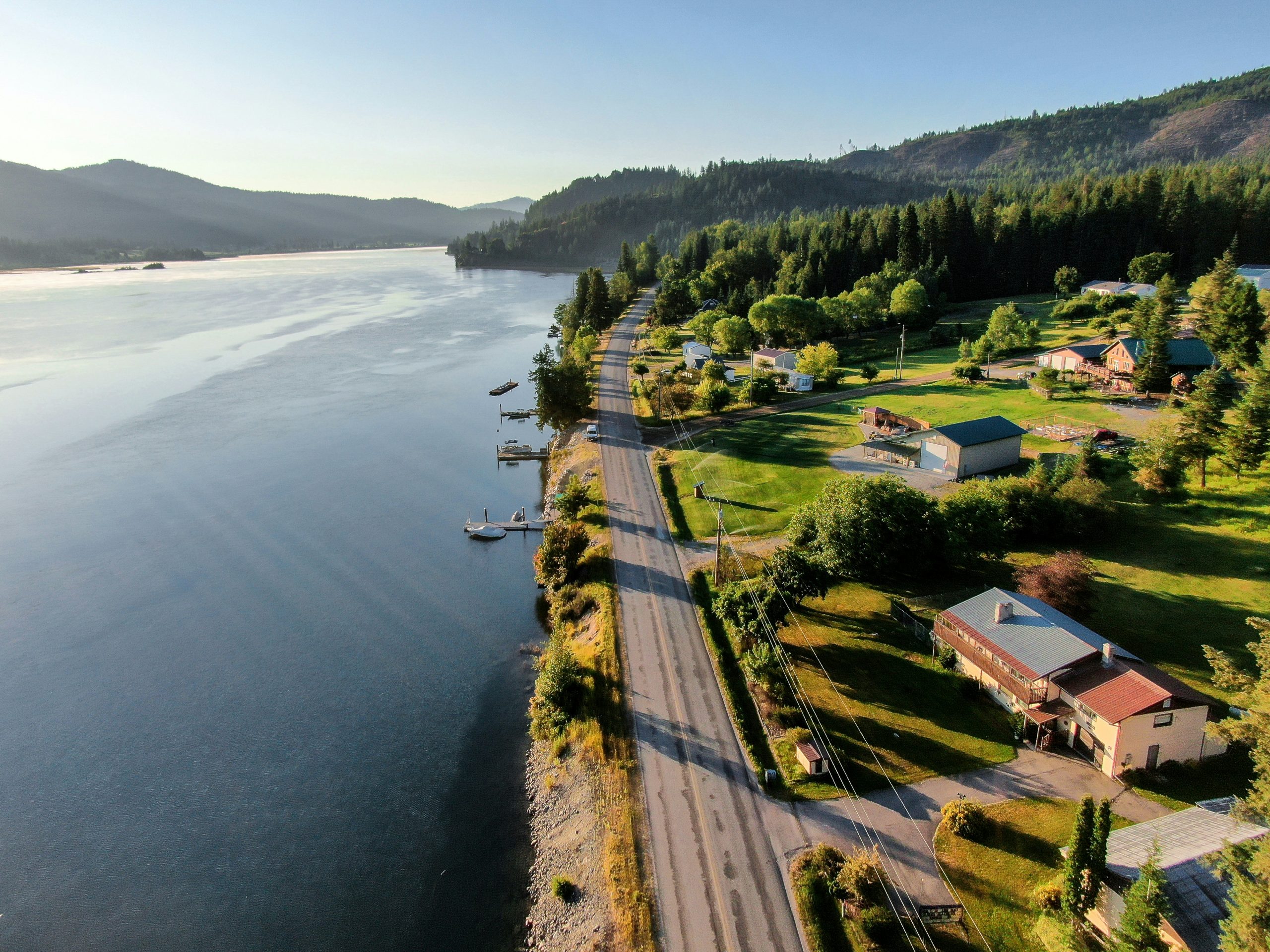
Idaho reported a combined average premium of $981.07 per year in the cited data, placing fourth among the states listed. Its mix of smaller communities, growing urban areas, and rural highways creates varied insurance conditions.
Residents in different parts of the state may receive substantially different quotations because insurers consider local traffic, claims experience, vehicle theft, and repair expenses.
Population growth can influence insurance costs as communities expand and traffic patterns change. More vehicles on the road may increase the potential for collisions in busy areas.
Rural drivers can face different hazards, including wildlife encounters, longer trips, and changing road conditions. These differences make it important to compare rates using the actual residential address rather than assuming a statewide average applies everywhere.
Vehicle selection also matters when calculating premiums. Cars with costly replacement parts, expensive sensors, or high repair bills can cost more to insure than comparable vehicles with lower repair expenses.
Safety ratings, theft statistics, engine performance, and the likelihood of damage may influence an insurer’s assessment. Before purchasing a vehicle, buyers can request insurance estimates for several models to understand the likely ownership cost.
Idaho drivers can also review the relationship between deductibles and premiums. A larger deductible may reduce the price of collision or comprehensive coverage, but it increases the amount paid out of pocket for an eligible claim.
Drivers should select a deductible that fits their emergency savings. They should also compare liability limits because a small premium reduction may not justify substantially less protection against costly injuries or property damage.

5. Hawaii
Hawaii recorded a combined average premium of $998.04 annually in the cited historical figures, placing fifth in the ranking. Its island geography creates a distinct transportation environment, with driving patterns shaped by population distribution, road networks, and access to repair services.
Statewide averages can hide substantial differences between communities, so drivers should obtain quotations based on their actual location and vehicle use.
Hawaii’s insurance environment is influenced by its state regulations and the factors insurers are permitted to consider when setting rates. Local traffic conditions, accident claims, repair expenses, and vehicle characteristics remain relevant.
Urban areas may experience congestion and parking-related damage, while other locations have different patterns of vehicle use. Insurers combine these considerations with an applicant’s driving history to estimate the risk associated with a policy.
Drivers should understand the difference between liability insurance and coverage for their own vehicles. Liability protection generally helps pay covered costs when an insured driver is legally responsible for injuries or damage to others.
Collision and comprehensive coverage serve different purposes and may be particularly relevant to owners of newer or higher-value cars. Policy terms determine which incidents are covered, what exclusions apply, and how deductibles affect a claim.
Hawaii residents can compare insurance companies by requesting quotations with matching coverage limits. Comparing a low-limit policy against a more comprehensive option can produce a misleading impression of savings.
Drivers should also check whether an insurer offers discounts for multiple policies, safe driving, or other qualifying circumstances. The availability and size of these reductions depend on the company and the applicant’s eligibility.

6. Wisconsin
Wisconsin recorded a combined average premium of $1,000.32 per year in the cited dataset, placing sixth. Its mix of urban centers, smaller towns, and rural communities creates a wide range of driving conditions.
Insurers assess local claims, traffic exposure, vehicle characteristics, and driver history to determine prices, which means the amount paid by one household may differ considerably from the state average.
Winter conditions are a major consideration for Wisconsin motorists. Snow-covered roads, freezing rain, and icy intersections can increase accident risks during colder months.
Drivers can reduce avoidable hazards by adjusting speed, maintaining tires, and allowing extra stopping distance. Insurance cannot prevent an accident, but appropriate coverage can help manage eligible financial losses after an unexpected event.
The type of vehicle a household owns can influence the insurance bill. Repair costs, safety equipment, theft risk, and vehicle value may affect premiums. A modest vehicle with readily available parts can have a different insurance profile from a luxury model with costly technology. Comparing quotations before buying a car helps shoppers understand the potential long-term expense beyond the purchase price.
Wisconsin residents should review their policies when major life circumstances change. A new commute, a move to another ZIP code, a replacement vehicle, or a change in annual mileage can affect the quote.
Drivers should notify their insurer when required and confirm that the policy information remains accurate. Incorrect details can create problems during underwriting or the claims process.

7. Iowa
Iowa recorded a combined average premium of $1,009.57 per year in the cited historical data, placing seventh in the ranking. The state’s relatively low population density, smaller communities, and comparatively modest living costs may help explain its position in the insurance market.
However, actual premiums depend on personal driving records, vehicle values, coverage choices, and local claims experience.
Driving conditions vary throughout Iowa. Rural motorists may encounter long stretches of highway, agricultural traffic, and wildlife, while residents in larger cities face busier intersections and more vehicles. Severe storms, hail, and flooding can also create risks for vehicles. These conditions influence the types of insurance claims that occur and may affect the rates offered by different companies.
Choosing appropriate coverage is an important part of managing costs. Liability insurance addresses covered injuries and property damage for which the insured driver is legally responsible.
Collision coverage can help pay for eligible damage to the insured vehicle after a covered collision, while comprehensive insurance addresses certain non-collision events. Drivers should compare these protections against their vehicle’s value and their ability to pay for repairs.
Iowa motorists can look for savings by maintaining a clean driving record and comparing quotations from several insurers. Some companies provide discounts for multiple vehicles, bundled home and auto policies, or approved safety features. Drivers who have low annual mileage may qualify for additional savings.
Asking for a breakdown of discounts makes it easier to understand the final price and determine whether a competing policy offers better value.

8. Indiana
Indiana recorded a combined average premium of $1,031.86 per year in the cited data, ranking eighth. Its insurance market serves drivers in major cities, suburban neighborhoods, small towns, and rural communities.
Traffic exposure, repair costs, accident frequency, and the driver’s insurance profile all contribute to pricing differences. The historical average is a useful comparison point, but current quotations may be higher or lower.
The state’s varied road network affects the risks drivers encounter. Commuters in busy metropolitan areas may spend more time in traffic, increasing their exposure to collisions. Rural motorists may travel longer distances and face different road hazards. Insurers evaluate these circumstances alongside individual factors such as previous accidents, violations, vehicle type, and annual mileage.
Indiana residents should compare both minimum liability policies and full coverage options when shopping for insurance. Minimum coverage may satisfy legal requirements, but it may not provide enough financial protection after a serious collision.
Full coverage commonly combines liability, collision, and comprehensive protection, though the exact package varies by insurer. Drivers with financed or leased vehicles may also have contractual coverage obligations.
Premium reductions can come from several sources. A safe driving history, qualifying discounts, policy bundling, and choosing a vehicle with reasonable repair costs may help lower the bill. Drivers should ask whether discounts require enrollment in a monitoring program or compliance with specific conditions. They should also consider the privacy implications and terms of any program that tracks driving behavior.

9. New Hampshire
New Hampshire is frequently associated with affordable car insurance in contemporary state comparisons. Recent estimates place it among the less expensive states for full coverage, though its precise ranking varies by insurer, driver profile, and research methodology.
These newer estimates should not be confused with the historical combined premium figures used for the earlier states in this article.
The state’s relatively small population and many less densely populated communities can affect driving exposure. Traffic conditions in rural areas differ from those in busy commercial districts, and insurance prices reflect local claims patterns.
Weather is another consideration, particularly during winter, when icy roads and snowfall can increase accident risks. Such factors influence rates alongside the driver’s experience and vehicle characteristics.
New Hampshire has distinctive insurance requirements compared with most states. Generally, it does not require drivers to purchase auto insurance as a condition of driving, but motorists must demonstrate financial responsibility and can face insurance obligations under particular circumstances.
Drivers who choose to carry insurance should understand applicable state laws and any requirements arising from an accident, court order, or other situation. Legal obligations should always be confirmed through official state guidance.
For residents purchasing a policy, comparing coverage levels is essential. Liability protection can help cover eligible claims against the insured driver, while collision and comprehensive options protect against different categories of vehicle damage.
Drivers should examine deductibles, exclusions, and limits before making a decision. A policy that costs less at the beginning may leave a household responsible for substantial expenses after a serious incident.

10. Ohio
Ohio regularly appears among the more affordable states in modern full coverage car insurance comparisons. Its large number of smaller communities and relatively extensive network of local roads contribute to a varied insurance market.
Premiums depend on location, driving experience, vehicle repair costs, and claims history, so drivers should use current quotations rather than assume a statewide average reflects their circumstances.
The cost of living and the expense of repairing vehicles can influence insurance pricing. Insurers consider labor rates, replacement parts, medical costs, and the frequency of claims when determining premiums. Ohio’s insurance market includes drivers in major cities and rural areas, each with different traffic patterns. This geographic diversity helps explain why prices can vary considerably within the same state.
Drivers should also consider the financial consequences of choosing only minimum liability coverage. A serious collision can involve medical treatment, vehicle damage, lost income, and legal expenses.
If covered claims exceed the policy’s limits, the responsible driver may face additional financial liability. Selecting appropriate limits can help reduce that exposure, especially for households with savings or assets to protect.
Ohio motorists can compare insurance offers by requesting the same coverage limits, deductibles, and optional protections from different companies. They should ask about discounts for safe driving, multiple vehicles, home and auto bundles, or qualifying vehicle safety features. Reviewing customer service and claims procedures can also help identify differences between insurers that are not immediately apparent from the quoted price.
The state’s reputation for relatively affordable insurance makes Ohio worth considering in a national comparison. Yet low average costs do not eliminate the need for careful policy selection.
Drivers should review their coverage annually, update information when circumstances change, and check whether a cheaper offer provides equivalent protection. This process can help households avoid paying for unnecessary extras while retaining coverage that meets their needs
