

Engine complaints can point to problems ranging from persistent oil consumption and rough running to stalling, overheating, and expensive internal failures. The National Highway Traffic Safety Administration (NHTSA) collects reports from vehicle owners, making its complaint database a useful place to identify recurring concerns.
However, a complaint is not proof that a defect exists, and raw totals tend to be higher for vehicles sold in large numbers.
For this list, the figures come from an analysis of NHTSA owner reports across model years, rather than complaints filed only during 2026. The rankings exclude previously covered models to keep this article distinct.
1. Ford Escape: 9,518 Engine Complaints
The Ford Escape leads this selection with 9,518 owner complaints identifying the engine across model years 2001 through 2026, according to an analysis of NHTSA complaint records retrieved in October 2026.
The total spans multiple generations and engine designs, so it should not be interpreted as a verdict on every Escape or on the newest version alone.
The model’s history matters because the Escape has been sold with several different powertrains over more than two decades. Reports associated with one engine family or model year may have little relevance to another.
Anyone researching a used Escape should therefore narrow the complaint search to the exact year, engine, and configuration being considered, rather than relying solely on the nameplate’s lifetime count.
Engine-related complaints vary widely in severity and symptoms. Some involve warning lights or reduced performance, while others report stalling, unusual noises, overheating, or serious mechanical failures.

These reports help identify patterns worth investigating, but they do not establish that every reported failure was independently confirmed. The number also reflects how many vehicles were sold, how long they have been on the road, and how likely owners are to file reports.
For prospective buyers, the practical next step is to check NHTSA’s records for the specific model year and review any relevant recalls or investigations.
A service history, a cold-start inspection, and an independent mechanical assessment can add context that a complaint total cannot provide. The Escape’s high count makes careful year-by-year research worthwhile, not an automatic reason to reject every example.
2. Hyundai Sonata: 5,102 Engine Complaints
The Hyundai Sonata ranks next, with 5,102 engine complaints recorded across model years 1987 through 2025 in the same analysis.
Its total is substantially lower than the Escape’s, but the raw count alone cannot show whether a particular Sonata is more or less likely to suffer an engine problem. That requires examining individual model years, engine options, and the number of vehicles in service.
The Sonata has been offered with a variety of four-cylinder and V6 engines over its long production history. As a result, a complaint involving one generation should not be automatically applied to another.
Buyers should pay particular attention to reports that match the vehicle’s model year and engine, especially when complaints describe recurring symptoms rather than isolated incidents.
A useful distinction is that an owner complaint is a report submitted to NHTSA, not a technical finding that a component has failed across an entire production run.
Reports can trigger further scrutiny, but they may differ in detail, severity, and supporting evidence. The 5,102 figure is best treated as a reason to investigate the Sonata’s history carefully, rather than as a failure rate.
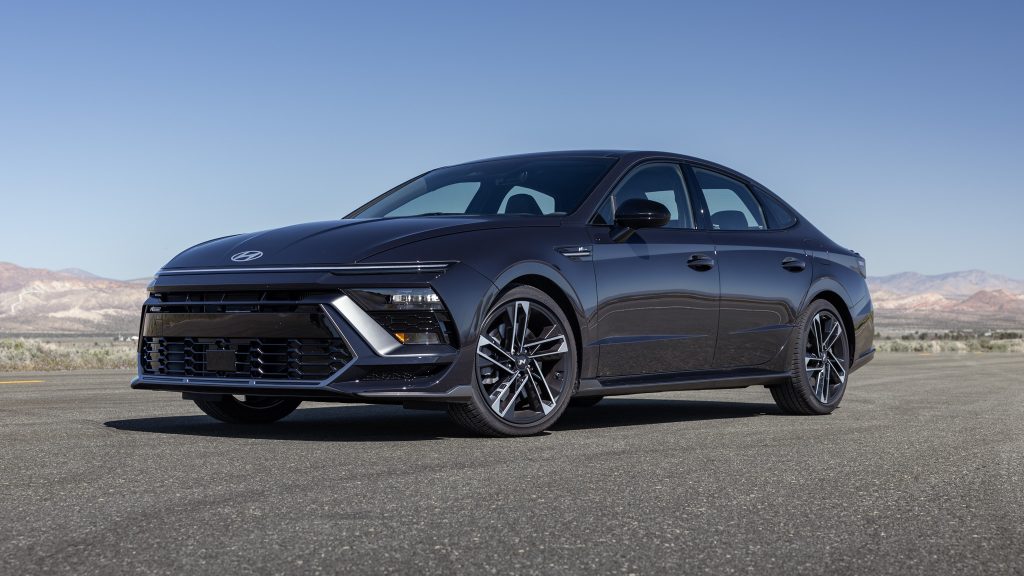
When assessing a used example, check for relevant recalls and investigations, look for maintenance records, and ask whether any engine repairs have already been performed.
During an inspection, warning lights, knocking noises, smoke, uneven running, or signs of neglected oil changes deserve professional attention. The exact engine and service history matter far more to an individual purchase than a model-wide lifetime total.
3. Jeep Grand Cherokee: 4,384 Engine Complaints
The Jeep Grand Cherokee accumulated 4,384 engine complaints across model years 1989 through 2026 in the reviewed NHTSA data analysis. The figure covers a long production history with numerous engine options, so it combines reports involving very different vehicles.
A complaint associated with an older V8, for example, does not necessarily indicate a similar weakness in a newer model with a different powertrain.
The Grand Cherokee’s broad engine range makes model-year research particularly important. Owners have reported many different types of vehicle problems over the years, and an engine complaint can describe anything from a warning light or abnormal noise to a serious loss of power.
The database count does not establish that all reports describe the same defect, nor does it confirm every reported incident.
Used-car shoppers should start by identifying the exact engine fitted to the vehicle under consideration. They can then search NHTSA’s complaint records for that model year, review relevant recalls and investigations, and check whether the manufacturer issued service information related to the reported symptoms.
This approach is more informative than treating the entire Grand Cherokee lineup as one mechanical package.
A thorough pre-purchase inspection is also valuable. The engine should start cleanly from cold, idle consistently, and operate without unexplained knocking, smoke, overheating, or warning lights.

Maintenance documentation can help reveal whether oil changes and required repairs were completed on schedule. A vehicle with a documented service history and a clean independent inspection may present a very different ownership outlook from another example of the same model with neglected maintenance.
The complaint total puts the Grand Cherokee on the research shortlist, but it cannot by itself establish an individual vehicle’s reliability or predict how much it will cost to maintain.
4. Kia Sorento: 4,223 Engine Complaints
The Kia Sorento recorded 4,223 engine complaints across model years 2003 through 2026 in the analysis of NHTSA owner reports.
One striking finding is the proportion of Sorento complaints linked to the engine, which accounted for 41.5% of all complaints recorded in the analysis. This indicates that engine-related issues represented a substantial share of the reported problems.
That proportion helps explain why the model stands out in an engine-focused ranking, although it is not a failure rate among all Sorentos sold.
The distinction matters because a complaint database records what owners report, not a complete census of mechanical failures.
Some owners never file a complaint, while other reports may be incomplete or relate to different symptoms. Neither the total nor the percentage confirms that a particular engine design is defective in every vehicle.
The Sorento has used different engines across its generations, which makes the model year and powertrain essential details when researching a used one.
Buyers should look for reports that match the exact configuration, then check whether relevant recalls or investigations apply to that vehicle. The NHTSA database provides a starting point for that work, but it should be paired with maintenance records and a professional inspection.

Before buying, ask whether the engine has needed major repairs and whether the seller can provide invoices. During a test drive, pay attention to rough running, unusual noises, hesitation, smoke, or signs of overheating. An independent mechanic can also check for stored diagnostic codes and evidence of oil leaks or poor maintenance.
The Sorento’s complaint history gives shoppers a concrete reason to investigate its engine carefully. It does not mean every model year has the same risk, or that a well-maintained vehicle with a satisfactory inspection should automatically be ruled out.
5. Ford Fusion: 4,061 Engine Complaints
The Ford Fusion appears in the ranking with 4,061 engine complaints across model years 2006 through 2020. Because the Fusion is no longer produced for the US market, people shopping for one today are generally evaluating used vehicles whose condition depends heavily on age, mileage, maintenance, and previous repairs.
The complaint total is a useful signal, but it does not tell a buyer how many individual cars experienced a confirmed engine failure.
The Fusion was sold with multiple engine configurations during its production run. A meaningful assessment therefore begins with the exact model year and engine, rather than the name alone.
Owners’ reports can help reveal recurring symptoms, but reports from different generations should not be lumped together as though every Fusion used the same mechanical components.
NHTSA’s database allows consumers to search complaints by make, model, and model year. Buyers should use it to examine the particular Fusion they are considering and then check for applicable recalls and investigations.
A recall record, an owner complaint, and a confirmed defect are three different things, so each should be interpreted on its own terms.
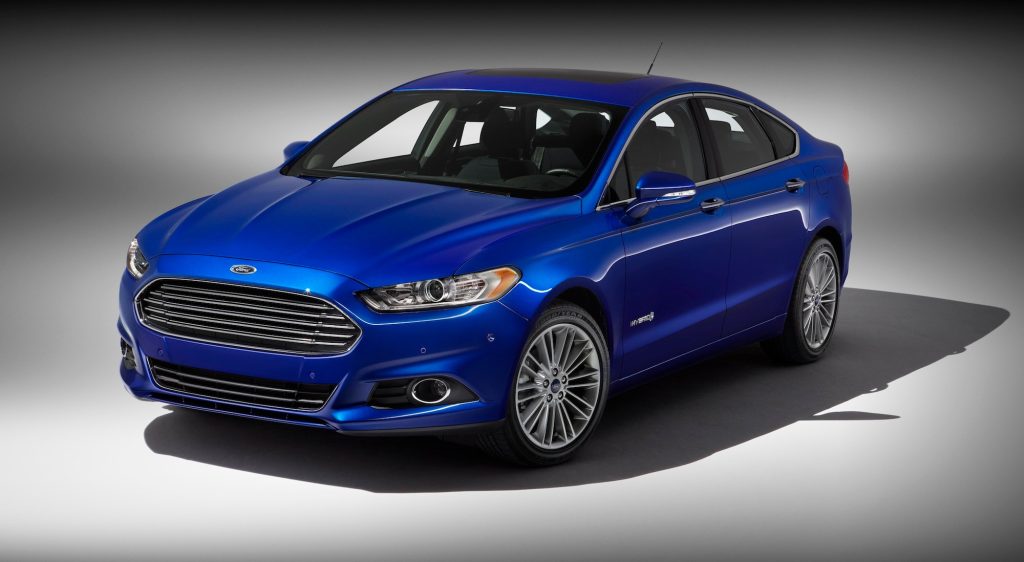
Condition is especially important when evaluating an older used sedan. Ask for maintenance receipts, verify that oil changes were performed at appropriate intervals, and look for evidence of previous engine work.
An inspection should include a cold start, a scan for stored trouble codes, and checks for oil leaks, abnormal engine noise, smoke, and overheating. A seller’s claim that the car runs well is not a substitute for an independent assessment.
The Fusion’s complaint history deserves attention, but the count should not be used as a standalone buying decision. A specific car’s engine, maintenance record, repair history, and inspection results provide more direct evidence about the vehicle being purchased.
6. Ford Explorer: 4,052 Engine Complaints
The Ford Explorer rounds out this list with 4,052 engine complaints across model years 1990 through 2026. The total covers multiple generations of a long-running SUV, with different engine choices and substantial changes in vehicle design over time.
It is therefore a broad historical measure, not a statement that every Explorer generation shares the same engine problem.
The Explorer’s age range is one reason shoppers should avoid making decisions based on the total alone. An older, high-mileage example may have accumulated years of wear, while a newer model has had less time to generate owner reports.
Sales volumes also influence raw complaint counts. Without adjusting for the number of vehicles sold and considering time in service, the figures cannot provide a direct comparison of failure probability between individual vehicles.
The most useful next step is to research the Explorer’s exact model year and engine. Search NHTSA’s database for complaints tied to that combination and review any relevant recalls or investigations.
If several reports describe similar symptoms, that pattern can help guide questions for a mechanic, but it still needs to be distinguished from a verified defect or a repair that applies to the particular vehicle.
For a used Explorer, request a complete maintenance history and check for records of engine repairs. During an inspection, listen for unusual noises at startup, watch for smoke or overheating, and check whether warning lights remain illuminated.
A diagnostic scan and an independent mechanical inspection can reveal issues that are not obvious during a short test drive.

The Explorer’s complaint count makes it worth researching before purchase. It does not, by itself, prove that every Explorer is unreliable or that a particular model year should be avoided. The engine fitted, condition, maintenance history, and documented repair record remain crucial to evaluating an individual vehicle.
These rankings show the number of engine-related complaints reported by owners for each of the model years listed above.
They are not annual totals, confirmed defect counts, or complaints per vehicle sold. NHTSA says its complaint data helps identify possible safety-related trends, but reports do not automatically establish a defect.
