A car with thousands of safety complaints is not necessarily more problematic than a model with only a few hundred. Popular vehicles have more owners who can report problems, so raw totals can create a misleading picture.
A more useful comparison measures complaints against the number of vehicles sold. An iSeeCars study analyzed nearly 500,000 safety-related complaints submitted to the National Highway Traffic Safety Administration (NHTSA) and compared them with US sales from 2005 through 2016.
Its results identified seven vehicles with particularly low complaint rates. These historical figures offer useful context, but they are not a ranking of today’s newest models.
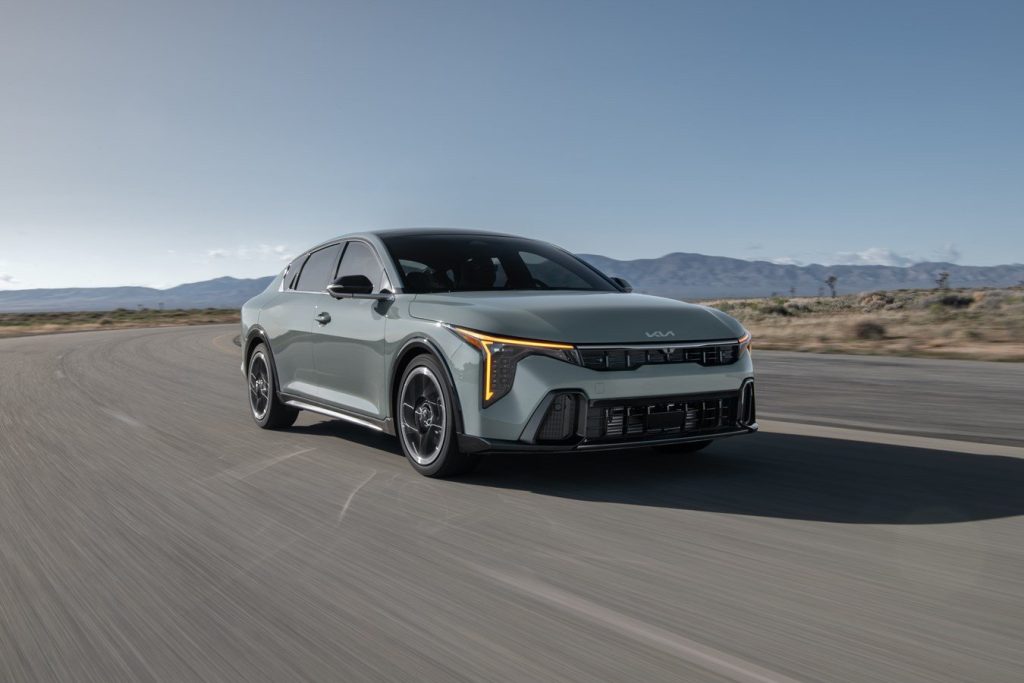
1. Kia Forte: Just 3.5 Complaints per 10,000 Vehicles Sold
The Kia Forte recorded the lowest safety complaint rate in the iSeeCars study, with just 3.5 complaints per 10,000 vehicles sold between 2005 and 2016. That was substantially below the study’s average of 26.8 complaints per 10,000 vehicles.
The finding covered the model’s eligible sales and complaint records during that historical period, rather than every Forte produced since its introduction.
The Forte’s position is noteworthy because it was a mainstream compact car, not an expensive luxury model sold in small numbers. It competed for buyers who wanted affordable transportation, practical dimensions, and everyday usability. Its sales success gave researchers a meaningful population against which to compare reported safety complaints.
However, the figure needs careful interpretation. NHTSA’s complaint database records reports from vehicle owners and other individuals. A complaint may describe a genuine safety problem, but it is not automatically a verified defect.
Some issues lead to investigations or recalls, while others do not result in a formal finding. Complaint frequency can also reflect how willing owners are to report a problem, not just how often a defect occurs.
The Forte’s low historical rate therefore does not prove that every model year was trouble-free. It also does not establish that a newer Forte has the same complaint rate, since vehicle designs, powertrains, and equipment change over time.
Buyers considering a used example should still check the specific model year’s recalls, maintenance history, and reported problems.
The key insight lies in how the Forte performed during the study period, with very few NHTSA safety complaints relative to the number of vehicles sold. This demonstrates how comparing complaint rates against sales figures can reveal meaningful trends that raw complaint totals alone might miss.
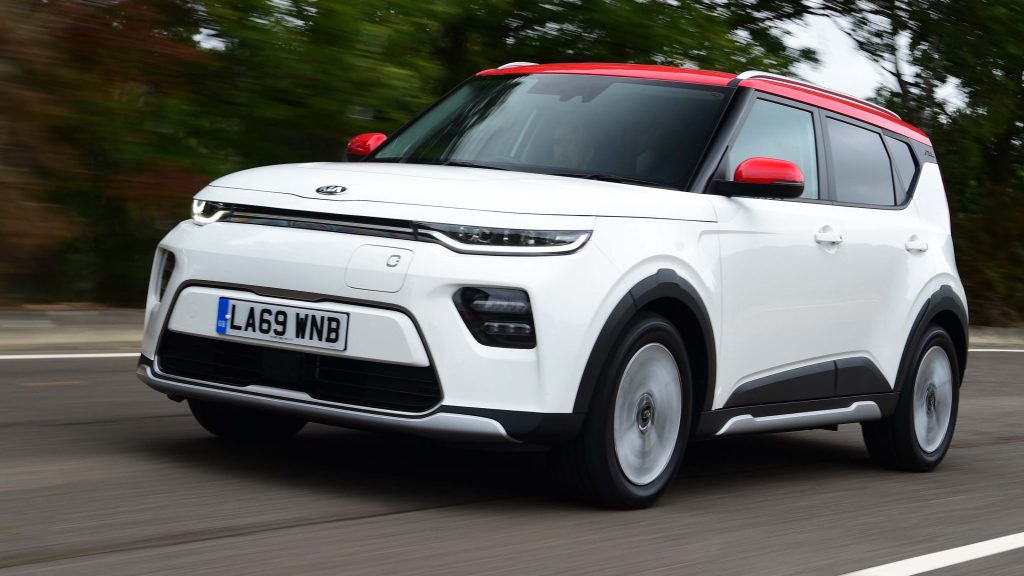
2. Kia Soul: 6.5 Complaints per 10,000 Vehicles Sold
The Kia Soul ranked second among the vehicles with the lowest safety complaint rates in the same iSeeCars analysis, recording approximately 6.5 complaints per 10,000 vehicles sold. That was still far below the study-wide average of 26.8 complaints per 10,000 vehicles.
The data covered eligible US sales and NHTSA safety complaints from 2005 through 2016, making this a historical comparison rather than a statement about the latest Soul models.
The Soul took a different approach to everyday transportation than a conventional compact sedan. Its upright body provided a distinctive cabin layout, while its compact footprint made it practical for city driving and parking.
The model appealed to buyers who wanted a small vehicle with a taller seating position and a flexible interior without moving into a larger SUV.
Its low complaint rate is particularly interesting because the Soul’s distinctive shape and broad appeal helped it become a recognizable part of Kia’s US lineup. Still, its position in the study should not be mistaken for a comprehensive reliability score.
The research measured safety-related complaints submitted to NHTSA, not every mechanical fault, maintenance expense, or breakdown reported to a repair shop.
NHTSA explains that owner complaints are one source of information used to identify potential safety issues. The agency may investigate patterns across reports and other evidence before deciding whether further action is warranted.
A complaint by itself does not establish that a defect exists, and a low count does not guarantee that a vehicle has no safety problems.
For a used Soul, the model year matters. Buyers should check open recalls by VIN, review the vehicle’s service records, and inspect its tires, brakes, and safety equipment before purchase. They should also research problems specific to the exact year and powertrain rather than relying solely on a historical model-wide statistic.
The Soul’s result is meaningful because its complaint rate remained low after accounting for sales volume. It demonstrates why comparing reports per vehicle sold is more informative than simply counting which models attracted the fewest complaints.
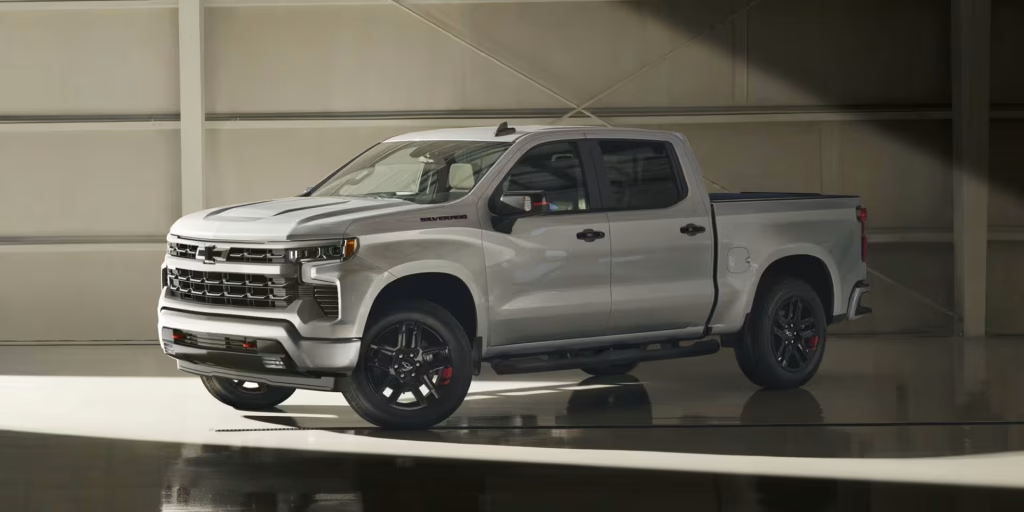
3. Chevrolet Silverado 1500: 6.5 Complaints per 10,000 Vehicles Sold
The Chevrolet Silverado 1500 tied the Kia Soul at approximately 6.5 safety complaints per 10,000 vehicles sold in the iSeeCars study. Its rate was dramatically below the study’s average of 26.8 complaints per 10,000 vehicles.
The research examined NHTSA complaints and US sales covering 2005 through 2016, including only eligible models that met the study’s sales threshold.
The Silverado’s result is notable because full-size pickups have different duties from compact passenger cars. Many are used for commuting, family transportation, towing, and hauling.
Their greater size and heavier construction affect how they are used, but neither characteristic automatically guarantees better safety. Crash protection also depends on structural design, restraint systems, braking performance, and the ability to avoid a collision.
The study’s complaint rate offers a more useful comparison than raw complaint totals. A popular truck can accumulate many reports simply because thousands of owners drive it.
Dividing complaints by sales helps account for that difference, although it does not eliminate every bias. Owners may report problems at different rates, and older vehicles have had more time to generate complaints.
It is equally important to distinguish safety complaints from general reliability. The iSeeCars analysis counted reports submitted to NHTSA, not every mechanical failure or maintenance expense.
A truck can have few safety complaints and still require repairs to its engine, transmission, suspension, or other components. NHTSA itself explains that consumer complaints are reports used to help identify possible safety defects, not automatic findings that a defect exists.
The Silverado’s historical result is encouraging, but it should not replace a model-year-specific review. Buyers should check the VIN for open recalls, inspect towing-related wear if applicable, and review service records before purchasing a used example.
The findings suggest that the Silverado 1500 received relatively few reported safety complaints compared with its sales volume during the period covered by the study.
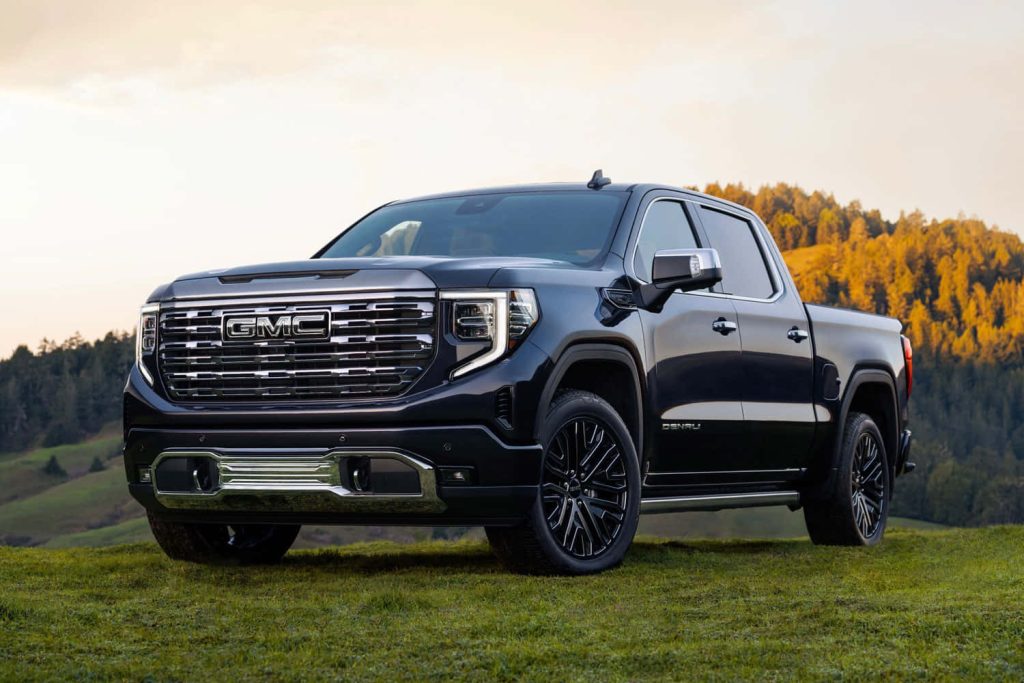
4. GMC Sierra 1500: 8.6 Complaints per 10,000 Vehicles Sold
The GMC Sierra 1500 recorded approximately 8.6 safety complaints per 10,000 vehicles sold, placing it fourth among the lowest-complaint models in the iSeeCars study.
That rate was well below the 26.8-complaint average across the eligible vehicles analyzed. The data covered US sales and NHTSA complaints from 2005 through 2016, so it should not be treated as a current ranking of the latest Sierra.
The Sierra shares much of its underlying engineering with the Chevrolet Silverado 1500, but GMC positions it with different styling, trim choices, and equipment combinations. Buyers have historically chosen the truck for everyday transportation as well as work, towing, and hauling.
The low complaint rate is therefore relevant to a vehicle used in a range of circumstances, although the study did not establish that every Sierra configuration performed equally well.
One important limitation is that the Sierra’s result does not prove it is mechanically trouble-free. The study examined safety complaints rather than every breakdown, repair bill, or maintenance issue.
A report submitted to NHTSA may concern a potentially serious safety issue, but the agency does not automatically validate every consumer account. It uses complaints alongside other evidence to identify patterns that may justify further investigation.
Pickup owners should also pay attention to how a particular truck has been used. Heavy towing, frequent hauling, rough worksite driving, and neglected maintenance can affect brakes, tires, suspension components, and drivetrain longevity. Those factors are not captured by a single complaint-rate statistic.
For used-car shoppers, the sensible approach is to use this historical finding as a starting point rather than a final verdict. Verify the exact model year’s recalls, look for evidence of regular servicing, and inspect the truck for signs of hard use.
The Sierra’s low complaint rate is a positive data point, but condition and model-year history remain essential to evaluating an individual vehicle.
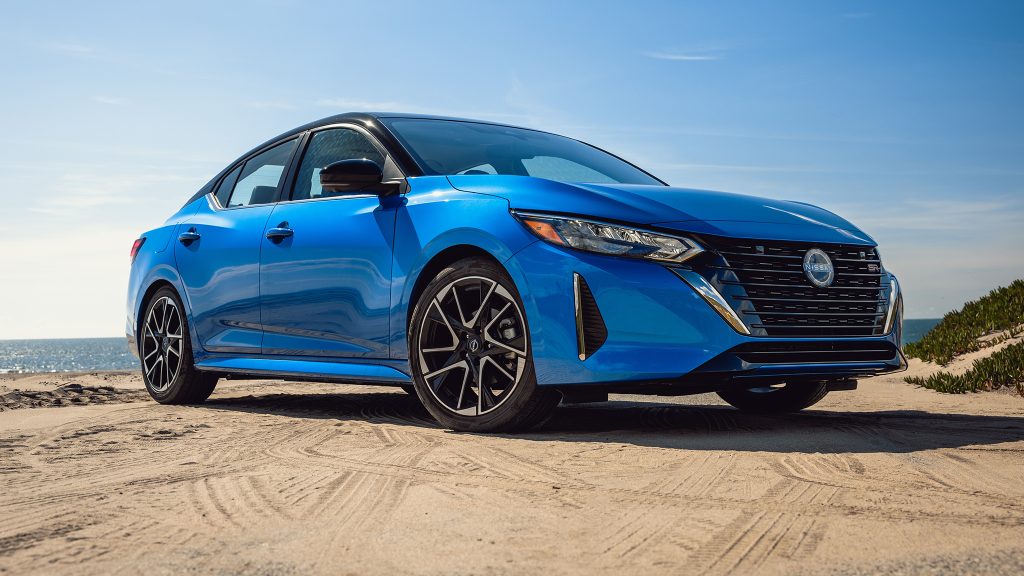
5. Nissan Sentra: 9.3 Complaints per 10,000 Vehicles Sold
The Nissan Sentra recorded approximately 9.3 safety complaints per 10,000 vehicles sold, tying the Ford F-150 in the iSeeCars analysis. Its rate was considerably lower than the study’s average of 26.8 complaints per 10,000 vehicles.
The research used NHTSA safety complaints and US sales data from 2005 through 2016, providing a historical view of how often owners reported safety concerns relative to the number of vehicles sold.
As a compact sedan, the Sentra serves a different purpose from the full-size pickups elsewhere in the ranking. Its appeal has traditionally centered on accessible pricing, manageable dimensions, and practical everyday transportation.
That makes complaint rates useful for comparing the number of reports with the size of the vehicle’s sales population, rather than treating the total number of reports as a direct measure of quality.
Still, the Sentra’s result does not mean that every model year is equally dependable. The study aggregated eligible years, and problems can vary substantially between generations, powertrains and production runs.
A model-wide figure can conceal a troublesome year or a component issue that affects only a subset of vehicles.
It is also important not to confuse NHTSA complaints with confirmed defects. Complaints are submitted by consumers and other individuals. They can alert regulators to possible safety patterns, but they do not independently establish a defect or predict the likelihood of a future failure.
Anyone shopping for a used Sentra should therefore research the exact model year, check the VIN for open recalls and review its maintenance history. A thorough inspection should cover the braking system, tires, steering and drivetrain, while a test drive can help identify warning lights or unusual operation.
The Sentra’s historical rate makes it one of the lower-complaint vehicles in this comparison. It is useful evidence, but not a guarantee that a particular used car will be trouble-free.
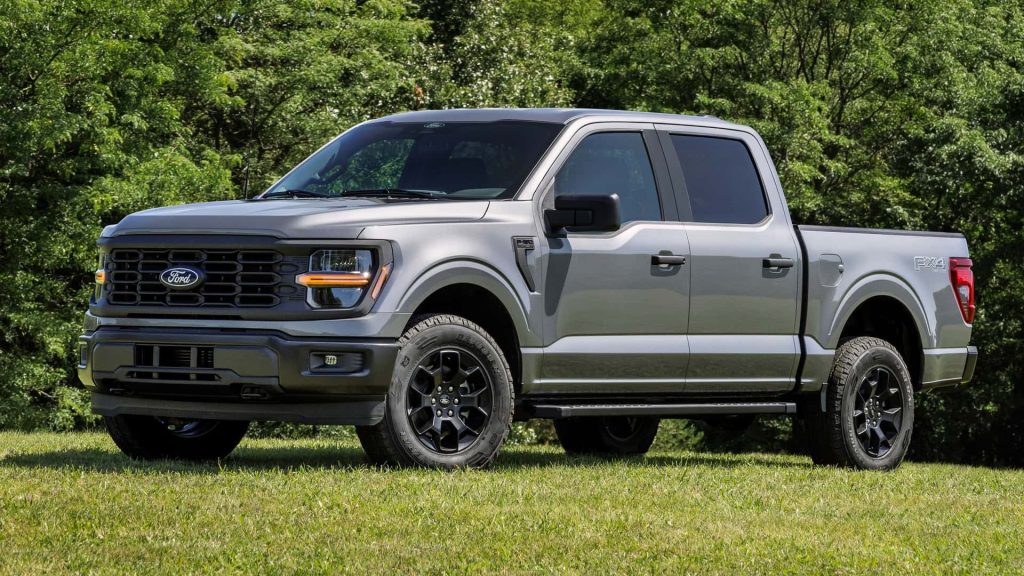
6. Ford F-150: 9.3 Complaints per 10,000 Vehicles Sold
The Ford F-150 recorded approximately 9.3 safety complaints per 10,000 vehicles sold, tying the Nissan Sentra in the iSeeCars study. Its rate was substantially below the study-wide average of 26.8 complaints per 10,000 vehicles.
The analysis used US sales and NHTSA complaint data covering 2005 through 2016, making the figure a historical measure rather than a current estimate for every F-150 generation.
The F-150 is a particularly interesting case because it has been one of America’s highest-volume vehicles for many years.
High sales can naturally lead to large raw complaint totals, so the normalized rate provides a more balanced comparison than counting reports alone. In this study, the F-150’s sales-adjusted result placed it among the models with the lowest complaint rates.
Its real-world use, however, varies widely. Some trucks spend most of their time commuting, while others tow trailers, haul equipment or operate on rough surfaces. That range of duties can influence wear on brakes, tires, suspension components and drivetrain parts. The study’s complaint rate does not account for every difference in use or maintenance.
Nor does a low rate mean the truck has never experienced safety-related problems. NHTSA complaint records are one tool for identifying potential defects, and the agency may investigate patterns that emerge across complaints, crash information and other evidence.
A complaint is not automatically a confirmed defect, just as the absence of many complaints is not proof that a vehicle has none.
For buyers, the exact generation and model year matter more than a single historical average. Check for open recalls, inspect the truck for signs of heavy towing or commercial use, and review service records. Pay particular attention to tires, brakes, steering and any warning lights during a test drive.
The F-150’s result is a positive historical data point, but buyers should use it alongside vehicle-specific inspection and recall information.
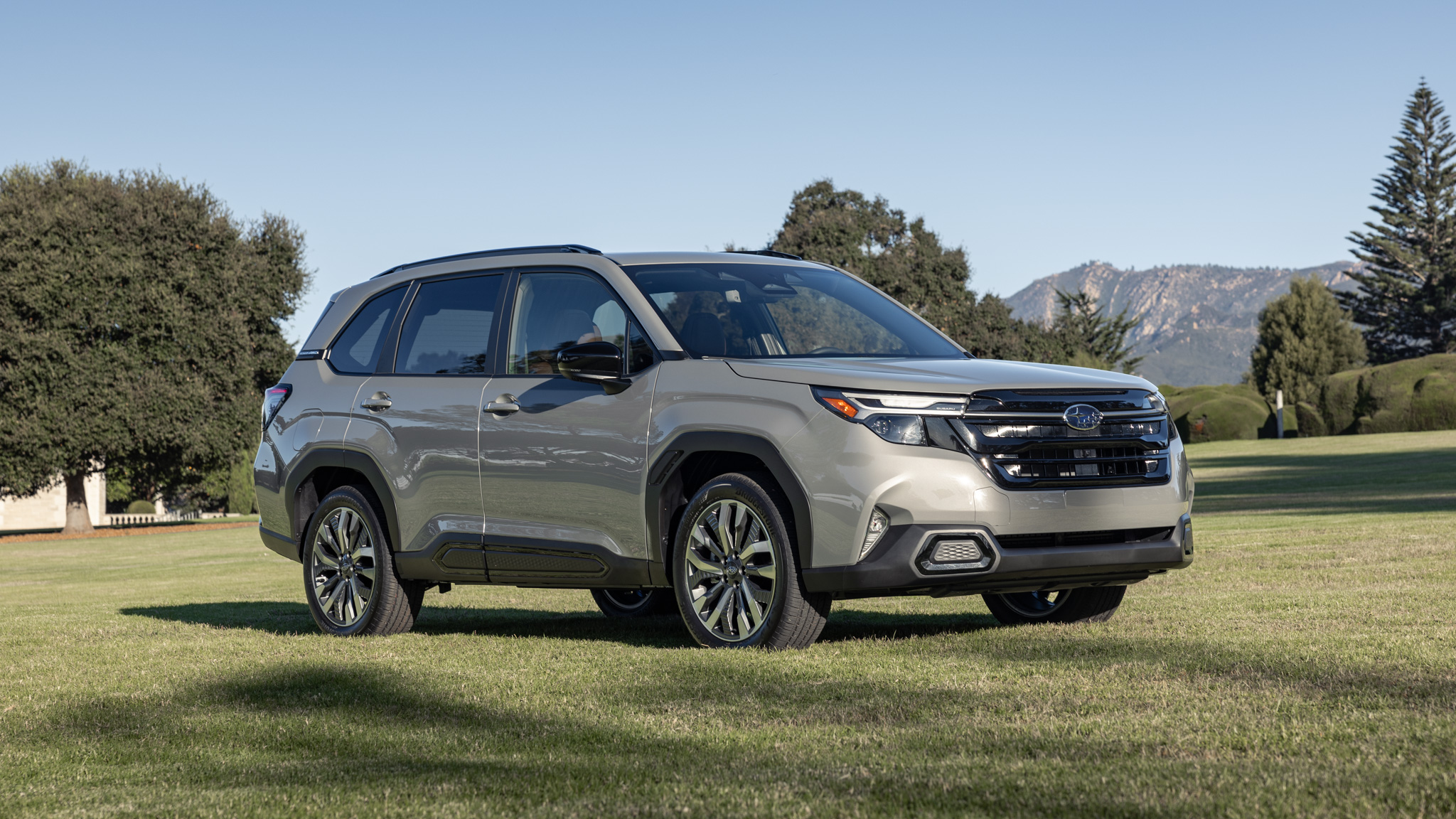
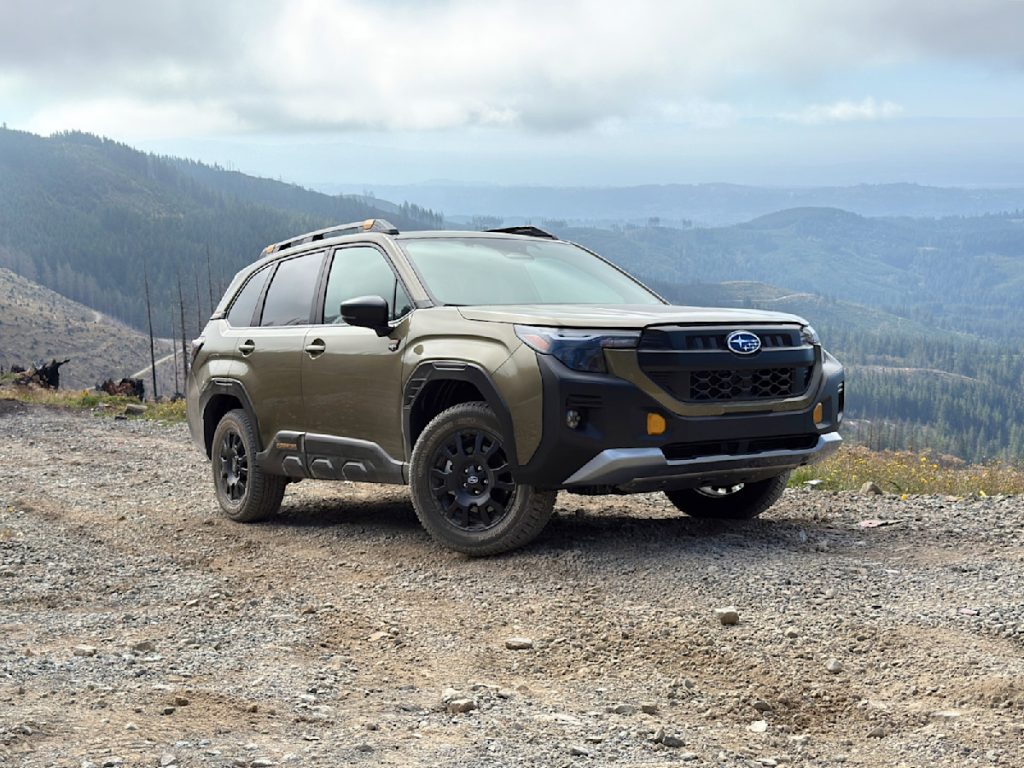
7. Subaru Forester: 9.4 Complaints per 10,000 Vehicles Sold
The Subaru Forester completed the seven-model list with approximately 9.4 safety complaints per 10,000 vehicles sold in the iSeeCars study. That was well below the study’s average of 26.8 complaints per 10,000 vehicles.
The analysis covered eligible US sales and NHTSA complaints from 2005 through 2016, so the rate reflects the vehicles included in that period rather than every Forester built since.
The Forester’s practical design has helped it appeal to drivers who want SUV-like cargo flexibility without moving to a large vehicle. Its relatively upright body, versatile cabin and availability of Subaru’s all-wheel-drive system have made it useful for commuting, family trips and driving in wet or snowy conditions.
All-wheel drive can help deliver power to the road when traction is limited, but it does not eliminate the need for suitable tires or reduce every braking risk.
The complaint figure is useful because it accounts for sales volume, but it should not be mistaken for a comprehensive reliability score. The study measured safety-related reports submitted to NHTSA.
It did not count every repair, breakdown or maintenance expense, and it did not establish that each complaint represented a confirmed defect. NHTSA reviews consumer reports as one part of its process for identifying possible safety problems.
The Forester’s performance in the study also does not mean every model year is equally problem-free. Generational changes can affect engines, transmissions, safety equipment and other components. Buyers should investigate the specific year they are considering and verify open recalls using the vehicle identification number.
A pre-purchase inspection should include the tires, brakes, suspension, steering and drivetrain, with additional attention to maintenance history and evidence of neglected repairs. For all-wheel-drive vehicles, matching tire condition and size is also important.
The Forester’s low historical complaint rate places it among the better performers in this particular comparison. It is a useful starting point for research, not a substitute for checking the individual vehicle.