An engine can lose oil even when the driveway remains completely clean. Instead of escaping through a gasket or seal, engine oil may enter the combustion chambers and burn with the fuel, sometimes leaving few obvious warning signs.
Worn piston rings, oil-control ring problems, valve seals, and crankcase ventilation faults can contribute to this condition. U.S. manufacturers have issued technical service bulletins describing oil-consumption complaints and diagnostic procedures for certain vehicles.
These documents do not mean every example is defective, but they give used-car buyers specific model years, engine configurations, and inspection points worth checking before purchase.
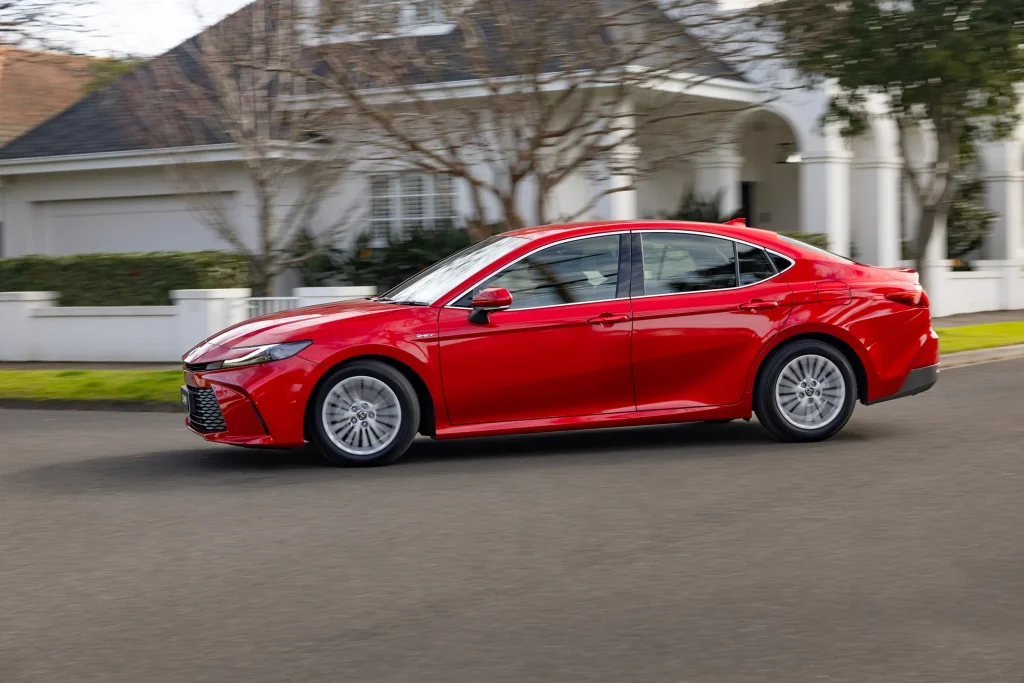
1. Toyota Camry
Affected model years: Certain 2007 to 2011 models equipped with the 2.4-liter 2AZ-FE engine.
Toyota’s technical service bulletin T-SB-0158-14 addresses excessive oil consumption in certain vehicles fitted with the 2AZ-FE or 2AZ-FXE engines. Listed applications include selected Camry model years, and the bulletin describes revised piston assemblies intended to minimize oil consumption.
The underlying problem can involve oil-control rings that fail to regulate the oil film on the cylinder walls effectively. Oil may enter the combustion chamber and burn without leaving a visible puddle beneath the vehicle. Drivers might notice falling dipstick levels, increased oil top-ups, or exhaust smoke, although symptoms vary.
A used-car inspection should begin with the engine code and VIN because not every Camry from these years uses the same engine or falls within the bulletin’s scope. Review oil-change invoices and ask whether an oil-consumption test or piston-related repair was performed.
Toyota’s documented procedure matters more than an informal claim that the engine is fine. A qualified technician should check for external leaks, measure oil consumption under controlled conditions, and confirm whether the applicable bulletin covers that specific vehicle.
The bulletin does not mean every affected Camry burns oil, and its existence does not guarantee free repairs today. Warranty eligibility depends on the vehicle’s circumstances and applicable terms.
2. Toyota Corolla
Affected model years: Certain 2009 to 2012 models equipped with the 2.4-liter 2AZ-FE engine, depending on application.
Toyota’s oil-consumption bulletin also identifies selected Corolla models fitted with the 2AZ-FE engine. The documented concern involves excessive oil consumption, with revised piston assemblies introduced to help address the condition.
The engine may consume oil internally even when the engine bay and parking space appear dry. Oil-control rings can allow more oil than intended to remain on cylinder walls, where it may burn during combustion. A driver might discover the problem only after checking the dipstick or receiving an oil-pressure warning.
The engine code is crucial here. Most U.S. Corollas from these years used different engines, so the bulletin should not be applied indiscriminately to every Corolla. Verify the vehicle’s configuration and VIN before assuming it has the documented condition.
During a used-car inspection, check the oil level, examine the service history, and ask whether the engine has undergone an official consumption test. If oil use appears excessive, a technician can investigate the piston rings, PCV system, spark plugs, and other potential causes.

A clean engine exterior does not rule out internal oil consumption. Equally, a Corolla that falls within the listed model years is not automatically defective. The evidence must come from the particular engine and its measured condition.
3. Toyota RAV4
Affected model years: Certain 2006 to 2008 models equipped with the 2.4-liter 2AZ-FE engine.
Selected Toyota RAV4 models appear in the manufacturer’s documentation covering excessive oil consumption in vehicles equipped with the 2AZ-FE engine family. The technical bulletin describes an inspection procedure and revised piston assemblies intended to minimize the problem.
In an affected engine, oil may pass the oil-control rings and enter the combustion chamber. Because the oil burns internally, the driver might not see drops on the ground. Repeatedly adding oil between scheduled changes can be an early indication, although consumption must be measured before a diagnosis is made.
Buyers should confirm the engine code and model-year applicability before concluding. RAV4 configurations vary, and the existence of a bulletin does not establish that every vehicle from a particular year has the problem.
Ask for maintenance records showing oil changes and any previous engine work. A technician can inspect for external leaks, check the PCV system, examine spark plugs, and conduct a controlled oil-consumption test. Blue exhaust smoke may support the diagnosis, but its absence does not conclusively rule out internal oil burning.

If a seller says the engine has never needed additional oil, request supporting service records rather than relying on verbal assurances. A documented piston repair may be relevant, but its quality and the engine’s current condition still need assessment.
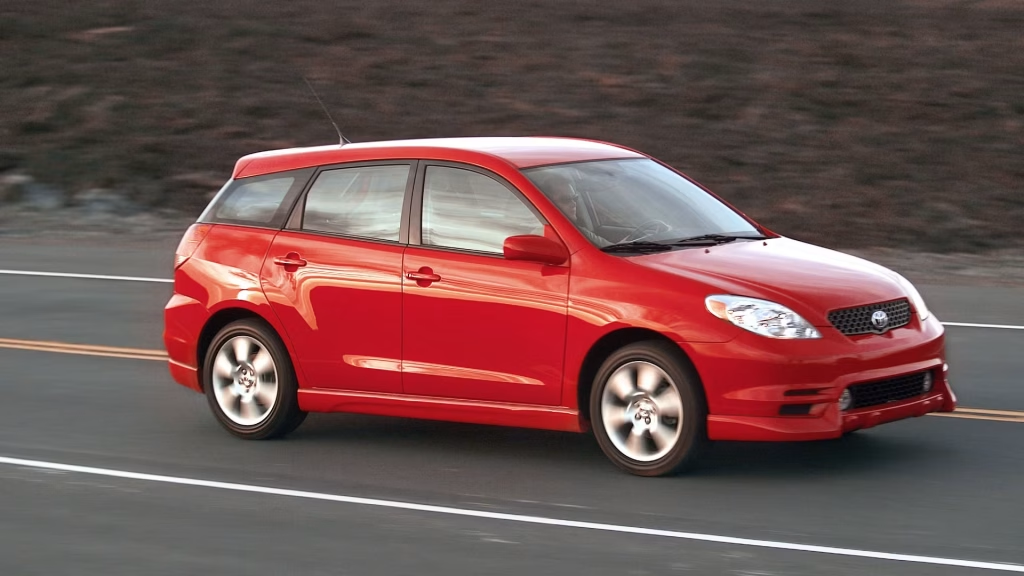
4. Toyota Matrix
Affected model years: Certain 2009 to 2013 models equipped with the 2AZ-FE engine.
Toyota’s T-SB-0158-14 lists selected Matrix applications among vehicles that may experience excessive oil consumption with the 2AZ-FE or 2AZ-FXE engine families. The bulletin describes a revised piston assembly intended to minimize oil consumption.
The Matrix is worth checking carefully because an older example can appear inexpensive and practical while concealing an engine problem that becomes expensive over time. Internal oil burning may leave no obvious puddle, and the vehicle can continue running even as the oil level gradually falls.
The most important step is confirming the engine fitted to the specific car. Not every Matrix from these years uses the same engine, and a model-year match alone is insufficient to establish applicability.
During an inspection, look for evidence of frequent oil top-ups, unusually dirty spark plugs, exhaust smoke, or previous engine repairs. These clues are not conclusive individually, so a mechanic should measure oil consumption using the manufacturer’s procedure and investigate other possible causes.
Check whether the previous owner followed the recommended oil-change schedule and used the specified oil. Neglected servicing can worsen engine wear, but good maintenance records do not automatically eliminate the possibility of a ring-related problem.
A Matrix with documented repairs and a healthy engine may still be worth considering. However, buyers should account for the cost of diagnosing the problem before purchasing an example that repeatedly loses oil without a visible external leak.
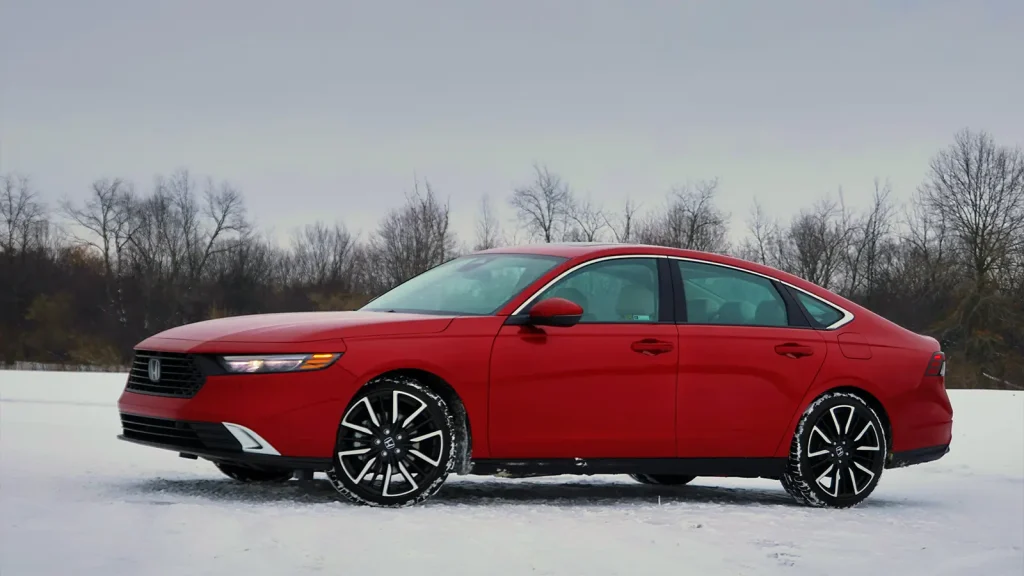
5. Honda Accord
Affected model years: 2008 to 2011 Accord four-cylinder models covered by Honda Service Bulletin 12-087.
Honda issued a warranty extension bulletin addressing sticking piston rings and high engine oil consumption in certain four-cylinder Accords from 2008 through 2011. The document describes circumstances in which deposits can cause oil-control rings to stick, allowing excessive oil consumption.
When oil-control rings cannot regulate the oil film properly, oil can enter the combustion chamber and burn. The dipstick level may fall between changes even if the engine’s exterior remains dry. In severe cases, the oil warning light may illuminate, but drivers should never wait for a warning before checking the level.
Honda’s bulletin specified an extension for piston and piston-ring coverage to eight years or 125,000 miles, whichever came first, subject to eligibility conditions. That historical coverage has generally expired by 2026, but owners should confirm any applicable remaining protection directly with Honda.
For a used Accord, verify the four-cylinder configuration and VIN eligibility. Ask whether the piston rings were inspected or replaced and request invoices. An engine that received an authorized repair should still be checked for current oil consumption.
A qualified technician can conduct a controlled consumption test and inspect the PCV system, spark plugs, and cylinders. The bulletin does not establish that every Accord from these years has the defect, so a vehicle’s measured condition matters more than its model year alone.
6. Chevrolet Equinox
Affected model years: Certain 2010 to 2013 models equipped with the 2.4-liter LAF or LEA engine.
General Motors issued technical service bulletin 13-06-01-003 addressing excessive oil consumption in specified Equinox models with the 2.4-liter engine. The bulletin directs technicians to conduct an oil-consumption test, inspect for external leaks, and follow the prescribed repair procedure when the measured result warrants it.
The concern is important because oil can be consumed internally without creating a visible puddle. A driver may need to add oil between changes, and a low level can eventually threaten engine lubrication.
GM’s procedure also points to an important challenge when checking oil consumption because the dipstick markings do not correspond to equal oil volumes across the entire range. For accurate results, technicians should follow the recommended checking procedure instead of relying on rough estimates from dipstick readings.
Owners considering a used Equinox should confirm the engine code and ask for documented oil-consumption tests or piston-ring repairs. A mechanic should inspect the PCV system, check for leaks, and verify the oil level before starting a controlled test.

The bulletin does not establish that every Equinox from these years burns oil. It identifies specific engine applications that may experience the condition. A vehicle’s VIN, maintenance history, and measured oil use determine whether the concern applies.
7. GMC Terrain
Affected model years: Certain 2010 to 2013 models equipped with the 2.4-liter LAF or LEA engine.
The GMC Terrain shares a documented oil-consumption concern with certain Chevrolet Equinox models. GM’s technical service bulletin identifies specified Terrain applications with the 2.4-liter engine and calls for an oil-consumption test before determining the appropriate repair.
A Terrain may consume oil internally without leaving obvious drops on the driveway. The driver might notice a falling dipstick reading or repeated need for top-ups. However, oil consumption can have several causes, including piston-ring problems, crankcase ventilation faults, and engine wear, so the symptom alone does not establish a diagnosis.
GM also issued special coverage information concerning a potentially plugged PCV orifice in certain vehicles using related 2.4-liter engines. The bulletin explains that crankcase pressure could increase and contribute to a rear crankshaft seal leak. This means the same vehicle can have an oil-consumption concern and a separate external-leak problem.
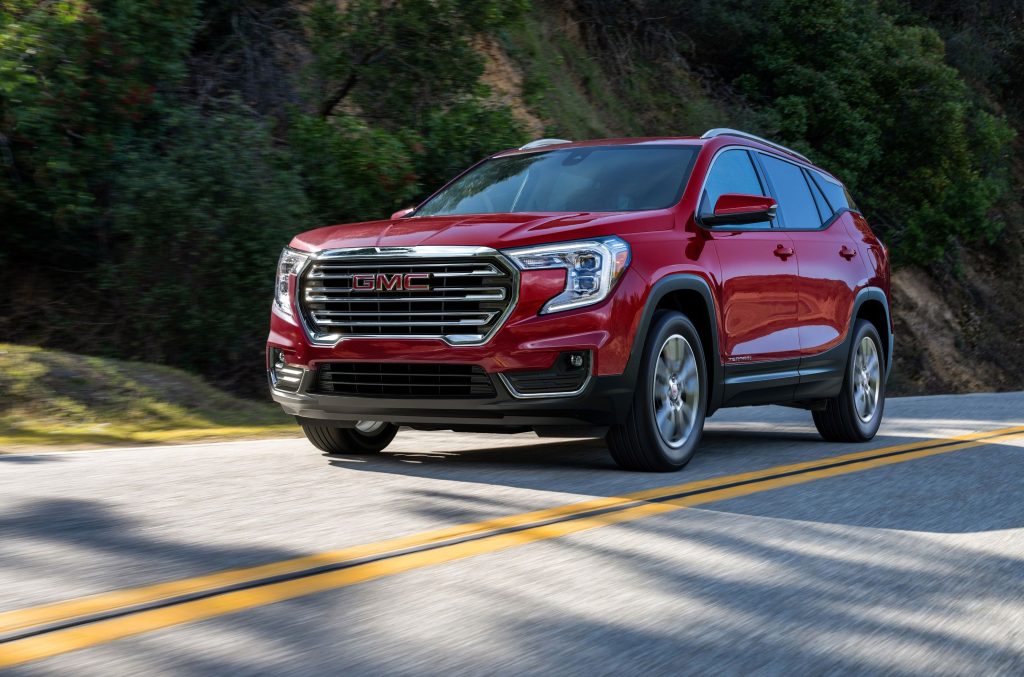
When shopping for a used Terrain, confirm the engine and VIN, inspect the engine for leaks, and request any previous consumption-test results. Ask whether PCV-related work or piston repairs were performed.
The documented concern applies to specified configurations, not every Terrain. A proper inspection should distinguish internal oil burning from an external leak before repair costs are estimated.
8. Buick LaCrosse
Affected model years: Certain 2010 to 2013 models equipped with the 2.4-liter LAF or LEA engine.
Buick’s LaCrosse appears in GM’s technical service documentation addressing excessive oil consumption in specified vehicles with the 2.4-liter engine. The bulletin instructs technicians to measure oil consumption, inspect for leaks, and follow the applicable diagnostic and repair procedure.
Internal oil burning can be difficult to spot during a brief test drive. The engine may run normally while its oil level declines, particularly if the driver does not check the dipstick regularly. A dry engine exterior therefore cannot establish that the oil level is stable.
GM also identified a PCV-related issue in certain vehicles equipped with these engines. A clogged PCV orifice can raise crankcase pressure and potentially cause a leak at the rear crankshaft seal. This highlights the need to distinguish between oil loss caused by external leaks and oil consumption that occurs internally within the engine.
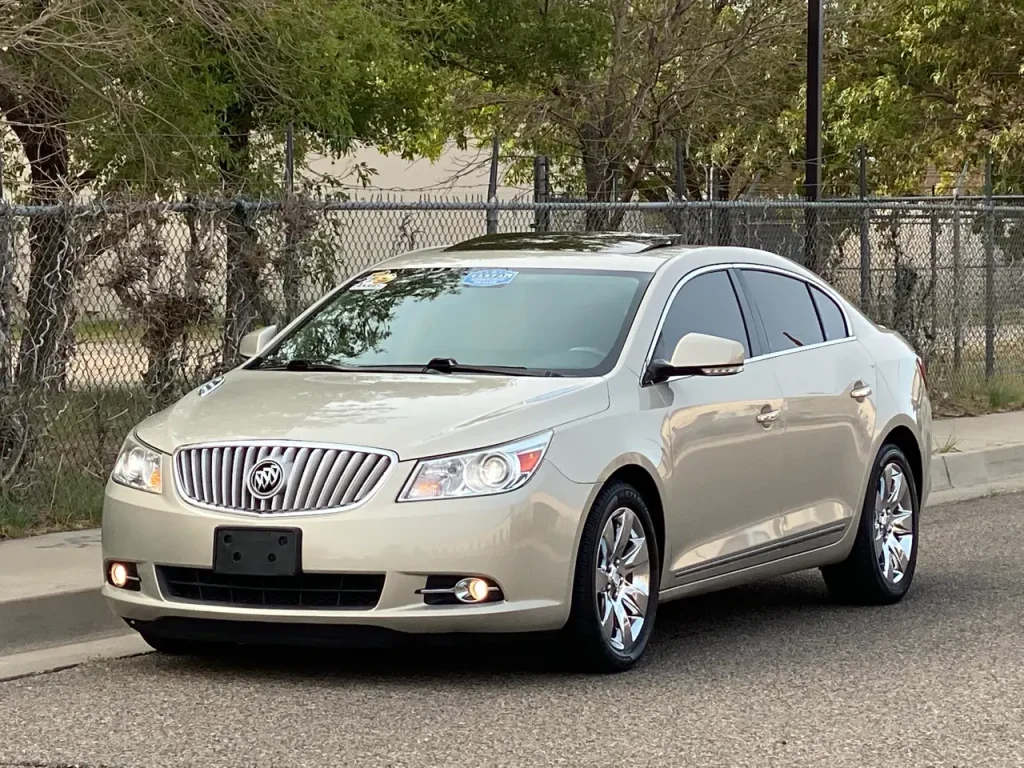
Used-car buyers should verify the exact engine and VIN before assuming the bulletin applies. Ask for oil-consumption test results and invoices for any piston, ring, or PCV repairs. A technician should check the engine for leaks before measuring oil consumption.
A LaCrosse with a documented repair history may still be suitable for purchase, but unresolved oil loss should not be dismissed as normal simply because the car is older. The actual consumption rate and engine condition should guide the decision.
9. Buick Regal
Affected model years: Certain 2011 to 2013 models equipped with the 2.4-liter engine.
The Buick Regal is another GM vehicle named in the manufacturer’s technical documentation on excessive oil consumption. The relevant bulletin covers specified Regal models equipped with the 2.4-liter LAF or LEA engine and directs technicians to conduct an oil-consumption test before selecting the appropriate repair.
A Regal experiencing internal oil consumption may not leave oil on the pavement. Instead, the oil level can decline as oil enters the combustion chamber and burns. Drivers might notice frequent top-ups or, in more serious cases, warning lights associated with low oil pressure.
The model-year range alone is not sufficient to identify an affected vehicle. Buyers should establish the engine code and verify applicability through the VIN. They should also check whether the car has previously undergone piston-ring repairs or PCV-system work.
GM’s documentation is particularly useful because it requires technicians to distinguish external leaks from consumption. The correct oil level must be established, and the amount added during the test must be recorded to determine the consumption rate.

Before purchasing a used Regal, review oil-change records and ask whether the seller has needed to add oil between services. A mechanic can inspect the PCV system, examine spark plugs, and investigate any evidence of oil entering the combustion chambers.
The bulletin does not mean every Regal from these years has an oil-burning problem. It identifies specified configurations requiring careful evaluation when excessive consumption is reported.
10. Hyundai Sonata
Affected model years: Certain Sonata models equipped with engines covered by Hyundai’s oil-consumption bulletin.
Hyundai’s technical service bulletin ENG222 addresses excessive oil consumption in specified vehicles using NU, Gamma, Theta, and Kappa engines. The 2025 revision covers certain 2011 to 2024 model-year vehicles, with the applicable models and engines identified in the bulletin’s tables.
The concern is broader than one Sonata model year, so buyers must identify the precise engine and confirm whether their vehicle falls within the listed applications. It would be inaccurate to claim that every Sonata from 2011 through 2024 is affected.
Hyundai’s procedure uses an oil-consumption test and prescribed diagnostic steps. Depending on the result, the process may include checking maintenance records, inspecting for leaks, addressing combustion-chamber deposits, and conducting a further consumption test. Engine replacement is not an automatic outcome for every complaint.

For a used Sonata, ask for maintenance invoices and any recorded oil-consumption test results. Check the oil level, look for warning lights, and have a qualified technician inspect the PCV system, spark plugs, and engine condition. A vehicle that has repeatedly needed oil top-ups deserves closer examination even if its exterior is spotless.
Warranty coverage and repair eligibility depend on the exact vehicle, applicable terms, and manufacturer requirements. Confirm the VIN with a Hyundai dealer before assuming that a repair will be covered.
The bulletin establishes a documented diagnostic concern for specified engine applications, not a blanket finding against every Sonata. The individual vehicle’s engine, maintenance history, and measured oil consumption should determine the next step.