Hybrid cars combine gasoline engines with electric motors to improve fuel economy, but their long-term value depends on more than efficiency. Battery condition, transmission design, maintenance history, and repair costs all influence whether a hybrid remains economical after 200,000 miles.
iSeeCars’ 2026 reliability research analyzes more than 300 million vehicle data points to estimate lifespan and the likelihood of reaching high-mileage milestones. Its findings identify several hybrids with encouraging longevity prospects, although no model is guaranteed to reach that distance.
Battery warranties also have limits, making the vehicle’s age, mileage, and service records essential when shopping for a used hybrid.
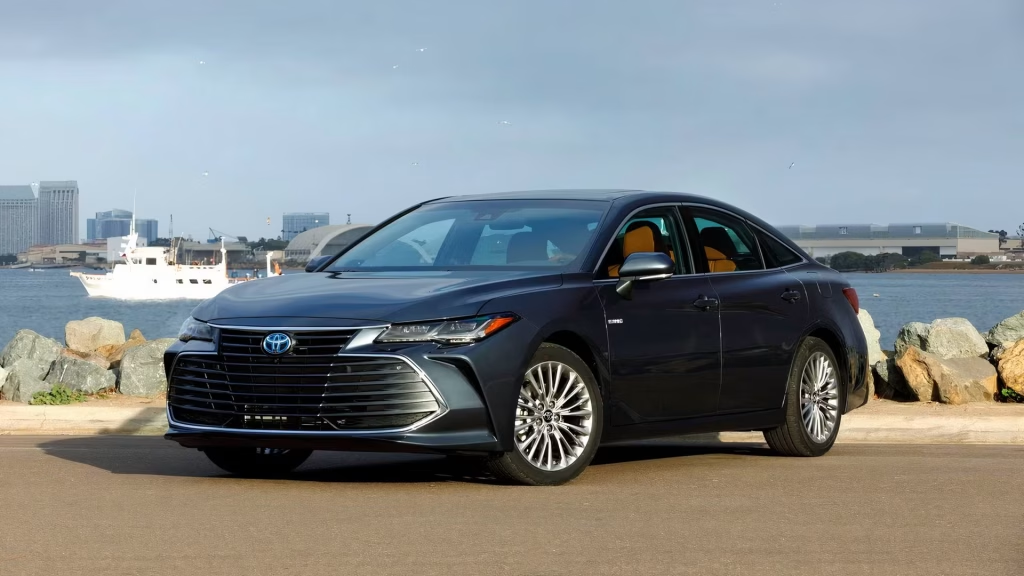
1. Toyota Avalon Hybrid
iSeeCars data: 188,765-mile average lifespan; 42.9% estimated chance of reaching 200,000 miles.
The Toyota Avalon Hybrid is a compelling option for buyers who want a spacious sedan with long-distance comfort. iSeeCars gives it an 8.1 out of 10 reliability rating for 2026, placing it first among 22 hybrid cars in its reliability ranking.
Its estimated average lifespan falls below 200,000 miles, but the 42.9% probability of reaching that threshold makes it a noteworthy high-mileage candidate.
The Avalon Hybrid combines a gasoline engine with an electric motor and battery pack. Regenerative braking helps recover energy during deceleration, while electric assistance reduces the engine’s workload in suitable driving conditions. These systems can help fuel economy, but they do not eliminate the need for maintenance.
Battery coverage depends on model year and the original warranty terms. Buyers should verify the vehicle’s in-service date, mileage, and remaining hybrid battery coverage rather than assuming a warranty transfers with unlimited protection. A hybrid-system diagnostic test is particularly valuable before purchasing an older example.
Inspect service records for coolant maintenance, engine servicing, and previous hybrid-system repairs. Check for warning lights and confirm that the battery cooling system is clean and functioning properly.
The Avalon Hybrid’s data suggest a realistic possibility of extended service, not a guarantee of trouble-free ownership. Its condition and maintenance history matter more than the odometer alone.
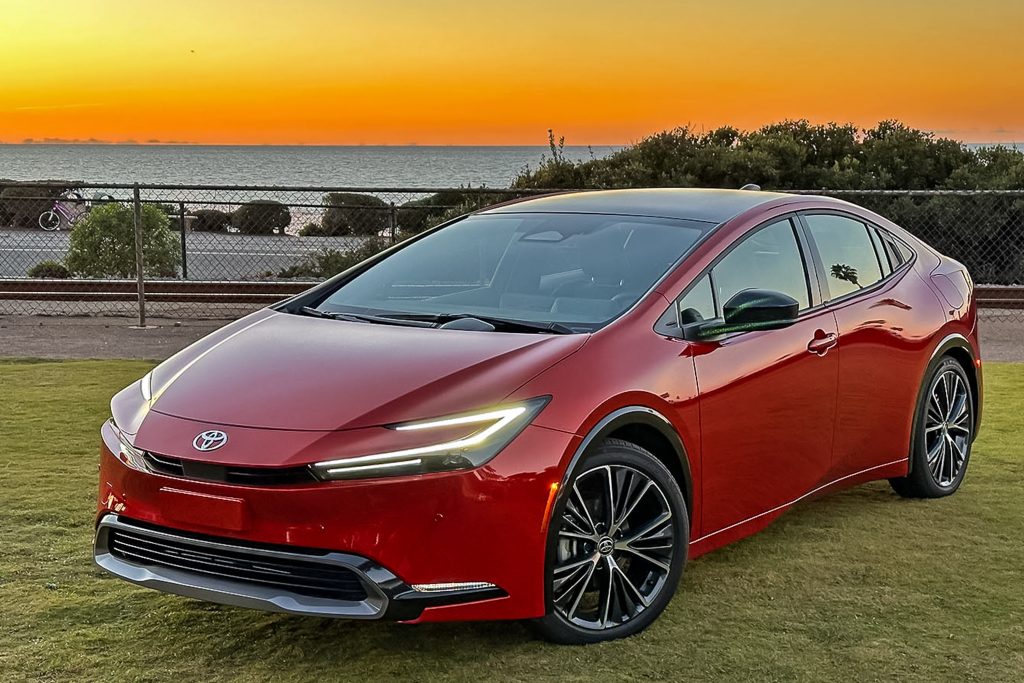
2. Toyota Prius
iSeeCars data: 186,113-mile average lifespan; 40.7% estimated chance of reaching 200,000 miles.
The Prius helped establish hybrid technology as a practical choice for American drivers, and its longevity data reinforce its appeal as a used-car candidate. iSeeCars assigns the 2026 Prius a reliability score of 7.9 out of 10, ranking it second among 22 hybrid cars.
Its estimated 40.7% chance of reaching 200,000 miles makes it particularly interesting for commuters who accumulate substantial annual mileage.
The Prius uses a gasoline-electric powertrain designed to operate efficiently during city driving. Its regenerative braking system can reduce reliance on conventional friction brakes under suitable conditions, although brake components still require inspection and eventual replacement.
Engine oil, coolant, tires, suspension parts, and other ordinary maintenance items remain important.
Battery condition is the central concern when evaluating a high-mileage example. A hybrid battery can lose capacity with age, and heat exposure or cooling-system problems may affect its condition. Ask for a hybrid-system diagnostic report and check whether the battery cooling intake is obstructed.
Warranty coverage depends on the vehicle’s model year and applicable terms. Do not assume that an older Prius retains its original battery protection simply because the car has fewer than 200,000 miles. Confirm coverage using the VIN and manufacturer documentation.
A Prius with documented maintenance and no unresolved warning lights may offer years of useful service. However, the purchase price should leave room for potential battery or inverter repairs, particularly on older vehicles with incomplete histories.
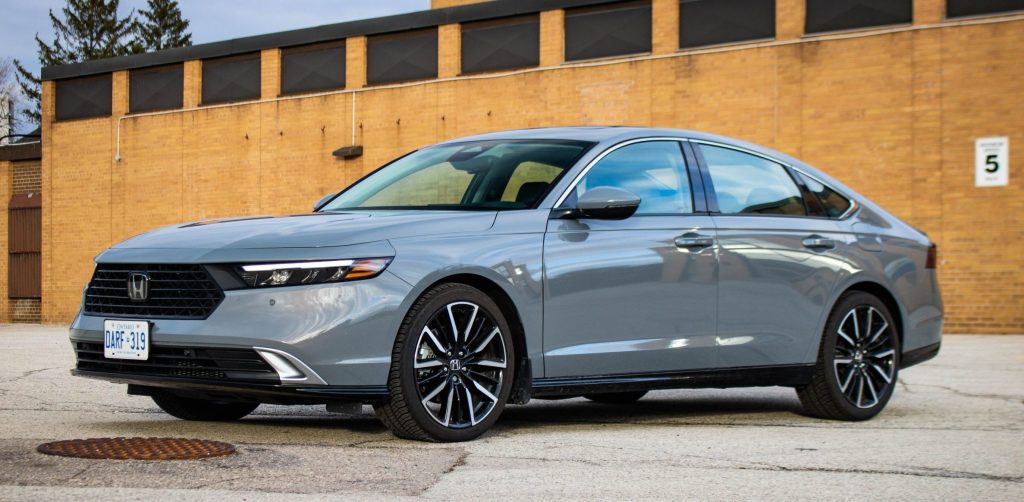
3. Honda Accord Hybrid
iSeeCars data: 194,595-mile average lifespan; 46.9% estimated chance of reaching 200,000 miles.
The Honda Accord Hybrid combines family-sedan practicality with an efficient gasoline-electric powertrain. Its 2026 iSeeCars reliability score is 7.9 out of 10, and its estimated 46.9% chance of reaching 200,000 miles places it among the stronger candidates in this group.
One attraction is that the Accord remains a conventional four-door sedan rather than requiring buyers to move into a larger SUV to obtain hybrid efficiency.
Depending on generation, Honda has used different hybrid-system designs, so buyers should not assume that every Accord Hybrid operates identically. Model year matters when researching components, servicing requirements, and known issues.
Before purchasing a high-mileage Accord Hybrid, arrange an inspection that includes the hybrid battery, power electronics, cooling systems, and conventional mechanical components.
Ask the seller for maintenance invoices and any previous hybrid-system diagnostic results. A warning light should be investigated before the sale rather than dismissed as a minor electronic issue.
Battery warranty terms vary by model year, state, and applicable manufacturer coverage. Check the VIN with a Honda dealer to establish whether any battery or hybrid-system coverage remains. A used vehicle’s warranty status cannot be determined reliably from its odometer reading alone.
The Accord Hybrid’s longevity estimate is encouraging, but it does not mean nearly half of every individual model year is guaranteed to reach the target. It is a statistical estimate across the model’s observed vehicle population, not a promise about one particular car.
4. Toyota Highlander Hybrid
iSeeCars data: 199,652-mile average lifespan; 50.3% estimated chance of reaching 200,000 miles.
For families needing three rows of seating, the Toyota Highlander Hybrid offers an alternative to a conventional gasoline SUV. iSeeCars estimates an average lifespan of 199,652 miles and a 50.3% chance of reaching at least 200,000 miles. Its 2026 reliability score is 8.0 out of 10, placing it among the better-rated hybrid SUVs.
The Highlander Hybrid’s appeal lies in combining family-carrying capacity with gasoline-electric efficiency. However, carrying passengers and cargo can mean substantial use, so maintenance records deserve close attention. Check the suspension, tires, brakes, cooling systems, and engine, as well as the hybrid components.
A battery inspection should establish whether the system reports faults and whether cooling passages are clear. Buyers should also ask about any previous inverter, battery, or hybrid-control repairs. These checks are particularly important when the SUV has been used for frequent family trips or commercial transportation.
Warranty coverage is not uniform across every model year. Confirm the original in-service date, mileage limits, and any applicable state-specific battery protections. California and certain other states may have different emissions-warranty requirements from the federal baseline.
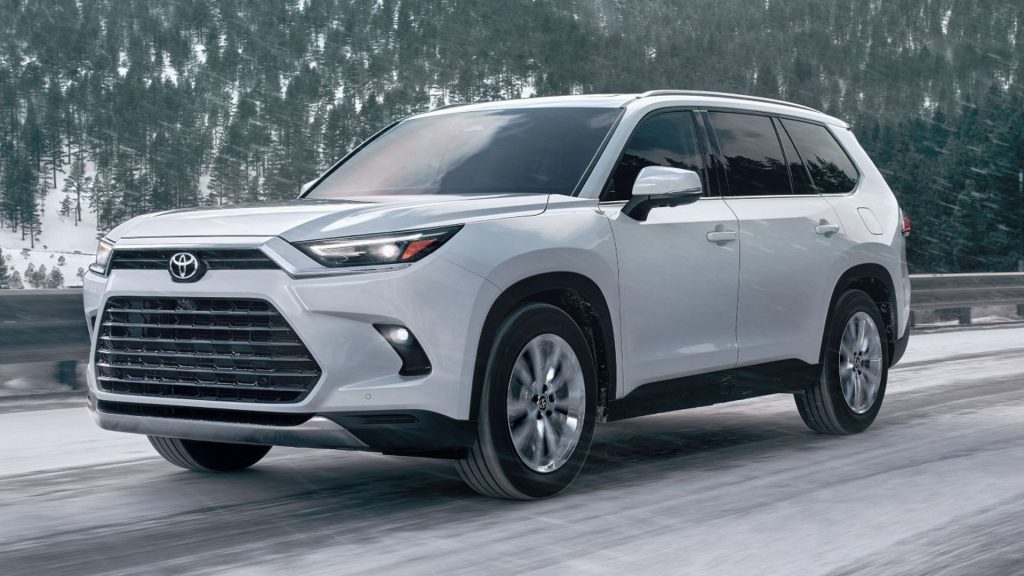
The Highlander Hybrid’s estimated lifespan sits just below the 200,000-mile mark, but its probability estimate indicates that reaching that distance is plausible within the observed population. Buyers should still compare its price with expected maintenance needs and obtain an independent inspection before committing to a high-mileage example.
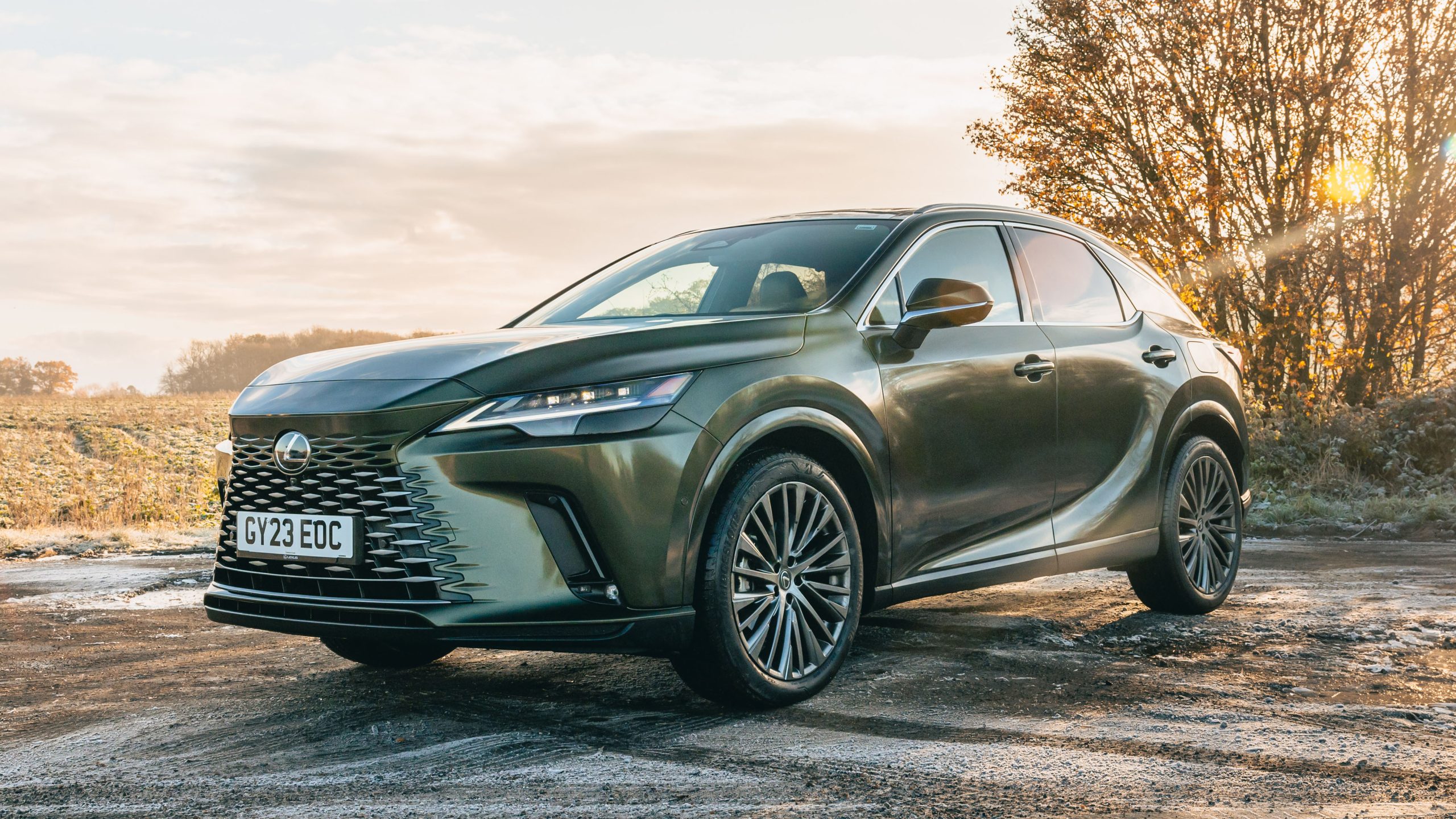
5. Lexus RX 450h
iSeeCars data: 213,993-mile average lifespan; 58% estimated chance of reaching 200,000 miles.
The Lexus RX 450h combines luxury-SUV comfort with a gasoline-electric powertrain. Its estimated 213,993-mile lifespan places it above the 200,000-mile threshold, while its 8.6 out of 10 reliability rating makes it an interesting option for buyers seeking a premium hybrid.
The RX 450h uses electric assistance to improve efficiency, particularly during lower-speed driving and acceleration. Its additional electrical components do introduce potential repair costs, so buyers should assess the hybrid system rather than judging the vehicle solely by its interior condition or brand reputation.
Pay particular attention to battery health, inverter operation, cooling systems, and any hybrid-system warning lights. Ask for documented maintenance and repair history, including previous battery-related work. A specialist familiar with Lexus hybrid systems can perform diagnostic checks before purchase.
Battery warranty coverage depends on the model year, original in-service date, mileage, and applicable state rules. Buyers should verify coverage directly with Lexus rather than assume an older luxury SUV remains protected.
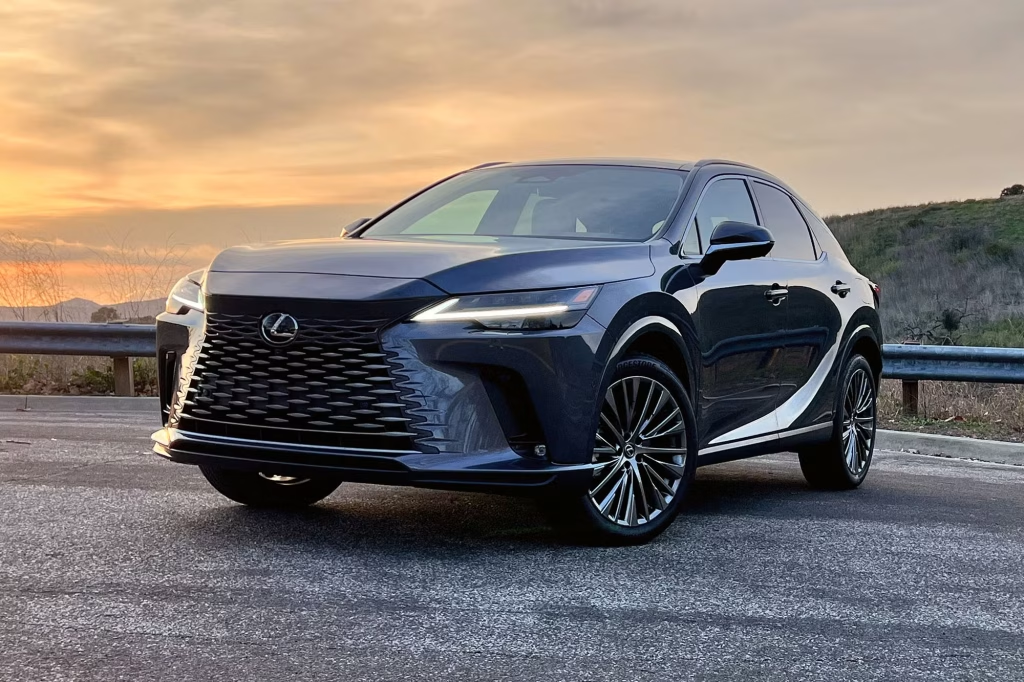
The RX 450h can be an appealing long-distance vehicle, but luxury-car maintenance may cost more than servicing a mainstream sedan. Worn suspension components, aging electronics, and neglected cooling systems can undermine an otherwise promising purchase.
iSeeCars’ figures describe the model’s statistical lifespan, not a guarantee that every RX 450h will reach 200,000 miles. A well-maintained example with a healthy battery is a more convincing purchase than a cheaper vehicle with incomplete records.
6. Toyota Camry Hybrid
iSeeCars data: 180,565-mile average lifespan; 37.1% estimated chance of reaching 200,000 miles.
The Toyota Camry Hybrid offers a practical balance between fuel efficiency, passenger comfort, and everyday usability. Its 2026 iSeeCars reliability score is 7.8 out of 10, and the study estimates a 37.1% chance of reaching 200,000 miles.
The Camry Hybrid uses a gasoline engine and electric motor to reduce fuel consumption without requiring external charging. That makes it suitable for drivers who want hybrid efficiency without changing their refueling routine. Its long-term condition still depends on servicing, driving conditions, and the health of its electrical systems.
A used example should receive a thorough inspection of its battery, inverter, engine cooling system, and transmission-related components. Check for warning lights, rough operation, or unusual changes in fuel economy. Maintenance records should establish whether routine servicing was performed consistently.
Toyota’s hybrid battery warranty varies by model year. For many 2020-and-newer Toyota hybrids, the hybrid battery warranty is 10 years or 150,000 miles, whichever comes first, subject to the applicable terms. Coverage for older models can differ, so confirm the exact warranty for the VIN.
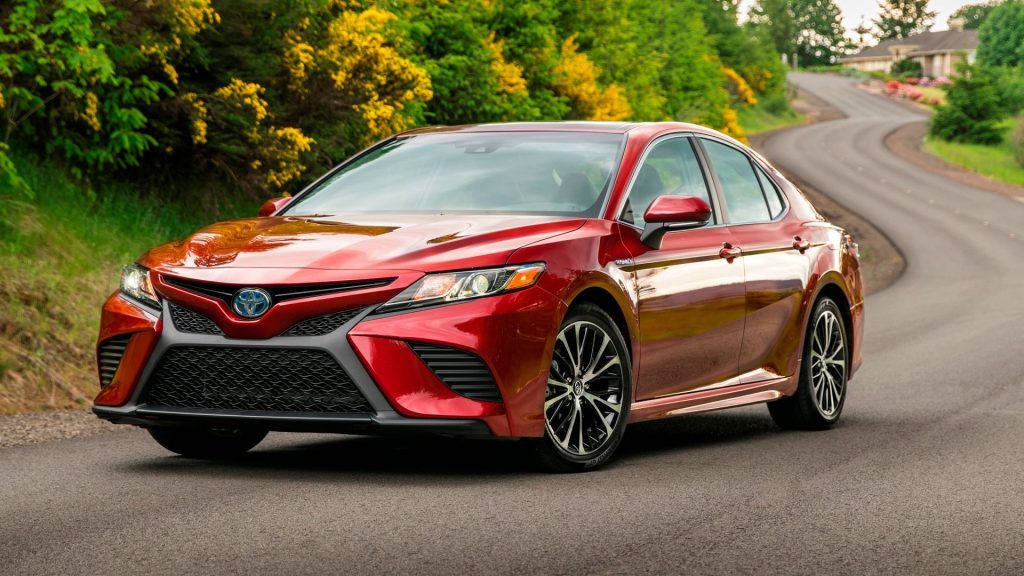
The Camry Hybrid’s estimated lifespan falls short of 200,000 miles, but its probability of reaching that threshold shows that some examples can travel considerably farther. Buyers should compare the asking price with the car’s maintenance history and any likely battery-related expenses.
A clean inspection and documented servicing provide stronger reasons to buy than mileage alone. Even a reliable hybrid can become expensive if major repairs arrive shortly after purchase.
7. Toyota RAV4 Hybrid
iSeeCars data: 169,830-mile average lifespan; 28.6% estimated chance of reaching 200,000 miles.
The Toyota RAV4 Hybrid appeals to buyers who want SUV practicality without the fuel consumption associated with some larger gasoline-powered vehicles. iSeeCars gives the 2026 model a reliability score of 7.6 out of 10, with a 28.6% estimated chance of reaching 200,000 miles.
Its gasoline-electric system provides electric assistance while regenerative braking recovers energy during deceleration. This setup can improve efficiency in city traffic, but it does not make the vehicle maintenance-free. Tires, suspension components, brakes, engine fluids, and cooling systems still require attention.
For used buyers, battery condition should be part of a broader inspection. Ask whether the hybrid system has recorded faults and whether the battery cooling intake has been maintained. A diagnostic assessment can reveal problems that a short test drive may not expose.
The RAV4 Hybrid’s average lifespan is below 200,000 miles, so it should not be presented as a guaranteed high-mileage vehicle. The iSeeCars estimate indicates that a portion of the observed population reaches the threshold, while many vehicles may not.
Warranty terms depend on the model year and location. Confirm the original battery warranty, in-service date, and remaining coverage using the VIN. A vehicle registered in a state with additional emissions-warranty protections may have different coverage from one originally sold elsewhere.
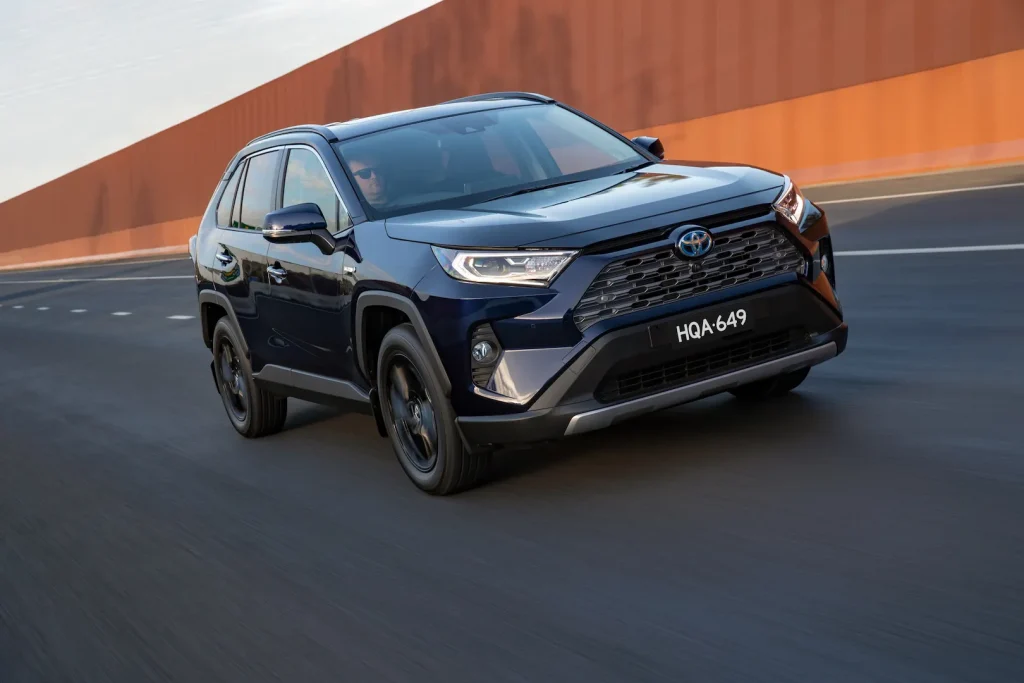
The RAV4 Hybrid can make sense for families needing cargo space and everyday efficiency. However, buyers should assess the individual vehicle’s service history and condition rather than assuming that every Toyota hybrid will deliver identical longevity.
8. Lexus ES 300h
iSeeCars data: 166,948-mile average lifespan; 26.6% estimated chance of reaching 200,000 miles.
The Lexus ES 300h brings hybrid efficiency to a premium midsize sedan. Its 2026 iSeeCars reliability score is 7.8 out of 10, and the model has an estimated 26.6% chance of reaching 200,000 miles. Its average lifespan is lower than that of several other hybrids in this article, but the data still identify examples capable of extended service.
The ES 300h is designed for comfortable everyday travel, with a gasoline-electric powertrain that reduces fuel consumption. Buyers also receive the quiet cabin and refinement expected from Lexus, although replacement parts and specialist repairs can cost more than those for some mainstream vehicles.
Inspect the hybrid battery, power electronics, cooling systems, suspension, and interior electronics. A luxury sedan may appear well cared for while concealing costly mechanical or electrical problems. Service invoices and a diagnostic report are particularly useful when evaluating a high-mileage example.
Battery warranty coverage should be verified for the exact model year. Do not assume that the vehicle’s original warranty remains active simply because it has been driven fewer than 200,000 miles. Time limits can expire before mileage limits are reached.
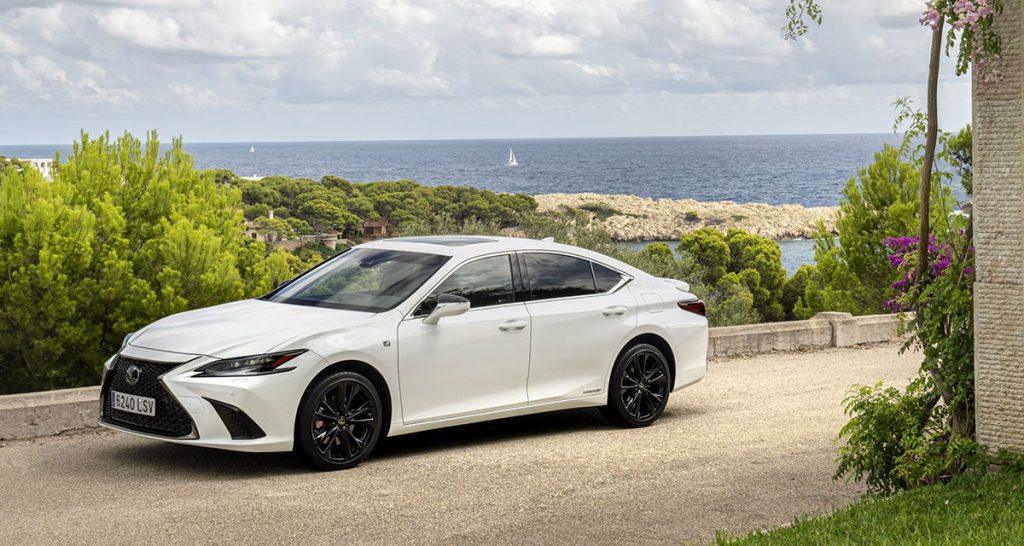
The ES 300h’s longevity estimate is a statistical measure rather than a prediction for every individual car. A vehicle with consistent maintenance, a healthy battery, and no unresolved warning lights is a stronger candidate than one with missing records.
Buyers should also budget for age-related repairs. Even when the hybrid system works correctly, worn suspension parts, aging tires, and deteriorating rubber components can require attention as the odometer climbs.
9. Ford Fusion Hybrid
iSeeCars data: 137,893-mile average lifespan; 12.3% estimated chance of reaching 200,000 miles.
The Ford Fusion Hybrid remains worth considering for buyers shopping in the used midsize-sedan market. iSeeCars estimates an average lifespan of 137,893 miles and a 12.3% chance of reaching 200,000 miles. These figures are less encouraging than those for several Toyota and Lexus hybrids, making careful vehicle selection especially important.
The Fusion Hybrid combines a gasoline engine with electric assistance to improve fuel economy. Ford sold different generations with varying equipment and powertrain details, so buyers should identify the exact model year before researching known issues or replacement-part availability.
An inspection should cover the hybrid battery, inverter, engine, cooling system, and transmission operation. Check for warning lights, unusual noises, and inconsistent performance during acceleration. The seller should provide maintenance records and explain any previous hybrid-system repairs.
Because the Fusion Hybrid is no longer part of Ford’s current new-car lineup in the United States, buyers should pay particular attention to parts availability and the availability of qualified repair facilities in their area. This does not make every example a poor purchase, but it changes the ownership considerations.
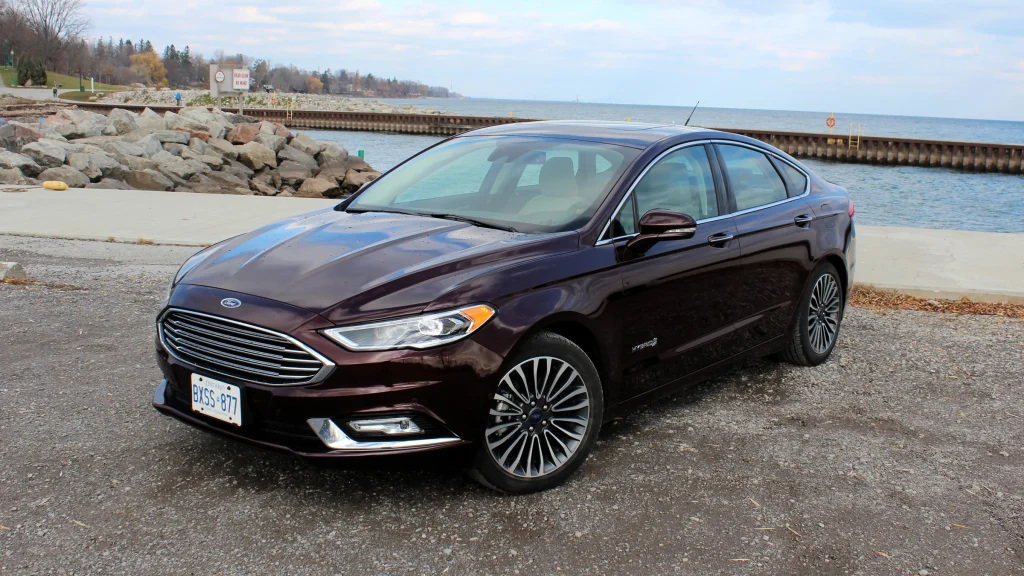
Battery warranty coverage varies by model year and applicable terms. Confirm remaining protection through Ford using the VIN, and do not assume that the original warranty covers every hybrid component for the same period.
A reasonably priced Fusion Hybrid with strong service documentation may still suit a budget-conscious buyer. However, the lower estimated probability of reaching 200,000 miles means that its purchase price and potential repair costs deserve scrutiny.
10. Hyundai Sonata Hybrid
iSeeCars data: 133,897-mile average lifespan; 6% estimated chance of reaching 200,000 miles.
The Hyundai Sonata Hybrid completes this list as a reminder that not every hybrid has the same high-mileage prospects. iSeeCars estimates its average lifespan at 133,897 miles and its probability of reaching 200,000 miles at 6%. Its 2026 reliability score is 6.9 out of 10.
The Sonata Hybrid combines a gasoline engine with electric assistance in a midsize sedan package. Specifications and hybrid-system designs differ by generation, so maintenance requirements and potential repair concerns should be checked against the exact model year.
For used-car buyers, a comprehensive inspection is essential. Have the hybrid battery and power electronics assessed, check the engine and transmission operation, and review the vehicle’s maintenance history. Investigate warning lights or unexplained changes in fuel economy before agreeing to a purchase.
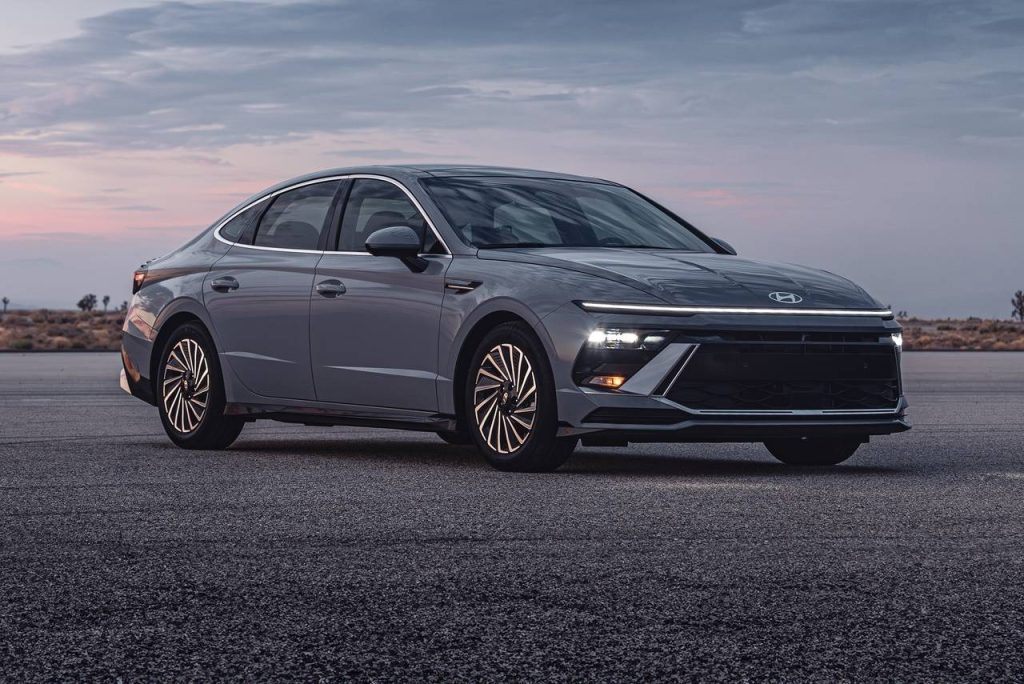
Hyundai’s hybrid battery and component warranty terms depend on the vehicle’s model year, original sale date, mileage, and applicable conditions. Confirm the remaining coverage with a Hyundai dealer. Do not assume that a warranty transfers in the same way for every owner or vehicle.
The 6% estimate does not mean that every Sonata Hybrid will fail before 200,000 miles. It means the model’s observed longevity data indicate a relatively small chance of reaching that threshold. A particular car may perform better or worse depending on its maintenance and condition.
For shoppers prioritizing a long ownership period, compare the asking price with the car’s service records, diagnostic results, and likely repair expenses. A lower purchase price is not necessarily a bargain if the hybrid system needs costly work soon after purchase.