
For many Americans, buying a car is supposed to provide freedom, convenience, and peace of mind. Yet for a growing number of households, a vehicle loan has become a financial commitment that seems never to end.
Drivers trade in one car, carry unpaid debt into another purchase, and sign up for years of additional payments just to keep moving. New-car payments have reached around $749 per month in the figures provided, while used-car payments average about $529.
Add insurance, fuel, repairs, and registration fees, and owning a vehicle can consume a substantial part of a household budget. The problem isn’t always the car itself. Financing choices, borrowing costs, depreciation, and buying habits can combine to keep people in debt long after they expected to be free of payments.

1. Focusing Only on the Monthly Payment
A salesperson asks what monthly payment you can afford. You name a figure, and suddenly a more expensive vehicle seems within reach. Sounds convenient, right? The problem is that a comfortable payment can hide a costly financing agreement.
Buyers who focus exclusively on monthly payments may overlook the total amount borrowed, the annual percentage rate (APR), loan fees, and repayment period. A lower payment could simply mean spreading the debt across more months, allowing interest charges to accumulate for longer.
Consider two loans for the same vehicle. One requires larger monthly payments over a shorter period, while the other offers smaller payments over several additional years. The second option may feel easier initially, but it could cost more in interest.
Before signing, ask for the complete purchase price, amount financed, APR, loan duration, monthly payment, and total scheduled payments. Compare these figures across offers rather than judging affordability by one number.
A vehicle should fit your budget without forcing you to sacrifice savings, housing expenses, or emergency funds. If the only way to afford a particular model is to stretch repayment for years, a less expensive vehicle may be the wiser purchase.
The key takeaway is to evaluate the total cost of owning a vehicle rather than focusing solely on the monthly payment shown on the dealership’s worksheet.
2. Treating 72- to 84-Month Loans as Normal
Seven years is a long time to make payments on something that loses value as it ages. Yet extended auto loans have become an option for buyers who want newer vehicles without facing higher monthly bills.
According to the supplied Edmunds figures, 25.5% of financed new-vehicle purchases in the third quarter of 2026 involved loans lasting at least 84 months.
These agreements can make expensive vehicles appear attainable, but borrowers take on years of financial obligations.
Depreciation creates another problem. Cars generally lose value as they accumulate mileage and age. With a lengthy loan, the outstanding balance may remain above the vehicle’s market value for an extended period, particularly when the buyer makes a small down payment.
Imagine wanting to replace your vehicle after four years because your family needs more space. If your loan still has a substantial balance, selling or trading the car may require additional cash to cover the difference.
Long repayment periods can also mean paying for repairs on an aging vehicle while monthly installments continue. Depending on the model, maintenance expenses may rise just when the owner hoped to finish paying for the car.
Before accepting a six- or seven-year loan, calculate the total interest and consider how long you realistically plan to keep the vehicle. A shorter term may require larger payments, so choose one that remains manageable without draining your savings.
An extended loan is not automatically a mistake, but using one to justify a purchase beyond your budget can keep car debt hanging around for years.
3. Rolling Negative Equity Into the Next Loan
Trading in a vehicle can feel like a fresh start. Unfortunately, the transaction may carry old debt into the next purchase without the buyer fully appreciating the consequences.
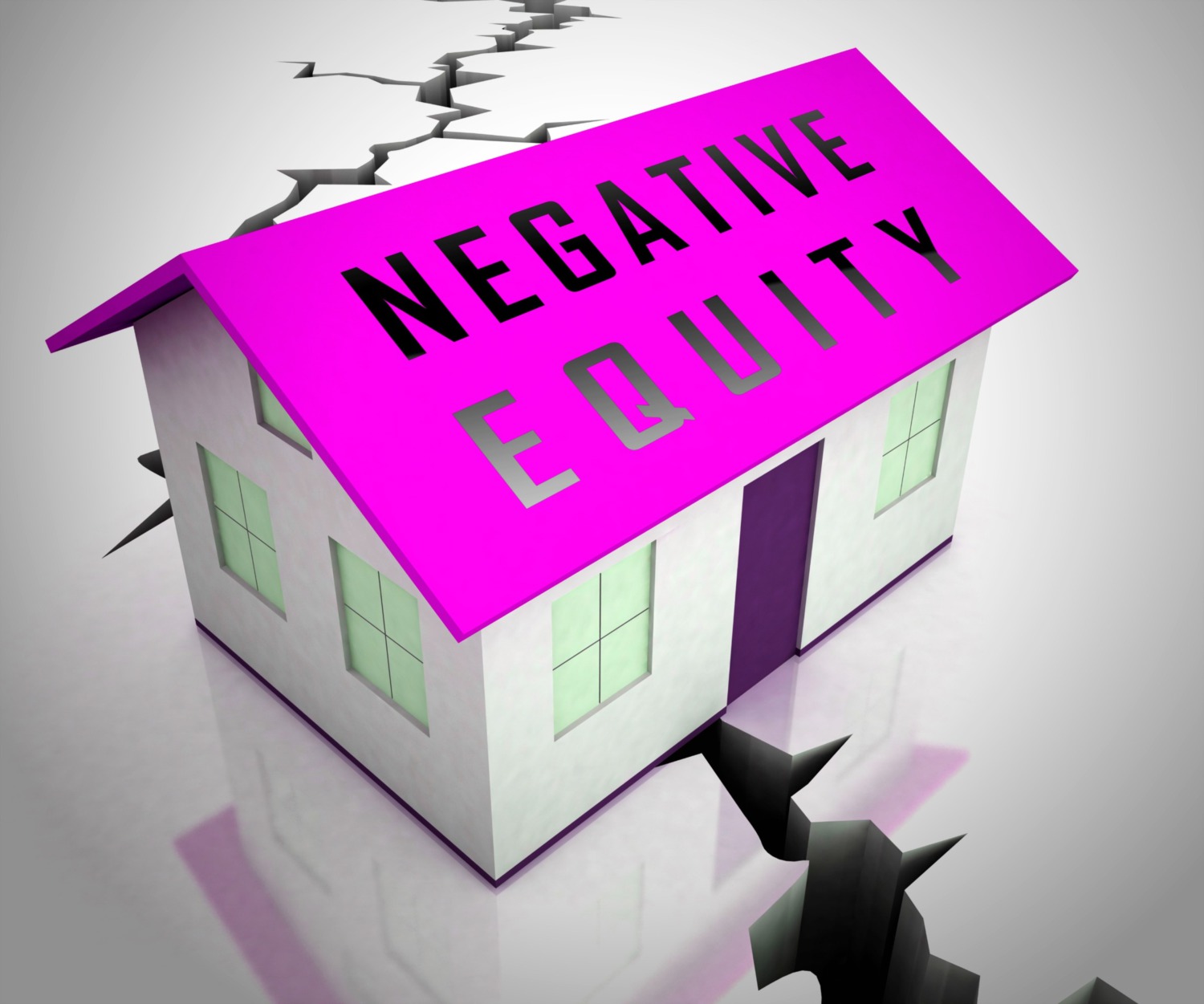
Negative equity occurs when you owe more on a vehicle loan than the vehicle is worth. Suppose your remaining loan balance is $22,000, but a dealer offers $16,000 for your trade-in. You have a $6,000 shortfall.
If that amount is added to the financing for your next vehicle, you begin the new loan already owing thousands of dollars that did not pay for the replacement car.
The supplied Edmunds figures report that 30.9% of trade-ins toward new-vehicle purchases in the first quarter of 2026 were underwater, with an average shortfall of $7,183. That illustrates how easily unpaid balances can follow borrowers from one purchase to another.
Repeated trade-ins can make the problem worse. Each transaction may involve a new vehicle price, fresh interest charges, and another extended repayment period. Instead of clearing the previous obligation, the borrower carries part of it forward.
There are better ways to handle the situation. Obtain a realistic trade-in valuation, request your exact loan payoff amount, and calculate the difference before visiting a dealership. If possible, keep the existing vehicle until the balance falls to a more manageable level.
Paying down the shortfall with available savings may also help, provided you retain enough money for emergencies.
Never assume a dealer has erased negative equity simply because the paperwork describes the transaction as a clean trade-in. Check how they’re handling the old balance.
4. Accepting Dealer Financing Without Comparing Offers
Convenience is a powerful thing. You pick a car, and the dealer handles the paperwork, the loan, and the signing, all in one afternoon. It feels easy. But easy is not always cheap.
Dealer-arranged financing is not automatically the best option. Buyers who skip comparing offers from banks, credit unions, and other lenders may miss out on a lower interest rate.
Even a slight difference in APR can cost you hundreds or even thousands of dollars over the loan term. A simple way to avoid this is to secure preapproval before visiting the dealership.
Preapproval gives you a benchmark. You walk in knowing the rate and terms you already qualify for, and the dealer has to compete for your business. Sometimes they beat the offer. Sometimes they do not. Either way, you win by having options.
When you compare, look beyond the headline rate. Put APRs, fees, repayment terms, and total interest side by side. A slightly lower rate with extra fees might cost more than a higher rate with none.
Do not feel rushed. A good deal will still be there tomorrow. If someone pressures you to decide on the spot, that is a good reason to slow down and take your time.
5. Ignoring Credit Score and Interest Rate Differences
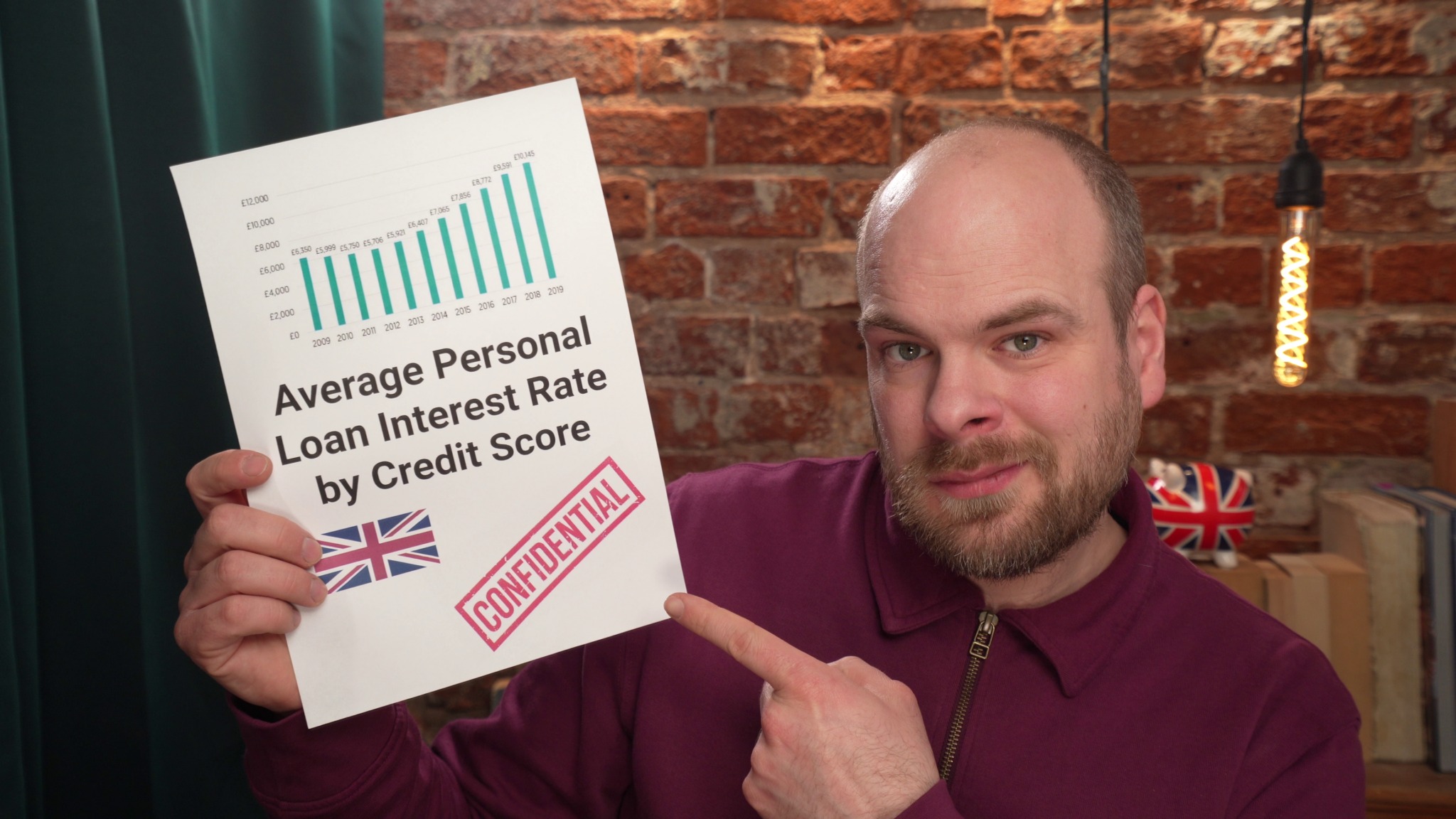
Your credit score works like a price tag on borrowing money. A higher score earns a lower rate, and a lower score earns a much higher one.
The gap is dramatic. Q1 2026 figures reported by Bankrate, based on Experian data, put average new-car APRs at 4.55% for super-prime borrowers and 16.01% for deep-subprime borrowers.
Let that sink in. Two people could buy the same car, and one pays roughly three and a half times the interest rate of the other. On a loan of $35,000, that difference could mean many thousands of extra dollars.
Yet many buyers never look at their credit before shopping. They walk in unprepared and accept whatever rate they are offered.
You can do better. Pull your credit reports well before you buy, and look for errors such as accounts that are not yours or incorrect late payments.
Dispute mistakes, since fixing them can improve your score. Paying down credit card balances and making every payment on time also helps.
Then compare available offers before committing to an expensive loan. If your score is low, consider waiting a few months to improve it, or choose a less costly vehicle. A little preparation can change the rate you get, and the rate shapes everything else.
6. Starting With Little or No Down Payment
Driving away in a new vehicle without putting much money down may seem like a welcome deal. You keep your cash in the bank and spread the purchase price across monthly installments. However, financing nearly the entire price can leave you vulnerable when the vehicle loses value.
Vehicles generally depreciate after purchase, although the rate varies by model, mileage, condition, and market demand. If your loan balance falls more slowly than the vehicle’s value, you may owe more than you could receive by selling it.
A down payment helps reduce that risk because you borrow less from the beginning. It can also lower monthly payments and reduce the interest charged across the loan.
Suppose a vehicle costs $35,000 before applicable taxes and fees. With no down payment, you may need to finance nearly the entire amount. Putting $5,000 down reduces the principal, assuming the remaining purchase costs and financing terms are unchanged.
That smaller balance can provide a financial cushion if circumstances change and you need to sell the vehicle before paying off the loan.
Still, saving for a down payment should not mean emptying your emergency fund or relying on expensive credit to cover everyday expenses. Keeping enough cash for unexpected bills matters just as much as reducing the auto loan.
If a down payment is not feasible, consider a less expensive vehicle, compare loan terms carefully, and check whether gap insurance is appropriate for your circumstances.
Gap coverage may help cover an eligible difference between an insurance settlement and the outstanding loan after a covered total loss, subject to policy terms and exclusions.
Starting with less debt can make it easier to reach a point where you own the vehicle outright.
7. Buying More Car Because the Loan Can Stretch
Stretchy loans create stretchy budgets. Kelley Blue Book reported an average new-vehicle transaction price of $49,220 in May 2026. That is a lot of money for a vehicle, and plenty of buyers could not pay for it without help from a long loan.
Here is how the trap works. A long loan term can make a pricey SUV, truck, or luxury trim appear affordable by spreading payments across more years.
The monthly number looks fine, so the buyer thinks, “Why not get the nicer one?” Step by step, they end up with more car than they planned for.
But the payment is only one piece of ownership. You also pay for insurance, fuel, maintenance, registration, and repairs. Bigger, fancier vehicles often cost more in every one of those categories.
A vehicle that fits the monthly payment may still exceed the household’s actual budget. A better approach starts with your whole budget
. Add up all the costs of ownership, then decide how much you can comfortably spend. Ask yourself whether you need the upgrade or just want it. Choosing a more modest vehicle can free up money for savings, emergencies, and the things you enjoy.
8. Financing Unnecessary Add-Ons
The finance office is where small extras can turn into big numbers. Extended service contracts, paint protection, accessories, and other optional products can all increase the amount you borrow. Roll them into the loan, and you pay interest on them for years.
Some add-ons may offer value for certain buyers. Others may not be worth the price. The trouble is that they often arrive quickly, wrapped in friendly explanations, when you are tired and ready to go home.
Take your time and request an itemized list of every charge in the deal. For each product, ask whether it is optional, what it covers, and how much it costs. If the answers are unclear, consider it a reason to stop and review the offer before proceeding.
You can also say no. Many add-ons can be declined, and some can be bought elsewhere for less, or later, if you still want them. Take your time reading the paperwork before you sign.
Regarding regulations, the FTC’s CARS Rule was withdrawn in February 2026 after federal court rulings, meaning it is no longer an active nationwide requirement.
That makes your own review even more important. Do not count on a single law to protect you. Read every line, and keep what you truly need.

9. Assuming Used-Car Financing Is Always Cheaper
Used vehicles are often considered a budget-friendly option because their lower prices can mean borrowing less. However, buyers should remember that financing a used car often comes with higher interest rates than financing a new one.
Q1 2026 data reported by Bankrate showed average used-car APRs above new-car APRs across all listed credit-score tiers. That means no matter where a borrower’s credit falls, the used loan tended to cost more per dollar borrowed.
So what does that mean for your decision? A cheaper car does not automatically produce a cheaper deal. A higher rate can eat into the savings from a lower price, especially on a longer loan.
Look at the whole picture. Compare the purchase price, interest, vehicle history, expected repairs, and loan term for each option. A used car with a questionable history could cost more in repairs than a newer one costs in interest.
Request a vehicle history report, and have a trusted mechanic inspect the car before you buy. Do the math on both choices side by side.
Sometimes a slightly newer vehicle with a lower rate beats an older one with a higher rate. Other times, the used car wins easily. Only the numbers can tell you.
10. Refinancing Without Checking the Total Cost
Refinancing sounds like a rescue. Swap your old loan for a new one with a lower interest rate, and your payment drops. For some borrowers, it works well. Q1 2026 reporting found average savings of $81 per month among borrowers who refinanced.
A lower monthly payment does not always mean a cheaper loan. Lenders often reduce installments by extending the repayment period, which can lead to higher interest costs over time.
Extending repayment for additional years can reduce immediate pressure while keeping the borrower in debt longer. You feel relief now and pay for it later.
Before you refinance, gather the facts. Compare the new APR, any fees, your remaining balance, and the total interest you will pay under each loan. Add up what you would pay from today until the final payment, both with and without refinancing.
If the new loan has a lower rate and a similar or shorter term, you could come out ahead. If it simply lengthens the timeline, the savings may be an illusion.
A useful strategy is to keep making your original monthly payment after refinancing to secure a lower one. The extra amount can reduce your outstanding principal and help you pay off the loan sooner.
Permanent car debt is not destiny. Focus on total cost, pick shorter terms, shop around for rates, and buy only what fits your real budget. Small choices add up, and they can lead you out of the cycle.