Buying a car that stays dependable for years can save you thousands of dollars in unexpected repair bills. While no vehicle is completely free from mechanical trouble, some models have earned strong reputations for durability, even after years of daily driving. The Toyota Camry, Lexus RX 350, Toyota Tacoma, and four other vehicles on this list stand out for their dependable engines, proven transmissions, and long service lives.
Many owners keep these cars well beyond 150,000 miles without facing major engine or transmission repairs. Still, maintenance history, driving habits, road conditions, and proper servicing all affect how long a vehicle lasts. If you want a used car that can deliver years of dependable transportation, these seven models deserve a closer look.
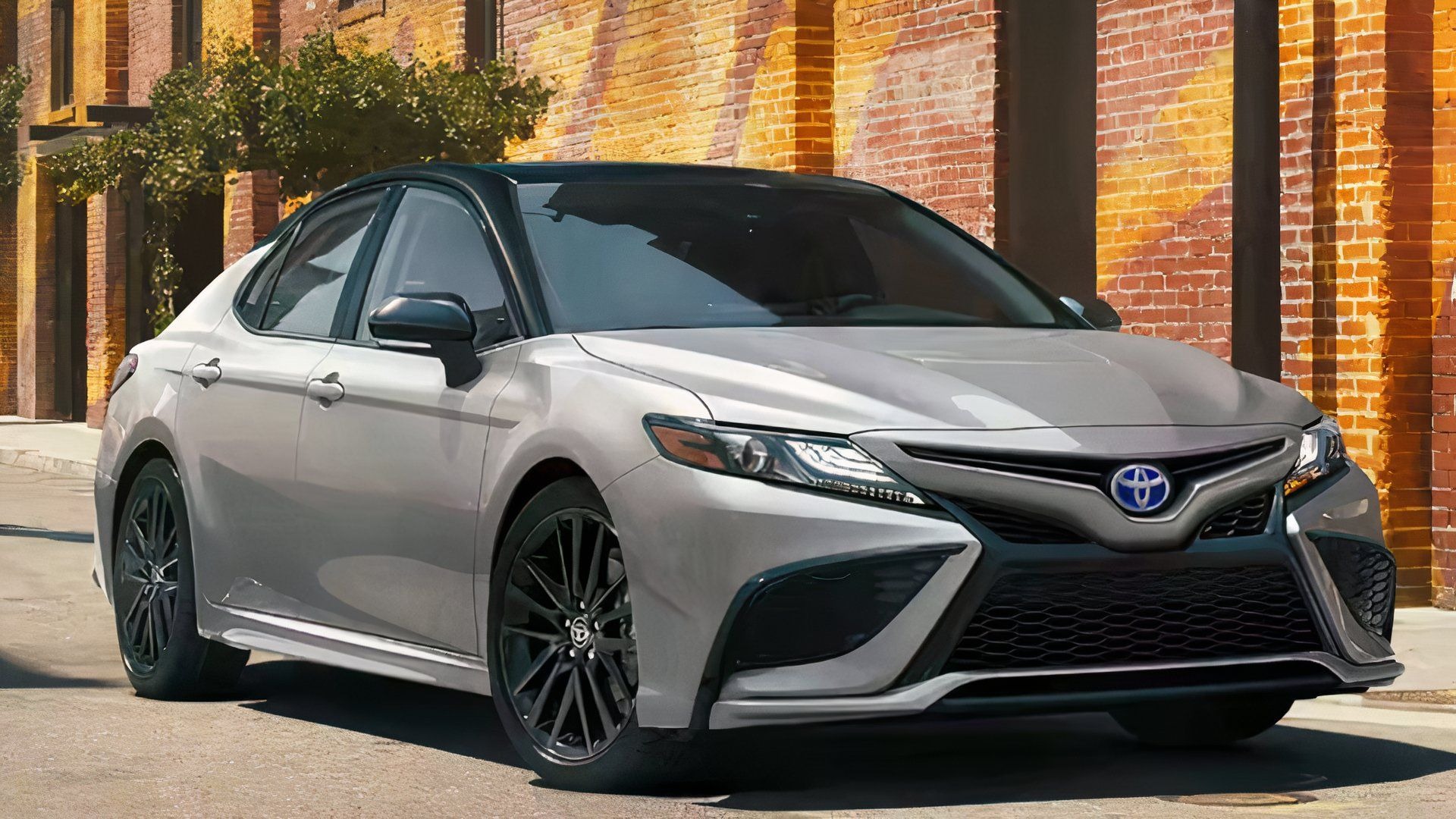
1. Toyota Camry (2018-2024, 2.5L A25A-FKS)
The Toyota Camry has built its reputation on dependable transportation rather than flashy performance. Models from 2018 through 2024 with the 2.5-liter A25A-FKS four-cylinder engine are appealing choices for drivers who want a comfortable sedan without frequent trips to the repair shop.
Toyota designed this engine with modern combustion technology to improve efficiency and power delivery. Its eight-speed automatic transmission also provides smooth shifts during everyday driving.
Together, these components offer a practical balance of fuel economy, comfort, and durability. Owners who follow the recommended service schedule can expect many years of use from a well-maintained example.
Regular oil changes, timely replacement of engine and cabin filters, and proper cooling-system care help protect the engine. Transmission fluid service should also follow the guidance for the specific model and driving conditions.
However, buying a Camry does not guarantee trouble-free ownership. Some vehicles may develop electrical faults, suspension wear, cooling-system problems, or other age-related issues before reaching 150,000 miles.
The newer engine and transmission are also more technologically advanced than the powertrains in older Camrys, so repairs can be costly when problems occur.
When shopping for a used example, check for complete service records, warning lights, unusual engine noises, and evidence of previous collision damage. A professional inspection is worthwhile, especially if the car has already accumulated substantial mileage.
For drivers seeking a reliable daily commuter, the 2018-2024 Camry with the 2.5-liter engine deserves serious consideration. Its strong reputation and widespread parts availability make it a sensible choice for long-term ownership.
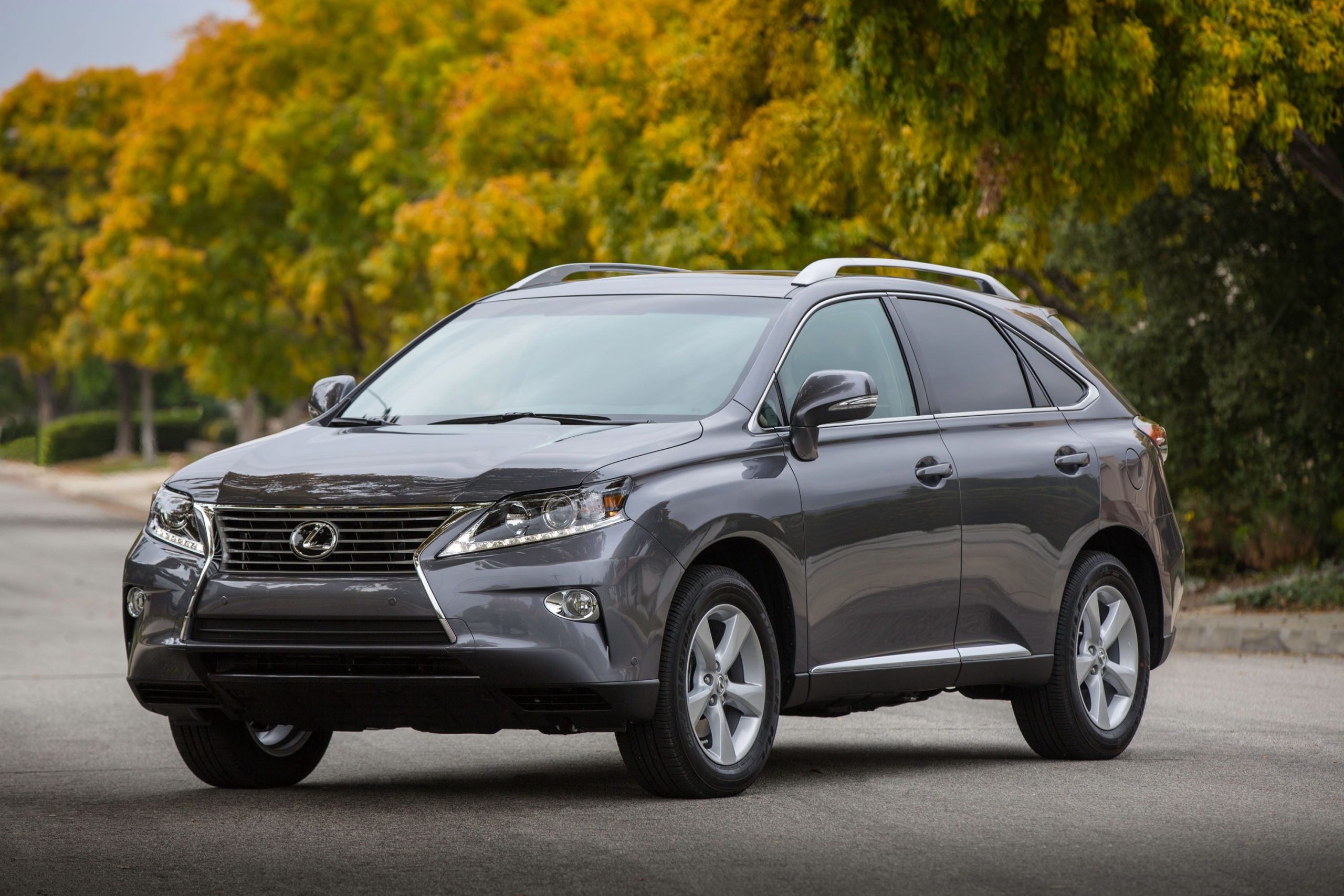
2. Lexus RX 350 (2010-2015, 3.5L 2GR-FE V6)
Luxury vehicles often come with rising maintenance costs as they get older, but the Lexus RX 350 has a notable advantage. It benefits from Toyota’s extensive engineering experience, giving it a well-established mechanical foundation that can help keep long-term ownership more manageable.
The 2010-2015 models equipped with the 3.5-liter 2GR-FE V6 are particularly appealing to buyers who want a comfortable SUV with a durable powertrain.
This V6 engine has earned a strong reputation for lasting well when serviced correctly. It delivers smooth acceleration for highway travel and everyday errands without needing to work especially hard during ordinary driving.
The conventional six-speed automatic transmission also provides familiar operation without relying on a continuously variable transmission.
The RX 350 adds a quiet cabin, supportive seats, and useful cargo space, making it suitable for families and commuters alike. Drivers can enjoy an upscale experience without automatically accepting the repair risks associated with some high-performance luxury vehicles.
Still, age matters. A vehicle from this period may already have accumulated considerable mileage, and its condition depends heavily on how previous owners treated it.
Oil leaks, worn suspension parts, cooling-system faults, and electrical issues deserve attention during an inspection. Some engines may also develop oil-consumption problems or leaks around engine seals as components age.
Maintenance costs can exceed those of a basic Toyota sedan because Lexus uses additional comfort features and more expensive equipment. Before buying, check the service history, test every electronic feature, and arrange an inspection by a qualified mechanic.
A well-cared-for RX 350 can provide dependable service beyond 150,000 miles. Buyers should focus on maintenance records and present condition rather than assuming that every vehicle with the Lexus badge will be trouble-free.
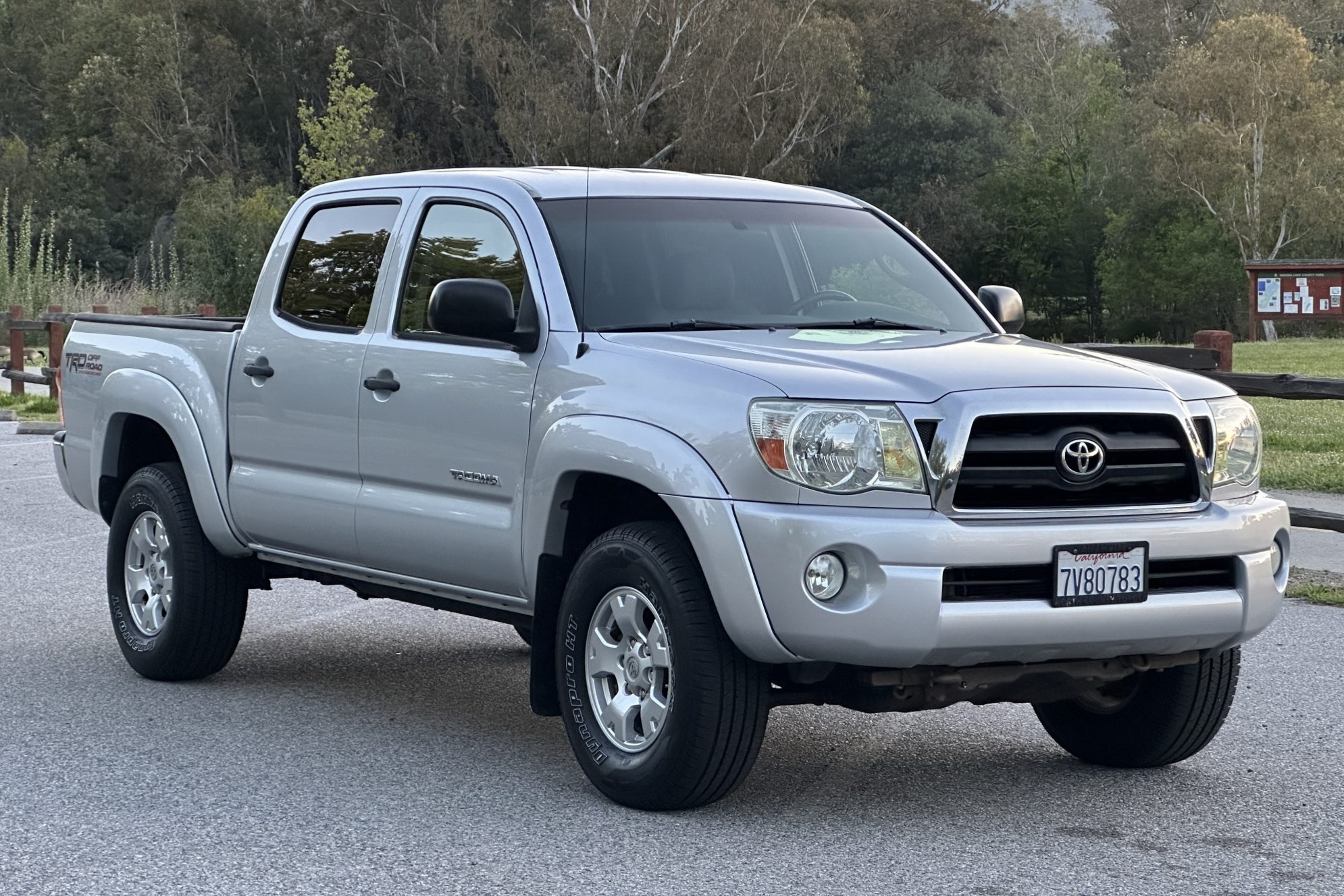
3. Toyota Tacoma (2005-2015, 4.0L 1GR‑FE V6)
Trucks earn their reputation by surviving hard use, and this one has plenty of stories to tell. The 1GR-FE V6 is famous for handling heavy work with little more than fluids and brakes. Haul gear, tow a trailer, tackle dirt roads, and it keeps asking for more.
The figures suggest that major mechanical problems before 150,000 miles are uncommon. This level of durability is a significant advantage for any vehicle and helps explain why used Toyota Tacomas tend to retain their value. Their reputation for long-term reliability makes them appealing to buyers, allowing owners to command competitive prices when selling.
So what should you worry about? Rust. It is the main thing to watch, and it can hide in places a quick glance will miss. Get down low and inspect the frame, the rear crossmember, the bed mounts, and the brake lines.
Bring a flashlight, and tap suspicious spots gently. If the frame shows heavy corrosion or flaking, walk away, no matter how clean the paint looks.
Climate matters here. A truck from a dry region often stands in better shape than one that spent winters on salted roads. Ask where it lived, and check for undercoating or past repairs.
If you find a clean example, you get a tough, capable pickup that does not demand constant attention. Keep up with fluids, brakes, and rust prevention, and it can serve you for a very long time.
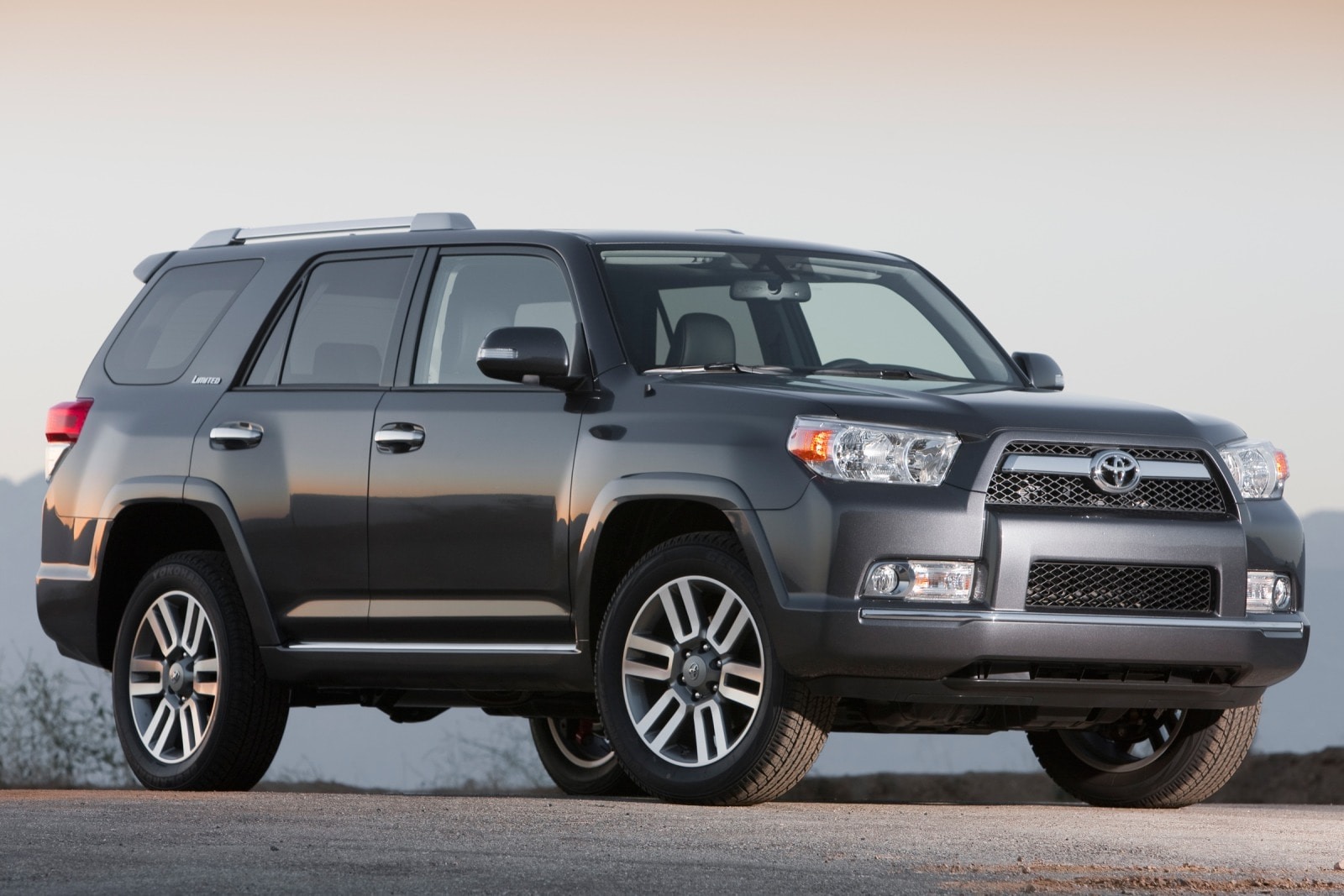
4. Toyota 4Runner (2010-2023, 4.0L 1GR‑FE V6)
Think of the 4Runner as the Tacoma’s family-friendly sibling. It shares the same proven engine and transmission, which helps explain why it earns above-average reliability ratings across nearly all model years.
When a drivetrain has a strong record in one vehicle, it tends to carry that success into another. Owners report few drivetrain issues even past 200,000 miles.
That is a long runway, and it makes the 4Runner appealing for people who plan to keep a vehicle for the long haul. Add a body-on-frame design and genuine off-road ability, and you have an SUV that handles weekend adventures as comfortably as the school run.
Let us be realistic about trade-offs. This is not the most fuel-efficient choice, and the ride can feel more truck-like than a typical crossover.
Cabin features in older years may feel dated compared with newer rivals. But for buyers who prioritize toughness over trendiness, those points matter little.
When shopping, look for service records and signs of heavy off-road use, such as underbody damage or worn suspension parts. Check for rust, especially if the vehicle lived in a snowy region.
If you want a durable SUV that can handle gravel roads, camping trips, and daily errands without constant repairs, the 4Runner deserves a close look. It is a vehicle built to keep going.
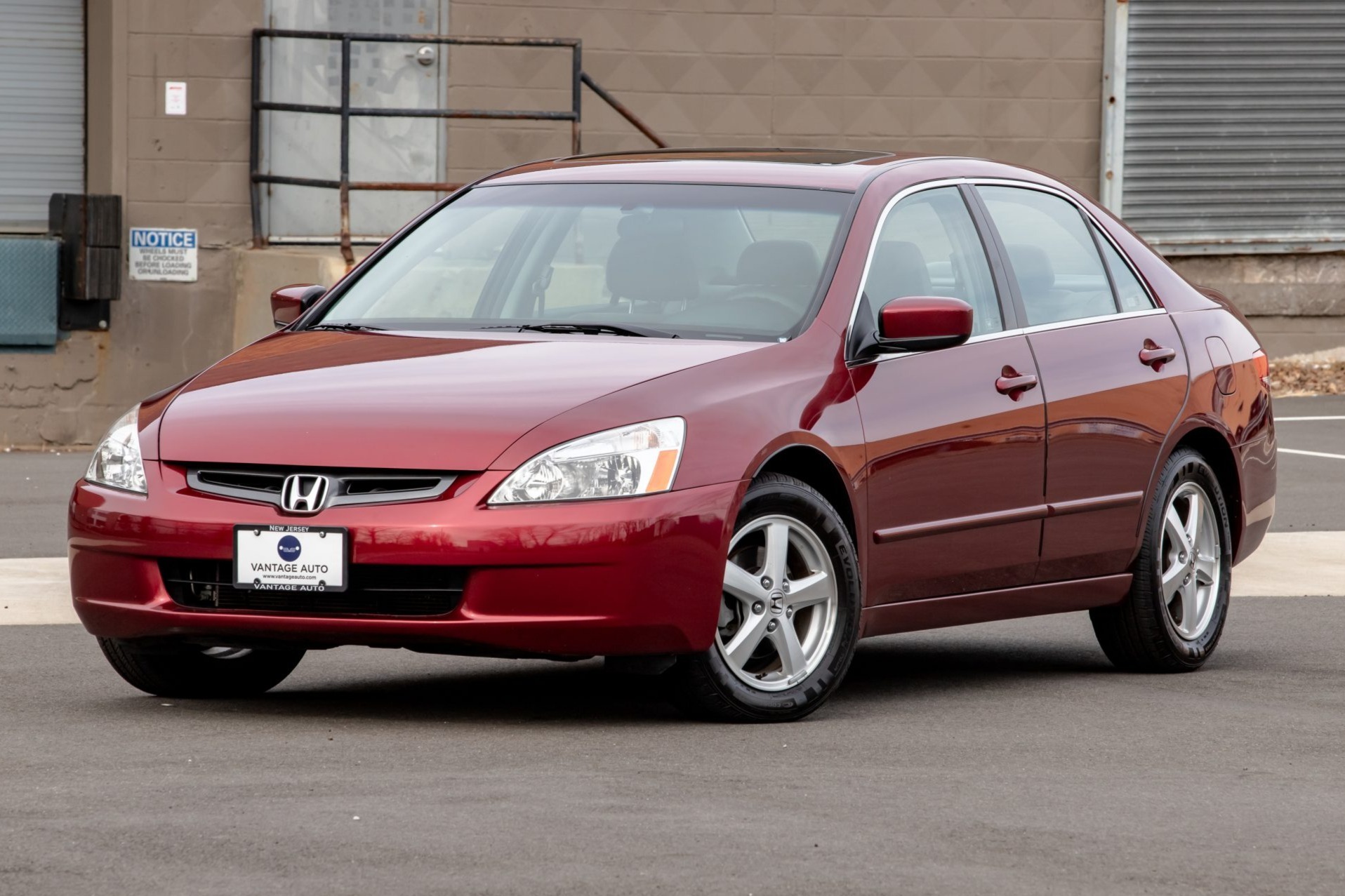
5. Honda Accord (2003-2007, 2.4L K24A4)
An older Honda Accord can make financial sense for someone who wants a straightforward sedan with manageable running costs.
The 2003-2007 models equipped with the 2.4-liter K24A4 four-cylinder engine are especially appealing because this powerplant has earned a reputation for durability when given proper care.
The engine uses a timing chain rather than a conventional timing belt. A timing chain does not usually require replacement at the same fixed intervals as a belt, although it can still wear and develop problems if maintenance is neglected.
The four-cylinder engine also offers a practical balance of power and fuel economy for commuting and longer trips.
Choosing the four-cylinder version is worth considering because some V6 Accords from this period experienced automatic-transmission concerns.
That does not mean every V6 model will fail or every four-cylinder model will remain trouble-free. Service history, previous repairs, and current condition matter more than a simple engine-size rule.
At this age, buyers must look beyond the engine. Worn suspension bushings, deteriorated engine mounts, leaking seals, air-conditioning faults, and corrosion can all add to ownership costs.
Check whether the car has received regular oil changes and whether previous owners addressed maintenance items promptly.
A pre-purchase inspection should include a cold start, a road test, a scan for stored diagnostic codes, and a review of the transmission’s behavior.
Any hesitation, harsh shifting, or unexplained warning light deserves further investigation. The Accord’s popularity also means replacement parts and repair knowledge are widely available.
For a buyer willing to choose carefully, a well-kept four-cylinder example can provide dependable everyday transportation without the cost of a newer vehicle.
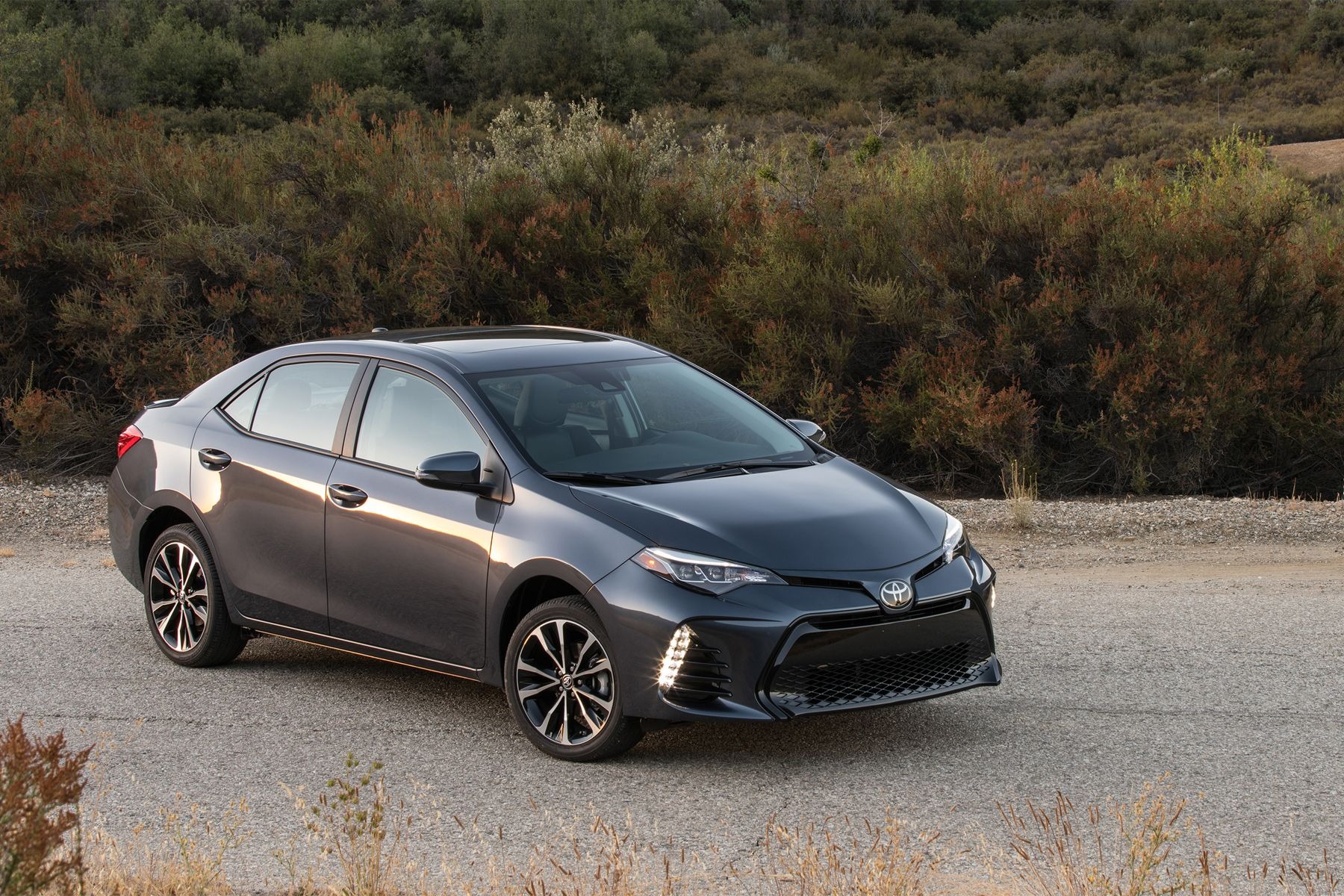
6. Toyota Corolla (2014-2019, 1.8L 2ZR-FE)
For drivers who put dependable transportation ahead of luxury features, the Toyota Corolla is a sensible place to start. The 2014-2019 generation, equipped in many versions with the 1.8-liter 2ZR-FE four-cylinder engine, is known for modest running costs and a reputation for long service life.
The engine’s established design helps make routine maintenance relatively straightforward. It does not need to deliver sports-car acceleration, but it provides sufficient performance for commuting, errands, and highway travel.
Fuel economy is another attraction, helping owners keep everyday driving expenses under control. The Corolla’s popularity also works in a buyer’s favor.
Many repair shops are familiar with the model, and replacement parts are widely available. That can make ordinary servicing and age-related repairs easier to arrange than they might be for an uncommon vehicle.
Major engine or transmission repairs are not inevitable before 150,000 miles, but no used Corolla is immune to faults. Depending on the specific version, transmission type, maintenance history, and usage, buyers should check for unusual noises, leaks, warning lights, and irregular operation during a road test.
Inspect the cooling system, brakes, tires, suspension, and air-conditioning system as well. A car used for years in heavy traffic may show more wear than one driven mainly on open highways, even if both have similar mileage.
Ask for service records and check the vehicle identification number for outstanding recalls. An independent mechanic can identify problems that may not be obvious during a brief test drive.
The Corolla is a strong option for students, commuters, and households seeking a practical second car. Its appeal comes from sensible engineering, low day-to-day costs, and a broad record of dependable service rather than luxury or high performance.
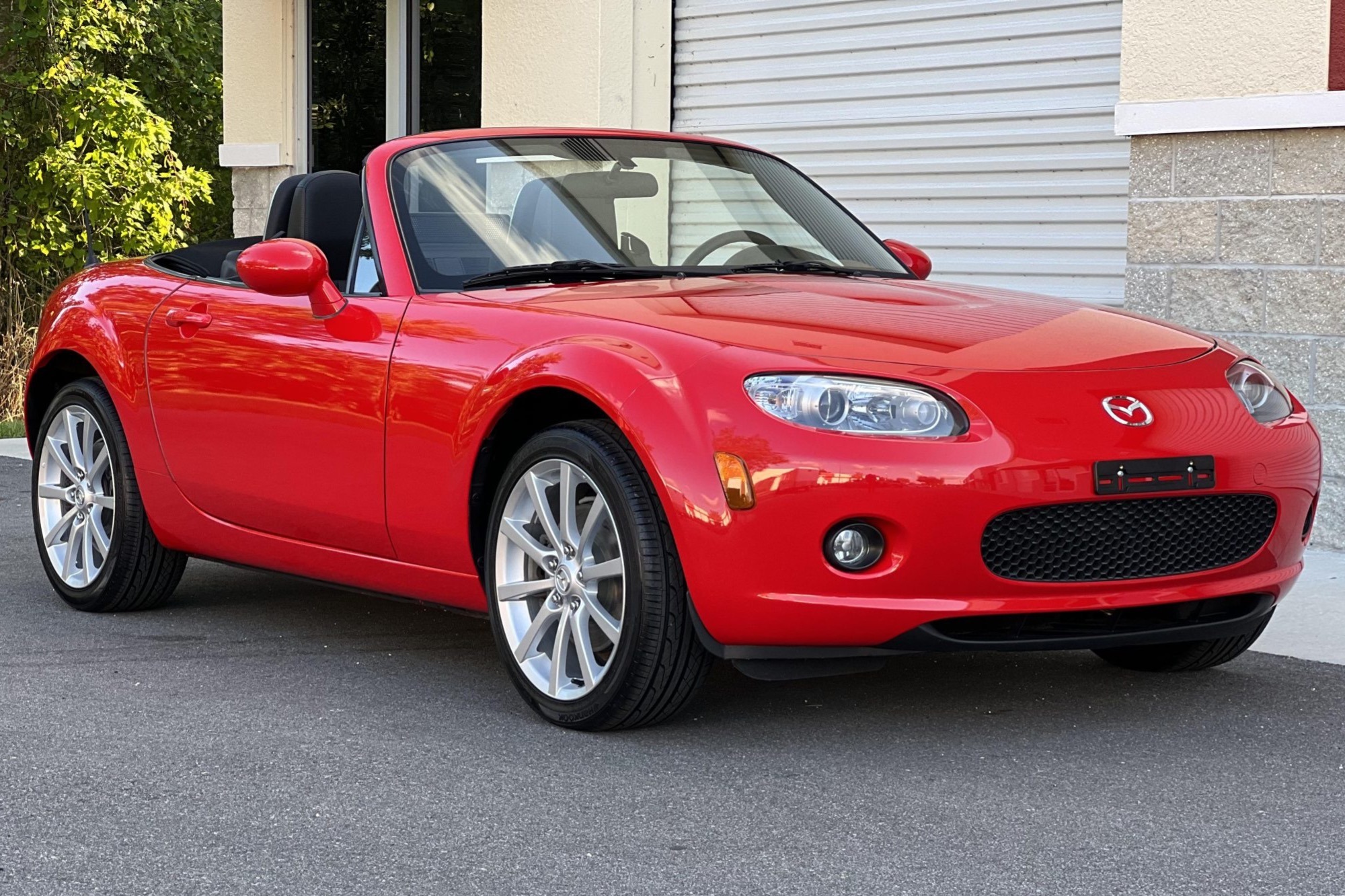
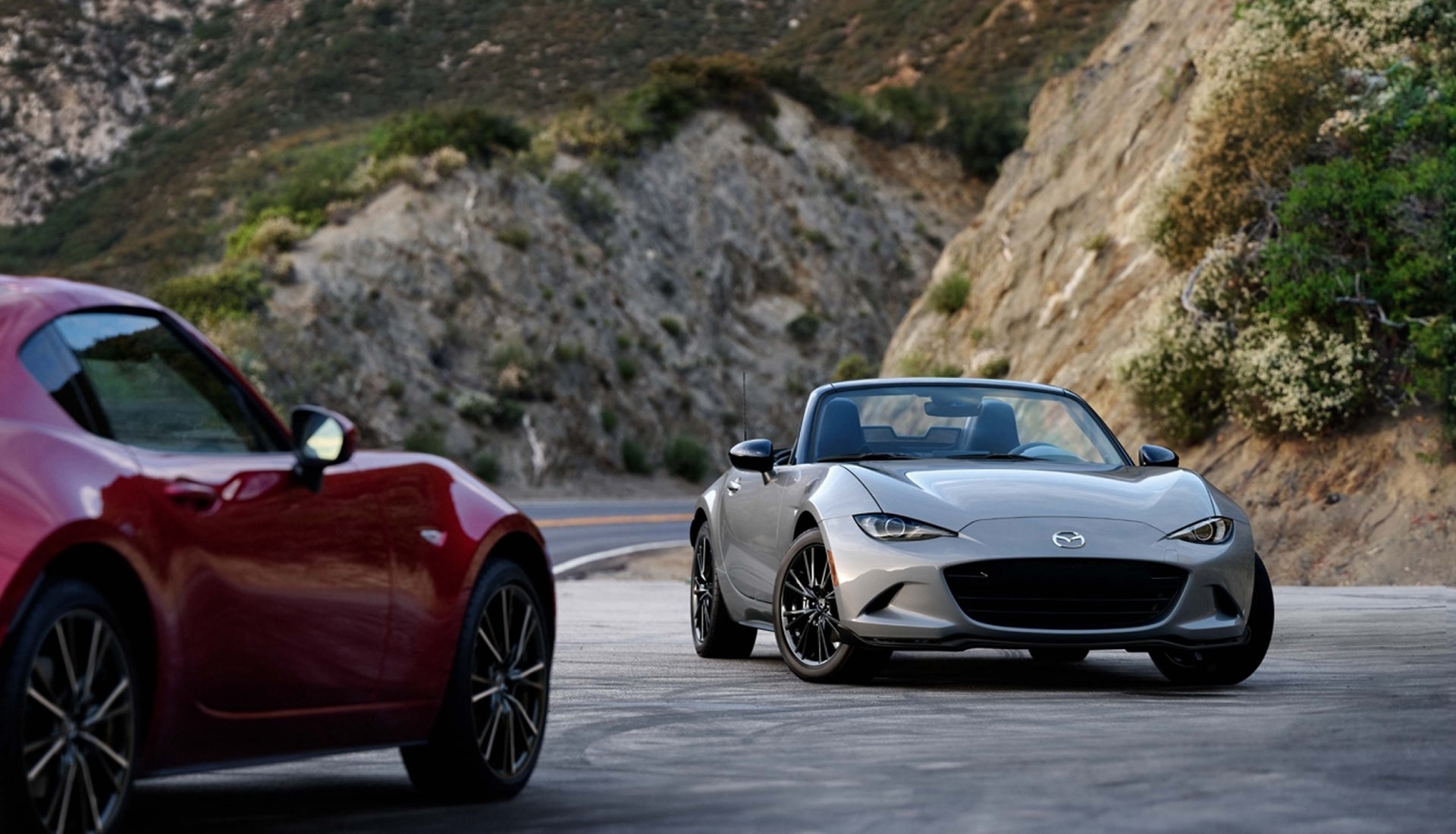
7. Mazda MX-5 Miata (2006-2015, 2.0L MZR)
A small sports car may seem like an unusual choice for a list focused on avoiding major repairs, but the Mazda MX-5 Miata has a long-standing reputation for mechanical simplicity and enjoyable driving.
The 2006-2015 models use a naturally aspirated 2.0-liter MZR four-cylinder engine that can deliver many miles of service when maintained properly.
Unlike some high-performance sports cars, the Miata does not rely on a large engine or a turbocharger to provide its driving character.
Its lightweight design helps it feel responsive without requiring enormous power. The available manual transmission is also well regarded for its direct, engaging operation.
Routine servicing remains important. Engine oil, coolant, brake fluid, tires, and other consumable items need attention according to the maintenance schedule.
Clutch wear depends on driving habits, while suspension components and rubber seals can deteriorate as the car ages.
Rust deserves special attention when inspecting a Miata. Water exposure, poor storage, and corrosion-prone conditions can damage structural areas and body panels.
Check the underside carefully, along with the rocker panels, wheel arches, and drain areas. A clean-looking exterior does not always reveal hidden corrosion.
Buyers should also examine the convertible roof for tears, leaks, and drainage problems. Test the roof mechanism and look for signs of water entering the cabin.
A mechanic familiar with the Miata can assess its condition before money changes hands. The Miata is best suited to drivers who want an enjoyable two-seat car rather than maximum passenger or cargo space.
A carefully maintained example can pass 150,000 miles without major engine trouble, making it an appealing option for someone seeking driving enjoyment alongside long-term durability.