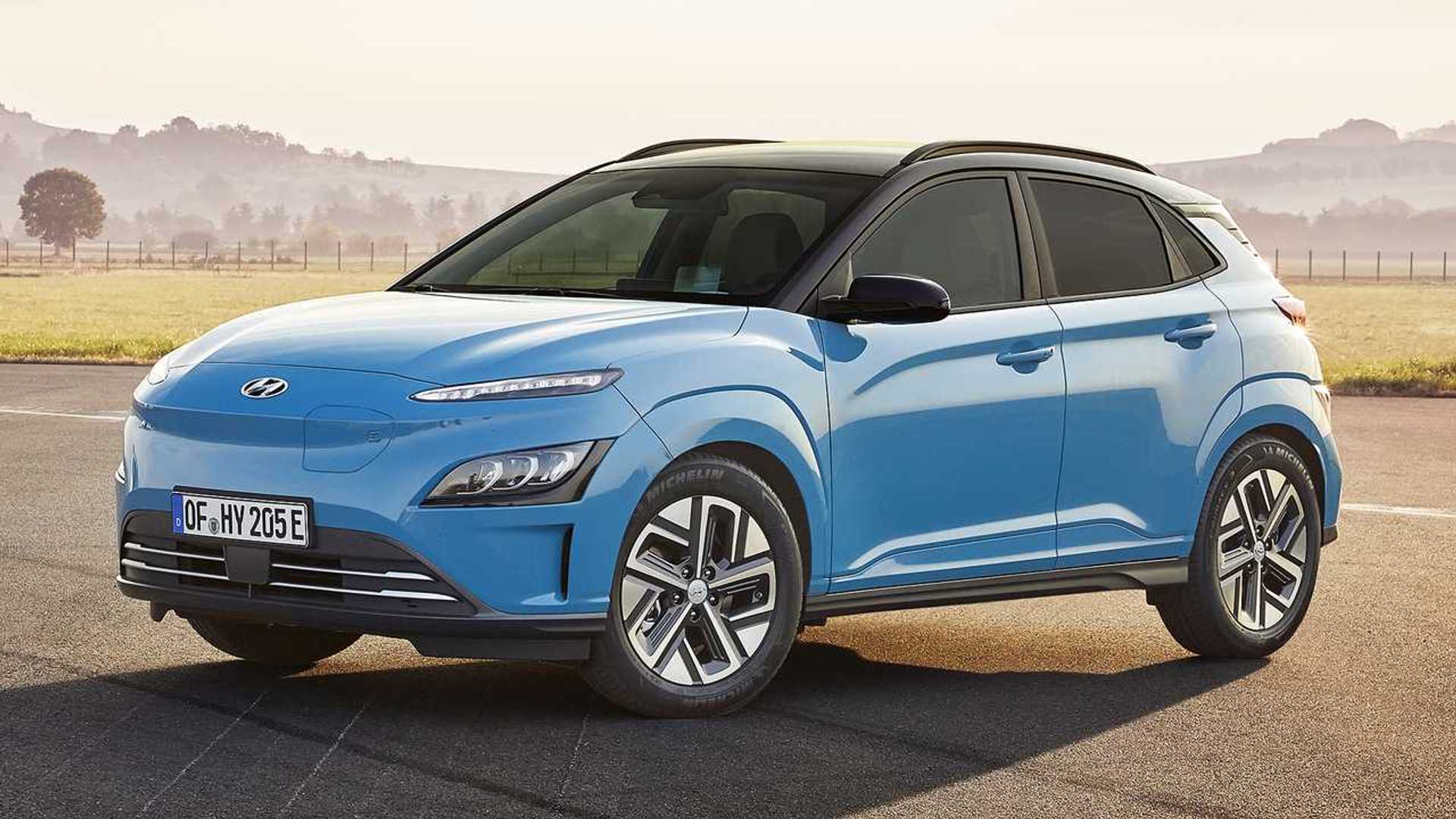
Finding a new car under $30,000 that delivers strong crash protection does not require buying an expensive luxury vehicle.
The Insurance Institute for Highway Safety (IIHS) evaluates vehicles through crash tests, headlight assessments, and front crash-prevention evaluations to identify models that meet its demanding safety standards.
For the 2026 model year, several affordable sedans and small SUVs earned the organization’s highest award, Top Safety Pick+.
This list focuses on seven qualifying vehicles with U.S. starting prices below $30,000, using published IIHS results and manufacturer pricing. Buyers should still check trim equipment, destination charges, and applicable production-date restrictions.
1. Kia K4: An Affordable Sedan With Top-Tier Crash-Test Recognition
Starting MSRP: $22,290, before destination and fees
The 2026 Kia K4 brings one of the lowest starting prices on this list while earning an IIHS Top Safety Pick+ award. IIHS lists the K4 among its 2026 award winners, with eligibility applying to vehicles built after January 2025.
That production-date requirement matters when comparing dealership inventory, because the award should not automatically be applied to every vehicle carrying the same model name.
Kia’s U.S. pricing lists the entry-level LX at $22,290, excluding the $1,245 destination charge. The lineup also includes LXS, EX, GT-Line, and GT-Line Turbo trims, so buyers can select different equipment levels while remaining within the budget on certain configurations. Optional packages and dealer-installed items can push the final price higher.
The K4’s award is based on IIHS crashworthiness and crash-prevention criteria, not merely the number of airbags or driver-assistance features advertised.
For 2026, Top Safety Pick+ requires good ratings in the small-overlap front, moderate-overlap front, and side crash tests, along with acceptable or good headlights and qualifying pedestrian and vehicle-to-vehicle front crash prevention.
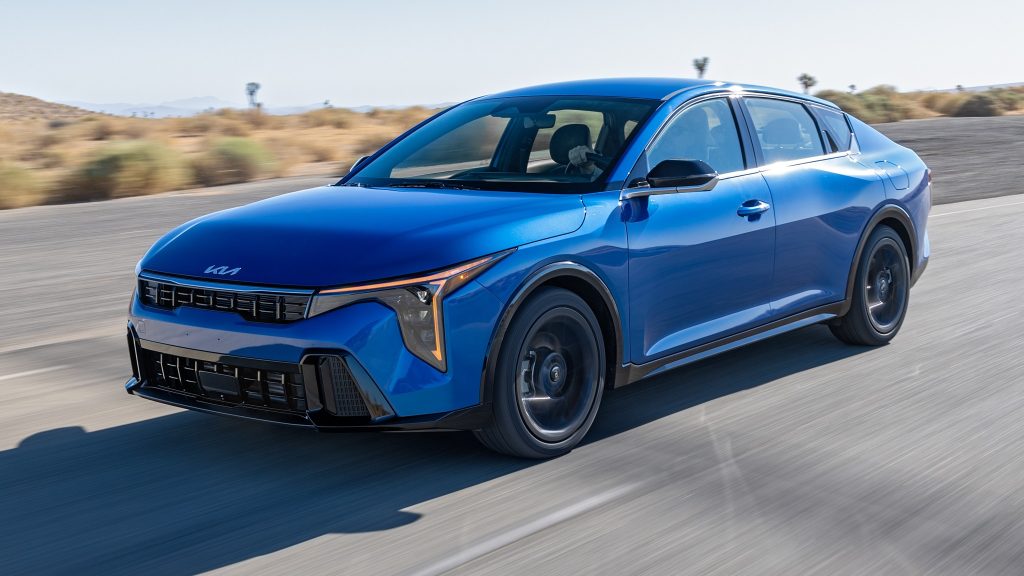
The K4 appeals to budget-conscious buyers by pairing a starting price below $25,000 with the institute’s top safety award. Before finalizing the purchase, check the vehicle’s production date, standard safety features, and total price including fees. While the award demonstrates strong safety performance, it does not replace responsible driving or guarantee that every trim offers the same level of protection.
2. Mazda3 Sedan: A Compact Car That Puts Safety First
Starting MSRP: $24,650, before destination and fees
The 2026 Mazda3 Sedan earns IIHS Top Safety Pick+, making it an appealing choice for drivers who want a conventional four-door car instead of an SUV. IIHS lists the 2026 sedan among its award winners, and Mazda confirms the accolade in its U.S. model information.
Mazda lists the 2.5 S sedan at $24,650 before destination, taxes, title, and license fees. Its standard equipment includes a 186-horsepower four-cylinder engine, blind-spot monitoring, and Mazda Radar Cruise Control with Stop and Go.
Higher trims add features and styling changes, but the starting model keeps the entry price comfortably below $30,000 before required charges and optional equipment.
The IIHS award reflects performance across several safety evaluations rather than a single crash test. Under the 2026 criteria, Top Safety Pick+ requires good ratings in key front and side crash tests, acceptable or good headlights, and qualifying front crash-prevention performance.
These standards help consumers compare vehicles using independent assessments rather than relying only on manufacturer claims.
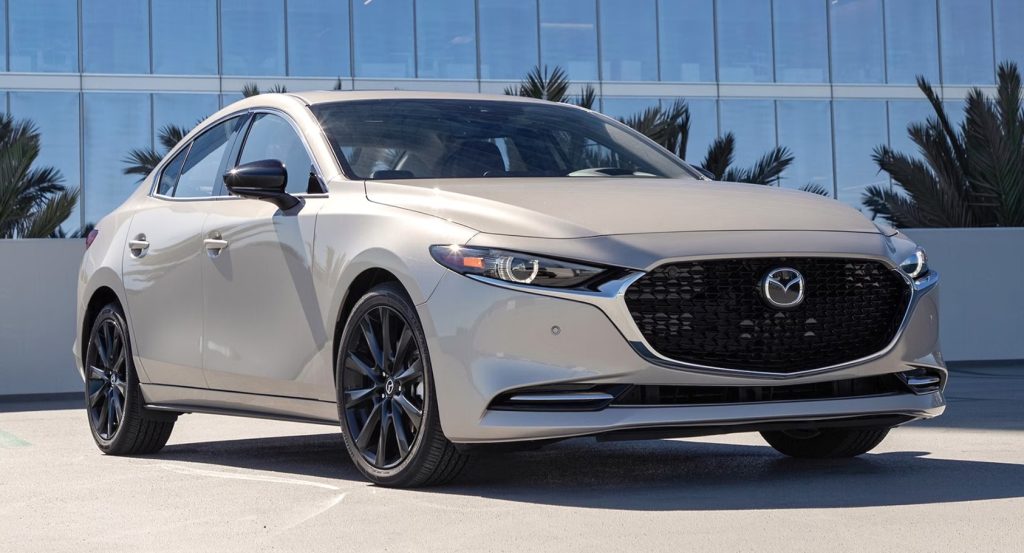
The Mazda3 Sedan suits buyers who value compact dimensions and a car-like driving position. Its starting price also leaves some room in the budget for registration, insurance, and other ownership expenses. However, the destination charge and any selected options must be added before deciding whether a specific dealer vehicle meets the $30,000 limit.
For buyers prioritizing safety in an affordable sedan, the Mazda3 offers a useful combination of IIHS recognition and a published starting price well below the budget ceiling.
3. Nissan Sentra: A Practical Sedan With Independent Safety Recognition
Budget check: Confirm the 2026 model’s current U.S. MSRP and destination charge.
The 2026 Nissan Sentra earns IIHS Top Safety Pick+, placing it among the compact cars that meet the institute’s strengthened 2026 safety criteria. IIHS lists the 2026 and 2027 Sentra among its award-winning small cars. Buyers should verify the model year and equipment of the particular vehicle before relying on the rating.
The Sentra’s appeal is its straightforward role as an everyday commuter. A compact sedan is generally easier to park than a larger SUV, and its four-door layout provides practical space for passengers and routine errands.
For buyers working with a strict budget, the final price matters as much as the advertised starting figure. Destination charges, taxes, dealer fees, and optional equipment can push a vehicle beyond a $30,000 ceiling even when its base MSRP falls below it.
The IIHS award is more meaningful than a simple list of standard features. For 2026, Top Safety Pick+ requires good ratings in the small-overlap front, moderate-overlap front, and side crash tests. It also requires acceptable or good headlights and qualifying pedestrian and vehicle-to-vehicle front crash prevention.
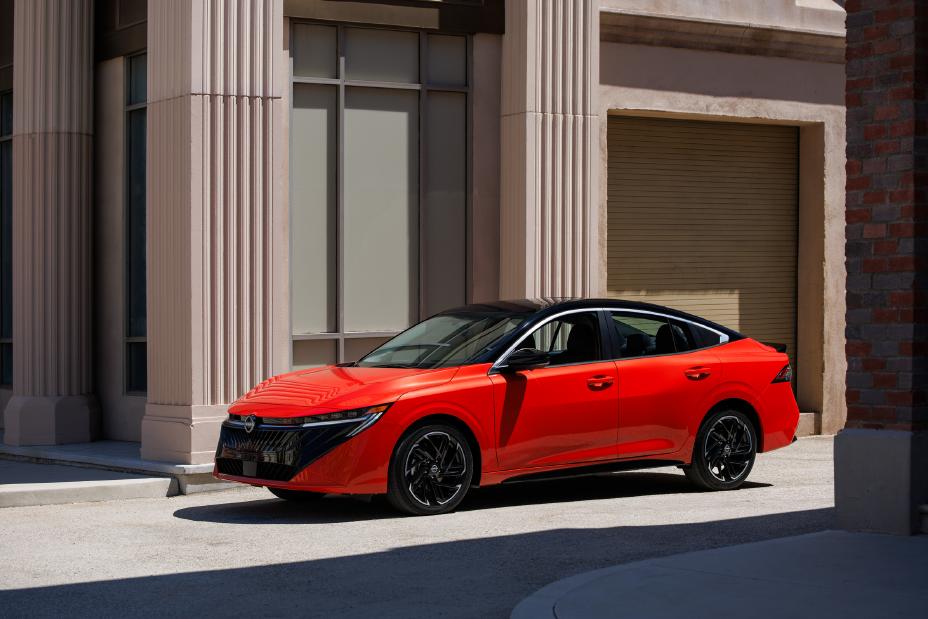
When shopping, check which driver-assistance features are included on the specific trim and whether the car’s build date affects eligibility. An award for a model line should not be confused with a guarantee that every vehicle has identical equipment.
The Sentra is worth considering for shoppers seeking an affordable sedan with independent safety recognition. Compare the out-the-door price against the budget, verify the exact IIHS award listing, and take a test drive to ensure the seating position, visibility, and controls work for your needs.
4. Hyundai Kona: A Small SUV With a Strong Safety Credential
Starting MSRP: $25,500, before freight and fees
The 2026 Hyundai Kona earns IIHS Top Safety Pick+, offering an SUV alternative for buyers who prefer a higher seating position and flexible cargo space. IIHS includes the Kona among its 2026 small-SUV award winners, and Hyundai confirms that the model received the institute’s top designation.
Hyundai lists the Kona SE with front-wheel drive at $25,500 before freight, taxes, title, and license fees. The manufacturer estimates 29 MPG city, 34 MPG highway, and 31 MPG combined for this configuration.
All-wheel-drive versions have different fuel-economy figures, and choosing a higher trim or adding options can increase the purchase price.
The Kona’s safety award reflects multiple evaluations. IIHS’s 2026 Top Safety Pick+ criteria require good ratings in the small-overlap front, moderate-overlap front, and side crash tests.
The vehicle must also offer acceptable or good headlights and qualifying pedestrian and vehicle-to-vehicle front crash prevention. These tests assess crash protection and technologies designed to help avoid certain collisions.
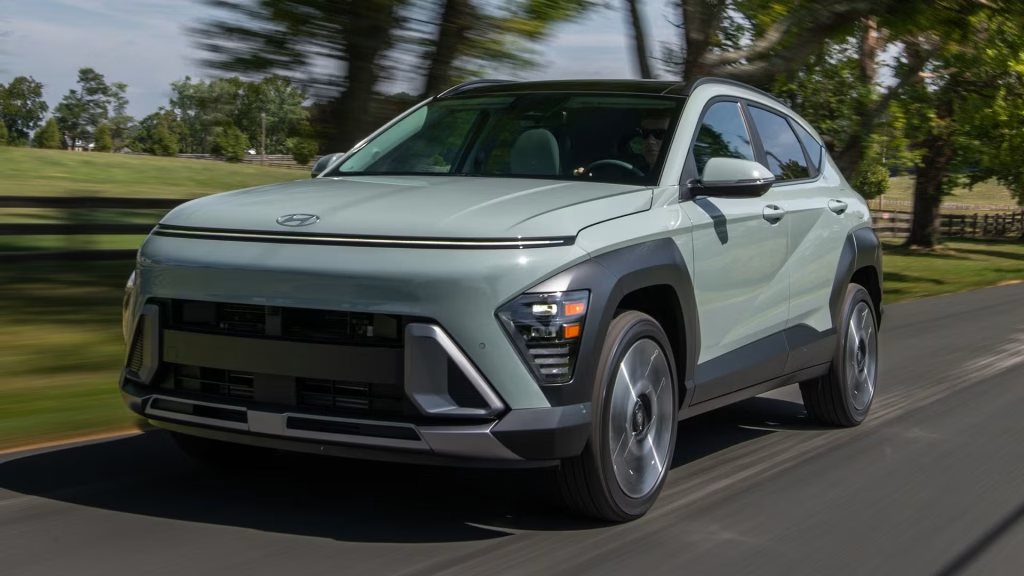
For shoppers comparing compact SUVs, the Kona offers a useful mix of manageable dimensions and modern safety technology. Its EPA-estimated fuel economy can also make it suitable for regular commuting, though actual mileage depends on traffic, weather, and driving habits.
Check the exact trim, drivetrain, destination charge, and dealer-installed options before treating the Kona as a sub-$30,000 purchase. IIHS recognition is an important starting point, but buyers should also confirm that the vehicle’s seating comfort, visibility, and cargo capacity suit their everyday needs.
5. Mazda CX-30: Standard All-Wheel Drive and an IIHS Top Award
Starting MSRP: $26,375, before destination and fees
For buyers who want an SUV without moving into a larger, more expensive class, the 2026 Mazda CX-30 is a strong candidate. IIHS lists it among its 2026 Top Safety Pick+ winners, while Mazda confirms the award as part of its U.S. safety lineup.
Mazda’s published pricing sets the CX-30 2.5 S at $26,375 before destination and handling. The manufacturer’s listed destination charge is $1,595, putting the starting price at $27,970 before taxes, title, license, and other fees.
Standard i-Activ all-wheel drive distinguishes the CX-30 from many entry-level small SUVs that offer front-wheel drive as standard.
The CX-30’s IIHS award is based on the 2026 testing program, which includes front and side crashworthiness, headlight performance, and crash-prevention evaluations.
Top Safety Pick+ requires good ratings in the small-overlap front, moderate-overlap front, and side tests, along with acceptable or good headlights and qualifying pedestrian and vehicle-to-vehicle crash prevention.
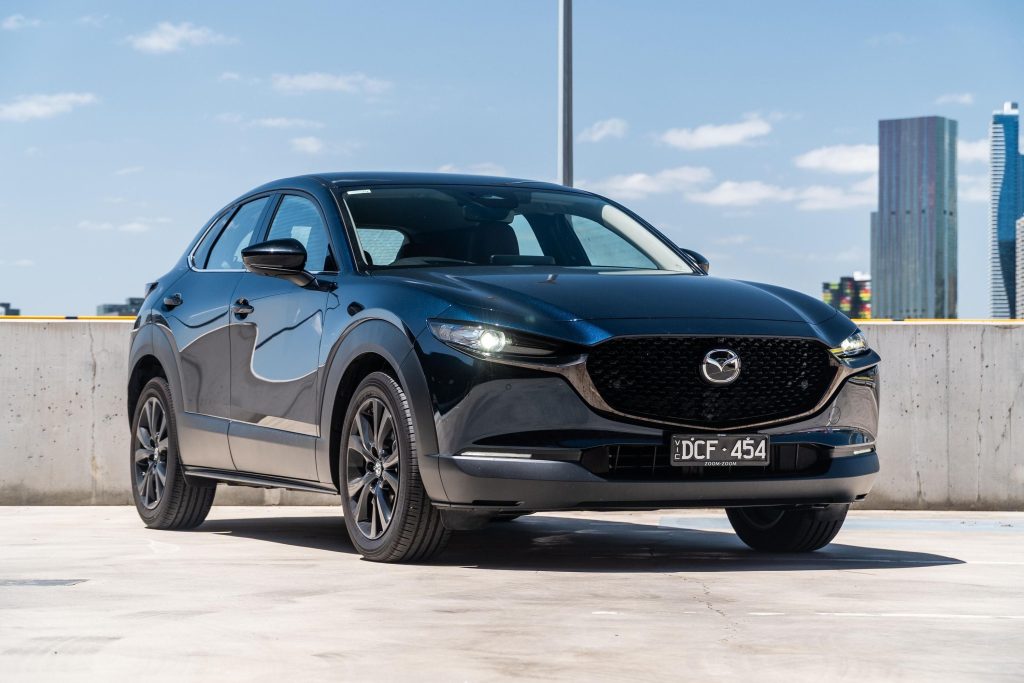
The base trim is the one to examine if staying below $30,000 is a firm requirement. Higher CX-30 versions, premium paint, accessories, and dealer-installed equipment can push the total above the limit. The destination charge alone does not make the base model exceed the budget, but taxes and registration still need to be included in the final calculation.
The CX-30 gives buyers a safety-award-winning SUV with standard all-wheel drive at a relatively accessible starting price. A test drive and a written out-the-door quote will help establish whether it fits both the budget and the driver’s needs.
6. Hyundai Sonata: Midsize-Sedan Space Without a Luxury-Car Price
Starting MSRP: $27,450, before freight and fees
The 2026 Hyundai Sonata brings an IIHS Top Safety Pick+ award to the midsize-sedan category. IIHS lists the Sonata among its 2026 winners, and Hyundai confirms the award under the institute’s more demanding testing requirements.
Hyundai’s U.S. pricing lists the base Sonata SE at $27,450 before freight, taxes, title, and license fees. Its standard gasoline powertrain uses a 2.5-liter four-cylinder engine producing 191 horsepower.
Hyundai estimates 28 MPG city, 38 MPG highway, and 32 MPG combined for the SE, although real-world fuel economy varies with driving conditions and habits.
The Sonata’s size makes it worth considering for people who regularly carry adult passengers or travel longer distances. A midsize sedan offers more room than many compact cars while retaining a traditional car’s lower seating position and trunk layout. The base trim’s price also leaves more room below the $30,000 MSRP ceiling than several larger vehicles.
To earn Top Safety Pick+, the Sonata must meet IIHS requirements for front and side crash protection, headlights, and front crash prevention.
The 2026 criteria include a good rating in the small-overlap front, moderate-overlap front, and side crash tests, plus acceptable or good headlights and qualifying pedestrian and vehicle-to-vehicle crash prevention.
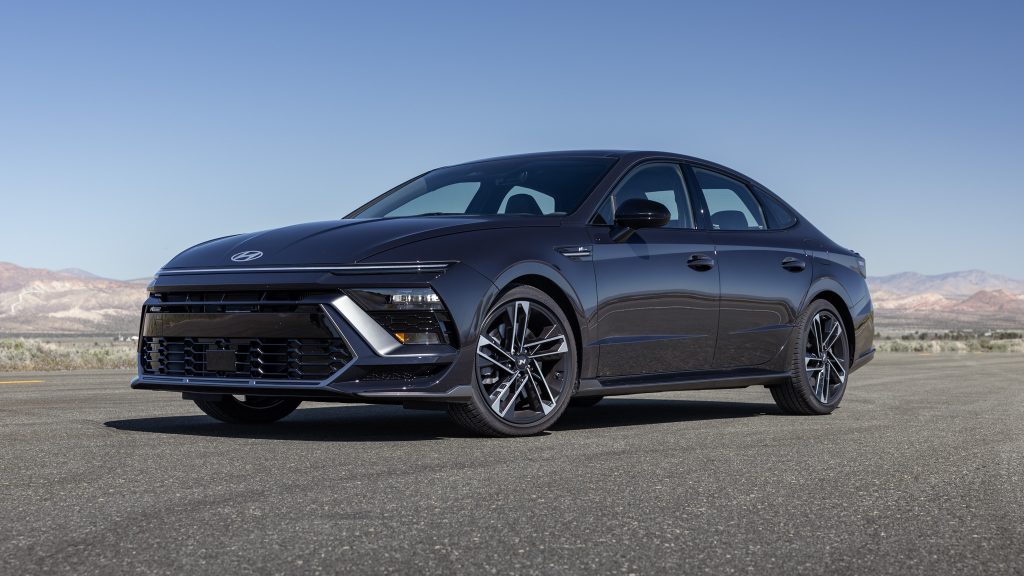
Buyers should distinguish the base SE from the more expensive SEL Sport and N Line versions. The N Line starts well above the budget, while options, destination, and dealer charges affect the final amount. The base SE is the relevant starting point for this list.
For shoppers wanting a roomy sedan with strong independent safety recognition, the Sonata offers a practical balance of price, passenger space, and fuel economy.
7. Toyota Prius: Hybrid Efficiency With an IIHS Top Safety Pick+ Award
Budget check: Confirm the current base MSRP and destination charge with Toyota
The 2026 Toyota Prius earns IIHS Top Safety Pick+, making it a compelling option for drivers who want a fuel-efficient vehicle with independent safety recognition. IIHS includes the Prius among its 2026 small-car award winners. The award reflects performance against the institute’s current requirements rather than a manufacturer’s claim alone.
The Prius combines a gasoline engine with electric-motor assistance, and its hatchback layout provides useful cargo flexibility for shopping, luggage, and everyday errands. Toyota’s 2026 lineup includes hybrid configurations with different equipment and drivetrain choices, so buyers should check the exact trim before comparing prices or fuel-economy figures.
The Prius’s safety recognition is based on several areas of testing. For the 2026 Top Safety Pick+ award, IIHS requires good ratings in the small-overlap front, moderate-overlap front, and side crash tests. It also requires acceptable or good headlights and qualifying pedestrian and vehicle-to-vehicle front crash prevention.
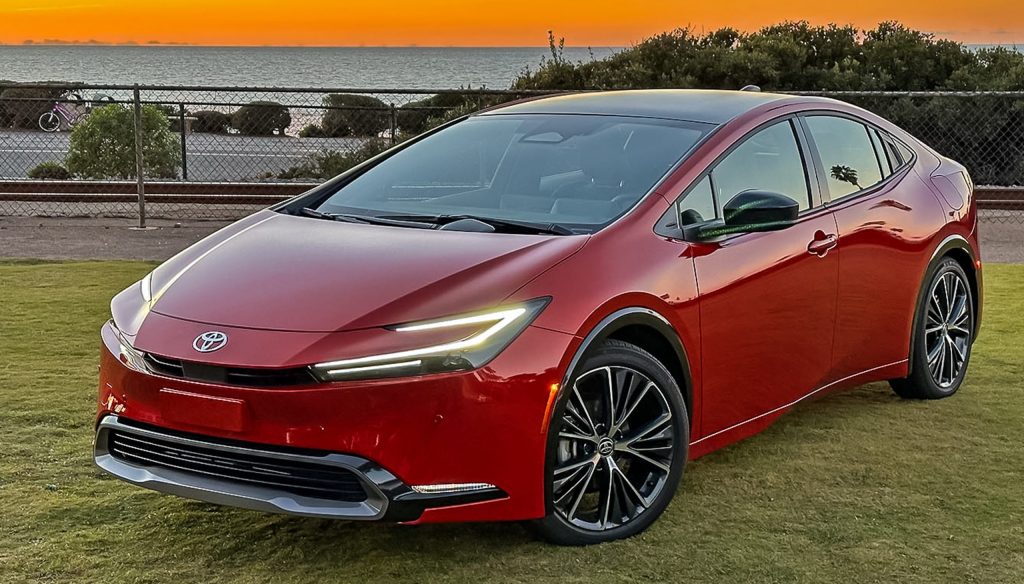
For a buyer with a firm $30,000 limit, the important step is to compare the actual base MSRP with destination and handling charges. Taxes, registration, dealer fees, and optional equipment can push the amount due beyond the advertised figure. Avoid assuming that every Prius trim will remain within the same budget.
The Prius may appeal especially to commuters who want to reduce gasoline use while retaining a practical five-door body style. However, fuel economy depends on conditions, and the best configuration depends on driving patterns, passenger needs, and local pricing.
A test drive, an itemized quote, and confirmation of the exact vehicle’s IIHS award eligibility will help determine whether the Prius is the right safety-focused choice for the budget.