A vehicle recall does not always mean you can continue driving until a dealership appointment becomes available. Some safety defects are serious enough that automakers and the National Highway Traffic Safety Administration (NHTSA) explicitly tell owners to stop driving until repairs are completed.
As of October 19, 2026, these warnings include older vehicles with potentially dangerous Takata airbags and vehicles affected by other critical mechanical defects. The model year alone does not confirm an open recall on an individual car.
Owners must check their vehicle identification number (VIN), follow the specific warning, and arrange the required repair before returning to the road.
1. Dodge Ram: Certain 2003 to 2010 Models With Unrepaired Takata Air Bags
Recall focus: Driver air-bag inflator rupture
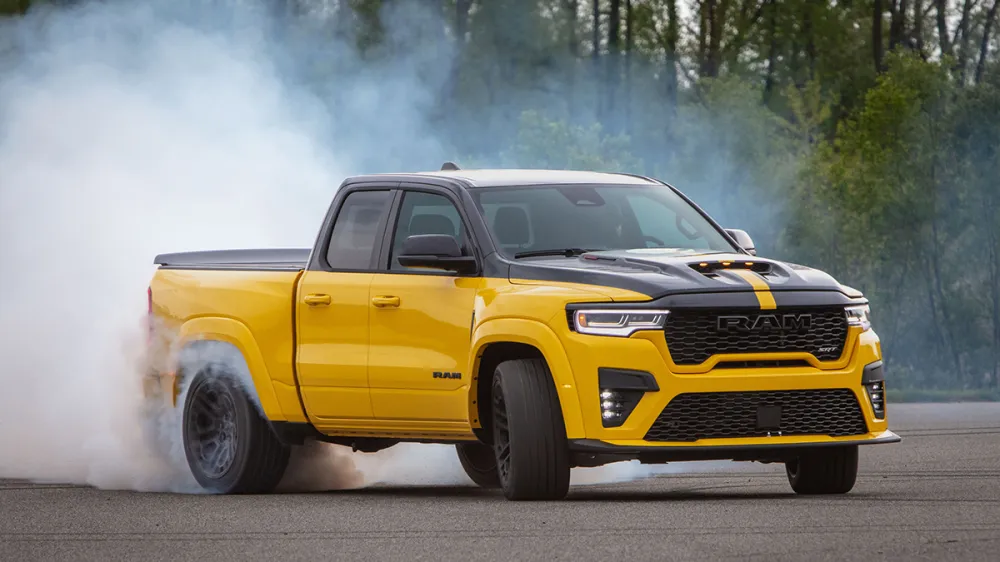
Older Dodge Ram pickups are among the vehicles covered by an explicit Do Not Drive warning for unrepaired Takata air-bag recalls. In its February 11, 2026 consumer alert, NHTSA identified 2003 to 2010 Dodge Ram models as vehicles that should not be driven if the applicable recall remains open.
The warning does not mean every truck from those years is unrepaired. The individual vehicle’s recall status must be confirmed.
The danger lies in the airbag inflator. Certain Takata inflators can deteriorate after prolonged exposure to heat and humidity. During a crash, an affected inflator may rupture when the airbag deploys, sending metal fragments toward vehicle occupants. The result can be catastrophic, even in a collision that would otherwise be relatively minor.
NHTSA’s February alert reported approximately 225,000 unrepaired Chrysler, Dodge, Jeep, and Ram vehicles across the affected group. The agency also reported 28 confirmed U.S. deaths linked to exploding Takata airbags and at least 400 reported injuries. Those figures cover the wider Takata problem, not the Dodge Ram alone.
Owners should check the truck’s VIN through NHTSA’s recall lookup and contact an authorized dealership if the recall remains open. The replacement is free, and owners should follow the manufacturer’s instructions for arranging the repair without driving the affected vehicle.
A truck that starts normally and has no warning lights is not necessarily safe from this defect. The problem may remain hidden until the air bag deploys. Do not rely on appearance, age, or previous ownership assurances to decide whether the recall has been completed.
2. Dodge Charger: Certain 2005 to 2015 Models Require Immediate Attention
Recall focus: Potentially explosive Takata airbag inflator
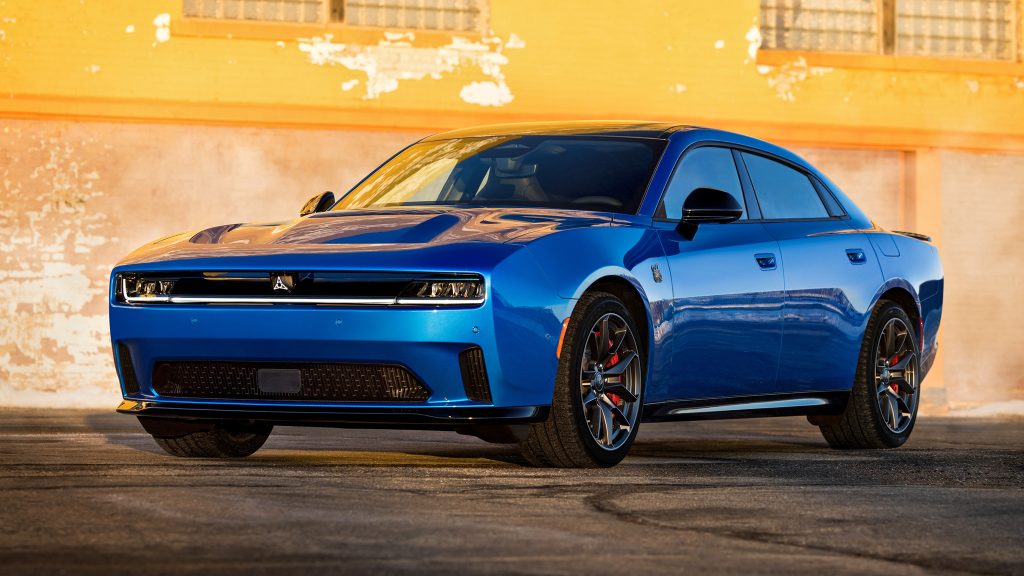
The Dodge Charger is another familiar American vehicle included in the Takata Do Not Drive campaign. NHTSA’s February 2026 alert specifically identified affected 2006 to 2015 Chargers, while its broader Takata warning lists certain vehicles from 2005 onward. Owners must verify the exact recall coverage rather than assume every Charger of a given year is affected.
The underlying defect is not related to the Charger’s engine, transmission, or performance equipment. It concerns the airbag inflator, which can rupture during deployment and propel metal fragments into the passenger compartment.
Older inflators can become more dangerous after years of environmental exposure, making it especially important not to dismiss a recall simply because the car has been reliable.
NHTSA advises owners not to drive a Charger with an applicable, unrepaired Takata airbag recall until the faulty inflator has been replaced. This warning requires immediate attention because the defect poses a serious safety risk, unlike routine recalls involving convenience features or issues that can be monitored while awaiting repairs.
Owners should use the vehicle identification number to check for outstanding recalls. If a warning applies, contact a Dodge dealership to arrange the free repair and explain that the car is covered by a Do Not Drive advisory. Ask the dealership how it will handle the vehicle’s transport and follow its instructions.
Do not assume that a previous owner completed the work, even if the car was advertised as well maintained. Maintenance receipts and a recall-completion record are different things.
The same precaution applies to used-car buyers. Before purchasing an older Charger, confirm the recall status and ensure the necessary repair has been documented. A clean vehicle history report alone should not replace a direct recall check.
3. Honda Accord: Certain 2001 and 2002 Models With Dangerous Air Bags
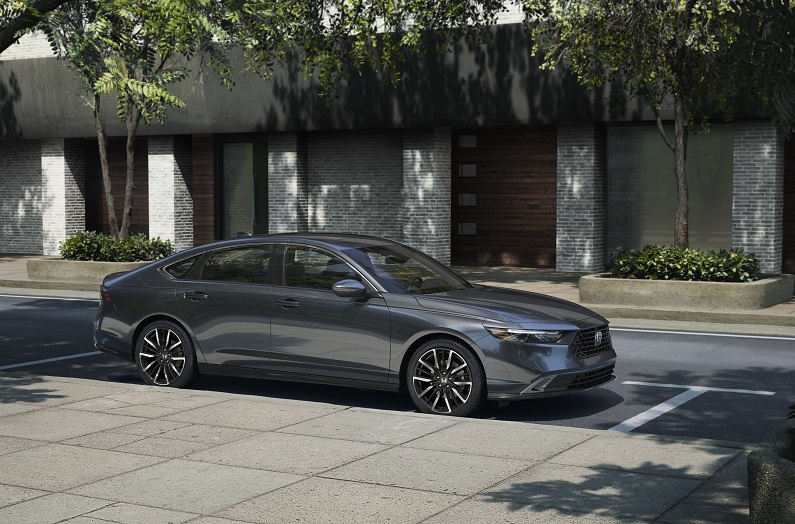
The Honda Accord has a long history on American roads, and many older examples remain in daily use. However, NHTSA includes certain 2001 and 2002 Accords in its critical Takata airbag Do Not Drive warning. This is a specific safety issue, not a general claim that every Accord from those model years is defective.
Takata inflators can deteriorate over time, particularly under prolonged exposure to heat and humidity. When an affected airbag deploys during a crash, the inflator can rupture and scatter metal fragments inside the cabin. This can cause severe or fatal injuries, including in collisions that might otherwise have produced less serious harm.
For an older Accord, age makes checking the recall particularly important. A car may have passed inspections, received regular oil changes, and accumulated many reliable miles without anyone addressing a safety recall. None of those facts establish that the original airbag inflator has been replaced.
NHTSA specifically instructs owners of listed vehicles to check their VIN for an outstanding recall. If the Accord is covered and the repair remains incomplete, do not drive it until the defect has been remedied. Contact a Honda dealership to arrange the free repair and follow its instructions about getting the vehicle to the service department.
Used-car shoppers should be equally careful. A low purchase price can be tempting, but the seller’s assurance that the car is safe is not proof of recall completion. Check the vehicle’s official record before handing over money.
The important distinction is that the warning concerns affected, unrepaired vehicles. An Accord with documented completion of the applicable recall is not subject to the same outstanding-defect warning. Confirm the individual car’s status rather than relying on its model name alone.
4. BMW 3 Series: Certain 2000 to 2006 E46 Models
The BMW 3 Series continues to attract driving enthusiasts, but NHTSA’s Takata Do Not Drive warning covers certain E46-generation vehicles from 2000 to 2006, including the M3. However, the warning does not apply automatically to every vehicle from those model years, as recall status depends on the specific vehicle and whether the required repair has been completed.
These cars are now old enough that ownership records may be incomplete, especially after several private sales. An airbag recall could have been overlooked even if the vehicle has received expensive maintenance elsewhere. Servicing the engine or replacing worn suspension parts does not resolve a defective inflator.
The risk is tied to what happens during a crash. An affected Takata inflator can rupture as the air bag deploys, sending sharp metal fragments toward the driver or passenger. NHTSA has warned that older inflators can present a higher risk of rupture, making these vehicles a priority for recall completion.
If you own an E46 3 Series or M3, check its VIN through NHTSA’s recall lookup. If the applicable Takata recall remains open, follow the Do Not Drive instruction and contact BMW to arrange the free replacement. Do not drive the car to a dealership simply because the trip is short.
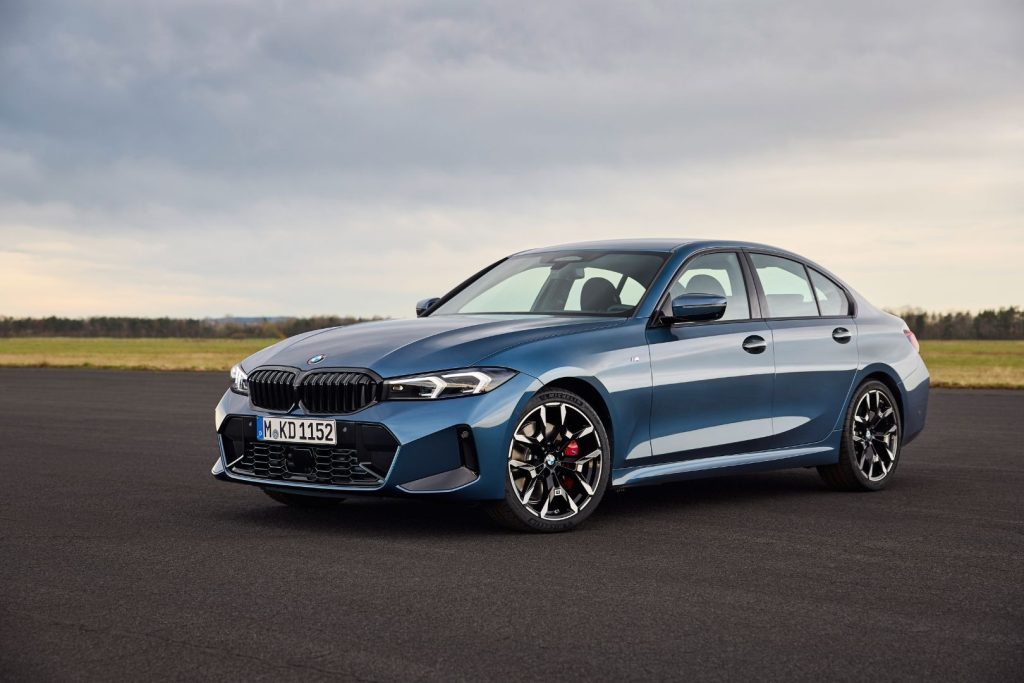
Buyers considering an older BMW should verify recall completion before purchase, rather than treating a seller’s maintenance folder as conclusive evidence. If the seller cannot establish the status, contact an authorized dealer for assistance.
A performance badge, clean interior, or well-kept engine cannot make an unrepaired airbag inflator safe. The decisive factor is whether the specific vehicle has received the required recall remedy.
5. Ford Ranger: Certain 2004 to 2011 Pickups
The Ford Ranger is another vehicle requiring attention under NHTSA’s Takata airbag warning. The agency lists certain 2004 to 2011 Rangers among vehicles that should not be driven until the applicable recall has been repaired. Because coverage depends on the individual vehicle and recall campaign, owners must confirm the status by VIN.
Pickup trucks often remain in service for many years, passing between family members, independent dealers, and secondhand buyers. That long lifespan can make recall follow-up less reliable. A Ranger may have a clean maintenance history yet still have an original inflator that needs replacement.
The danger is triggered by airbag deployment. In affected Takata inflators, deteriorated propellant can cause excessive pressure, rupturing the metal inflator housing and projecting fragments into the cabin. This defect can turn a crash into a much more serious event for the driver or passenger.
NHTSA has emphasized that these listed vehicles face a heightened risk compared with many other recalled inflators. Owners should therefore treat the warning as an immediate safety instruction, not as a reminder to schedule routine service when convenient.
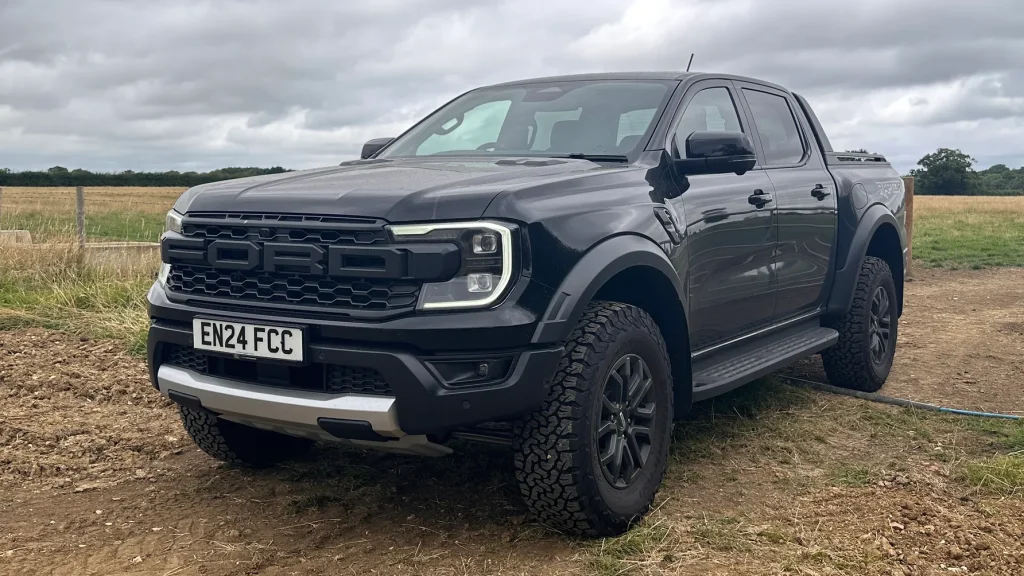
Check the Ranger’s VIN using NHTSA’s recall lookup and contact Ford if the record shows an unrepaired campaign. The required recall remedy is free. Ask the dealership how to arrange the repair while complying with the Do Not Drive instruction, rather than driving the pickup to the service bay.
For used-truck buyers, confirm the repair status before completing the sale. If the vehicle is affected and unrepaired, postpone normal use until the remedy is completed. The Ranger’s reputation for utility does not outweigh a known safety defect, and no amount of ordinary maintenance can substitute for replacing the defective inflator.
6. Jeep Wrangler: Certain 2007 to 2016 Models
The Jeep Wrangler is included in the Takata Do Not Drive warning for certain model years from 2007 through 2016. NHTSA and Stellantis have instructed owners of affected vehicles with open, unrepaired recalls not to drive them until the defective airbag inflator has been replaced. The warning does not automatically apply to every Wrangler within this range.
Wranglers are frequently used for recreational driving and modified for off-road use. Those modifications, however, do not address the airbag issue. Larger tires, suspension lifts, aftermarket bumpers, and engine upgrades have no bearing on whether the original inflator remains subject to recall.
The defect can have serious consequences because the inflator may rupture when the airbag deploys. Metal fragments can be propelled into the vehicle’s interior, causing severe injury or death. NHTSA has urged owners to prioritize these older inflators because their rupture risk can be especially high.
Wrangler owners should check their VIN and contact a Jeep dealership if an applicable recall remains open. The repair is free, and owners should ask the dealership how to arrange service without driving the vehicle against the warning.
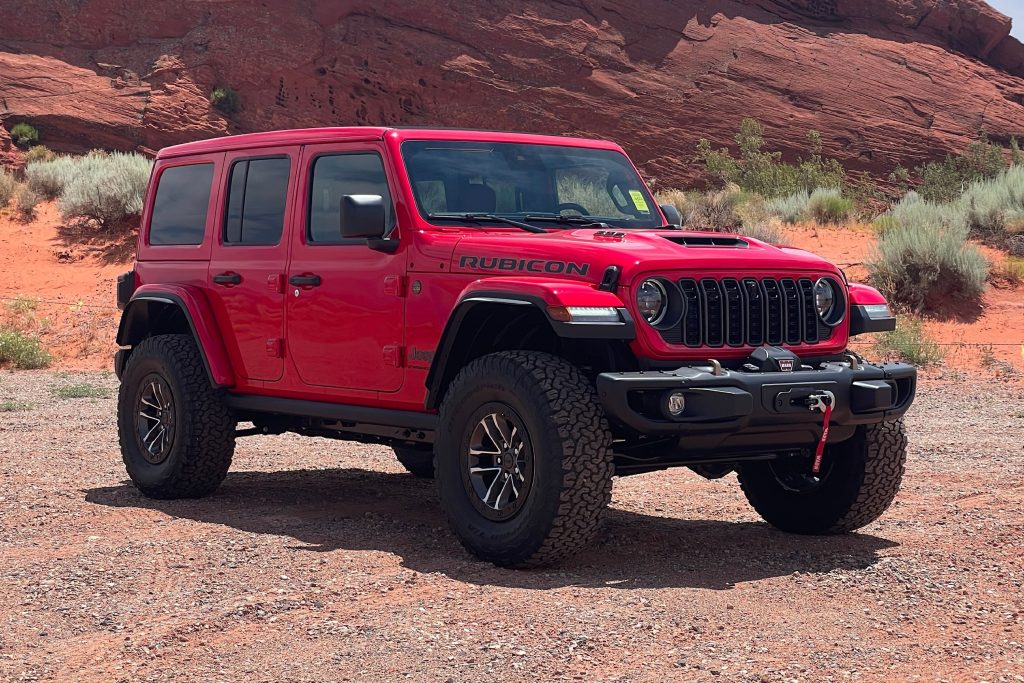
A used Wrangler may appear mechanically sound and still require this safety work. Buyers should verify recall completion independently, particularly when purchasing a vehicle that has changed hands several times or has been extensively modified.
The safest course of action is to keep the vehicle off the road until the required recall repair has been completed. Even a vehicle known for its durability and off-road performance can pose a serious safety risk if its defective airbag inflator remains unrepaired.
7. Mazda6: Certain 2003 to 2013 Models
The Mazda6 appears on NHTSA’s list of vehicles covered by the critical Takata airbag Do Not Drive warning. The agency identifies 2003 to 2013 Mazda6 models in this category, but owners must still check their VIN to establish whether the specific car has an applicable, unresolved recall.
The reason for the warning is the possibility of an inflator rupture during airbag deployment. Over time, environmental exposure can degrade certain Takata inflators. If one ruptures in a crash, metal fragments can enter the passenger compartment and cause severe injuries or death.
A Mazda6 that has been driven for years without an accident may give its owner little reason to suspect a problem. Unfortunately, the defect may remain invisible during normal driving. It is not reliably identified by the engine’s behavior, a dashboard warning light, or the vehicle’s general mechanical condition.
NHTSA instructs owners to check their vehicle identification number and arrange the free recall repair if the campaign remains open. If the Mazda6 is subject to the Do Not Drive warning, it should not be driven before the remedy is completed. Contact a Mazda dealership and follow its directions for arranging the repair.
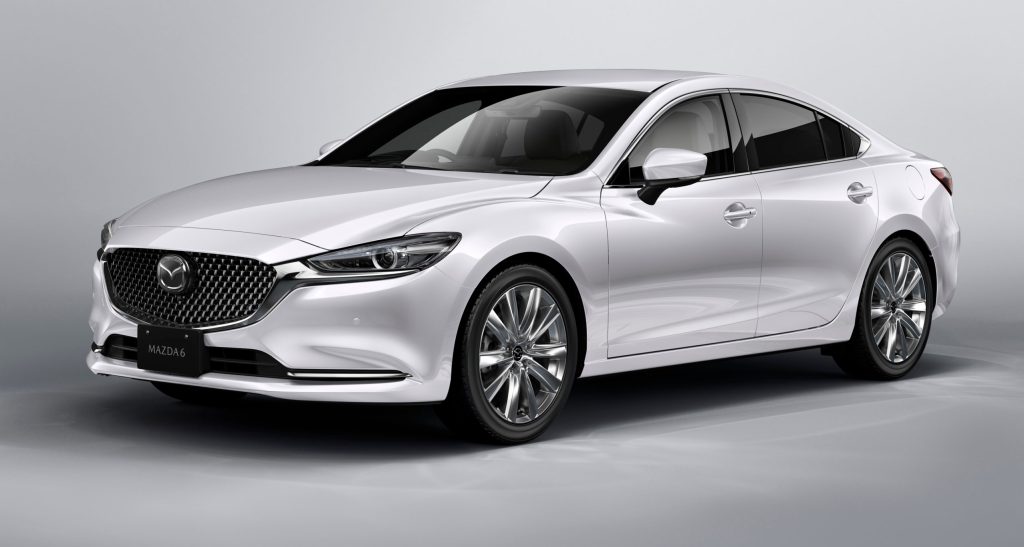
Secondhand buyers should make recall verification part of the purchasing process. A recent inspection, fresh tires, or a folder of service receipts does not prove that an air-bag inflator has been replaced. Ask for recall-completion documentation and independently verify the record.
The Mazda6 may remain a practical used car after its applicable safety work is completed. The important point is to distinguish the vehicle’s general reliability from the status of a specific, potentially life-threatening recall. A few minutes spent checking the VIN can identify a problem that ordinary maintenance would never reveal.
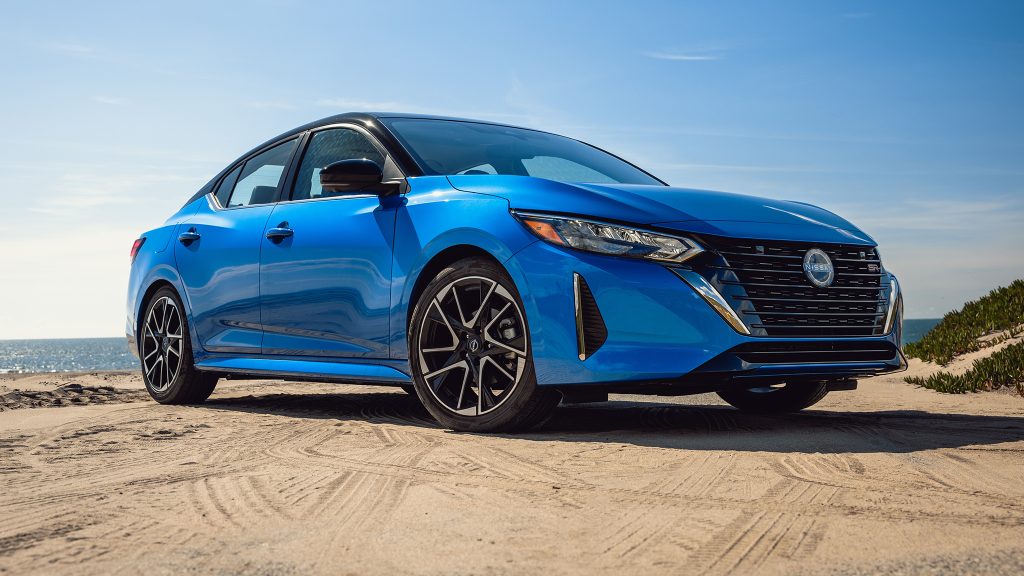
8. Nissan Sentra: Certain 2002 to 2006 Models
Certain Nissan Sentra models from 2002 to 2006 are included in NHTSA’s critical Takata airbag warning. The agency specifies that coverage applies to certain vehicles, so the model name and year alone cannot confirm whether a particular Sentra has an outstanding recall.
This is particularly relevant to older compact cars because they may be inexpensive to buy and maintain, encouraging owners to keep them in service long after their original warranty expires. Yet the age of a vehicle can also make it more likely that recall notices were missed during a change of ownership or move to another state.
The danger involves the inflator, not a routine engine or transmission fault. In affected Takata airbags, deterioration can increase the chance that the inflator housing will rupture when the airbag deploys. Metal fragments can then strike occupants, potentially causing fatal or life-changing injuries.
NHTSA’s instructions are to check the VIN and confirm whether the vehicle has an open recall. If the Sentra is covered by the Do Not Drive warning and has not been repaired, do not use it until the required remedy is complete. Contact a Nissan dealership for guidance on arranging the free repair.
Do not assume that a Sentra is unaffected because it has passed a state inspection. An inspection does not necessarily establish whether a recalled inflator has been replaced, and the defect may not produce any visible symptom before deployment.
For buyers, the recall check should happen before payment, not after the vehicle is already in daily use. Ask the seller for evidence of completion, then confirm it through official recall records. A low-cost used car is not a bargain if a critical safety repair remains outstanding.
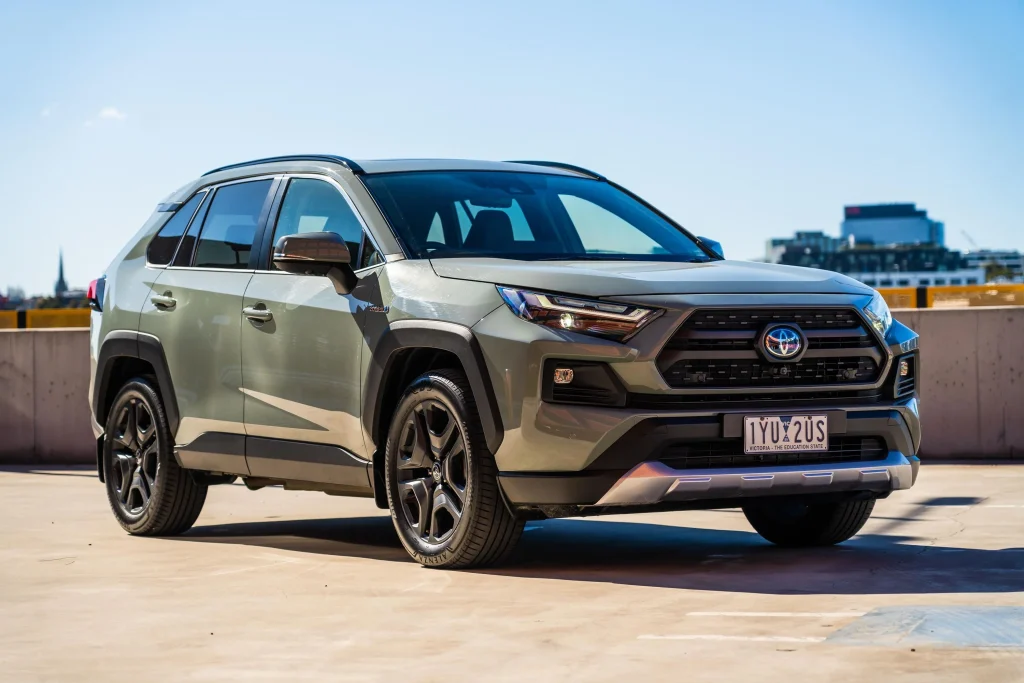
9. Toyota RAV4: Certain 2004 and 2005 Models
The Toyota RAV4 is included in NHTSA’s critical Takata airbag warning for certain 2004 and 2005 vehicles. This is a targeted warning rather than a blanket recall statement covering every RAV4. Owners must use the VIN to establish whether their particular SUV has an unresolved campaign.
The issue is the potential rupture of an affected airbag inflator. Certain Takata inflators can deteriorate after years of exposure to environmental conditions. During deployment, an inflator may rupture and send metal fragments toward occupants, creating a risk of severe injury or death.
A RAV4 can appear completely normal while the defect remains present. The engine may start reliably, the transmission may shift properly, and the vehicle may have no dashboard warnings. None of those observations confirm that its airbag inflator is safe.
Owners should check the vehicle’s VIN through NHTSA’s recall lookup. If the applicable Do Not Drive recall remains open, do not drive the SUV until the required repair has been completed. Contact a Toyota dealership to arrange the free remedy and follow its instructions for getting the vehicle serviced safely.
Used-car buyers should be particularly careful with older RAV4s that have passed through multiple owners. A seller may genuinely believe the vehicle has been repaired without having the documentation to prove it. Confirm the recall record rather than relying on verbal assurances or a general vehicle-history report.
The RAV4’s reputation for practicality does not change the seriousness of an unrepaired airbag defect. Once the required repair is documented, owners can evaluate the vehicle’s remaining condition on its own merits. Until then, the Do Not Drive instruction takes priority over routine transportation needs.
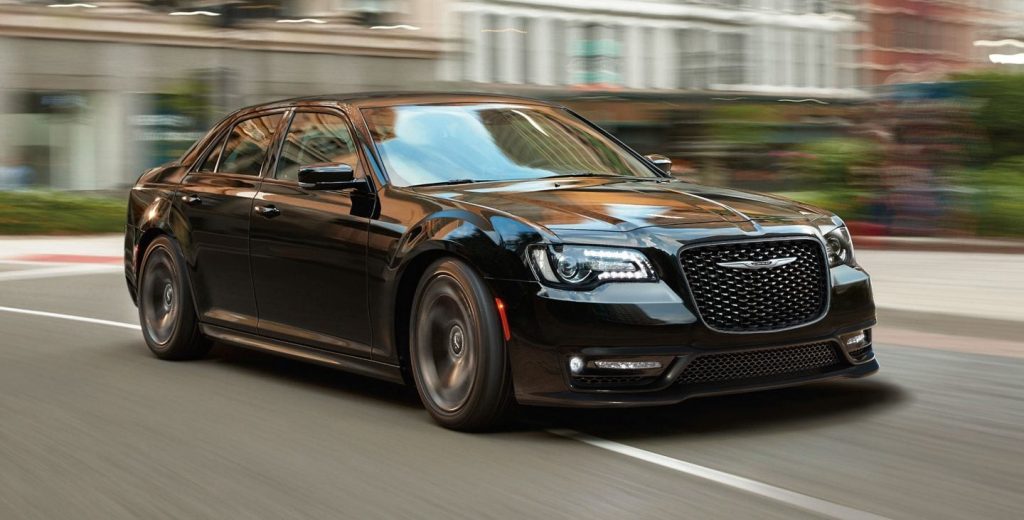
10. Chrysler 300: Certain 2005 to 2015 Models
The Chrysler 300 rounds out this list because it is included in the explicit Takata Do Not Drive warning for affected, unrepaired vehicles. NHTSA’s February 2026 alert identifies Chrysler 300 models from 2005 to 2015 in the campaign. The exact coverage must still be confirmed for the individual car.
This sedan was sold with a range of engines and trim levels, but the recall concern is independent of those specifications. It involves a defective airbag inflator that may rupture during deployment, sending metal fragments into the cabin. That can cause serious or fatal injuries even when the collision itself is not severe.
NHTSA reported that approximately 225,000 Chrysler, Dodge, Jeep, and Ram vehicles remained unrepaired when the warning was announced in February 2026. More than 6.6 million inflators in FCA vehicles had been replaced by that point. These numbers describe the broader group of affected vehicles, not the Chrysler 300 alone.
Owners should check the VIN using NHTSA’s official recall system. If an applicable Takata recall remains open, the car should not be driven until the defective inflator has been replaced. Contact a Chrysler dealership for the free repair and ask how to arrange service without violating the warning.
Before purchasing a used Chrysler 300, verify the recall status rather than assuming a previous owner handled it. Regular servicing, a clean appearance, and a well-running engine cannot establish that the airbag repair was completed.
The essential point is that these warnings concern specific vehicles with unresolved recalls, not every car sharing the same model name. Confirming the VIN and completing the required repair is the responsible way to address the risk.