The Nissan Z has earned its place among the most recognizable Japanese sports cars, combining rear-wheel drive, powerful engines, balanced handling, and styling that connects past and present. From the original Fairlady Z to the modern Nissan Z, each generation has brought something different to the table.
Some models became icons through motorsport success, while others impressed drivers with affordable performance and everyday usability. Ranking all eight cars means looking beyond horsepower figures and considering design, driving enjoyment, reliability, historical importance, and value. Here is how every major Nissan Z generation compares, from the least impressive to the greatest.
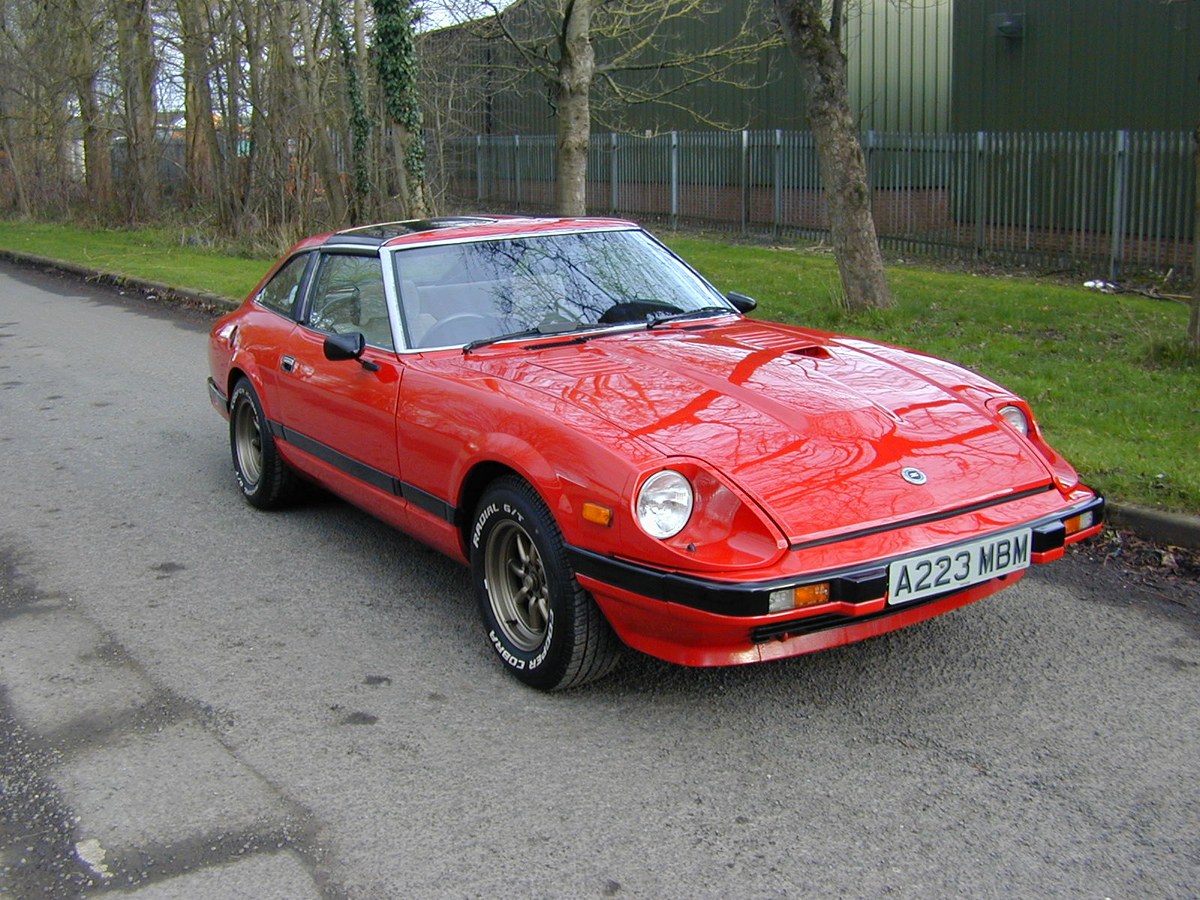
8. Nissan 280ZX (S130): The Comfortable Grand Tourer
The Nissan 280ZX, introduced in 1978, took the Z formula in a more comfort-focused direction. As the successor to the original S30, it retained the front-engine, rear-wheel-drive layout and six-cylinder power, but placed greater emphasis on refinement, cabin comfort, and long-distance driving.
Its rounded bodywork, larger interior, and available T-top roof reflected the changing expectations of sports car buyers. The 280ZX was designed for people who wanted the character of a Japanese sports car without giving up the comfort expected from a grand tourer.
That shift makes it a significant chapter in Z history, even if it ranks lower for drivers who prefer a lightweight, direct sports car.
The standard 280ZX used a 2.8-liter L28 inline-six engine, producing smooth power delivery and a distinctive mechanical character. In the United States, the naturally aspirated version delivered around 135 horsepower in its early form, with output varying by model year and emissions equipment.
The engine was known for its durability and accessible torque, making the car enjoyable on highways and winding roads. A five-speed manual transmission appealed to enthusiasts, while an automatic transmission suited buyers who prioritized relaxed driving. The 280ZX Turbo, introduced for the 1981 model year in the US, added forced induction and raised performance considerably, giving the second-generation Z a more convincing sporting edge.
Inside, the S130 felt more mature than its predecessor. Supportive seats, a more substantial dashboard, improved sound insulation, and available luxury features created a cabin suited to longer journeys. The two-seat configuration preserved the traditional sports car layout, while the 2+2 version offered occasional rear seating.
T-top panels brought open-air enjoyment without requiring a full convertible roof. These features expanded the car’s appeal to a wider audience, especially buyers who wanted a stylish coupe for daily use. The trade-off was a heavier, more comfort-oriented character that could make the 280ZX feel less agile than the original 240Z when driven hard through tight corners.
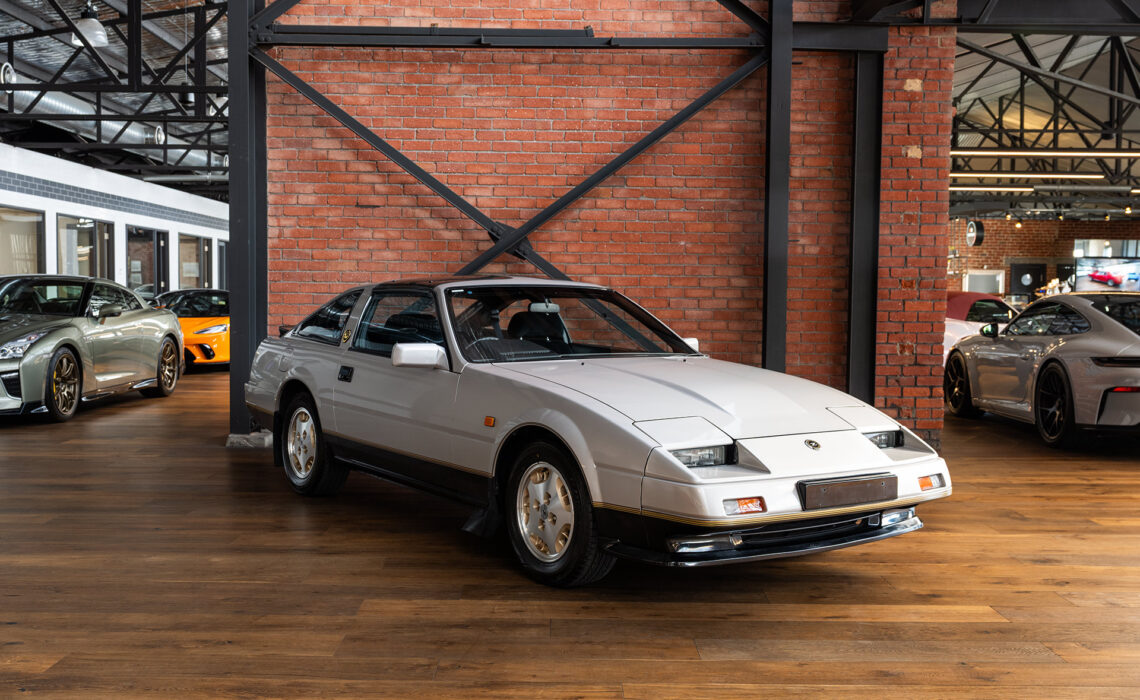
7. Nissan 300ZX (Z31): The Bold Eighties Sports Car
The third-generation Nissan 300ZX arrived in 1983, bringing angular styling and a new engine family to the Z lineup. Its sharp nose, pop-up headlights on many versions, squared-off rear, and digital-era design details captured the spirit of the 1980s. Compared with the softer 280ZX, the Z31 looked more futuristic and aggressive.
Nissan also moved from the traditional L-series inline-six to the VG-family V6 in many markets, marking an important mechanical change for the nameplate. Buyers could choose naturally aspirated and turbocharged models, with specifications varying by country and model year. The result was a car that combined distinctive styling with a more modern approach to performance.
The 3.0-liter VG30E V6 provided smooth power and a broader torque spread than many smaller engines of the period. Turbocharged versions, commonly known as the 300ZX Turbo, delivered stronger acceleration and established the Z31 as a serious performance coupe.
Depending on model year and market, output differed, with later US turbo versions producing around 200 horsepower. The turbo engine gave the car a useful midrange surge, making highway overtaking and fast cruising effortless. Manual and automatic transmissions were available, allowing the 300ZX to appeal to both committed enthusiasts and drivers seeking a powerful daily coupe.
The turbocharged versions remain the most interesting examples for buyers who want the fullest expression of the Z31’s performance potential.
The Z31’s cabin reflected its era through digital displays, angular instrument panels, and an equipment list that could feel advanced compared with earlier Z cars. Higher-specification versions offered features that were unusual for affordable sports coupes at the time.
The seating position, visibility, and substantial cabin made the car suitable for everyday driving. It was not as simple or lightweight as the first-generation 240Z, yet its technology and comfort were part of its appeal. Today, those period details help distinguish the Z31 from other Japanese coupes of the same decade.
The digital instruments in particular give the interior a nostalgic character, even if repairing aging electronic components can be challenging.
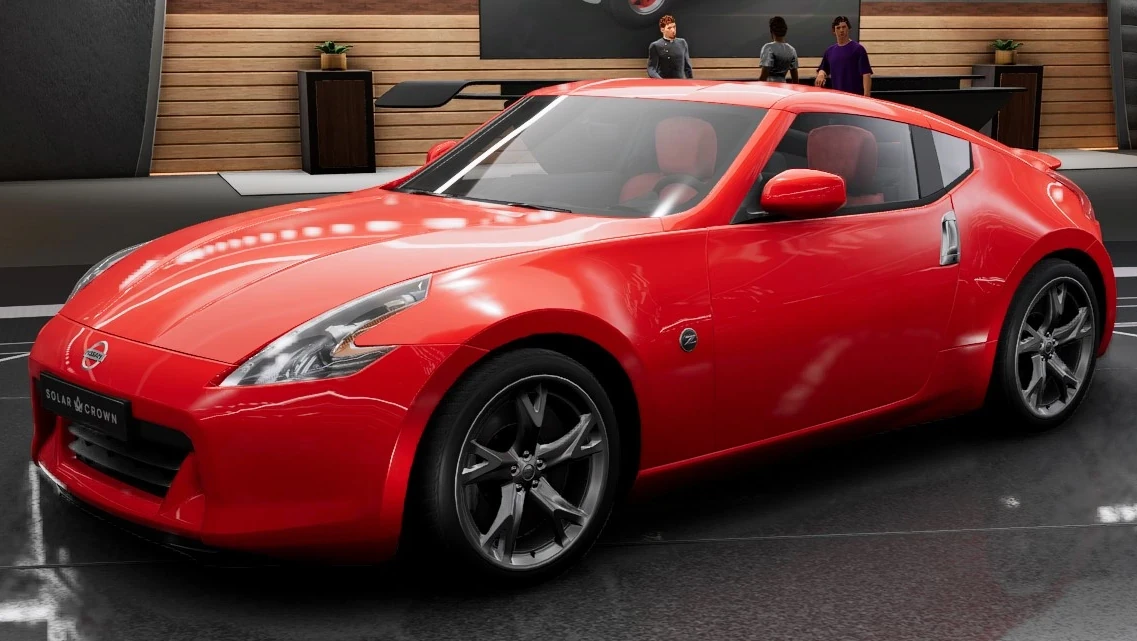
6. Nissan 370Z (Z34): A Focused Modern Classic
The Nissan 370Z arrived for the 2009 model year, refining the formula established by the 350Z. Its shorter wheelbase, wider stance, sculpted bodywork, and distinctive boomerang-shaped lighting gave it a more compact and purposeful appearance.
Nissan kept the familiar front-engine, rear-wheel-drive layout, while updating the chassis and retaining a naturally aspirated V6. The result was a sports car that felt like a continuation of the traditional Z idea rather than a complete reinvention.
The 370Z also benefited from years of development on the preceding model, allowing Nissan to refine steering response, braking performance, and body control. Its relatively straightforward mechanical layout has helped it remain popular with enthusiasts.
Power came from the 3.7-liter VQ37VHR V6, which produced approximately 332 horsepower in many standard US-market versions. The engine’s high-revving character, strong midrange response, and distinctive exhaust note made it enjoyable on public roads and demanding routes.
A six-speed manual transmission was available, while the seven-speed automatic offered quick shifts and everyday convenience. Nissan also introduced SynchroRev Match on equipped manual models, electronically matching engine speed during downshifts to make gear changes smoother.
This technology helped drivers maintain balance when braking into corners, while experienced enthusiasts could still turn it off or choose their own technique, depending on specification.
The Z34’s cabin was more modern than the 350Z’s, but it remained focused on the driver rather than luxury. The low seating position, short gear lever, and clear instrument layout made the car feel purpose-built. Later model years offered upgraded infotainment and interior materials, yet the cabin still lacked some of the technology and refinement available in newer rivals.
Cargo space was limited, rear visibility could be awkward, and the ride could feel firm on broken urban roads. These compromises were understandable in a dedicated sports coupe, but they became more noticeable as the model aged. Drivers who wanted a straightforward performance car often appreciated this simplicity, while buyers expecting a premium grand touring experience might have wanted more.
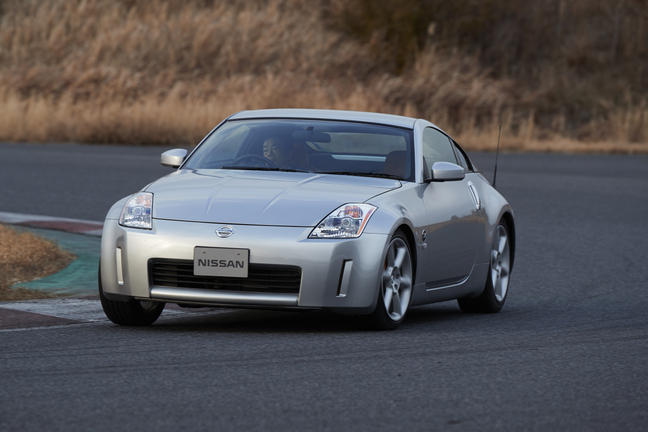
5. Nissan 350Z (Z33): The Car That Revived the Z Legend
The Nissan 350Z returned the Z nameplate to the US market for the 2003 model year after a lengthy absence, restoring the brand’s reputation for accessible rear-wheel-drive performance. Its muscular bodywork, wide fenders, long bonnet, and compact cabin gave it a confident appearance without relying on excessive styling details.
The Z33 was developed during a period when Nissan needed a sports car that could appeal to younger drivers while retaining the qualities that made earlier models popular. Its combination of performance, distinctive design, and attainable pricing made it a compelling alternative to more expensive European sports coupes. For many modern enthusiasts, the 350Z was their first introduction to the Nissan Z family.
Power came from the 3.5-liter VQ35 V6, with output increasing through successive updates. Early US models produced approximately 287 horsepower, while later versions received revised engines and improved performance. The 2007 and 2008 models used the VQ35HR engine, producing 306 horsepower in US-market specification.
This progression gave later examples stronger high-rpm performance and improved responsiveness. A six-speed manual transmission helped drivers make the most of the engine, while a five-speed automatic was available on many versions. The engine’s durability, broad aftermarket support, and straightforward tuning potential have made the 350Z particularly popular with enthusiasts building street cars, drift cars, and track-focused projects.
The cabin follows a simple driver-centered layout, with supportive front seats, a relatively upright steering wheel, and three auxiliary gauges positioned high on the dashboard. Nissan prioritized function over luxury, so hard plastics and basic infotainment equipment were common.
The two-seat configuration offered a focused driving environment, while the hatchback-style rear section provided practical storage for a sports coupe. Roadster versions expanded the lineup for drivers who preferred open-top motoring. Visibility, cabin noise, and ride quality were not class-leading, but the 350Z delivered the essentials without unnecessary complications.
Its relatively simple interior also makes it easier to personalize with aftermarket components, although modifications should be chosen carefully to preserve comfort and reliability.
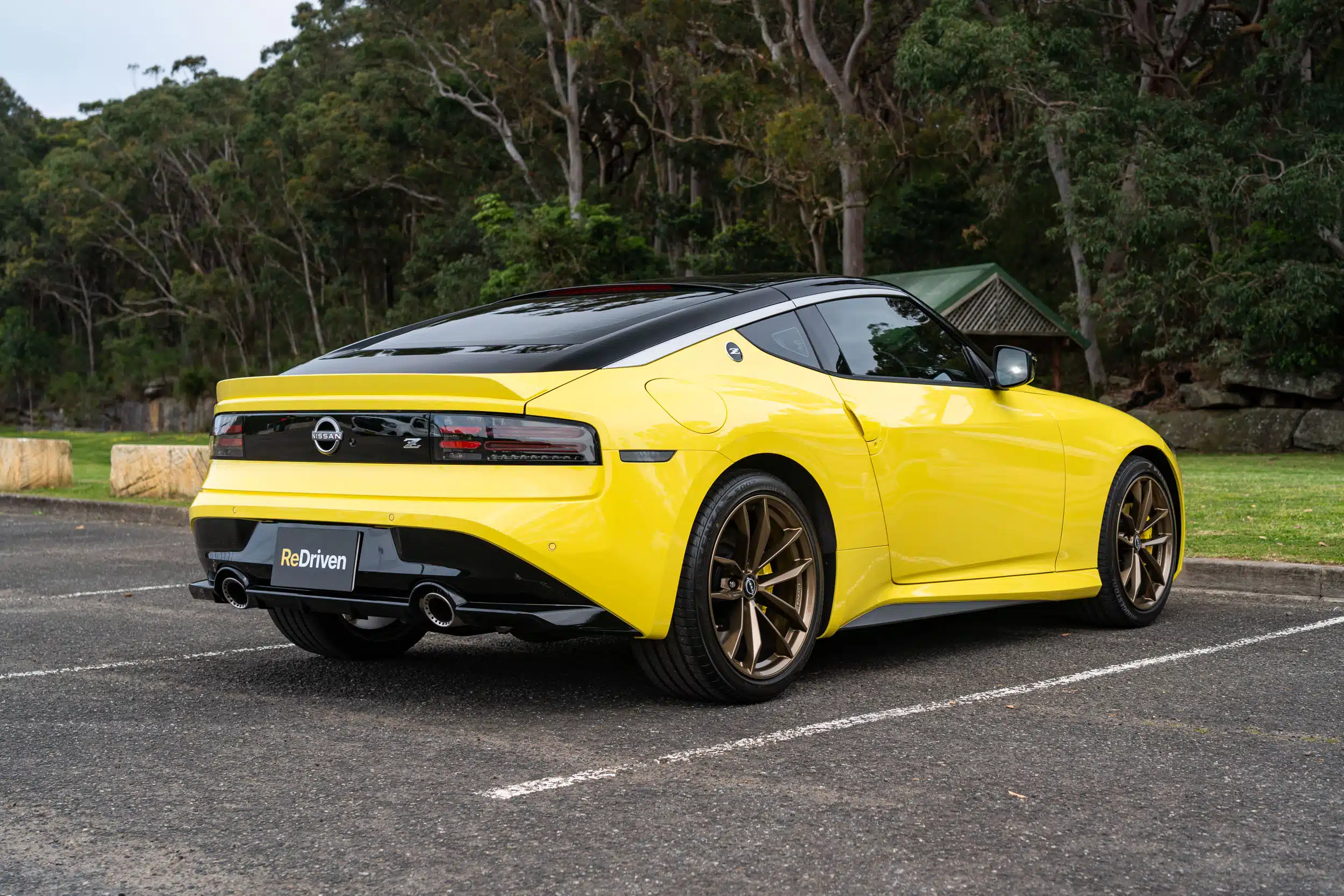
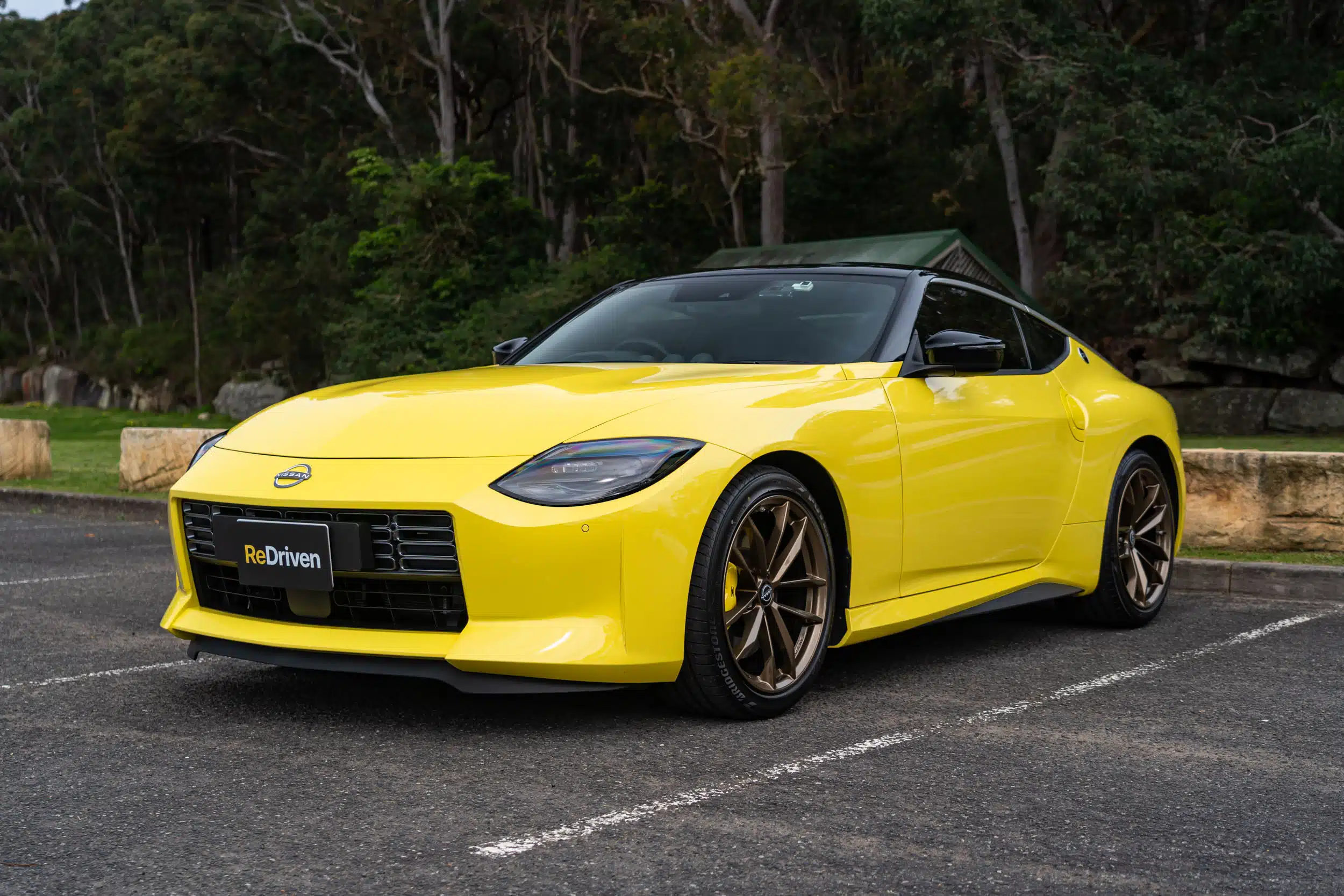
4. Nissan Z (RZ34): A Modern Sports Car With Classic Roots
The seventh-generation Nissan Z, internally designated the RZ34, brings a contemporary take on the model’s longstanding character. Introduced in 2021 and launched for the 2023 model year in North America, it returned to the straightforward Nissan Z name instead of adopting a badge based on engine displacement.
Its styling references earlier cars through a long bonnet, squared rear proportions, and lighting details inspired by the Z’s heritage. At the same time, the body features contemporary proportions and modern equipment. The design aims to connect enthusiasts who remember the original Datsun models with drivers who have grown up with the 350Z and 370Z.
Under the bonnet sits a 3.0-liter VR30DDTT twin-turbocharged V6. In standard US-market specification, the engine produces 400 horsepower and 350 lb-ft of torque. A six-speed manual transmission is available for drivers who want a traditional connection to the powertrain, while a nine-speed automatic provides rapid shifts and convenient everyday operation.
The turbocharged engine delivers strong acceleration at lower engine speeds than the naturally aspirated V6 in the 370Z. This makes the newer car feel quicker in ordinary driving, especially during overtaking. The additional torque also changes the driving character, replacing some of the older car’s high-rpm emphasis with a broader and more immediate surge of power.
The interior marks a considerable step forward in technology and presentation. A digital instrument display, central infotainment screen, modern connectivity features, and supportive front seats bring the cabin closer to current sports car expectations.
Three dashboard-mounted auxiliary gauges preserve a traditional Z design detail, while the short rear cargo area remains useful for weekend luggage. Material quality and screen responsiveness vary in perceived appeal, but the environment feels more contemporary than that of the 370Z.
The low seating position and compact cabin reinforce the car’s sporting character. Visibility remains limited toward the rear, and the ride can be firm on rough roads, so a test drive is worthwhile for anyone planning to use the Z as a daily vehicle.
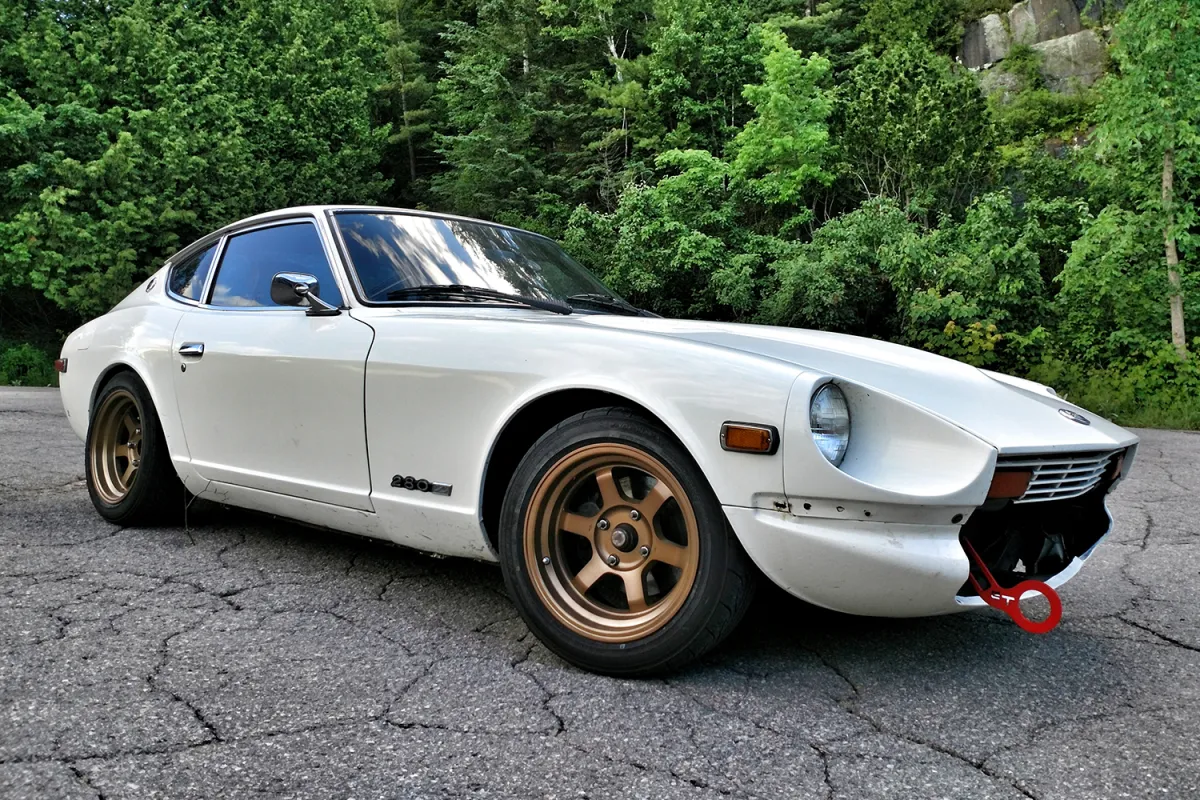
3. Nissan 280Z (S30): The Mature Version of an Icon
The first-generation Nissan Z evolved considerably during its production run, and the S30 280Z represents the later development of the original formula. Sold in the United States from 1975 through 1978, it retained the classic long-bonnet profile, fastback roofline, and compact rear section that made the early Z instantly recognizable.
Compared with the original 240Z, the 280Z incorporated changes aimed at meeting evolving safety and emissions requirements. These included heavier bumpers and revised equipment, depending on the model year. Such changes affected its weight and appearance, yet the essential design remained intact. The 280Z is an important reminder that a successful sports car can evolve without losing its identity.
Its 2.8-liter L28 inline-six engine provided a useful increase in displacement over the 240Z’s original 2.4-liter unit. US-market cars used fuel injection, which improved everyday starting and drivability compared with the carbureted setup of earlier export models.
Power figures varied with model year and emissions equipment, but the engine became well known for its smooth delivery and durability. A manual transmission allowed drivers to enjoy the engine’s character directly, while automatic versions broadened the car’s appeal.
The L-series engine also became a favorite among enthusiasts who wanted to rebuild or modify their cars. Its strong aftermarket support has helped keep many examples on the road decades after production ended.
The S30’s interior is straightforward by modern standards, but its simplicity suits the car’s character. A low dashboard, traditional round instruments, and a compact driving position create an environment centered on the essentials. The rear hatch adds practical storage, while the cabin provides enough space for relaxed weekend touring.
Interior materials and equipment varied across years and markets, and surviving cars often show signs of age. Original upholstery, factory trim, and unmodified dashboards are increasingly valued by collectors. Buyers should pay close attention to rust around the floors, wheel arches, hatch area, and structural sections.
Body repairs can be expensive, so an apparently attractive exterior should never replace a thorough inspection.
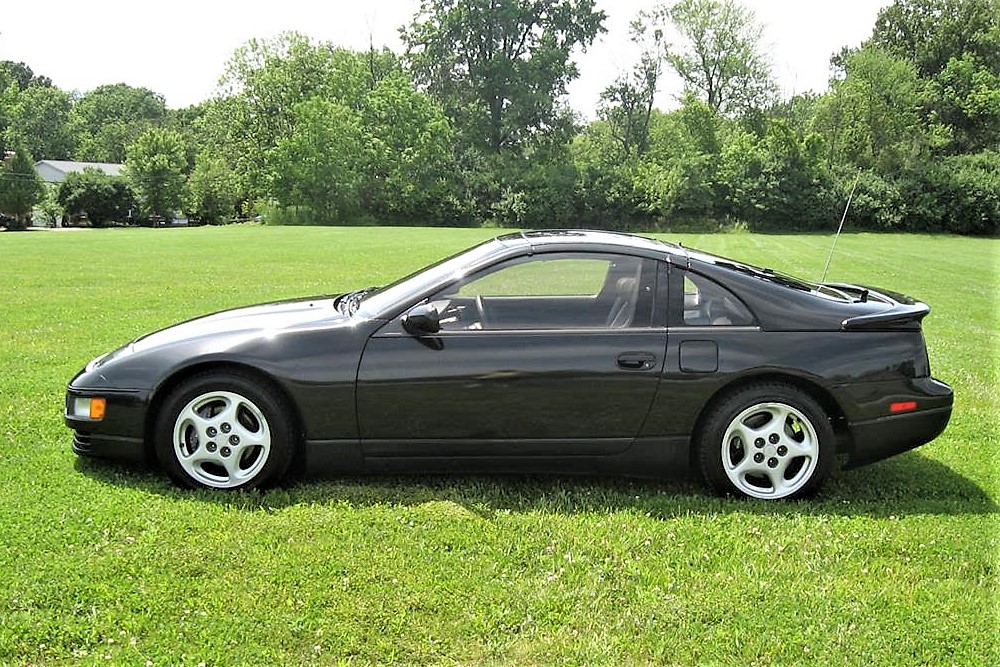
2. Nissan 300ZX Twin Turbo (Z32): The Japanese Performance Benchmark
The fourth-generation Nissan 300ZX, introduced in 1989, transformed the Z into a sophisticated performance car for the modern era. Its low bonnet, rounded bodywork, broad stance, and carefully integrated lighting looked radically different from the angular Z31.
The Z32 was developed with greater attention to aerodynamics, chassis control, and high-speed stability. It was offered in different body configurations and engine specifications, but the Twin Turbo coupe became the version most closely associated with the generation’s performance reputation.
Its design has aged remarkably well, with proportions that still look purposeful without relying on oversized styling details. For many enthusiasts, the Z32 represents the point at which Nissan combined its sports car heritage with advanced engineering to particularly strong effect.
The Twin Turbo model uses the VG30DETT, a 3.0-liter V6 fitted with two turbochargers and two intercoolers. In US-market specification, the engine was rated at 300 horsepower and 283 lb-ft of torque. Those figures made the car highly competitive in its era, and its performance remains respectable today.
Power delivery is stronger and more urgent than that of the naturally aspirated versions, while the six-speed manual transmission on later models adds enthusiast appeal. Four-wheel steering was available on certain versions through Nissan’s Super HICAS system, helping improve agility and stability under appropriate conditions.
The combination of turbocharged power, a sophisticated chassis, and a low aerodynamic body gave the Z32 genuine grand touring capability.
The cabin was designed around the driver, with a curved dashboard, supportive seats, and controls positioned for convenient access. Depending on specification, equipment included climate control, cruise control, and other features that made the car suitable for longer journeys.
The interior feels more integrated and refined than that of the Z31, though its electronics and trim materials now reflect the age of the vehicle. The two-seat and 2+2 configurations served different priorities, with the latter offering limited rear seating. The Twin Turbo’s engine bay is tightly packaged, which can make maintenance labor-intensive. Buyers should budget for proper servicing and seek specialists familiar with the VG30DETT rather than treating the car like a simple, inexpensive classic.
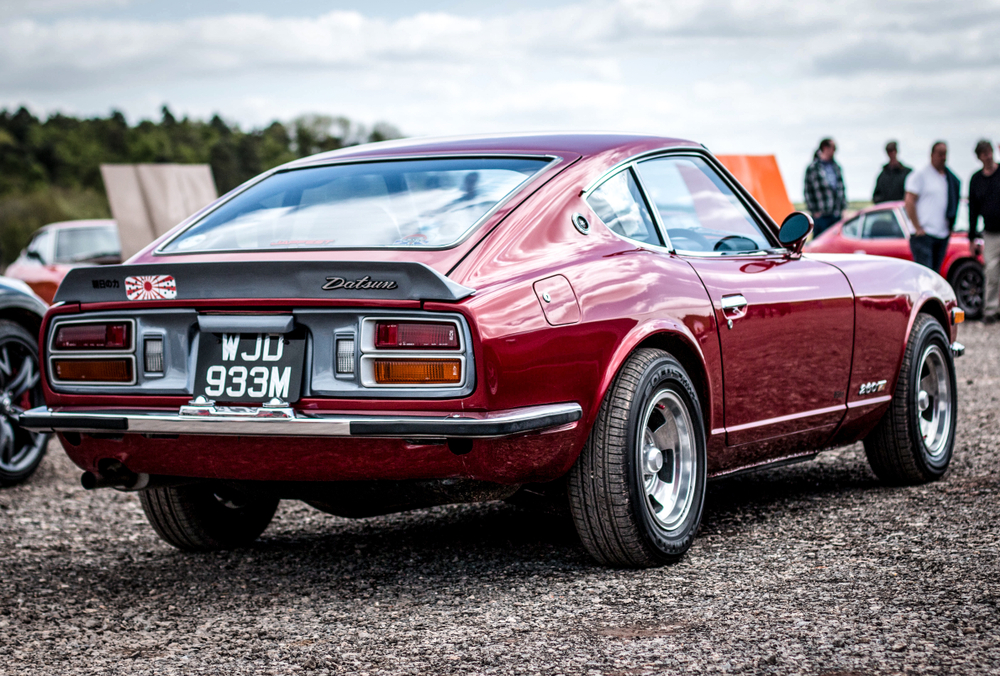
1. Datsun 240Z (S30): The Greatest Nissan Z of All Time
The original Datsun 240Z takes first place because it established the formula that would define Nissan’s sports car identity for decades. Introduced in 1969 and sold in the United States as a 1970 model, it combined sleek styling, six-cylinder power, rear-wheel drive, and a price that made sports car ownership accessible to a much broader audience.
Its long bonnet, swept-back roof, and rounded rear hatch gave it proportions that looked elegant and athletic at the same time. Rather than copying European sports cars outright, Datsun created a distinctive design that could compete with established models on style and performance. The 240Z helped change perceptions of Japanese performance vehicles and laid the foundation for the Z’s international reputation.
The 240Z used a 2.4-liter L24 inline-six engine, paired with a four-speed manual transmission in many early US-market examples. The engine delivered approximately 151 horsepower under the original US rating system, giving the relatively light coupe lively acceleration for its time.
Independent suspension, front disc brakes, and a well-balanced rear-wheel-drive layout helped it feel composed on winding roads. Its performance did not depend on turbochargers, complex electronics, or advanced driver aids. Instead, the car relied on responsive steering, predictable handling, and a smooth powertrain. These characteristics made it enjoyable for experienced drivers while remaining approachable for people moving into sports cars for the first time.
The 240Z’s interior reinforces its straightforward engineering philosophy. The low seating position, clear round gauges, and simple center console keep attention on driving. The rear hatch makes it more practical than many two-seat sports cars from the same period, providing useful room for luggage on weekend trips.
Cabin equipment was modest by modern standards, and air conditioning or other comfort features depended on market and specification. The absence of complicated electronic systems can make some repairs easier than those required by newer performance cars, but age introduces its own challenges.
Rust prevention, careful bodywork inspection, suspension refurbishment, and attention to fuel and cooling systems are essential when buying a car that may be more than half a century old.