Replacing a car battery every two years can become an expensive and frustrating routine, particularly when the vehicle starts normally for months before suddenly refusing to crank. Repeated battery failure may point to excessive electrical consumption, charging problems, poor driving habits, extreme temperatures, or an incorrectly specified replacement battery.
Certain vehicles have documented service bulletins addressing battery drain, giving owners a useful starting point for diagnosis.
This article examines ten vehicles worth investigating, explains what official complaints and technical bulletins can establish, and shows how Battery Council International data helps identify the correct replacement battery without confusing fitment information with reliability evidence.
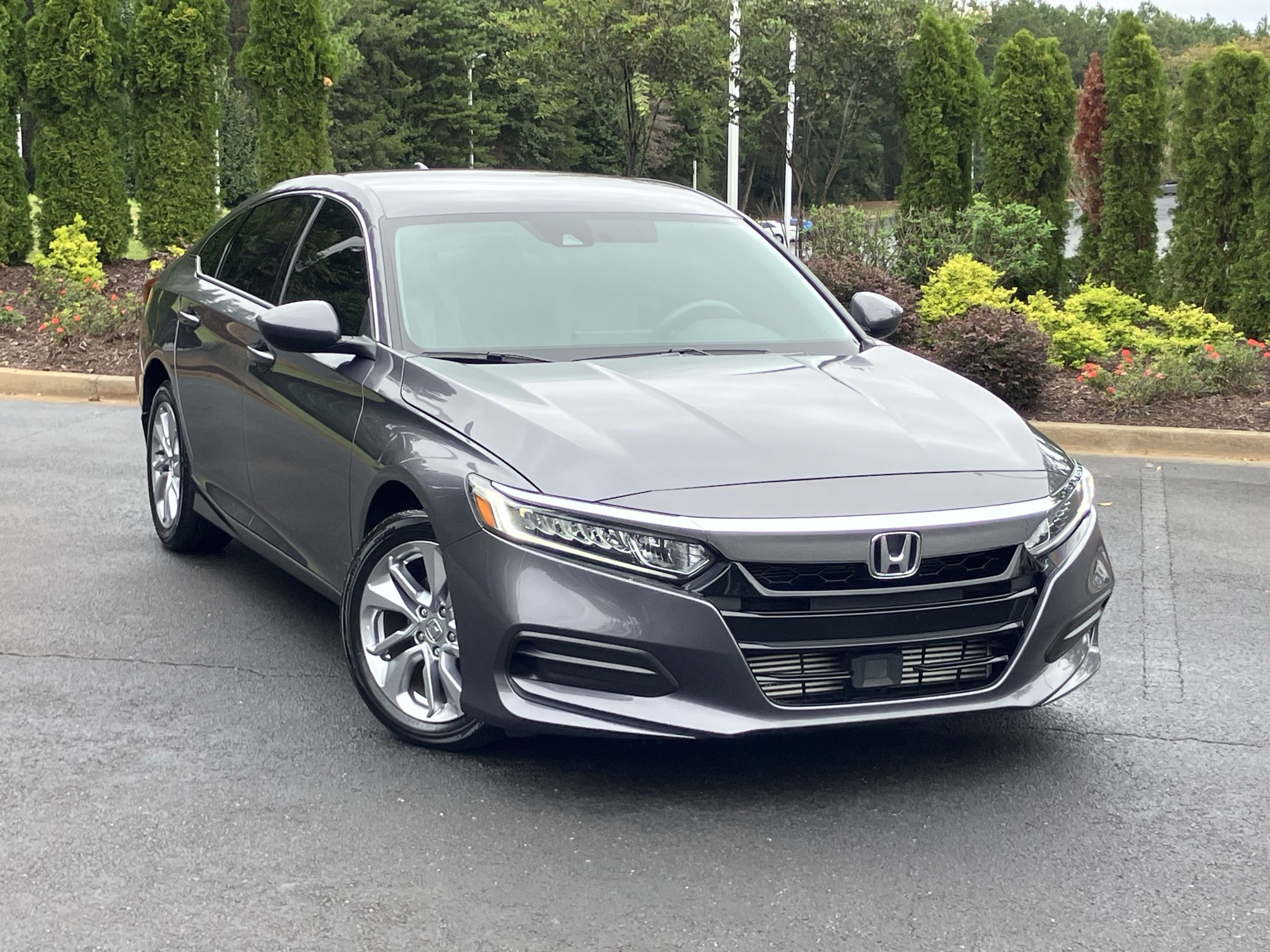
1. Honda Accord
The 2023 Honda Accord deserves attention because Honda issued technical service information addressing parasitic draw from the telematics control unit. Bulletin 23-056, published in July 2023, describes a condition in which the unit fails to complete its provisioning process correctly and remains active in a reboot loop.
That behavior can drain the 12-volt battery. Related Honda service information also addressed the same general concern. This is meaningful evidence of a documented fault, not merely an owner’s suspicion that a replacement battery has failed prematurely.
Owners experiencing repeated no-start conditions should record when the problem occurs, how long the car was parked, and whether warning messages appeared beforehand. A dealership or qualified automotive electrician can determine whether the telematics unit remains active and whether the relevant repair procedure applies.
Replacing the battery without testing the cause may restore starting temporarily, but the same electrical load could discharge the new unit.
Buyers considering a used 2023 Accord should review its service history and ask whether applicable software updates or control-unit repairs have been completed. This is a targeted inspection recommendation, not a claim that every Accord suffers from battery drain.
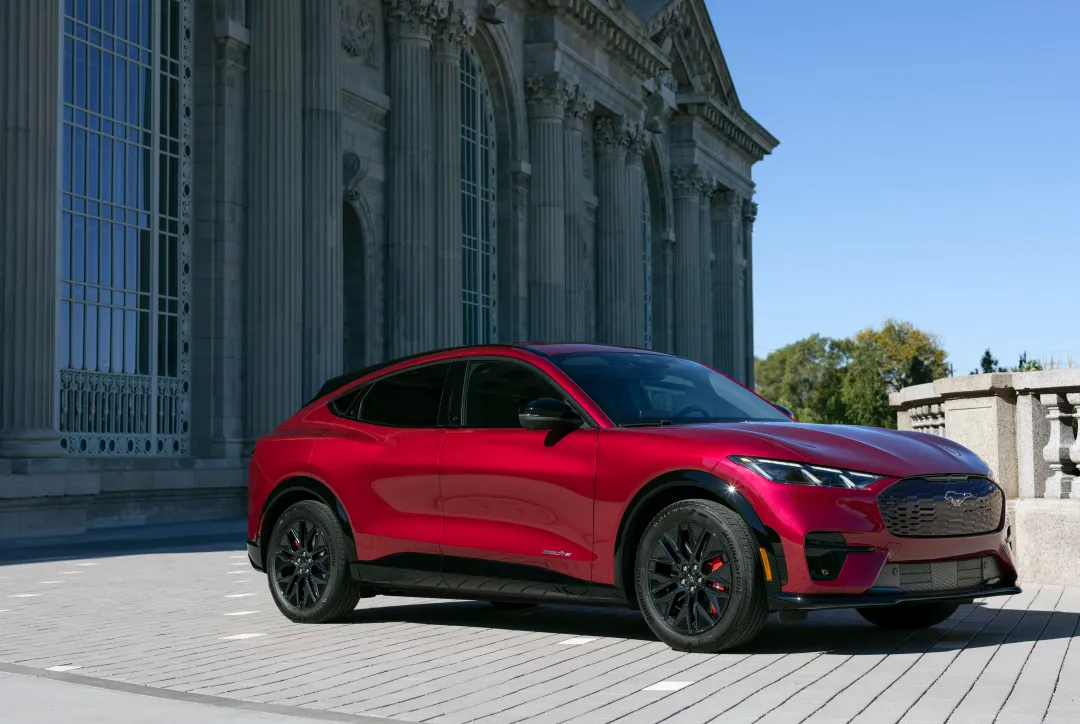
2. Ford Mustang Mach-E
The Ford Mustang Mach-E uses a high-voltage traction battery for propulsion and a separate 12-volt system for essential vehicle electronics. Problems affecting the smaller battery can prevent the vehicle from operating normally even when the main battery retains substantial charge.
Ford service bulletin 26-2005, dated January 16, 2026, identifies possible 12-volt battery drain on specified 2021 to 2023 Mustang Mach-E vehicles. The bulletin attributes the condition to software levels in modules that include the gateway module, the infotainment system, and the driver’s seat module. Its prescribed action involves reprogramming relevant modules when the stated criteria are met.
This example illustrates why electric vehicles should not be assessed solely by checking the state of charge displayed for the main battery. The low-voltage system supports computers and other equipment needed to wake up and operate the vehicle.
If the 12-volt battery discharges, the driver may encounter a vehicle that will not start or become ready to drive. Owners should check their VIN against applicable service information and ask whether the latest required software updates have been installed.
A weak battery can still be responsible for the symptom, but repeatedly installing replacements without examining the relevant modules may leave the underlying condition unresolved.

3. Ford Escape
The Ford Escape merits investigation because Ford has published service information concerning 12-volt battery drain in vehicles with activated connectivity features. Service message SSM 50804, documented in May 2022, discusses certain 2013 to 2023 Ford and Lincoln vehicles equipped with activated modems.
It describes a possible drain associated with third-party phone applications that repeatedly request vehicle functions such as remote locking, remote starting, and location updates. Excessive communication can keep vehicle networks active and increase electrical consumption.
This evidence applies to specified circumstances and equipment, rather than proving that every Escape from those years has an inherent battery defect.
Escape owners should pay particular attention to vehicles that lose charge while parked, especially when remote-access applications or aftermarket connectivity equipment are in use. A workshop can inspect battery condition, charging performance, module activity, and recorded fault codes.
Drivers should also review whether recently installed accessories are drawing power continuously. Disabling an unnecessary application may help identify a contributing factor, but it should not replace proper testing when a vehicle repeatedly goes flat.
Before purchasing a used Escape, ask whether its battery complaints were resolved through diagnosis rather than repeated replacement alone.

4. Lincoln Vehicles
Certain Lincoln vehicles share electrical architecture and connectivity technology with Ford models, making the manufacturer’s guidance on modem-related drain relevant to specified vehicles.
Ford’s service message SSM 50804 addresses selected 2013 to 2023 Ford and Lincoln vehicles with activated modems and describes circumstances in which third-party applications can keep vehicle communication networks active.
The important detail is the operating condition, not simply the brand name. A Lincoln equipped with connected services is not automatically defective, and the applicable equipment and model year must be confirmed before using the bulletin as a repair reference.
Repeated battery discharge in a Lincoln may involve telematics, remote-access requests, software behavior, an accessory installation, or a conventional charging fault. A useful diagnostic visit should include a battery health test, an alternator or charging-system assessment where applicable, and a parasitic-current test after the vehicle has entered its specified sleep state.
If the vehicle has an aftermarket tracker, alarm, dash camera, or remote-start system, the technician should inspect that installation as well. Owners should request the measured findings and the identified cause in writing. This makes it easier to determine whether a future failure represents the same unresolved problem or a separate battery issue.
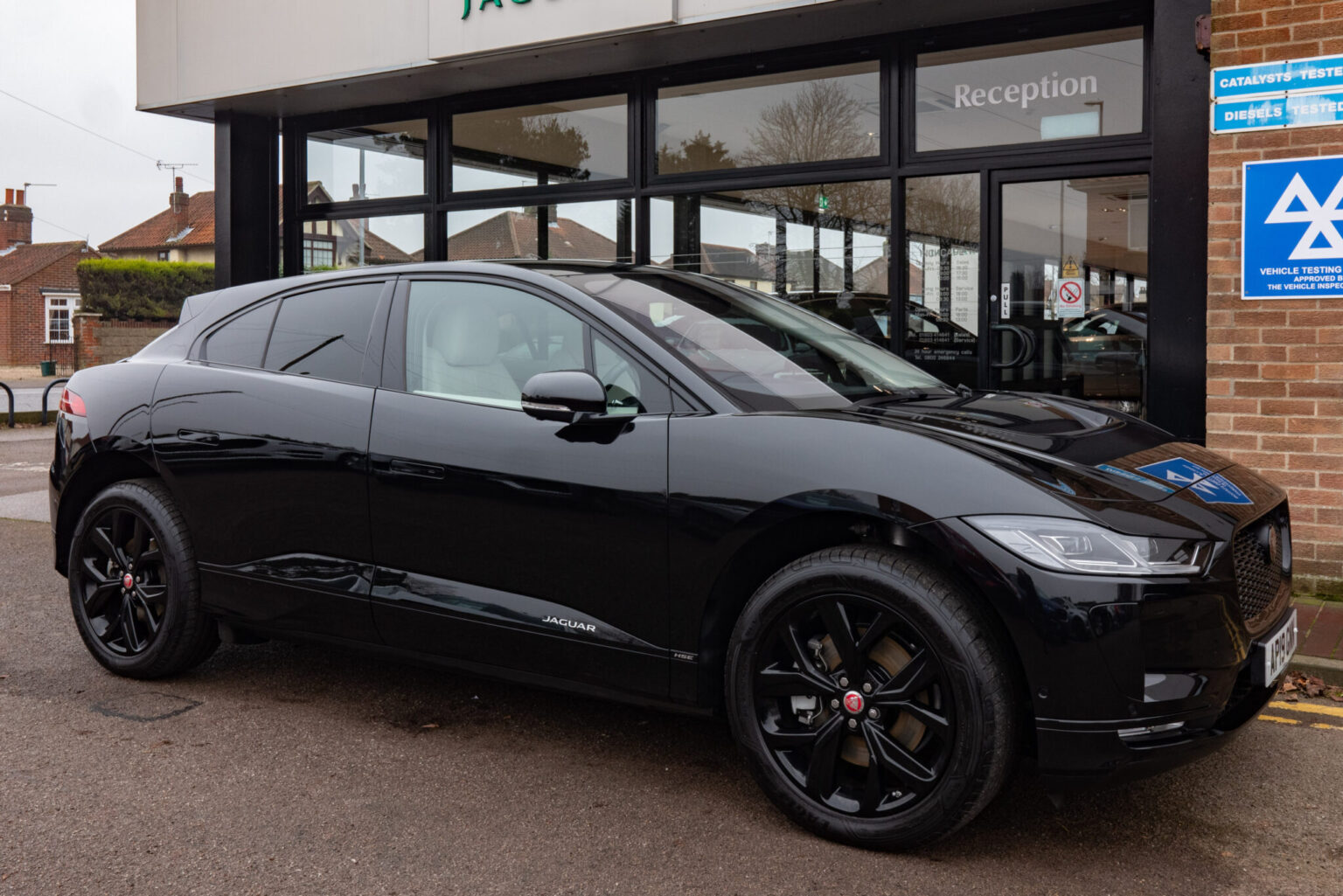
5. Jaguar I-Pace
The Jaguar I-Pace is another vehicle worth checking when investigating low-voltage battery complaints. Like other electric vehicles, it relies on a low-voltage electrical system to support essential electronics alongside its high-voltage propulsion battery.
A vehicle that has substantial driving range remaining may still encounter operational problems if the auxiliary system cannot supply sufficient power. Jaguar technical information has addressed battery-drain concerns in specific circumstances, including reports involving extended periods of inactivity.
The exact vehicle, software version, and diagnostic procedure matter, so owners should consult model-specific service records rather than assume that all I-Pace vehicles share the same fault.
Owners who regularly leave an I-Pace parked for long periods should ask a qualified Jaguar technician to check low-voltage battery condition, charging behavior, relevant software updates, and any stored diagnostic codes. The inspection should establish whether the battery itself has deteriorated or whether the vehicle is consuming excessive energy while stationary.
It is also important to distinguish the low-voltage battery from the high-voltage traction pack because the two systems perform different jobs. A complaint about reduced driving range is not equivalent to evidence of parasitic drain on the 12-volt system. Correct diagnosis prevents an expensive repair aimed at the wrong component.

6. Jeep Grand Cherokee
The Jeep Grand Cherokee is a sensible candidate for closer electrical diagnosis when repeated battery failure occurs alongside intermittent infotainment, security, or module-related symptoms. Modern vehicles in this category can contain numerous controllers that communicate over shared networks.
A component that fails to shut down correctly may leave the electrical system drawing power while the vehicle is parked. However, the existence of complex electronics alone does not establish a model-wide defect. Any claim about a particular Grand Cherokee year should be supported by a matching manufacturer bulletin, recall record, or sufficiently specific complaint evidence.
Owners should begin with the vehicle identification number and an accurate service history. The technician can then check manufacturer communications covering the exact model year and installed equipment. A proper current-draw test may identify an electronic module, relay, accessory, or wiring fault responsible for discharge.
If the vehicle has received repeated battery replacements, the invoices may reveal whether the charging system and parked current were ever measured.
Buyers should also check for outstanding recalls through the relevant official database. A broad list of electrical complaints should never be treated as proof that every vehicle in the model range needs a battery-related repair.
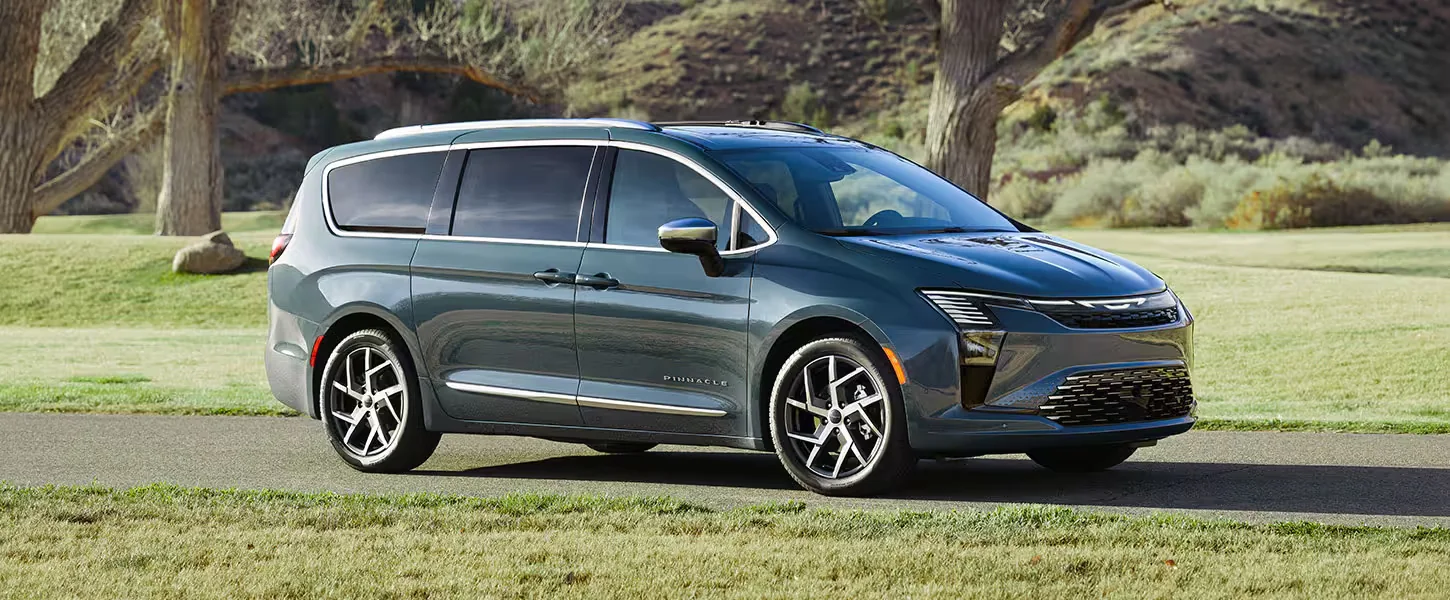
7. Chrysler Pacifica, Especially Vehicles With Repeated Electrical Warnings
The Chrysler Pacifica has extensive electrical equipment, including convenience features, electronic controllers, and, in hybrid versions, additional powertrain systems. These features make accurate diagnosis important when a vehicle repeatedly develops a flat 12-volt battery.
The conventional and hybrid versions should not be treated as mechanically identical, and a fault affecting one configuration cannot automatically be applied to the other. Reports of warning lights, failure to wake up, or intermittent starting should prompt a systematic inspection rather than an immediate assumption that the battery itself is defective.
For a Pacifica with recurring discharge, the repair shop should test battery capacity, charging performance, terminal connections, and parasitic current under the manufacturer’s specified conditions. A hybrid model requires technicians familiar with its particular electrical architecture and safety procedures.
Owners should ask for the cause of the discharge to be documented and for the applicable service information to be checked by VIN. If a bulletin or recall is relevant, the repair order should identify it. Without a matching source, it would be misleading to label every Pacifica as a vehicle that consumes a battery every two years.
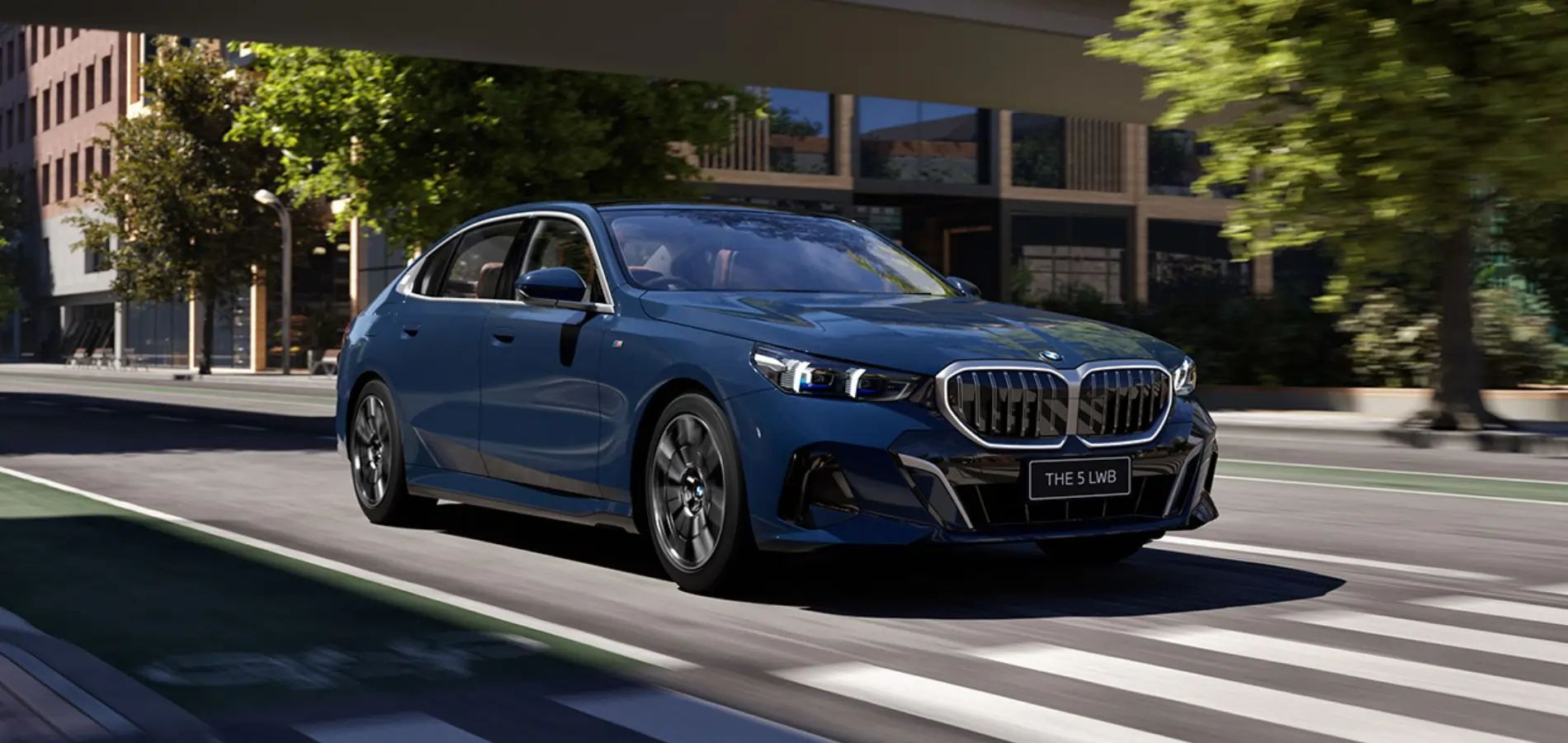
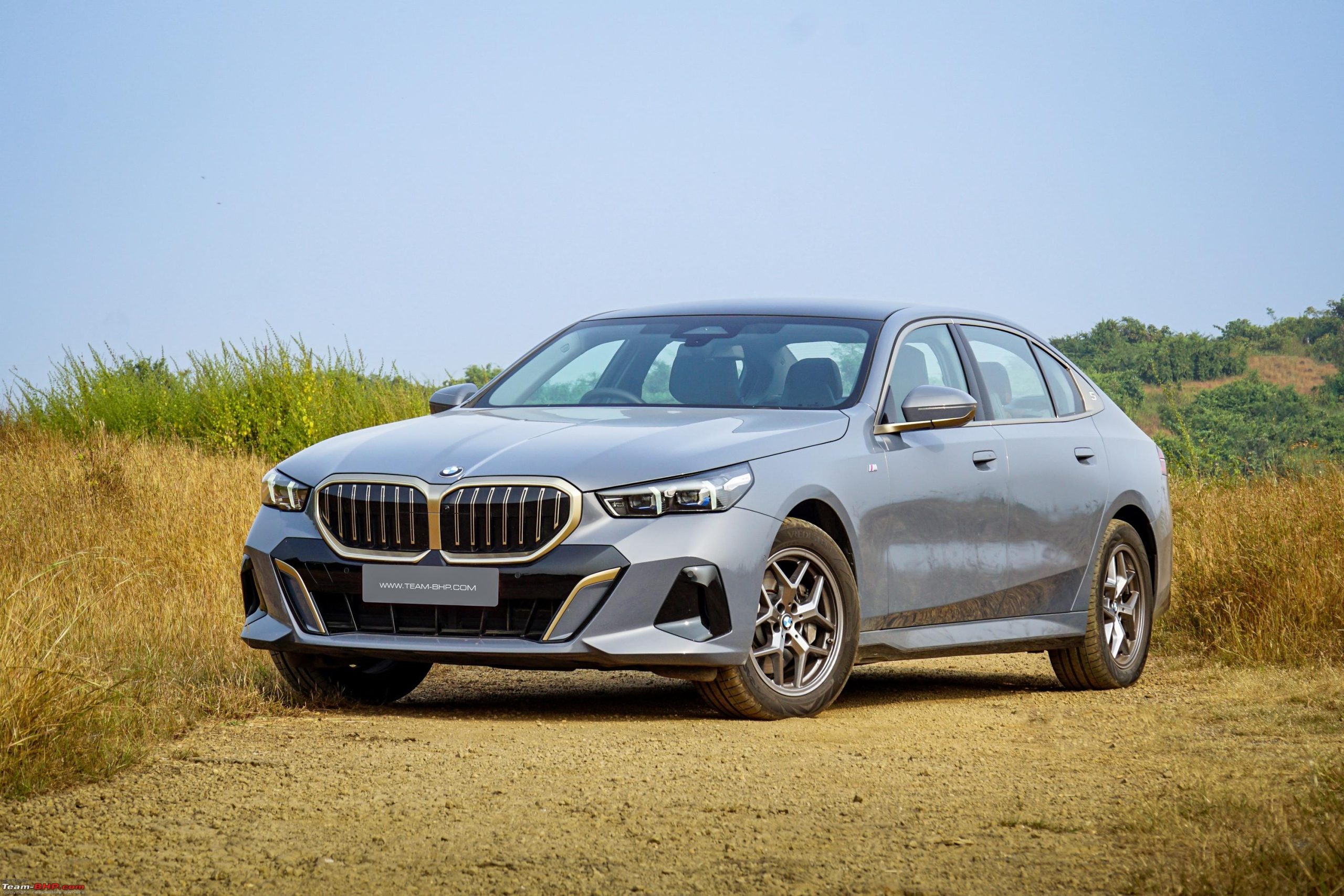
8. BMW 5 Series, Selected Model Years
The BMW 5 Series uses interconnected electronic systems for comfort, security, communications, and vehicle management. Such equipment can complicate diagnosis when the battery repeatedly discharges during parking.
A module that remains awake, an accessory that has been installed incorrectly, or a fault in the charging system can produce symptoms similar to a defective battery. BMW model years and engine variants differ substantially, so a reliable diagnosis must begin with the specific vehicle rather than a generic reputation for electrical problems.
Owners should ask the workshop to verify battery condition, charging-system operation, energy-management records, and the time required for the vehicle to enter sleep mode. Many vehicles also need battery registration or other prescribed procedures following replacement.
If these steps are skipped, the new battery may not be managed correctly. A workshop should check manufacturer service communications applicable to the VIN and document any software or component repair. Without specific model-year evidence, it would be inaccurate to claim that the entire 5 Series range has a proven two-year battery failure pattern.
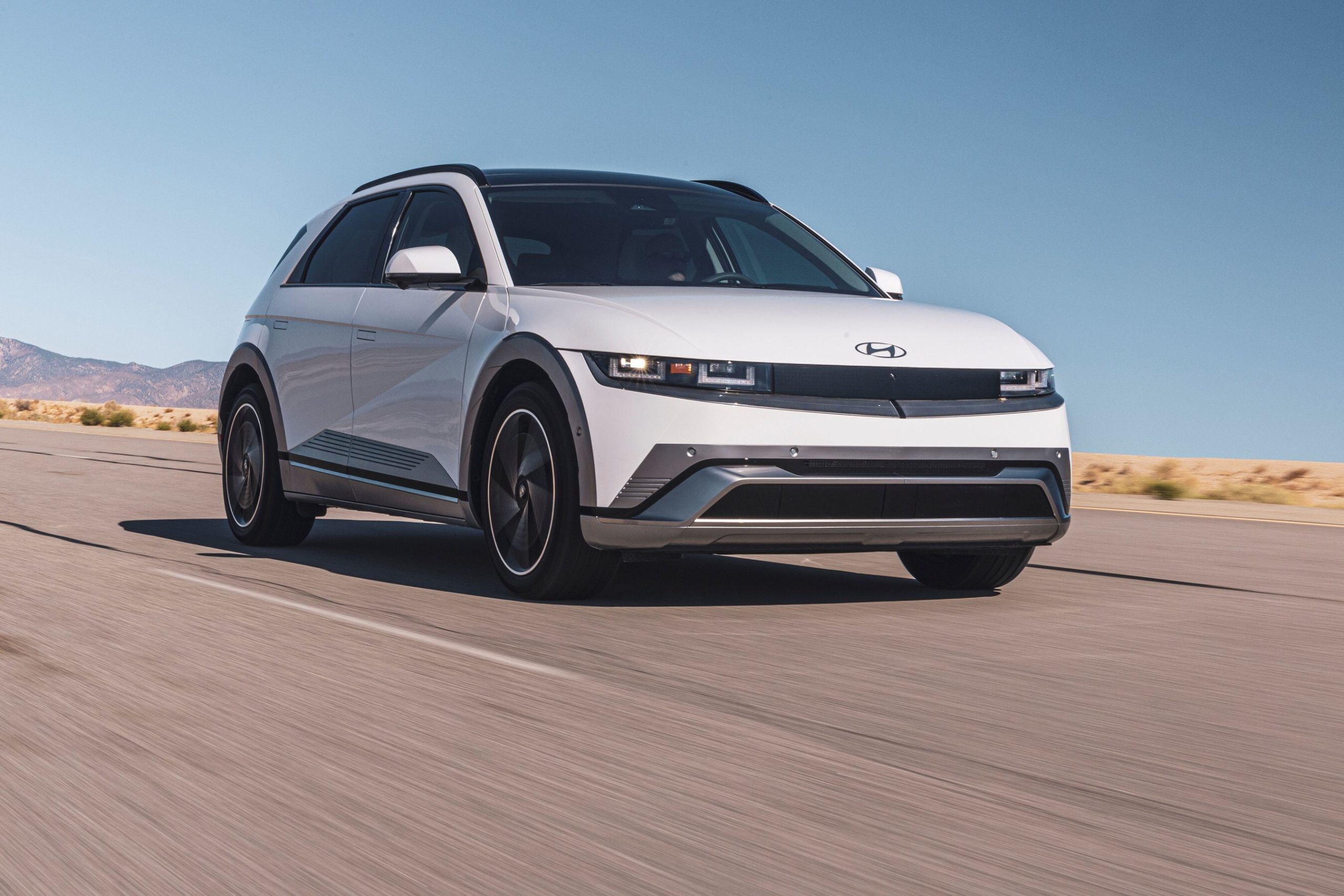
9. Hyundai Ioniq 5, With Attention to Low-Voltage System Faults
The Hyundai Ioniq 5 relies on a high-voltage battery for propulsion and a separate low-voltage system for vehicle electronics. Owners can encounter a no-start or failure-to-wake condition if the auxiliary battery becomes discharged, even when the main traction battery is not empty.
Reports involving charging-system components, software, and low-voltage operation should be examined carefully because not every electrical problem has the same cause. A fault in high-voltage charging equipment may have implications for the low-voltage system, but that relationship must be established through the relevant diagnostic procedure rather than assumed from a complaint headline.
An Ioniq 5 experiencing repeated low-voltage failures should receive a VIN-specific check for recalls and service campaigns, followed by testing of the auxiliary battery and the systems responsible for maintaining its charge. Technicians should review stored codes, relevant software levels, and any manufacturer instructions for the vehicle’s configuration.
Owners should keep records of charging habits, parking periods, warning messages, and previous battery replacements. These details help identify a recurring pattern. The Ioniq 5 should be considered a model for careful investigation, not automatically classified as a confirmed battery-drain vehicle without supporting evidence for the exact year and condition.

10. Honda Odyssey, Selected Model Years
The Honda Odyssey is worth considering when battery warnings or repeated discharge occur, especially if the vehicle makes frequent short journeys or powers accessories while parked. Honda service information for the 2011 Odyssey addressed battery-charge warnings and battery sensor software.
The update improved the accuracy of charge-state warnings under specified circumstances, while the bulletin also identified conditions that the update would not correct, such as inadequate driving time or excessive electrical draw from accessories. This distinction matters because a warning about low charge does not necessarily identify the defective component.
Odyssey owners should review their model year’s service history and determine whether the relevant update applies. The workshop should inspect battery condition, charging behavior, accessory wiring, and any signs of a current draw after shutdown.
Frequent use of powered doors, entertainment systems, or other equipment with the engine off may contribute to low charge, depending on the circumstances. If the battery repeatedly fails despite adequate charging and correct usage, the technician should continue testing rather than repeatedly install replacements. The goal is to establish a verified cause for the particular vehicle, not to infer a universal defect from an isolated bulletin.