Fatal crash statistics can reveal which vehicle models appear most frequently in America’s deadliest collisions, but the numbers require careful interpretation.
The National Highway Traffic Safety Administration’s Fatality Analysis Reporting System (FARS) records qualifying fatal crashes on U.S. public roads and identifies vehicles involved. A high count does not automatically mean a particular model is more dangerous: popular vehicles can appear frequently simply because millions are on the road.
This article uses 2023 final FARS vehicle-level data to examine seven models and explain what their reported involvement counts do and do not tell drivers.
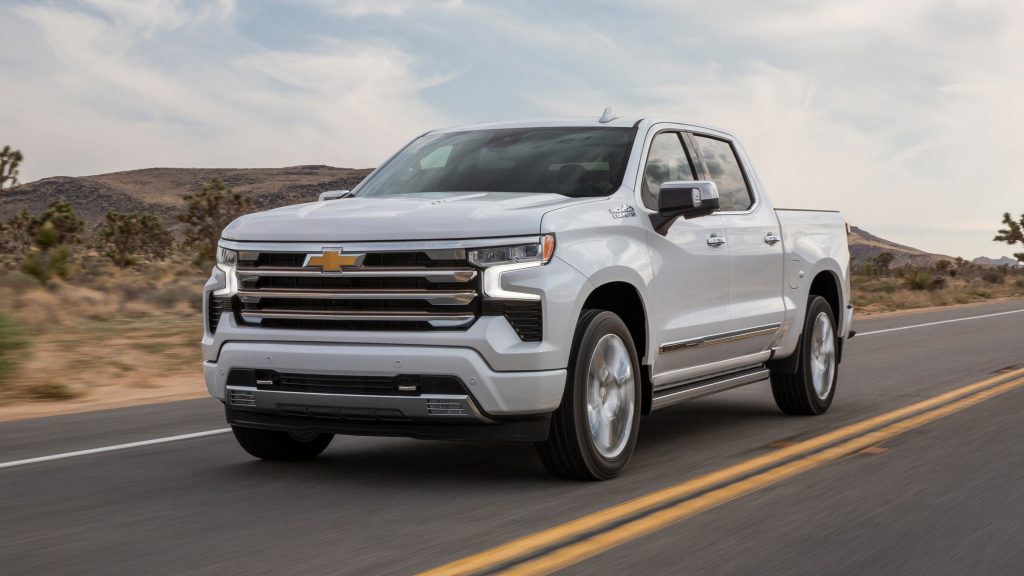
1. Chevrolet Silverado
The Chevrolet Silverado appears prominently in the 2023 FARS vehicle-involvement figures. A dataset derived from the final NHTSA records lists 2,039 Chevrolet Silverado incomplete vehicles involved in fatal crashes, the highest count in its model-level table.
That specific classification matters: it refers to vehicles coded as incomplete, rather than representing every retail Silverado 1500, 2500HD, and 3500HD pickup combined.
The Silverado is a familiar sight on American roads, used for commuting, family transportation, towing, construction, and agricultural work.
Its broad presence across different driving environments makes raw counts difficult to interpret without information about exposure, including miles driven, vehicle registrations, road type, and driver behavior.
A frequently used vehicle may accumulate more opportunities to be involved in a fatal crash than a rare model, even if its risk per mile is not unusually high.
Pickup size and weight also affect the physics of a collision. A large vehicle can offer its occupants a different level of protection from that experienced by people in a smaller car, but its mass can increase the consequences for occupants of another vehicle or vulnerable road users.
That is why crash involvement counts should not be treated as a simple safety score for the pickup itself.
For someone shopping for a Silverado, the useful response is not to assume the model is inherently unsafe. Instead, compare the exact model year’s crash-test results, available automatic emergency braking and other driver-assistance features, headlight performance, and recall history.
Safe driving habits, appropriate tires, and properly functioning brakes remain important regardless of the badge on the grille.
The key finding is the reported involvement count, not proof that the Silverado caused these crashes or has the highest fatality risk per mile.
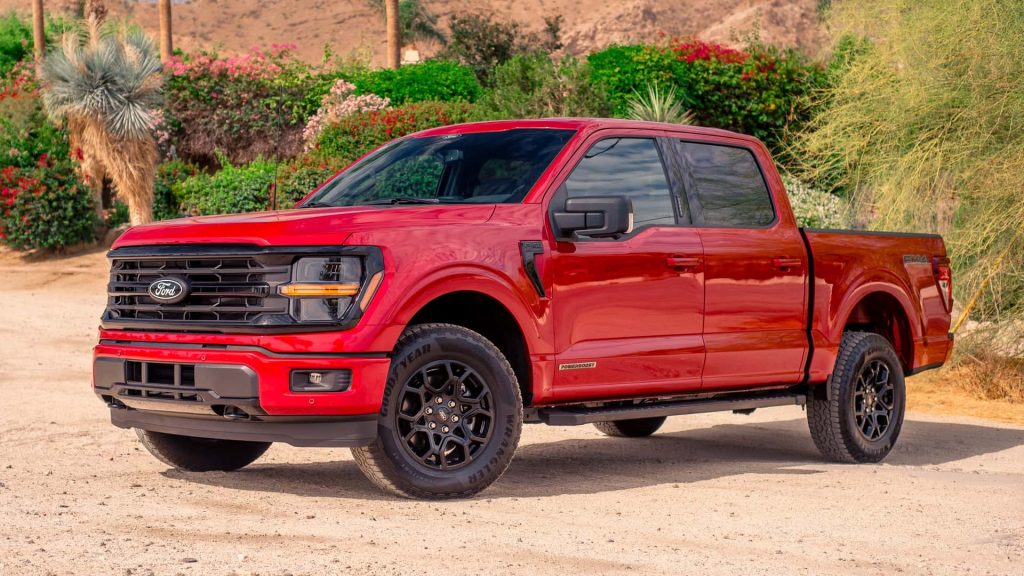
2. Ford F-150
The Ford F-150 is another high-volume pickup that appears near the top of the 2023 FARS model-level table. The dataset reports 1,684 Ford F-150 pickups involved in fatal crashes during that year.
This number represents how often the F-150 was involved in fatal crashes. It does not establish that 1,684 F-150 drivers caused those incidents, nor does it indicate the probability that an individual owner will experience a crash.
The F-150’s role in American transportation helps explain why its absolute count attracts attention. It serves as a work truck, towing vehicle, family vehicle, and daily commuter. That wide range of uses means it travels on interstate highways, rural roads, urban streets, and work sites.
A count without a registration or mileage adjustment cannot separate the effect of widespread use from any differences in crash risk.
The distinction becomes especially important when comparing a pickup with a compact sedan. A larger vehicle’s mass and ride height can influence crash compatibility, while occupant protection depends on the specific vehicle’s structure, restraint systems, and crash circumstances.
The outcome also varies with speed, seat-belt use, road conditions, and the types of vehicles involved. A model-level fatal-crash count cannot isolate those factors on its own.
Anyone considering an F-150 should look at safety information for the specific model year and trim rather than treating all generations as equivalent.
Buyers can check the vehicle’s VIN for recalls, confirm that seat belts and airbags have not been compromised, and compare available crash-prevention technology. Owners should also pay attention to tire condition and braking performance, particularly when towing or carrying heavy loads.
The F-150’s 2023 count places it among the most frequently recorded models in the table, but a fair safety comparison requires a rate based on miles driven or registered vehicles. Without that denominator, the number alone cannot establish that an F-150 is more dangerous than another model
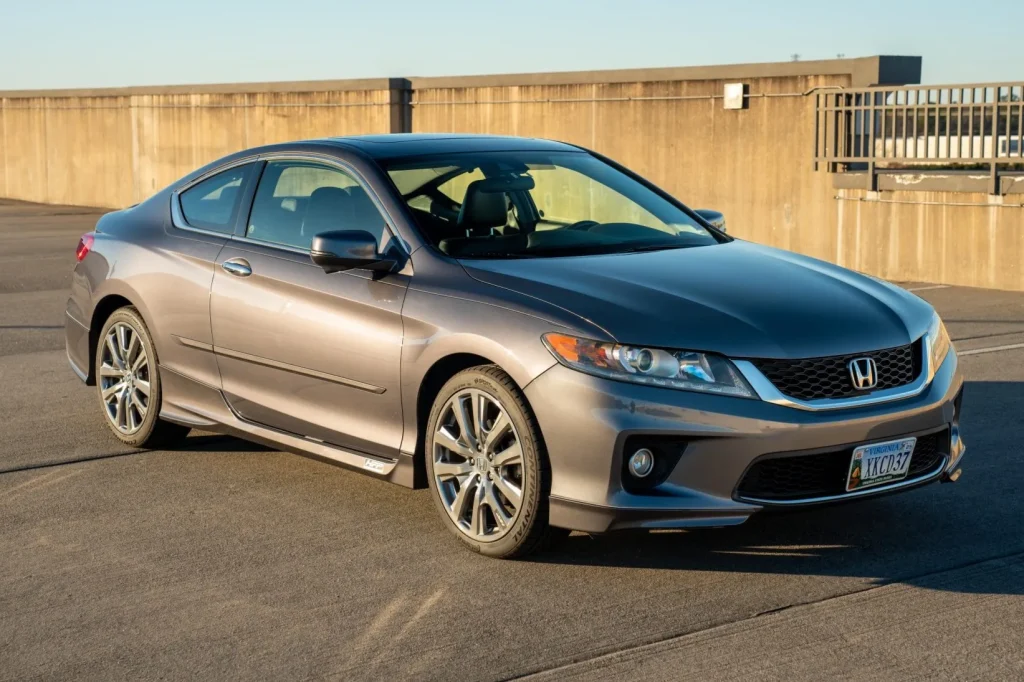
3. Honda Accord Coupe
The Honda Accord Coupe recorded 1,157 vehicles involved in fatal crashes in 2023, according to the FARS-derived model table.
That figure places this particular body-style classification third in the listed ranking. It is important not to confuse the Accord Coupe with every Accord sedan sold in the United States: the table separates vehicles by their VIN-derived model and body-class descriptions.
The coupe’s appearance in the data offers a useful reminder that familiar, mainstream vehicles can account for substantial numbers of fatal-crash involvements. The Accord has long been sold in large numbers, and its historical popularity means older examples remain on American roads.
However, the count alone cannot tell us whether the coupe’s risk per mile was higher than that of another car. To answer that question, researchers would need comparable exposure data, such as miles driven or registered vehicle-years.
Crash circumstances matter as much as the name on the trunk. Speed, driver impairment, seat-belt use, road design, weather, and the type of collision can all affect whether a crash becomes fatal.
A vehicle listed in FARS may have been struck by another road user, collided with a fixed object, or been involved in a crash where responsibility is not established by the model count.
Used-car shoppers should also distinguish between different Accord generations. Safety equipment and crash performance can change considerably from one model year to another.
Buyers should check the relevant model year’s crash-test information, confirm that airbags and seat belts are intact, and look up recalls using the vehicle identification number. Older cars may lack crash-avoidance features that became more common in newer vehicles.
The 1,157 figure is a reason to examine the data, not a verdict on the Accord’s safety. A meaningful comparison needs to account for how many examples were driven, the ages of those vehicles, and the circumstances surrounding each fatal crash.
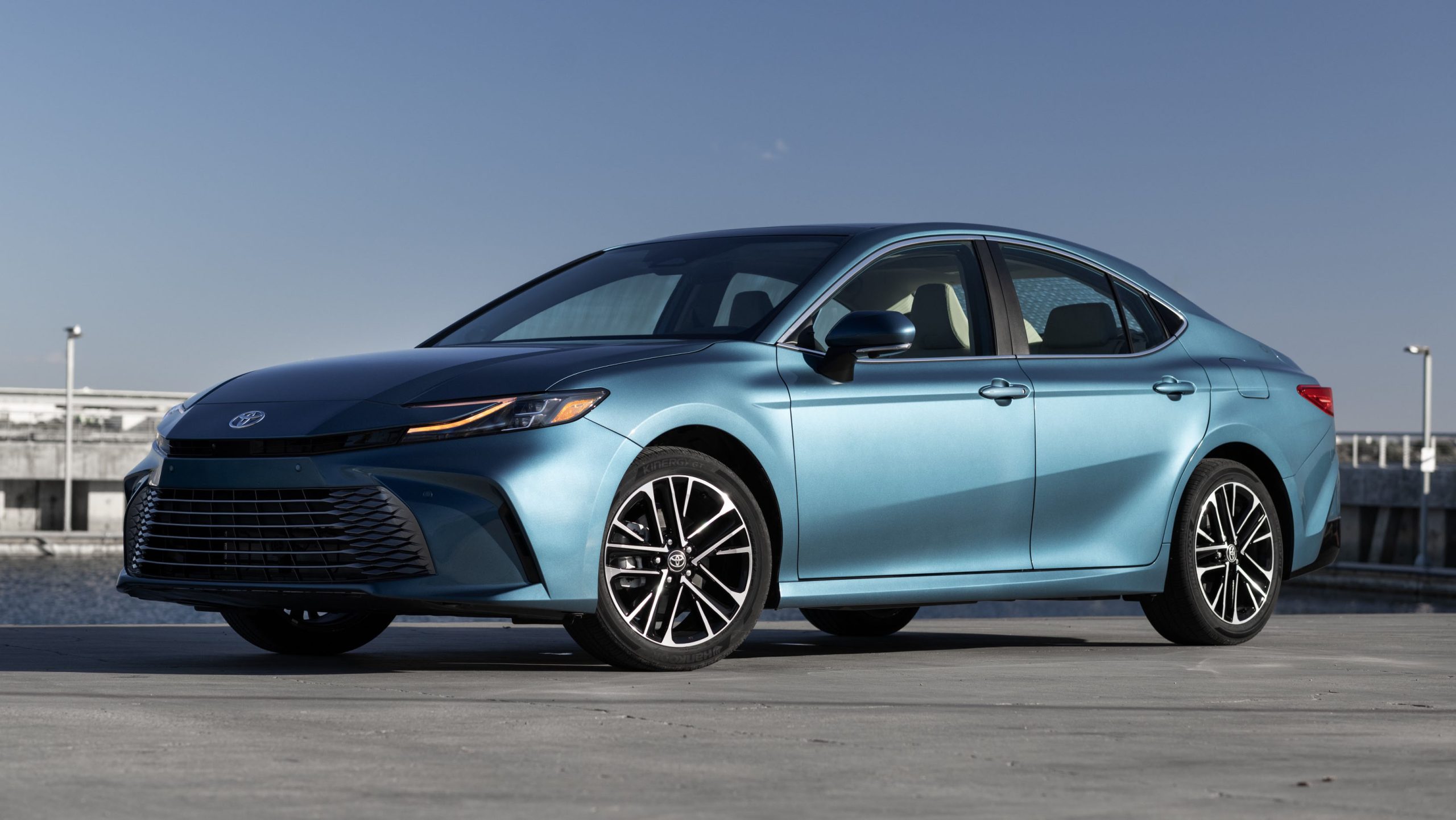
4. Toyota Camry Coupe
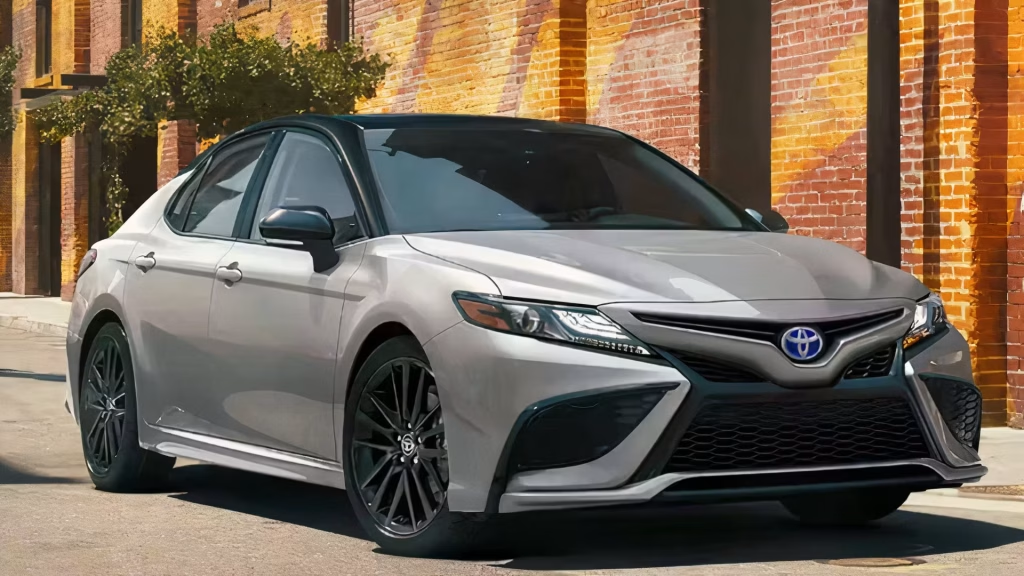
The FARS-derived table lists 1,123 Toyota Camry Coupe vehicles involved in fatal crashes in 2023. That label needs a qualification: it reflects the table’s specific vehicle classification, not a simple count of every Toyota Camry sedan on U.S. roads.
NHTSA’s VIN-based classification system can produce model and body-style labels that differ from the everyday names consumers use when discussing vehicles.
The Camry’s broad presence in American transportation makes its data worth examining, but raw counts can be deceptive. A model with many vehicles on the road can appear in more fatal crashes simply because it is driven frequently.
The number does not account for annual mileage, the age of the fleet, driver demographics, or whether the vehicle was responsible for a collision. It should not be presented as proof that the Camry is inherently dangerous.
Toyota has also sold the Camry across multiple generations, with substantial changes in structural design and safety technology over time. Consequently, a count that combines model-year variants does not offer a clean comparison between a newer Camry and an older one.
Buyers should examine crash-test results and equipment for the exact year under consideration, rather than relying on the model name alone.
For used vehicles, inspect the condition of tires, brakes, suspension, seat belts, and airbags. A history report can help identify previous collision damage, but an independent inspection remains valuable because repairs are not always fully documented. Check the VIN for unresolved recalls, and verify that any repaired safety systems function correctly.
The reported count places this specific Camry classification fourth in the table. It does not establish the model’s fatality rate per mile or mean that a Camry driver is more likely to die than a driver in another car.
Those conclusions require exposure-adjusted data and model-year-specific analysis, not a ranking based only on the number of vehicles involved.
5. Honda Civic Coupe
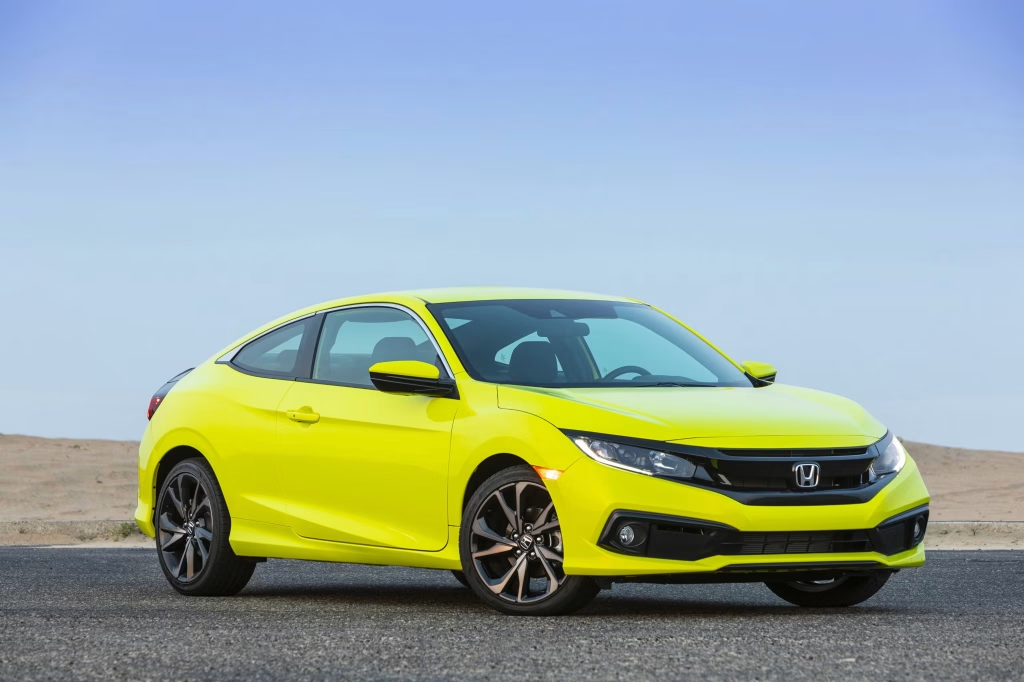
With 1,043 vehicles involved in fatal crashes in 2023, the Honda Civic Coupe appears fifth in the FARS-derived model table. The figure applies to the coupe classification listed by the dataset, not every Civic body style combined.
NHTSA explains that vehicle details for recent FARS analyses are derived through VIN decoding, so the classification shown in a table should be interpreted literally.
The Civic has served as an entry-level car for generations of American drivers. Its compact size, comparatively accessible purchase price, and wide availability mean that vehicles of different ages and safety specifications remain in use.
The fatal-crash count, however, cannot distinguish whether an incident involved an older vehicle with fewer safety features or a newer model with more advanced crash protection.
That difference is significant. Electronic stability control, airbags, crash structures, and automatic emergency braking have changed across vehicle generations.
Even within the same nameplate, the availability of particular driver-assistance features may depend on the year and trim. A combined model count cannot measure those differences or establish the safety performance of an individual Civic.
The circumstances of a fatal crash are equally important. A vehicle may be involved in a collision caused by another driver, a roadway hazard, excessive speed, or an impaired road user.
FARS documents fatal crashes, but a vehicle’s presence in the database does not itself determine legal fault. Nor does it measure the likelihood of being involved in a nonfatal crash.
For prospective buyers, the sensible approach is to compare the exact Civic model year’s crash-test performance and standard safety equipment. Inspect used examples for structural repairs, confirm that airbags have not been replaced improperly, and verify recall completion by VIN.
Owners can further reduce risk by wearing seat belts, maintaining tires and brakes, and avoiding distraction and impairment.
The Civic Coupe’s fifth-place position is a count-based result, not a judgment that the model is less safe than every car ranked below it.
6. Nissan Altima Coupe
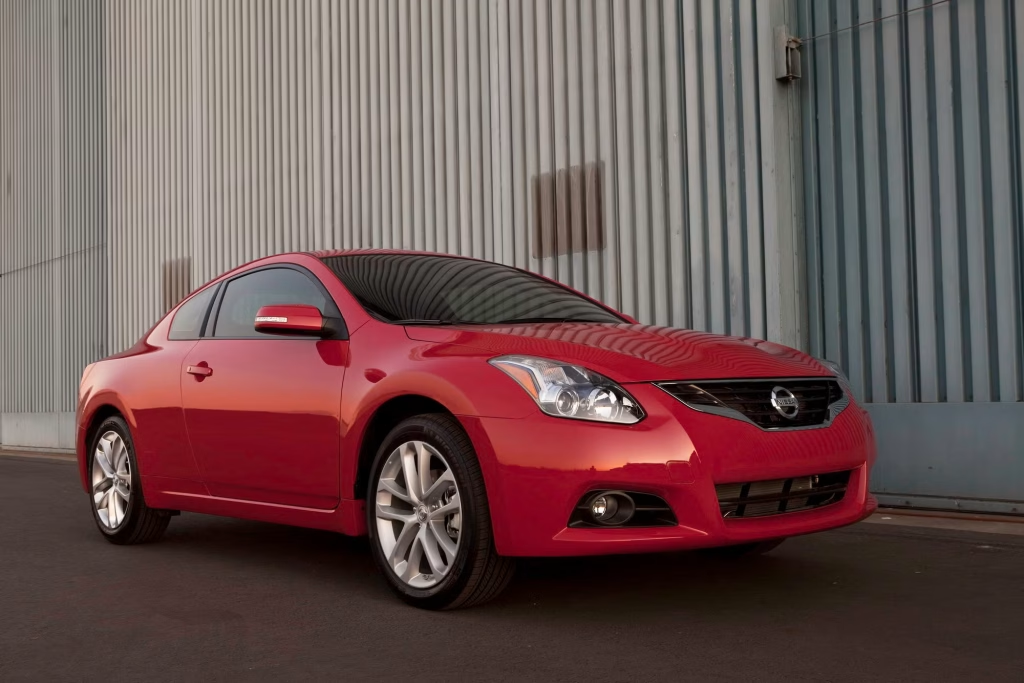
The Nissan Altima Coupe recorded 826 vehicles involved in fatal crashes in 2023, according to the FARS-derived ranking. This number refers to the coupe classification, rather than all Altima sedans and other configurations.
That distinction prevents a common error in vehicle-safety reporting: comparing one body style of one model with an entire lineup from another manufacturer.
The Altima Coupe was a distinct offering in Nissan’s history, and used examples differ from newer Altima sedans in age, equipment, and design.
Because the reported figure reflects a specific classification, it should not be interpreted as a complete count of fatal-crash involvement for the Altima nameplate. Nor can it reveal the model’s risk per mile without exposure data.
Older vehicles require special attention when considering fatal-crash outcomes. Safety technology has advanced over time, and the condition of a particular vehicle can affect how well its restraints and structure perform in a collision.
Prior accident damage, poor-quality repairs, worn tires, or neglected brakes can undermine safety regardless of a car’s original ratings.
A buyer considering an Altima Coupe should first establish the exact model year and inspect its maintenance and collision history. Check that airbags, seat belts, and warning systems work correctly, and use the VIN to identify open recalls.
An independent mechanic can assess the brakes, tires, steering, and suspension, while a review of the relevant model year’s crash-test data offers a more meaningful safety comparison than the raw fatal-crash count.
The FARS figure indicates that 826 examples in this classification were involved in fatal crashes during the year. It does not mean 826 drivers died, that every incident was caused by an Altima driver, or that the model has a higher fatality risk than a competing vehicle. Those are separate questions that require different data.
7. Toyota Corolla Hatchback/Liftback/Notchback
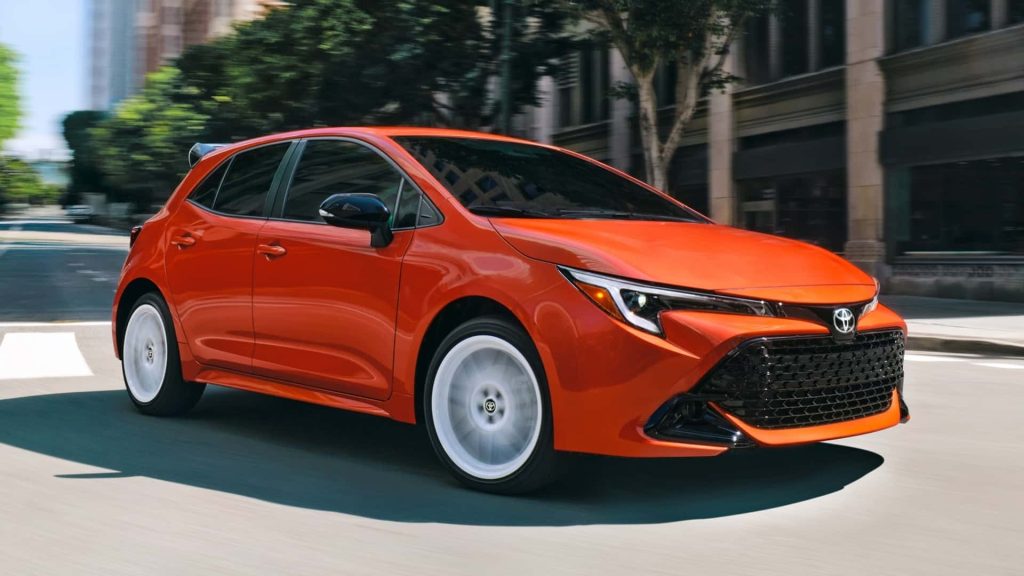
The Toyota Corolla Hatchback/Liftback/Notchback classification appears in the FARS-derived table with 806 vehicles involved in fatal crashes in 2023. This combined label comes from the dataset’s body-class and model coding, so it should not be treated as a count covering every Corolla configuration without qualification.
The Corolla’s place in the table illustrates why vehicle popularity matters when reading absolute crash counts. A widely sold model can accumulate many fatal-crash involvements simply because a large number of examples are driven every day.
Without matching the count to vehicle registrations or miles traveled, there is no reliable way to determine whether its risk per mile is unusually high or low.
The label also spans a classification that can include different body styles and model-year variants. A newer Corolla may have safety features that were absent or optional on an older example.
Comparing these vehicles as if they were mechanically identical would obscure important differences in crash protection, driver assistance, and condition.
A fatal-crash record does not establish blame. A Corolla might be involved in a single-vehicle collision, a multi-vehicle impact, or a crash caused by another road user.
Speed, road design, weather, restraint use, and the behavior of everyone involved can change the outcome. FARS is valuable precisely because it records fatal incidents systematically, but a model count is only one small part of a safety assessment.
Anyone shopping for a used Corolla should check crash-test ratings for the exact year, confirm that recalls have been completed, and have the vehicle inspected for structural damage and faulty repairs. Owners should maintain their tires and brakes and use available safety systems as intended.
Its 806 recorded involvements put this classification seventh in the table, but that ranking is not a per-mile danger score. A responsible comparison must account for exposure and vehicle age before concluding relative risk.