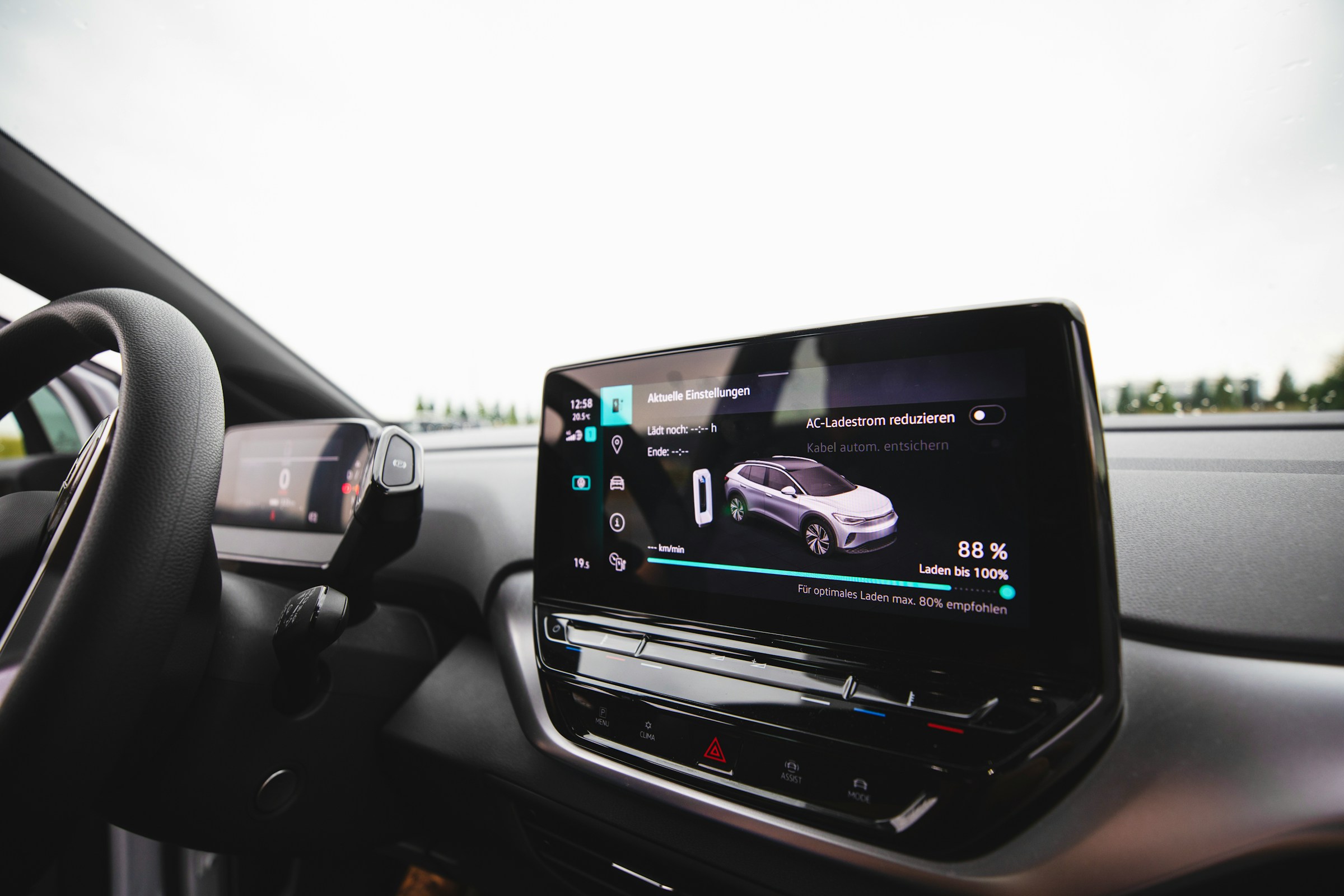
Modern cars offer comfort, safety, and convenience through advanced electronic systems that control everything from engine performance to parking assistance. These features make daily driving easier, but they can also increase repair costs as a vehicle gets older.
Sensors, control modules, cameras, displays, and electrically operated components may develop faults after years of heat, vibration, moisture exposure, and regular use. Understanding which systems are expensive to repair can help drivers plan maintenance, recognize early warning signs, and make informed decisions when buying a used car. A little preparation can prevent unexpected bills and stressful breakdowns.
1. Infotainment Systems and Touchscreen Displays
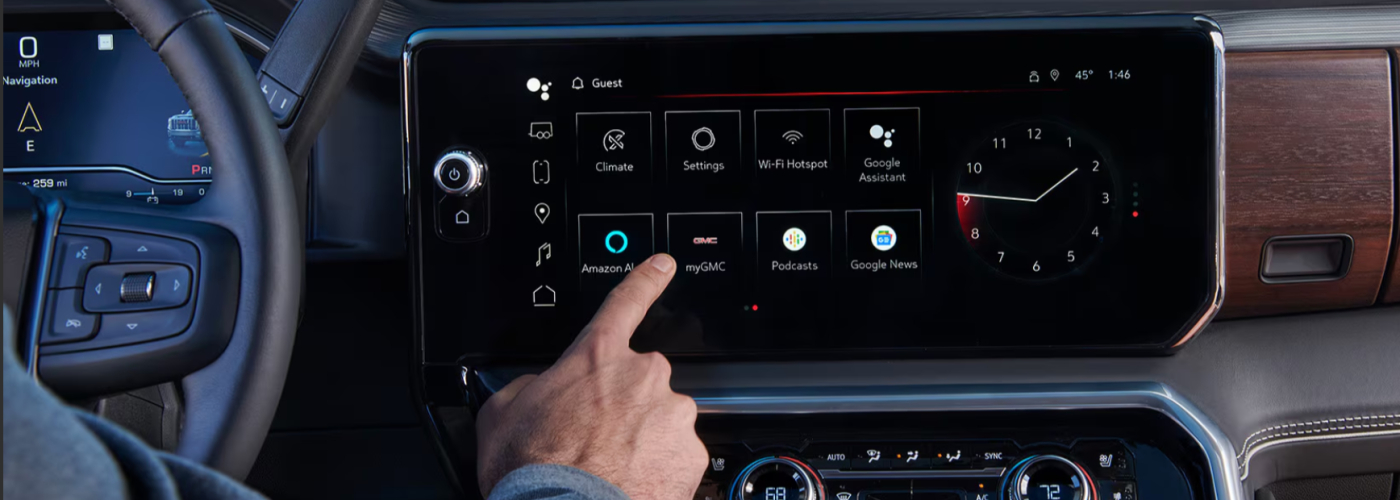
Modern vehicles rely on infotainment systems for music, navigation, smartphone connectivity, and vehicle settings. Over time, these systems may develop issues such as unresponsive touchscreens, flickering displays, unexpected restarts, or complete failure. Daily use, extreme temperatures, sunlight, and road vibrations can damage internal connections, touch sensors, and display panels.
Repair costs vary depending on the vehicle’s make, model, screen size, and system design. Some displays can be replaced separately, while integrated systems may require additional programming, compatibility checks, and specialized labor, increasing expenses.
Not every malfunction indicates hardware damage. Frozen screens, Bluetooth problems, and navigation failures may result from software errors or electrical issues. Technicians should examine software versions, wiring, battery voltage, and diagnostic codes before recommending replacement. Proper troubleshooting can prevent unnecessary repairs and expenses.
Used-car buyers should thoroughly test the infotainment system before purchasing a vehicle. Check touchscreen responsiveness, audio output, steering wheel controls, phone connectivity, navigation, and backup camera functionality. It is also important to ask about previous repairs and software updates.
Although a working system during inspection cannot guarantee future reliability, reviewing its current condition and repair history helps buyers identify existing problems and avoid unexpected expenses after purchase.
2. Advanced Driver Assistance Systems and Safety Sensors
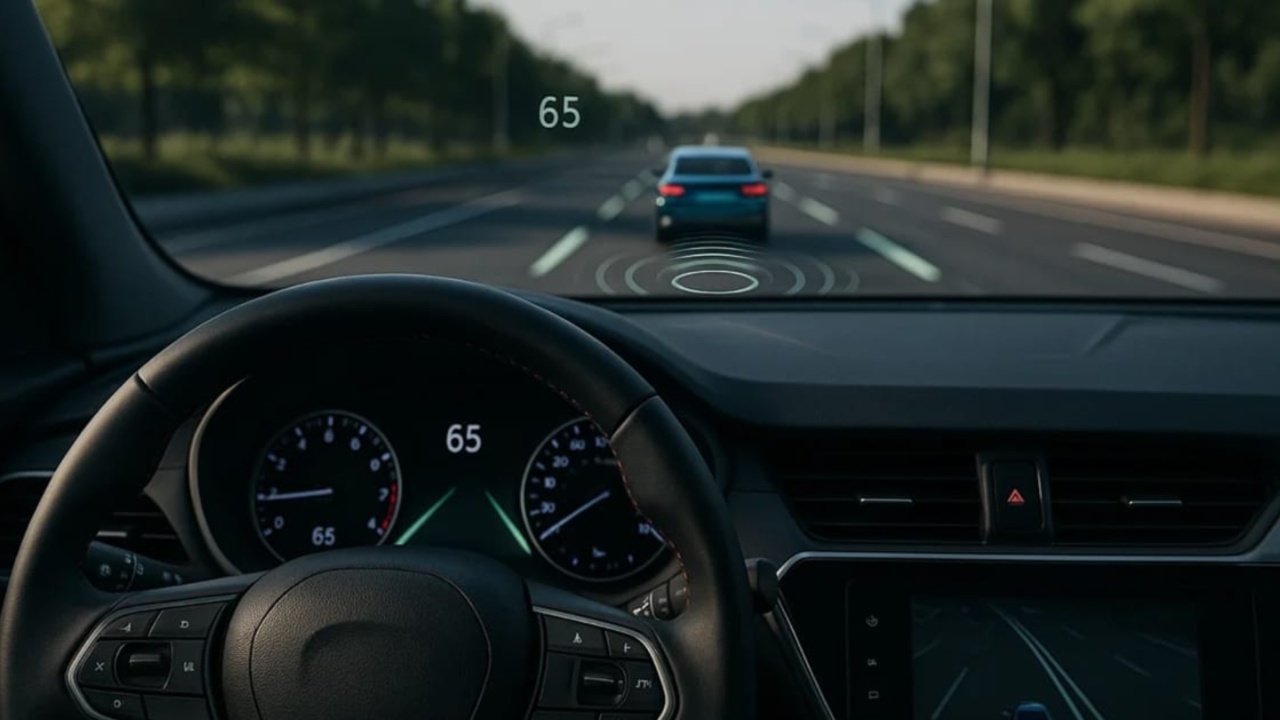
Advanced driver assistance systems, commonly called ADAS, use cameras, radar sensors, and electronic control units to support features such as lane departure warnings, automatic emergency braking, adaptive cruise control, and blind spot monitoring.
These technologies can improve driving safety when used correctly, but their sensors and supporting electronics can be costly to repair as vehicles accumulate mileage.
Front-facing cameras are frequently mounted near the windshield, while radar units may sit behind the front grille or bumper. Even a minor collision, windshield replacement, or bumper repair can disturb their alignment. The system may then produce warning messages, operate inaccurately, or disable certain functions until the necessary calibration has been completed.
Sensor replacement is only part of the potential expense. Many vehicles require specialized calibration equipment and manufacturer-specific procedures after repairs.
Calibration ensures that cameras and radar units interpret distances, road markings, and surrounding traffic correctly. Skipping this work or completing it incorrectly can compromise system performance, so owners should choose qualified repair facilities.
Weather, dirt, road debris, and moisture can also interfere with driver assistance equipment. A blocked camera or dirty radar cover may trigger temporary warnings that disappear after cleaning. Persistent alerts, however, deserve professional attention. Drivers should never assume that a safety feature is functioning simply because its warning light has disappeared or the dashboard appears normal.
When purchasing an older vehicle equipped with ADAS, inspect the windshield, bumpers, grille, and areas around the sensors for evidence of previous damage.
Ask whether collision repairs included calibration and check for active warning lights during a test drive. Confirm that the features advertised by the seller actually work, since replacing several damaged sensors and calibrating the system can substantially increase ownership costs.
3. Electronic Control Units and Engine Computers
Electronic control units, or ECUs, serve as the brains behind many vehicle functions. The engine control module manages fuel injection, ignition timing, emissions systems, and other operating parameters.
Depending on the vehicle, separate modules may control the transmission, body electronics, braking system, and climate control. A failure in a critical module can affect performance or prevent the vehicle from starting.
These units are designed to withstand demanding operating conditions, but age, electrical faults, moisture, corrosion, and excessive heat can damage their internal circuits.
Problems may appear as intermittent warning lights, rough running, unexpected stalling, poor fuel economy, or communication errors between systems. Similar symptoms can arise from faulty sensors or wiring, so accurate diagnosis is essential.
Replacing an ECU can be expensive because the module may require coding, software installation, immobilizer synchronization, or adaptation to the specific vehicle. Some manufacturers restrict module programming to approved equipment or authorized service providers. A replacement unit that is not correctly configured may fail to communicate with other systems, even when the physical installation appears straightforward.
Before replacing a control unit, technicians should inspect its power supply, grounding points, connectors, and communication networks.
Weak batteries and charging system problems can generate electronic fault codes that resemble module failure. Corroded wiring or a damaged connector may be far less expensive to repair than the computer itself, which makes a complete electrical diagnosis particularly valuable.
Owners can reduce risks by addressing water leaks, repairing charging system faults, and avoiding poorly installed electrical accessories.
When shopping for a used car, review its service history and investigate persistent engine warning lights rather than relying on a seller’s assurance that they are harmless. A vehicle with a documented electronic fault may need substantial diagnostic work before its true repair cost becomes clear.
4. Automatic Transmission Electronics
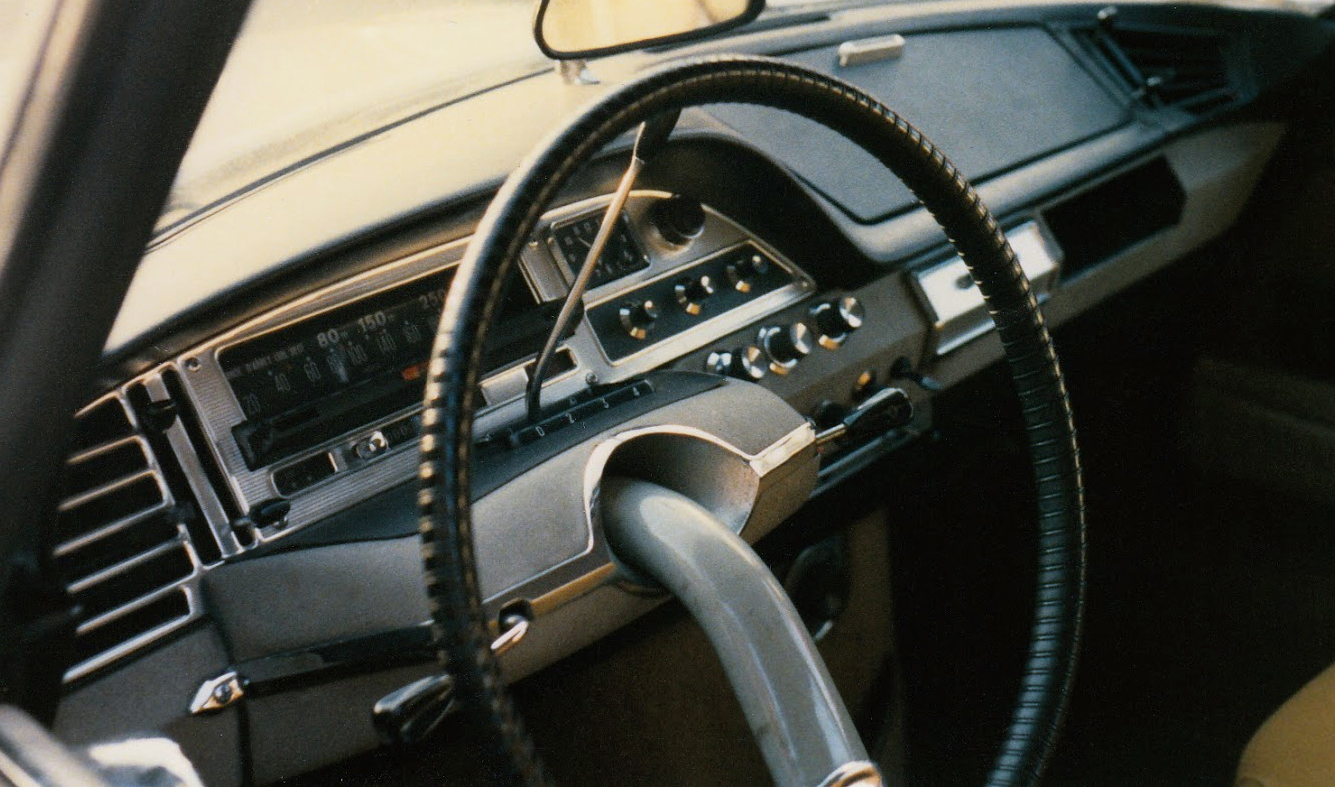
Modern automatic transmissions rely on electronic controls to determine when gears should change and how much hydraulic pressure is required.
Sensors monitor vehicle speed, engine load, temperature, and other operating conditions, while control modules coordinate gear selection. These systems can provide smooth shifting and improved efficiency, but electronic failures may become expensive as a vehicle ages.
Common warning signs include delayed engagement, harsh gear changes, unexpected shifting, transmission warning lights, and the transmission remaining in a limited operating mode.
Such symptoms do not always indicate a failed control module. Low or degraded transmission fluid, damaged wiring, defective speed sensors, and mechanical wear can produce similar behaviour and must be considered during diagnosis.
Some vehicles use a separate transmission control module, while others integrate the electronics into a larger mechatronic assembly that also contains hydraulic control components.
When an integrated unit fails, the repair may require replacing a substantial assembly rather than a small individual part. Labour costs can increase further when access requires removing surrounding components or dismantling the transmission.
Software updates and adaptations sometimes resolve shifting concerns, particularly when a manufacturer has released revised control programming. In other cases, worn internal components or damaged electronic solenoids require physical repairs.
A proper diagnostic scan, road test, and fluid inspection can help distinguish between these possibilities. Replacing a transmission computer without identifying the underlying problem can waste money and leave the original symptoms unchanged.
Drivers should pay attention to changes in shifting behaviour and arrange an inspection before continuing to drive with serious symptoms. Regular servicing according to the manufacturer’s recommendations can help protect the transmission, where applicable.
During a used-car test drive, check both cold and warm operation, reverse engagement, acceleration, and gear changes at different speeds. Repair estimates should clearly separate electronic faults from internal mechanical damage.
5. Digital Instrument Clusters
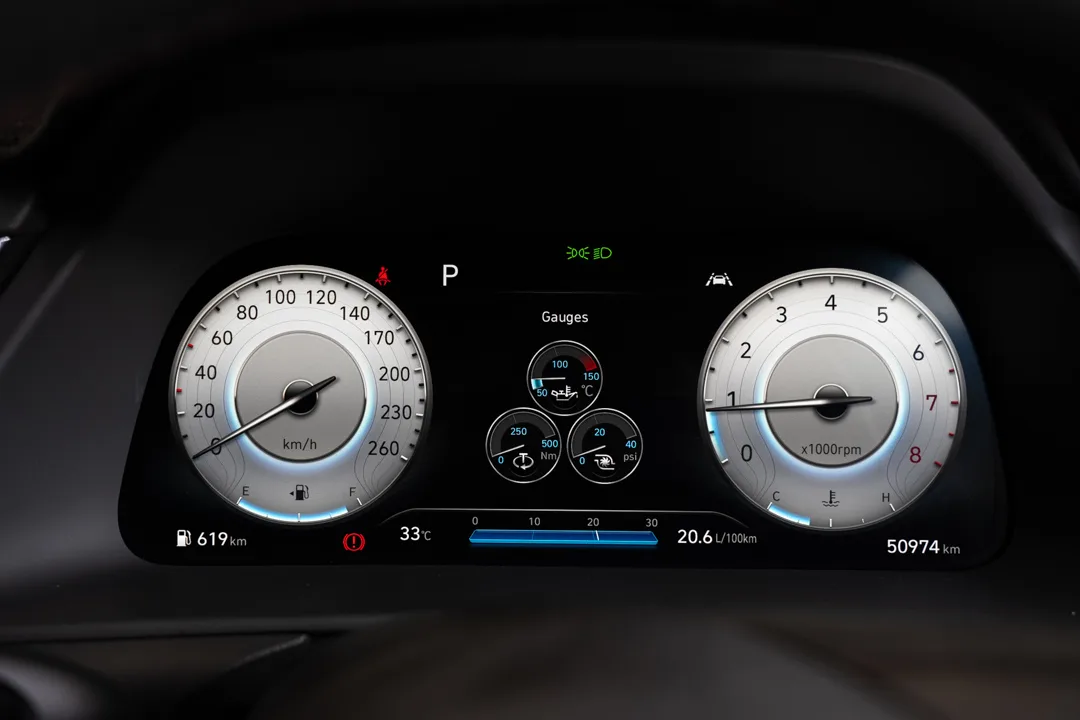
Digital instrument clusters replace traditional analogue gauges with electronic displays that show vehicle speed, engine information, fuel levels, navigation instructions, warning messages, and driving data.
Their modern appearance can make a cabin feel more advanced, but the screens and control electronics introduce additional components that may eventually need repair or replacement.
As the vehicle ages, owners may notice flickering displays, missing information, inaccurate readings, dead pixels, random resets, or a completely blank instrument panel.
These symptoms can originate from the display itself, an internal circuit board, damaged wiring, poor electrical connections, or an unstable power supply. Finding the exact cause is important because replacing the complete cluster may not be necessary.
Instrument clusters can also store mileage and vehicle identification information, depending on the design. Replacement may therefore require authorized programming or data transfer to preserve accurate records and ensure compatibility.
Procedures vary between manufacturers and jurisdictions, so repairs must comply with applicable rules. An incorrectly configured cluster can create warning messages, communication problems, or discrepancies in displayed vehicle information.
Repair options include specialist electronic refurbishment, replacement of damaged components, and installation of a compatible new or remanufactured cluster.
Refurbishment may cost less than a new unit when the fault is repairable, but success depends on the nature of the damage and the availability of suitable parts. Owners should request a written estimate covering diagnosis, programming, labour, and any warranty.
Before buying a used car with a digital dashboard, confirm that every gauge, warning indicator, and display function operates properly. Compare the odometer reading with available service records and inspection documents.
Warning lights that fail to illuminate during the ignition check deserve attention. Since the instrument cluster communicates important safety and maintenance information, even an intermittent fault should be investigated rather than ignored.
6. Power Windows, Door Locks, and Electronic Door Modules
Power windows and central locking systems are used repeatedly throughout a vehicle’s life, making them vulnerable to wear and electrical faults.
Although a single window switch may be inexpensive, repairs can become costly when the problem involves a motor, door control module, wiring harness, or electronic locking mechanism. Vehicles with keyless entry and powered sliding doors may have even more complex systems.
Window regulators and electric motors work together to move the glass smoothly along its tracks. Dust, moisture, worn cables, damaged plastic guides, and increased friction can place additional strain on the motor.
A window that moves slowly, makes grinding noises, or stops halfway may need mechanical repairs, electrical diagnosis, or both. Repeatedly operating a struggling window can make the damage worse.
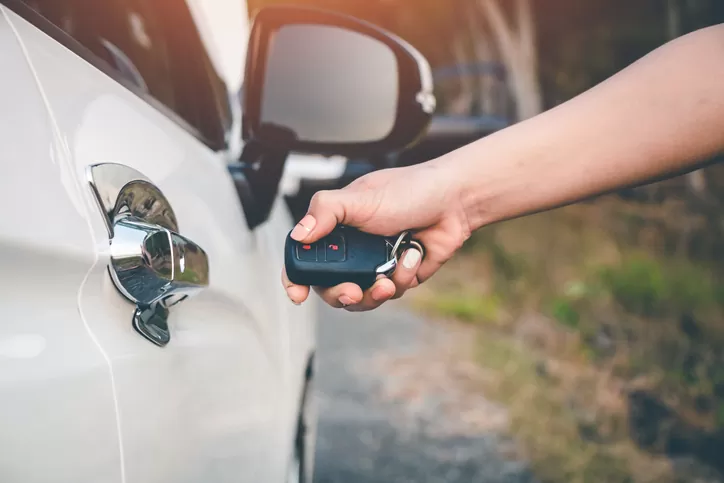
Central locking systems can develop problems when actuators wear out or door wiring becomes damaged. Drivers may find that a particular door refuses to lock, responds intermittently to the remote, or unlocks without a clear command. Sometimes the issue comes from a weak remote battery or a faulty door switch. More complicated faults may involve the body control module or communication wiring.
Repair expenses depend on the vehicle’s design and the parts needed. A basic window switch can often be replaced without major work, while a damaged regulator may require removal of the door trim and partial disassembly.
Some newer vehicles integrate door functions into electronic modules, increasing parts and programming costs. Premium vehicles with soft-close doors or powered mechanisms can be particularly expensive to repair.
Owners can help preserve these systems by keeping window channels clean, addressing water leaks, and avoiding unnecessary operation when glass is frozen or obstructed.
Test every window, door lock, mirror adjustment, and remote key function before purchasing a used vehicle. Check whether all doors respond consistently and whether any warning messages appear. Small electrical problems may reveal broader neglect or previous water damage.
7. Backup Cameras and Parking Assistance Systems
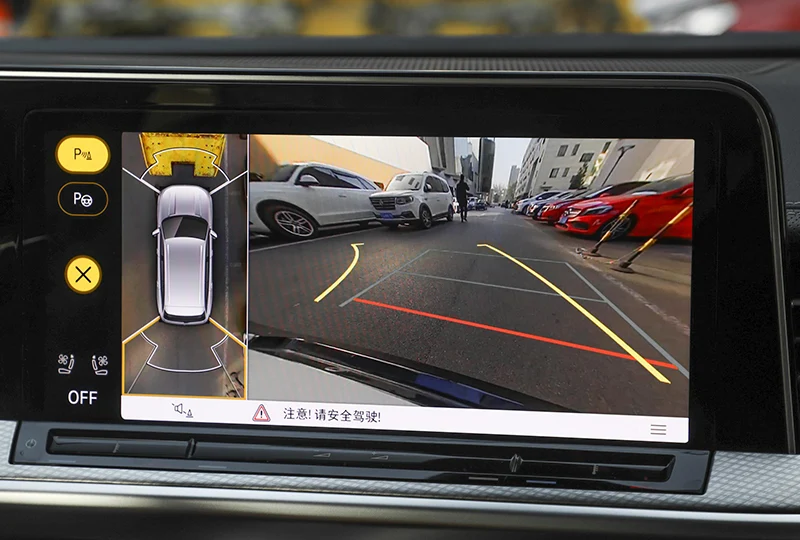
Backup cameras and parking sensors help drivers manoeuvre in confined spaces by displaying images and warning about nearby obstacles.
These systems are especially useful in larger vehicles with limited rear visibility. Their components are exposed to dirt, road salt, rain, impacts, and frequent cleaning, which can eventually cause faults that require specialist attention.
A backup camera may produce a blurry picture, show intermittent images, display a black screen, or fail to activate when reverse gear is selected. The fault could involve the camera lens, its internal electronics, a damaged connector, or wiring routed through the tailgate. In some vehicles, the camera also communicates with the infotainment system, making diagnosis more complicated.
Parking sensors can fail when their housings become cracked, moisture enters the units, or wiring is damaged by road debris and minor collisions.
A defective sensor may trigger continuous beeping, provide no warning, or report obstacles incorrectly. Dirt and ice can also interfere with readings, so cleaning the sensors and checking the owner’s manual are sensible first steps before arranging repairs.
Repair costs rise when a vehicle combines several cameras, a surround-view system, automated parking functions, and integrated displays.
Replacing a camera may require removing body panels or trim, while some systems need calibration after installation. A damaged control unit or infotainment connection can add further expense. The total depends on whether the problem is limited to a single sensor or affects multiple components.
When inspecting a used vehicle, test the rear camera in daylight and low-light conditions, check the image for distortion, and listen for parking sensor alerts.
Look for cracked sensor covers, signs of bumper repairs, and moisture inside camera housings. If a vehicle has a surround-view feature, confirm that every camera works and that the images align correctly. These checks can reveal costly faults before purchase.
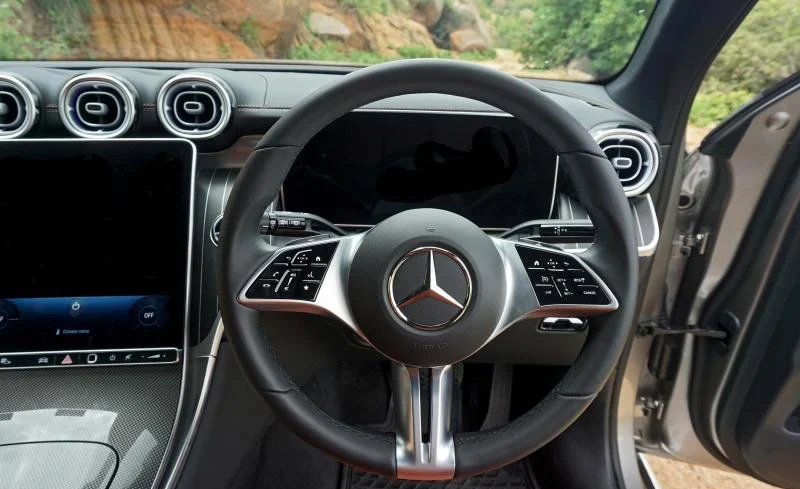
8. Electronic Power Steering Systems
Electronic power steering uses electric motors, sensors, and control electronics to reduce the effort required to turn the steering wheel.
Many modern vehicles use this technology instead of a conventional hydraulic steering assistance system. It can improve fuel efficiency and allow features such as automated parking assistance, but electronic components may be costly to repair when faults develop.
A failing system may produce a steering warning light, unusually heavy steering, inconsistent assistance, or a sudden change in steering effort.
These symptoms can result from a faulty torque sensor, damaged wiring, weak battery voltage, a defective electric motor, or a problem within the steering control module. Mechanical steering faults can produce similar signs, so professional inspection is important.
The cost of repair depends heavily on the design. Some vehicles allow technicians to replace a sensor or control component separately, while others require replacement of the complete steering rack or column assembly. If the motor and electronics are integrated into the rack, parts and labour can add up quickly. Certain replacements also require coding, steering angle calibration, or related setup procedures.
Electrical supply problems should be ruled out before expensive steering components are ordered. A weak battery, failing alternator, poor ground connection, or corroded connector can interfere with the operation of power steering electronics.
Technicians may need to scan the vehicle, inspect the wiring, and perform manufacturer-specific tests. Replacing the entire rack without confirming the fault can result in an unnecessarily large bill.
Drivers should take steering warnings seriously because steering assistance is important for vehicle control, particularly at low speeds. If the steering suddenly becomes heavy or behaves unpredictably, stop somewhere safe and seek professional assistance rather than continuing a normal journey.
During a used-car inspection, turn the steering wheel at low speeds, check for warning lights, and ask about any previous steering repairs.

9. Climate Control Electronics and Automatic Air Conditioning
Automatic climate control systems use temperature sensors, electronic control panels, small motors, and actuators to regulate cabin comfort.
Some vehicles can maintain separate temperatures for the driver and passengers, while others connect climate settings to remote-start functions and cabin preconditioning. These features improve convenience, but multiple electronic parts create more potential points of failure as the vehicle ages.
Common symptoms include temperature settings that do not respond, air flowing from the wrong vents, a blower that operates intermittently, or a control panel that resets unexpectedly.
Small actuator motors may fail or develop worn gears, preventing the heating and ventilation flaps from moving correctly. A faulty cabin temperature sensor can also cause the system to cool or heat the interior improperly.
Repair costs vary according to the component involved and its location. Replacing an accessible sensor may be relatively straightforward, while repairing a hidden blend-door actuator can require substantial dashboard disassembly.
If the climate control module or electronic panel fails, replacement may involve programming or compatibility checks. Labour can account for a large share of the bill when interior components must be removed.
Not every climate control problem is electronic. Low refrigerant levels, compressor problems, clogged filters, damaged hoses, and cooling fan faults can create similar complaints.
A qualified technician should inspect the refrigeration system and its electrical controls before recommending major parts. Simply recharging the air conditioning may provide temporary relief if a leak or underlying component failure remains unresolved.
To avoid unnecessary expenses, follow the manufacturer’s maintenance schedule, replace cabin filters as recommended, and investigate unusual noises or inconsistent cooling early.
During a test drive, check the heating and cooling functions, fan speeds, air distribution, and every available temperature zone. Test the controls after the cabin has warmed up or cooled down, since certain problems appear only after the system has operated for a while.

10. Keyless Entry, Smart Keys, and Push-Button Start Systems
Keyless entry and push-button start systems allow drivers to unlock doors and start the engine without inserting a conventional key.
These features rely on electronic key fobs, antennas, receivers, immobilizers, and control modules that communicate with each other. As vehicles become older, faults in these components can make everyday access less convenient and, in some cases, prevent the engine from starting.
A weak key fob battery is a common and relatively inexpensive problem. However, repeated failures after battery replacement may point to a damaged fob, faulty receiver, antenna issue, or interference affecting the signal.
Physical damage, moisture exposure, and worn buttons can also cause problems. Checking the owner’s manual for the emergency starting procedure can help distinguish a simple battery issue from a more serious fault.
The immobilizer system adds another layer of complexity. It verifies that the key is authorized before allowing the engine to start. If the key transponder, immobilizer module, or related wiring fails, the vehicle may refuse to start even when the engine and battery are otherwise healthy. Diagnosing these faults may require specialized scanning equipment and access to manufacturer-specific programming procedures.
Replacing a smart key can cost substantially more than replacing a traditional metal key because the new fob may need to be programmed to the vehicle. If all working keys are lost, the process can become more complicated.
Certain vehicles require security verification, specialized diagnostic equipment, or assistance from an authorized dealer or qualified automotive locksmith. Replacing a control module can increase the expense further.