A gasoline smell inside or around your car can be worrying, especially when you cannot find a visible leak. Fuel vapors may escape from small openings, faulty components, or damaged seals without leaving noticeable drops on the ground.
In some cases, the odor comes from normal vehicle operation, while other situations point to a mechanical problem that needs immediate attention. Understanding the possible causes can help you recognize warning signs, avoid unnecessary repair costs, and protect your passengers. Here are eight common reasons your car smells like gasoline even when nothing is leaking.
1. A Loose or Damaged Fuel Cap
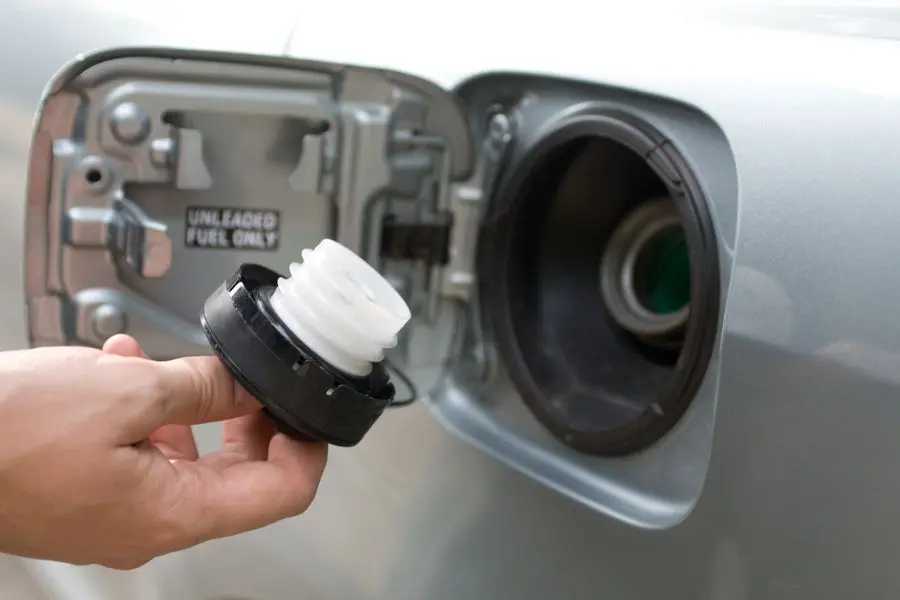
A loose or damaged fuel cap is a common reason your car may smell like gasoline without showing any signs of a leak. The cap seals the fuel tank and helps prevent gasoline vapors from escaping into the surrounding air.
When it is not tightened properly, vapor can escape near the filler neck, creating a noticeable smell around the rear of the vehicle. This problem may become more obvious after refueling or when the car has been parked in a warm area.
Fuel caps contain sealing materials that can wear out over time. Rubber gaskets may become brittle, cracked, flattened, or damaged through repeated use. A cap that looks normal from the outside may no longer form an airtight seal.
If the seal cannot maintain the required pressure and vacuum conditions, gasoline vapors may escape and trigger an evaporative emissions system warning. The smell can occur without any liquid fuel reaching the ground.
Checking the fuel cap is a simple first step when investigating a gasoline odor. Once the engine is off and the car is parked safely, make sure the cap is fitted correctly and tightened according to the manufacturer’s instructions.
Many vehicles use a cap that clicks when properly secured, while some models have capless fuel systems. Inspect the surrounding filler area for cracks, damaged rubber, dirt, or other visible signs of wear.
A loose fuel cap may also cause the check engine light to appear. Modern vehicles monitor the evaporative emissions system, which captures gasoline vapors and prevents them from escaping into the atmosphere. A poor seal can interfere with the system’s ability to maintain pressure during testing.
Depending on the vehicle, diagnostic trouble codes may point to a loose cap, an evaporative emissions leak, or a related fault. A warning light alone cannot confirm the exact cause.
Replacing a faulty fuel cap is usually inexpensive compared with repairing other fuel system components. Choose a cap that meets the specifications for your vehicle rather than relying on a generic replacement that may not seal correctly.
If the gasoline odor continues after the cap has been checked or replaced, have the filler neck and evaporative emissions system inspected. Never assume the cap is responsible when the smell is strong inside the cabin or occurs while driving.
2. A Faulty Fuel Injector or Injector Seal
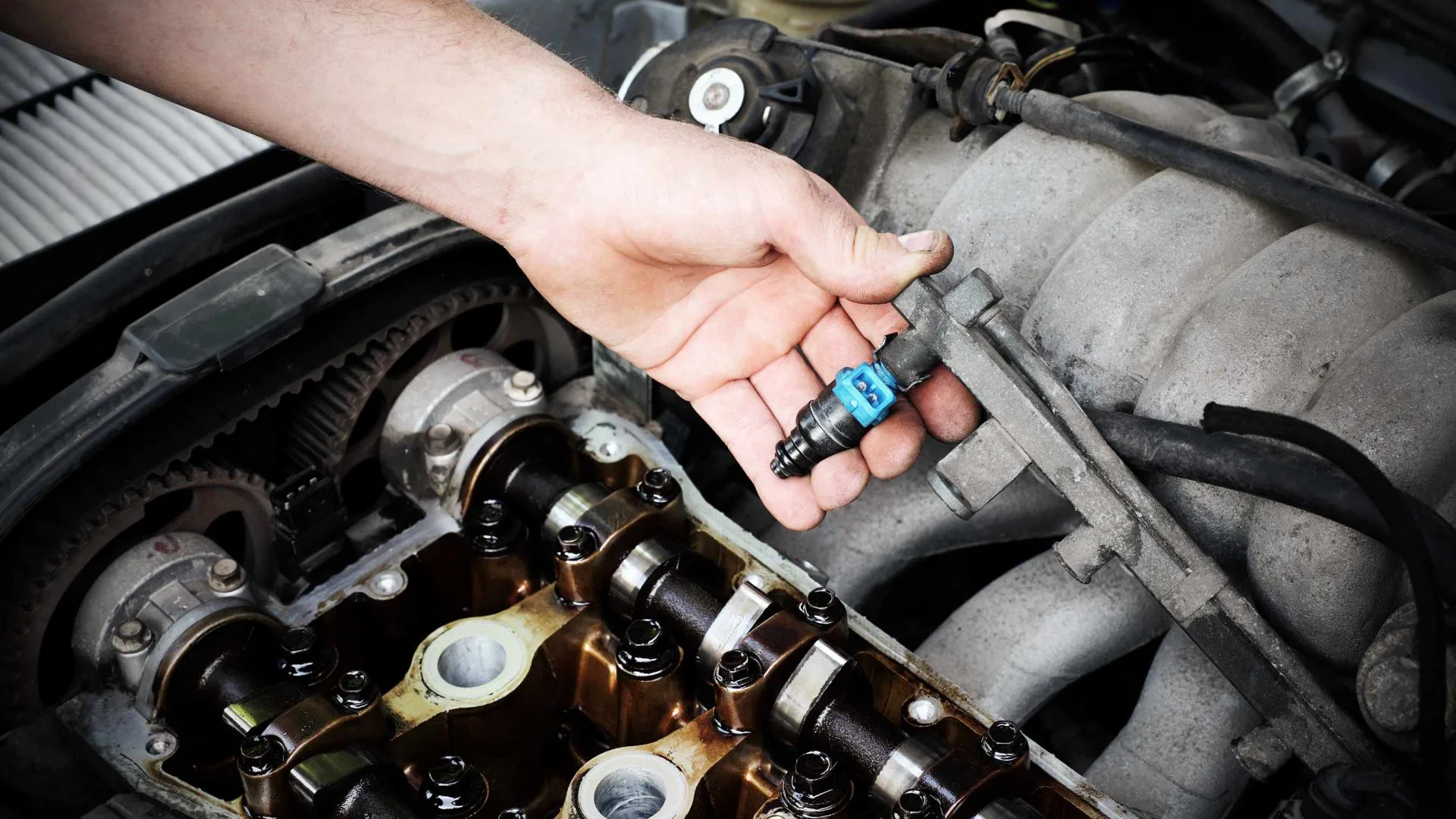
Fuel injectors deliver carefully measured amounts of gasoline to the engine. They are designed to operate under pressure and provide the correct fuel quantity for efficient combustion. When an injector develops a fault, gasoline may not be delivered or sealed properly.
A damaged injector body, worn connection, or failing seal can allow fuel or vapor to escape near the engine. The resulting odor may be noticeable beneath the hood, around the front of the car, or inside the cabin when ventilation draws outside air inward.
Injector seals are particularly important because they help prevent fuel from escaping where the injector connects to the fuel rail or engine. Over time, heat cycles, aging rubber, incorrect installation, and maintenance work can damage these seals.
Some injector problems create a visible wet area, but small amounts of fuel may evaporate quickly from hot engine components. This can leave a strong gasoline smell without producing a puddle beneath the vehicle. A dry-looking engine therefore does not rule out a fuel system fault.
A malfunctioning injector can also affect engine performance. You might notice rough idling, hesitation during acceleration, difficulty starting, reduced fuel economy, or an illuminated check engine light. These symptoms depend on the nature of the fault.
An injector that leaks internally may allow too much fuel into a cylinder, while an injector that fails to deliver the correct amount can cause poor combustion. Neither situation should be ignored, since excessive fuel can damage emissions components and create additional mechanical problems.
Inspecting injectors requires care because the fuel system may remain pressurized after the engine is switched off. Gasoline is highly flammable, and fuel released near electrical connections, exhaust parts, or other hot surfaces can create a fire hazard.
Drivers should not loosen fuel lines, remove injectors, or run the engine while searching for a suspected leak. A qualified mechanic can check fuel pressure, inspect injector seals, and use appropriate diagnostic equipment to determine whether an injector is leaking or malfunctioning.
3. A Damaged Fuel Line or Connection
Fuel lines transport gasoline from the tank toward the engine, where it is used for combustion. Depending on the vehicle, these lines may run beneath the body, through protected channels, or around the engine compartment.
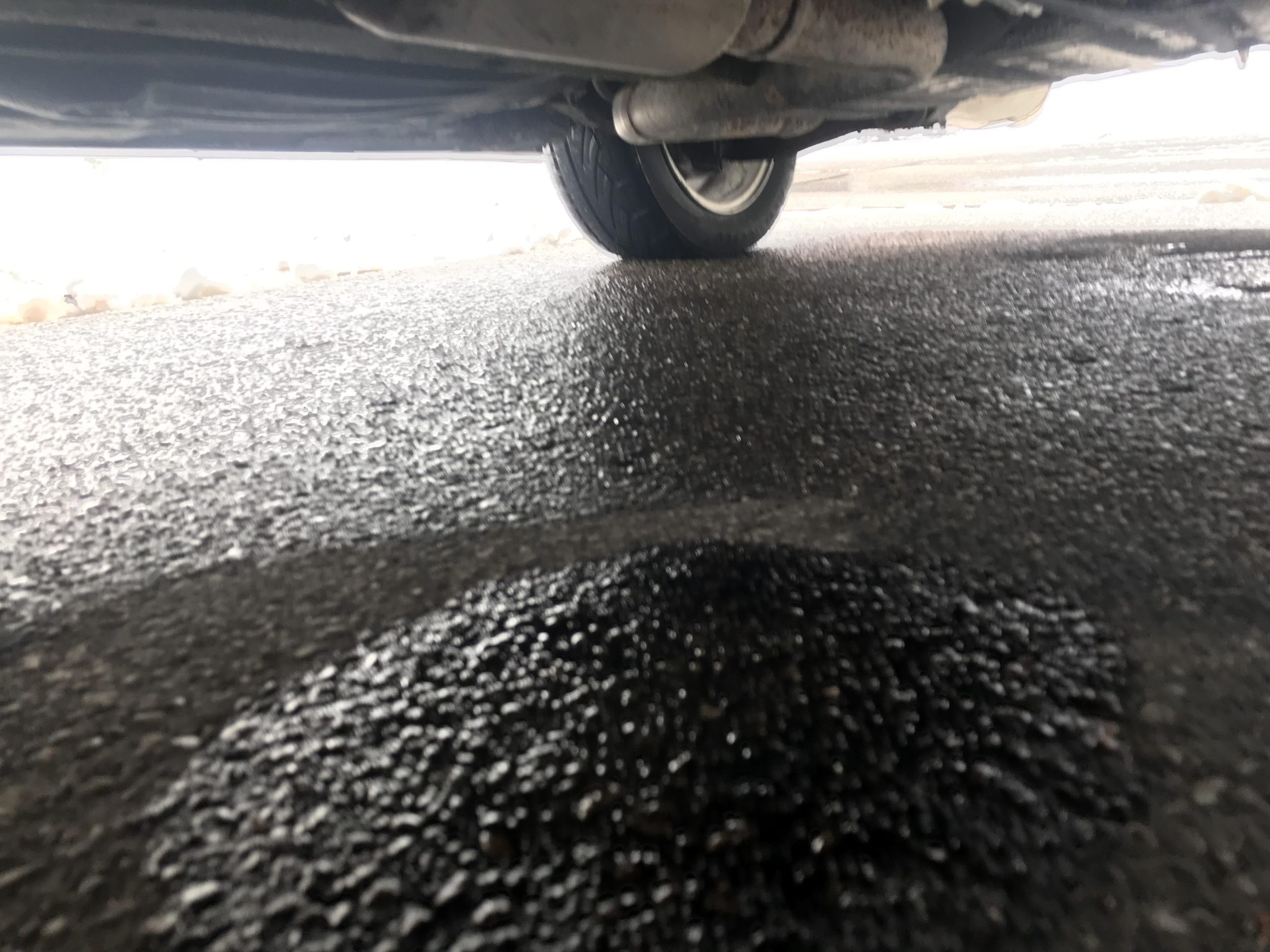
Connections, hoses, clamps, and fittings must withstand fuel pressure, vibration, temperature changes, and exposure to road debris. A damaged line can release gasoline or vapor in small quantities, causing a persistent smell even when no obvious puddle appears beneath the car.
Age and environmental conditions can contribute to fuel line deterioration. Rubber hoses may harden or crack, metal lines can corrode, and plastic components may become damaged by impact or improper handling.
Vehicles driven on rough roads or in areas where road salt is used may experience additional wear. Previous repairs can also introduce problems if a replacement hose, fitting, or clamp is unsuitable for gasoline service. Even a small defect deserves attention because fuel delivery systems are designed to contain flammable fuel safely.
A gasoline odor caused by a fuel line problem may be strongest after starting the engine, during acceleration, or shortly after parking. These patterns can occur because fuel pressure, engine temperature, and airflow change during operation. However, the location and timing of the smell cannot reliably identify the damaged component.
Gasoline vapor travels through open spaces and ventilation passages, so an odor noticed near the rear seat may originate from a line farther beneath the vehicle.
Some fuel line problems produce additional symptoms, including difficulty starting, engine hesitation, reduced performance, or an unexplained drop in fuel economy. A pressurized leak may spray or seep fuel that evaporates quickly, while a small leak in a lower-pressure section may leave only a faint smell.
Modern systems can also store diagnostic codes if a fault affects fuel pressure or emissions performance. These clues can help a technician narrow the possibilities, but a visual inspection alone may not reveal every defect.
4. A Fault in the Evaporative Emissions System
Your car has an evaporative emissions control system, commonly called the EVAP system, that prevents gasoline vapors from escaping into the atmosphere.
Gasoline naturally produces vapor, particularly as temperatures rise or fuel moves around inside the tank. Rather than releasing these vapors directly into the air, the system captures them and stores them in a charcoal-filled canister. When operating conditions are suitable, the engine draws the stored vapors into the intake system and burns them during combustion.
The EVAP system includes several components, such as vapor hoses, a charcoal canister, a purge valve, a vent valve, and pressure monitoring equipment. If any component becomes damaged, disconnected, blocked, or unable to seal correctly, gasoline odors may develop.
A cracked vapor hose can allow fumes to escape without releasing liquid fuel. A faulty valve may also prevent the system from controlling vapor movement properly, allowing the smell to become noticeable near the fuel tank, under the hood, or around the parked vehicle.
A faulty EVAP system often produces a check engine light, but the warning may not appear immediately. The vehicle’s onboard diagnostic system performs tests under specific conditions, and some faults require repeated driving cycles before they are detected.
Diagnostic codes may identify a small or large evaporative emissions leak, a malfunctioning valve, or a problem with pressure monitoring. These codes provide useful clues, but additional testing is usually needed to identify the exact component responsible for the gasoline odor.
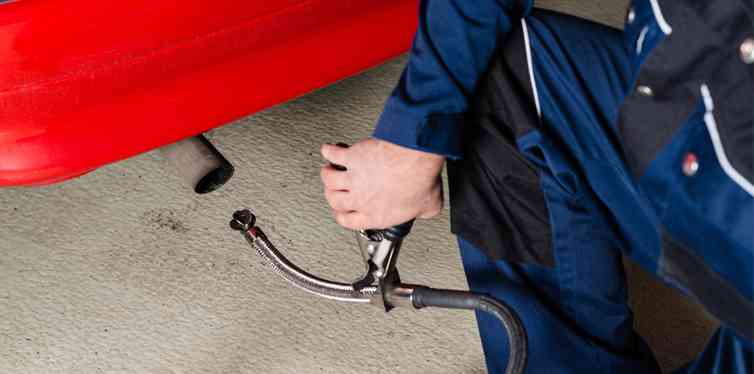
A mechanic may use a specialized smoke machine to find leaks in the EVAP system. This equipment introduces suitable diagnostic smoke into the system so escaping smoke can reveal cracks, loose connections, or damaged seals.
The technician may also test valve operation and inspect the charcoal canister for damage or fuel contamination. These procedures help distinguish a simple hose problem from a more complicated fault. Replacing components without proper testing can increase repair costs while leaving the original problem unresolved.

5. An Overfilled Fuel Tank After Refueling
Filling your car’s fuel tank beyond the recommended stopping point can contribute to a gasoline smell, particularly immediately after visiting a fuel station.
Fuel pumps are designed to stop dispensing when the tank reaches its intended fill level. Continuing to add gasoline after the pump automatically shuts off can push liquid fuel into areas intended to hold vapor. This may interfere with the evaporative emissions system and allow fuel odors to develop around the filler area or rear of the vehicle.
The charcoal canister is designed to store gasoline vapor, not to hold large amounts of liquid fuel. When excess gasoline enters the vapor collection system, the charcoal may become saturated and lose its ability to capture vapors effectively.
Some vehicles may experience a strong fuel smell, difficulty starting after refueling, rough idling, or an illuminated check engine light. These symptoms do not occur in every case, but they can indicate that overfilling has affected the fuel vapor control system.
A smell that begins immediately after refueling and gradually becomes less noticeable may suggest that spilled gasoline or excess vapor is involved. However, the timing alone cannot establish the cause.
Fuel spilled onto the vehicle’s exterior or the ground can evaporate, while an overfilled tank may affect components beneath the car. A damaged seal or faulty EVAP valve can produce similar symptoms. If the smell remains after refueling or becomes stronger, have the system checked instead of assuming the odor will disappear on its own.
To avoid this problem, stop refueling when the pump clicks off automatically. Do not continue squeezing the pump handle to fit extra gasoline into the tank. Leave room for fuel expansion and follow the vehicle manufacturer’s instructions.
Modern fuel systems are designed with specific space for vapor management, and filling beyond the intended level can interfere with that design. If gasoline spills during refueling, follow the fuel station’s safety procedures and keep away from ignition sources until the spill has been handled appropriately.
6. A Worn or Damaged Fuel Pump Seal
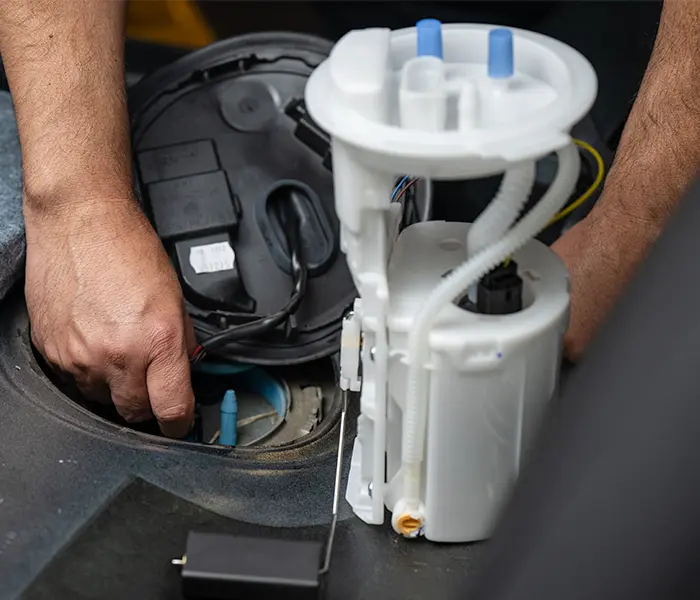
The fuel pump moves gasoline from the tank toward the engine. In many modern vehicles, the electric fuel pump is installed inside the tank and accessed through a service opening beneath the rear seat or through another location specified by the manufacturer.
A sealing ring or gasket prevents fuel and vapor from escaping where the pump assembly connects to the tank. If this seal deteriorates, becomes displaced, or is installed incorrectly, gasoline odors may develop around the rear of the car.
Fuel pump seals can deteriorate through age, exposure to fuel, repeated temperature changes, and incorrect installation during previous repairs. A seal may also be damaged if the pump assembly is removed and reinstalled without following the correct procedure.
In some vehicles, a faulty tank opening cover or damaged surrounding surface can contribute to the problem. Because these components may sit inside or beneath the vehicle body, fuel vapor can enter the passenger compartment without creating a visible wet patch outside.
Drivers may notice the smell more clearly after filling the tank because a higher fuel level can increase the amount of vapor present around the pump opening and tank seals. The odor may be strongest near the rear seats, trunk, or fuel filler area.
A vehicle that has recently undergone fuel pump replacement deserves particular attention if the smell appeared soon after the repair. An improperly seated seal or loose connection may need correction by the workshop that performed the work.
A faulty fuel pump assembly can also cause symptoms unrelated to odor. The engine may crank without starting, hesitate under load, lose power, or experience intermittent stalling if the pump itself is failing. However, a worn seal does not necessarily mean the pump motor is defective.
Replacing the entire pump without checking the sealing ring and surrounding components may lead to unnecessary expense. A mechanic should determine whether the problem comes from the seal, pump housing, electrical connection, fuel line, or another nearby part.
7. A Rich Fuel Mixture or Engine Misfire
Your car’s engine needs the correct balance of air and fuel to run efficiently. When too much gasoline enters the engine relative to the available air, the mixture may become excessively rich.
Some of the extra fuel may not burn completely, allowing unburned hydrocarbons to pass into the exhaust. This can create a gasoline-like odor around the rear of the vehicle or near the engine compartment, even when the fuel lines, tank, and connections are not leaking.
Several mechanical or electronic faults can cause a rich fuel mixture. A malfunctioning oxygen sensor may send inaccurate information to the engine control unit, while a faulty engine coolant temperature sensor may cause the system to behave as if the engine is colder than it really is.
A defective mass airflow sensor, leaking injector, or fuel pressure regulator problem can also affect fuel delivery. The precise causes depend on the vehicle’s design, and no single symptom can confirm which component has failed.
An engine misfire can also produce a noticeable fuel smell. Misfires occur when combustion fails or happens incorrectly in a cylinder. Possible causes include worn spark plugs, failing ignition coils, injector problems, and other engine faults.
When fuel enters a cylinder but does not burn properly, some unburned fuel may reach the exhaust system. A persistent misfire can damage the catalytic converter, which is responsible for reducing harmful exhaust emissions.
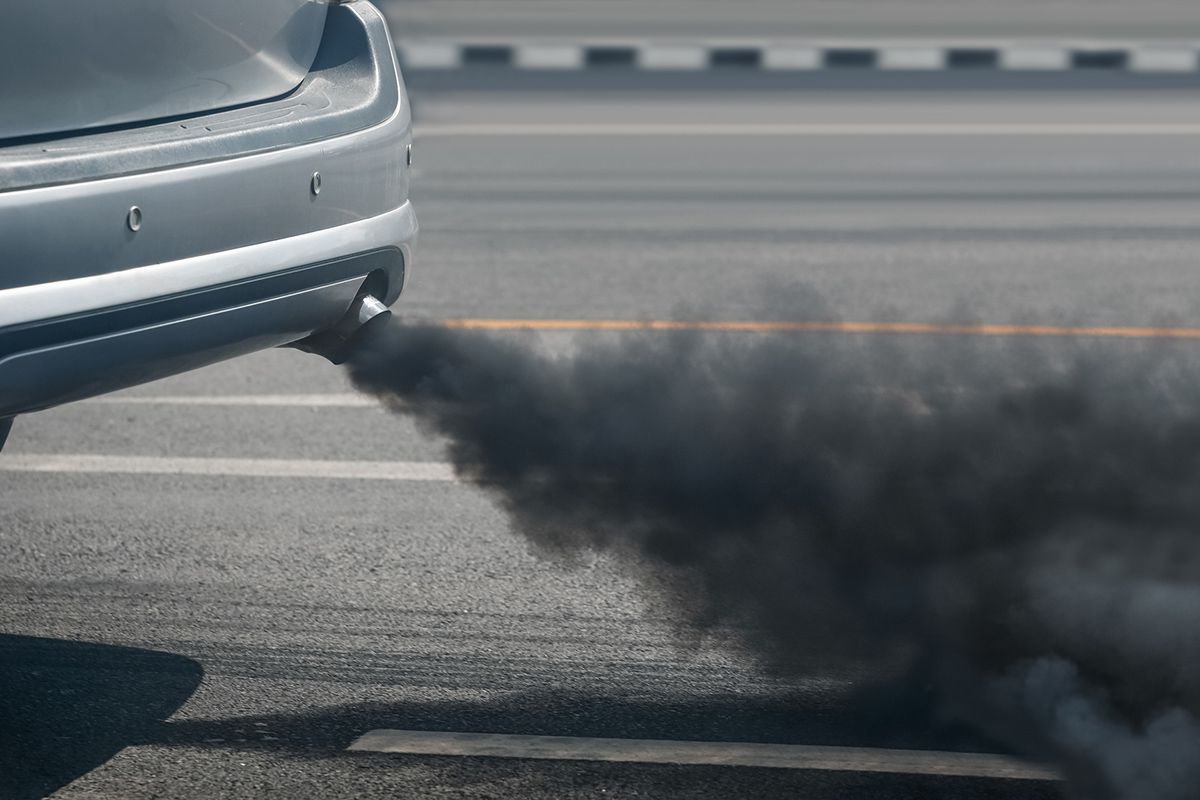
Drivers may notice rough idling, hesitation during acceleration, reduced fuel economy, black smoke from the exhaust, or difficulty starting the engine. The check engine light may illuminate, and a flashing warning light can indicate a serious misfire that needs immediate attention.
Gasoline odor near the exhaust does not necessarily mean a fuel leak, but it should not be dismissed as normal. Excess fuel in the exhaust can create additional heat and damage expensive emissions equipment if the vehicle continues operating with an unresolved fault.
8. A Damaged Fuel Filler Neck or Tank Vent Hose
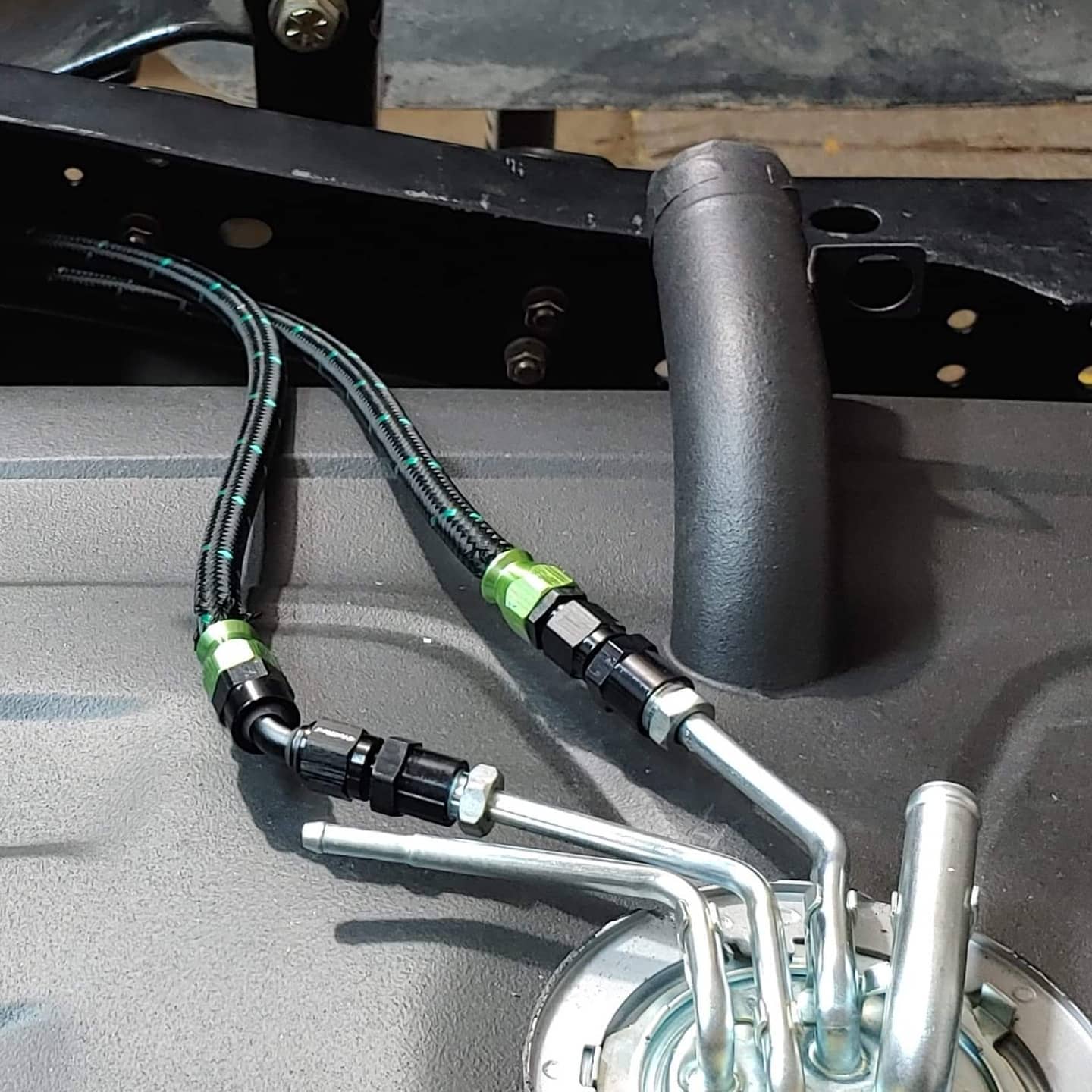
The fuel filler neck connects the opening where you insert the fuel nozzle to the tank itself. A separate vent hose or vapor line helps air and gasoline vapor move through the system as fuel enters or leaves the tank.
These components must remain properly connected and sealed to prevent fuel and vapor from escaping. If a hose cracks, a connection loosens, or the filler neck corrodes, you may notice a gasoline smell around the rear of the vehicle without finding liquid fuel underneath.
Fuel filler necks and vent hoses can deteriorate through age, corrosion, road debris, vibration, and exposure to moisture. A damaged component may allow gasoline vapor to escape during refueling or when the tank is nearly full.
In some cases, a rubber hose develops a small split that releases vapor but does not leak liquid fuel under normal parking conditions. This explains why a car can smell strongly of gasoline while the ground beneath it remains completely dry.
The location and timing of the odor can provide useful clues. A smell near the rear wheel, fuel door, or trunk may suggest a problem around the filler neck, tank connections, or vapor lines.
An odor that becomes noticeable shortly after filling the tank may also point toward a damaged seal or vent connection. However, gasoline vapor can travel through body cavities and ventilation openings, so the strongest-smelling area does not always identify the exact source.
A damaged filler neck may also cause fuel to spill back during refueling, make the pump nozzle shut off repeatedly, or trigger an evaporative emissions warning. Some vehicles have plastic filler necks, while others use metal components or a combination of materials.
The repair procedure depends on the design, the location of the damage, and the condition of nearby hoses and fittings. A technician may inspect the system visually and perform appropriate leak tests to determine whether the filler neck, vent hose, or related seal requires replacement.