
Car repair bills can be surprisingly expensive, especially when a large portion of the final amount goes toward labor rather than replacement parts. Many vehicle repairs require specialized tools, technical knowledge, extensive disassembly, and several hours of careful work.
Even when the required component is relatively affordable, the time needed to reach it, remove surrounding parts, and install a replacement can make the total bill substantial.
Understanding which automotive repairs typically involve high labor costs helps drivers prepare financially, compare estimates, and make informed maintenance decisions. From transmission replacements to engine repairs, several common workshop jobs demand significant time and expertise.
1. Engine Replacement and Major Engine Repairs
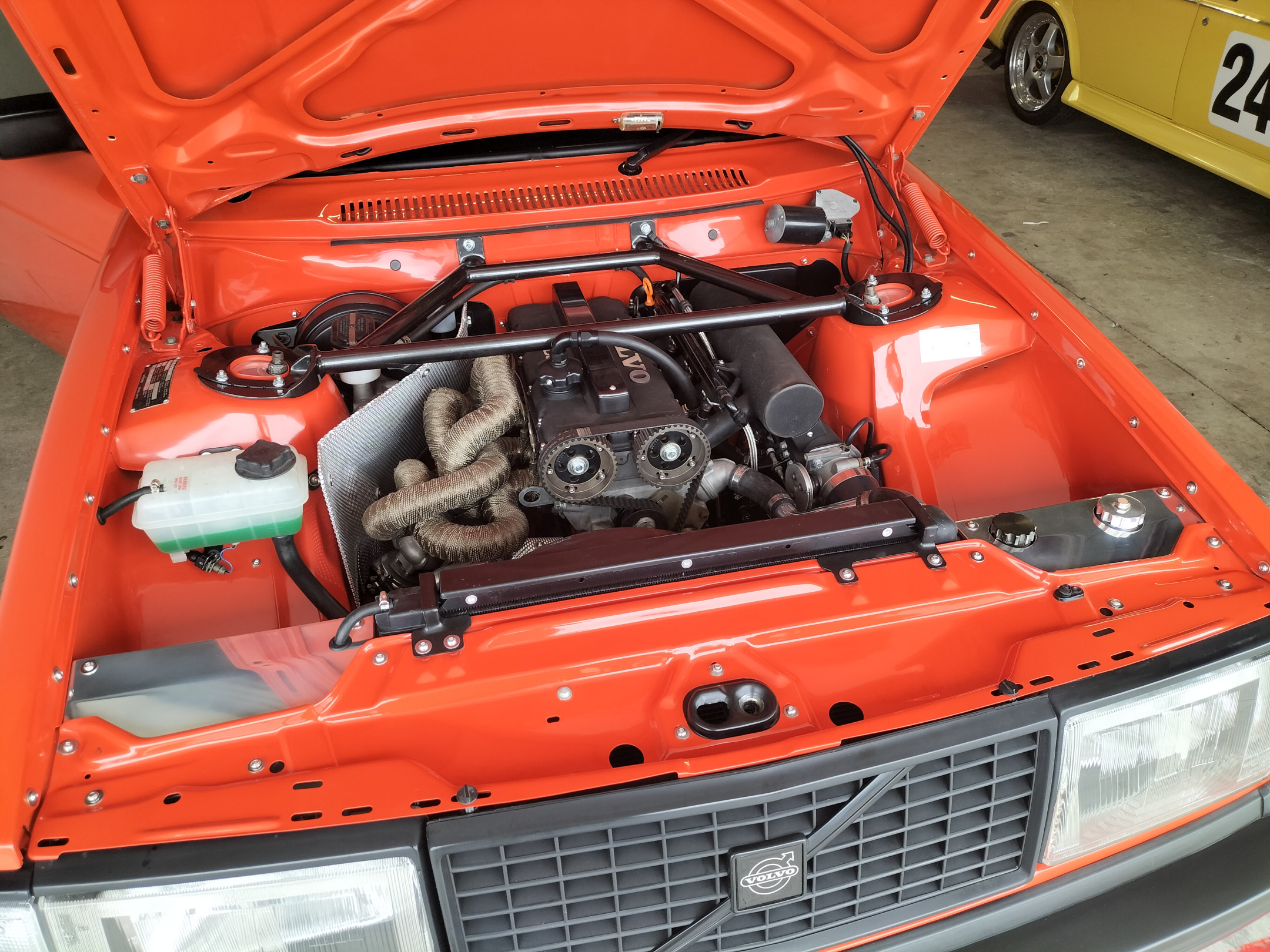
Engine replacement is among the most labor-intensive automotive repairs because the engine is connected to numerous systems throughout the vehicle. Mechanics must disconnect electrical wiring, fuel lines, cooling hoses, exhaust components, engine mounts, and other surrounding parts before removing the damaged unit.
Depending on the vehicle design, technicians may also need to remove the radiator, front suspension components, or other equipment to create enough working space. These additional procedures increase the number of labor hours required, even before the replacement engine is installed.
Vehicles with tightly packed engine compartments can be particularly challenging because accessing individual components often requires careful disassembly.
Labor costs can represent a substantial portion of an engine replacement bill, particularly when the replacement unit is relatively affordable compared with the time needed to install it. A used engine may cost less than a new or remanufactured unit, but the installation process remains largely the same.
Mechanics must carefully position the replacement engine, reconnect every system, refill essential fluids, and verify that all connections are secure. Incorrectly installed wiring, improperly tightened mounts, or neglected coolant connections can lead to serious mechanical problems.
The final labor charge therefore reflects both the time spent performing the physical work and the technical responsibility involved in returning the vehicle to safe operating condition.
2. Transmission Replacement and Rebuilding
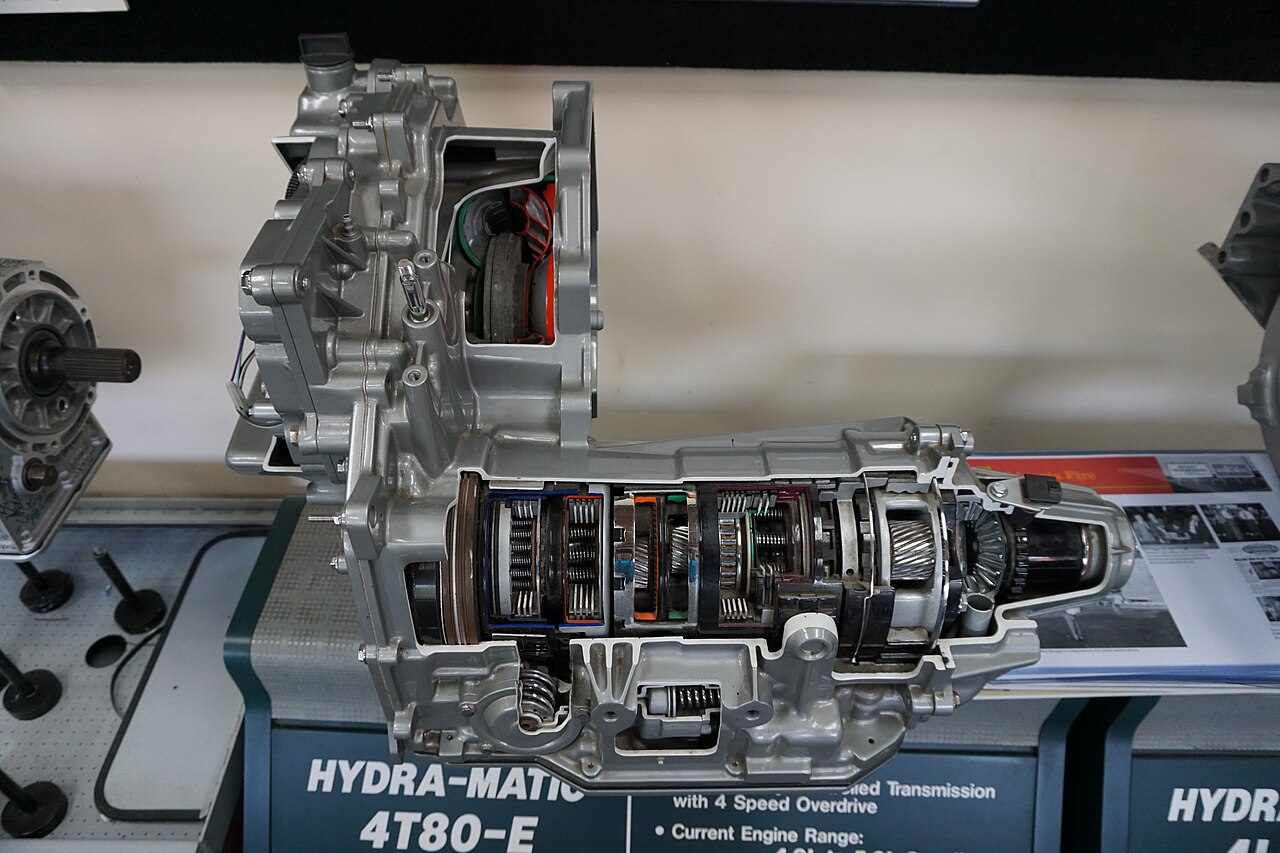
Transmission repairs frequently carry high labor charges because the transmission is a heavy, complex assembly connected to the engine, drivetrain, electrical controls, and supporting structures. Removing it typically requires raising the vehicle, supporting major components, disconnecting driveshafts or axles, and removing mounts and associated hardware.
Automatic transmissions may also involve electrical connectors, fluid lines, and electronic control components that require careful handling. The exact procedure depends on whether the vehicle has a conventional automatic transmission, a manual gearbox, a continuously variable transmission, or a dual-clutch system. Limited access and vehicle-specific engineering can make this job particularly time-consuming.
Replacing a transmission is often more complicated than installing an ordinary mechanical component. The technician must safely lower the old unit, prepare the replacement, align it correctly with the engine, and reconnect all associated systems.
Some vehicles require special lifting equipment or transmission adapters because of the unit’s weight and position. Once the replacement is installed, the workshop may need to refill the transmission with the correct fluid, check for leaks, and perform electronic adaptation or calibration procedures.
Certain modern transmissions require manufacturer-specific diagnostic equipment to complete installation successfully. These additional steps explain why the labor bill can remain high even when the replacement transmission is purchased at a competitive price.
3. Head Gasket Replacement
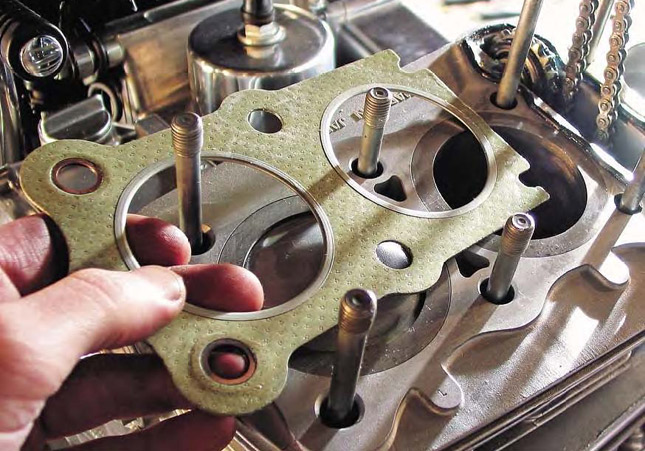
A head gasket forms a seal between the engine block and cylinder head, preventing combustion gases, engine oil, and coolant from entering spaces where they do not belong. When this gasket fails, the engine may overheat, lose coolant, produce white exhaust smoke, or develop oil contamination.
The replacement part itself is often relatively inexpensive compared with the labor involved. Reaching the gasket usually requires removing numerous engine components, including intake or exhaust connections, hoses, wiring, and the cylinder head assembly.
The time required to reach the damaged gasket is a major reason this repair can produce a surprisingly large workshop invoice.
Replacing a head gasket involves much more than removing the old seal and installing a new one. The technician must drain the relevant fluids, dismantle surrounding components, and remove the cylinder head without damaging its mating surfaces. The head and engine block must then be inspected for warping, cracks, and other damage.
Depending on the engine’s condition, the cylinder head may require professional machining before reassembly. The technician must also follow the correct tightening sequence and torque specifications. These procedures are essential because improper installation can cause the replacement gasket to fail prematurely.
The total labor requirement varies according to the vehicle’s engine layout. An engine with accessible cylinder heads may be relatively straightforward to service compared with a tightly packaged engine that requires extensive removal of surrounding equipment.
V-shaped engines can have additional complexity because of their multiple cylinder banks, while certain compact vehicles make access difficult because the engine compartment leaves little room for tools. Some engines also use single-use fasteners that must be replaced during assembly.
If the engine has suffered serious overheating, the workshop may discover damaged valves, warped components, or other problems that increase both the parts bill and the amount of work required.
4. Timing Belt and Timing Chain Repairs
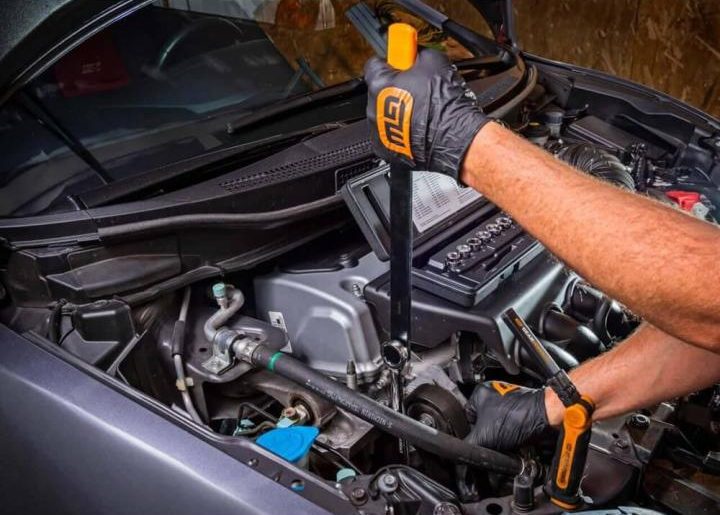
Timing belt and timing chain systems keep the crankshaft and camshaft operating in the correct relationship, allowing engine valves to open and close at the proper moments. If the timing system fails, the engine may stop running or suffer severe internal damage.
Timing belts are generally replaced at specified service intervals, while timing chains are often designed to last longer but can still stretch, wear, or develop problems with their tensioners and guides.
Labor costs can be high because these components are frequently located behind protective covers and other engine accessories. Accessing them may require removing several parts before the technician can begin the actual replacement.
Timing belt replacement can involve removing accessory belts, engine mounts, covers, pulleys, and other surrounding components. In some vehicles, the engine may need to be supported or repositioned to provide sufficient clearance.
The technician must align the timing marks accurately before fitting the new belt. Incorrect alignment can cause poor engine performance or serious damage in engines where the pistons and valves can collide.
Workshops often recommend replacing related components, such as tensioners and idler pulleys, at the same time because they are subject to similar wear and may be difficult to access separately.
Timing chain repairs can be even more involved in certain engine designs. Some chains are located inside the engine and require extensive disassembly to reach. Replacement may involve removing the valve cover, timing covers, related accessories, and other components that obstruct access.
Worn guides, tensioners, and sprockets may also need attention. Certain engines place the timing chain at the rear of the engine, which can require separating the engine and transmission or removing the engine from the vehicle. In these cases, the price of the replacement chain may represent only a small fraction of the final repair cost.
5. Clutch Replacement
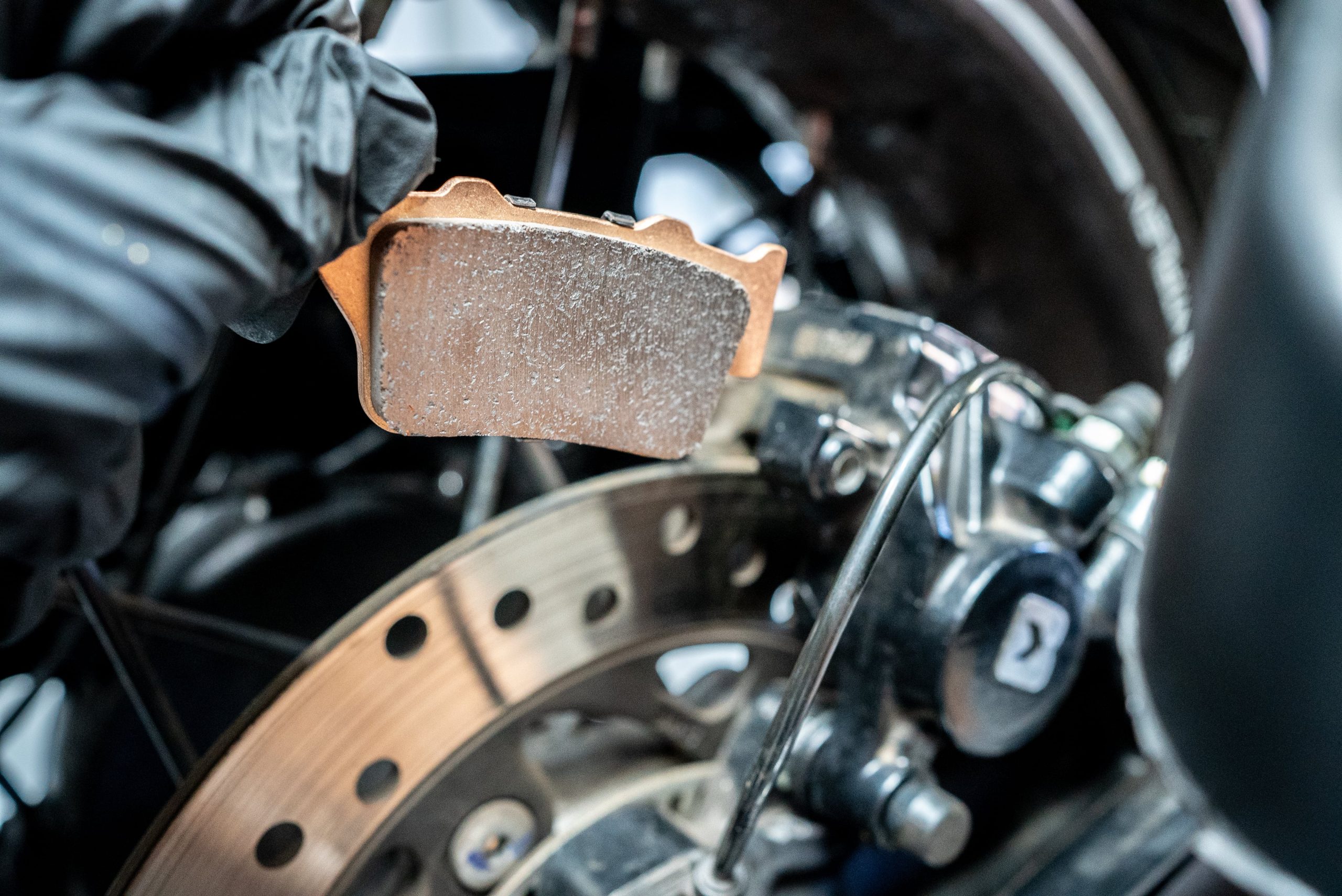
Clutch replacement is a common repair for manual-transmission vehicles, yet the labor cost can be substantial because the clutch sits between the engine and transmission. To reach it, the technician generally needs to separate the transmission from the engine.
This requires supporting heavy components, disconnecting associated parts, and creating enough clearance to remove the gearbox. The clutch disc itself may not be particularly expensive, but the process of reaching it can consume several hours. Vehicle design, drivetrain configuration, and the accessibility of the transmission all influence the final labor charge.
A typical clutch assembly includes a friction disc, pressure plate, and release bearing, although the exact arrangement varies by vehicle. Workshops often recommend replacing several related components together because their service lives are linked and the labor required to access them is similar.
The flywheel may also require inspection and resurfacing or replacement, depending on its design and condition. Some vehicles use a dual-mass flywheel to reduce vibration, which can add significantly to the parts cost. Hydraulic clutch components may need attention if there are leaks or problems with disengagement. A complete inspection helps prevent paying for the same removal work again soon after the repair.
The replacement procedure demands accurate installation and alignment. The clutch disc must be centered correctly so the transmission input shaft can engage properly. The mating surfaces should be clean, and the fasteners must be tightened according to the manufacturer’s specifications.
Once the gearbox is reinstalled, the technician may need to bleed the hydraulic clutch system and check pedal operation. Some modern vehicles also require additional adjustments or procedures after installation. Rushing these steps can lead to clutch judder, slipping, difficulty changing gears, or premature wear, potentially resulting in another expensive workshop visit.
6. Suspension Strut and Shock Absorber Replacement
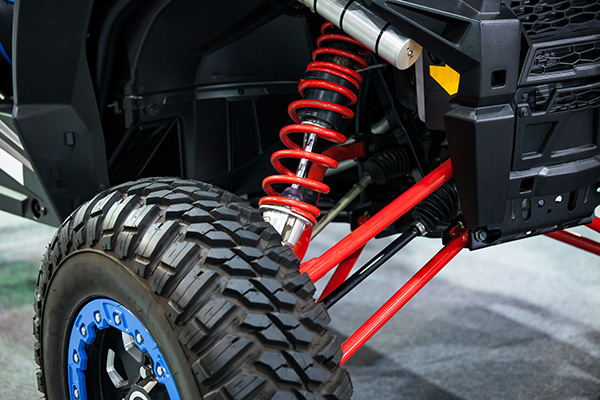
Suspension repairs can involve significant labor costs when components are difficult to access, or several parts need replacement together. Shock absorbers and struts help control vehicle movement, maintain tire contact with the road, and contribute to stable handling.
A conventional shock absorber may be relatively simple to replace, while a strut assembly can form a structural part of the suspension and require more extensive disassembly. Technicians may need to remove wheels, disconnect suspension links, and work around brake components and steering connections. Rusted fasteners or damaged mounting hardware can further increase the time required.
Replacing a strut may involve separating it from the steering knuckle and removing its upper mounting points. Depending on the design, the technician may need to transfer the coil spring to a replacement assembly. Coil springs store substantial energy, so removing and installing them requires appropriate equipment and safe procedures.
Some workshops use complete strut assemblies to reduce the amount of disassembly, but these units may cost more in parts. Electronic or adaptive suspension systems can add further complexity because they may require specialized components, diagnostic equipment, or calibration after installation.
Suspension problems can affect more than ride comfort. Worn shocks or struts may contribute to excessive bouncing, unstable handling, longer stopping distances on uneven surfaces, and irregular tire wear. Drivers may also hear knocking noises when crossing bumps or notice that the vehicle leans excessively during turns.
These symptoms can arise from worn bushings, ball joints, springs, or other suspension components, so replacing shocks alone may not solve the issue. A complete inspection helps identify the actual cause and prevents spending money on parts that are still in good condition.
7. Air Conditioning Compressor Replacement
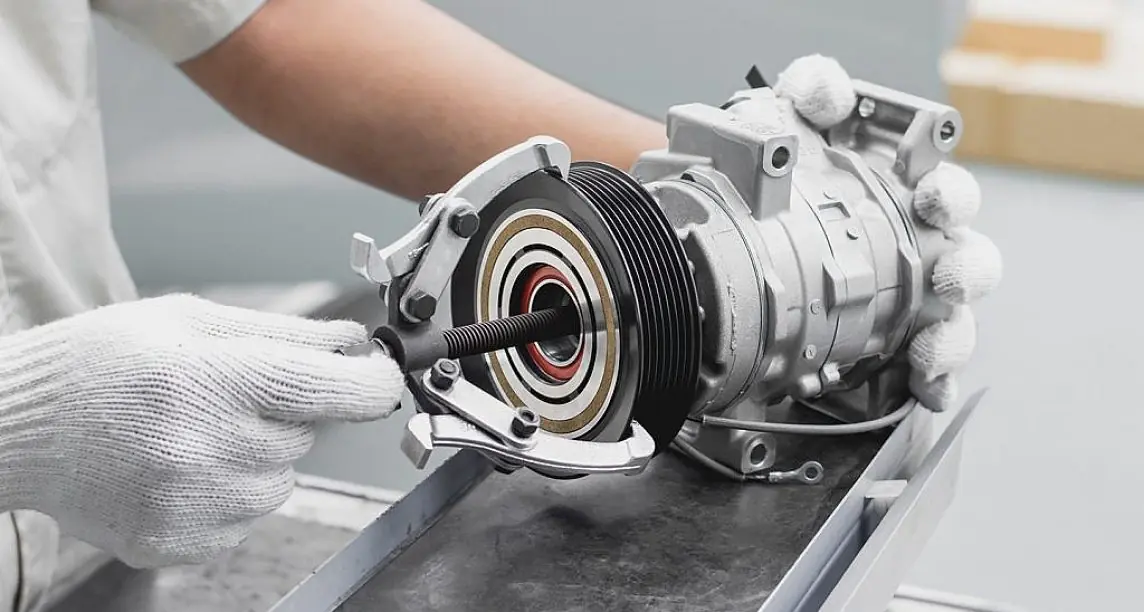
An automotive air conditioning compressor circulates refrigerant through the cooling system, allowing the cabin to remain comfortable in hot weather. When the compressor fails, the air conditioner may produce warm air, make unusual noises, or stop operating altogether.
Labor charges can become substantial because the compressor is connected to refrigerant lines, electrical controls, drive belts, and other engine components. Depending on the vehicle, the compressor may be easy to access or positioned in a crowded area that requires removing additional parts. Proper refrigerant handling also adds specialized procedures to the job.
Compressor replacement usually requires recovering the refrigerant with approved equipment before disconnecting the system. The technician then removes the compressor, inspects its connections, and installs the replacement. Depending on the cause of failure, additional components may need attention.
A compressor that has broken internally can distribute metal particles through the refrigerant circuit, potentially contaminating other parts. In such cases, the workshop may need to flush suitable components, replace the receiver-drier or accumulator, and inspect the expansion device. Skipping necessary cleaning or replacement procedures can cause the new compressor to fail prematurely.
The complexity of air conditioning work depends on the system’s condition and design. Some compressors are driven by an engine belt, while others use electronically controlled mechanisms or are integrated into hybrid and electric vehicle systems. Certain models require removing surrounding components to gain access.
Hybrid and electric vehicles may use electrically driven compressors that require compatible refrigerant oil and specific safety procedures. These systems demand appropriate training because incorrect handling can damage sensitive electrical equipment. Specialized diagnostic tools may also be needed to determine whether the compressor itself has failed or is simply not receiving the correct operating command.
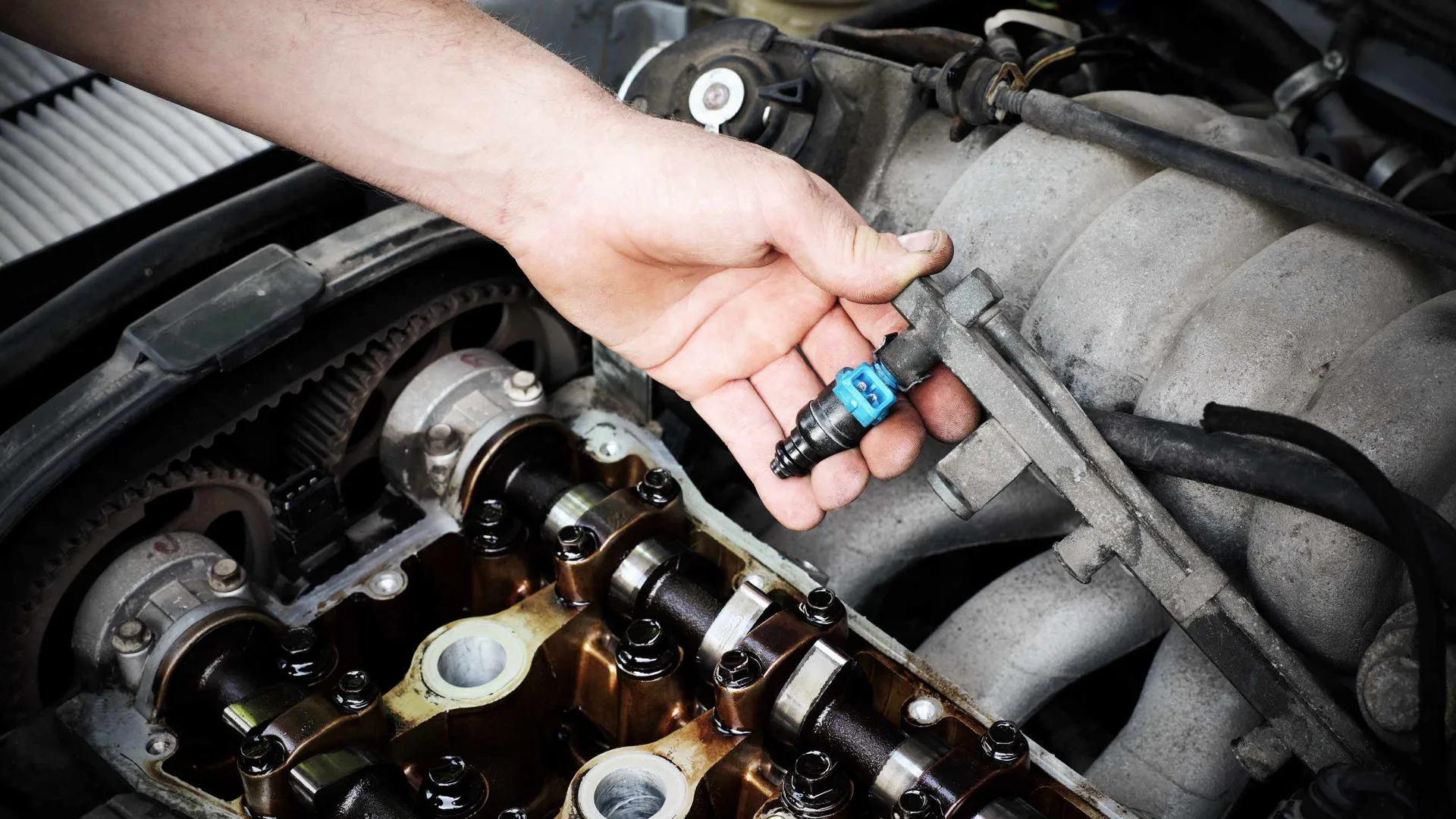
8. Fuel Injector and Fuel System Repairs
Fuel system repairs can become labor-intensive when injectors are difficult to access or the fault affects several components. Fuel injectors deliver carefully measured quantities of fuel into the engine, and their operation directly influences combustion, performance, emissions, and fuel economy.
Depending on the engine design, injectors may sit beneath an intake manifold or require removal of other components for access. Diesel engines and certain direct-injection petrol engines use high-pressure fuel systems with specialized components and safety requirements. These technical demands can make diagnosis and replacement more expensive than expected.
Replacing fuel injectors often involves removing the fuel rail, electrical connectors, and any components obstructing access. The technician must release fuel pressure safely, prevent contamination, and install the new injectors with appropriate seals. Some direct-injection systems use high-pressure fuel pumps and lines that require careful handling.
Certain engines also need new high-pressure pipework or injector seals after disassembly. On some diesel vehicles, replacement injectors must be programmed or calibrated using diagnostic equipment. These additional procedures can increase labor time even when the replacement parts are readily available.
Fuel injector problems can produce rough idling, misfires, poor acceleration, increased fuel consumption, difficult starting, or an illuminated engine warning light. However, similar symptoms may arise from ignition faults, vacuum leaks, fuel pressure problems, or faulty sensors.
A workshop should perform suitable diagnostic tests before recommending injector replacement. Depending on the system, these tests may include checking fuel pressure, reviewing engine fault codes, evaluating injector balance, and examining electrical signals.
Cleaning may be appropriate in certain circumstances, but it will not repair every injector fault, especially when internal components are worn or damaged.
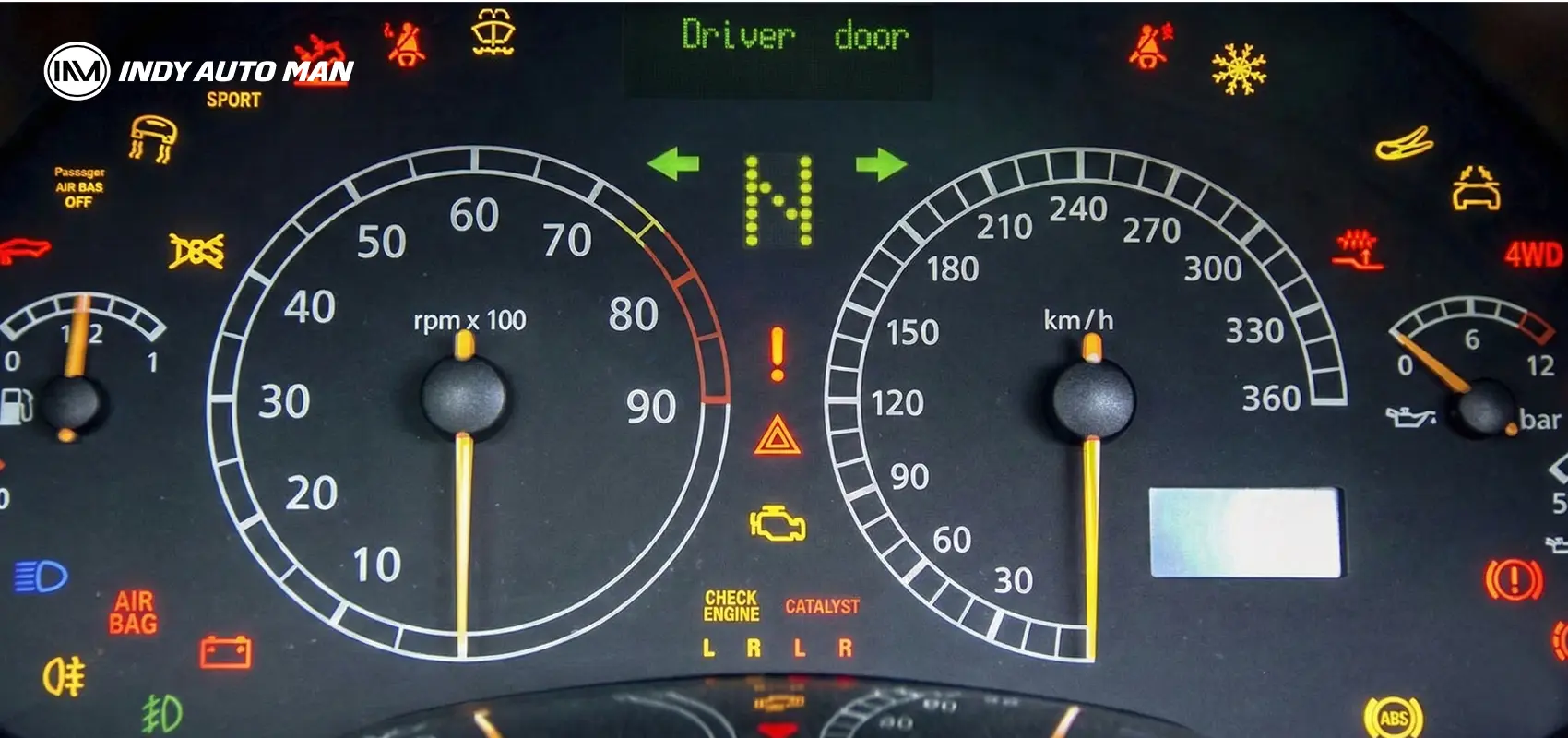
9. Dashboard Removal and Heater Core Replacement
Heater core replacement is a classic example of a repair where labor can exceed the price of the component. The heater core acts as a small heat exchanger that transfers warmth from the engine’s coolant to the air entering the cabin. It is commonly installed inside the heating, ventilation, and air conditioning housing behind the dashboard.
When it leaks or becomes obstructed, accessing it may require removing large sections of the dashboard, center console, ductwork, and associated electrical connections. The actual heater core may be inexpensive, but reaching it can demand extensive disassembly and careful reassembly.
The procedure varies considerably among vehicle models. In some cars, the heater core can be accessed through a relatively small service opening. In others, the entire dashboard assembly or HVAC housing must be removed. The technician may need to disconnect the battery, drain engine coolant, remove trim panels, and carefully separate wiring connectors.
Vehicles equipped with airbags require appropriate safety procedures during dashboard work. Once the heater core is replaced, the technician must reconnect the system, refill and bleed the cooling circuit, and verify that the heating controls function correctly. The number of parts that must be removed explains the high labor requirement.
A leaking heater core may produce a sweet coolant smell inside the cabin, fogged windows, damp carpeting, or a gradual loss of coolant. The heater may also provide insufficient warmth if the core is restricted, though other faults can cause the same symptom.
A defective thermostat, low coolant level, air trapped in the cooling system, or a faulty blend door can prevent proper heating. Correct diagnosis is important because dashboard removal is an expensive procedure to undertake unnecessarily. A mechanic should inspect the cooling system and verify the source of the problem before recommending replacement.
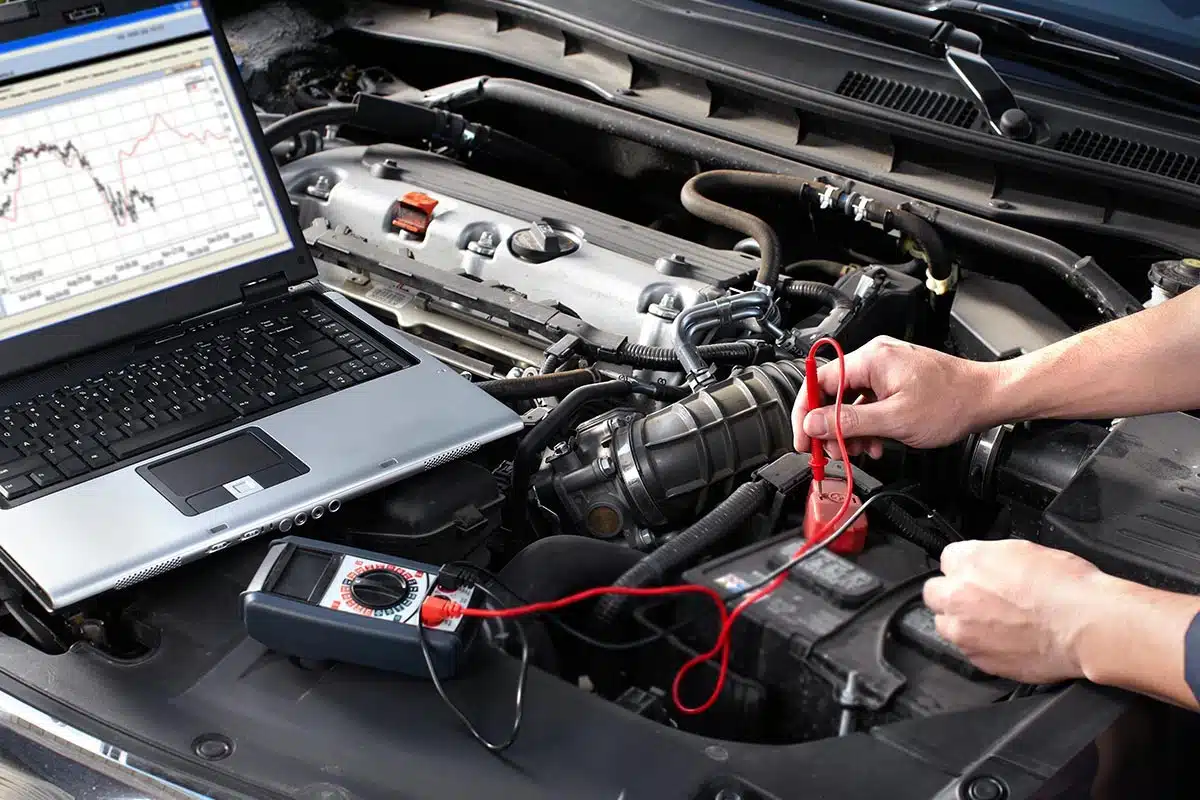
10. Electrical Wiring Repairs and Complex Fault Diagnosis
Modern vehicles depend on interconnected electronic systems that control engine operation, safety features, lighting, climate control, infotainment, and driver assistance functions. When wiring becomes damaged, or an electrical module fails, identifying the actual cause can take longer than replacing the faulty component.
Technicians may need to inspect wiring diagrams, retrieve diagnostic codes, test circuits, measure voltage drops, and trace intermittent faults. Unlike a simple mechanical repair, an electrical problem may not produce consistent symptoms. This uncertainty can make diagnostic labor a major part of the final invoice.
Electrical faults can originate from damaged wiring, corroded connectors, failed grounds, blown fuses, malfunctioning sensors, or defective control modules. Water intrusion and rodent damage can also affect wiring harnesses, sometimes causing several unrelated systems to stop working.
A single damaged wire may be hidden behind dashboard panels, under carpets, or inside engine compartment protective coverings. Reaching the affected section can require substantial disassembly. If an entire harness must be replaced, the job may involve disconnecting many connectors and routing the replacement through tightly packaged spaces without damaging surrounding components.
Accurate diagnosis requires more than plugging a scanner into the vehicle and replacing whatever component appears in a fault code. Diagnostic codes identify detected conditions, but they do not always identify the root cause.
For example, a sensor-related code could result from a failed sensor, damaged wiring, poor electrical grounding, or a problem elsewhere in the system. Skilled technicians use wiring diagrams, circuit tests, and manufacturer diagnostic procedures to narrow down the possibilities. Although this process takes time, it can prevent unnecessary replacement of expensive electronic components and reduce the chance of recurring faults.
