Power steering is easy to ignore until it quits. Then every turn becomes a fight. Drivers feel it in their arms first. The panic follows. The National Highway Traffic Safety Administration collects these reports. Owners file them after a scare on the road. Some describe a warning chime. Others describe a wheel that simply locks. Over time, patterns emerge from the pile.
Most modern cases involve electric power steering. The system replaces hydraulic fluid with a motor. That motor depends on sensors and software. When either fails, assist can vanish at speed. The car still steers, but only with great effort.
This list draws on federal investigations and public complaint records. It focuses on models with heavy, documented filings. Some became recalls. Some became probes that ended quietly. A few never moved past owner frustration.
Each entry covers the symptoms owners reported. It also covers the scale and the official response. Complaint totals vary by model year and by when they were counted. Treat the figures as snapshots, not a final ranking. Here are ten vehicles that earned their place.
1. Chevrolet Cobalt (2005–2010)
The Cobalt leads for sheer volume. Federal investigators opened a probe into its electric steering. They counted 1,132 complaints, including eleven accidents and one injury. The review covered about 905,000 cars.
Owners described the same moment again and again. The wheel went heavy without warning. Some drivers said they could not stay in their lane. Most of the filings arrived within a short six-month window. That surge told investigators the problem was growing.
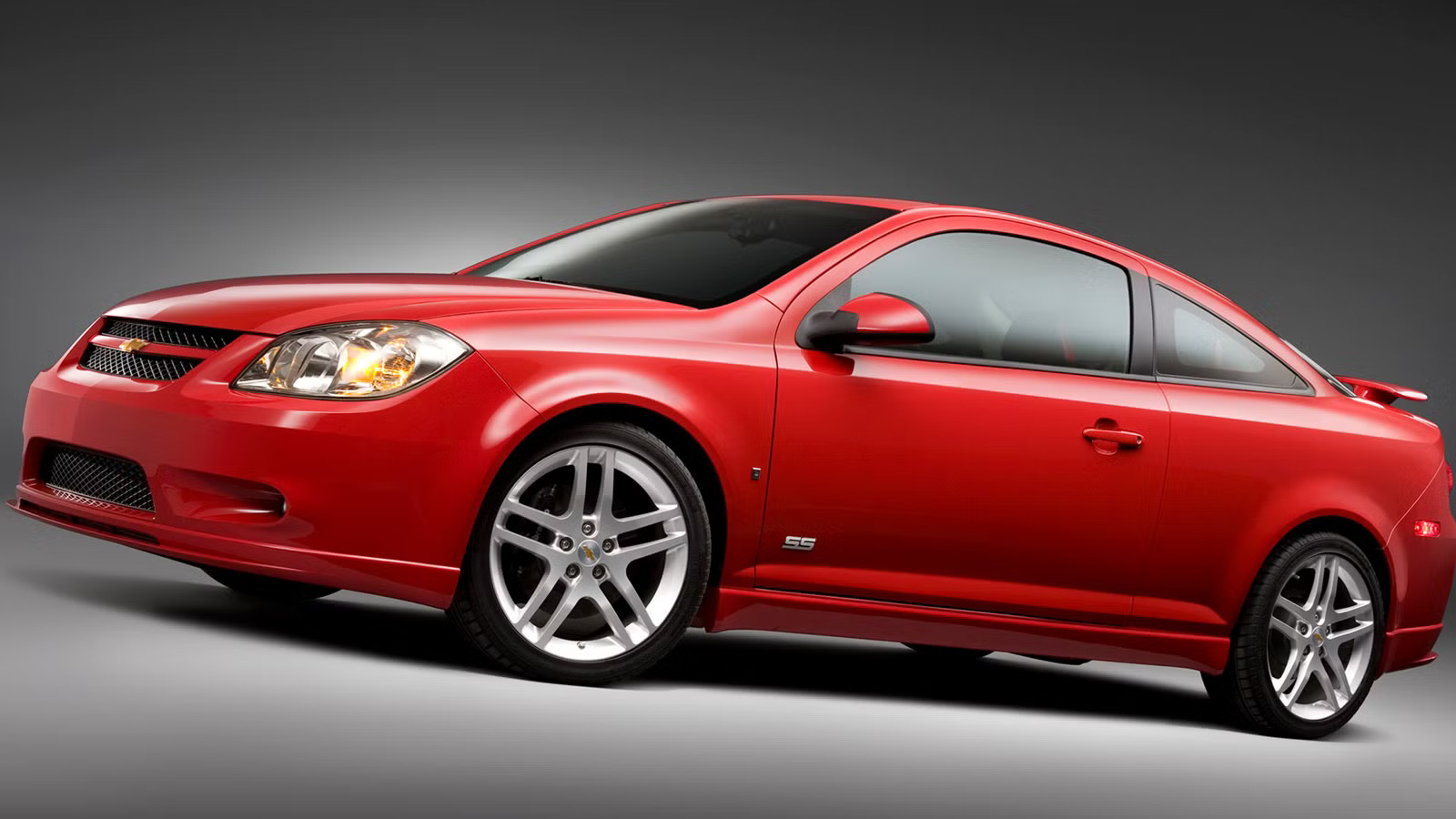
The cause traced back to the assist motor. Investigators later noted a buildup of oil and debris on the motor’s armature in related GM cars. They said they had reproduced the failure in a Cobalt. In 2010, GM recalled about 1.05 million Cobalt and Pontiac G5 vehicles.
The Cobalt was a small, cheap, popular car. That meant a huge fleet of aging commuters. Many were driven daily by students and first-time buyers. Those drivers had little practice handling a sudden heavy wheel. A parking lot is forgiving. A highway ramp is not.
Big fleets always collect more reports. Still, the Cobalt’s numbers were high even for its size. Its steering saga became the template for later probes. Regulators and owners both remember it.
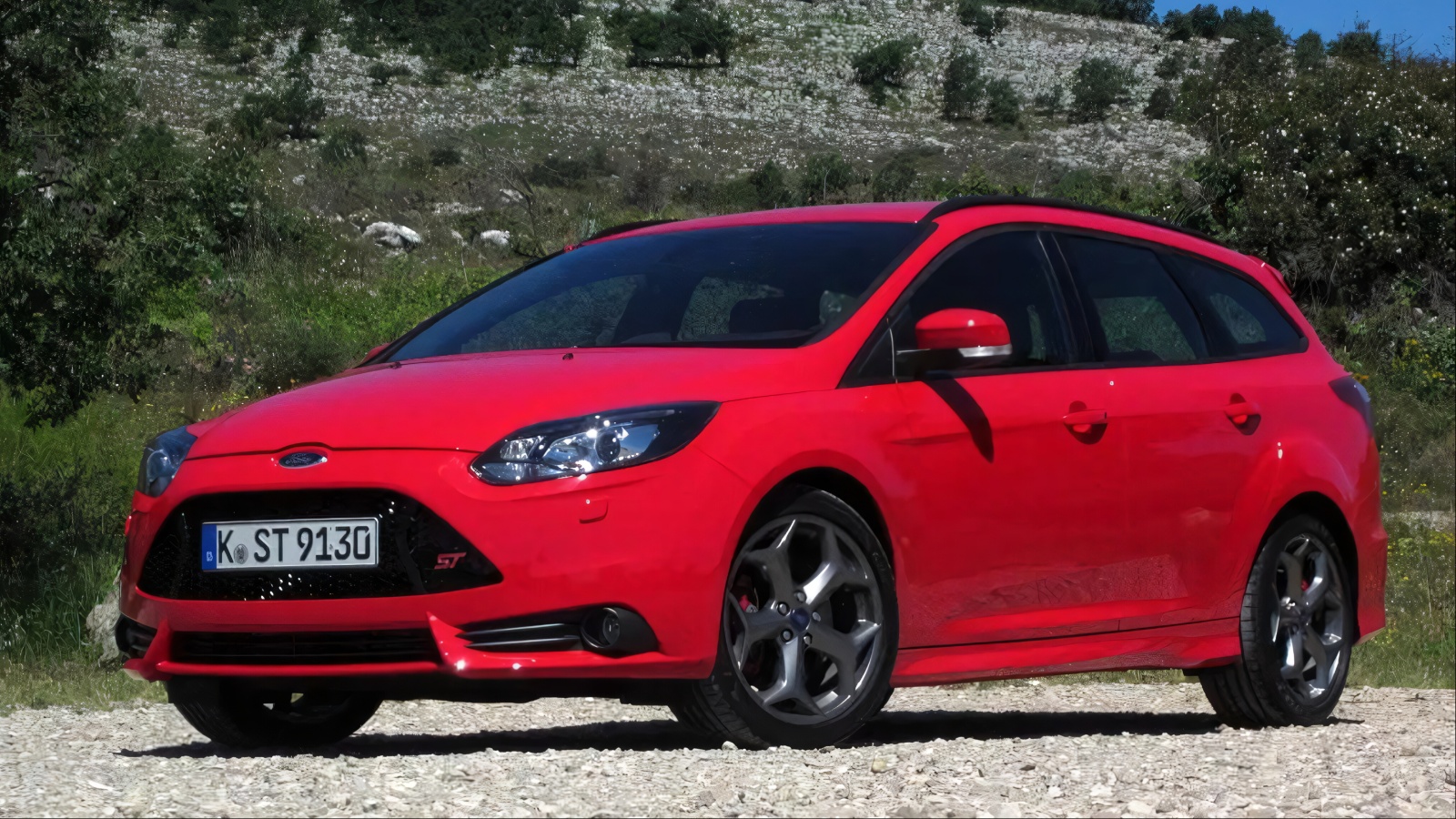
2. Ford Focus (2012)
The 2012 Focus was the first with electric power assist. It was also the first with widespread failures. Owners reported the problem right out of the box. Some saw it within the first week. Many saw it more than once.
The pattern was consistent. The engine started and a message appeared. It read steering assist fault. The wheel stiffened at once. A restart sometimes brought the help back. Sometimes it did not.
One owner counted 254 steering complaints for the 2012 model on the federal site. That compared with about 50 each for 2013 and 2014. Only five existed for 2011, the last year without the system. That gap tells its own story.
An independent safety group ranked the 2012 Focus first on its quarterly watch list for two straight quarters. The ranking relied on injury and death claims reported to the agency. A federal official said the agency was monitoring the issue closely. At the time, no formal investigation existed.
Repairs frustrated owners. Dealers often could not reproduce the fault. Some drivers were told nothing was wrong. One owner feared a repair bill near two thousand dollars.
The Focus mattered because it sold in huge numbers. A flaw in a big fleet scales fast. Anyone shopping a used 2012 should ask about steering repairs first.
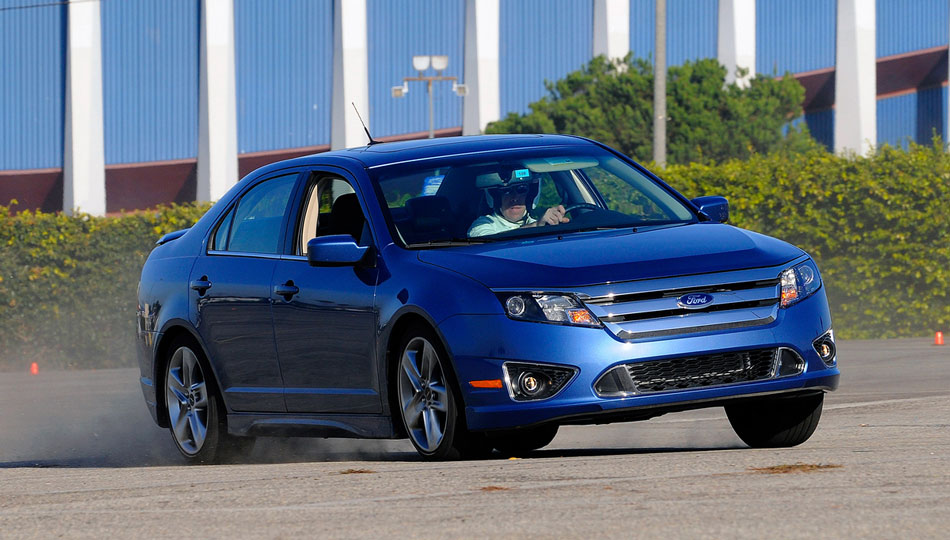
3. Ford Fusion, Mercury Milan and Lincoln MKZ (2010–2012)
Ford’s midsize trio shared one steering design. They also shared one big federal probe. The investigation covered 938,000 vehicles and cited 508 complaints. Those reports described lost assist and rising steering effort.
Four complaints said the failure contributed to a loss of control and a crash. One owner described a lane change at 50 mph. The assist quit and the car hit a curb. The impact blew out a front tire.
Others described quieter scares. A woman turning into her driveway lost assist mid-turn. A man’s wife was leaving to drop the kids at day care. The wheel went stiff as she pulled out. These are ordinary moments, which is why they alarm people.
Several owners saw a power steering warning before the failure. The message gave little time to react. One rental driver reported three separate failures in a 2012 Fusion. That kind of repeat event points to a systemic weakness.
A class-action suit in San Jose had already alleged the systems were defective. It covered 2010 through 2014 Fusions and 2012 through 2014 Focus cars. It claimed Ford knew of hundreds of complaints. NHTSA’s probe then began a preliminary look at scope and frequency.
The Fusion family shows how a shared part spreads a problem. One supplier design can touch three badges. Owners of a Milan or MKZ should not assume they escaped.
4. Chevrolet Malibu (2004–2011)
The Malibu appears in complaints across many years. Early cars used electric steering columns that failed intermittently. Owners reported lost assist while driving at 25 or 30 mph. Restarting the car often restored it. The relief never lasted.
GM’s wider investigation named the Malibu as a peer vehicle. It sat beside the Pontiac G6 and Saturn Ion. Investigators studied loss of assist across those related GM models. The Malibu shared the same family of problems.
A later recall exists, but owners keep filing anyway. Several 2004 owners said their VINs were left out of campaign 14V153000. That left them with failing cars and no free fix. One owner replaced the steering column twice. Another paid nearly five hundred dollars for a new column.
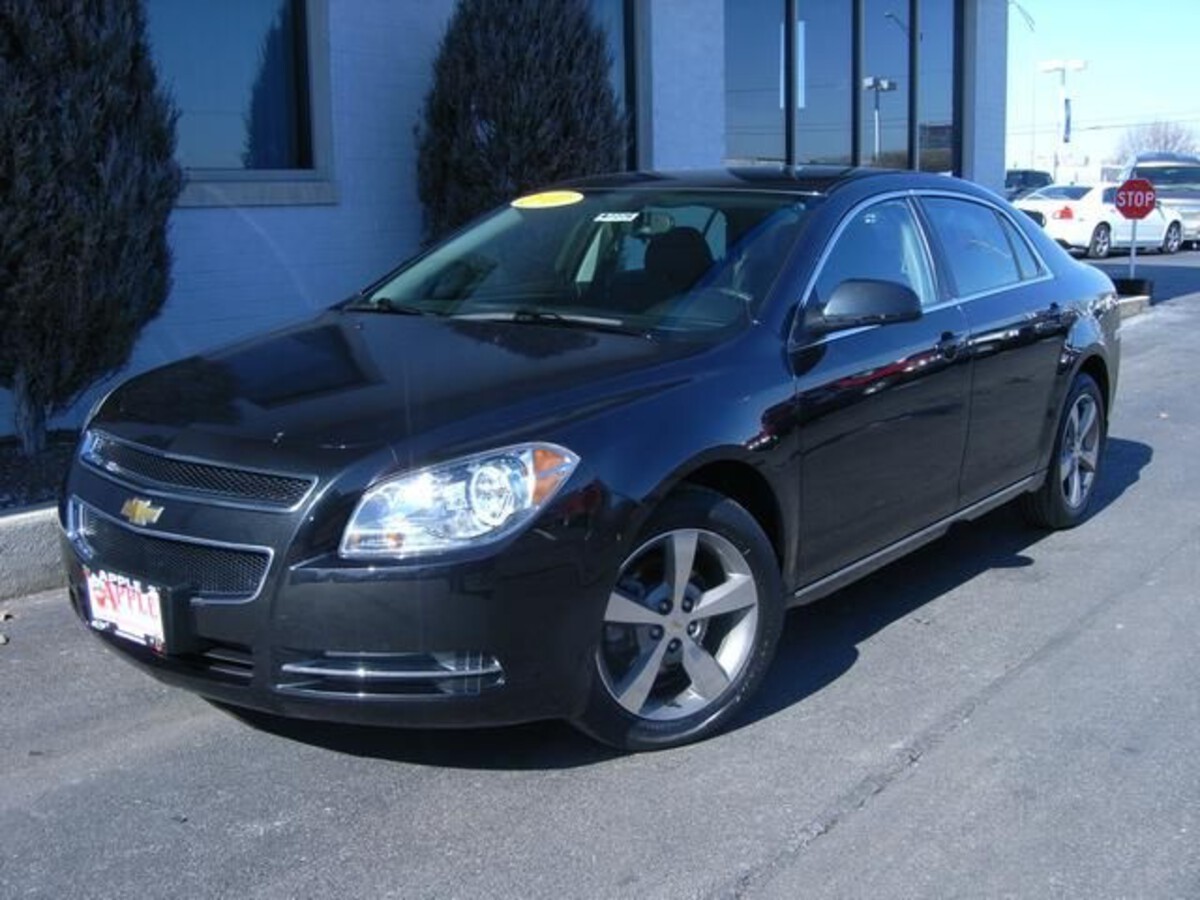
Later cars were not free of trouble. A 2009 owner described the assist vanishing with chimes and ESC messages. A 2011 owner described the wheel shaking and locking up at 70 mph. He said he almost lost control.
One parent reported a sixteen-year-old driver whose steering quit on the way to school. That story captures the stakes. Many Malibus were family hand-me-downs. Inexperienced drivers inherited them with aging steering parts. If you own one, treat a steering warning light as urgent. Do not wait for a second event.
5. Ram 1500 (2013–2016)
The Ram 1500 brings pickup-sized numbers. NHTSA opened a probe covering over 1.1 million trucks. It listed 380 complaints and three crashes, with no injuries. Investigators warned that drivers could lose control.
The reports shared one troubling detail. Most owners saw no warning at all. The assist simply stopped. Mileage varied widely, mostly between 20,000 and 70,000. That is young for a truck.
Stellantis had recalled just 440 pickups in 2016 for a power steering problem. The agency said the new complaints looked similar but fell outside that recall. Its job was to decide whether enough trucks were covered. It also asked whether another defect was at work.
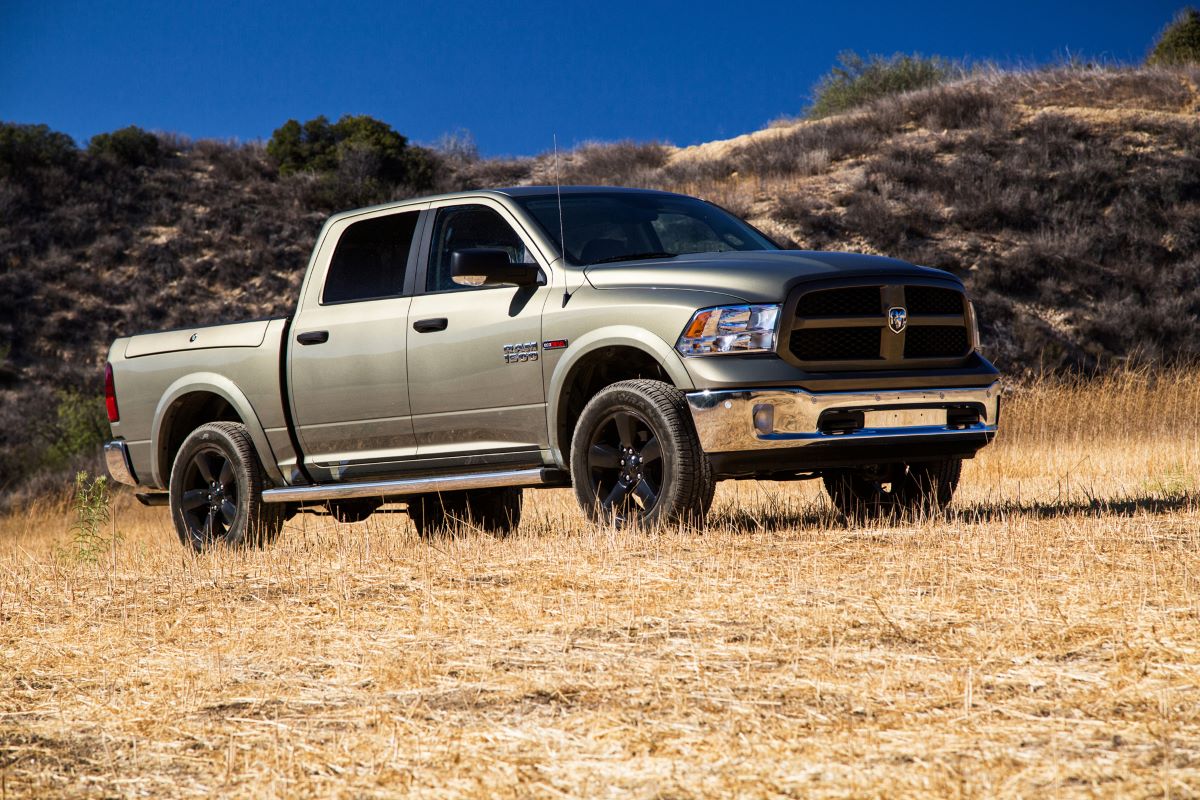
One May 2023 report made the gap concrete. A dealer said the truck should have been in the earlier recall. Its VIN was simply not listed. The truck stayed unrepaired.
Pickups carry weight, trailers, and families. A heavy truck without assist is hard to hold. Towing makes it worse. Even a short loss at speed can send a load drifting. Owners of 2013 to 2016 Rams should check their VIN with the manufacturer. A recall lookup takes minutes. It could save a frightening drive.
6. Toyota Corolla (2009–2010)
The Corolla is the cautionary tale of official response. The agency logged 918 complaints about electric steering in 2009 and 2010 models. That is a heavy pile for a car with Toyota’s reputation.
The complaints centered on feel, not just failure. Drivers described odd wandering on the highway. Some said the wheel felt loose and vague at speed. Others said the car needed constant small corrections. Tiring drives followed.
The agency closed its preliminary evaluation in May 2011. It concluded the system was operating as designed. It found no failed steering components. That finding drew criticism from safety advocates.
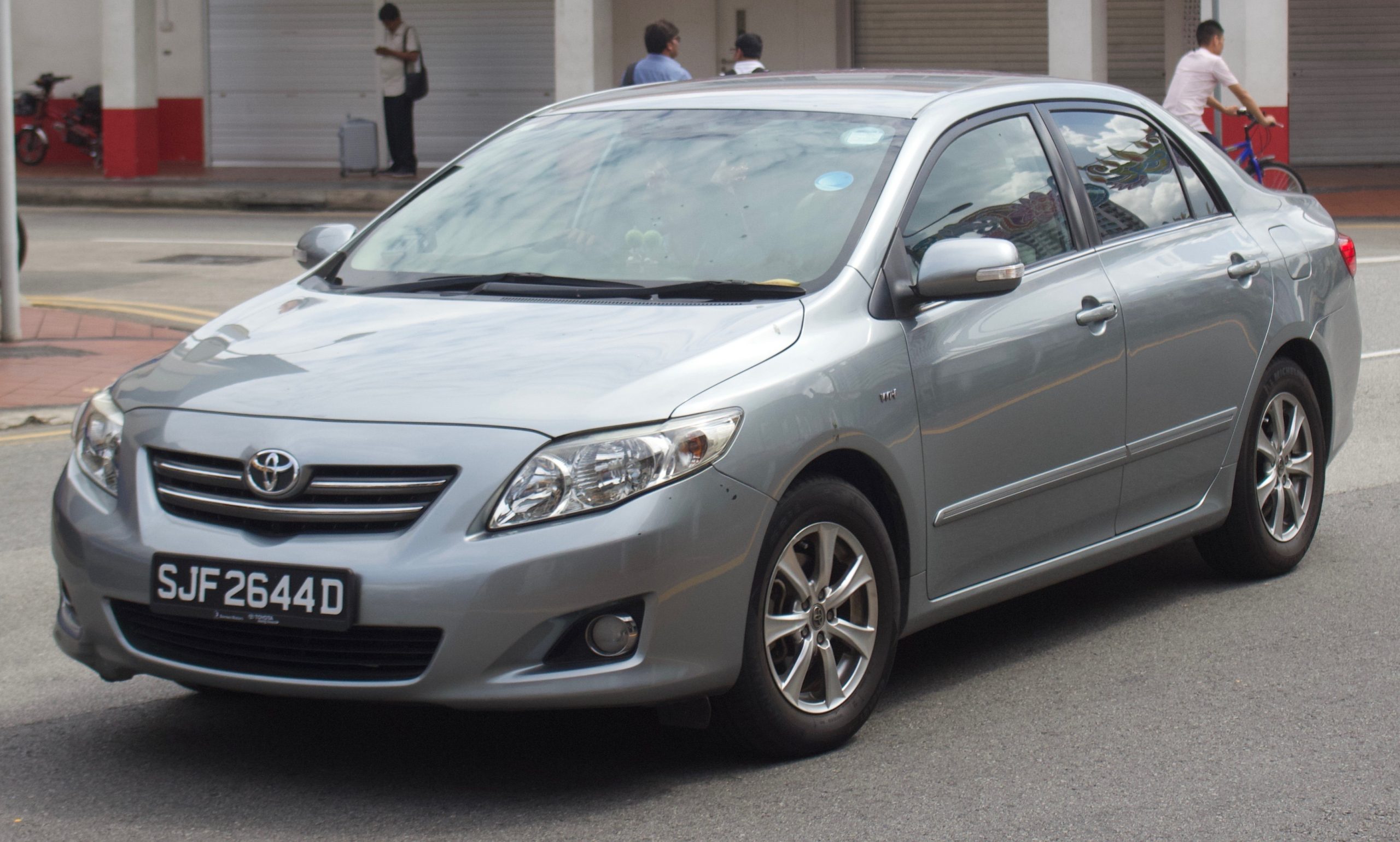
Toyota offered a recalibrated steering unit with a different feel. So the fix was real, but it was framed as tuning. That distinction matters. A design that feels unsafe can still frustrate owners, even without a broken part.
The Corolla case shows how complaint counts and defect findings can diverge. High numbers do not always lead to recalls. Regulators weigh failure modes, crash data and engineering.
For shoppers, the takeaway is practical. Test drive any used Corolla from these years on a highway. Note how it tracks and how the wheel feels. If it wanders, ask about the recalibration.
7. Chrysler Pacifica (2017–2018)
The Pacifica minivan is a newer case. NHTSA opened an investigation covering about 287,000 minivans. It included the 2017 and 2018 gas models and the 2017 plug-in hybrid. Nearly 100 complaints prompted it.
The symptom is unusual. Drivers described a sticking sensation in gradual turns. It appeared when the wheel sat near the 11 or 1 o’clock position. The wheel seemed to catch, then release. That moment can throw off a smooth line.
Investigators said the problem could cause oversteer, especially at high speeds. That is the dangerous part. A van full of children does not need surprises on a highway curve. Tight control matters most when speeds are high.
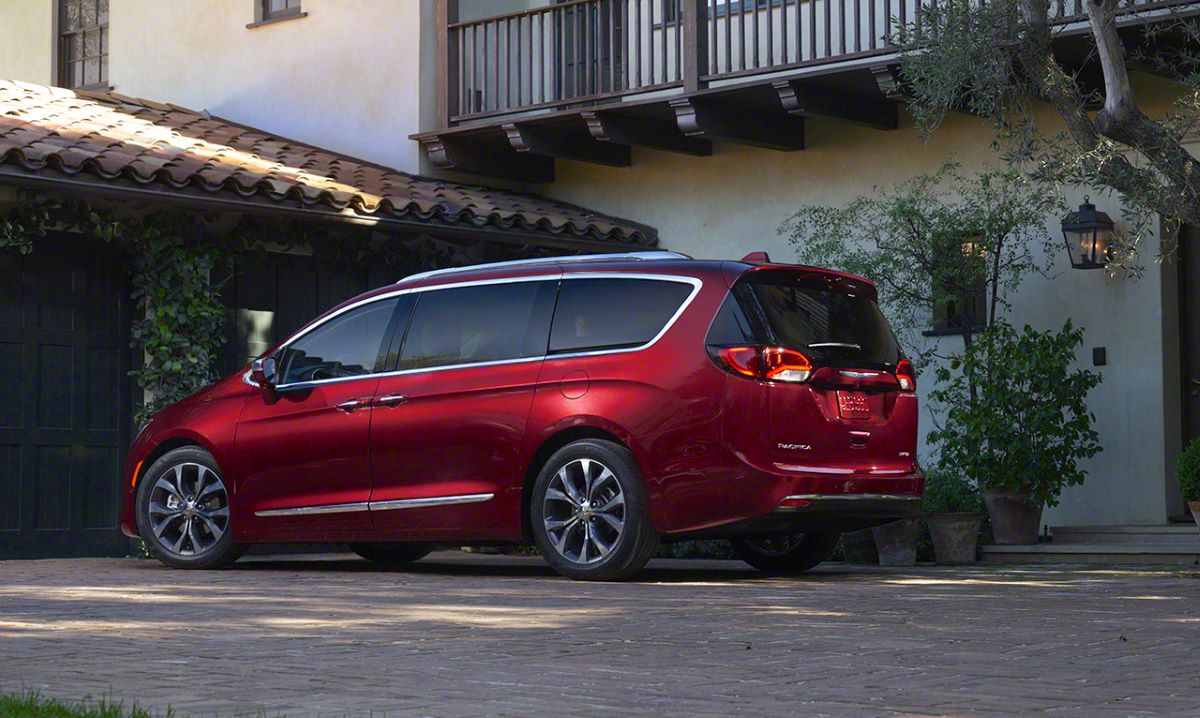
This is not a total loss of assist. It is a flaw in how the system responds. Such faults are harder to spot. A driver may think they are imagining it. Then it happens again.
Minivans work hard. They haul families, groceries and luggage. Owners rely on predictable handling. A small hitch in the wheel erodes that trust.
If your Pacifica feels sticky in light turns, document it. Note the speed and wheel position. Report it to the dealer and to NHTSA. Specific details help investigators match your case to others.
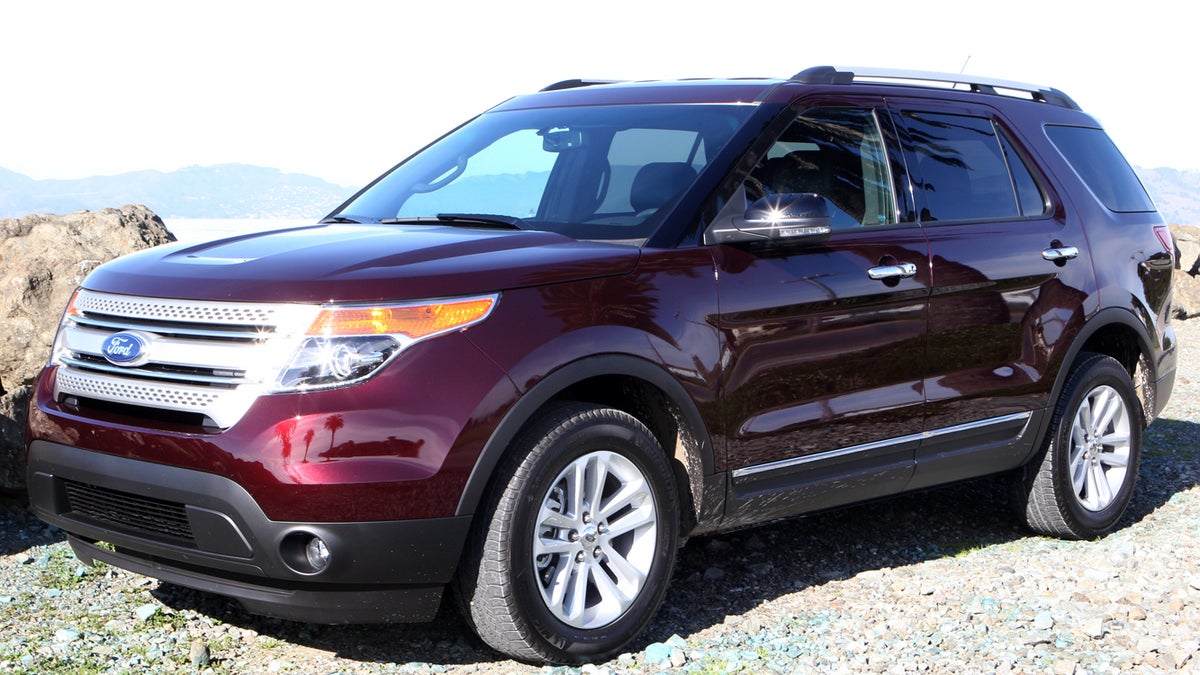
8. Ford Explorer (2011)
The 2011 Explorer belongs here for its steady stream of owner stories. The complaints sound strikingly alike. A warning chime sounds. A message appears on the dash. Then the assist is gone.
One owner reported the failure at 70 mph. Another lost it at 40 mph, with the light flashing first. A third was backing out of a garage. The wheel simply would not move. One owner reported twenty or more failures on a single vehicle.
Owners said the failure comes quickly, leaving little time to react. A small chime is the only cue. Then a message about power assist failure follows. By then the wheel is already heavy.
Some owners reported brief recoveries. After several hours, one car’s assist returned on its own. That kind of intermittent behavior is maddening. Dealers struggle to reproduce it. Owners are left guessing.
The Explorer is large and heavy. A three-row SUV needs real muscle to turn without help. Loaded with passengers, it becomes harder still. That raises the cost of a sudden failure.
These filings do not carry a single headline probe like others on this list. They show the pattern at the owner level. For buyers, the lesson is to ask about steering history. Check for warning messages during a test drive. Walk away from any vehicle that shows them.
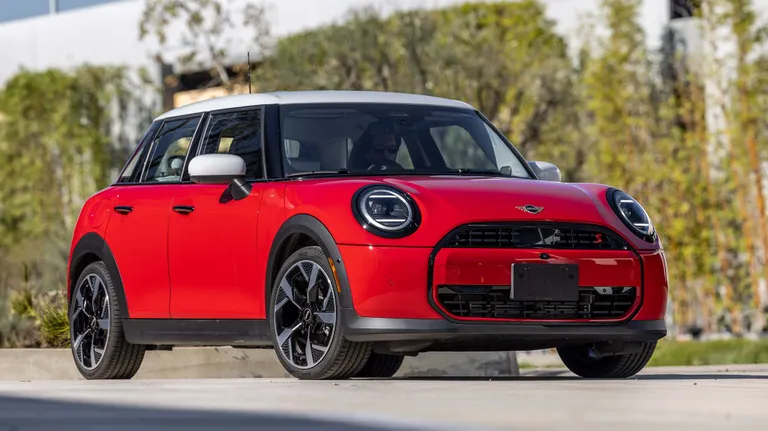
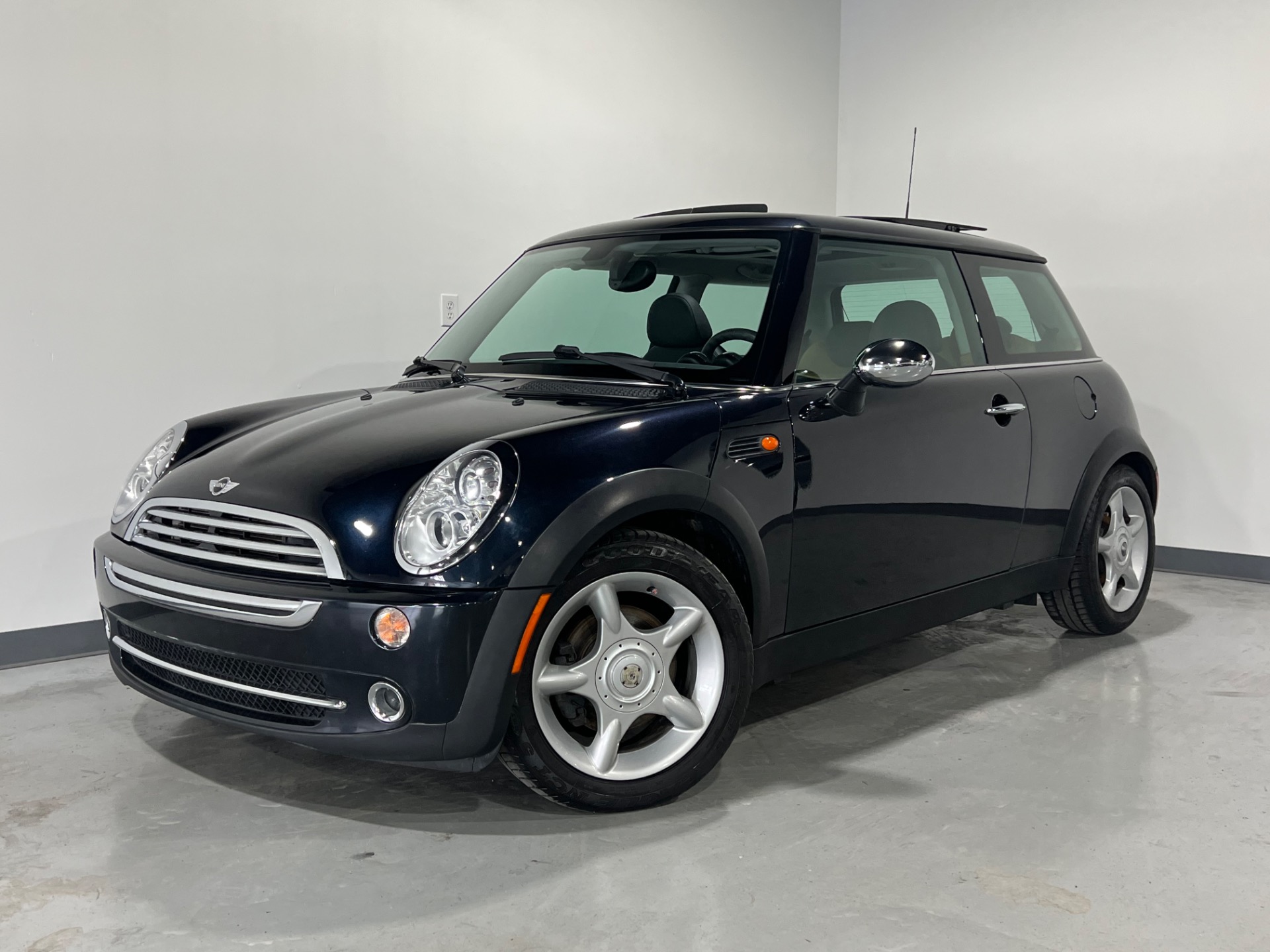
9. Mini Cooper (2004–2005)
The Mini Cooper has the smallest raw count here. It earns a spot for the ratio. NHTSA received 54 complaints about lost power steering. The preliminary investigation covered about 80,000 vehicles.
That is a notable rate for a niche car. The Mini sold in limited numbers. Fifty-four complaints from such a small fleet signals a real problem. Small cars with electric assist can lose it suddenly.
BMW said it had received no reports of crashes tied to the issue. That fits the car’s size and low speeds. A light, short Mini is easier to wrestle than a truck. Even so, a stiff wheel on a tight road is risky.
The Mini’s story reflects early electric steering growing pains. Automakers were still learning how to harden these systems. Heat, moisture and vibration can all stress the electronics. Early adopters often found the weak points.
Owners of these cars are now long past warranty. Many have switched to independent shops. Repair costs can be steep for a used premium small car. Parts from salvage yards carry their own risks.
If you are shopping for an early Mini, inspect carefully. Ask about prior steering work. Test it cold and after a long drive. Heat can expose a weak motor.
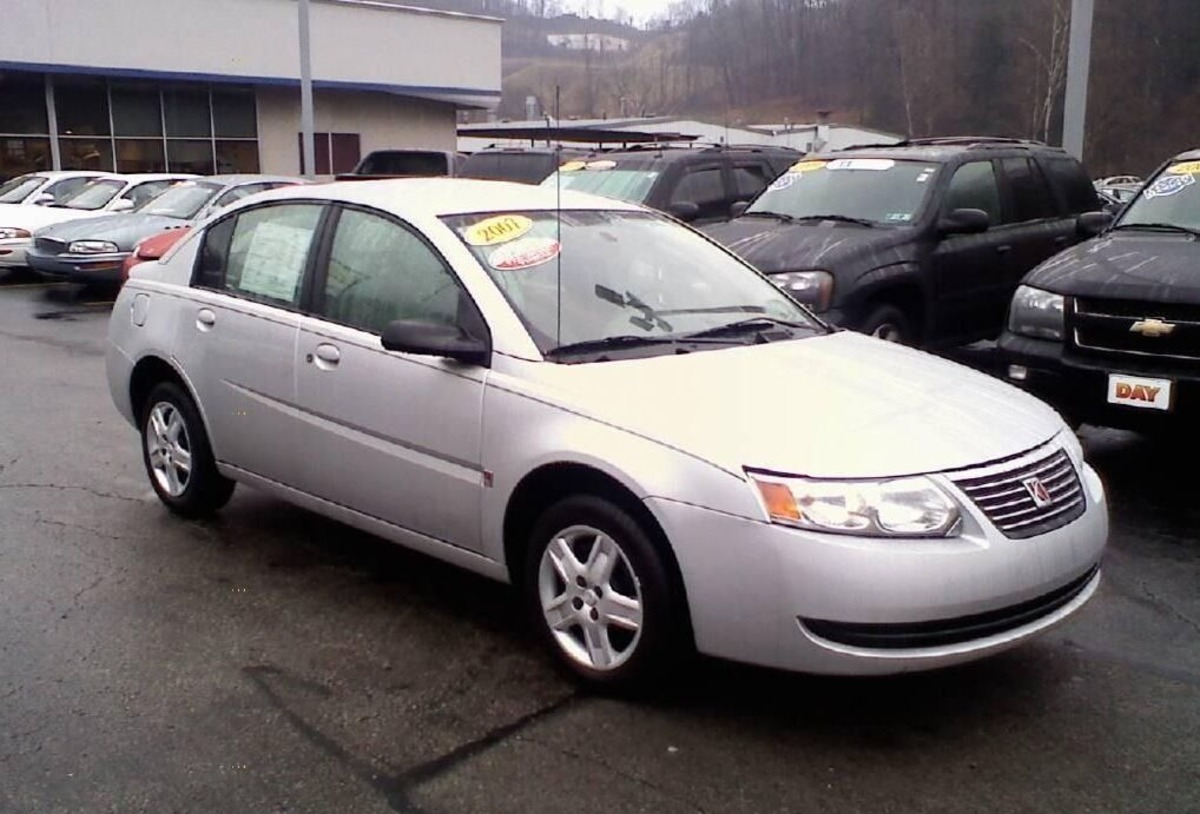
10. Saturn Ion (2003–2007)
The Ion rounds out the list. It sits at the center of a GM investigation. Investigators received 846 complaints and found 3,489 GM reports of sudden loss of assist across the group of vehicles under review.
Sixteen complaints alleged the steering warning lamp lit up and the extra effort contributed to a crash. That makes the stakes plain. These were not only nuisance cases. Investigators said they had duplicated the failure in both a Cobalt and a Saturn Ion.
The cause was the assist motor. Oil and debris built up on the armature. The motor then failed to deliver help. The driver felt nothing until the moment it counted.
The probe was upgraded to an engineering analysis to study frequency, scope and safety consequences. That is a serious step. It signals that regulators saw real risk, not just noise.
The Ion shared its architecture with the Cobalt, the Pontiac G6 and the Malibu. That shared design explains why the same fault kept appearing. One flaw crossed several nameplates. A buyer of any of them faced similar odds.
Saturn is long gone, which complicates ownership. Support and parts now come through GM channels. Owners should check every applicable recall by VIN. They should also stay alert to warning lights. An Ion with a steering fault should not be driven casually.