Luxury badges scare many buyers. They picture huge repair bills and long waits for parts. Some of that fear is fair. Most of it depends on the exact model you pick.
RepairPal tracks unscheduled repairs and maintenance across millions of vehicles. It scores each model on cost, frequency and severity. Its brand averages are about $908 a year for Mercedes-Benz and $968 for BMW. Across all brands, the figure for 2010 to 2019 model years is near $652.
Mercedes owners visit a shop about 0.7 times a year. BMW owners go about 0.9 times. A repair counts as severe when it costs three times the average annual repair cost. About 13% of Mercedes repairs and 15% of BMW repairs reach that level.
Those are brand-wide numbers. Several individual models come in well below them. This list ranks ten of the cheaper Mercedes and BMW models to keep running. Mercedes figures come from RepairPal’s published annual costs.
BMW figures are approximate, because I could not confirm every model page. Check your exact model year before you buy. Age, mileage and service history change the bill more than the badge does.
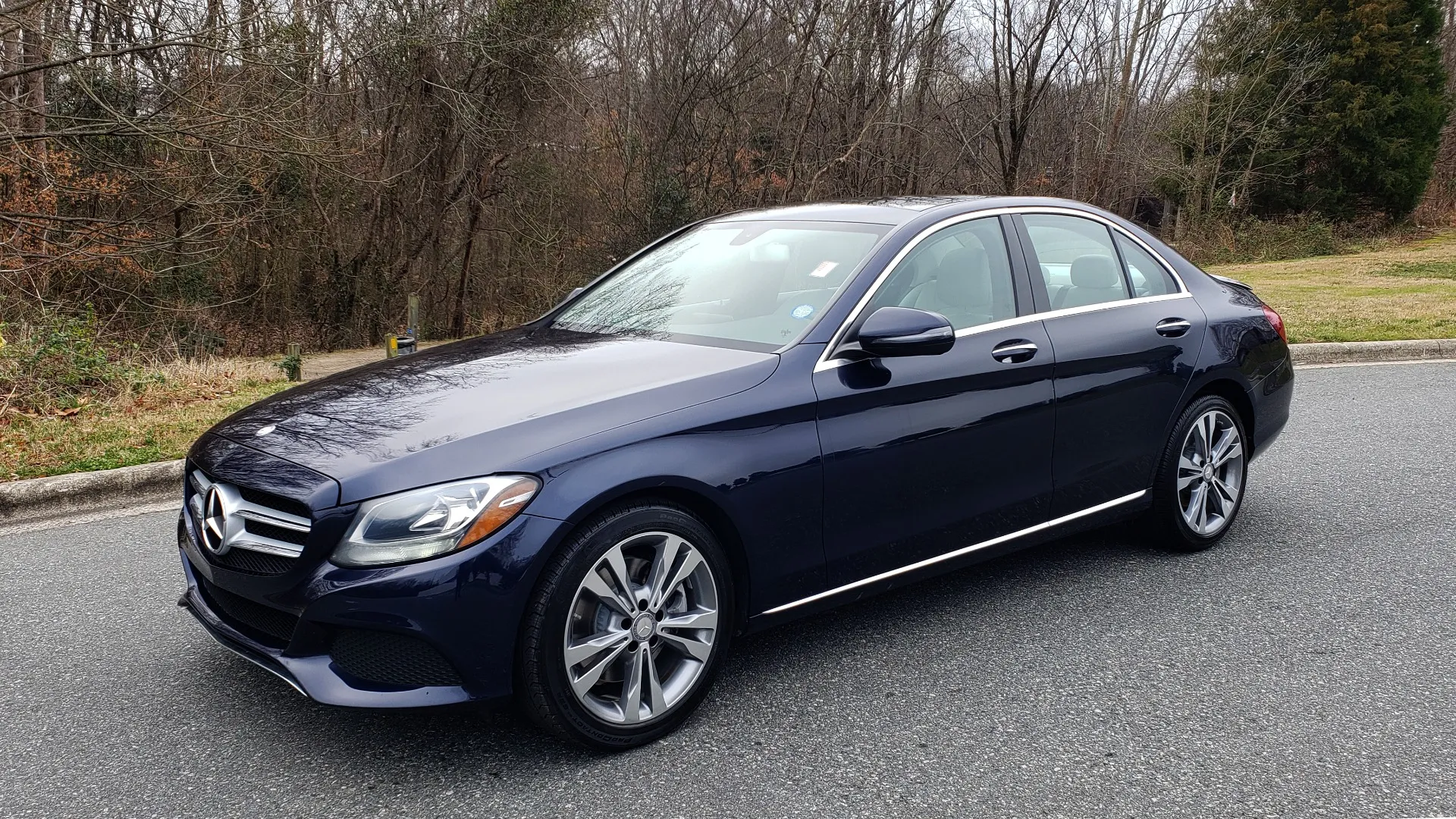
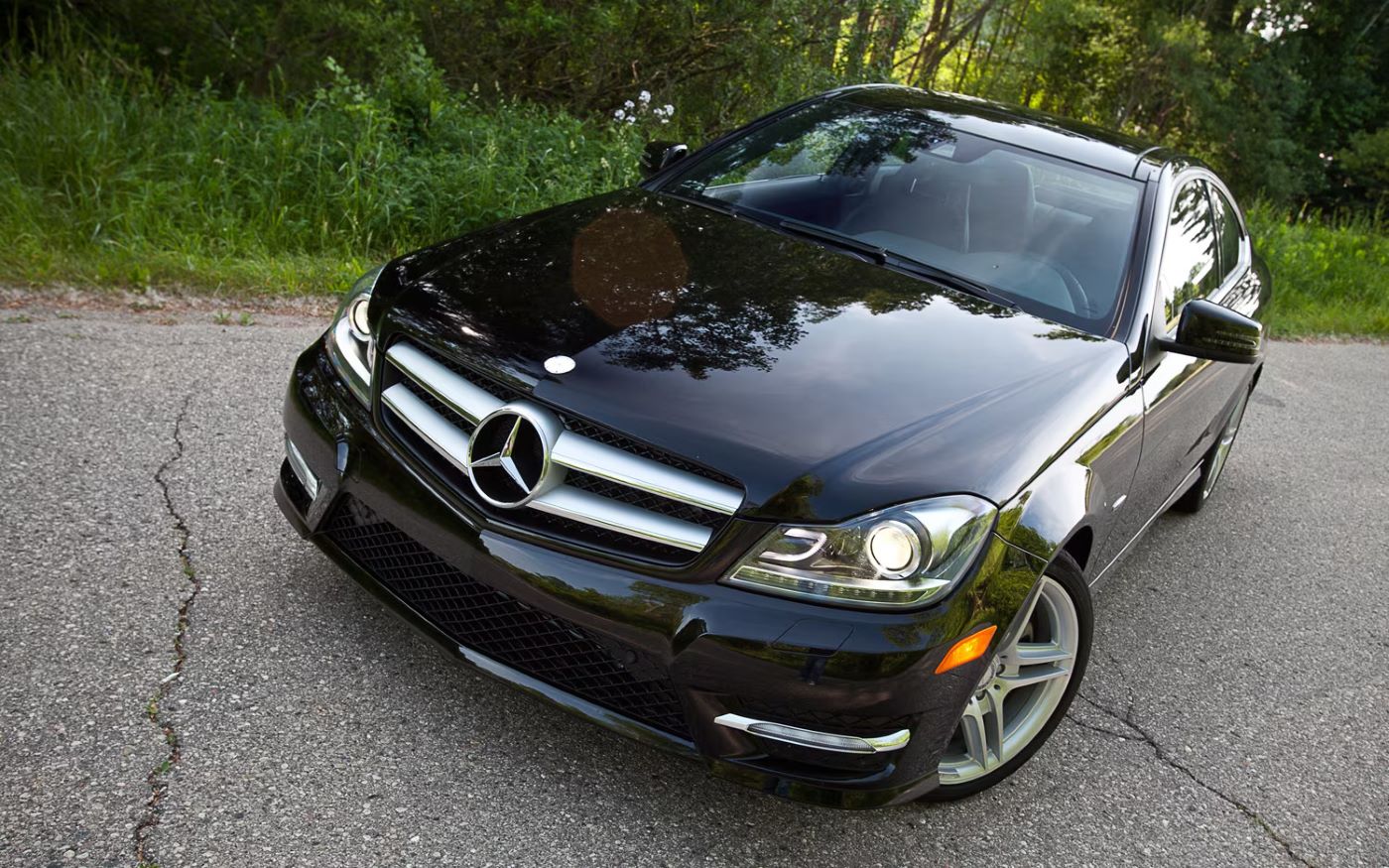
1. Mercedes-Benz C350 (about $724 a year)
The C350 leads this list. RepairPal puts its annual repair cost at about $724. That is well under the $908 Mercedes brand average. It also beats most rivals in the luxury midsize class.
RepairPal gives it a reliability rating of 3.5 out of 5. That is a strong result for a German luxury sedan. The V6 engine is a proven design. It is less fussy than the turbocharged fours that came later.
Parts are easy to find. Independent shops know this car well and price their labor fairly. Buyers should still watch for oil leaks and worn engine mounts. Suspension bushings and control arms also wear with age.
Cooling system parts deserve attention too. A small coolant leak left alone can turn into a large bill. Stay on top of oil changes and fluid services. A neglected C350 can still become expensive.
Shop around for labor rates. A good independent Mercedes specialist often charges far less than a dealer. Tires and brakes are the other regular costs. A heavier luxury sedan uses them faster than an economy car.
The C350 suits drivers who want comfort and a smooth six-cylinder. It rewards owners who keep up with maintenance. Buy one with full service records and a clean inspection. That single step saves more money than any warranty.
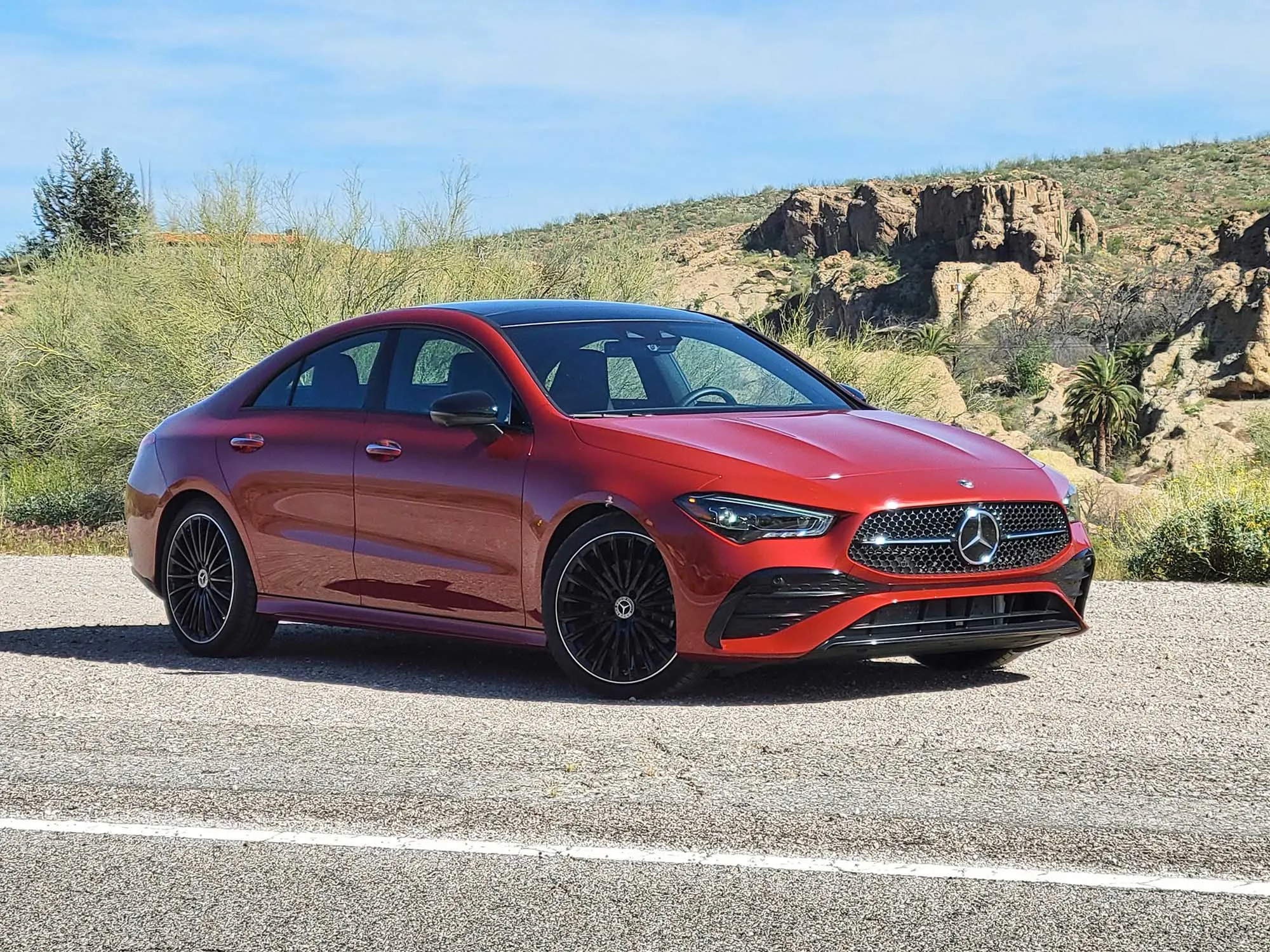
2. Mercedes-Benz CLA250 (about $736 a year)
The CLA250 is the cheapest way into a modern Mercedes. RepairPal lists its annual repair cost at $736. Its reliability rating is 3.5 out of 5. It ranks seventh among 17 luxury compact cars.
The car uses a turbocharged four-cylinder engine. That engine is simpler than a V6 and cheaper to service. Individual repairs can still sting. RepairPal estimates an AC compressor at roughly $1,661 to $1,909.
A starter replacement runs about $1,265 to $1,526. A serpentine belt costs around $447 to $646. Those prices show why the annual average matters. Most years you pay far less than one big repair.
Most trims are front-wheel drive. That means fewer drivetrain parts to wear out or leak. Check the transmission service history before buying. A fluid change costs roughly $413 to $544.
Compact luxury cars often use smaller brakes and tires. Replacement costs stay lower than on larger sedans. The low roofline and sleek design come with trade-offs. Rear headroom is tight and the ride can feel firm.
The CLA250 works for commuters who want style on a budget. Pair it with a trusted independent shop to keep bills low. Look for a certified pre-owned car if you can. The extra warranty coverage protects against the rare large repair.
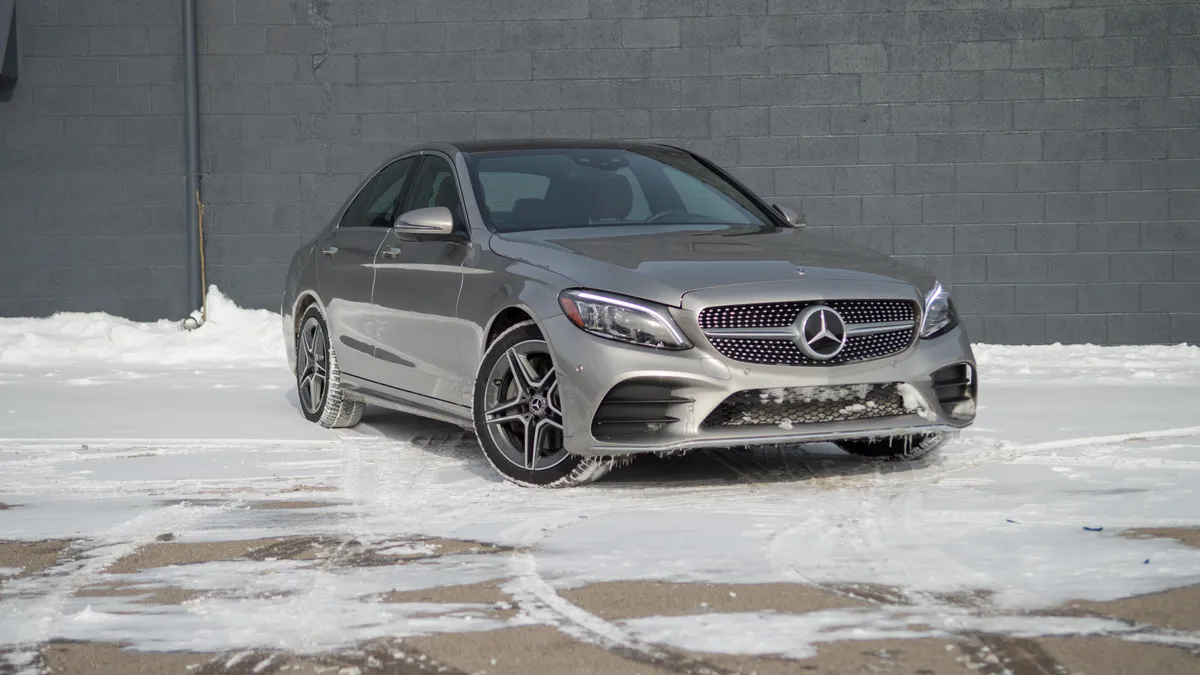
3. Mercedes-Benz C300 (about $739 a year)
The C300 sits close behind the C350. RepairPal lists its annual repair cost at about $739. Many mechanics call it one of the easier Mercedes models to maintain. Earlier cars used a V6, and later ones use a turbo four.
The older V6 cars are popular with used buyers. They are easy to work on and parts are cheap. The newer turbo cars add complexity. They also bring better fuel economy and more power.
Common issues include worn suspension parts and sensor failures. Oil seepage appears as the car ages. None of these are unusual for a luxury sedan. None of them usually leave the car stranded.
The C300 matches the segment average of about $739. Many direct rivals cost more to keep. Newer cars carry more electronics. Those can lead to costly module repairs once the warranty ends.
All-wheel-drive versions add extra parts. Service the transfer case and differentials on schedule. Insurance and tire costs matter as well. A C300 on large wheels costs more to shoe than one on smaller rims.
Look for a car with full service records. That one detail predicts future bills better than the badge. The C300 is a smart pick for buyers who want the three-pointed star without the shock. Keep a small repair fund and it will treat you well.
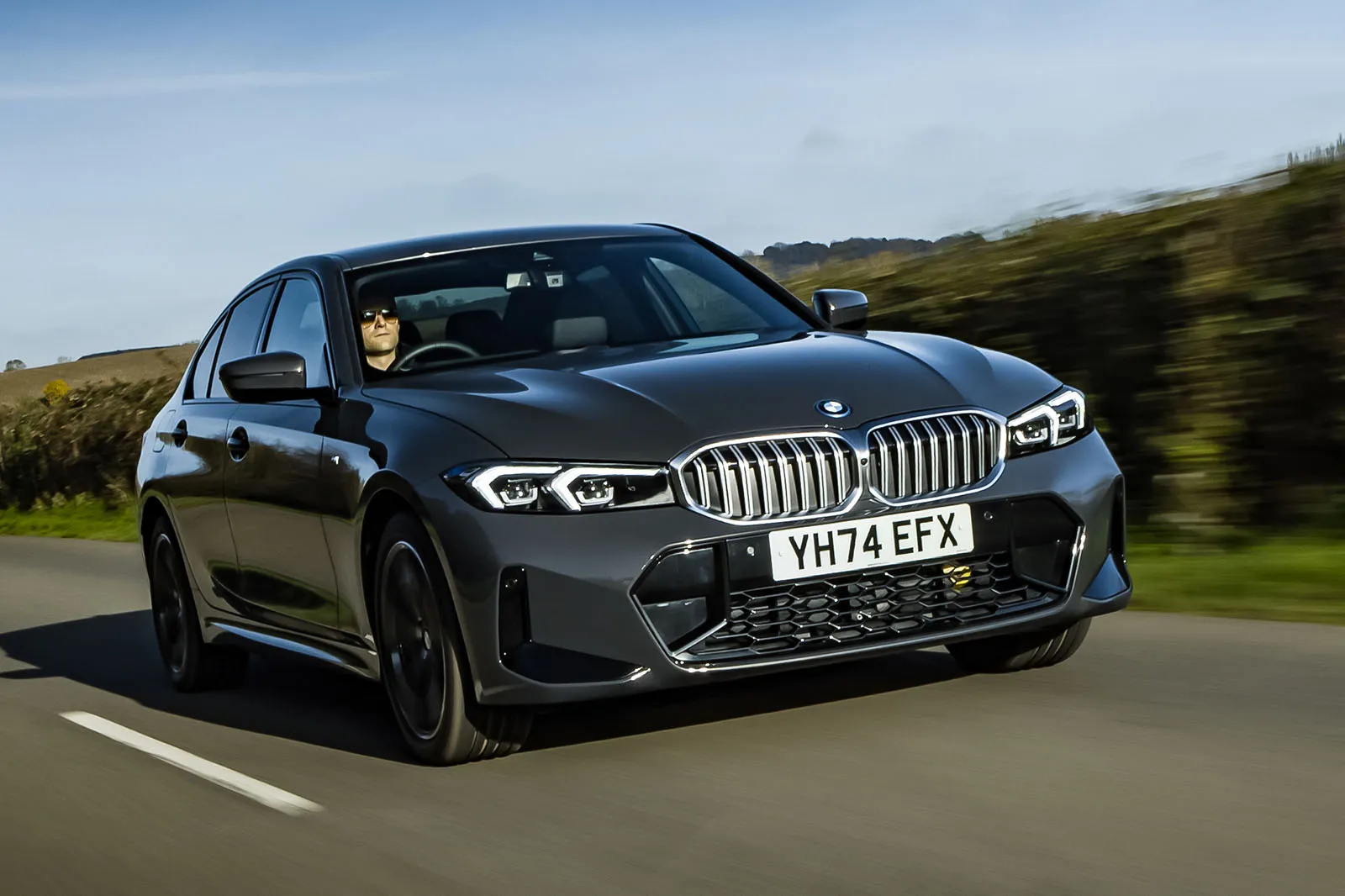
4. BMW 3 Series, 330i (about $750 a year)
The 3 Series is BMW’s best answer to ownership cost worries. Industry data puts typical annual maintenance near $750. That is lower than many buyers expect from a German sports sedan. It also sits below the $968 BMW brand average.
The 330i uses a turbocharged four-cylinder engine. The design is simpler than the older six-cylinder cars. Parts are widely available. Independent BMW specialists compete on price, which helps owners.
Neglect is the real enemy here. Skipped oil changes and ignored coolant leaks cost real money. Common weak points include water pumps, thermostats and valve cover gaskets. Plastic cooling parts also age badly.
Fixing these early costs hundreds of dollars. Waiting can cost thousands. BMW’s own reliability score is only average. Careful ownership matters more here than on a Toyota.
Look for a car with documented service. Records show an owner who cared. Have a specialist inspect it before you buy. A pre-purchase inspection often costs a few hundred dollars and can save much more.
Run-flat tires are another hidden cost. They wear faster and cost more than standard tires. The 330i rewards careful owners. It drives like a BMW and costs less than its reputation suggests.
5. Mercedes-Benz GLK350 (about $859 a year)
The GLK350 is the cheapest Mercedes SUV on this list. RepairPal puts its annual cost at about $859. That is under the $908 Mercedes brand average. It is a small but real saving.
The GLK uses a V6 engine and a conventional seven-speed automatic. Both are well proven. RepairPal owners report some recurring issues. The power steering reservoir can crack or leak.
Some engines also seep oil from the back of the cylinder heads. Both repairs are familiar to Mercedes shops. The model has a long recall list, so check the history. Make sure all recall work was completed.
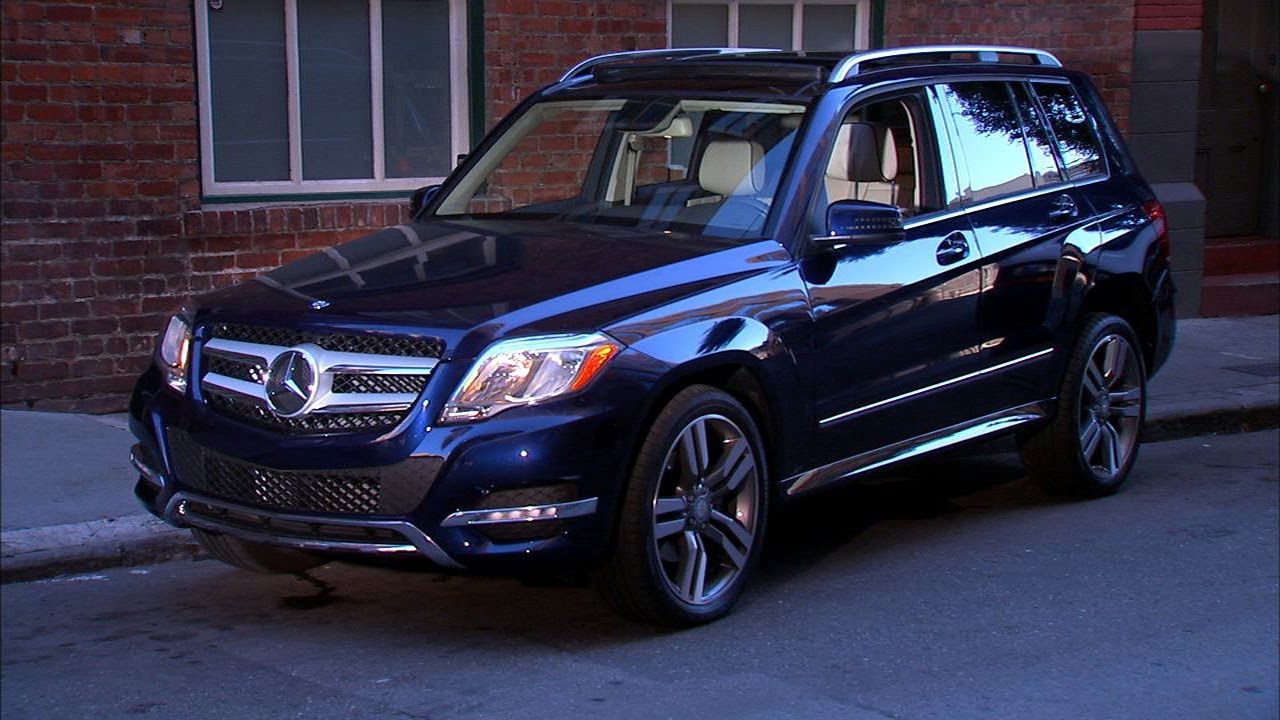
The boxy shape gives good cargo room. It also means simple, durable body panels. Four-wheel drive adds a few extra components. Service the drivetrain fluids on schedule.
Brake and suspension wear is normal for a heavier vehicle. Budget for tires and pads each year. The GLK350 was sold for only a few model years. That limits choice but also makes comparison easier.
Fuel costs run higher than in a sedan. The V6 and the SUV shape both add thirst. The GLK350 suits families who want a compact luxury SUV. Buy a clean, well-kept example and it stays affordable.
6. Mercedes-Benz E350 (roughly $850 to $950 a year)
The E350 is a larger, calmer car than the C-Class. Owners say it is also easy to live with. RepairPal’s annual figures for it sit near the Mercedes brand average of $908. That range is approximate, so confirm your year.
The V6 engines in many E350s are durable. Many cars reach high mileage without major engine work. Air suspension appears on some models. It is the biggest cost risk on the car.
Steel-spring versions avoid that problem. They are the safer used buy. Common repairs include control arms and engine mounts. Sensors and cooling parts wear with age.

Luxury sedans are heavy. That puts extra load on brakes and tires. Parts cost more than on a C-Class. Labor also takes longer because the car is bigger and more complex.
Pick a car with a full service history. Avoid ones with warning lights or recent unexplained repairs. The E350 is quiet and stable on the highway. Long trips feel effortless.
Transmission service is worth doing on schedule. Many owners skip it and regret it later. The E350 is the right choice for buyers who want space and refinement. Choose the simpler suspension to stay under budget.
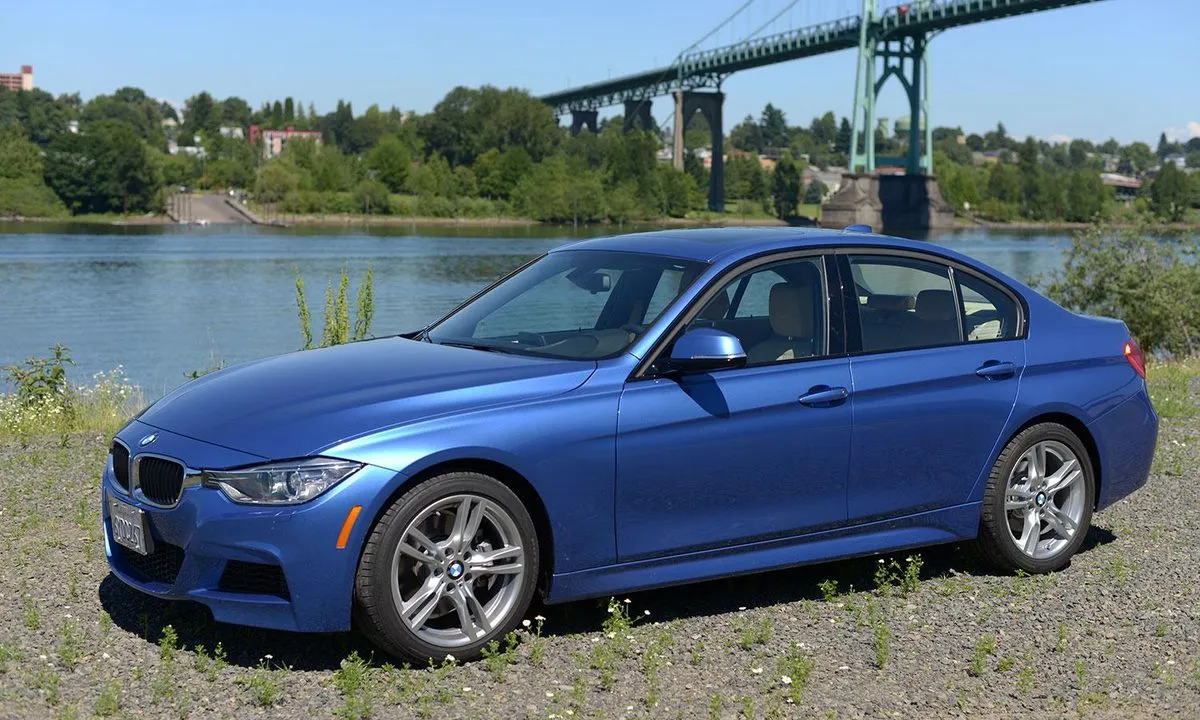
7. BMW 328i (roughly $850 to $1,000 a year)
The 328i has been a popular used buy for years. RepairPal’s annual figures for it sit in a range close to the BMW average. I could not confirm an exact current figure, so treat this range as approximate. Check the model year you want.
The turbocharged four-cylinder cars are cheaper to run than the older sixes. The straight-six cars are smoother but pricier. Common issues include oil leaks and cooling parts. Timing chain wear shows up on some engines.
Check maintenance history closely. Skipped oil changes can cause expensive damage. Brakes and tires wear quickly on a sporty car. Rear tires often go first.
Independent specialists lower costs a lot. Dealer labor rates can double the bill. The 328i has a huge owner community. Forums and videos make many repairs easier to understand.
That also means parts are plentiful. Aftermarket options keep prices in check. Beware of cars that have been modified. Tuned engines and lowered suspensions often hide hard use.
The 328i is a good pick for enthusiasts on a budget. Buy the best-maintained car you can find. Set aside money each month for repairs. That habit turns surprise bills into small ones.
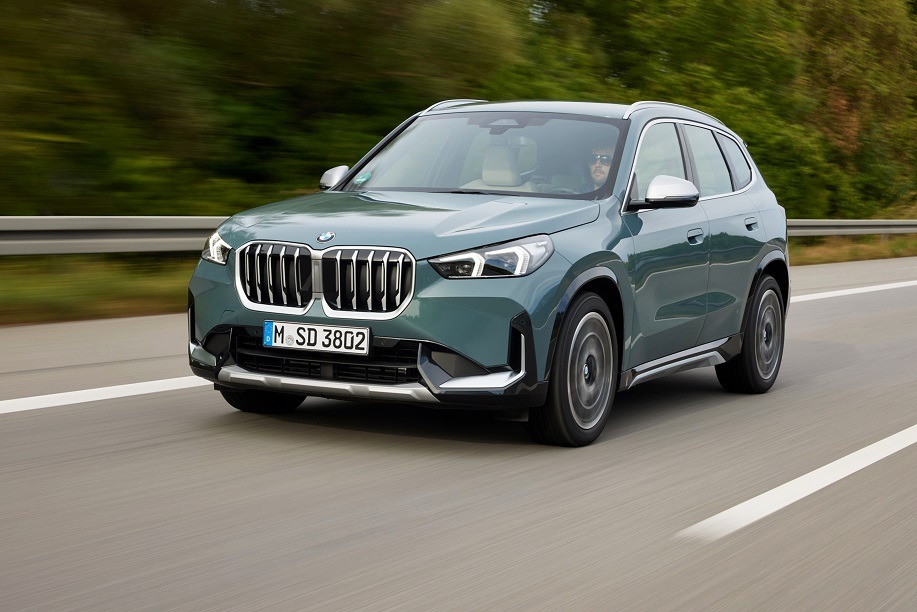
8. BMW X1 (roughly $900 to $1,050 a year)
The X1 is BMW’s entry crossover. It is also one of its cheaper models to keep. RepairPal lists the X1 among BMW’s lower-cost vehicles. Its annual figure sits near the brand average, so treat my range as approximate.
Early X1 cars used a turbocharged four-cylinder. Later cars switched to front-wheel drive in some trims. Simpler drivetrains cost less to fix. That helps the later cars.
Owners report issues with cooling parts and oil leaks. Electronics can also cause trouble. Warranty coverage matters a lot here. Certified pre-owned cars give extra protection.
Tires are a real cost. Run-flat tires are expensive to replace. Many owners switch to standard tires. That saves money but removes the safety net of run-flat ability.
The X1 sits higher than a sedan. That makes it easier to get in and out of, and easier to see traffic. Cargo space is good for the size. The rear seats fold flat for bulky loads.
The X1 suits city drivers who want a small luxury crossover. Choose a newer, well-serviced car. All-wheel-drive versions cost a little more to maintain. Check the transfer case for leaks before you buy.
9. BMW 428i (roughly $900 to $1,100 a year)
The 428i is a stylish coupe that costs less than its looks suggest. It is one of the cheaper BMWs to own. Its annual cost sits near the BMW brand average. Check your exact year, because this range is approximate.
It shares much with the 3 Series. That means parts are common and mechanics know the car. The four-cylinder turbo engine is the main draw. It offers good power and fair economy.
Typical repairs include water pumps and valve covers. Coolant leaks need quick attention. Coupes have long doors and frameless windows. Those parts can be costly to fix.
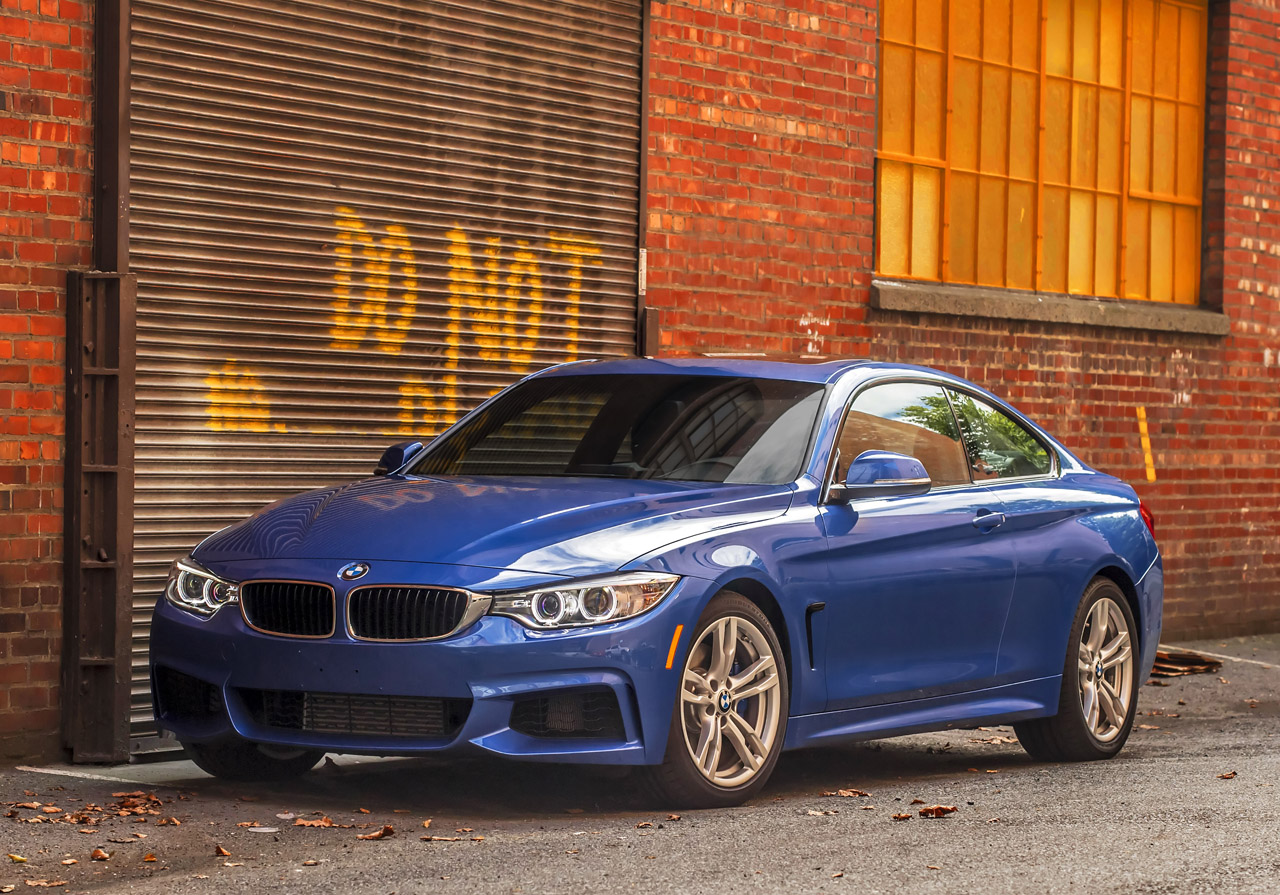
Check the window seals and regulators. Test every door and trunk function. Insurance often costs more than for a sedan. Factor it into your total budget.
The ride is firm, especially on larger wheels. Worn suspension parts show up quickly. Brake and tire costs are higher on sporty trims. Performance packages add to the bill.
The 428i is best for drivers who value style. Buy carefully and keep up with service. A pre-purchase inspection is money well spent. It can reveal leaks and worn parts before you commit.
10. BMW 528i (roughly $950 to $1,100 a year)
The 528i finishes the list. It is a roomy executive sedan with moderate costs. Its annual figure sits near the BMW average of $968. That range is approximate, so confirm your year.
The turbo four-cylinder is cheaper than the old six or V8. It also gets better fuel economy. Heavier cars need more from brakes and suspension. Expect higher tire and brake bills.
Common issues include oil leaks and cooling system parts. Electronics can add complexity. Repairs often cost more than on a 3 Series. Parts are larger and labor takes longer.

Air suspension is rare on the 528i. That helps keep costs down. The cabin is spacious and the ride is smooth. Long drives are comfortable. Fuel economy is decent for the size. Highway figures impress many owners.
Choose a car with full records. Avoid anything with warning lights. The 528i suits buyers who want more space than a 3 Series. Keep a repair fund and use a good independent shop. Treat any BMW as a car that needs steady care. Do that, and this one stays affordable.