A car’s price tag is only the first bill. The real cost arrives every year after that. Service, tires, brakes, and repairs add up fast. For luxury and performance brands, they add up faster.
The average car in the US costs around $650 a year to maintain, according to RepairPal. Luxury brands often cost 1.5 to 3 times that. Exotic and performance names can cost five times more.
This ranking is built on yearly cost data from RepairPal, Consumer Reports, CarEdge, and 2026 owner-cost studies. I have also weighed parts pricing, labor rates, and how often each brand visits the workshop.
Figures are in US dollars. They are averages, so your own bill will vary with the model and age of the car. Treat the numbers as a guide, not a quote. Here are the ten most expensive brands to keep on the road, from tenth to first.
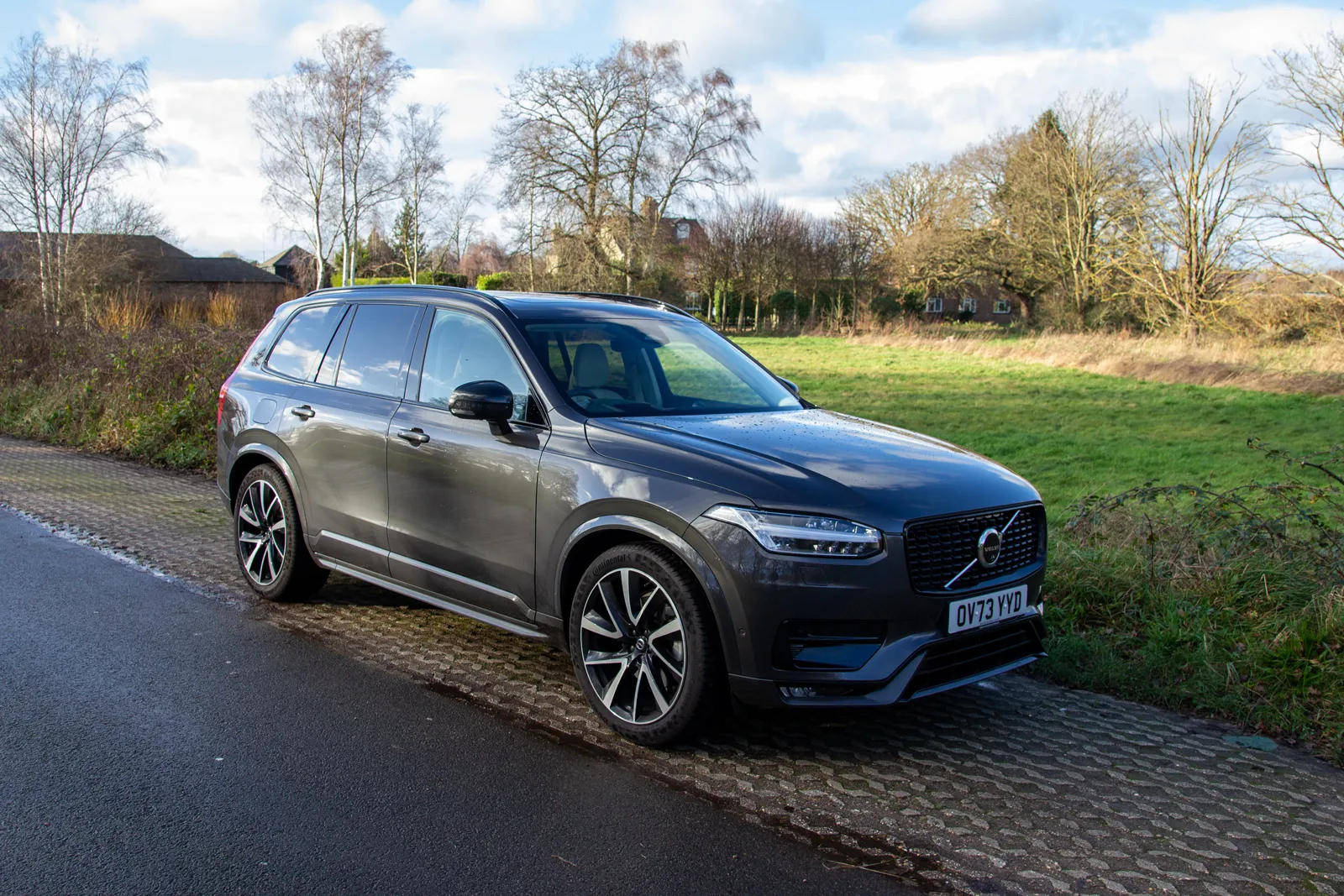
10. Volvo: About $770 a Year
Volvo opens the list. It is the gentlest entry here. Its yearly cost sits near $770 per RepairPal. That is above the industry average but below most European rivals.
Volvo’s safety technology is the main reason. Radar sensors, cameras, and driver-assist modules cost a lot to replace. A cracked windshield can mean a recalibration bill too.
Turbocharged engines add to the cost. Older T5 and T6 models can need oil-system attention and costly timing components. Transmission faults also appear on higher-mileage cars.
Parts are the other issue. Genuine Volvo parts cost more than mainstream equivalents. Independent specialists help keep labor affordable. Costs tend to climb after year five. Warranty expiry is often the turning point.
Owners who service on schedule avoid the worst of it. Skipping oil changes on a turbo engine is a bad trade. Volvo’s newer plug-in hybrids add another layer. The battery and charging systems are complex. Out-of-warranty repairs there can sting.
Brake and tire wear is heavier than you might expect. Volvos are weighty cars, and that shows at the wheels. Budget a little extra for both. Still, this is the entry point to premium ownership.
It proves that luxury does not always mean ruin. If you want a premium badge without shock bills, Volvo is the sensible pick. Just keep a repair fund anyway.
9. Cadillac: About $780 a Year
Cadillac is the American name on this list. Its average yearly cost is close to $780 according to RepairPal. That is only slightly higher than Ford. It looks mild on paper.
The trouble comes with age. CarEdge data shows Cadillac costs climbing steadily after the first few years. Over a decade, the bill grows large. Electronics are the usual culprit. Infotainment screens, sensors, and control modules fail more often than owners expect. Fixing them costs real money.
Magnetic ride suspension is a classic example. It feels wonderful when new. A single damper can cost hundreds to replace. Performance models raise the stakes. The V-Series cars use supercharged engines and heavy-duty brakes. Parts and labor are priced accordingly.
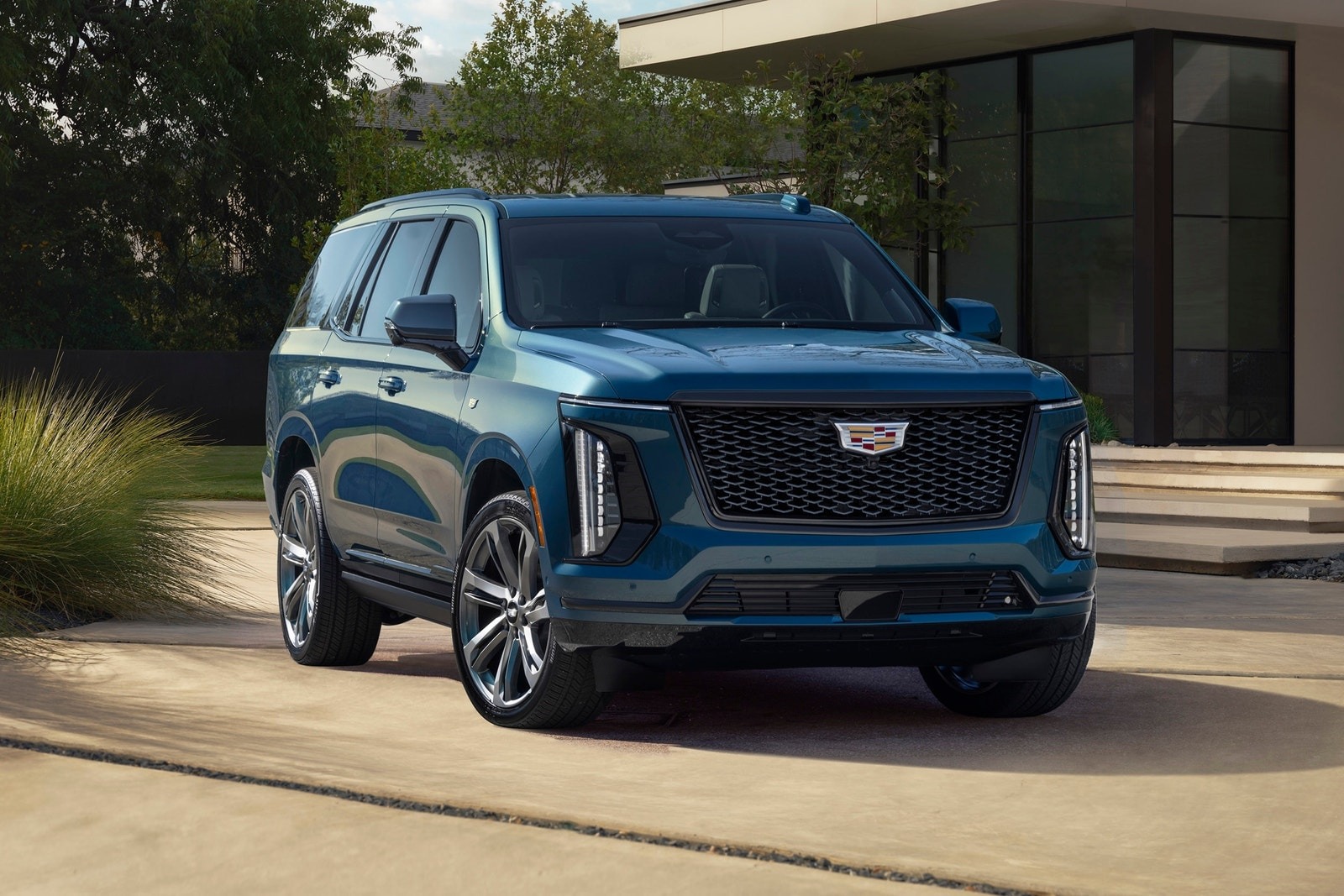
Large SUVs like the Escalade add tire and fuel costs. Big wheels mean expensive rubber. Heavy bodies chew through brakes. Parts are easier to find than for European brands. That keeps some repairs cheaper. Independent shops handle many Cadillac jobs.
Newer electric models like the Lyriq bring different costs. Routine upkeep is lower. Battery and software issues are the risk. Resale value drops quickly, so buying used is tempting. Just inspect the car carefully first. Cadillac sits at nine because its costs are moderate early on. They only turn painful later.
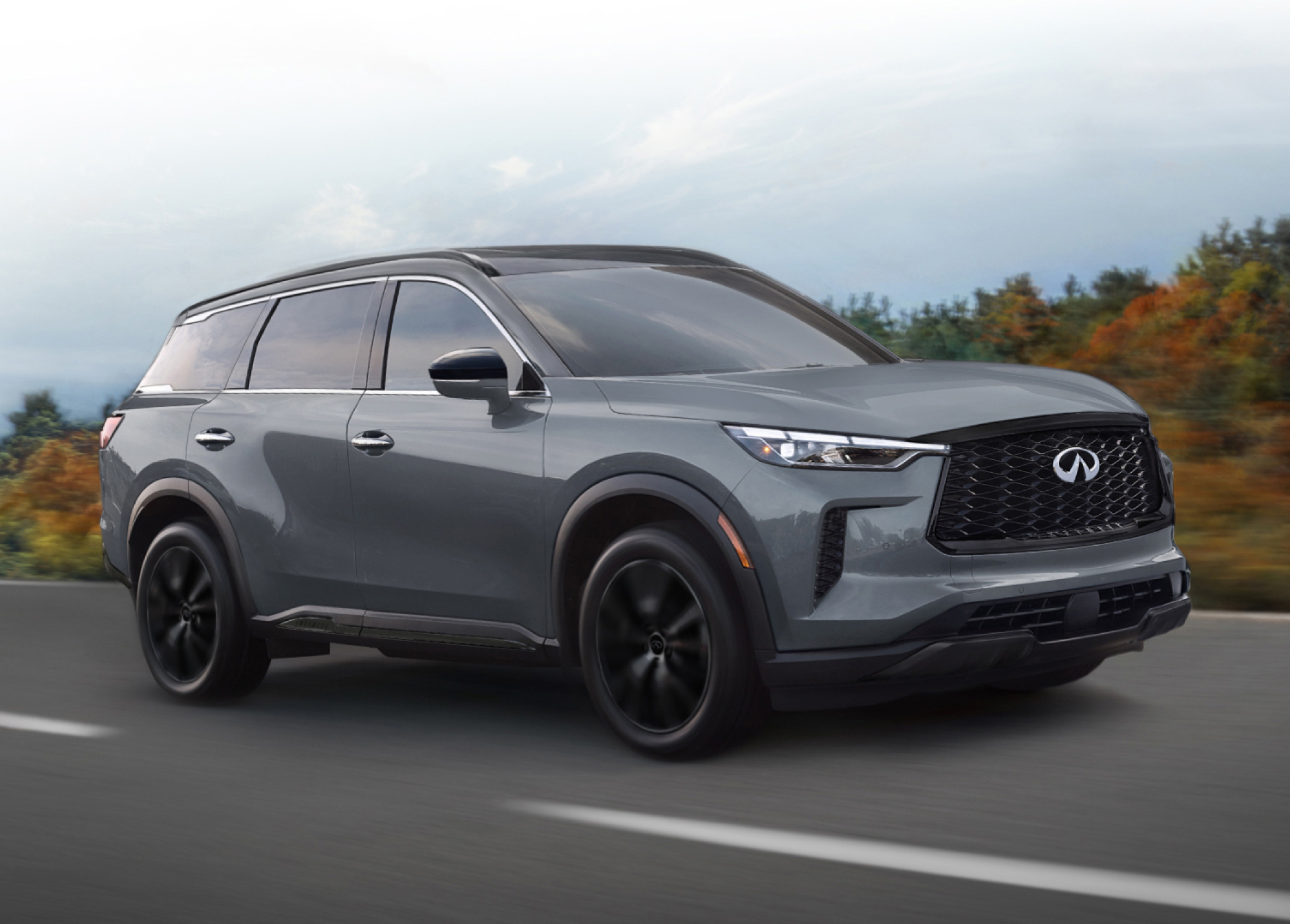
8. Infiniti: About $850 a Year
Infiniti is Nissan’s luxury arm. Its maintenance costs reflect that mix. Consumer Reports data puts its yearly repair cost near $854. That is roughly 31 percent above average. It also ranks among the seven most expensive brands over a decade.
Infiniti is now an all-SUV lineup in 2026. The Q50 sedan ended in 2024. SUVs mean heavier bodies and costlier tires. The brand shares parts with Nissan. That helps with some repairs. Others need Infiniti-specific components that cost more.
Continuously variable transmissions are a known concern. Replacements are expensive, and out-of-warranty failures hurt. Regular fluid service is essential.
Turbocharged V6 engines are powerful. They also need careful upkeep. Cooling system parts and turbos can wear with age. Electronics are another weak point. Touchscreens and driver-assist systems can misbehave. Dealer diagnostics are not cheap.
Labor rates at Infiniti dealers run high. Independent Nissan specialists can save money. They often work on Infiniti models too. Brakes and tires on larger SUVs are a steady expense. Expect to replace both more often than on a sedan.
Infiniti has a smaller dealer network than its rivals. In some regions, that limits your choices. It lands at eight because the numbers are clearly above average. But it does not reach the severity of the brands above it.
7. Mercedes-Benz: About $910 a Year
Mercedes-Benz is the gold standard of luxury, and it is priced like it. RepairPal puts its yearly cost near $908. The figure averages across many models. A basic C-Class is cheaper than an S-Class. AMG models cost far more.
Air suspension is the headline expense. It rides beautifully. A failed air strut or compressor can cost over $1,500 to fix. Electronics are dense. Mercedes cars carry dozens of control modules. Diagnosing a fault takes time and special tools.
Routine service is pricey too. A major service at a dealer can run well above $1,000. Brake jobs are expensive on larger models. Engine mounts, oil leaks, and cooling parts age with mileage. Older V8 and V12 cars are risky buys. A cheap used S-Class can become a money pit.
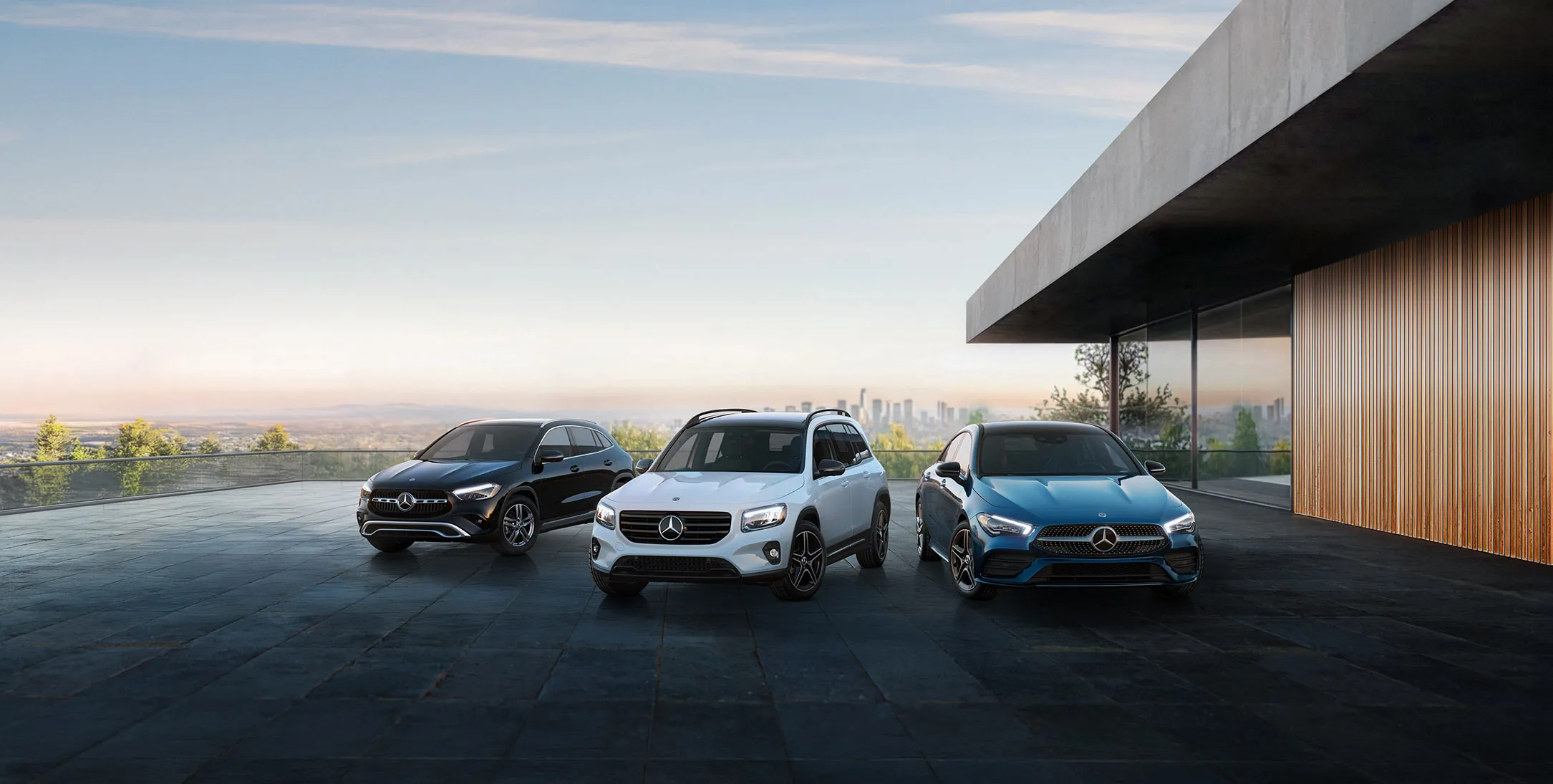
Parts prices are high. Genuine components carry a premium. Aftermarket options exist but quality varies. Mercedes dealer labor rates are among the highest in the industry. A trusted independent shop can cut bills sharply. Many owners switch after warranty ends.
Newer EQ electric models change the picture. Servicing is simpler. But high-voltage repairs need specialists. Mercedes ranks seventh because it is costly but not extreme. Careful ownership keeps it manageable. Buy a certified pre-owned car with a warranty if you can. It takes the sting out of the early years.
6. BMW: About $970 a Year
BMW is famous for driving pleasure. It is equally famous for repair bills. RepairPal lists its yearly cost around $968. That is roughly 50 percent above the average car.
Brakes are a big expense. Reports put brake work at $1,000 to $2,000 per axle on many models. Rotors and pads wear quickly on performance cars.
Oil leaks are a common theme. Valve cover gaskets and oil filter housings often fail. The repair itself is labor-intensive. Cooling systems are another weak spot. Plastic parts like water pumps and expansion tanks age badly. A failure can lead to overheating and engine damage.
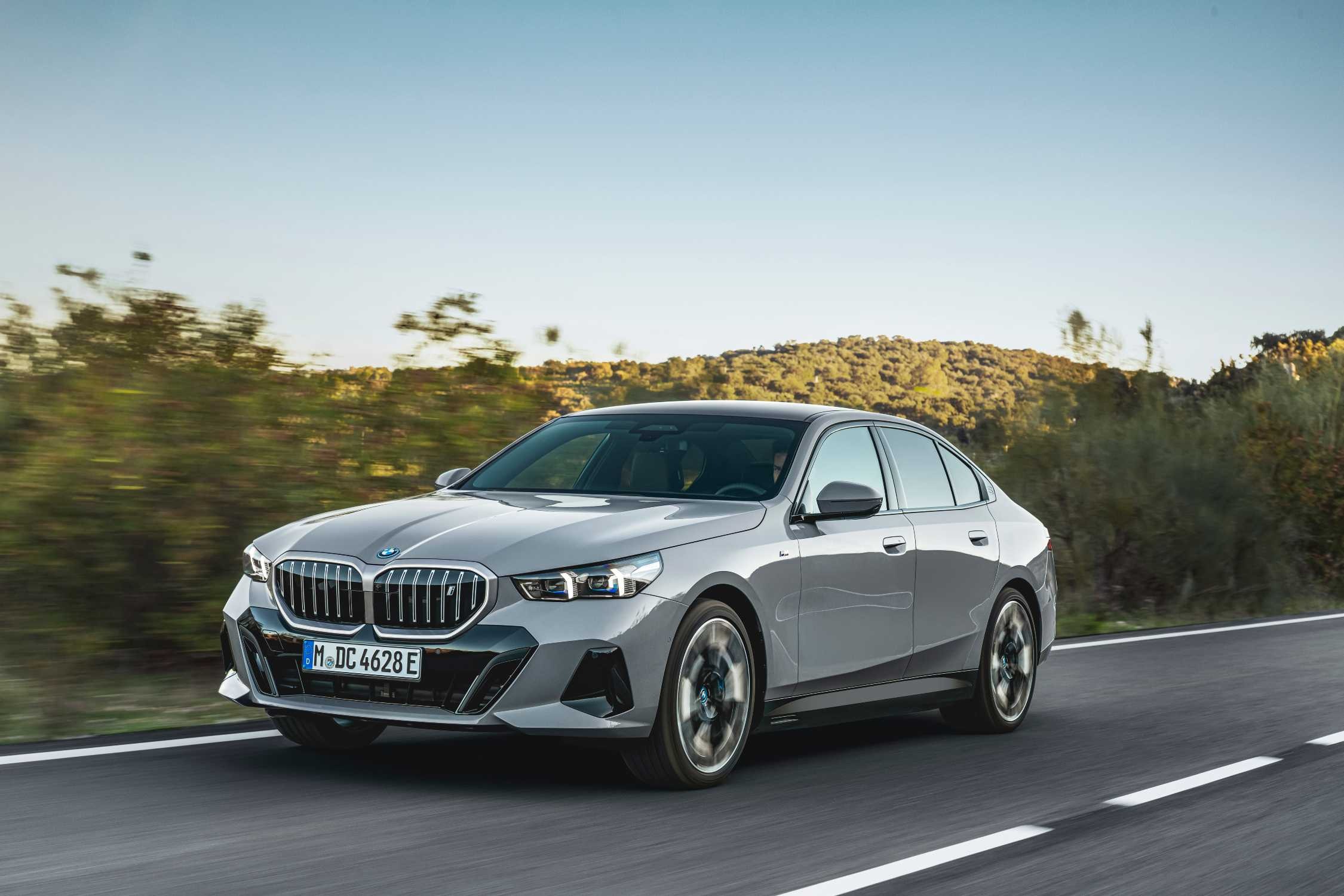
Turbocharged engines need clean oil and regular care. Skipped service shortens their life. Some older models had timing chain problems. Suspension components cost a lot. Control arms, bushings, and adaptive dampers wear out. Each one adds to the bill.
Electronics add complexity. iDrive systems, sensors, and modules can fail. Dealers charge heavily for diagnosis. M models take everything up a level. Tires, brakes, and clutches are specialist items. Track use accelerates wear.
Independent BMW specialists are plentiful. They are often much cheaper than dealers. That is the best way to save. BMW lands at six for steady, above-average costs. It is easy to enjoy and hard to ignore the bills.
5. Audi: About $990 a Year
Audi’s yearly cost averages $987 per RepairPal. That sits well above the luxury segment average. It ranks near the top of most brand-cost studies. Consumer Reports and CarEdge both place it among the pricier makes.
Technology is the reason. Audi packs advanced features into its cars. Those features cost more to repair. Quattro all-wheel-drive adds complexity. Extra differentials and driveshafts mean more parts to service. Fluid changes are not optional.
Dual-clutch gearboxes are costly. The S tronic unit needs regular fluid changes. A mechatronic unit failure can cost thousands. Turbo engines can burn oil. Carbon buildup on direct-injection engines is also common. Cleaning it is not cheap.
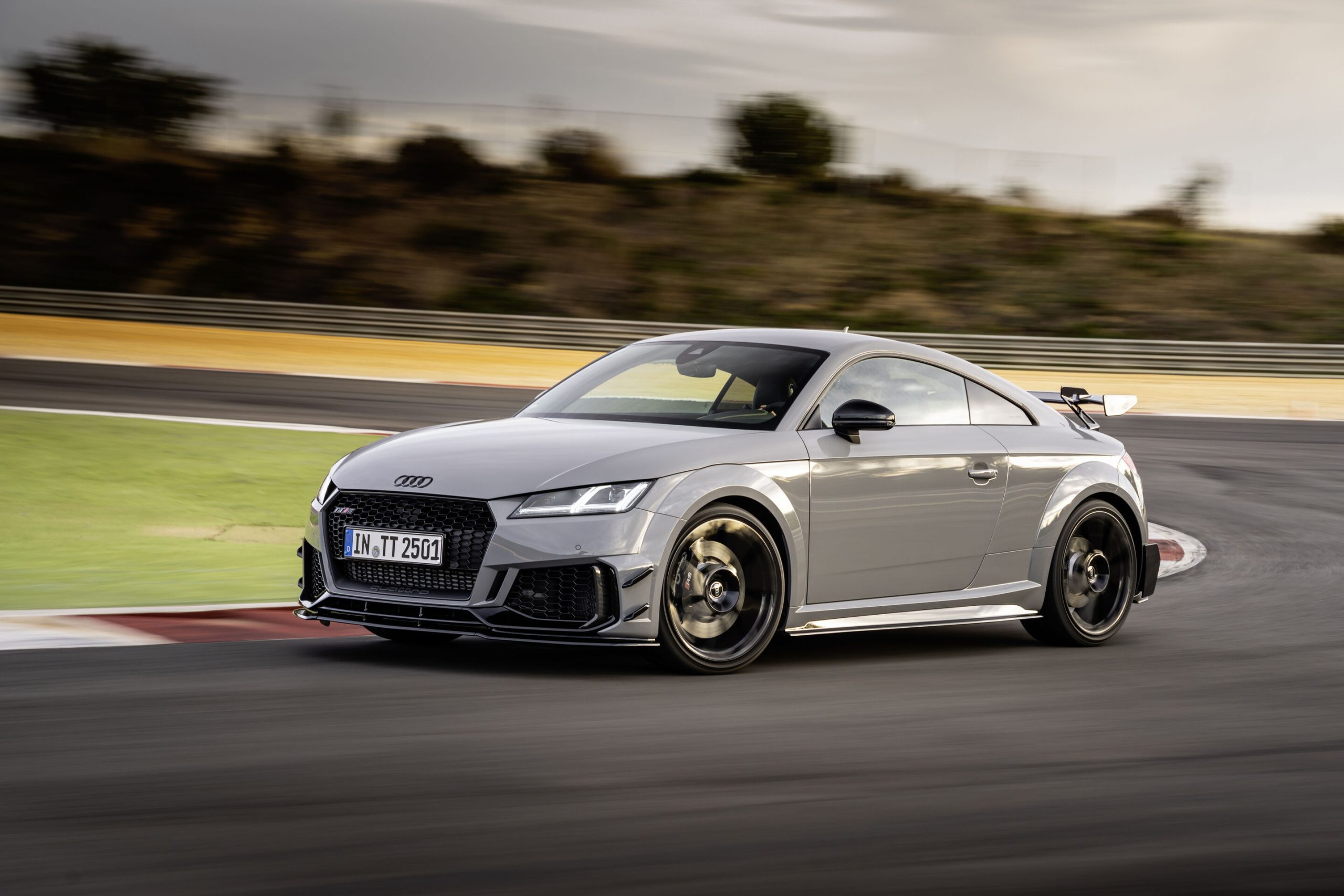
Water pumps and thermostats often use plastic housings. They fail with age. The fix is labor-intensive. Interiors are lovely but delicate. Window regulators, sensors, and screens can fail. Replacements add up.
RS and S models are more expensive still. Ceramic brakes can cost several thousand dollars. Performance tires are pricey as well. Parts prices are high, especially from dealers.
Specialist shops that use quality aftermarket parts help. Audi ranks fifth because the data is consistently high. It is a great car to drive and a tough one to repair cheaply.
4. Jaguar: About $1,100 a Year
Jaguar’s costs climb sharply from here. Estimates put its yearly bill above $1,100. The brand has a reputation for beauty over reliability. That reputation was earned, though newer cars are better.
Electrical faults are a recurring theme. Infotainment glitches, sensors, and warning lights are common. Each can be hard to trace. Supercharged V6 and V8 engines are thrilling. They are also costly to service. Superchargers and related parts are expensive.
Aluminum body construction raises repair costs. Bodywork needs specialist skills. Even a small collision can mean a big bill. Air suspension on the F-Pace and XJ models is a frequent failure point. Replacement parts are pricey. Labor is heavy.
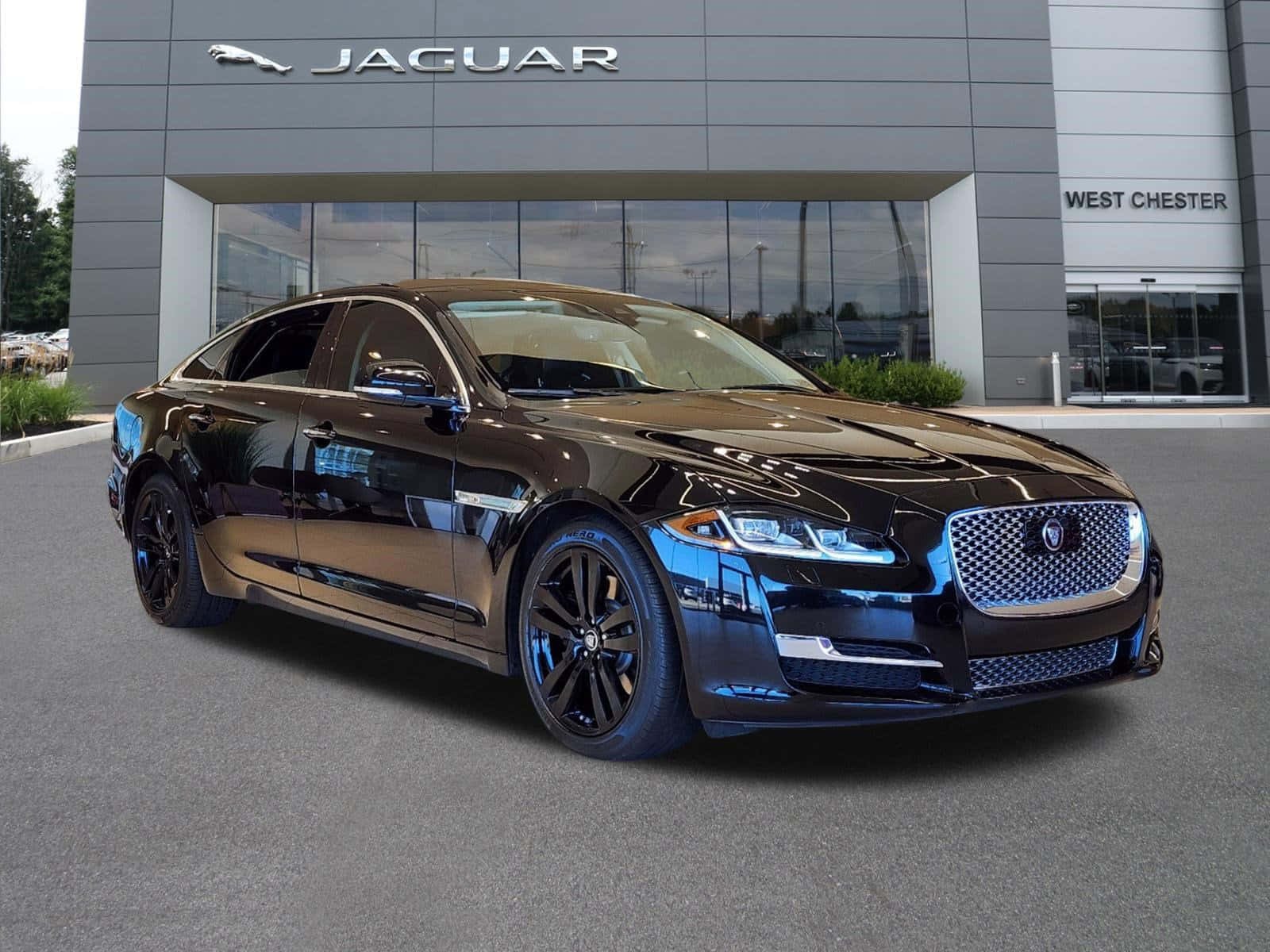
Cooling system parts and oil leaks appear on older cars. Water pumps and coolant pipes are typical examples. Timing components can be costly on some engines.
Jaguar’s dealer network is smaller than rivals’. Specialists can be hard to find in some areas. That can push up labor costs. The F-Type and performance models add brake and tire expense. Track driving makes it worse. Budget accordingly.
Parts are expensive and sometimes slow to arrive. Repairs may keep the car off the road longer. Jaguar ranks fourth because costs are high and often unpredictable. Buy a well-documented car and keep a repair fund.
3. Land Rover: About $1,175 a Year
Land Rover is one of the most expensive brands over time. Consumer Reports’ 2025 survey named it the most costly to maintain over ten years. RepairPal puts its yearly cost near $1,175. That is nearly double the average car.
Air suspension is the best-known problem. Failed springs and compressors are common. One corner can cost over $1,500. Electronics are intricate. Land Rovers carry advanced terrain systems and many sensors. Faults can be difficult and costly to diagnose.
Oil leaks and cooling issues appear on older models. Engine and gearbox seals can fail. Repairs are labor-intensive. Off-road capability adds wear. Driveline, differentials, and transfer cases take a beating. Many owners never go off-road, but the parts are still built for it.
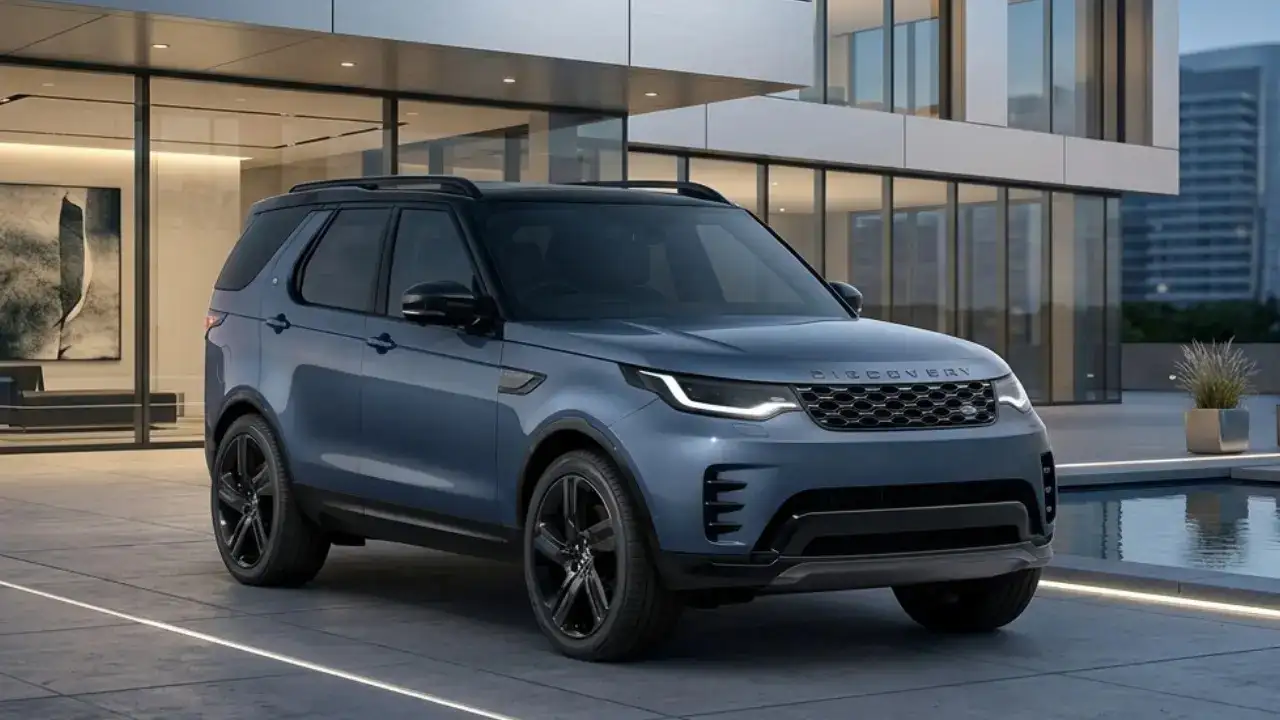
Big wheels and heavy bodies are tough on tires. Replacement sets can cost well over $1,500. Brakes wear quickly too. Parts are costly. Genuine components carry high prices. Delays are common for less popular models.
Depreciation makes used Land Rovers tempting. The low purchase price hides the high running costs. That is the classic trap. Newer models have improved in reliability.
They are still above average in cost. Warranty coverage is worth paying for. Land Rover ranks third because the long-term data is damning. It is a glorious vehicle with a heavy price to keep.
2. Porsche: About $1,200 a Year, and More for Sports Models
Porsche is a brand where every part is built for performance. That precision comes at a price. Basic annual costs range from about $1,000 to $1,265, depending on the model. Consumer Reports puts it just behind Land Rover over ten years.
The 911 is a prime example. One 2026 guide puts its yearly cost between $2,800 and $3,500 or more. That is more than four times the average car.
Routine service is expensive. An oil change on a 911 can cost several hundred dollars. Major services can reach well over $1,500. Brakes and tires are costly. Performance rubber wears fast. Ceramic brakes can cost many thousands to replace.
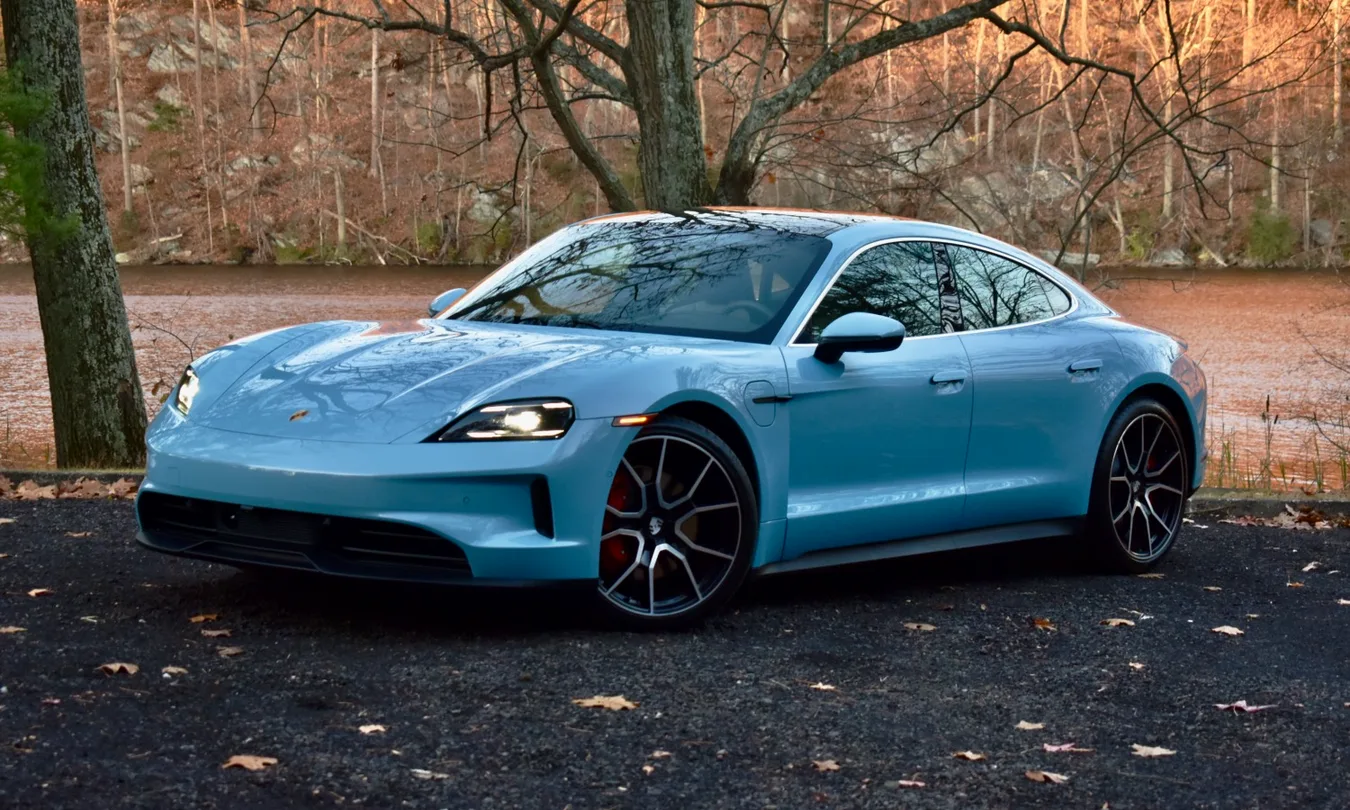
Engine repairs are the big fear. Older cars had bore scoring and intermediate shaft bearing concerns. Rebuilds can reach five figures. Macan and Cayenne SUVs are cheaper but still pricey. Air suspension and complex electronics drive the bills. Parts prices stay high.
Labor is specialized. Not every shop can work on a Porsche. Dealers charge heavily. Porsche holds its value better than most. That offsets some ownership cost. It is a rare brand where expensive repairs still make financial sense.
Independent Porsche specialists are the best route for savings. A pre-purchase inspection is essential. Skipping one can be disastrous. Porsche ranks second. It is the benchmark for costly performance ownership.
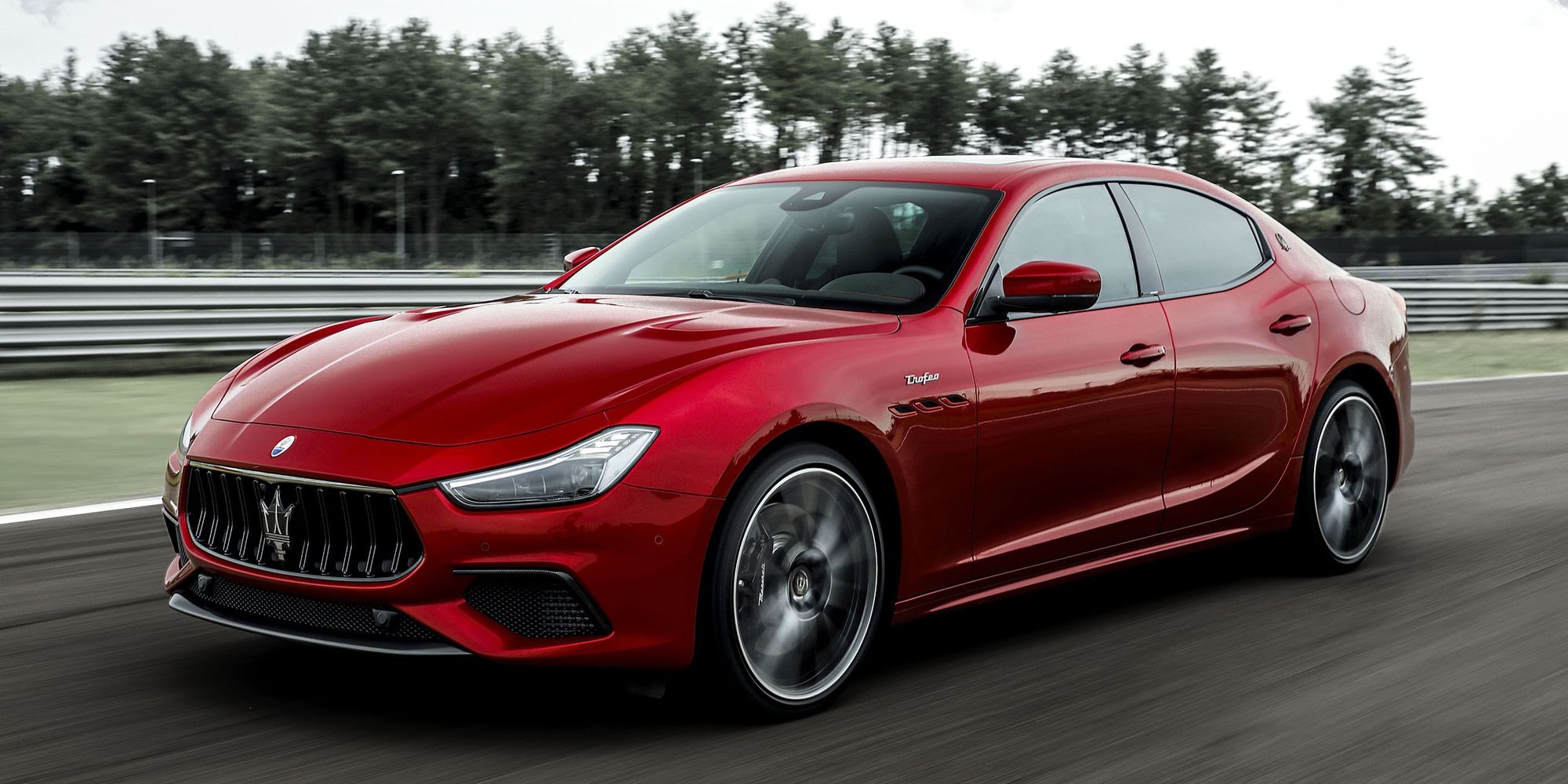
1. Maserati: About $3,000 to $4,000 a Year
Maserati takes the top spot. Italian passion comes with a punishing workshop bill. One 2026 cost guide puts its yearly maintenance at $3,000 to $4,000 or more. Another study puts its ten-year costs near $20,000, similar to Porsche.
Reliability is the main issue. Electronic faults, sensor failures, and software glitches are common. Many are tricky to diagnose. The Ferrari-built engines in some models are a double-edged sword. They sound glorious. They are also expensive to service.
Transmission and clutch repairs are costly. Older automated manual gearboxes were notoriously fragile. Replacing a clutch can run into thousands.
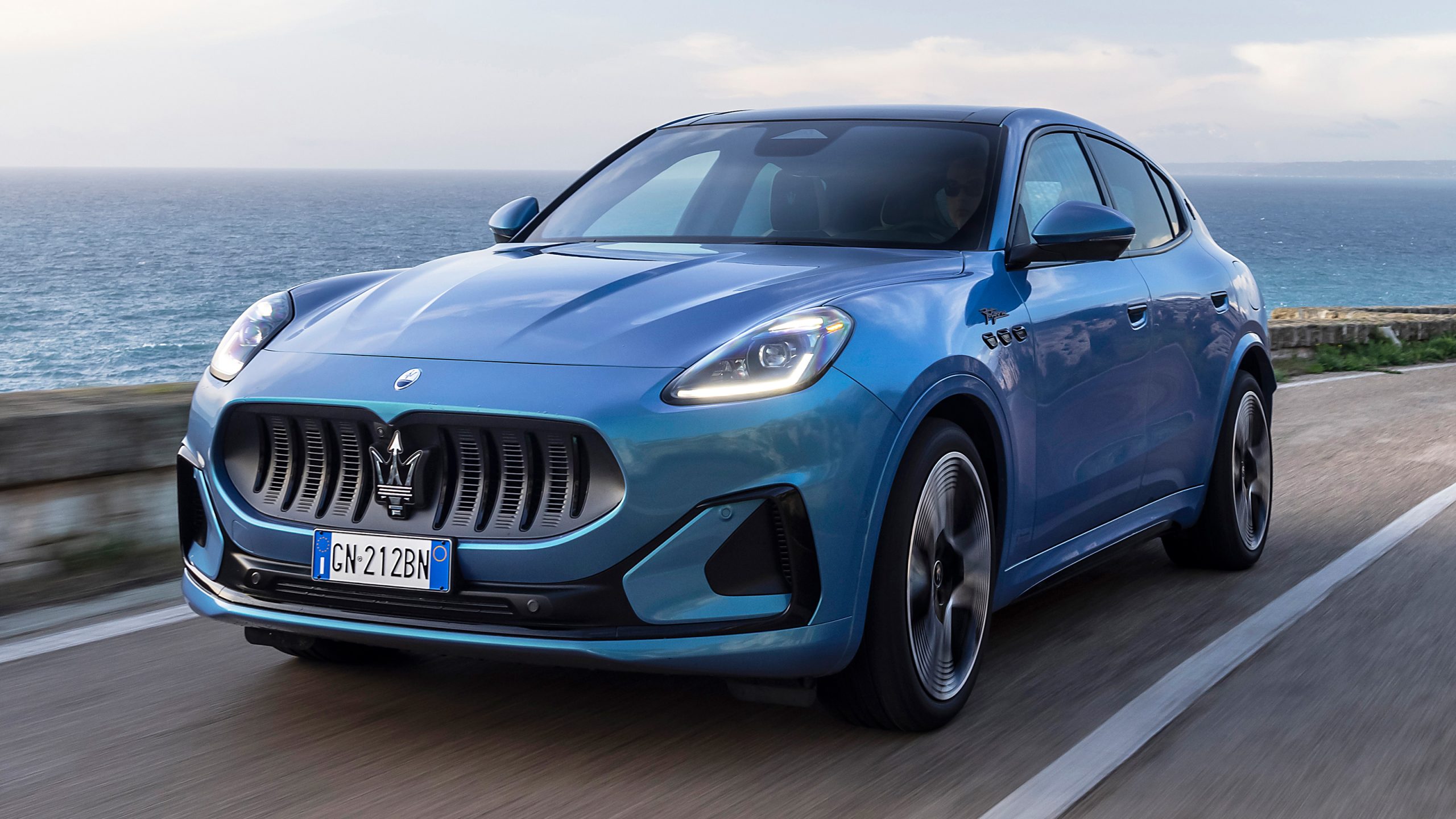
Suspension, brakes, and cooling parts also add up. Parts are expensive and often slow to arrive. Few mechanics know the brand well. Dealer coverage is thin. Labor rates are high. In many areas, you may travel far for service.
Depreciation is steep. Used Maserati prices drop quickly. That makes them look like bargains. The bargain is an illusion. A cheap Ghibli or Quattroporte can cost more to keep than to buy. Maintenance eats the savings.
Newer models like the Grecale and MC20 are improving. The brand is investing in quality. Costs remain high. Maserati ranks first. If you love it, budget generously and buy a warranty.