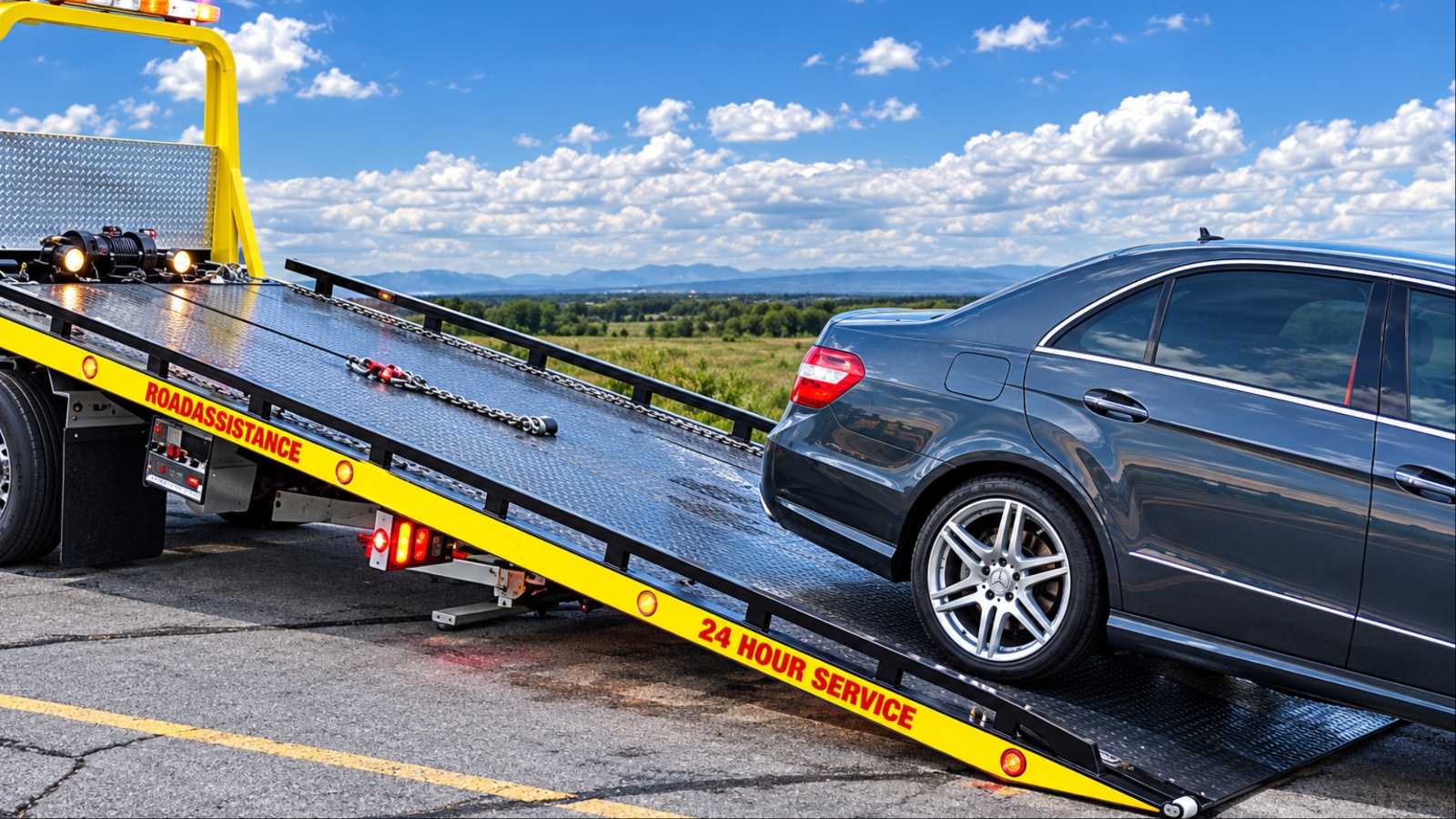
Nearly 17 million vehicles began 2025 with expired tags, according to CARFAX. That is a lot of cars on the road that are one traffic stop away from trouble.
The average lag for most drivers with expired tags is four months. That gap is exactly where tow trucks do their work. Most people think an expired sticker means a small ticket. In many states, it can mean a tow, storage fees, and a missed day of work.
Rules differ sharply by state. Some give a short grace period, and others act the moment your tags lapse. Towing usually depends on how long the registration has been expired. It also depends on where the car is parked and whether the driver has other violations.
Expired tags can also complicate insurance claims after an accident. That risk sits on top of any fine or tow bill. This guide covers ten states where an expired registration can lead to a tow or impound.
Each section explains the law, the typical trigger, and the cost of ignoring it. Laws change, so confirm current rules with your state’s motor vehicle agency before relying on any detail here.
1. California
California is the clearest example of a time-based tow rule. If registration has been expired for more than six months, law enforcement may order the vehicle towed or impounded.
The authority comes from Vehicle Code section 22651. The six-month mark is the line that matters. Before that point, you usually face a citation and DMV late fees. After it, your car is fair game on any public street.
Officers can act even if the car is parked and not moving. A lapsed sticker on a curbside vehicle is easy to spot. Towing and storage fees add up quickly. Daily storage charges at impound yards often exceed the original renewal cost within a week.

Late penalties from the DMV also grow the longer you wait. You may owe back fees for the entire lapse. You generally must show current registration to retrieve the car. That means paying the renewal first.
California also ties registration to smog checks. A failed or missing smog certificate can block renewal and prolong the problem. Drivers with suspended licenses face harsher rules. A thirty-day impound can apply in those cases.
Jail time is not typical, and any such decision would be up to a judge. The tow is the real danger. The fix is simple. Renew before month six and keep proof in the glovebox.
2. Washington
Washington sets a tight window. Once your tabs are more than 45 days past due, the risk of impound rises sharply. Vehicles parked on public streets are the most common targets. Local parking enforcement often tags them first.
Seattle is well known for this. A car with expired tabs can collect a ticket and then be hauled off. The state classifies the violation as a traffic infraction. Fines are only the start of the bill.
Washington is among the states where repeat offenses can bring jail time. That makes chronic lateness a real gamble. Towing companies in Washington charge hook-up fees plus daily storage. Costs climb fast, especially in major cities.

Owners have a short window to contest an impound. Missing that window can make the charges stick. Washington also uses emissions rules in some counties. Those requirements have changed over time, so check current ones.
Tabs are tied to your plates and insurance status. A lapse can trigger other administrative problems. Unclaimed cars can be sold at auction. Fees keep growing the entire time.
Renew early through the state’s online system. Online renewal can often be done in minutes. Keep the new tabs on the plate right away. A fresh receipt in the car helps if you are stopped before they arrive.
3. Florida
Florida treats long lapses seriously. Registration expired for more than six months can become a misdemeanor. Florida is one of the states where repeat offenders can face jail time. The charge turns a paperwork error into a court matter.
Within the first six months, the violation is a noncriminal, nonmoving offense. Fines are modest but real. Late fees apply on top of renewal costs. They grow with the number of days overdue.
Officers can tow a vehicle when other factors appear. An unlicensed driver or no proof of insurance makes it likelier. Florida requires continuous insurance coverage. Lapsed coverage can suspend your registration on its own.

That second path surprises many drivers. A car can be unregistered because of insurance, not a missed renewal. Reinstatement fees are separate from renewal. Pay both before the tow lot will release the car.
Tow yards charge by the day. Weekends and holidays still count. Florida’s heat and hurricane season also complicate things. Evacuees sometimes miss renewal deadlines, so check for emergency extensions.
Registration renewal can be done online or at county tax collector offices. Both options are quick. Check your expiration month on the plate. Florida tags expire by birth month for most owners.
4. Georgia
Georgia takes a hard line. Driving with an expired tag is a misdemeanor offense. Georgia is listed among states where repeat offenses can lead to jail time. Fines can also reach into the hundreds.
Registration is tied to your birthday for most owners. Missing that date starts the clock. A short grace period exists for renewal, but it is not a license to drive carelessly. Officers can still cite expired tags.
Insurance matters here as well. Georgia checks coverage electronically and can flag lapses quickly. A vehicle without valid registration and insurance is at greater risk of impound. Officers weigh both when deciding.

Georgia also requires emissions tests in certain metro counties. Skipping the test blocks renewal. That rule catches Atlanta-area drivers off guard. They assume a late sticker is the only problem.
Tow fees in the metro area vary by company. Storage adds to the total each day. Court appearances may be required for some citations. Missing work for a hearing is its own cost.
Renew online through the state’s tag system. Keep your emissions certificate current before you start. Ask the county tag office about any local rules. County offices can resolve odd cases faster than a website.
5. New York
New York pairs strict enforcement with heavy documentation. Registration, insurance, and inspection all must line up. New York is another state where repeat offenses can bring jail time. That is rare for a paperwork violation.
Expired registration is a traffic infraction. Fines and surcharges vary by court. Unregistered vehicles can be removed from the road in some cases. The risk rises with long lapses or false plates.
Police can also act on insurance problems. A lapse in coverage can lead to suspension of both registration and license. New York City adds its own layer. Parked cars with expired registration can be ticketed and sometimes towed.

Inspection stickers are separate from registration. A car may have one valid and the other expired. Emissions and safety checks must pass before renewal in many cases. Failing inspection delays everything.
Impound lots in the city are costly. Fees for towing, storage, and release add up fast. Retrieval often requires proof of ownership and insurance. Bring original documents.
Renew online or by mail well ahead of expiration. Processing can take days. Keep a printed receipt in the car. It can help at a stop while new stickers are in the mail.
6. Massachusetts
Massachusetts shows how fast a stop can go wrong. A state trooper impounded an out-of-state driver’s car over an expired registration, leaving him stranded.
That story is a reminder that officers have wide discretion. They can tow when registration problems pile up. The state treats unregistered operation as a serious offense. Fines are significant.
Insurance is mandatory and checked often. A lapse in coverage can compound the penalty. Massachusetts also requires annual vehicle inspections. An expired inspection sticker can bring its own citation.

Out-of-state drivers are not exempt. Their home registration must be valid and visible. Police may remove plates or order the car off the road. A tow can follow immediately.
Impound fees depend on the tow company and town. Storage is billed by the day. Retrieving the car means proving you can legally operate it. Expect to show registration and insurance.
Boston and other cities also tow for parking violations tied to registration. Street cleaning rules add more risk. Renew through the state’s online portal when notified. Do not ignore mailed reminders. If you move to Massachusetts, register your car quickly. New residents get limited time.
7. Texas
Texas offers a short grace period. You generally have five working days after expiration before an officer can cite you. After that, the fine can reach up to $200. Courts may add fees.
Towing is less automatic than in California or Washington. It often happens when other issues appear. Examples include an arrest, no insurance, or an unattended car blocking traffic. Officers use judgment.
Texas ties registration to inspection and insurance through a combined system. Problems in one can block the others. The state has been changing its inspection rules. Check current requirements before renewing.

Local governments can tow cars from public streets under city ordinances. Rules vary by city. Private lots are stricter. A parking lot owner can tow a car with expired tags if the lot posts the right signs.
Tow fees in big cities like Houston and Dallas are regulated but still costly. Storage fees add up daily. You must prove registration and identity to reclaim a car.
Bring all documents. Renew online, by mail, or at a county tax office. Online renewal is the fastest. Do not rely on the grace period. Five working days passes quickly.
8. Illinois
Illinois treats expired registration as a petty offense. Fines can be steep in some courts. Chicago adds city penalties on top. Expired plates on a public street can bring a parking ticket.
Unpaid tickets are the bigger tow risk. Chicago can boot or tow cars with several unpaid citations. That means an expired sticker can start a chain of costs. Each unpaid ticket makes the next step more likely.
State police and local officers can also tow in certain stops. Unlicensed or uninsured drivers face higher risk. Illinois requires emissions testing in parts of the state. A failed test can block renewal.

Insurance is checked electronically. A lapse can lead to suspension of registration. Reinstatement fees apply in addition to renewal. Costs mount for long lapses.
Chicago impound lots charge towing, storage, and administrative fees. Prices rise every day. Owners often must clear all outstanding tickets before release. That can double the bill.
Renew online through the Secretary of State. Renewal notices arrive by mail. Check your plate sticker month regularly. Illinois stickers are easy to forget.
9. Pennsylvania
Pennsylvania ties registration closely to inspection and insurance. A lapse in any of the three can cause trouble. Expired registration is a offense. Fines and court costs apply.
Police can tow vehicles that are unregistered and parked on public roads. Local ordinances guide the practice. Philadelphia is known for aggressive parking enforcement. Cars with registration problems and unpaid tickets get towed.
Pennsylvania also requires annual safety inspections. An expired inspection sticker is a separate violation. Emissions testing applies in many counties. A failed test can block renewal.

Insurance lapses carry their own penalties. PennDOT may suspend registration and charge restoration fees. Restoration costs can exceed the original renewal. Delays make it worse.
Impound lots charge for towing and storage. Fees are due before release. Owners must prove registration and insurance to reclaim the car. Bring original papers.
Renew online through PennDOT. Notices are mailed before expiration. Do not wait for the last day. Inspection and emissions steps take time.
10. Hawaii
Hawaii is the newest example of tightening rules. A 2026 bill advanced in the legislature to authorize impounding vehicles with long-expired registration.
The bill would let officers impound vehicles with expired registrations of three years or more, under certain conditions. I could not confirm whether it has become law.
The proposal says owners could redeem the vehicle by registering it first. They would show current registration when recovering the car. It also says owners would not owe towing or storage charges if the impound was improper. That protects drivers from mistakes.

The goal is to remove abandoned and long-unregistered cars from roads. Hawaii has struggled with derelict vehicles. Even without the bill, Hawaii has existing tow rules. Abandoned and unsafe vehicles can be removed under current law.
Registration is renewed through county offices. Safety inspection is required annually. Fines for expired registration exist at the county level. Amounts vary.
Island logistics make impound costly. Towing and storage rates can be high. Out-of-state and military vehicles have special rules. Check them before assuming you are covered.
Renew early and keep your safety check current. Hawaii’s inspection stickers also expire. Watch for the final text of any new law. Enforcement could change quickly.