Automotive history is full of clever ideas that arrived before buyers were ready for them. Some cars introduced advanced safety concepts, electric propulsion, exceptional fuel economy, or unusual designs years before those features became widely accepted.
Yet innovation alone cannot guarantee commercial success. High prices, limited infrastructure, unfamiliar styling, economic pressure, and production problems can all undermine a promising vehicle.
These eight U.S.-market examples demonstrate how ambitious engineering can clash with consumer preferences and commercial realities. Their sales histories show that a vehicle can leave a lasting impact on the automotive industry even when its manufacturer struggles to attract enough buyers.
1. Tucker 48
In the years following World War II, the Tucker 48 introduced an ambitious vision for passenger cars, offering a fresh approach to automotive design instead of simply refining the conventional engineering practices used by Detroit automakers.
Developed by Preston Tucker and his team, the sedan featured a rear-mounted engine, independent suspension, a padded dashboard, a safety-oriented passenger compartment, and a central headlight that turned with the front wheels.
Its pop-out windshield was intended to reduce injury risk in a collision. These ideas made Tucker feel remarkably forward-looking for its era.
The car’s engineering ambition was not matched by a sustainable manufacturing operation. Tucker leased a former aircraft plant in Chicago and attracted considerable public interest, but building a new automobile company required enormous capital, reliable suppliers, and a working production line.
Financial problems and a federal investigation damaged the company’s ability to establish full-scale manufacturing. The investigation ended with acquittals in 1950, but the company had already failed.
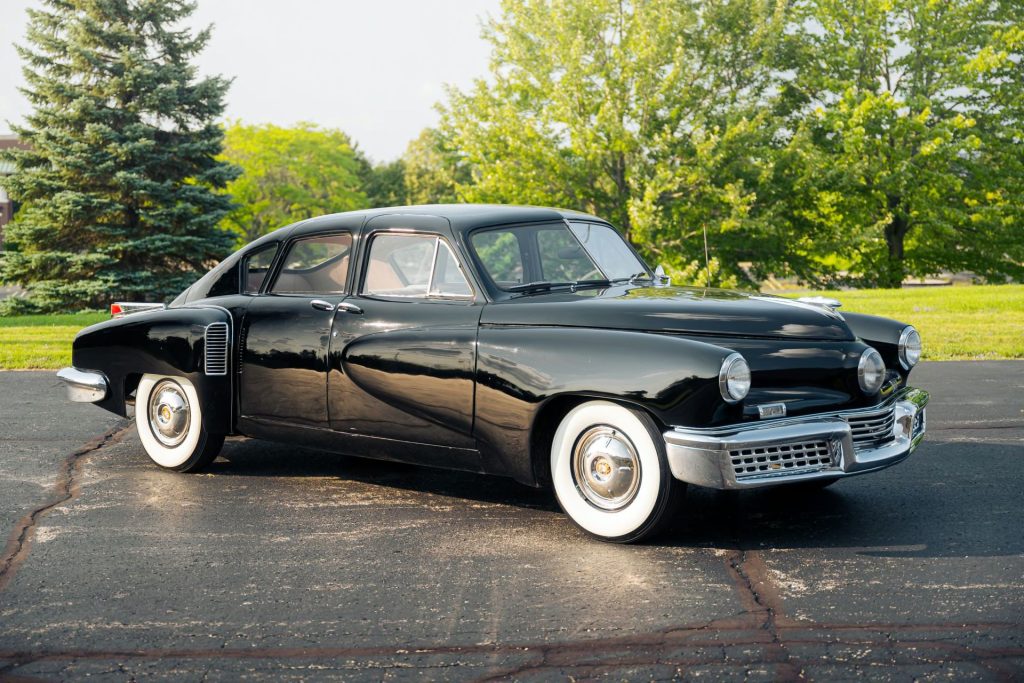
Only 51 Tucker automobiles were built in 1948, so the model never reached ordinary showroom production at a meaningful scale. That figure reflects the collapse of the business, not a conventional sales campaign in which a fully available car simply lost a popularity contest.
The Tucker’s legacy rests on its ideas and its unusual place in American automotive history. Its safety-focused interior and unconventional engineering anticipated concerns that later became more familiar to mainstream car buyers. It is a reminder that promising technology still needs financing, manufacturing capacity, and a viable route to customers.
2. General Motors EV1
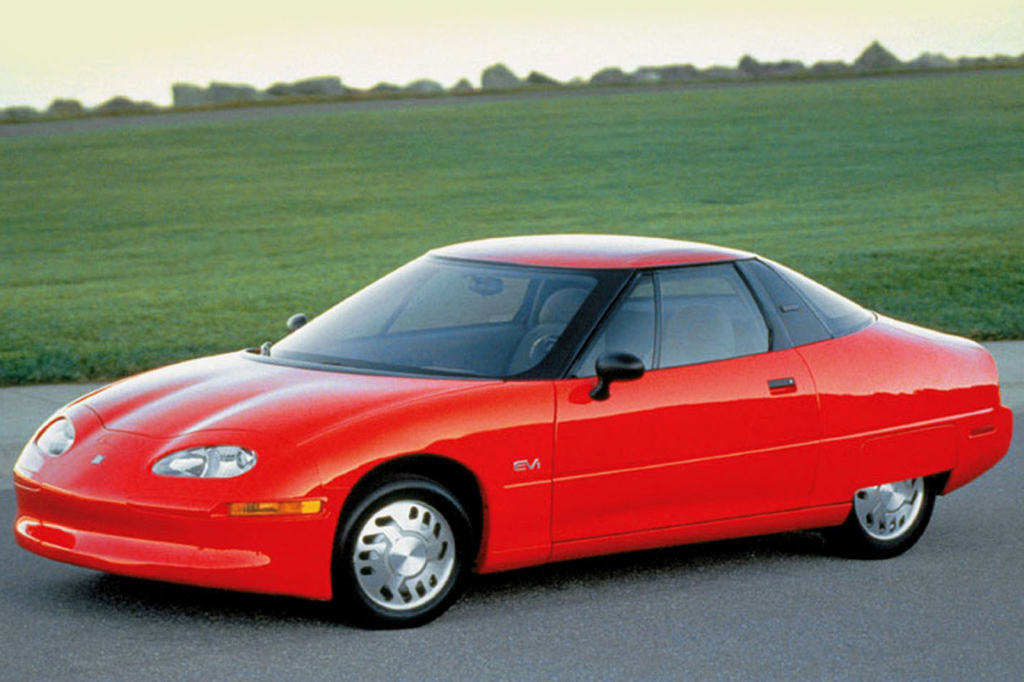
Long before electric vehicles became a regular sight on American roads, General Motors developed the EV1 as an electric car designed from the ground up.
Its smooth, aerodynamic body helped reduce energy consumption, while electronic power management and an electric drivetrain made it a very different proposition from converting a conventional gasoline car.
GM began leasing the EV1 to consumers in 1996, initially concentrating on markets including California and Arizona. The Smithsonian’s National Museum of American History describes it as the first modern electric car designed for a mass market.
The EV1’s range depended on the battery generation and operating conditions. Early versions using lead-acid batteries had a range of roughly 50 to 125 miles per charge, according to the Smithsonian. Later versions used nickel-metal-hydride batteries that could travel farther.
The car also offered quiet operation and quick electric-motor response, qualities that remain important selling points for EVs today.
GM built 1,117 EV1s, but the company leased them rather than offering outright purchases. Limited range, a shortage of public charging infrastructure, and concerns about long-term parts and maintenance made wider adoption difficult. GM ended the program, and most leased vehicles were returned rather than retained by their drivers.
The EV1 did not fail because electric propulsion was inherently impractical. Instead, it emerged in a market with limited charging options and relatively little consumer experience with battery-powered cars.
Today’s EV market has different technology, infrastructure, and customer expectations, but the EV1 remains an important early experiment in making electric driving a consumer product.
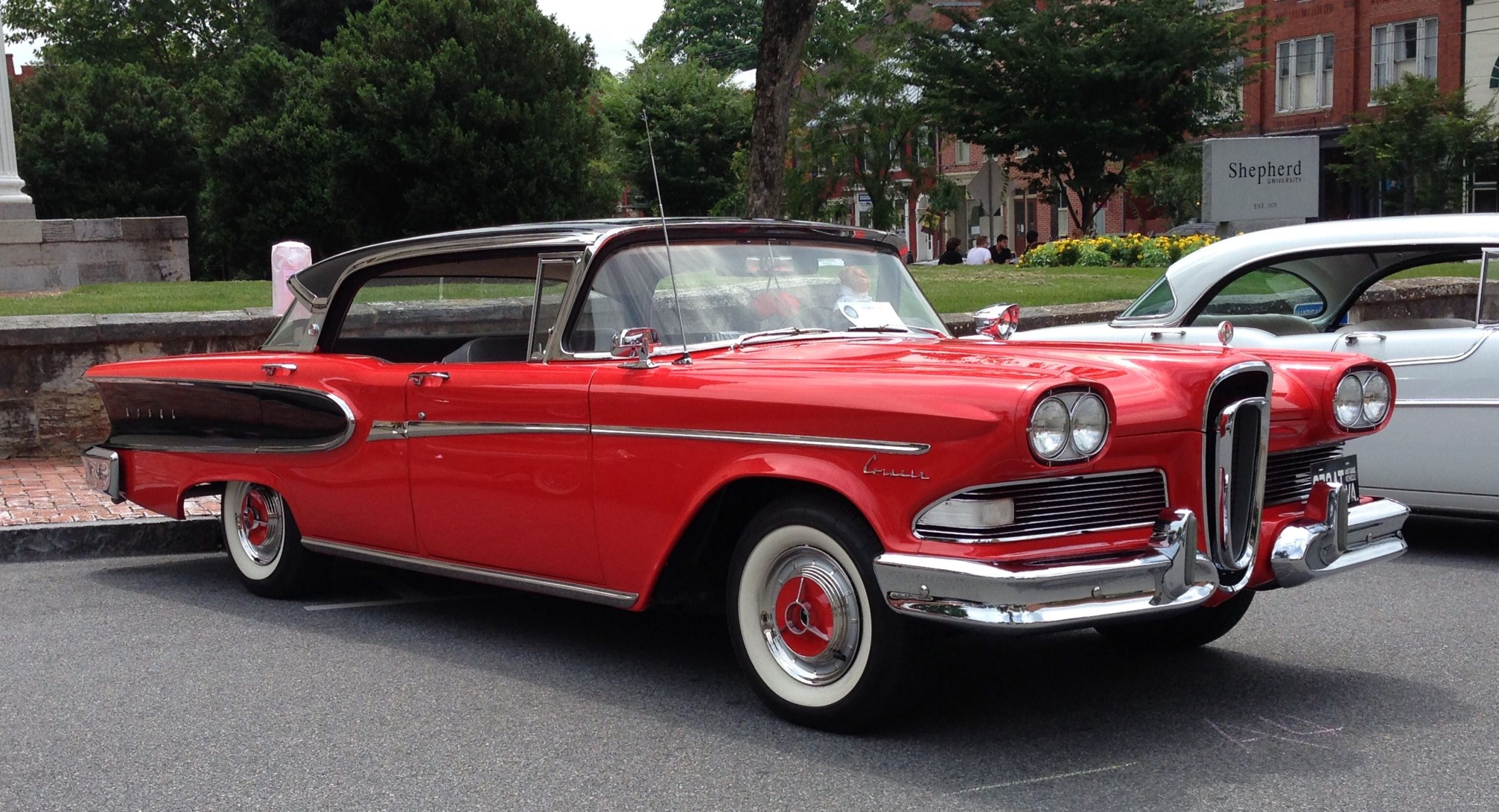
3. Ford Edsel
Ford introduced the Edsel for the 1958 model year with a major marketing campaign and a new brand positioned between Ford and Mercury. The company hoped the car would attract buyers looking for something more distinctive than a standard family sedan.
Its design included a controversial vertical grille, while selected models offered innovations such as push-button transmission controls mounted in the steering-wheel hub. The concept was ambitious, but the styling divided opinion almost immediately.
The Edsel’s launch also coincided with a U.S. recession that weakened demand for new cars. Buyers were becoming more cautious about spending, and the car’s positioning between established brands did not give it a sufficiently clear identity.
Ford had invested heavily in developing and promoting the marque, so disappointing sales created a costly problem rather than a minor setback.
Production records compiled by the Edsel Owners Club show 68,045 vehicles built for 1958, 47,396 for 1959, and just 2,846 for 1960, including Canadian production. The combined total was 118,287. Ford announced the end of the program in November 1959, and the final model-year cars were produced shortly afterward.
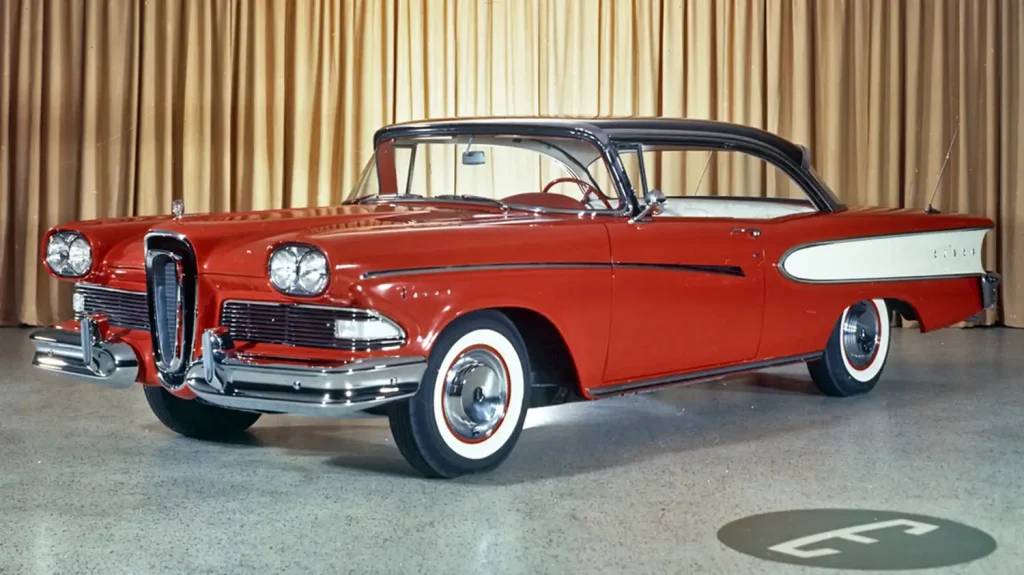
The Edsel is often remembered for its grille, but its failure involved more than appearance. Economic conditions, a confusing brand position, high development costs, and the difficulty of persuading customers to trust a new name all contributed.
Its push-button transmission controls and other details show that the company was willing to experiment with how drivers interacted with a car. However, innovative features could not compensate for a product that failed to connect with enough buyers at the right moment.
4. DeLorean DMC-12
Few cars look as futuristic as the DeLorean DMC-12. Its unpainted stainless-steel body panels, sharp-edged styling, and gull-wing doors made it stand out from the sports cars of the early 1980s.
The design came from a company led by former General Motors executive John DeLorean, who wanted to build a distinctive sports car with an identity separate from established manufacturers. The DMC-12’s appearance remains striking, but its engineering and commercial problems were less glamorous.
The car used a 2.85-liter V6 developed through the Peugeot-Renault-Volvo collaboration and delivered modest performance for its price and visual promise. The Technik Museum Sinsheim lists output at about 132 horsepower.
Its stainless-steel finish and doors attracted attention, but the car did not deliver the acceleration many buyers expected from its exotic appearance.
The company struggled with production costs, quality concerns, and sales that fell short of early expectations. By 1982, the business was in financial crisis and entered bankruptcy proceedings. Production lasted only a short time, with estimates commonly placing total output at around 9,000 cars, although exact counts vary between sources.
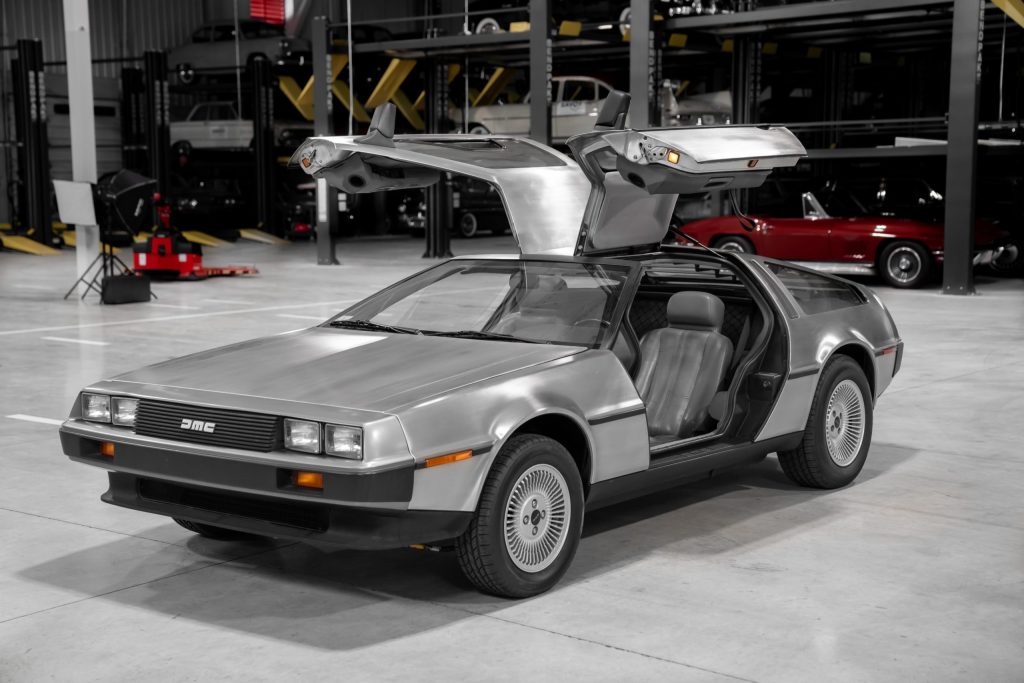
The DMC-12 became far more famous after appearing as the time machine in the Back to the Future films. That later cultural success should not be confused with the original car’s commercial performance.
At launch, its unusual design was ahead of prevailing styling trends, but its price, performance, and production difficulties limited its success. Today, its fame is a reminder that a car can become a cultural icon long after its manufacturer disappears.
5. Honda Insight
The first-generation Honda Insight arrived in the United States at the end of 1999 as the country’s first mass-produced gasoline-electric hybrid. Its two-seat body was narrow and aerodynamic, with covered rear-wheel openings and extensive use of lightweight aluminum.
Rather than relying on a large battery or plug-in charging, it paired a 1.0-liter three-cylinder gasoline engine with Honda’s Integrated Motor Assist electric-motor system. It was a radical alternative to conventional small cars at the time.
Fuel economy was its headline achievement. Honda announced EPA label ratings of 61 mpg city and 70 mpg highway for the original five-speed manual model. The company also reported a driving range of 600 to 700 miles from its 10.6-gallon fuel tank under its stated conditions.
These figures made the Insight an important milestone in fuel-efficient U.S. cars, although later EPA testing methods changed how older ratings are compared with modern vehicles.
The car’s efficiency came with compromises. It seated only two people, its lightweight construction and small engine prioritized economy over power, and its unconventional shape limited its appeal to shoppers who wanted a practical family car.
The Toyota Prius offered a more conventional four-door layout, making hybrid technology easier for many households to adopt.
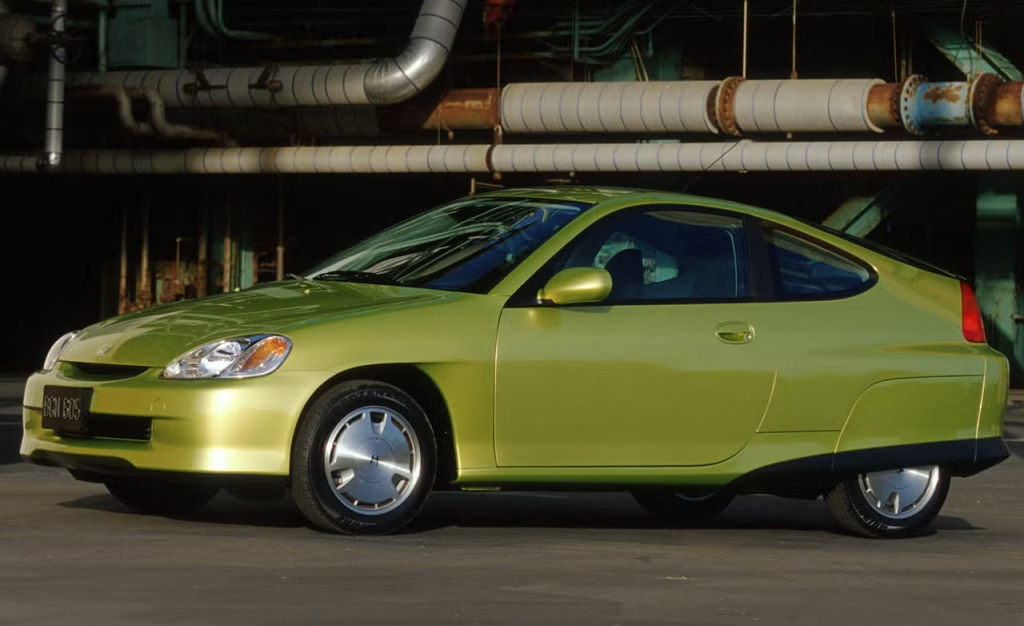
Honda ended production of the first-generation Insight after the 2006 model year. Its discontinuation did not reflect a technological failure, as the car proved that gasoline-electric hybrid technology could achieve outstanding fuel efficiency in everyday driving.
Its limited passenger capacity and specialized design, however, kept it from becoming a high-volume mainstream model. Later hybrid vehicles would apply similar efficiency goals in more conventional body styles.
6. Subaru SVX
The Subaru SVX looked like it had arrived from a design studio several years ahead of its time. Styled by Giorgetto Giugiaro, the grand-touring coupe featured distinctive glass panels integrated into its side windows, creating a layered appearance that set it apart from ordinary coupes.
Subaru paired that unusual design with a 3.3-liter flat-six engine and available all-wheel drive, giving the SVX a more sophisticated mission than the brand’s practical family cars.
The engine produced around 230 horsepower in U.S. specification, while the car’s standard automatic transmission emphasized smooth cruising rather than a traditional manual sports-car experience.
Subaru intended the SVX to compete with more established grand-touring coupes, but its relatively high price for a Subaru and limited transmission choice made it a difficult sell. Buyers shopping for performance coupes had several established alternatives, while Subaru’s reputation was more closely associated with practical vehicles and all-weather capability.
U.S. sales totaled 14,257 cars over the model’s selling life, according to compiled sales figures. Annual demand fell sharply after the early years, reaching just 640 U.S. sales in 1997. Subaru ended production in December 1996, with remaining cars sold later.
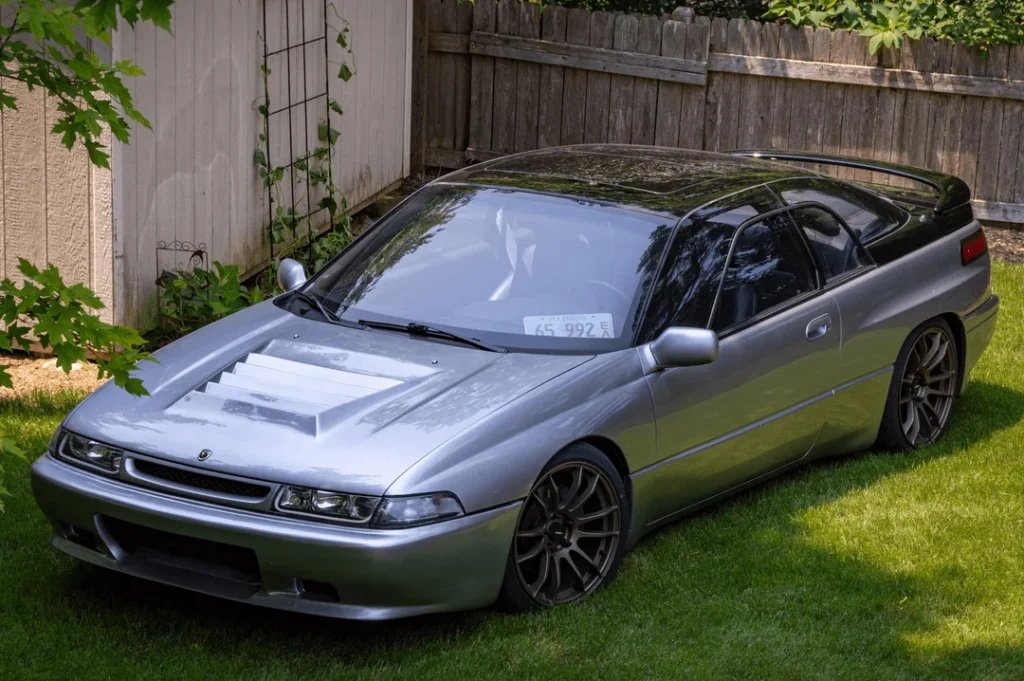
The SVX was not unsuccessful because its engineering was ordinary. Its combination of a flat-six engine, available all-wheel drive, and unconventional window design gave it a clear identity.
The problem was finding enough buyers willing to pay for a niche grand tourer from a brand not widely known for luxury coupes. Its small sales numbers have since helped make it a distinctive and increasingly appreciated part of Subaru history.
7. Cadillac ELR
The Cadillac ELR attempted to make electrified driving feel like a luxury experience. Its sleek two-door body, upscale cabin, and extended-range electric powertrain distinguished it from conventional compact luxury coupes.
The system used a battery-powered electric drive with a gasoline engine that could generate electricity when the battery’s usable charge was depleted. This allowed the ELR to cover shorter trips on electricity while retaining the ability to travel farther without relying solely on charging infrastructure.
The idea was technically interesting, but the original pricing created a major obstacle. Cadillac launched the ELR with a starting price of $75,995 before destination charges, placing it in expensive luxury-car territory.
Buyers had to weigh that cost against the vehicle’s limited rear-seat practicality and the availability of less expensive plug-in alternatives. The ELR’s design and quiet electric operation were attractive, but the price made it a difficult proposition for a relatively unfamiliar type of luxury coupe.
U.S. sales reflected the challenge. The ELR recorded 1,310 sales in 2014, 1,024 in 2015, and 534 in 2016, for 2,874 U.S. sales across those years. Production ended in February 2016.
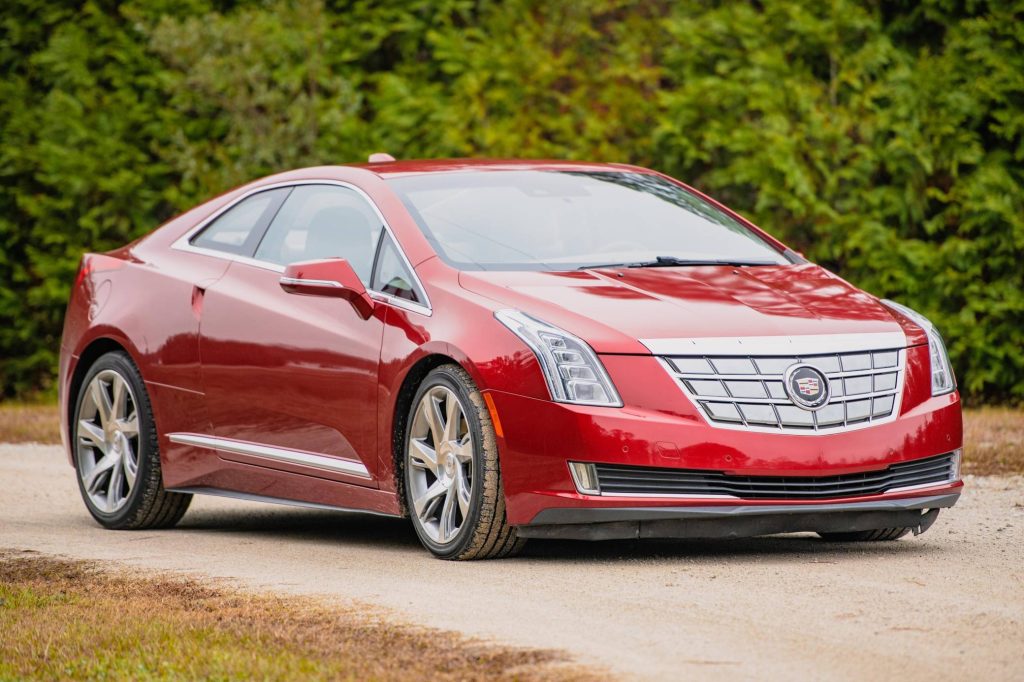
The ELR anticipated the current interest in premium electrified vehicles, but the market was not yet large enough to support its price and packaging compromises. Today’s electric luxury cars benefit from more developed charging networks and wider customer acceptance.
The ELR’s short run shows that advanced propulsion and distinctive styling are not enough if the price, practicality, and market timing do not align.
8. Pontiac Aztek
The Pontiac Aztek was a crossover with ideas that were unusually practical for its era, even if its styling proved divisive. It combined a raised driving position with flexible cargo space and offered accessories aimed at people who wanted to camp or spend time outdoors.
Available equipment included a tent designed to attach to the rear of the vehicle, while the cargo area could be configured for hauling gear. These ideas anticipated the modern crossover’s role as a vehicle for commuting, recreation, and weekend trips.
Yet the Aztek’s exterior design became one of its defining problems. Its angular front end and complex body styling attracted strong criticism, making it a frequent example of a vehicle whose functional concept was overshadowed by its appearance.
The pricing and market positioning also made it difficult to attract the younger buyers Pontiac had hoped to reach. The vehicle’s practical features could not fully overcome that initial reaction.
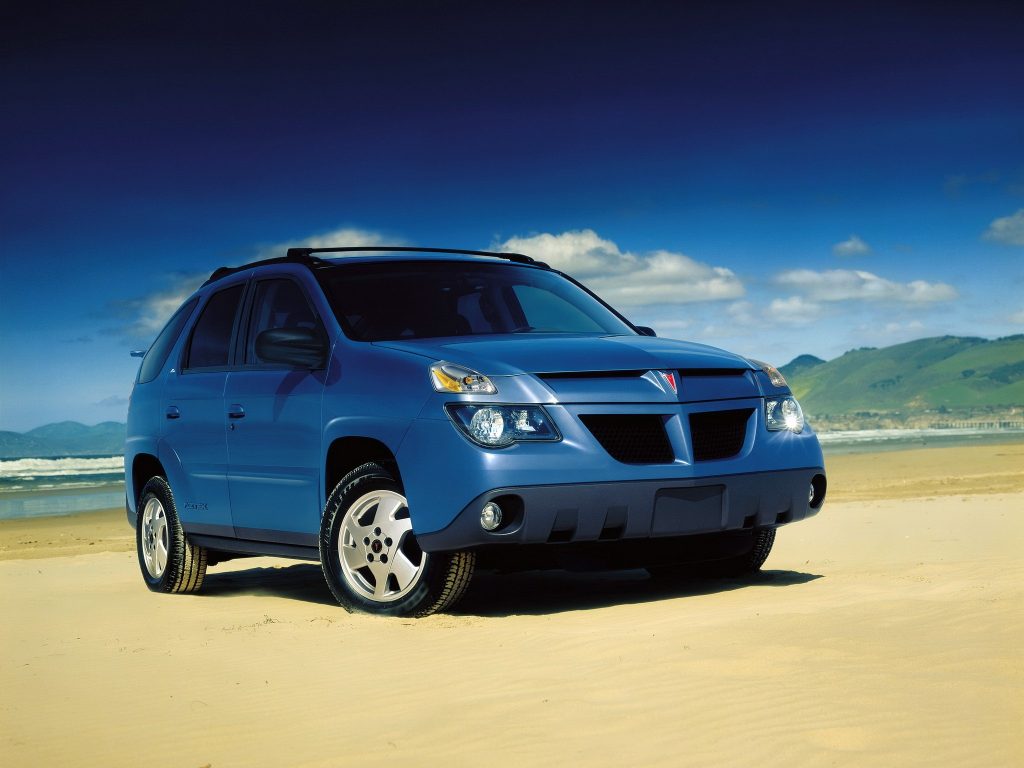
Reported U.S. sales peaked at 27,793 units in 2002, far below the 75,000 annual sales GM was said to have forecast. Sales dropped to 5,020 in 2005, the final model year, according to compiled figures.
The Aztek’s story is more nuanced than a simple design failure. Its camping accessories, flexible interior, and crossover format were aligned with activities that later became important selling points for SUVs.
The market did not embrace the complete package at the time, and the styling made it hard for some buyers to look past its practical strengths. The Aztek demonstrates that useful ideas need an appealing design and clear market positioning to achieve commercial success.