
A car’s starting price tells only part of the value story. Two vehicles may cost similar amounts yet differ in the technology, comfort equipment, safety assistance, and convenience features included before buyers pay for upgrades.
One might offer all-wheel drive across its entire lineup, while another reserves it for selected trims. A rival might include heated seats, blind-spot monitoring, or a larger infotainment screen at a comparable price.
This comparison examines ten U.S.-market cars and crossovers, focusing on specific features that can make a difference in daily ownership. Equipment varies by trim, so each comparison identifies where the advantage applies.
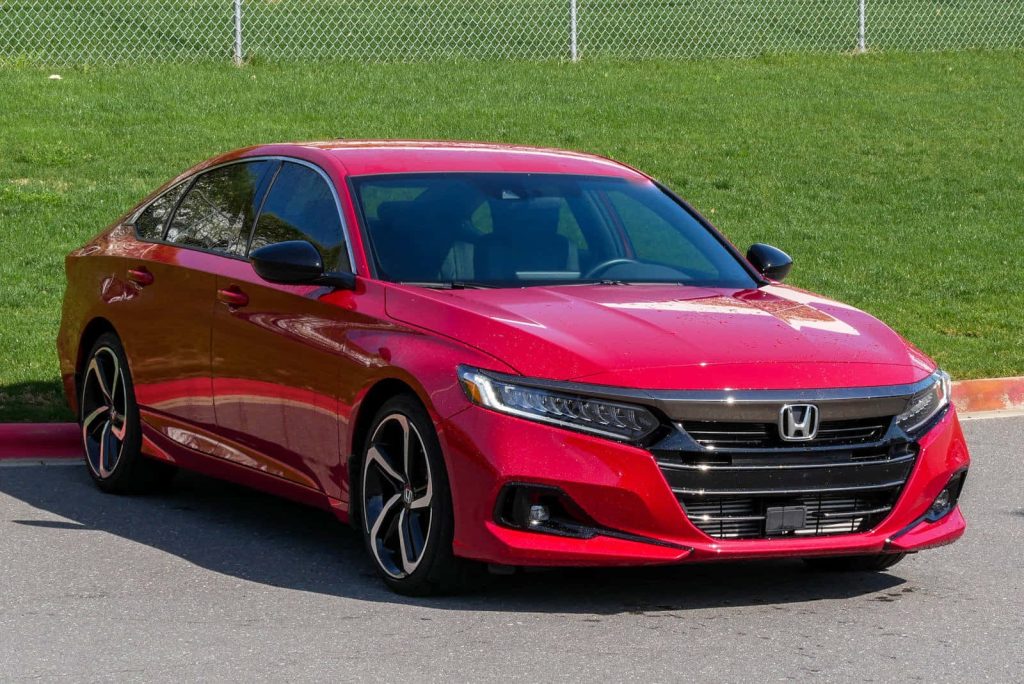
1. Honda Accord
The 2026 Honda Accord offers several technology and convenience features that distinguish it from the Toyota Camry, especially when comparing the Accord’s higher hybrid trims. Honda confirms that Alexa Built-In comes standard on the Sport Hybrid and above, while Google Built-In is included on the Touring Hybrid.
Neither system is offered on the 2026 Camry. Honda also includes a power moonroof on Accord SE and higher trims, whereas Toyota lists a moonroof as an extra-cost option on the Camry.
These features can make everyday driving more convenient. Alexa Built-In supports compatible voice functions, while Google Built-In integrates supported Google services into the vehicle’s infotainment system.
Buyers should note that not every Accord trim includes both systems, so the entry-level LX lacks the same equipment as the Touring Hybrid.
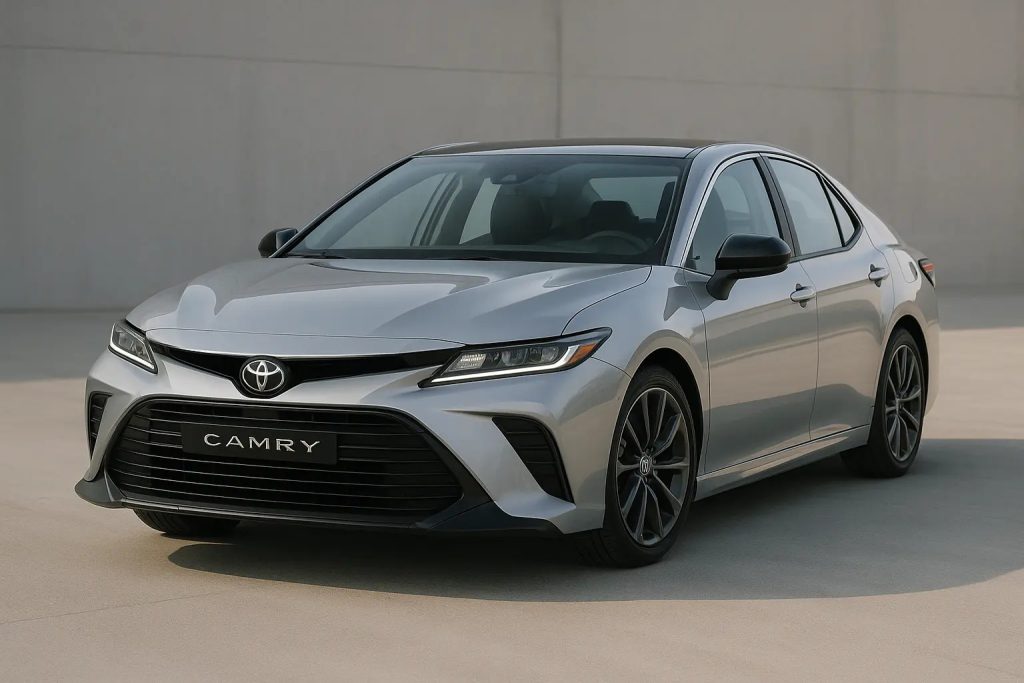
The Camry has its own strengths. Its hybrid powertrain is standard across the 2026 lineup, and Toyota lists heated side mirrors as standard on the LE Hybrid. The Accord Sport Hybrid, in Honda’s comparison, does not include heated mirrors.
The Camry also has a lower starting price in the manufacturer’s direct comparison, so the Accord’s extra features do not automatically make it the cheaper purchase.
| Feature | 2026 Honda Accord | 2026 Toyota Camry |
|---|---|---|
| Alexa Built-In | Sport Hybrid and above | Not offered |
| Google Built-In | Touring Hybrid | Not offered |
| Power moonroof | Standard on SE and above | Extra-cost option |
| Heated side mirrors | Not included on the Sport Hybrid in comparison | Standard on LE Hybrid |
For shoppers who value integrated voice technology and a moonroof, the Accord’s trim-specific equipment can be appealing. Those who prioritize hybrid efficiency, a lower starting price, or heated mirrors may prefer the Camry. Compare equivalent trims before deciding.
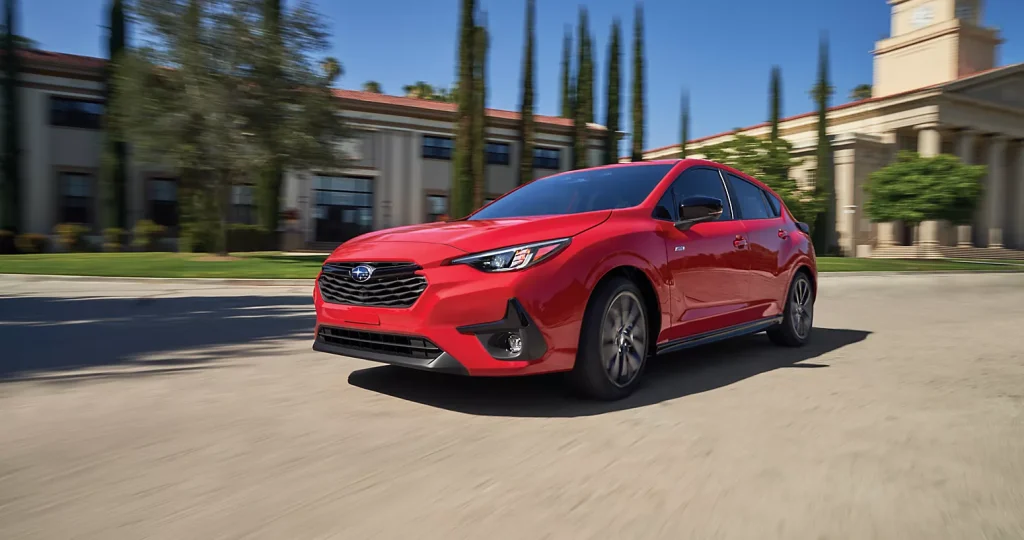
2. Subaru Impreza
The 2026 Subaru Impreza comes with two useful features as standard equipment, namely Symmetrical All-Wheel Drive and wireless Apple CarPlay and Android Auto, giving drivers added traction and convenient smartphone connectivity without paying extra for an upgrade.
Subaru’s U.S. comparison with the Honda Civic Hatchback identifies both as standard Impreza equipment, while the Civic does not offer standard all-wheel drive and lacks standard wireless smartphone integration in the compared configuration.
Subaru lists a starting price of $26,595 for the Impreza, compared with $27,795 for the Civic Hatchback in that comparison.
All-wheel drive can help distribute power to wheels with available grip when accelerating on slippery surfaces. It does not guarantee shorter stopping distances, and appropriate tires remain essential in winter conditions.
For shoppers who regularly drive on snowy roads or unpaved routes, however, getting all-wheel drive without paying for an additional package can be a real benefit.
Wireless smartphone connectivity is a different kind of convenience. Compatible phones can connect without a cable, reducing clutter around the console and making it easier to use supported navigation and audio apps. Buyers should still check phone compatibility and the specific vehicle’s multimedia setup before purchasing.
| Feature | 2026 Subaru Impreza | 2026 Honda Civic Hatchback |
|---|---|---|
| All-wheel drive | Standard | Not available |
| Wireless Apple CarPlay and Android Auto | Standard | Not standard in Subaru’s comparison |
| Starting price in manufacturer comparison | $26,595 | $27,795 |
The Civic has its own strengths. Honda’s comparison lists standard adaptive cruise control with low-speed follow across Civic Hatchback trims, while the Impreza does not offer low-speed follow.
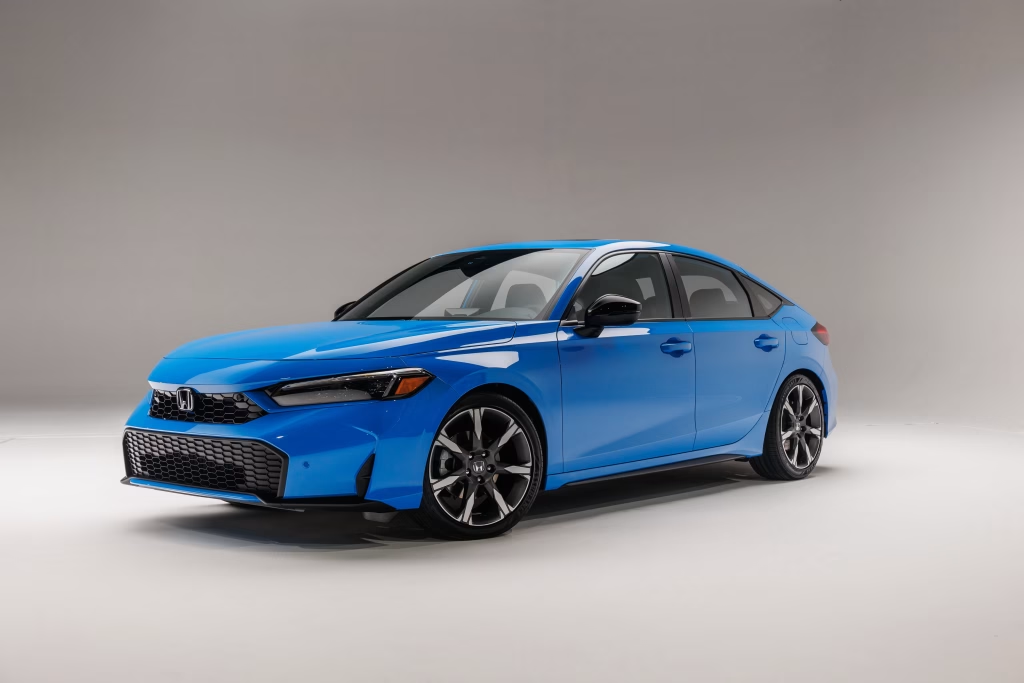
The Civic also offers leather-trimmed seats on the Sport Touring Hybrid. The better-equipped choice therefore depends on whether all-wheel drive and wireless connectivity matter more than those comfort and driving-assistance features.
3. Toyota Corolla
The 2026 Toyota Corolla LE includes blind-spot monitoring and rear cross-traffic alert as standard equipment, giving it a useful advantage over the entry-level Honda Civic LX in Toyota’s published U.S. comparison.
The same comparison identifies both features as unavailable on the Civic LX. This is a specific base-trim comparison, not a claim that every Civic lacks the systems. Higher trims and optional packages can change the equipment picture.
Blind-spot monitoring alerts the driver when a vehicle is detected in an adjacent area that may be difficult to see in the mirrors.
A rear cross-traffic alert warns of approaching traffic when reversing, which can be helpful when backing out of a crowded parking space. Neither system replaces checking mirrors and surroundings, but both add another layer of awareness.
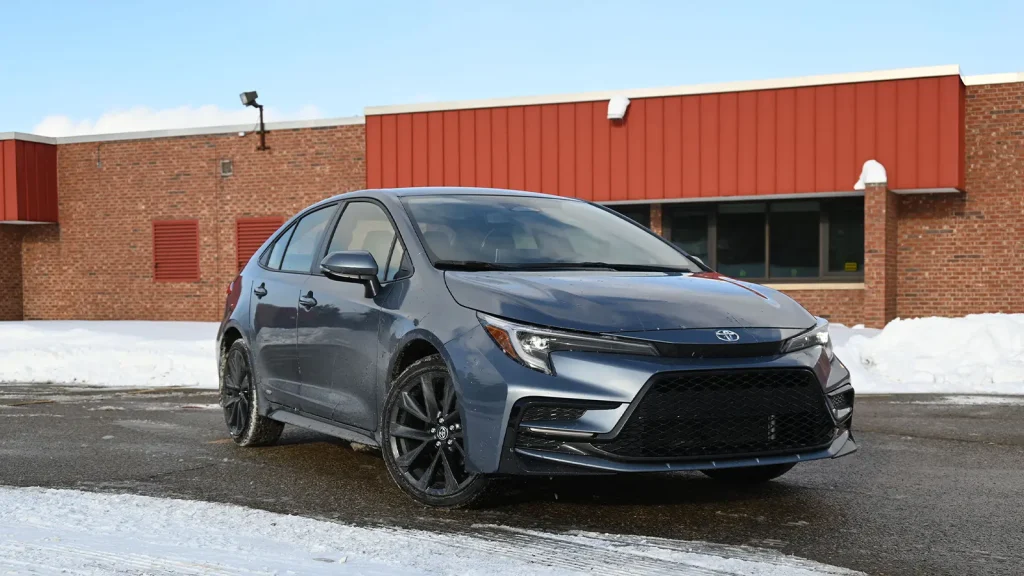
The Corolla also includes Toyota Safety Sense driver-assistance technology, while the Civic has Honda Sensing. Both vehicles offer automatic emergency braking and lane-related assistance, so the safety comparison is not simply a matter of one car having technology and the other having none.
| Feature | 2026 Toyota Corolla LE | 2026 Honda Civic LX |
|---|---|---|
| Blind-spot monitoring | Standard | Not available |
| Rear cross-traffic alert | Standard | Not available |
| Automatic emergency braking | Standard | Standard |
| Lane-departure assistance | Standard | Standard |
This equipment difference can be particularly relevant for drivers who regularly park in busy shopping centers, drive in dense traffic, or reverse between vehicles.
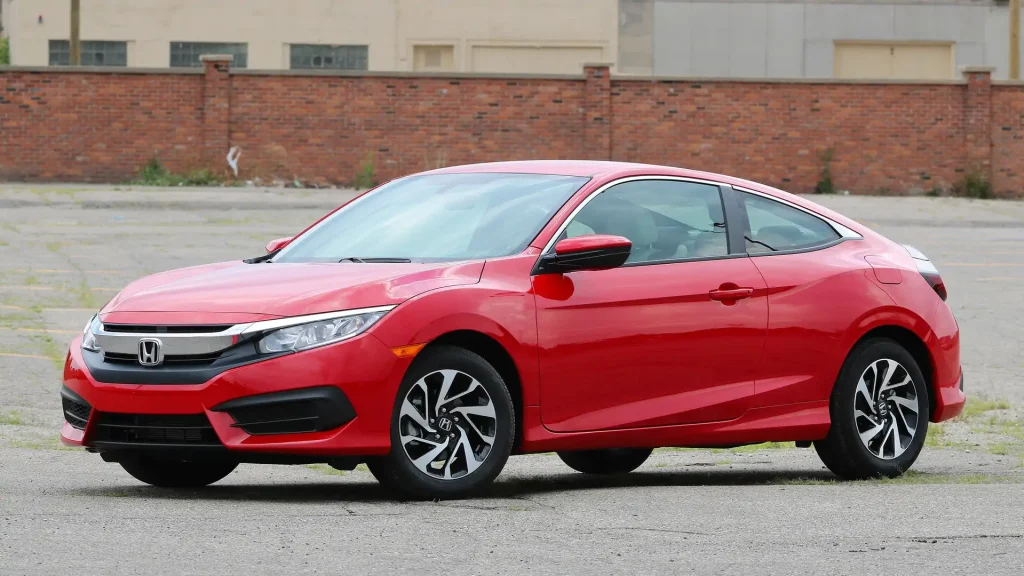
The Corolla supplies the two extra visibility aids at the LE level, while the Civic has its own advantages in cabin space and driving character. Check the precise trim’s window sticker to confirm the equipment on the vehicle being sold.
4. Honda HR-V
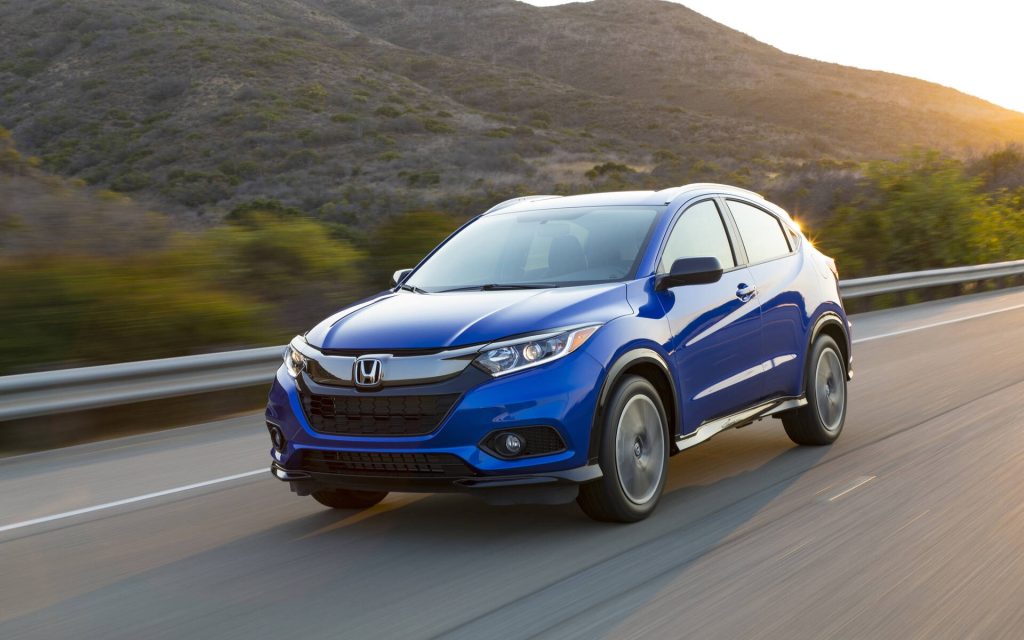
The 2026 Honda HR-V offers a useful advantage over the Subaru Crosstrek for shoppers who want certain convenience and driver-awareness features included without stepping up to a premium trim.
Honda’s published comparison identifies a wireless phone charger as standard on every HR-V trim and traffic sign recognition as standard throughout the lineup. Subaru does not offer a wireless phone charger or traffic sign recognition on any 2026 Crosstrek trim, according to the same comparison.
A wireless charger can be convenient for drivers whose phones support Qi charging, keeping a compatible device powered without a cable. Traffic sign recognition uses a camera-based system to identify certain road signs and display information to the driver.
It may misread signs or miss them entirely, so drivers remain responsible for observing posted limits and other road rules.
The HR-V also includes automatic climate control across the range. The Crosstrek offers automatic climate control too, so that feature does not distinguish the two vehicles. Subaru’s main counterpoint is its standard all-wheel-drive system, which the HR-V does not include in its front-wheel-drive base configuration.
| Feature | 2026 Honda HR-V | 2026 Subaru Crosstrek |
|---|---|---|
| Wireless phone charger | Standard on all trims | Not offered |
| Traffic sign recognition | Standard on all trims | Not offered |
| Automatic climate control | Standard | Standard |
| All-wheel drive | Optional | Standard |
This is a useful example of how the word “more” depends on what a buyer values. The HR-V supplies more of the cited convenience and sign-recognition equipment as standard, while the Crosstrek includes all-wheel drive without an upgrade.
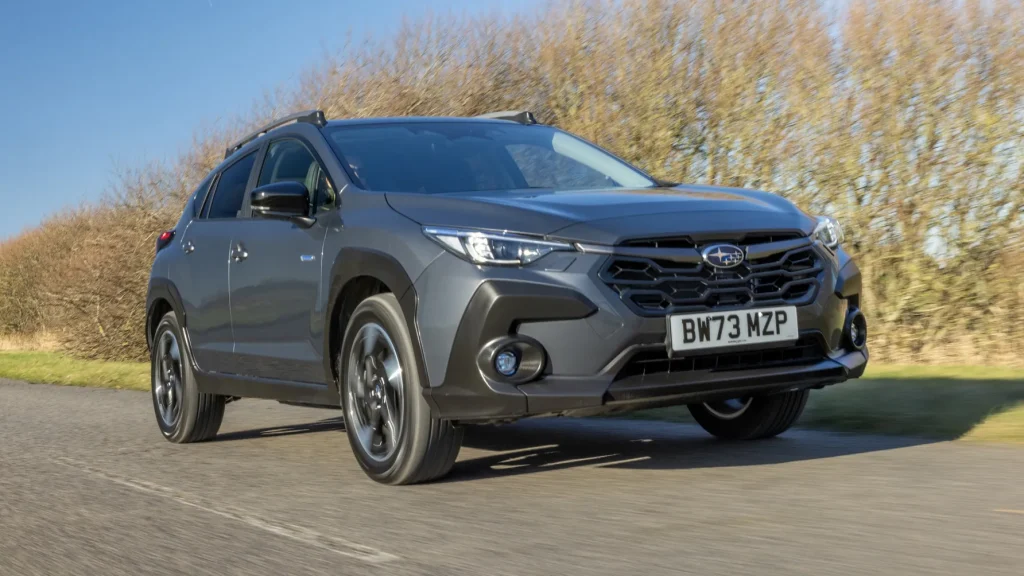
Subaru may appeal more to drivers who frequently encounter snowy or slippery roads, while Honda could be a better fit for those who value its standard interior technology and convenience features.
5. Mazda CX-30
For the 2026 CX-30, Mazda makes all-wheel drive standard across the entire lineup, with every trim equipped with its i-Activ AWD system.
That distinguishes it from the gasoline Toyota Corolla Cross, which offers front-wheel drive in its base configuration and all-wheel drive on selected versions. Buyers who want all-wheel drive therefore do not need to pay for a higher CX-30 trim simply to obtain it.
Mazda’s official U.S. specifications also confirm a 2.5-liter four-cylinder engine producing 186 horsepower and 186 lb-ft of torque in the CX-30 2.5 S. Its standard equipment includes Mazda Radar Cruise Control with Stop and Go, Smart Brake Support, High Beam Control, and Lane Departure Warning with Lane Keep Assist.
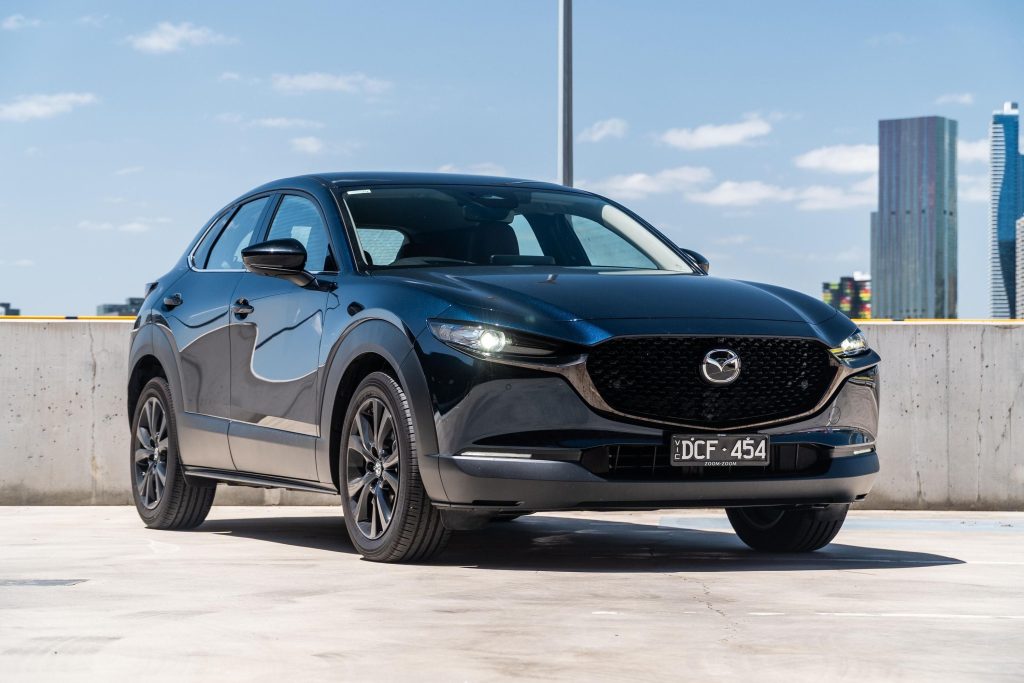
Blind Spot Monitoring with Rear Cross Traffic Alert is also listed among the standard i-Activsense features.
| Feature | 2026 Mazda CX-30 | 2026 Toyota Corolla Cross gasoline |
|---|---|---|
| All-wheel drive | Standard on every trim | Available on selected trims |
| Front-wheel drive | Not offered | Available |
| Adaptive cruise control | Radar Cruise Control with Stop and Go standard | Driver-assistance equipment varies by version. |
| Engine in base configuration | 2.5-liter four-cylinder, 186 hp | 2.0-liter four-cylinder |
Standard all-wheel drive may be especially useful in regions where roads regularly become slippery, though it does not replace winter tires or careful driving. The Corolla Cross gives buyers the option of front-wheel drive, which may suit those who do not need AWD and want to compare lower-cost configurations.
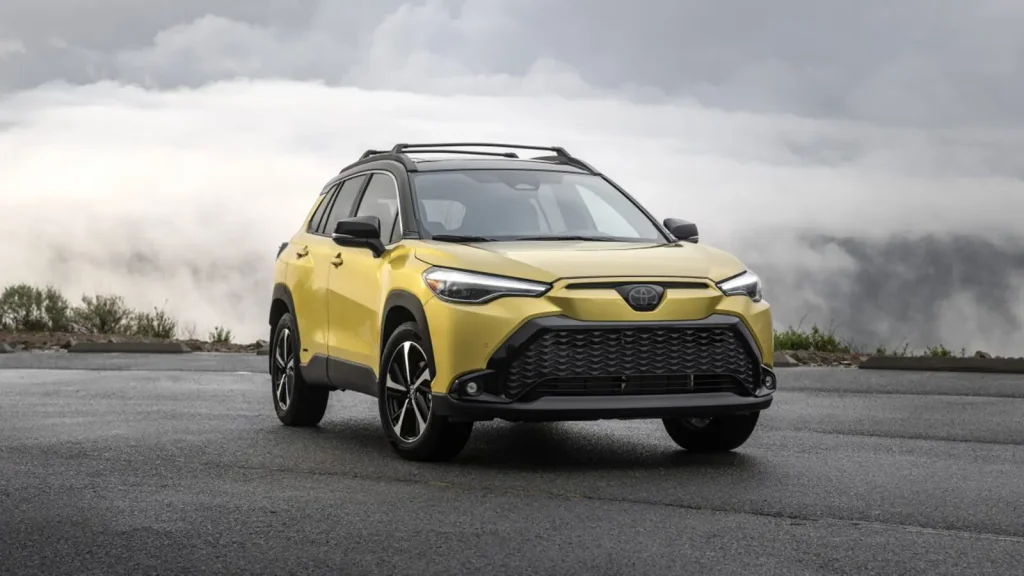
The key distinction is that Mazda bundles the drivetrain and several driver-assistance features into the CX-30’s standard specification. Buyers should still compare the final transaction price, fuel economy, passenger space, and the precise Corolla Cross trim before deciding which package better fits their budget.
6. Hyundai Elantra Hybrid
The 2026 Hyundai Elantra Hybrid includes dual automatic temperature control across its U.S. trim range, allowing the driver and front passenger to select different temperatures. Hyundai’s official specifications list the feature as standard on all three Elantra Hybrid trims.
The same equipment table shows that the base Blue does not include wireless device charging, while the SEL Sport and Limited do. That distinction matters because a feature advertised for the model range may not be included on the least expensive version.
Hyundai also lists a rearview monitor with parking guidance, a tilt-and-telescopic steering wheel, Bluetooth hands-free audio, and second-row USB-C charging ports as standard across the Elantra Hybrid lineup. Those features make the car practical for daily commuting and carrying passengers, not just for saving fuel.
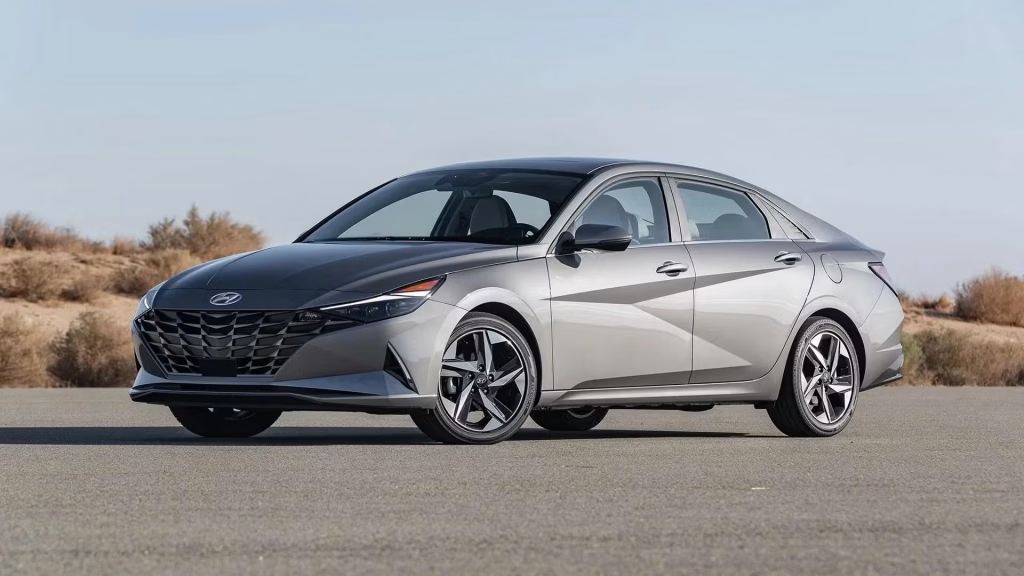
The comparison with the Toyota Prius LE is most useful when shoppers examine the actual trim sheets. The Elantra Hybrid’s standard dual-zone climate control is a clear comfort feature, but equipment such as wireless charging and larger digital displays depends on trim.
Avoid assuming that the base Blue receives all the technology shown in Hyundai’s promotional material.
| Feature | 2026 Hyundai Elantra Hybrid | Toyota Prius LE |
|---|---|---|
| Dual automatic temperature control | Standard across Elantra Hybrid trims | Verify exact trim specification |
| Rearview monitor with parking guidance | Standard | Rearview camera included |
| Second-row USB-C ports | Standard | Equipment should be checked by trim |
| Wireless phone charging | Not standard on Blue, standard on higher trims | Check exact trim and model-year specification |
The Elantra Hybrid is worth a close look for commuters who share a car and value independent temperature settings. To make a fair comparison, shoppers should check the current Prius LE specification sheet rather than rely on assumptions about its equipment.
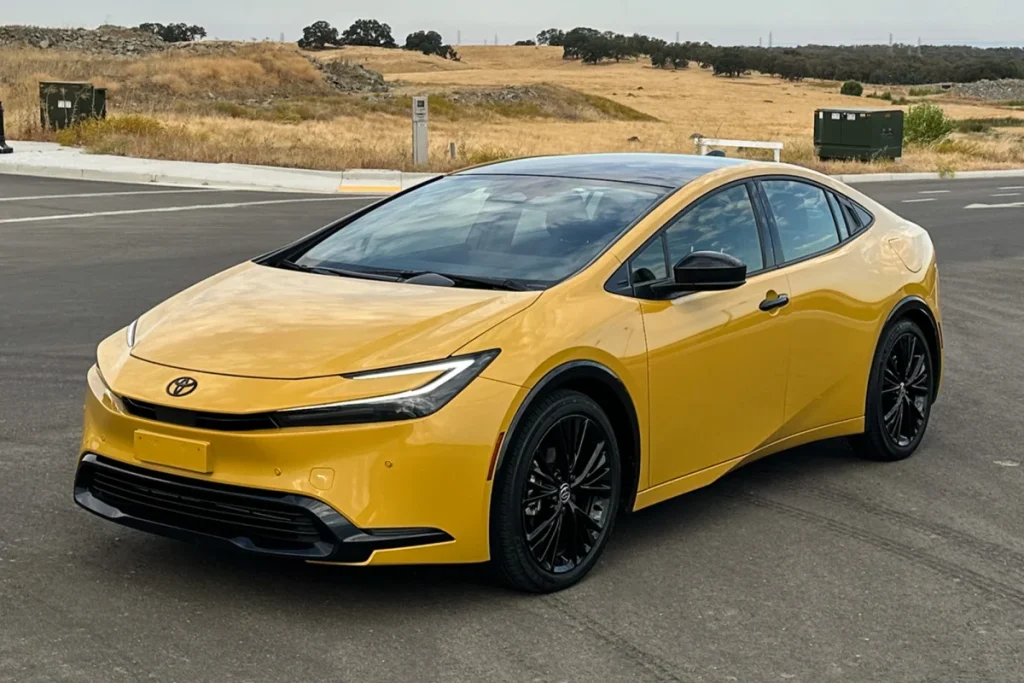
Features, packages, and model-year details can change, and the final comparison should use the exact vehicles being considered.
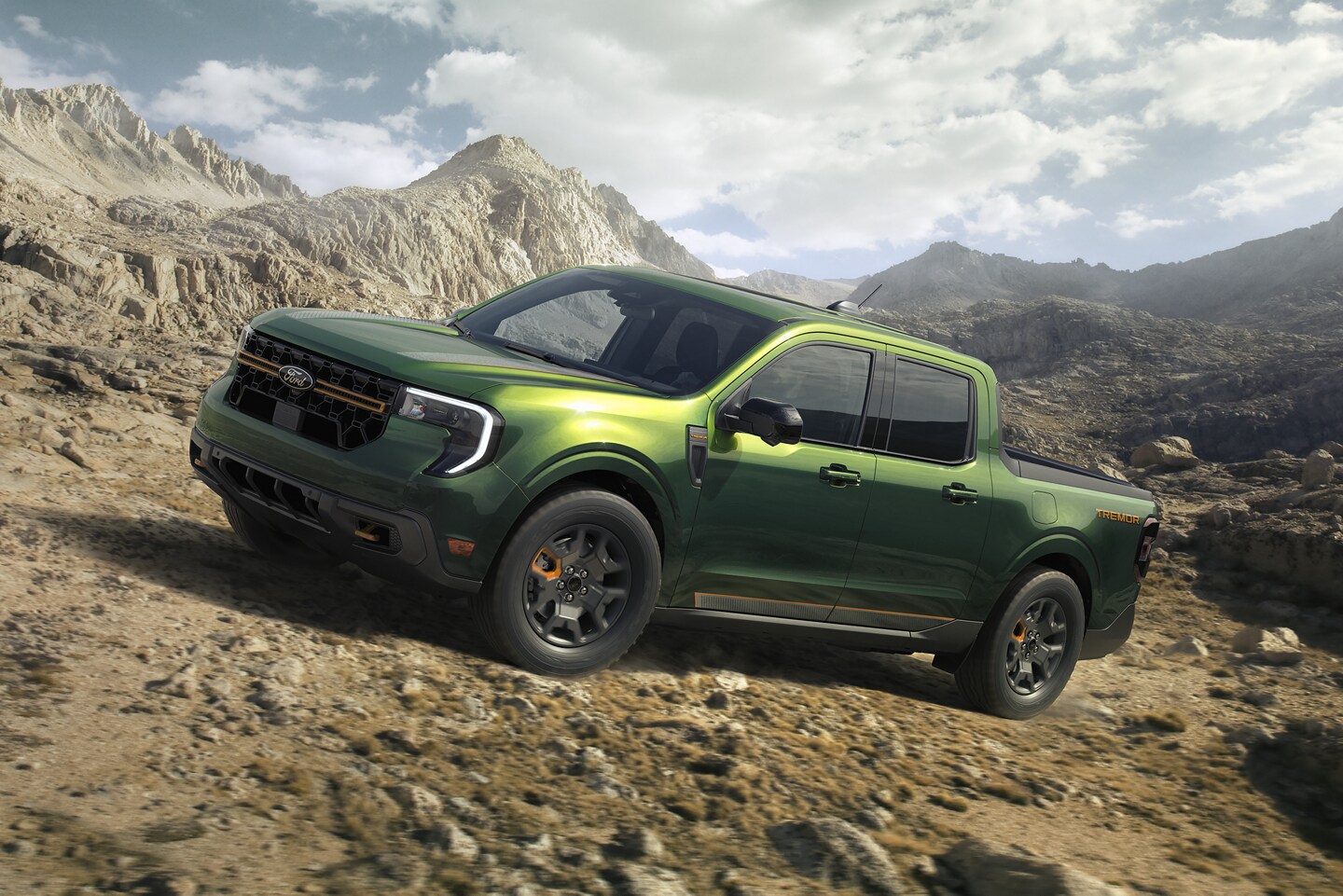
7. Ford Maverick
The 2026 Ford Maverick makes a strong case for standard infotainment equipment in the compact pickup segment. Ford confirms that the Maverick includes a 13.2-inch center display as standard equipment.
The screen gives drivers a large interface for vehicle functions and compatible apps, while the pickup’s compact size makes it easier to maneuver than many larger trucks.
The comparison with the Toyota Tacoma highlights the difference between truck sizes and equipment strategies. Toyota offers an 8-inch touchscreen on the entry-level Tacoma SR, with larger screens available on higher trims.
That makes the Maverick’s standard 13.2-inch display a notable advantage for shoppers who want a large center screen without moving up the trim ladder. Buyers should still check the exact Tacoma configuration because display size varies across the lineup.
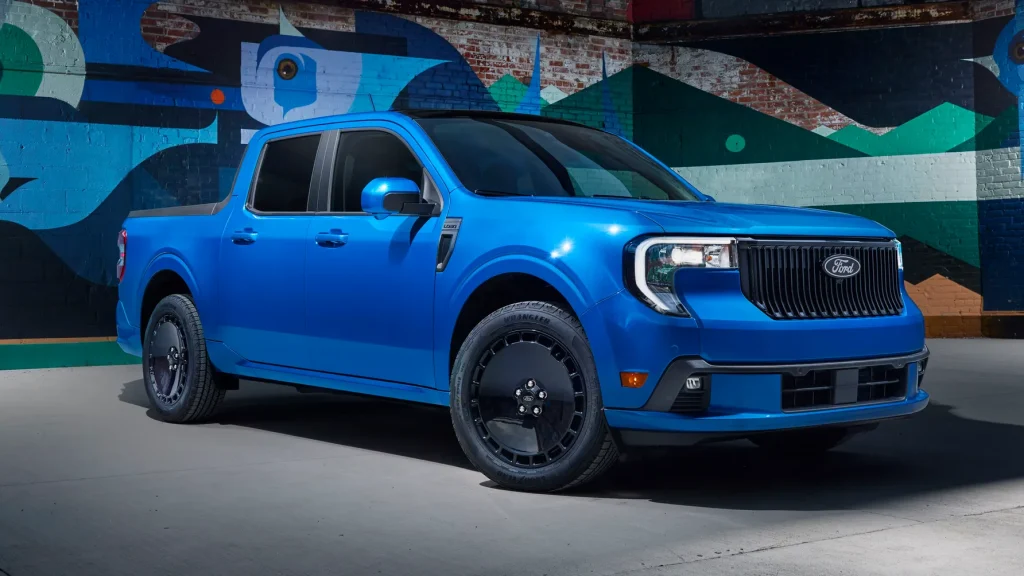
A large screen is useful, but it is not a substitute for safe controls or a well-organized interface. Drivers should test the system in person to see whether frequently used functions are easy to reach and whether the display remains readable in sunlight.
| Feature | 2026 Ford Maverick | 2026 Toyota Tacoma |
|---|---|---|
| Center touchscreen | 13.2 inches standard | 8 inches on entry-level SR, larger screens on selected trims |
| Adaptive cruise control | Available through driver-assistance equipment | Availability varies by trim |
| Vehicle category | Compact pickup | Midsize pickup |
| Key standard-equipment distinction | Large center display included | Large display depends on trim |
The Maverick’s advantage is clear for technology-focused shoppers who want a large display at the entry point. The Tacoma offers a broader range of configurations and may suit buyers who need a midsize truck’s capabilities.
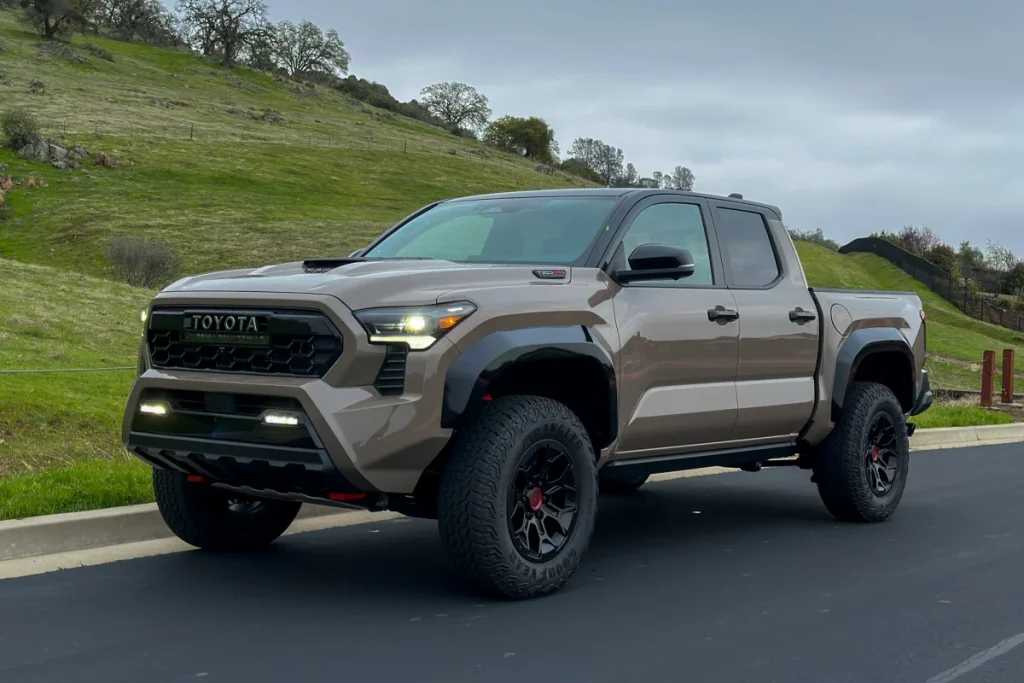
Compare the payload, towing rating, drivetrain, and actual transaction price as well as the screen, before making a decision.
8. Hyundai Venue
The 2026 Hyundai Venue demonstrates why buyers should compare base trims carefully. Hyundai’s official U.S. specifications show that the entry-level SE includes a 4.2-inch instrument display, a rearview monitor with parking guidance, Bluetooth audio, and Forward Collision-Avoidance Assist with pedestrian detection.
Higher Venue trims add features such as wireless device charging, a proximity key with push-button start, dual automatic temperature control, blind-spot collision warning, and rear cross-traffic collision warning. Those upgrades are not standard on the SE.
This is important when comparing the Venue with the Nissan Kicks. Both are small crossovers, but their standard equipment and trim structures differ.
Rather than claiming that one entire model range includes more features, shoppers should compare the exact entry-level versions and then look at the price of the next trim. That reveals how much it costs to obtain the convenience or safety equipment they want.
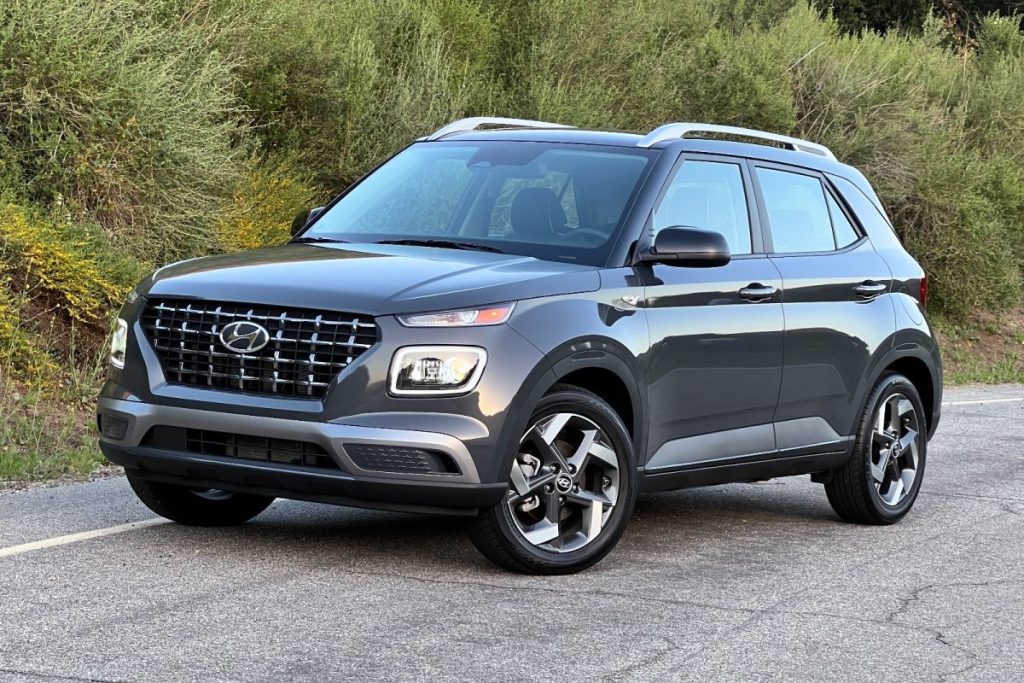
The Venue’s advantage is its straightforward base specification, including a rearview monitor and several core driver-assistance features. However, shoppers wanting blind-spot alerts or dual-zone climate control should budget for an upper trim. The Kicks should be checked at the same level before concluding.
| Feature | 2026 Hyundai Venue SE | 2026 Nissan Kicks |
|---|---|---|
| Rearview monitor | Standard | Rearview camera standard |
| Forward collision assistance | Standard with pedestrian detection | Safety-assistance equipment varies by trim |
| Blind-spot warning | Not standard on SE | Check exact trim specification |
| Dual-zone automatic climate control | Not standard on SE | Check exact trim specification |
For buyers on a tight budget, the lesson is to look beyond a model’s advertised list of available features. A system that appears in the brochure may be reserved for an upper trim.
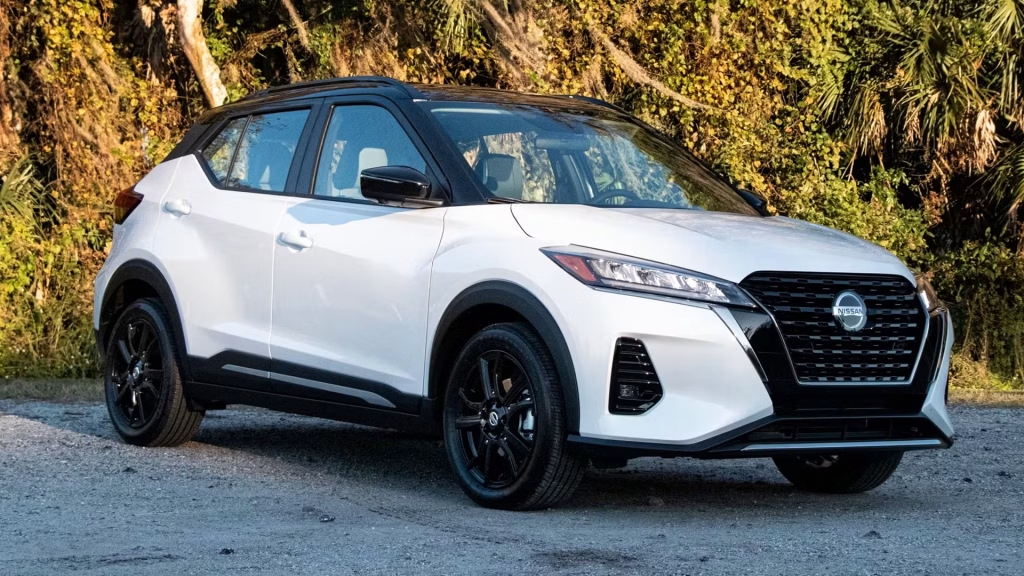
Check the official window sticker and compare equivalent versions before deciding which crossover gives you the equipment you will actually use.
9. Cadillac Optiq
The 2026 Cadillac Optiq brings a technology-heavy equipment package to the luxury electric SUV market. Cadillac’s published information identifies Super Cruise hands-free driver assistance and a glass roof as standard equipment.
Super Cruise supports hands-free driving on compatible roads, but the driver must remain attentive and follow the system’s operating requirements. It is not an autonomous-driving system and does not remove the driver’s responsibility to control the vehicle.
The Optiq also includes a large 33-inch display and a Dolby Atmos audio system. One important drawback for some shoppers is that the Optiq does not support Apple CarPlay or Android Auto, so drivers who depend on those smartphone platforms should test Cadillac’s native interface before purchasing.
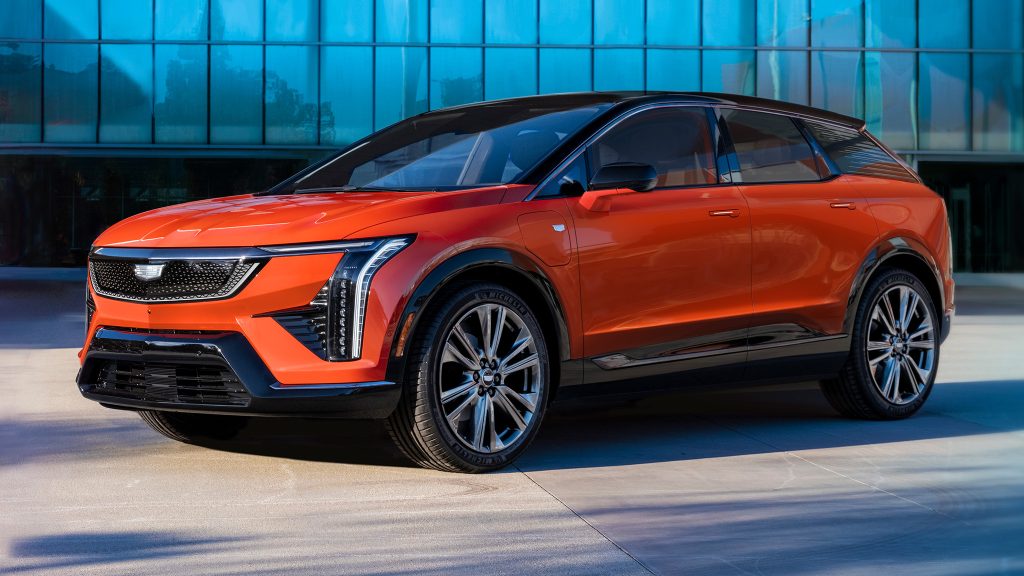
For comparison, the Lexus RZ is another luxury electric SUV, but equipment varies by trim and model year. Buyers should confirm the specific RZ’s driver-assistance and roof specifications rather than assume that all versions offer equipment equivalent to the Optiq’s standard package.
| Feature | 2026 Cadillac Optiq | Lexus RZ |
|---|---|---|
| Super Cruise hands-free driving | Standard | No equivalent system listed as standard in this comparison |
| Glass roof | Standard | Availability depends on configuration |
| Center display | 33 inches | Display equipment varies by model and trim |
| Apple CarPlay and Android Auto | Not supported | Smartphone connectivity available |
The Optiq’s standard equipment may appeal to buyers who value hands-free highway assistance and a premium audio system without assembling multiple option packages. However, the lack of Apple CarPlay and Android Auto is a genuine trade-off.
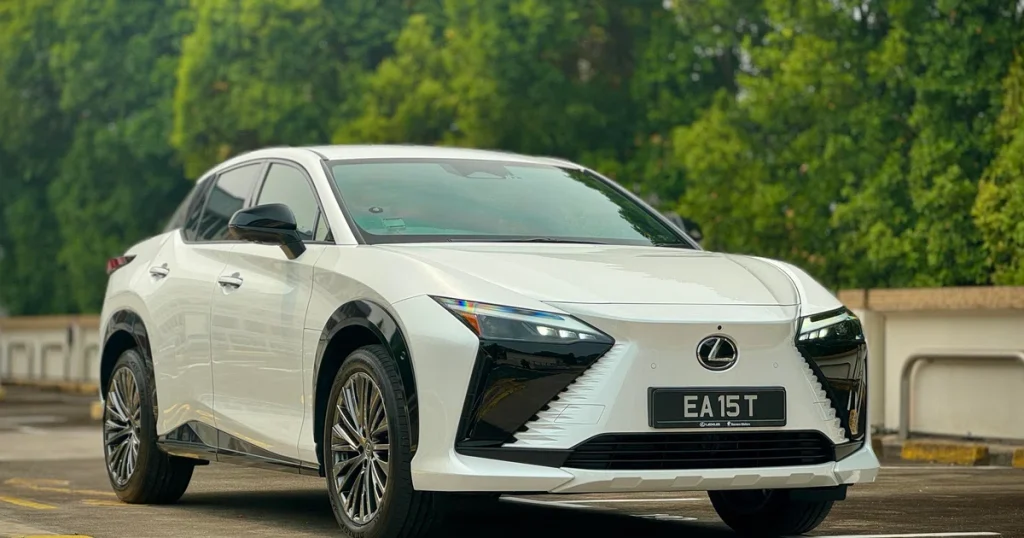
A test drive should include trying the navigation, voice commands, and audio controls to make sure the native infotainment system suits your habits.
10. Kia K4
The 2026 Kia K4 gives compact-sedan buyers a large infotainment display without requiring them to select a high-priced trim. Kia lists a 12.3-inch touchscreen as standard on the LX, LXS, EX, and GT-Line.
By comparison, the 2026 Mazda3 2.5 S starts with an 8.8-inch center display, while its larger 10.25-inch display is reserved for the Turbo Premium Plus configuration. This makes the Kia’s screen-size advantage particularly clear when comparing entry-level versions.
A large screen can make menus, audio information, and compatible smartphone functions easier to view, though display size alone does not guarantee a better user experience.
The K4’s standard touchscreen is paired with wireless Apple CarPlay and Android Auto, allowing compatible phones to connect without a cable. Buyers should test the interface and check phone compatibility before deciding.
The Mazda3 counters with an eight-speaker Mazda Harmonic Acoustics system that is standard across most of its 2026 lineup, along with its own standard safety and driver-assistance equipment.
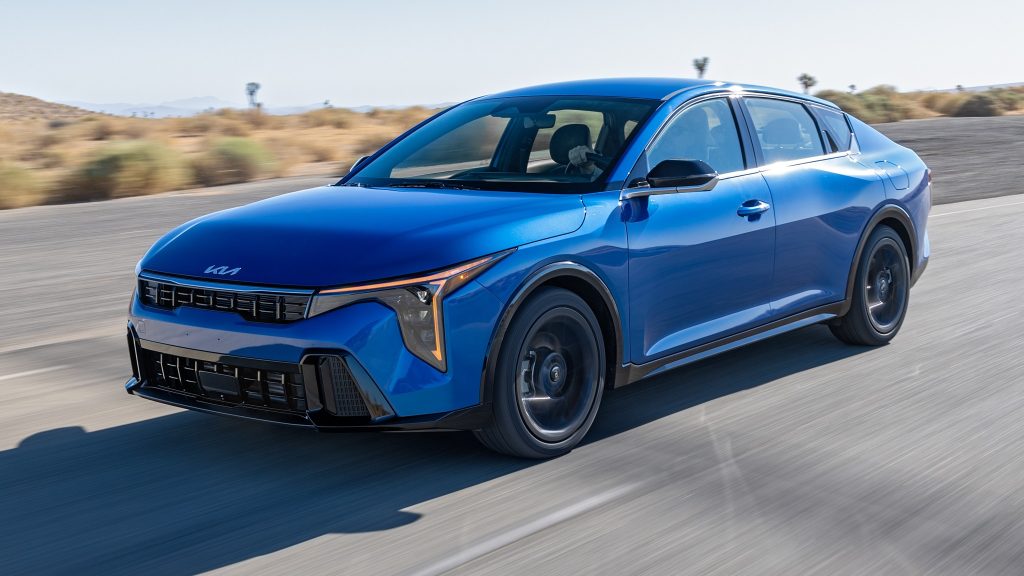
Therefore, the Kia does not win every equipment comparison. The advantage depends on whether a buyer values a larger standard screen or prefers Mazda’s audio setup and driving experience.
| Feature | 2026 Kia K4 LX | 2026 Mazda3 2.5 S |
|---|---|---|
| Center display | 12.3-inch touchscreen | 8.8-inch center display |
| Wireless Apple CarPlay and Android Auto | Standard | Connectivity features are included, but wireless functionality varies by configuration. |
| Audio system | Four speakers | Eight-speaker Mazda Harmonic Acoustics |
| Main equipment advantage | Larger standard touchscreen | More standard speakers |
For shoppers who use smartphone apps and media controls frequently, the K4’s larger standard touchscreen is a meaningful advantage at the base-trim level.
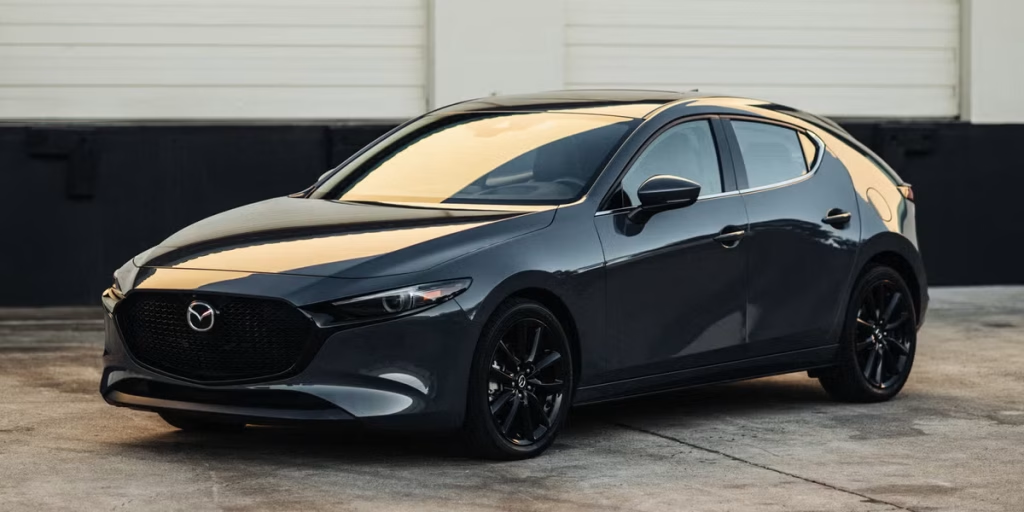
The Mazda3 remains a credible alternative for buyers who value its cabin design and audio equipment. Compare the exact trim specifications rather than assuming one car has more standard features in every category.
