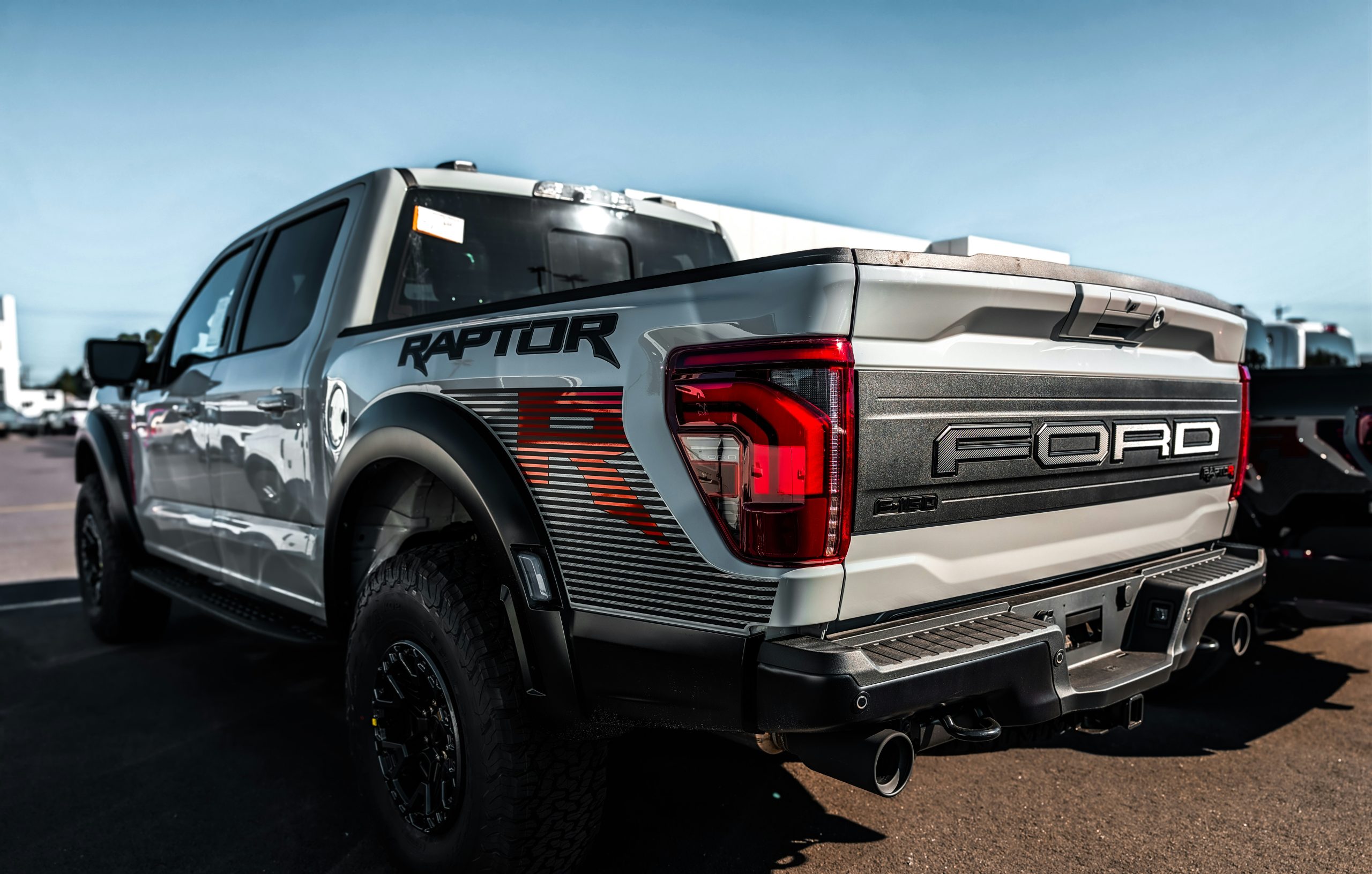
Buying a new car involves more than comparing prices, fuel economy, technology, and design. Safety ratings also deserve close attention, particularly when independent crash tests reveal weaknesses in specific areas. The Insurance Institute for Highway Safety (IIHS) evaluates vehicles through a range of tests designed to measure occupant protection and crash prevention performance.
A poor result in even one test can highlight an area that deserves further investigation before making a purchase. Understanding these findings helps drivers compare vehicles more carefully, interpret safety ratings correctly, and make informed decisions based on their needs and expectations.
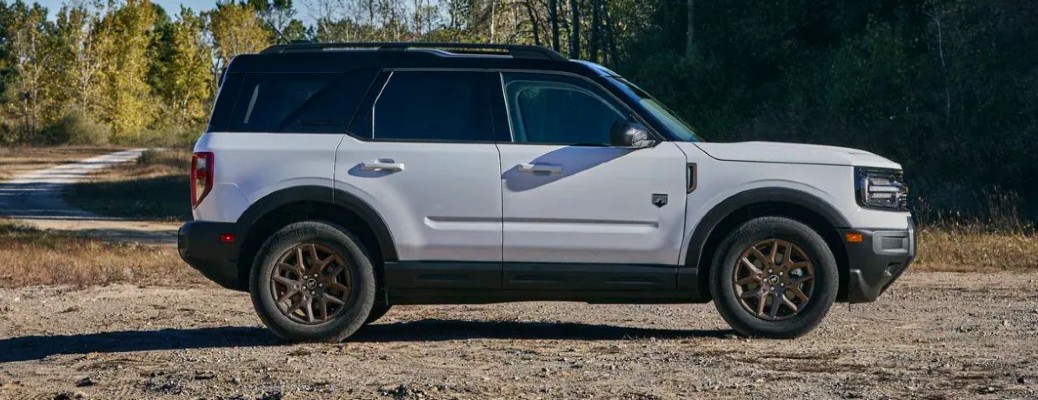
1. Ford Bronco Sport
The Ford Bronco Sport appeals to buyers who want a compact SUV with rugged styling, practical dimensions, and the ability to handle light off-road driving. Its upright shape, versatile cabin, and available all-wheel drive make it suitable for commuting, weekend trips, and outdoor activities.
However, the vehicle received a Poor rating in the IIHS whiplash prevention evaluation introduced in January 2026. The finding applies to the tested 2025 model and extends to the 2026 model according to the published results. The result concerns rear-impact injury prevention, rather than every aspect of the SUV’s crashworthiness.
The whiplash evaluation focuses on how the driver’s seat and head restraint manage the movement of the head, neck, and spine during a rear-end collision. Researchers remove the seat from the vehicle and secure it to a test sled, which reproduces the sudden movement associated with a rear impact.
A crash-test dummy equipped with an articulated spine helps researchers measure the motion of the head relative to the torso. This procedure provides insight into how effectively the seat supports the occupant when the vehicle is struck from behind.
In the new evaluation, the Ford Bronco Sport showed substantial weaknesses in head and spine support. IIHS reported that the head restraint took a long time to contact the dummy’s head, while the difference in movement between the head and pelvis was particularly high.
These observations matter because excessive relative movement can place strain on the neck during a sudden collision. The Poor grade indicates that the tested seat and restraint arrangement did not provide the level of protection achieved by higher-rated vehicles under the assessment conditions.
This finding does not mean the Bronco Sport performs poorly in every safety test. The whiplash result measures a particular aspect of rear-impact protection, and other evaluations address different collision scenarios. Buyers should review the SUV’s separate frontal crash, side impact, rollover-related, and crash prevention information where available.
They should also check whether a specific model year has received updated test results. Looking at the complete record gives a more balanced understanding than relying on a single rating or a general statement about vehicle safety.
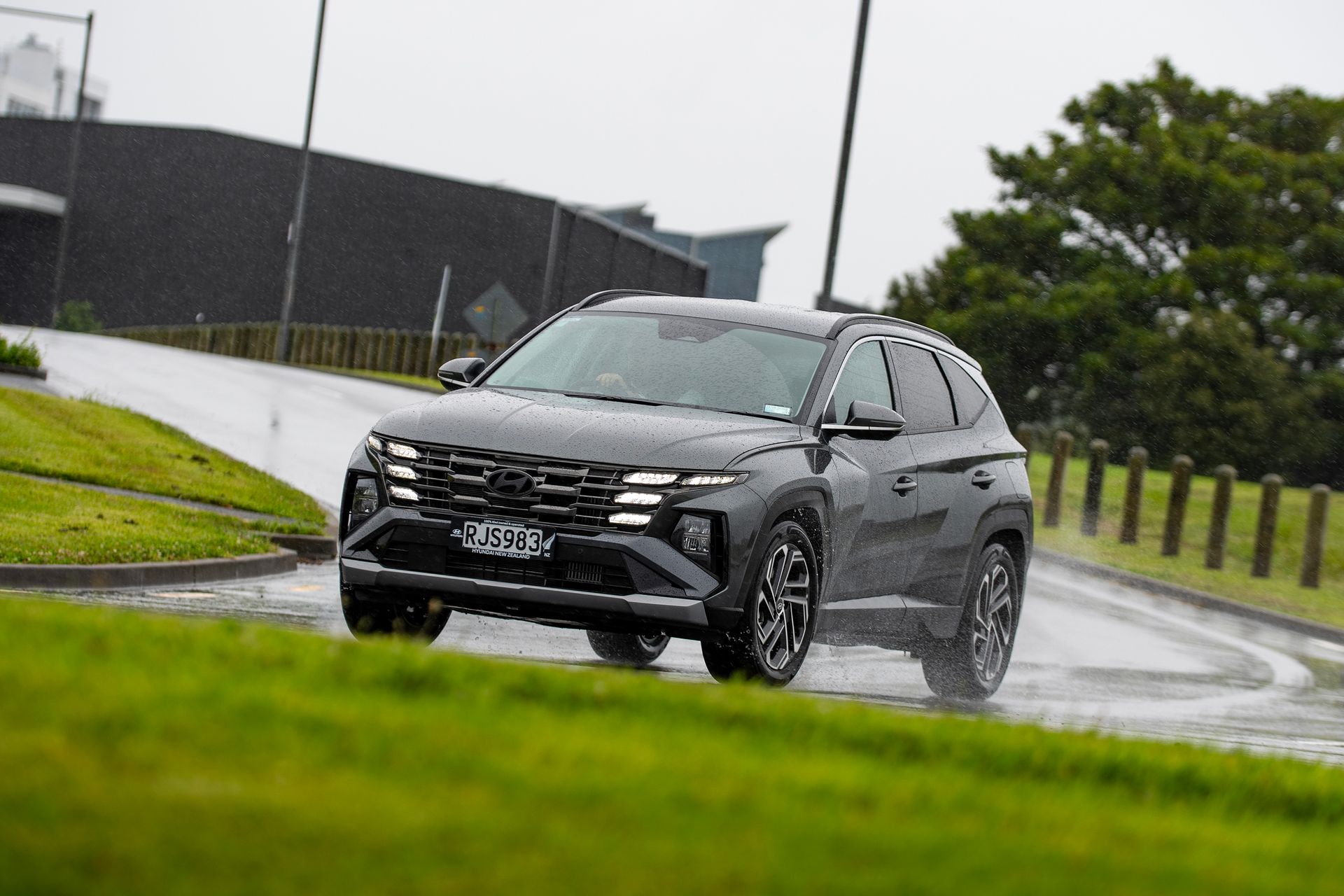
2. Hyundai Tucson
The Hyundai Tucson is a mainstream compact SUV known for its contemporary styling, comfortable cabin, broad range of features, and availability in different powertrain configurations. Its combination of passenger space and everyday usability makes it a common choice for households seeking a versatile vehicle.
Yet the IIHS whiplash prevention evaluation identified a significant weakness in the tested 2025 Tucson. The model received a Poor rating, and the published assessment also applies to the 2026 model year. This result relates specifically to how the seat and head restraint manage movement during a rear-end collision.
Rear-end collisions can occur in stop-and-go traffic, at intersections, and on busy urban roads. Even at relatively modest speeds, the sudden movement of a vehicle can cause the torso and head to move at different rates.
A well-designed seat and head restraint help manage this motion by supporting the upper body and limiting excessive movement of the head relative to the spine. The IIHS test measures several aspects of this interaction, allowing researchers to identify weaknesses that may not be obvious from the seat’s appearance or comfort during ordinary driving.
The Tucson’s test performance showed problems across important measures of head and spine movement. IIHS reported that the dummy’s head moved substantially relative to the spine in Poor-rated vehicles, and its account specifically noted that the Tucson’s head restraint pushed the chin down toward the chest.
Such movement indicates that the seat and restraint did not maintain the desired alignment throughout the simulated rear impact. The result highlights why seat geometry and restraint design matter as much as padding, upholstery, and general seating comfort.
For shoppers, the important distinction is between rear-impact protection and the Tucson’s other safety features. Automatic emergency braking, lane assistance, airbags, and structural crash protection address different hazards. A vehicle can offer a broad range of driver assistance technology and still have a weakness in its seat design during a rear collision.
The whiplash rating should therefore be considered alongside the model’s other IIHS assessments, equipment specifications, and any manufacturer changes that affect the relevant model year. A full safety review is more useful than counting the number of features listed in a brochure.
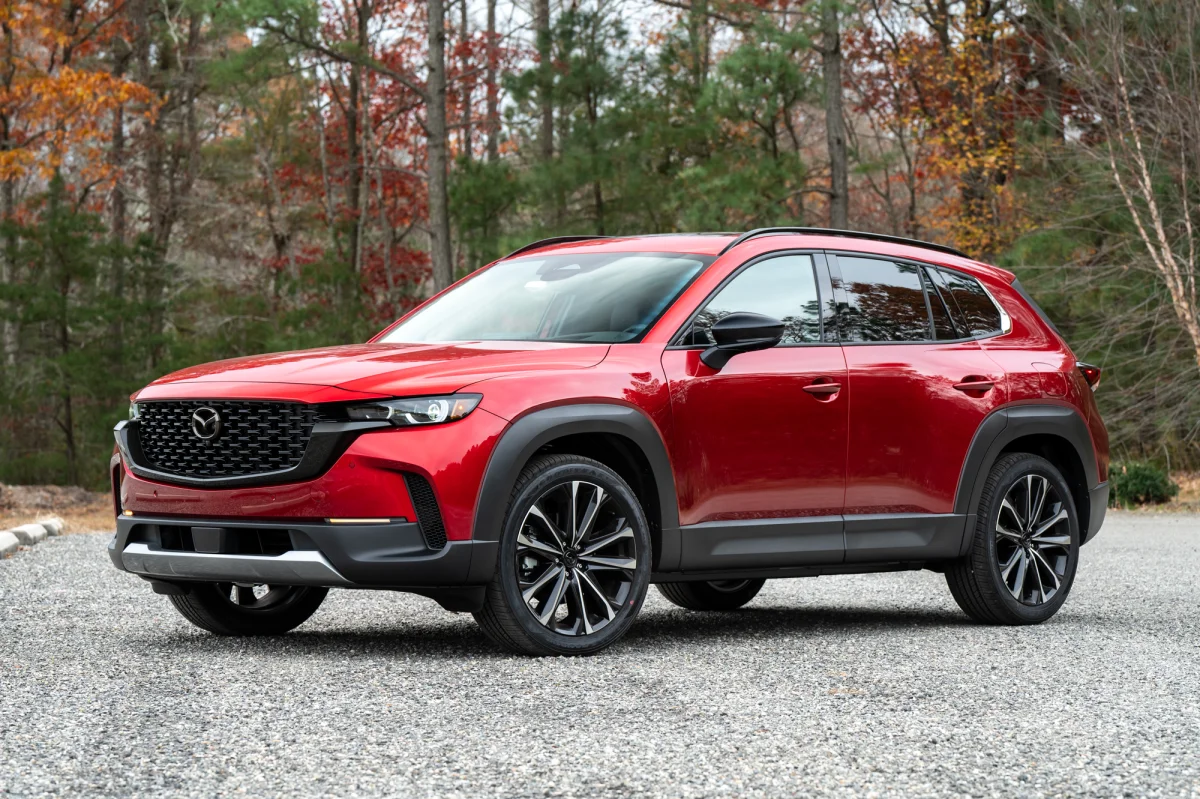
3. Mazda CX-50
The Mazda CX-50 is designed for drivers who want a compact crossover with a more outdoors-oriented appearance and a cabin that emphasizes comfort and quality. Its broad stance, distinctive bodywork, and available all-wheel drive make it attractive to people who enjoy road trips and outdoor recreation.
However, the IIHS whiplash prevention assessment gave the 2025 Mazda CX-50 a Poor rating. The published results also extend to the 2026 model year. This finding identifies a specific weakness in rear-impact injury prevention and should be considered alongside the vehicle’s other safety ratings.
The whiplash test examines how well a vehicle seat supports the occupant’s head and spine during a simulated rear-end collision. When a car is struck from behind, the seat pushes the torso forward while the head initially tends to lag behind.
The resulting movement can strain the neck, especially when the head restraint does not interact effectively with the occupant. IIHS evaluates the timing and quality of head restraint contact, the movement of the head relative to the body, and the way the seat manages the forces transferred during the impact.
4. Kia K4
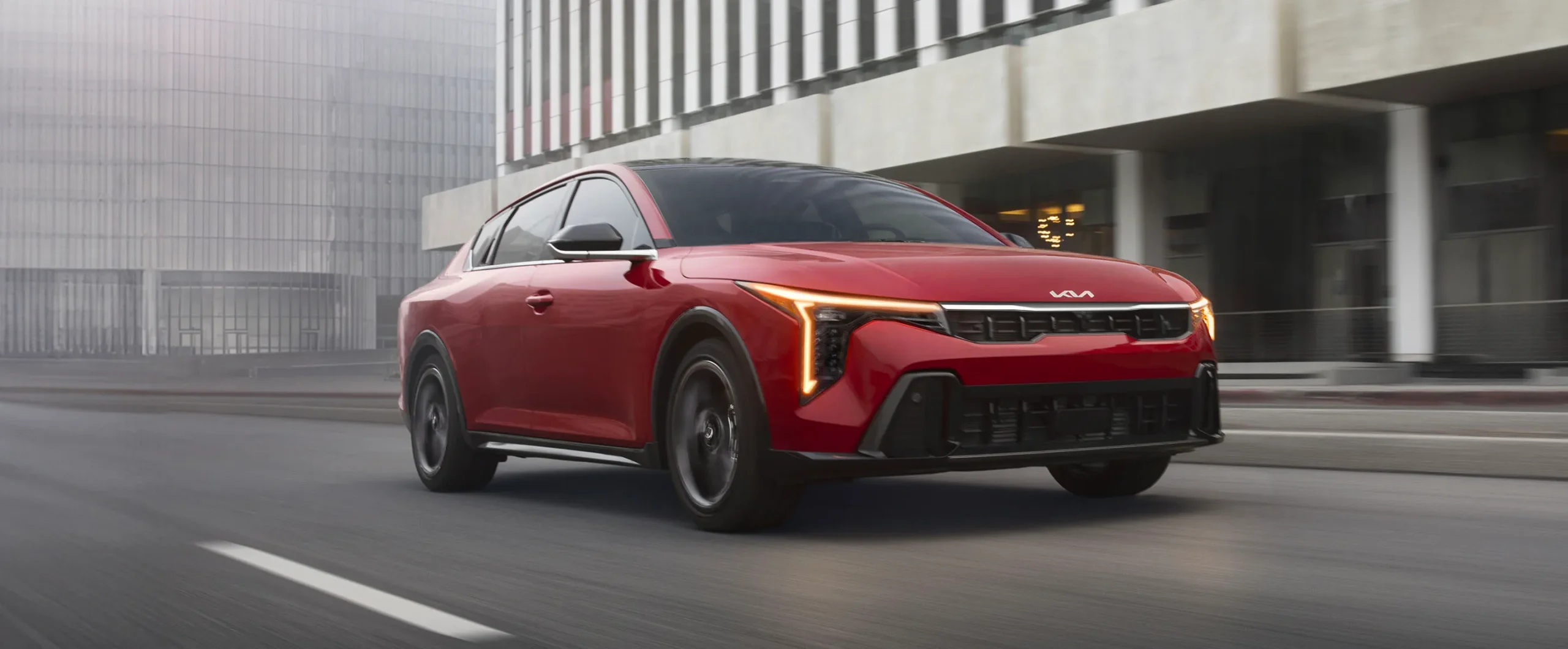
The Kia K4 is a compact sedan aimed at buyers who value modern styling, practical passenger space, and contemporary technology at a mainstream price. Its design gives the car a distinctive appearance compared with traditional compact sedans, while its cabin and feature package target everyday commuting and family use.
Some early-production 2025 Kia K4 models received a Poor rating in the updated IIHS moderate overlap front crash test. However, this assessment applied only to vehicles built before February 2025, as Kia introduced design changes during that month.
The moderate overlap front test evaluates what happens when the front portion of a vehicle collides with a barrier in a way that involves a substantial section of the front end. The updated procedure places particular emphasis on rear-seat occupant protection, reflecting the need to protect passengers beyond the driver and front passenger.
Researchers use crash-test dummies and instrument readings to examine how the vehicle structure and restraint systems manage the forces of impact. The updated test can expose weaknesses that older procedures did not fully reveal.
The Poor rating for early-build K4 vehicles highlights why rear-seat protection deserves attention when evaluating a family car. Modern safety assessments consider more than whether the front airbags deploy or the driver’s cabin remains intact.
Seat belts must interact properly with occupants, and the rear seating area must provide suitable protection as the vehicle decelerates during a collision. A weak result in this assessment indicates that the tested vehicle did not achieve the expected level of protection under the updated conditions. It does not mean that every part of the sedan’s safety system received a Poor grade.
5. Nissan Kicks
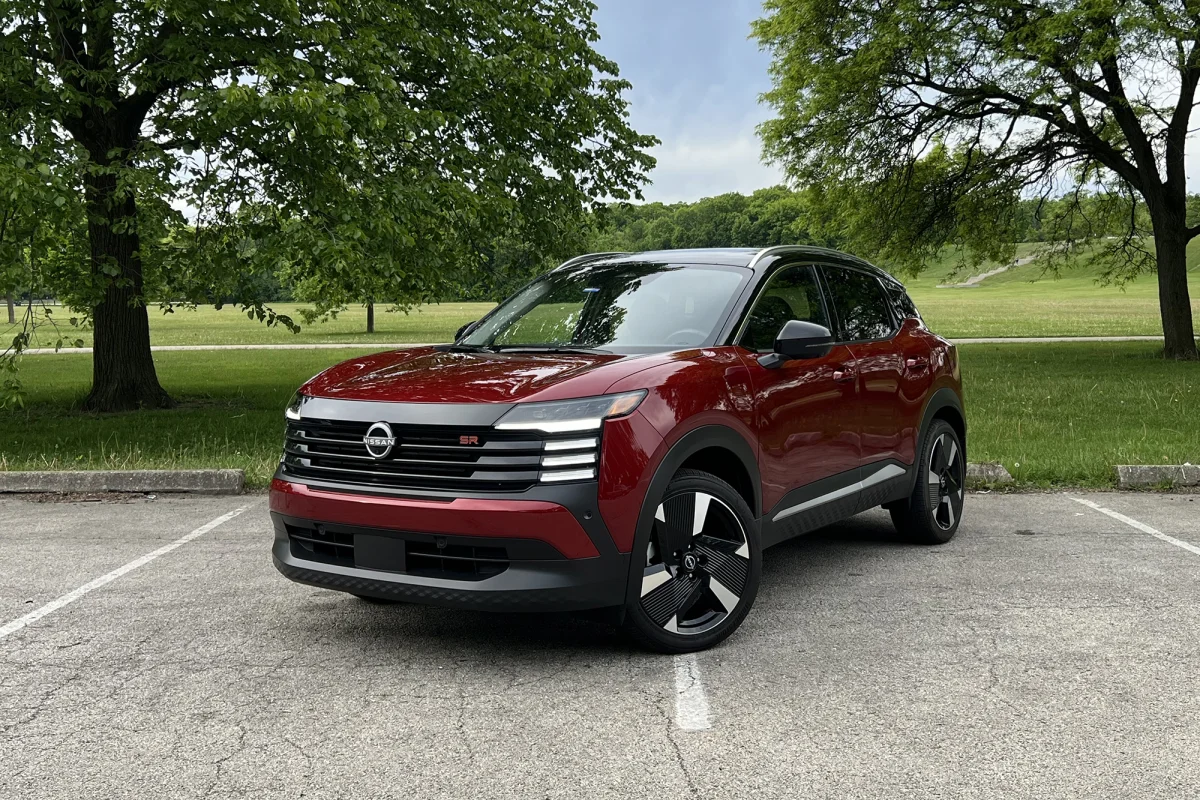
The Nissan Kicks is a subcompact SUV built for drivers who want a relatively small vehicle with a raised seating position and practical urban dimensions. Its size can make parking easier, while its hatchback-style layout provides useful flexibility for shopping, commuting, and short trips.
The 2025 Nissan Kicks received a Poor rating in the updated IIHS moderate overlap front crash test. This result points to a concern in a particular crash-protection assessment rather than a finding that every safety system on the vehicle performs poorly. Updated moderate overlap testing is designed to reflect a wider understanding of injury risks in frontal collisions.
The test evaluates how the vehicle responds when a significant portion of its front end strikes a barrier, with special attention to the protection provided to occupants.
The updated procedure places greater emphasis on rear-seat safety, which matters for vehicles used by families and passengers of different ages. Researchers examine dummy measurements, restraint performance, and other evidence to judge how effectively the vehicle manages the impact.
The Kicks’ Poor rating signals that its performance fell short of the institute’s standard in this specific evaluation. For shoppers, the key question is which aspects of occupant protection contributed to the grade and whether newer model years have received updated assessments.
A Poor rating should not be treated as a prediction that a collision will inevitably result in serious injuries. It is evidence that the tested configuration did not meet the expected level of protection in the conditions represented by the test, making further research worthwhile.
6. Cadillac CT5
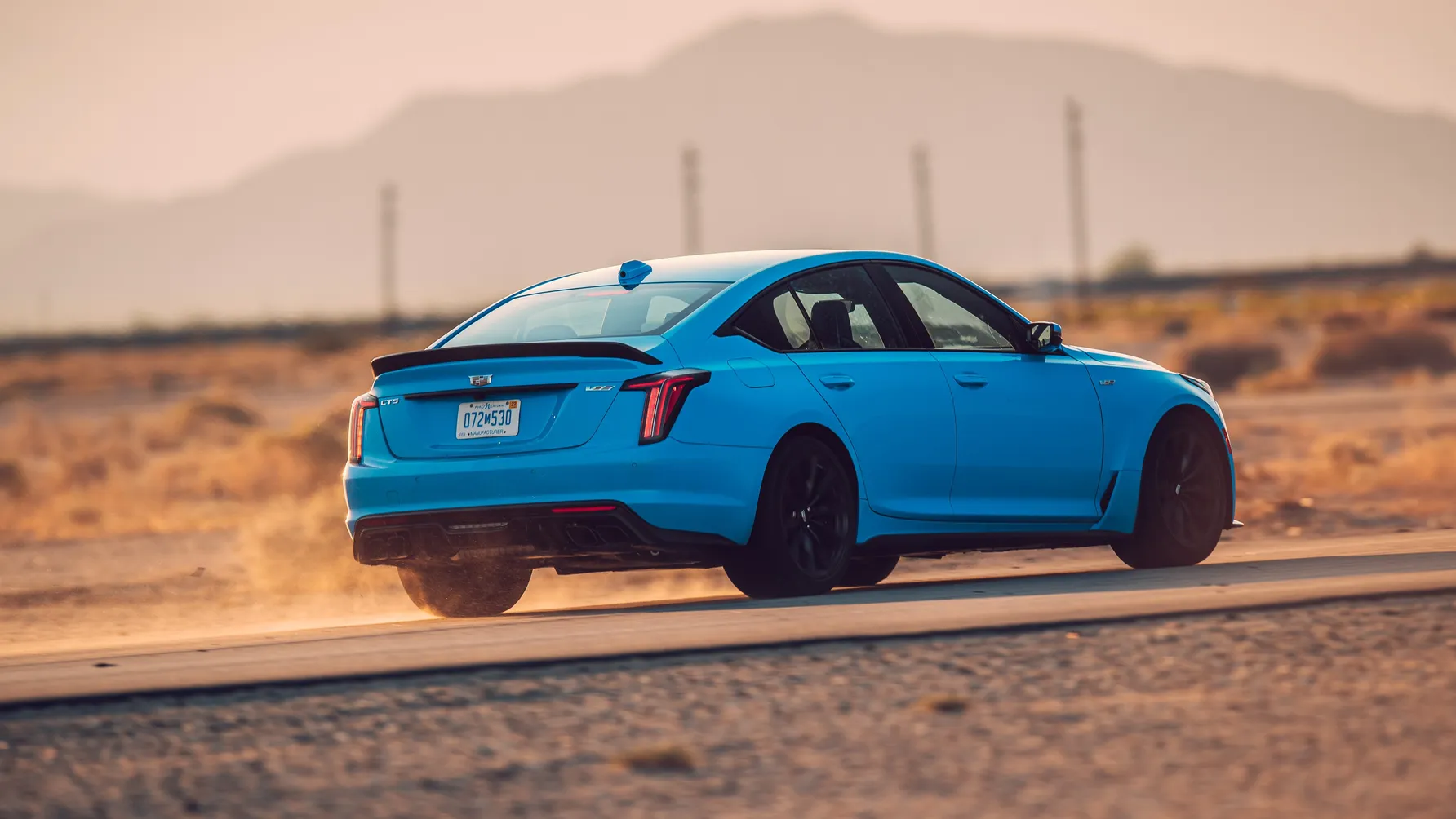
The Cadillac CT5 is a luxury midsize sedan designed to offer refined styling, a comfortable cabin, and a more premium driving experience. Buyers may be drawn to its exterior design, technology, and range of available equipment.
A July 2026 report from the Detroit Free Press stated that the Cadillac CT5 received Poor ratings in four IIHS evaluation areas, including the moderate overlap front crash test, side impact test, headlight assessment, and updated front crash prevention test. These findings highlight that a luxury badge does not necessarily guarantee strong performance across all vehicle safety assessments.
The moderate overlap front test assesses occupant protection in a frontal impact, while the side impact test examines how the vehicle manages forces entering through its side structure. Both are important because collisions can occur from different directions, and effective protection depends on the vehicle’s structure, restraints, and occupant space.
Poor ratings in these categories raise questions that prospective buyers should investigate by reviewing the relevant IIHS reports. The grades apply to the tested conditions and do not, by themselves, describe every possible crash scenario.
The CT5 also received a Poor headlight rating, according to the same report. Headlight testing measures how effectively the vehicle’s lighting illuminates the road under specified conditions. Good visibility can help drivers recognize hazards, pedestrians, and changes in the road ahead, especially when travelling at night.
Headlight performance can vary with the equipment fitted to a vehicle, so shoppers should verify the rating for the particular trim and lighting configuration. This category differs from crashworthiness because it concerns visibility rather than the vehicle’s ability to protect occupants during an impact.
The fourth Poor result concerned updated front crash prevention. These assessments examine technologies intended to detect hazards and help prevent or reduce the severity of certain collisions. Depending on the test, the system may be challenged with vehicles or other road users under specified conditions.
A Poor rating indicates that the evaluated system did not meet the institute’s performance threshold for that assessment. Drivers should remember that automatic braking and related technologies are assistance features, not replacements for attentive driving, appropriate speed, and safe following distances.
7. Toyota Camry
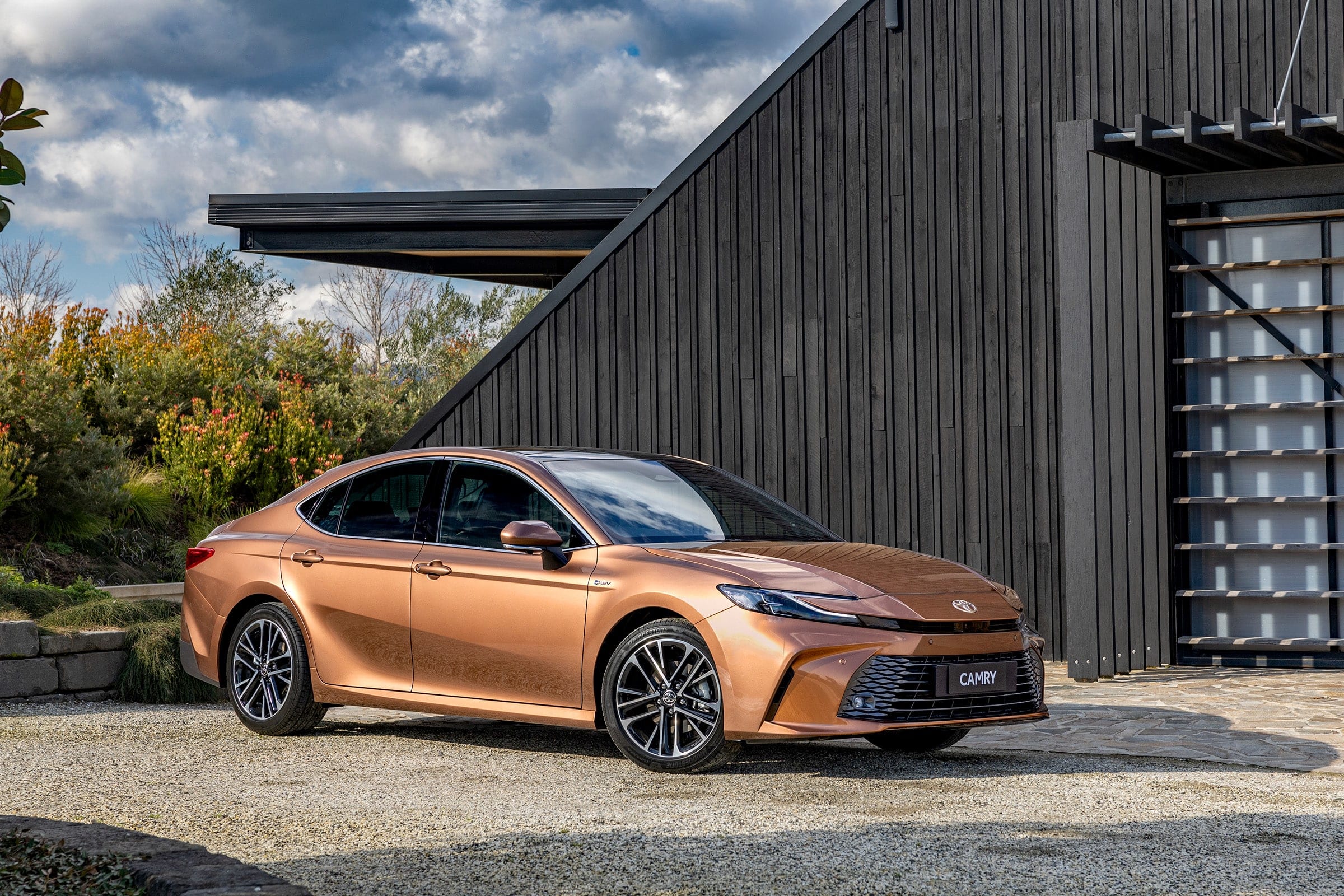
The Toyota Camry is a midsize sedan that appeals to American drivers looking for comfort, fuel efficiency, and dependable everyday transportation. Its modern exterior design features sharp headlights, a sculpted body, and a low, aerodynamic profile that gives the vehicle a refined appearance.
The latest US-market Camry is offered with a hybrid powertrain, combining a gasoline engine with electric motors to reduce fuel consumption during commuting and longer journeys. Inside, the cabin provides comfortable seating, a practical dashboard layout, and modern technology designed to make daily driving more convenient.
Depending on the trim level, available features include a touchscreen infotainment system, wireless smartphone connectivity, a digital instrument display, heated seats, and advanced driver-assistance technologies. The Camry is suitable for professionals, small families, and drivers who spend considerable time on highways.
Its sedan body style also makes it easier to handle in many parking situations than larger SUVs. Buyers should compare trim levels, insurance costs, fuel savings, and maintenance requirements before purchasing. For people who prioritize comfort and efficiency without moving to a fully electric vehicle, the Toyota Camry remains a strong option in the American midsize sedan market.
8. Honda CR-V
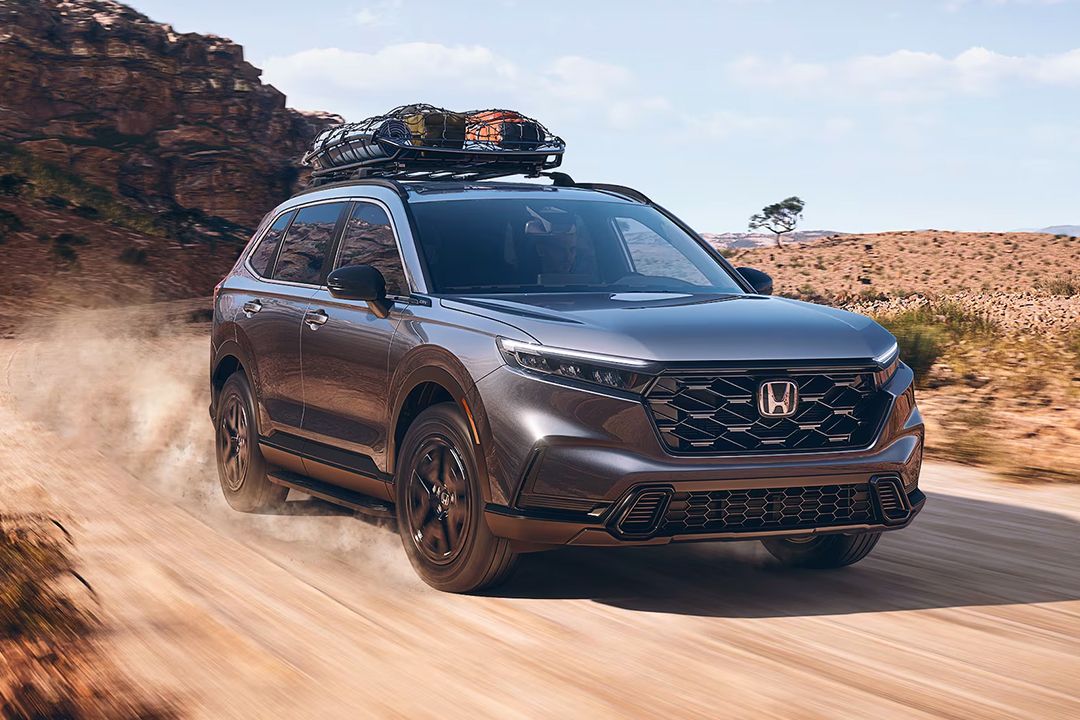
The Honda CR-V is a compact SUV designed for American households that need a practical combination of passenger comfort, cargo capacity, and everyday versatility. Its exterior features a clean design, a broad front grille, and a raised driving position that provides a commanding view of the road.
In the United States, the CR-V is available with gasoline and hybrid powertrain options, depending on the model and trim. The hybrid version can be particularly attractive to commuters who want to reduce fuel consumption without switching to a fully electric vehicle.
Inside, the cabin offers generous room for passengers, a useful rear cargo area, and storage compartments for everyday belongings. Modern infotainment features, smartphone integration, automatic climate control, and Honda Sensing driver-assistance technologies are available, with equipment varying by trim.
The CR-V can serve a range of needs, from daily office travel and school runs to weekend road trips and grocery shopping. Its manageable size makes it easier to drive in urban areas than many full-size SUVs, while its cargo space supports active lifestyles.
Prospective buyers should compare front-wheel-drive and all-wheel-drive versions, fuel economy, available safety features, and total ownership expenses to determine which configuration suits their household.
9. Ford F-150
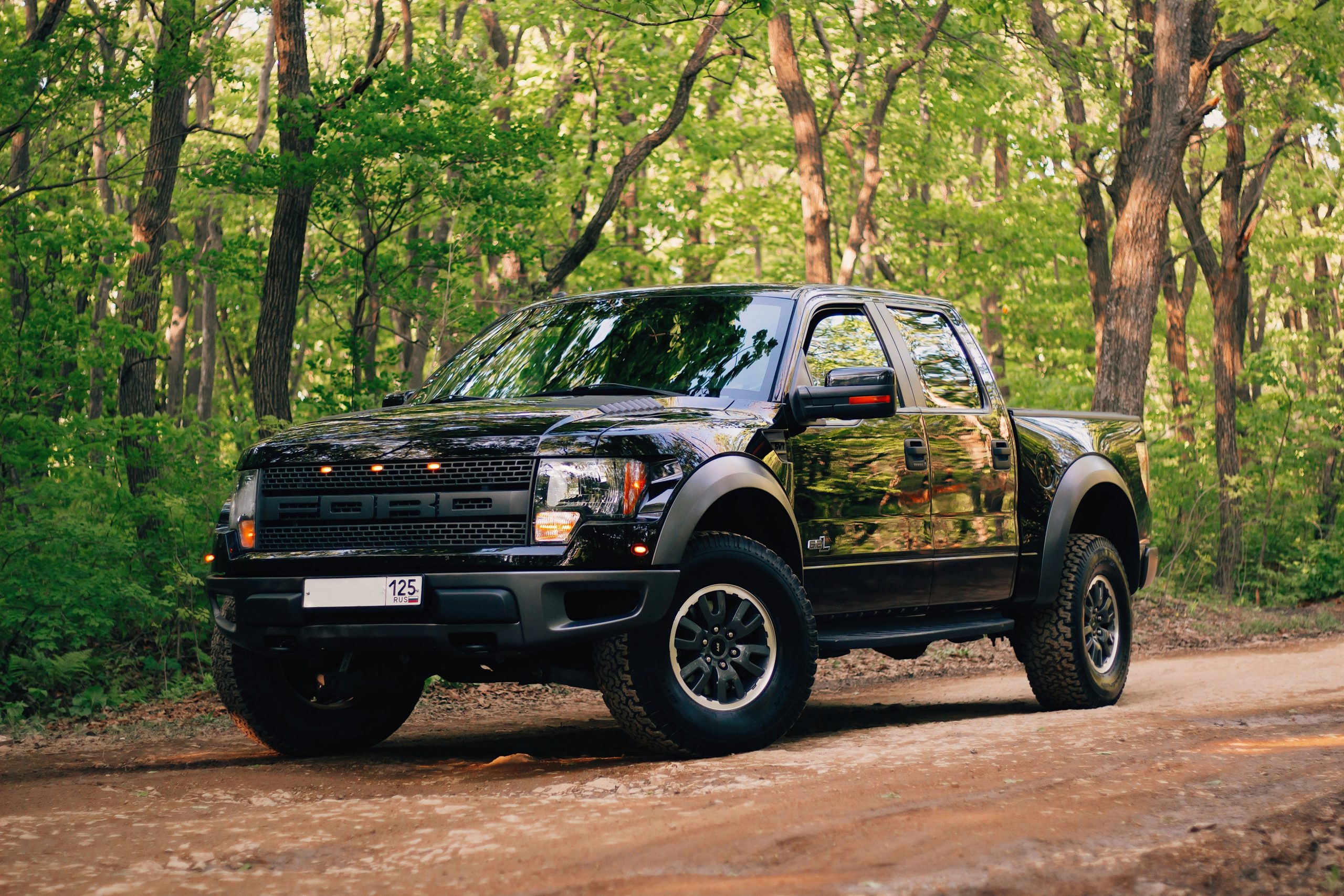
The Ford F-150 is a full-size pickup truck that plays an important role in the American automotive market. It is popular among drivers who need a vehicle for work, towing, hauling equipment, or transporting supplies while retaining the convenience of a personal vehicle.
Its bold front styling, high ground clearance, and large cargo bed give it a distinctive appearance on American roads. The F-150 lineup offers several powertrain choices, with availability varying by configuration and model year. Depending on the version, buyers can choose from gasoline engines, hybrid technology, and other specialized configurations.
The cabin ranges from practical work-focused interiors to more luxurious versions with upgraded materials, larger displays, and additional comfort features. Available technologies may include trailer-assistance systems, a large infotainment screen, smartphone connectivity, and driver-assistance features.
Towing capacity and payload ratings depend on factors such as the engine, cab style, drivetrain, and equipment package, so buyers should check the specifications for the exact truck they intend to purchase.
Although a pickup can be highly useful for demanding tasks, its size may create challenges in crowded city streets and parking garages. Fuel costs, insurance, tire replacement, and maintenance are also important considerations for long-term ownership.
10. Tesla Model Y
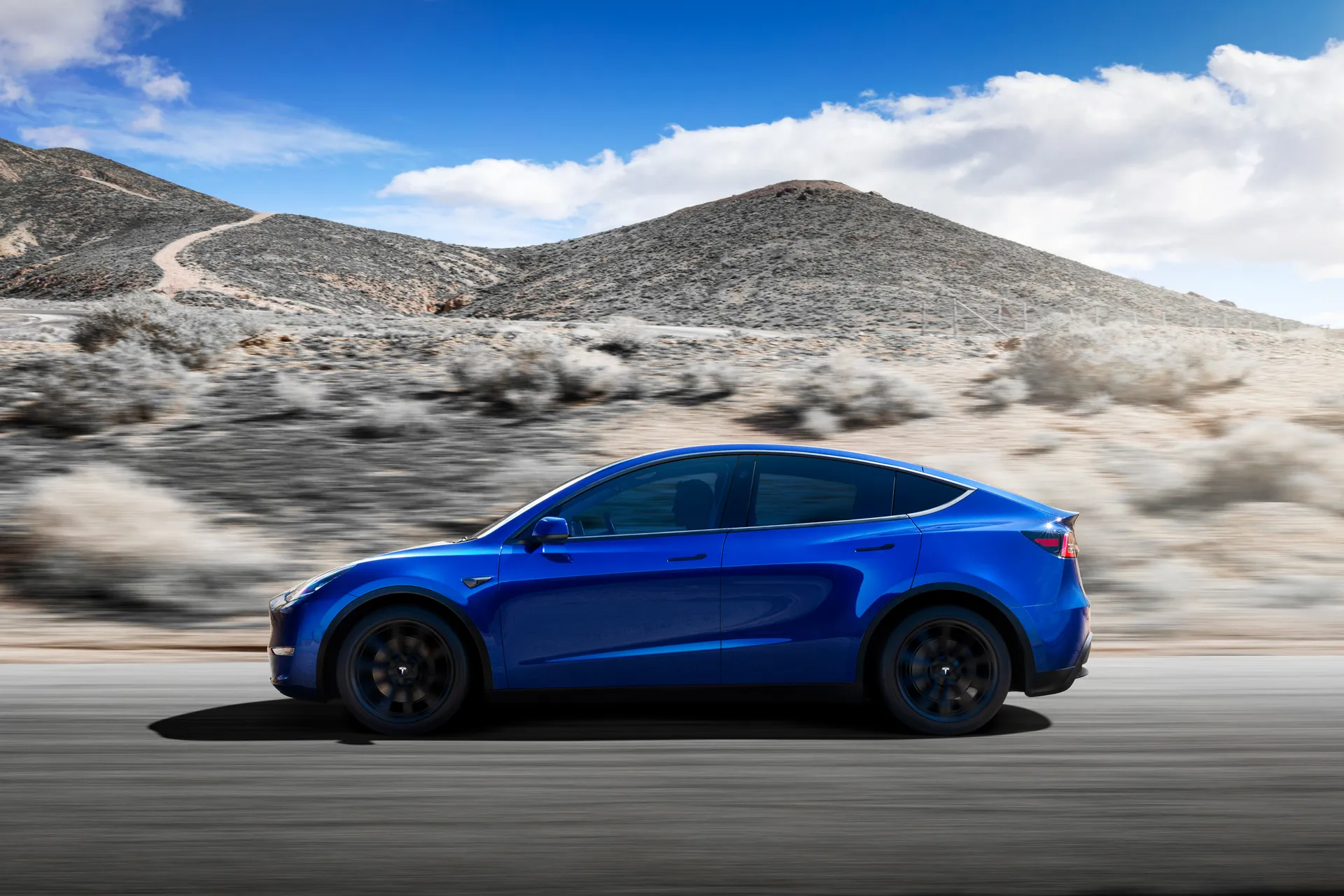
The Tesla Model Y is an all-electric SUV that appeals to American drivers interested in electric transportation, modern technology, and practical passenger space. Its streamlined exterior, enclosed front design, and sloping roofline give it a distinctive appearance while supporting aerodynamic efficiency.
Since it runs entirely on electricity, the Model Y does not require gasoline, and its operating expenses depend heavily on local electricity prices, charging habits, insurance rates, and maintenance needs. The interior follows a minimalist design approach, with a central touchscreen controlling many vehicle functions and displaying navigation, media, and driving information.
Depending on the version, buyers can choose configurations with different performance characteristics, driving ranges, and drivetrain options. The vehicle also offers useful cargo storage, including space beneath the rear cargo floor and a front storage compartment.
For households with home charging, the Model Y can be convenient for daily commuting because the battery can be replenished overnight. Public charging networks also support longer journeys, though charging time and availability vary by location and conditions.
Buyers should examine real-world driving range, charging access, cold-weather performance, insurance premiums, repair costs, and available driver-assistance features before making a purchase. For drivers who want an electric vehicle with SUV practicality, the Tesla Model Y is an option in the US market.