

Fuel economy ratings help drivers compare vehicles, estimate running costs, and choose cars that suit their daily routines. However, the miles per gallon shown on a window sticker may differ from the numbers drivers record after months of real-world use.
Traffic, weather, driving speed, vehicle maintenance, and road conditions all influence fuel consumption. Comparing EPA fuel economy estimates with owner-reported results can reveal useful differences between laboratory ratings and everyday performance.
This guide examines ten vehicles reported to fall short of their EPA combined MPG estimates, explains possible causes, and highlights what buyers should consider before making a purchase.

1. 2023 Tesla Model 3 Rear-Wheel Drive
The 2023 Tesla Model 3 rear-wheel-drive version appears at the top of the cited dataset’s list of vehicles with a negative efficiency gap. Its reported figures are approximately 132 MPGe for the EPA combined rating and 118.6 MPGe for real-world efficiency, a difference of 13.4 MPGe.
This comparison concerns electric energy efficiency, not gasoline consumption. The distinction matters because MPGe expresses electrical energy use in terms equivalent to the energy contained in a gallon of gasoline.
Electric vehicle efficiency changes with driving speed, temperature, terrain, and cabin heating or cooling. Highway driving can consume more energy than many owners expect because aerodynamic drag increases rapidly as speed rises.
Cold weather also reduces battery performance and increases heating demand. These factors can lower the distance travelled per unit of energy compared with a laboratory-based estimate.
Driving style is particularly important for electric cars. Rapid acceleration, frequent high-speed driving, and repeated changes in speed can increase energy consumption.
Regenerative braking helps recover some energy during deceleration, but it cannot fully offset the electricity used to accelerate a heavy vehicle. Smooth driving and anticipating traffic conditions can improve efficiency during daily trips.
Tire pressure, wheel choice, and additional vehicle weight can also influence consumption. Underinflated tires increase rolling resistance, while larger wheels and certain tire designs may reduce efficiency.
Roof-mounted accessories add aerodynamic drag, especially at motorway speeds. Owners comparing their results should check whether their vehicle’s wheels, tires, and equipment match the configuration used for the EPA rating.
For prospective buyers, the reported difference is a reminder to assess electric efficiency using realistic driving conditions and charging needs. It does not establish that every 2023 Model 3 will fall short by 13.4 MPGe. Prospective owners should compare the exact trim’s EPA rating with consistent owner-reported consumption data, taking climate and annual driving distance into account.
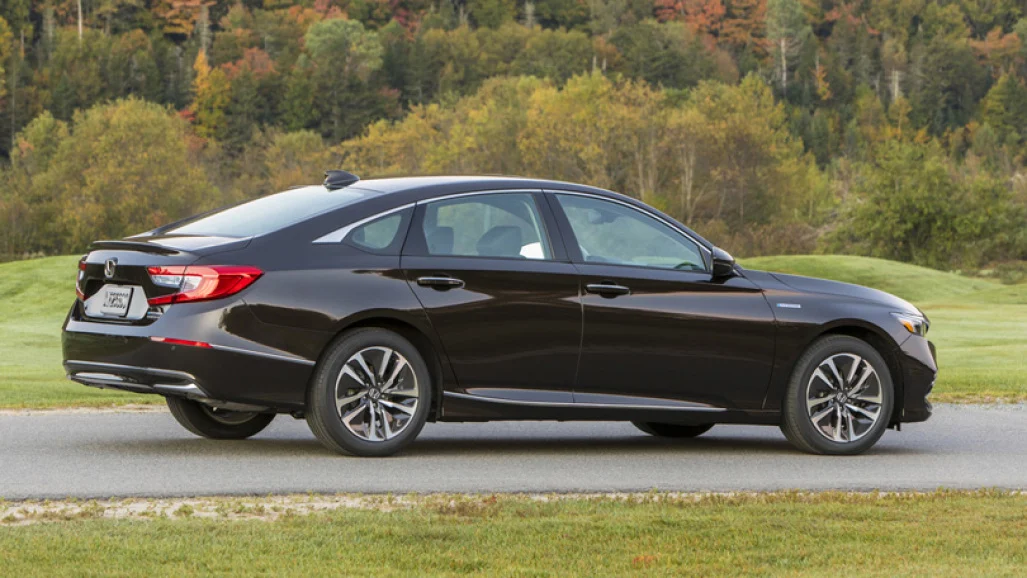
2. 2019 Honda Accord Hybrid
The 2019 Honda Accord Hybrid combines a gasoline engine with electric motor assistance to reduce fuel consumption. The cited dataset lists an EPA combined rating of 48 MPG and a real-world figure of about 40.7 MPG, producing a difference of 7.3 MPG.
That is approximately a 15.2 percent shortfall relative to the EPA rating. Such a difference can affect fuel spending for drivers who cover substantial distances each year.
Hybrid vehicles often achieve their best results in driving conditions that allow the electric motor to assist efficiently. Slow traffic can provide opportunities for regenerative braking and electric operation, depending on battery charge and operating conditions.
Frequent hard acceleration, prolonged high speeds, or sustained uphill driving can increase engine workload and reduce the advantage that a hybrid system normally provides.
Weather can make a noticeable difference as well. In cold conditions, the engine may run more frequently to warm the cabin and maintain operating temperature. The battery may also be less efficient until it reaches a suitable temperature.
In very hot weather, air conditioning places additional demands on the vehicle. Repeated short journeys can be especially challenging because the powertrain may spend much of its time warming up.
Maintenance and tire condition should be considered before blaming the vehicle’s design. Incorrect tire pressure, wheel alignment problems, worn components, and unsuitable tires can all contribute to higher fuel consumption.
A driver who records disappointing mileage should also check whether the vehicle is carrying extra weight or being driven at speeds substantially above those used in standardized fuel economy testing.
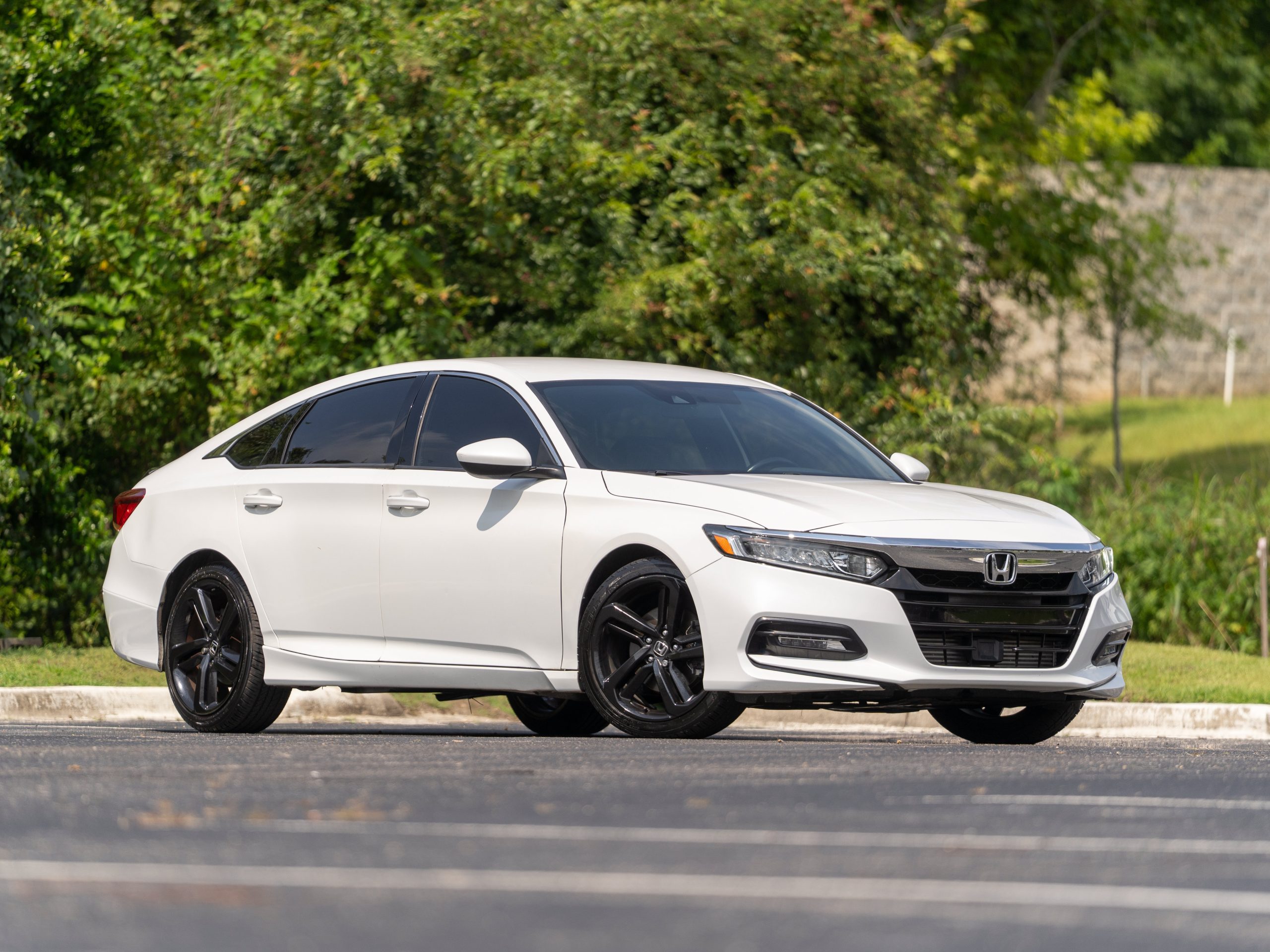
3. 2018 Honda Accord Hybrid
The 2018 Honda Accord Hybrid is listed with an EPA combined rating of 47 MPG and a reported real-world figure of roughly 40.1 MPG.
The resulting gap is 6.9 MPG, or around 14.7 percent of the official rating. While this is close to the difference reported for the 2019 version, the two model years should be analyzed separately because vehicle condition, equipment, and driving patterns may differ.
A hybrid powertrain relies on coordination between the gasoline engine, electric motor, and battery. Its fuel-saving potential depends on how these systems operate during acceleration, cruising, and deceleration. Smooth inputs and steady speeds can help the system work efficiently. Aggressive acceleration or frequent high-speed travel can reduce the benefits of electric assistance and raise average gasoline consumption.
Urban driving does not automatically guarantee exceptional mileage. A hybrid can recover energy during braking, but traffic congestion may involve long periods of idling or repeated acceleration.
Short trips can also prevent the engine from reaching its most efficient operating temperature. In contrast, a moderate-speed route with gentle changes in speed may deliver better results than a stop-start commute with many cold starts.
The condition of a used hybrid deserves careful attention. Battery health, engine maintenance, brake condition, tire pressure, and alignment can influence performance.
Regenerative braking can reduce wear on conventional brakes in suitable conditions, but it does not remove the need for routine inspections. A pre-purchase inspection should evaluate the complete vehicle rather than focusing only on the hybrid battery.
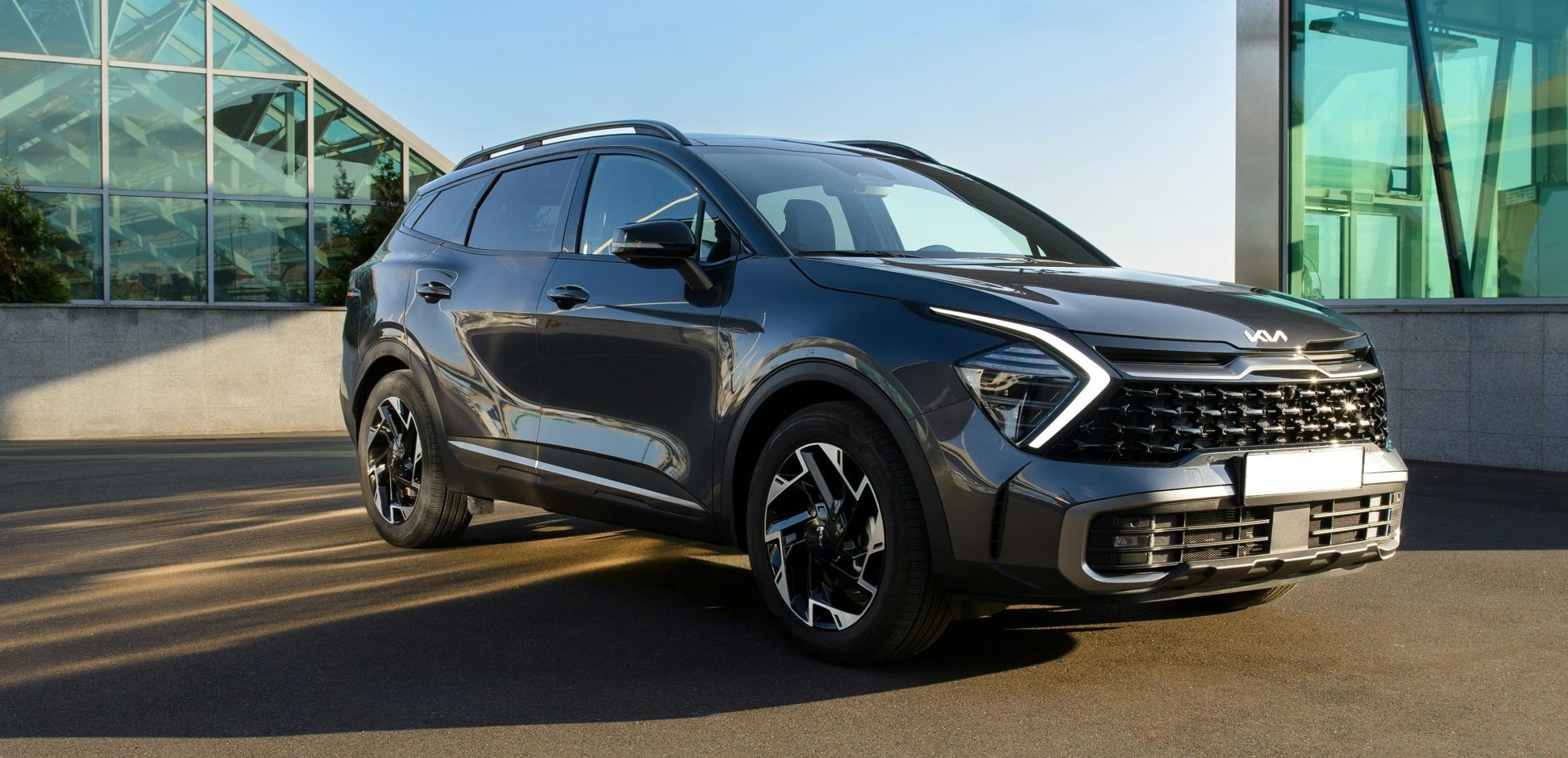
4. 2023 Kia Sportage Hybrid All-Wheel Drive
The 2023 Kia Sportage Hybrid with all-wheel drive is listed with an EPA combined rating of 38 MPG and a reported real-world result of approximately 31.5 MPG. The 6.5 MPG difference represents a shortfall of roughly 17 percent.
This is a notable gap for a compact SUV, particularly for households choosing a hybrid to reduce fuel costs while retaining additional passenger space and everyday practicality.
All-wheel drive can affect fuel economy because the system adds mechanical components and may increase vehicle weight. The impact varies with vehicle design and driving conditions.
Tire selection, road surface, elevation changes, and the amount of time spent travelling at highway speed also matter. Buyers should compare the exact all-wheel-drive trim with its own EPA rating rather than using figures from a front-wheel-drive version.
SUVs have a larger frontal area than many sedans, which can increase aerodynamic drag at higher speeds. The effect becomes more significant during sustained motorway travel. Roof racks, cargo boxes, and heavy loads can make the situation worse. A vehicle that performs well on moderate-speed urban routes may return lower mileage during long highway journeys at high speeds.
Hybrid technology still offers useful benefits in the Sportage. Electric motor assistance can reduce engine demand in suitable conditions, while regenerative braking captures some energy during deceleration.
However, the system cannot eliminate the effects of vehicle mass, steep climbs, cold weather, or heavy acceleration. Fuel economy depends on the combined effect of the powertrain and the environment in which it operates.
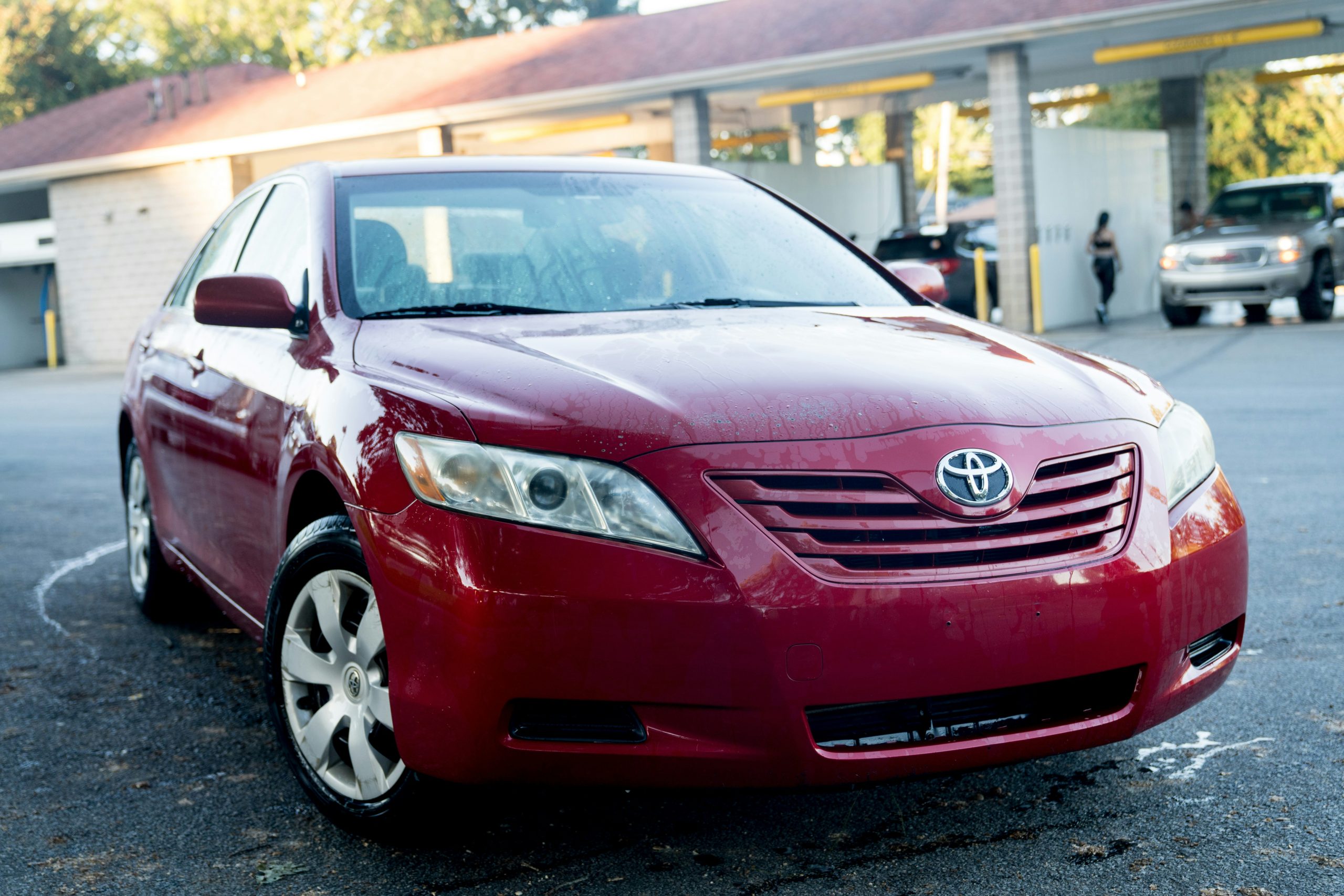
5. 2020 Toyota Camry Hybrid
The 2020 Toyota Camry Hybrid appears in the comparative data with an EPA combined rating of 52 MPG and a reported real-world figure of about 46.7 MPG. Its difference of 5.3 MPG is approximately a 10.2 percent shortfall. The Camry Hybrid remains a useful example of why a vehicle can deliver relatively high fuel economy while still falling below its official estimate in everyday use.
The Camry’s hybrid system is designed to combine gasoline power with electric assistance. During appropriate conditions, the electric motor can help the car move without requiring the engine to supply all the power.
Regenerative braking recovers some energy that would otherwise be lost during deceleration. The amount of benefit depends on speed, acceleration, battery charge, traffic, and other operating conditions.
A driver’s route can substantially change the result. A commuter who faces repeated cold starts and short journeys may see lower mileage than someone who drives longer trips in mild weather.
Sustained highway speeds can also increase fuel consumption because aerodynamic drag becomes more significant. Steady driving at moderate speeds often helps, but there is no single driving pattern that guarantees the EPA combined rating.
Tire pressure and regular servicing can help preserve the intended efficiency. Underinflated tires increase rolling resistance, while poor alignment may cause additional drag.
Unnecessary cargo increases the energy required to accelerate the vehicle. Drivers should follow the manufacturer’s maintenance schedule and use the specified tire pressures rather than attempting modifications that could affect handling or safety.
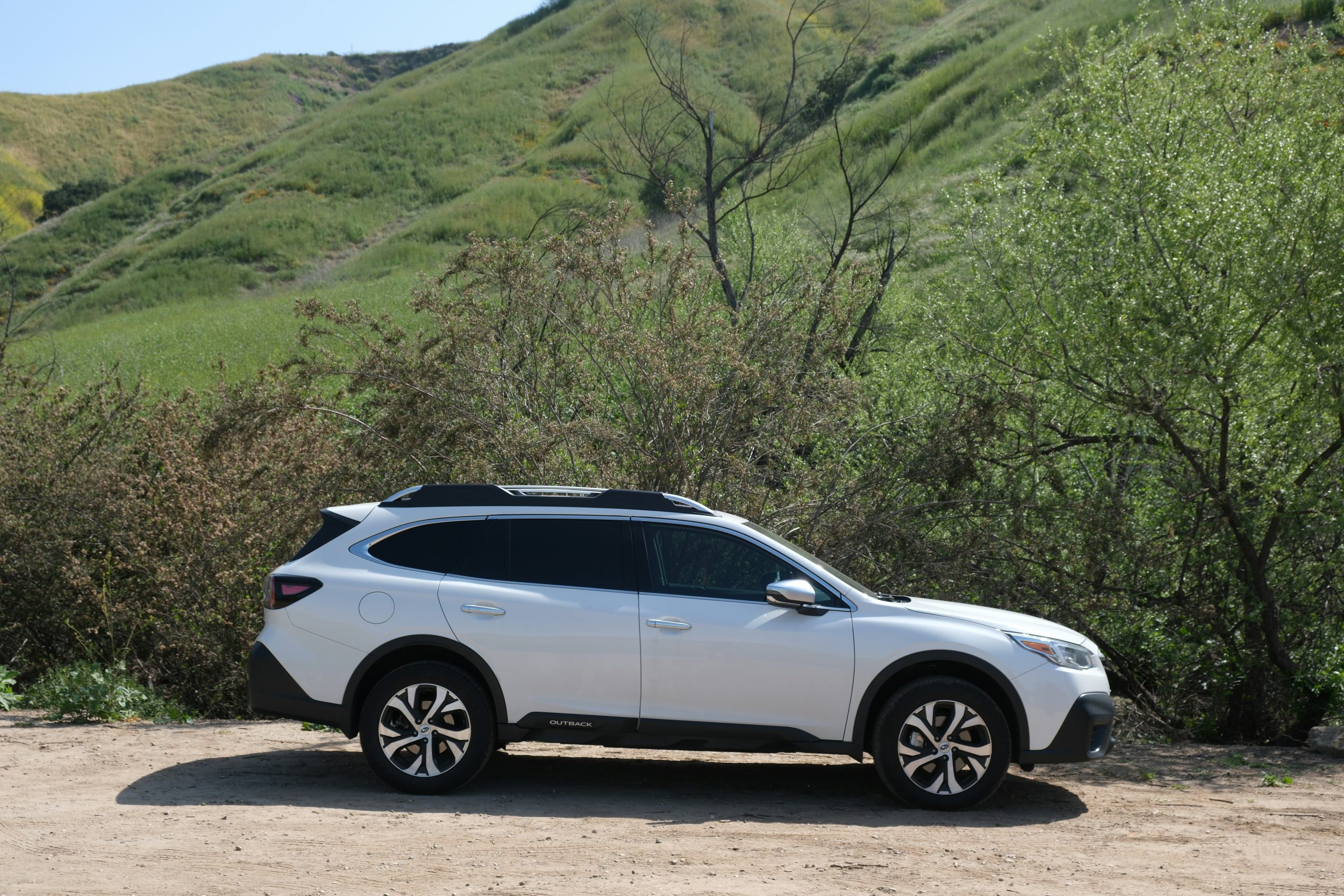
6. 2018 Subaru Outback All-Wheel Drive
The 2018 Subaru Outback with all-wheel drive is listed with an EPA combined rating of 28 MPG and a real-world result of approximately 22.7 MPG. The 5.3 MPG gap amounts to about 18.9 percent of the official figure. The percentage is relatively high because the EPA rating itself is lower than those of the hybrid sedans in this comparison.
The Outback’s wagon-style body and all-wheel-drive layout support practical everyday use, including travel on slippery roads and unpaved routes. Those capabilities do not necessarily produce the lowest possible fuel consumption.
The drivetrain, vehicle weight, tires, and engine characteristics influence how much fuel the car requires to move. Driving on rough surfaces or climbing hills can increase consumption further.
Highway speed can have a significant effect on a vehicle with a relatively tall body. Air resistance increases as speed rises, requiring more energy to maintain motion.
Cargo carriers, roof boxes, and outdoor equipment may add further drag. Owners who regularly travel at high speeds or carry bulky gear should expect different results from those achieved on moderate-speed routes without accessories.
Terrain and weather are important factors for all-wheel-drive vehicles. Snow, mud, steep roads, and soft surfaces can require more energy than dry, level pavement.
Cold temperatures can also reduce engine efficiency during warm-up and change tire performance. These influences mean that drivers who use the Outback for mountain trips or winter travel may record lower mileage than owners who primarily drive in mild conditions.

7. 2020 Honda Accord Hybrid
The 2020 Honda Accord Hybrid is listed with an EPA combined rating of 48 MPG and a real-world figure of approximately 43 MPG. The resulting 5 MPG difference represents a shortfall of about 10.4 percent. This model’s reported gap is smaller than the figures listed for the 2018 and 2019 versions, illustrating that the difference can vary between model years and owner samples.
Hybrid sedans are often selected by drivers who want low fuel costs without moving to a smaller vehicle. Their efficiency depends on the relationship between engine operation, electric assistance, battery charge, and road conditions.
During gentle acceleration and suitable cruising conditions, electric assistance can reduce gasoline demand. Under harder acceleration or sustained high-load conditions, the engine may run more frequently.
The way a car is used every day can matter as much as its design. A long commute with high-speed motorway travel may deliver different results from mixed urban driving.
Frequent short journeys can require repeated engine warm-ups, while congestion can involve repeated acceleration and braking. Regenerative braking can recapture some energy, but energy conversion is never completely lossless.
Owners can improve consistency by keeping tires correctly inflated, maintaining the vehicle according to its service schedule, and avoiding unnecessary weight. Smooth acceleration and anticipating traffic may also help.
These steps cannot guarantee a specific MPG result, and safety should always take priority over attempts to maximize efficiency. Drivers should not coast in unsafe ways or interfere with normal vehicle operation to improve their numbers.

8. 2021 Ford F-150 Hybrid Four-Wheel Drive
The 2021 Ford F-150 Hybrid with four-wheel drive is listed with an EPA combined rating of 24 MPG and a reported real-world figure of around 19.1 MPG.
Its 4.9 MPG difference represents a shortfall of approximately 20.4 percent. Although the absolute difference is smaller than those recorded for some sedans, the percentage is substantial because the truck’s official rating is comparatively low.
Pickup trucks are affected by several factors that can increase fuel consumption. Their size, weight, tire choices, and aerodynamic shape create different demands from those of compact cars.
Four-wheel-drive hardware and larger off-road tires may add resistance or weight, depending on configuration. A truck used for towing, carrying heavy loads, or travelling over uneven ground can consume considerably more fuel than one driven lightly on level roads.
The F-150 Hybrid combines a gasoline engine with an electric motor, but hybrid assistance cannot remove the energy required to move a heavy vehicle. Towing a trailer increases the total load and can create substantial aerodynamic drag.
Payload also matters because additional mass requires more energy during acceleration and climbing. These factors can make the truck’s daily mileage very different from the standardized combined rating.
Driving speed and equipment choices influence efficiency as well. Large tires, lift kits, roof accessories, and other modifications can change the vehicle’s aerodynamic and rolling characteristics. Even when such equipment is useful for work or recreation, it may reduce fuel economy.
Owners should compare their results with trucks that have similar engine configurations, axle setups, tire sizes, and working duties.

9. 2016 Nissan Rogue All-Wheel Drive
The 2016 Nissan Rogue with all-wheel drive is listed with an EPA combined rating of 27 MPG and a reported real-world result of approximately 22.1 MPG.
The difference of 4.9 MPG corresponds to a shortfall of about 18.1 percent. For drivers considering an older used crossover, this example shows why fuel economy should be evaluated alongside age, maintenance history, mileage, and the condition of the drivetrain.
The Rogue’s compact SUV format offers a raised seating position and flexible passenger and cargo space. Its all-wheel-drive system can provide additional traction when road conditions require it, but its presence does not guarantee better fuel economy. The system’s effect depends on design and operating conditions, while tires, weather, traffic, and terrain influence the vehicle’s consumption.
A decade of use can introduce factors that were not present when the vehicle was new. Poor tire condition, incorrect tire pressure, alignment problems, neglected maintenance, and additional mechanical resistance can affect mileage.
The impact varies from vehicle to vehicle. A used car that has been serviced regularly and driven gently may perform quite differently from one that has experienced demanding conditions or inconsistent maintenance.
Route selection can also affect results. Short trips with frequent stops may prevent the engine from operating at its most efficient temperature for long periods. Hilly roads require additional energy, while sustained highway speeds can increase aerodynamic losses.
Cold weather can further increase consumption during warm-up. A driver’s monthly average therefore reflects both the car’s condition and the conditions in which it is operated.
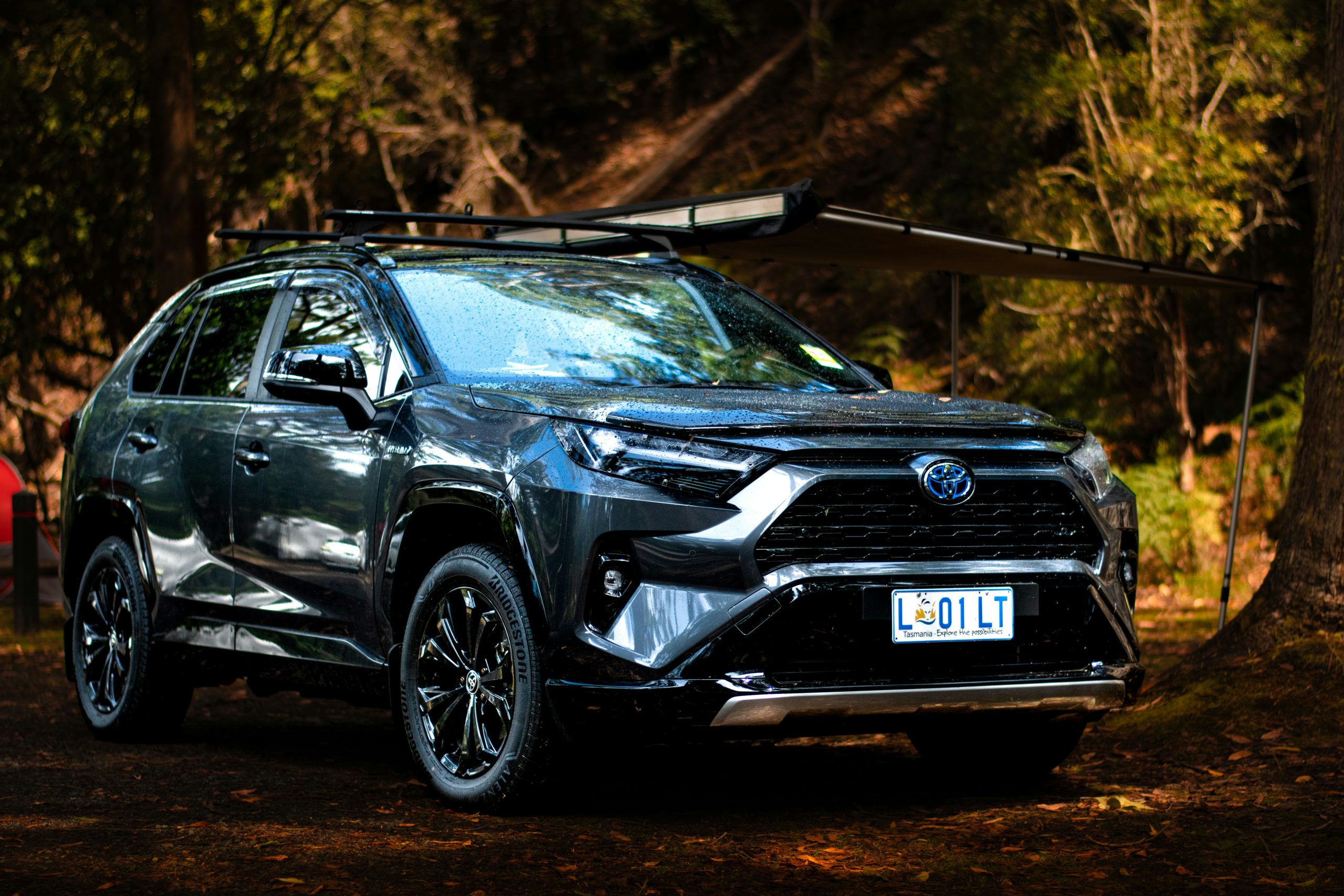
10. 2020 Toyota RAV4 Hybrid All-Wheel Drive
The 2020 Toyota RAV4 Hybrid with all-wheel drive is listed with an EPA combined rating of 40 MPG and a real-world figure of about 35.3 MPG.
Its 4.7 MPG difference represents a shortfall of roughly 11.8 percent. The RAV4 Hybrid combines the flexibility of a compact SUV with an electrified powertrain, but actual consumption depends on driving conditions and the particular vehicle.
Hybrid technology can improve efficiency in stop-start traffic by recovering some energy during braking and allowing electric assistance under suitable conditions. However, a crossover generally has a different weight and aerodynamic profile from a compact sedan.
The all-wheel-drive configuration also has its own mechanical characteristics. These features can influence energy demand, particularly on highways, steep routes, or roads where traction is limited.
Cold weather may lower fuel economy by increasing engine warm-up time and cabin-heating demand. Short trips can amplify that effect because the engine may repeatedly start from a cold condition.
In warmer weather, heavy air-conditioning use can also affect consumption. Drivers who compare one tank from summer with another from winter may therefore see a substantial difference without any change in the vehicle itself.
Tire selection and maintenance are important for the RAV4 Hybrid. Underinflated tires increase rolling resistance, and aggressive tire designs may trade some efficiency for traction or durability. Extra cargo, roof racks, and cargo boxes can also affect consumption.
Keeping up with routine servicing and using the manufacturer’s recommended tire pressures helps maintain the vehicle’s intended operating characteristics.
