
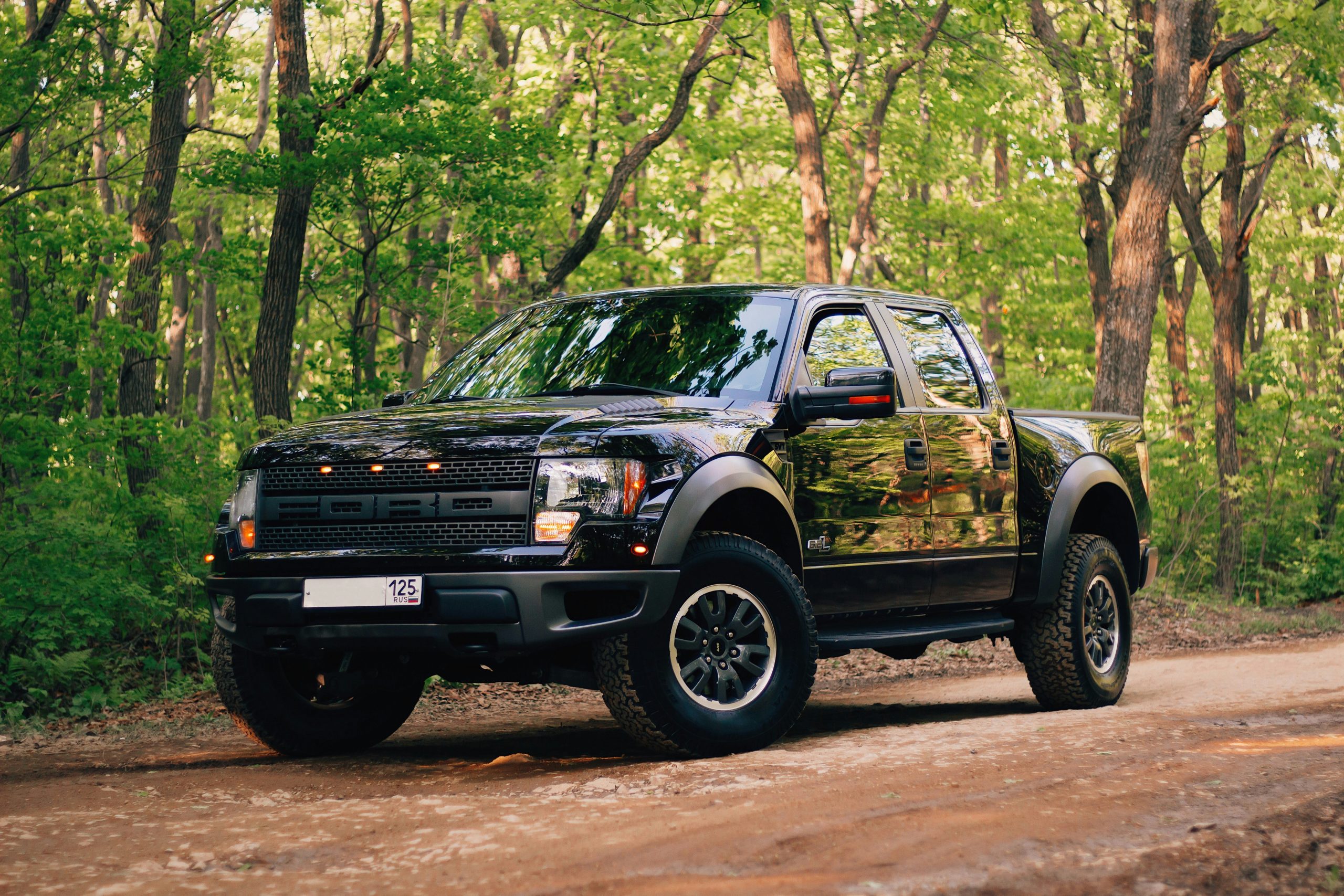
Pickup trucks remain a popular choice for American drivers who need practical transportation, towing capability, cargo space, and everyday comfort. Models from Ford, Chevrolet, Ram, Toyota, GMC, and Nissan compete for buyers through powerful engines, modern technology, and multiple configurations.
Sales figures from Cox Automotive and vehicle complaint records maintained by the National Highway Traffic Safety Administration (NHTSA) offer useful ways to understand this market. Yet strong sales do not automatically mean trouble-free ownership.
This article examines ten popular pickups, common owner concerns, and the checks buyers should complete before choosing a truck.
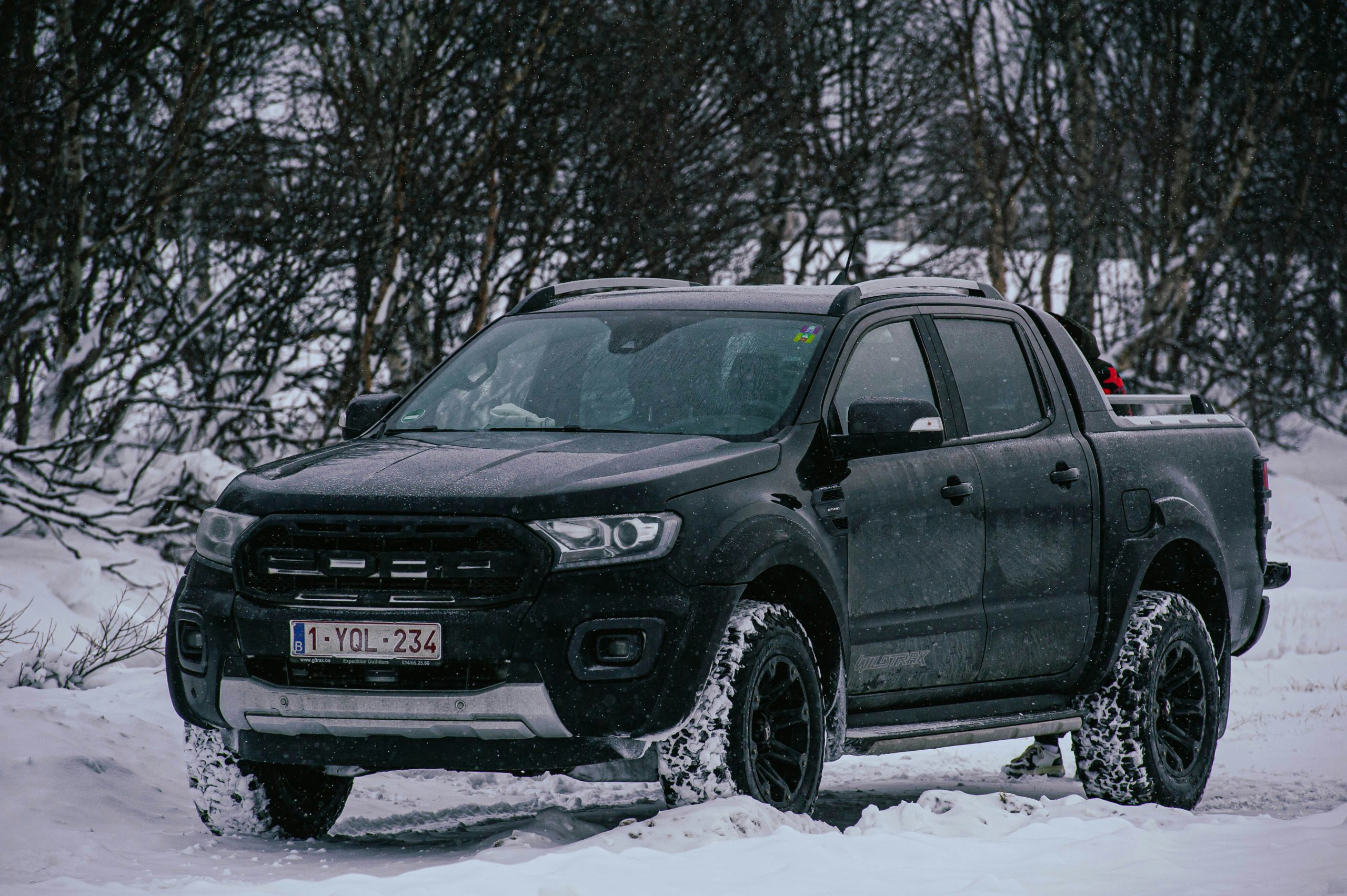
1. Ford F-150
The Ford F-150 has maintained a leading position in the American pickup market for decades. Buyers can choose from several engine options, cab styles, bed lengths, and trim levels, making it suitable for construction work, family transportation, recreational towing, and long-distance driving.
The F-Series also includes heavy-duty models, so sales rankings must be interpreted carefully when comparing it with individual light-duty pickups. Its broad availability gives buyers plenty of choices in both new and used markets.
Owners frequently discuss powertrain performance, transmission behavior, electrical equipment, and the cost of maintaining newer trucks. Some drivers report hesitation, rough shifts, or inconsistent gear changes on particular model years.
These accounts should not be treated as proof that every F-150 shares a mechanical defect. Engine choice, mileage, maintenance history, software updates, and the truck’s previous workload can all influence how it performs over time.
Modern F-150 models offer substantial technology, including digital displays, driver assistance features, connected services, and available towing aids. Such equipment makes daily driving easier, yet it also adds components that can require diagnosis when warning messages appear.
Owners sometimes raise concerns about infotainment glitches, camera interruptions, sensors, or electronic features that behave inconsistently. A thorough inspection should test every screen, switch, camera, and driver assistance function rather than concentrating exclusively on the engine.
Repair costs deserve attention when shopping for a used F-150. Certain engine and transmission repairs can become expensive, particularly if the truck has experienced heavy towing, poor maintenance, or extended service intervals.
Buyers should request service records, review applicable recalls, and arrange an independent mechanical inspection. A test drive should include cold starting, acceleration, braking, low-speed maneuvering, and highway travel to identify symptoms that may not appear immediately.
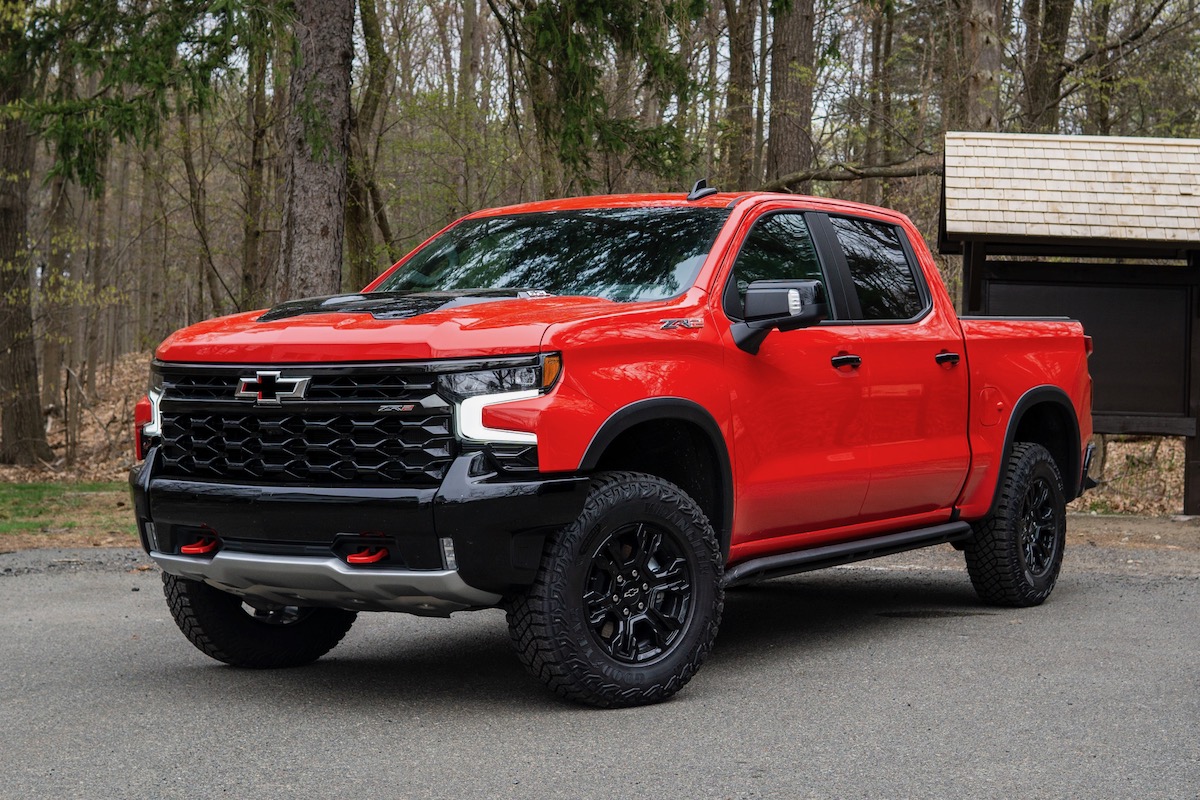
2. Chevrolet Silverado 1500
The Chevrolet Silverado 1500 competes directly with the F-150 and attracts buyers who want a capable work truck with a wide selection of trims. Depending on configuration, it can serve fleet operators, tradespeople, outdoor enthusiasts, and families.
Chevrolet offers different engines and equipment packages, allowing shoppers to balance price, towing performance, fuel consumption, and comfort. Its sales strength reflects the continuing demand for full-size trucks that can handle several responsibilities.
Common concerns reported in pickup ownership discussions include transmission behavior, engine performance, electrical faults, and interior equipment problems. Silverado complaints can vary substantially by model year and powertrain.
A symptom mentioned by an owner online may be associated with a specific production period, driving condition, or maintenance issue rather than the complete model range. Buyers should verify claims against reliable service information and official safety records before assuming a particular fault affects their prospective vehicle.
Transmission performance deserves special attention during a used-truck inspection. Rough shifting, unexpected hesitation, unusual noises, or delayed engagement may indicate a problem that needs professional diagnosis.
These symptoms do not identify a specific failed component on their own, so avoid accepting a seller’s explanation without further checks. Drive the truck at different speeds, test reverse and forward engagement, and ask a qualified technician to inspect it if shifting feels inconsistent.
Electrical and infotainment features can also influence satisfaction. A modern Silverado may include cameras, parking assistance, touchscreens, smartphone connectivity, and electronic driver aids.
Faults involving these systems can range from simple software issues to damaged wiring or failing components. Test the equipment in daylight and darkness when possible, confirm that warning lights behave normally, and ensure that previous repairs have been completed correctly.
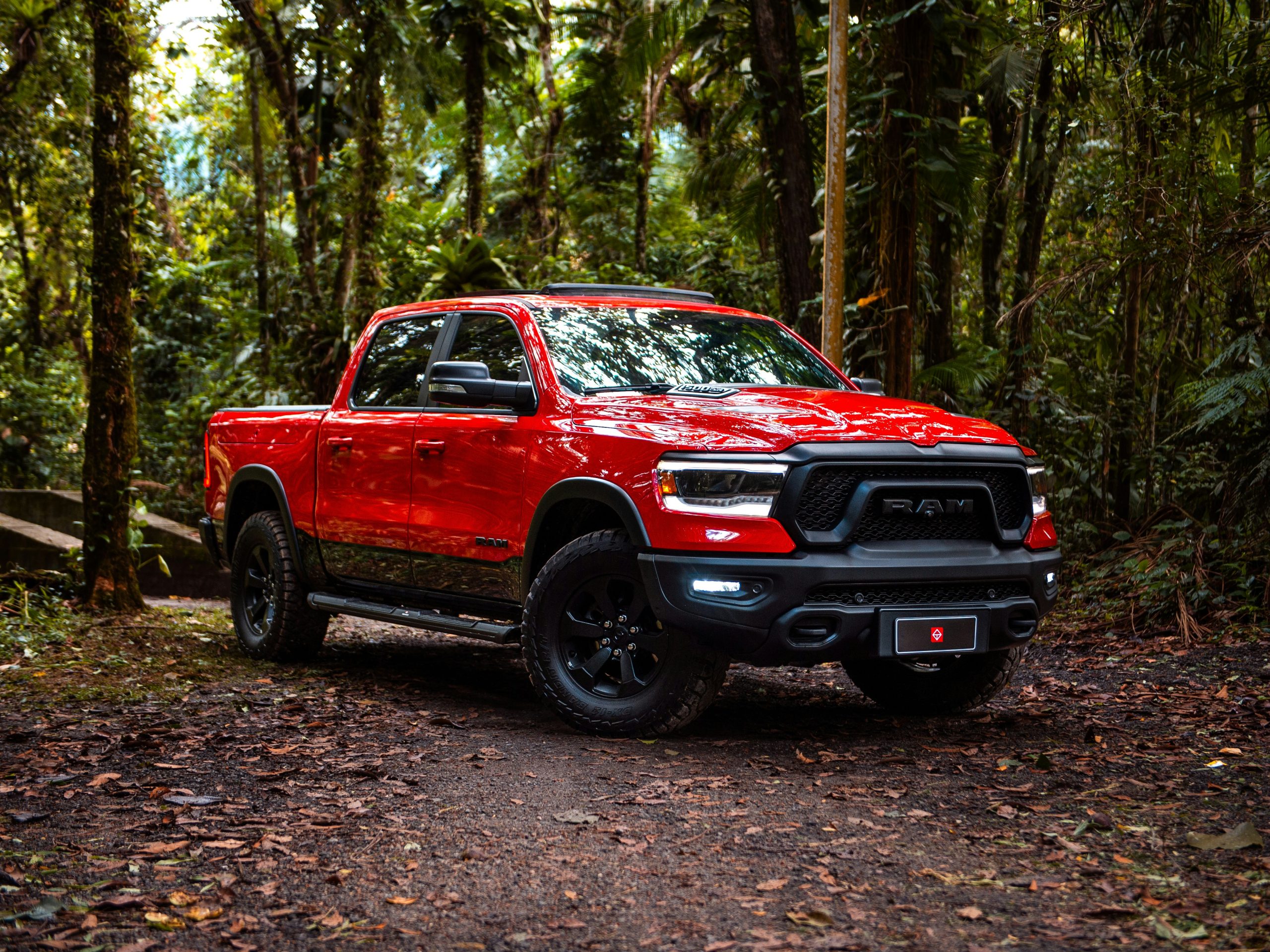
3. Ram 1500
The Ram 1500 has built a strong following among drivers who appreciate a comfortable cabin, composed road manners, and upscale interior choices. Its range includes work-focused versions and luxury-oriented trims with extensive equipment.
These characteristics make the Ram attractive to people who use a pickup for commuting as well as hauling materials or recreational gear. Sales performance places it among the major competitors in the full-size segment.
Owner concerns can involve engine reliability, transmission operation, electrical systems, suspension components, and the price of replacement parts. The exact pattern depends on the truck’s generation and engine.
A high-mileage vehicle used for demanding work may present different problems from a newer truck driven mainly on paved roads. Complaint databases can help identify reported concerns, but the number of submissions alone does not establish how likely a particular truck is to fail.
Electrical equipment and convenience features deserve a careful review on well-equipped versions. Power-adjustable seats, climate controls, infotainment systems, cameras, and other accessories add comfort, yet faults may take time to diagnose.
During a test drive, operate every major feature and look for intermittent warning messages. If the battery has been replaced or the electrical system recently repaired, ask for documentation and have unexplained issues assessed before completing the purchase.
Engine and transmission servicing can have a significant effect on ownership costs. Buyers should check whether the vehicle has received the correct fluids, scheduled inspections, and required repairs for its specific configuration.
Unusual engine noise, fluid leaks, rough shifting, or persistent warning lights warrant further investigation. A seller’s claim that a symptom is normal should be confirmed by a mechanic familiar with that powertrain, especially when the repair could be expensive.
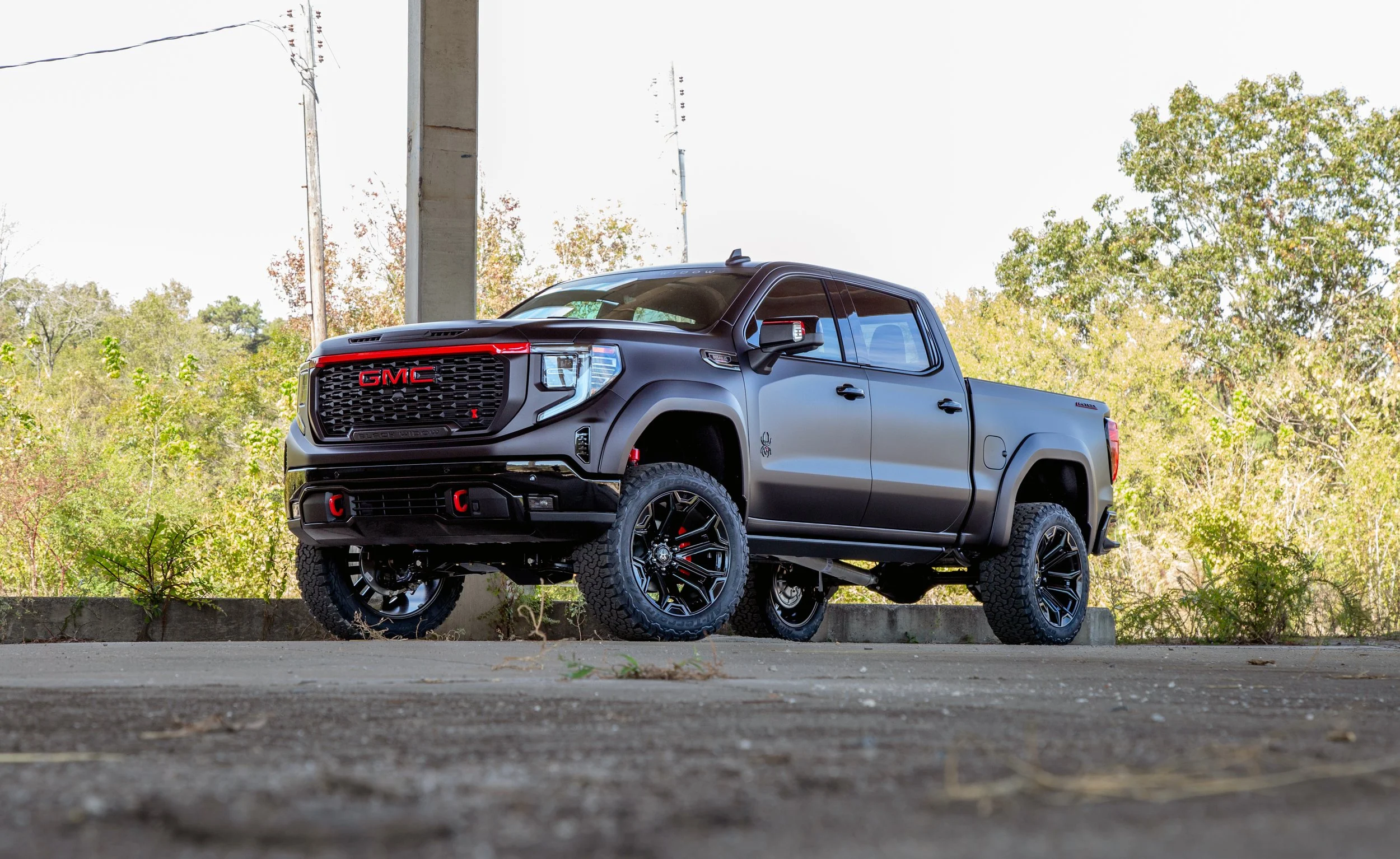
4. GMC Sierra 1500
The GMC Sierra 1500 shares important engineering with the Chevrolet Silverado while offering its own styling, trim choices, and premium equipment. It appeals to buyers seeking a full-size truck with substantial towing and hauling capability, plus a more upscale presentation on selected versions.
The range extends from practical configurations to expensive models with leather upholstery, advanced cameras, and additional convenience features.
Owners may raise concerns about infotainment reliability, electrical accessories, transmission operation, engine performance, and the cost of repairing premium equipment.
These reports must be considered by model year and configuration because related trucks can have different powertrains and features. A complaint involving a particular option does not automatically apply to every Sierra. Prospective buyers should identify the exact trim, engine, production year, and service history before drawing conclusions.
Higher equipment levels can make inspection especially important. Cameras, parking sensors, power tailgates, seat adjustments, digital displays, and climate controls should all work as intended.
Check for software updates or outstanding repair campaigns, and make sure all keys and remotes are included. If the truck has advanced towing equipment, test its functions using the owner’s manual rather than assuming that the presence of a feature means it operates correctly.
Mechanical checks should focus on the truck’s intended use and previous workload. Look for uneven tire wear, suspension damage, fluid leaks, corrosion, and signs of trailer-related strain.
Confirm that the hitch, wiring connections, cooling equipment, and brakes are appropriate for the towing tasks the seller claims the truck performed. A pre-purchase inspection by a technician experienced with full-size pickups can reveal problems that a short road test will miss.
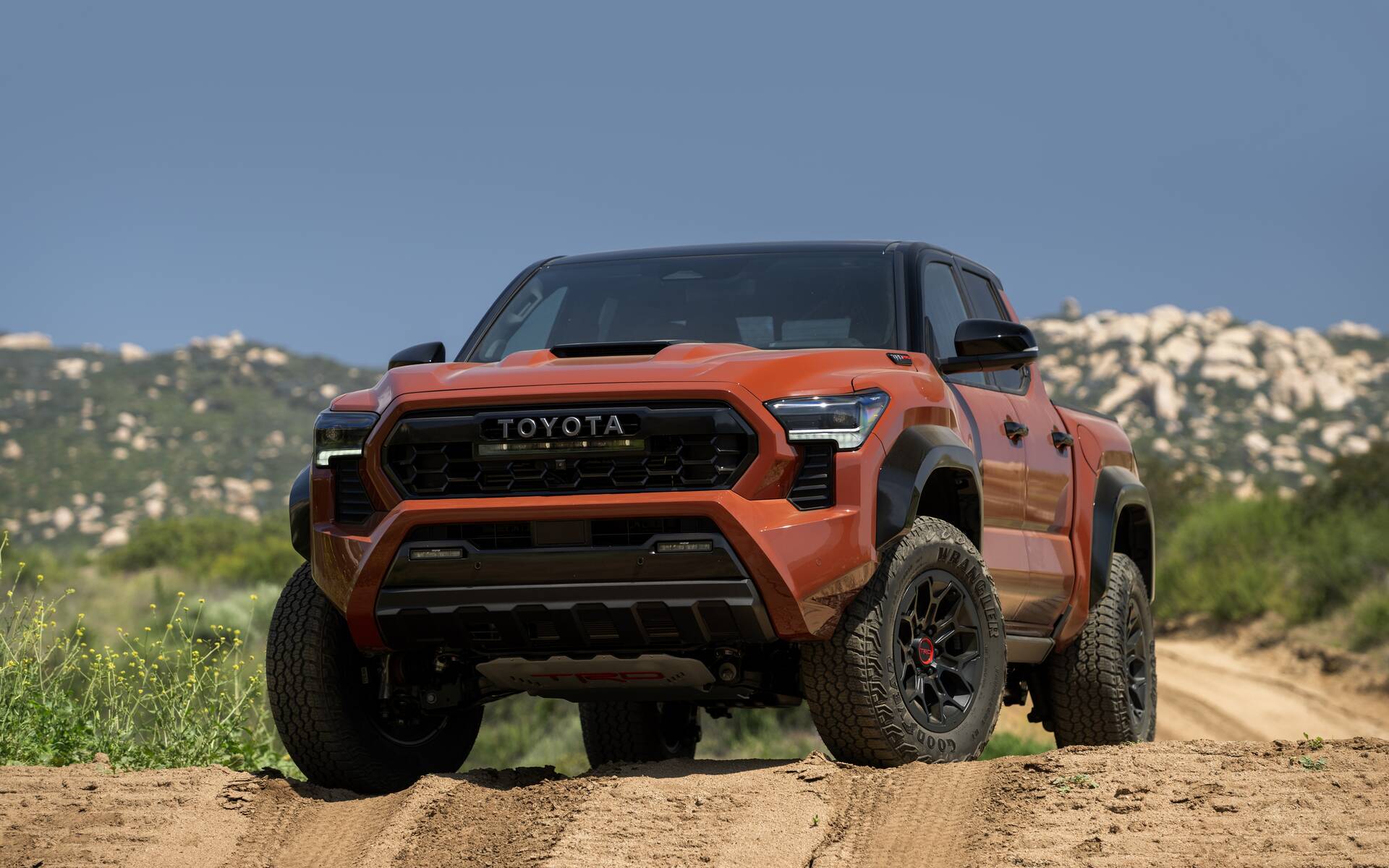
5. Toyota Tacoma
The Toyota Tacoma is a major choice for buyers who prefer a smaller footprint than a full-size truck. Its midsize dimensions make parking and maneuvering easier in many settings, while available four-wheel drive and off-road-oriented trims appeal to outdoor enthusiasts.
The Tacoma has a particularly strong presence among shoppers who value adventure-oriented equipment, resale prospects, and a pickup suited to daily driving.
Reported owner concerns vary across generations and include transmission behavior, engine performance, cabin noise, ride quality, and the usability of modern controls.
Recent redesigns can introduce different powertrains and electronic systems, so older ownership experiences may not accurately describe newer models. Buyers should distinguish between complaints about previous generations and reports concerning the exact year they plan to purchase.
Transmission feel is an important test-drive consideration. Depending on the model and configuration, drivers may notice gear hunting, hesitation, or shift behavior they find less smooth than expected.
Such impressions do not automatically indicate a defect, but pronounced jolts, persistent warning messages, or unusual noises deserve professional attention. Drive on both city streets and faster roads, and ask the dealer whether relevant technical service information or software updates apply.
The Tacoma’s cabin, suspension, and seating position also deserve attention because comfort is personal. Some drivers may find the ride firm, rear seating limited, or cabin noise more noticeable than in larger trucks.
Buyers should sit in every seat they expect to use, test child-seat access if needed, and evaluate visibility before choosing a cab style. An extended test drive can reveal ergonomic problems that a brief dealership visit will not.
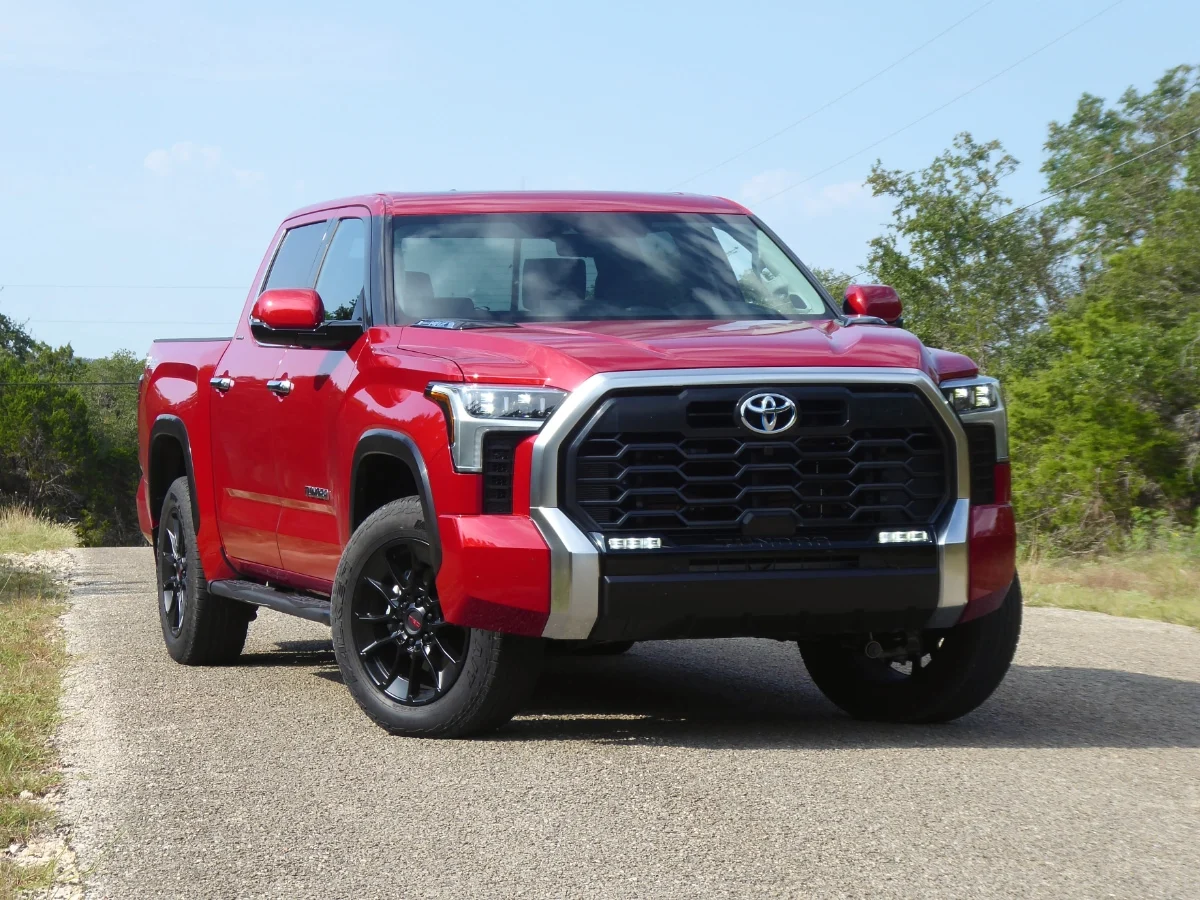
6. Toyota Tundra
The Toyota Tundra gives buyers a larger alternative to the Tacoma, with configurations designed for towing, hauling, family travel, and demanding recreational use. Its position in the full-size segment puts it against established American competitors. Buyers often compare the Tundra’s cabin, powertrain choices, safety equipment, and resale potential with similar Ford, Chevrolet, GMC, and Ram models.
Engine reliability is a particularly important research topic when shopping across different Tundra generations. Powertrain designs can change significantly between model years, so broad claims that every Tundra is dependable or unreliable are not useful.
Public recalls, manufacturer communications, and NHTSA complaint records should be reviewed for the exact vehicle. An issue reported for a specific engine or production period must not be generalized to the entire nameplate.
Some owners also discuss transmission behavior, electronic systems, interior rattles, and fuel economy. Actual consumption depends on engine, driving conditions, load, tire selection, and driving style.
A heavy truck that regularly tows may use substantially more fuel than one driven lightly on open roads. Buyers should estimate annual fuel and maintenance expenses before deciding whether the purchase fits their budget.
A used Tundra deserves a detailed inspection of its engine, cooling system, drivetrain, suspension, and service history. Check for fluid leaks, abnormal noises, overheating evidence, and unexplained warning lights. If the vehicle has been used for towing, inspect the hitch, trailer wiring, brakes, and rear suspension.
Verify that applicable recall work has been completed, and seek a specialist’s opinion if the vehicle belongs to a model year associated with a major powertrain campaign.
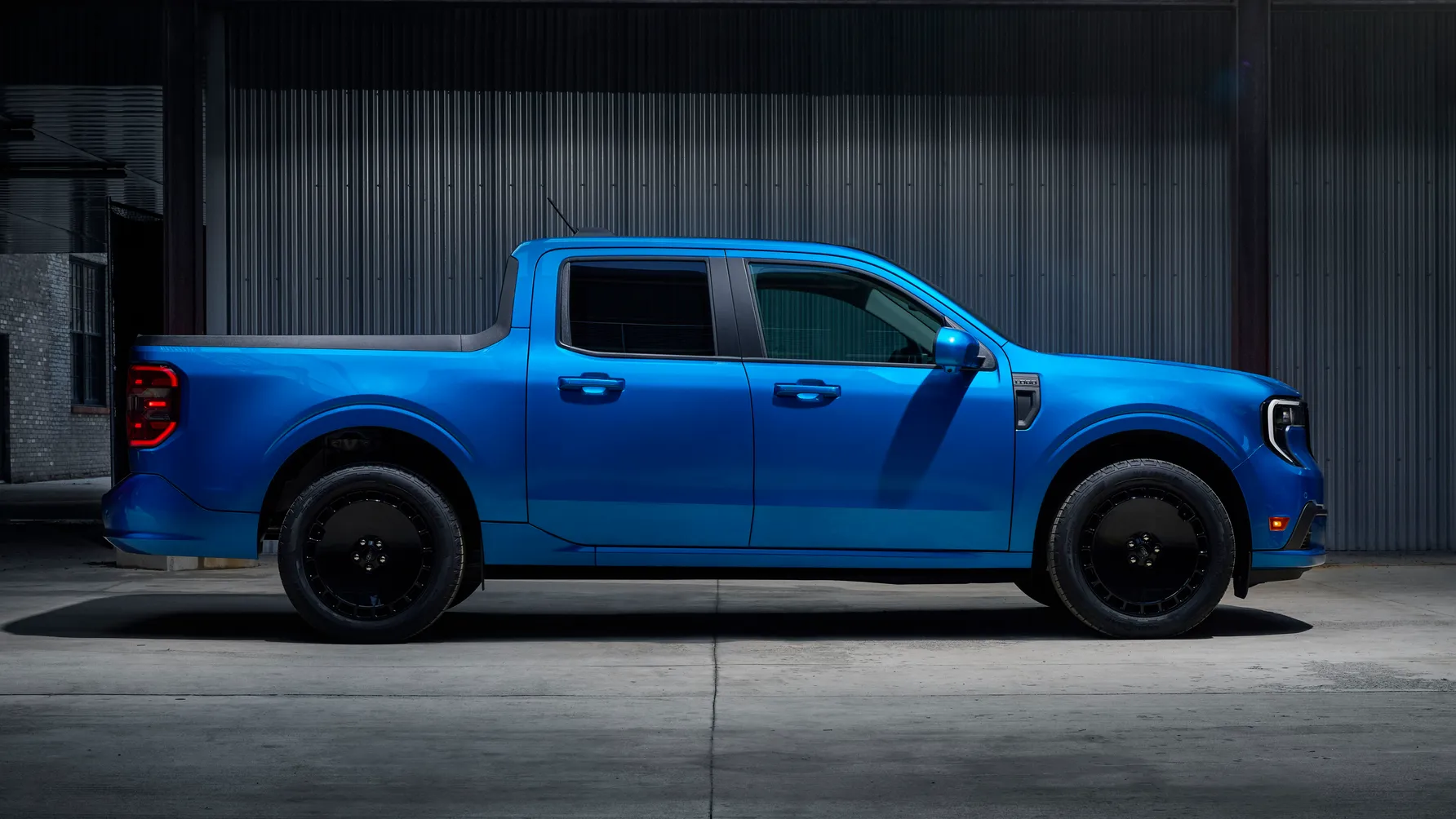
7. Ford Maverick
The Ford Maverick brings pickup practicality to buyers who do not need the dimensions or expense of a traditional full-size truck. Its compact footprint, useful cargo bed, and available hybrid powertrain appeal to commuters, small-business owners, and people who carry equipment occasionally. It also offers an alternative to larger trucks for drivers who spend most of their time in cities and suburbs.
Common ownership concerns can include interior material quality, cabin noise, infotainment glitches, electronic warnings, and the limits of cargo and towing capacity. These points should be assessed in relation to the Maverick’s price and intended role.
A compact pickup is not designed to provide the same payload, passenger space, or heavy-trailer capability as a properly equipped full-size truck.
Powertrain selection matters because the Maverick has been offered with different engine arrangements, including hybrid and gasoline-powered options. Fuel economy, acceleration, drivetrain characteristics, and maintenance requirements differ by version.
Buyers should verify the exact configuration and avoid assuming that all Mavericks deliver identical performance. Hybrid shoppers should also check applicable warranty coverage and ensure that service facilities can handle the vehicle’s systems.
Interior comfort and practicality deserve close attention during a test drive. Check the driving position, rear-seat space, storage compartments, visibility, and access to the cargo bed.
Owners who frequently carry adults in the rear seats may have different priorities from drivers who mainly transport tools or shopping. Operate the infotainment system, connect a phone, and test climate controls to determine whether the cabin meets daily needs.
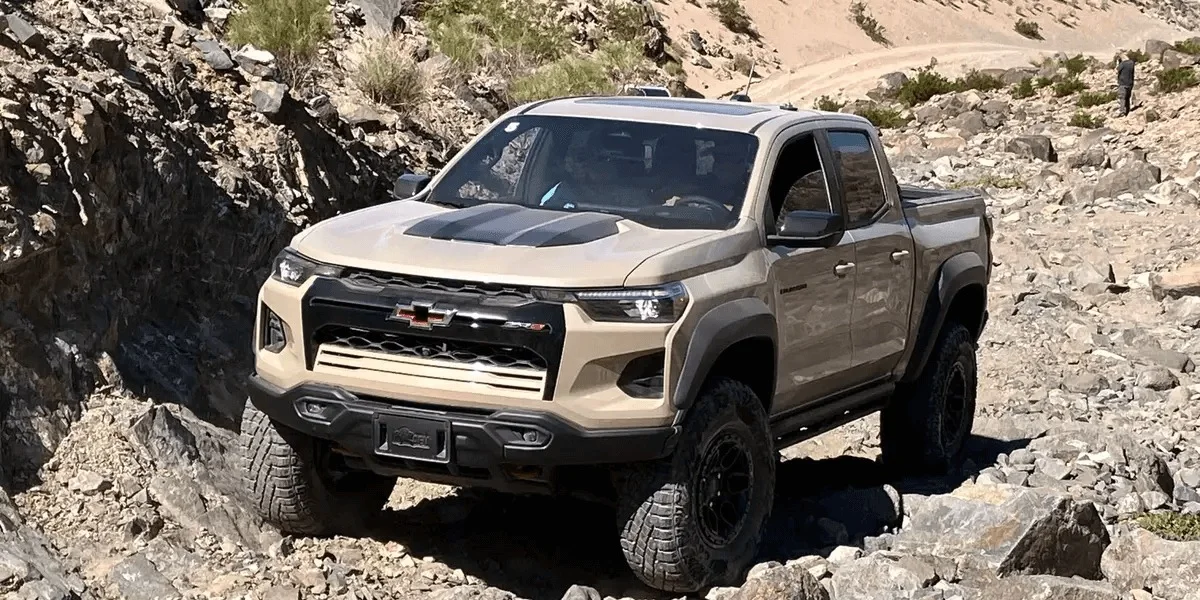
8. Chevrolet Colorado
The Chevrolet Colorado serves drivers who need more utility than a passenger car or crossover provides without stepping up to a full-size truck. Its midsize platform suits recreational activities, smaller work sites, and drivers who prefer a more manageable vehicle. Depending on the trim, it can prioritize everyday comfort, off-road performance, or practical equipment for carrying tools and supplies.
Owners’ concerns may involve infotainment responsiveness, driver assistance alerts, transmission feel, cabin noise, and the behavior of electronic systems. The relevance of these reports varies by model year and equipment level.
Newer vehicles often include more connected features than older trucks, creating additional opportunities for software-related complaints. A single online report is a starting point for research, not evidence that the same problem affects every Colorado.
The Colorado’s technology should be checked carefully before purchase. Confirm that the central display responds consistently, cameras provide clear images, smartphone connectivity works, and safety alerts operate as described in the owner’s manual. Investigate any dashboard warning that remains illuminated after starting.
If a seller has disconnected a battery or reset fault codes shortly before the sale, ask why and arrange an independent diagnostic scan.
Mechanical condition is equally important for vehicles used off-road or for work. Inspect the underbody for impact damage, examine suspension components, and check the tires for uneven wear.
Look for signs of deep-water exposure, poorly repaired modifications, or towing beyond the vehicle’s rated limits. A truck that appears clean on the outside may still need expensive work if it has spent years on rough trails or carried heavy loads.
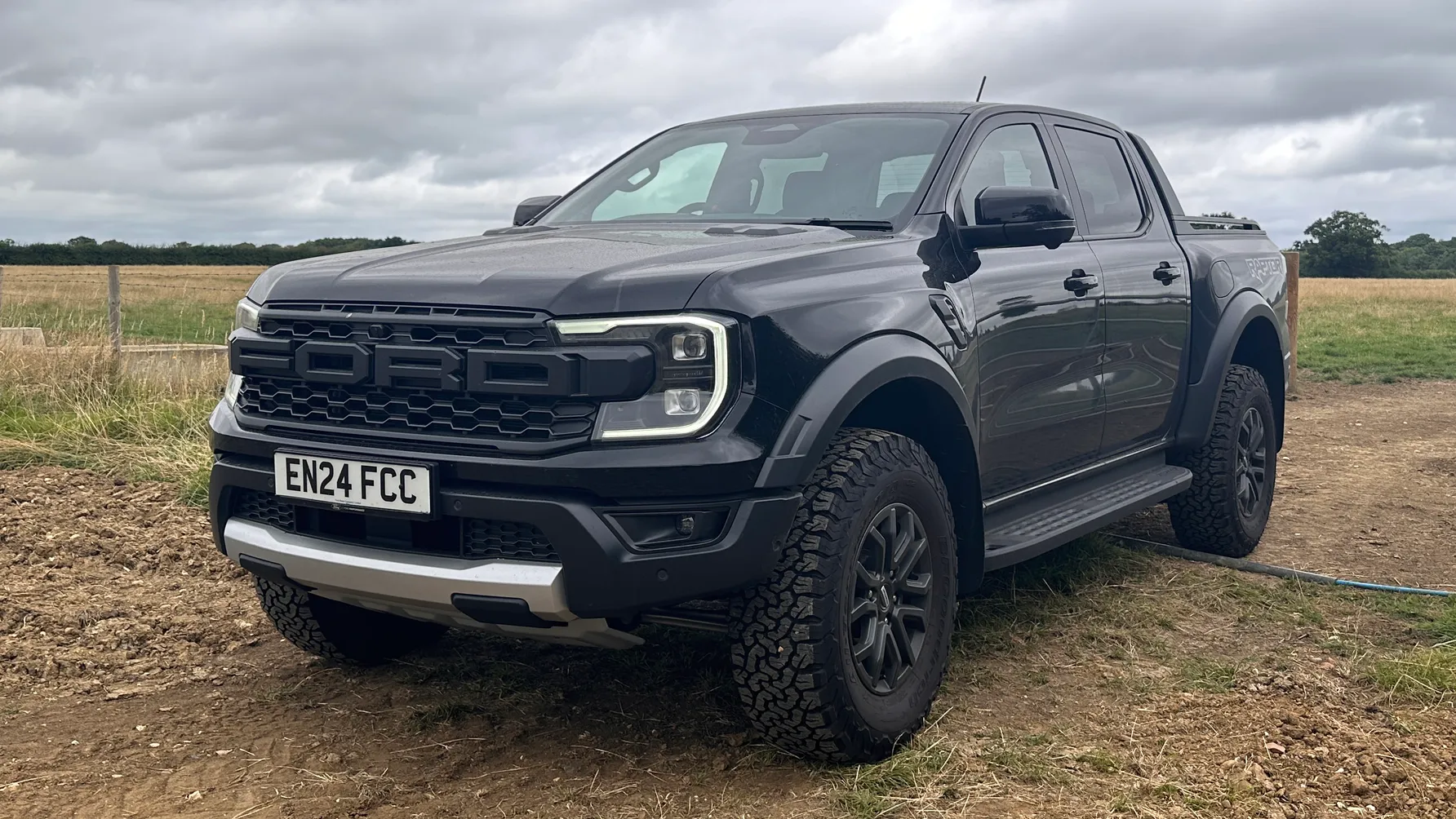
9. Ford Ranger
The Ford Ranger offers a middle ground for drivers who want genuine pickup utility without moving to a full-size model. It can handle recreational equipment, light commercial work, and everyday transport, depending on configuration.
Buyers may appreciate its combination of bed space, available four-wheel drive, and towing capability, especially when a larger truck would be difficult to park or unnecessarily expensive to run.
Owner feedback can focus on transmission response, engine noise, ride firmness, infotainment behavior, and the convenience of interior controls.
These characteristics may differ between generations and powertrain combinations. The Ranger has changed over time, so shoppers researching a used example should make sure that the reviews and complaint records they read refer to the correct model year and engine.
During a test drive, assess the transmission under gentle acceleration, firmer throttle input, and steady cruising. Shifts should not be accompanied by unexplained severe jolts or warning messages. Listen for unusual noises and check whether the vehicle tracks straight under normal driving conditions. If the truck has been modified for off-road use, ask how the changes affect warranty coverage, tire wear, suspension performance, and drivetrain stress.
Interior space is another important consideration, especially for households that regularly carry several passengers. Check rear-seat access, legroom, child-seat installation, visibility, and storage.
Drivers who spend long hours behind the wheel should also assess seat support and road noise. A pickup can meet every technical specification on paper yet prove uncomfortable for the daily journey, so personal testing matters.
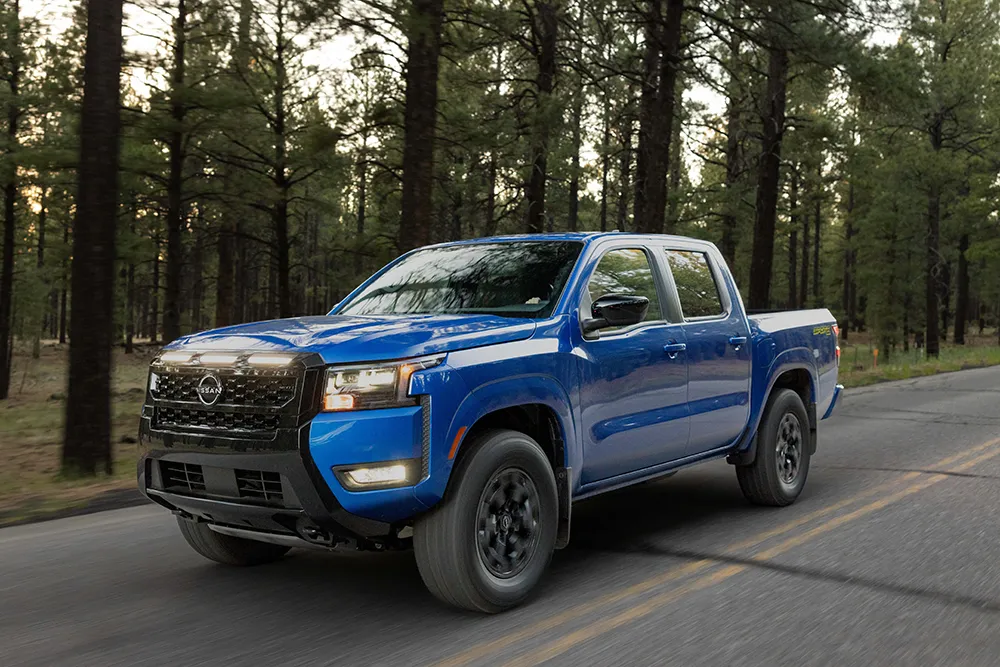
10. Nissan Frontier
The Nissan Frontier competes in the midsize category with a focus on practical pickup functions. It appeals to buyers who need a bed for equipment, a vehicle for outdoor activities, or a truck that can handle everyday transport. Its configuration choices and available four-wheel drive make it relevant to shoppers who want useful capability without the footprint of a full-size model.
Reported concerns may include transmission behavior, fuel consumption, interior materials, ride comfort, and electronic equipment. The frequency and severity of these issues depend on the model year, maintenance record, and driving conditions. Buyers should not interpret general owner discussions as a confirmed defect list.
Checking the precise vehicle against official recall information and credible model-specific service records offers a more reliable picture.
Fuel costs deserve attention when comparing the Frontier with other midsize trucks. Real-world economy changes with traffic, driving speed, load, terrain, tires, and towing frequency.
Someone who regularly carries equipment or drives in congested urban conditions may achieve different results from a driver who travels long distances without a load. Estimate yearly fuel spending using realistic mileage rather than relying exclusively on advertised efficiency figures.
A used Frontier should be examined for routine wear and evidence of demanding use. Check the transmission, engine, brakes, steering, suspension, tires, and underbody. Look for corrosion, leaks, damaged wiring, and poorly installed aftermarket accessories.
Confirm that the service history matches the odometer reading and that any reported mechanical repair is supported by invoices. If shifting, braking, or engine operation seems unusual, obtain a professional inspection before agreeing on a price.
