
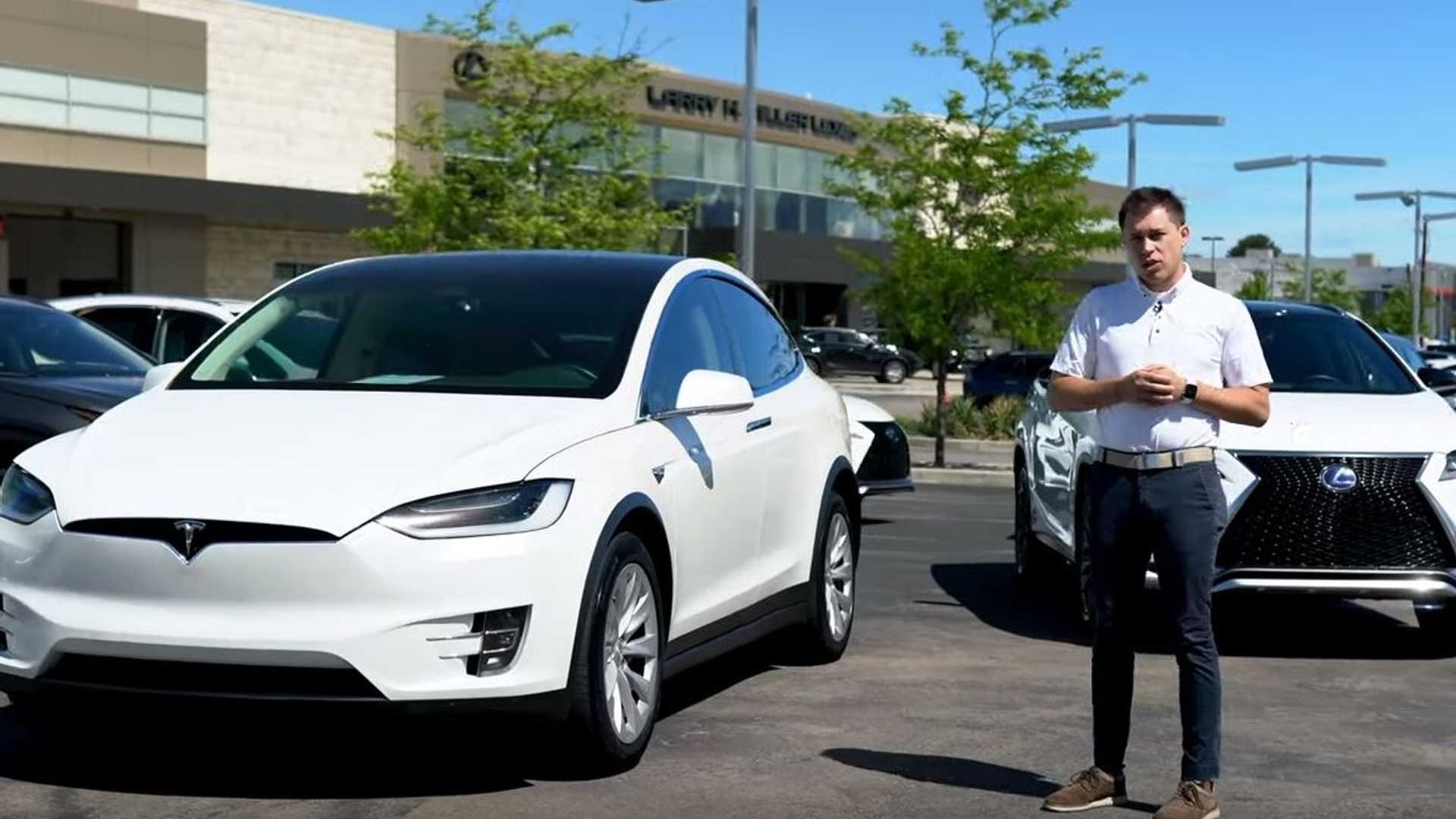
Luxury cars are known for their elegant interiors, comfortable rides, and sometimes expensive repair bills. However, not every luxury brand comes with high long-term ownership costs. Data from CarEdge and vehicle reliability studies highlight six luxury brands that offer more affordable maintenance over time, making them worth considering for buyers who want premium features without excessive upkeep expenses.
Some will not shock you, while a couple might make you do a double take. Each section below covers what the numbers say, why the costs stay low, and what to check before you buy. Read on, and you may find that a little luxury is more affordable than you ever imagined.
1. Lexus
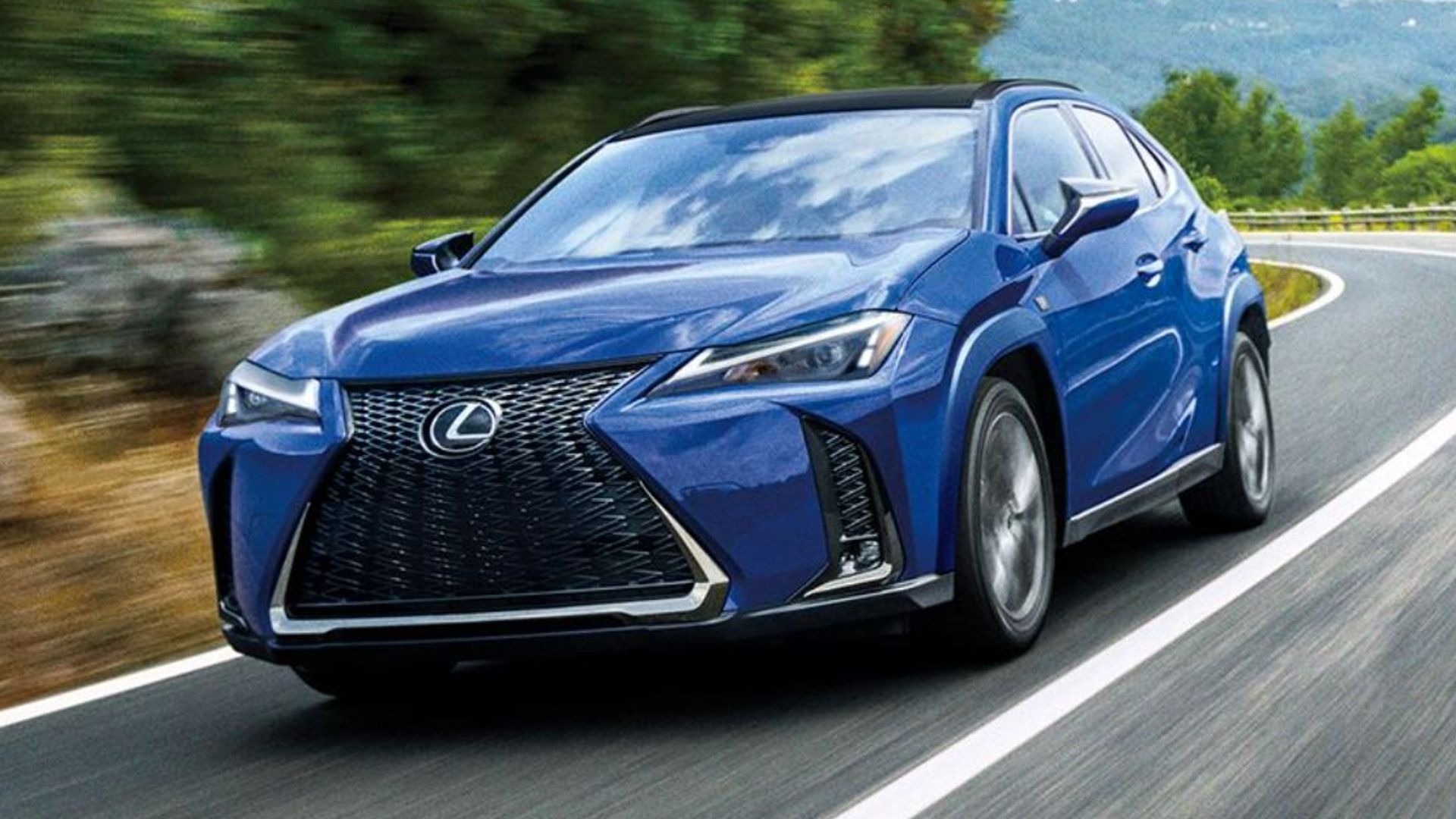
Lexus consistently ranks as the cheapest mixed-propulsion luxury brand to maintain. That is a bold title, and the numbers back it up. Over ten years, the ES 350 comes in at $5,488, the ES 300h at $5,662, and the IS 350 at $5,680. For a luxury sedan, those figures are impressively low.
Reliability tells the same story. Lexus placed best in the 2024 J.D. Power dependability study with 135 PP100. PP100 means problems per 100 vehicles, so a lower score is better. Fewer problems usually mean fewer surprise trips to the shop.
Why is it so affordable? Three reasons stand out. First, Toyota-derived engineering gives these cars proven foundations. Second, long service intervals mean you visit the shop less often. Third, fewer major repairs keep the big bills away.
Picture a commuter who wants leather seats and a quiet ride without a nervous feeling every time the check-engine light flickers. That is the Lexus pitch.
Of course, costs depend on how you drive, where you live, and how well the car was cared for. If you shop used, request service records and have a trusted mechanic inspect it.
Treat these numbers as a strong guide, not a guarantee, and you will be in good shape.
2. Tesla
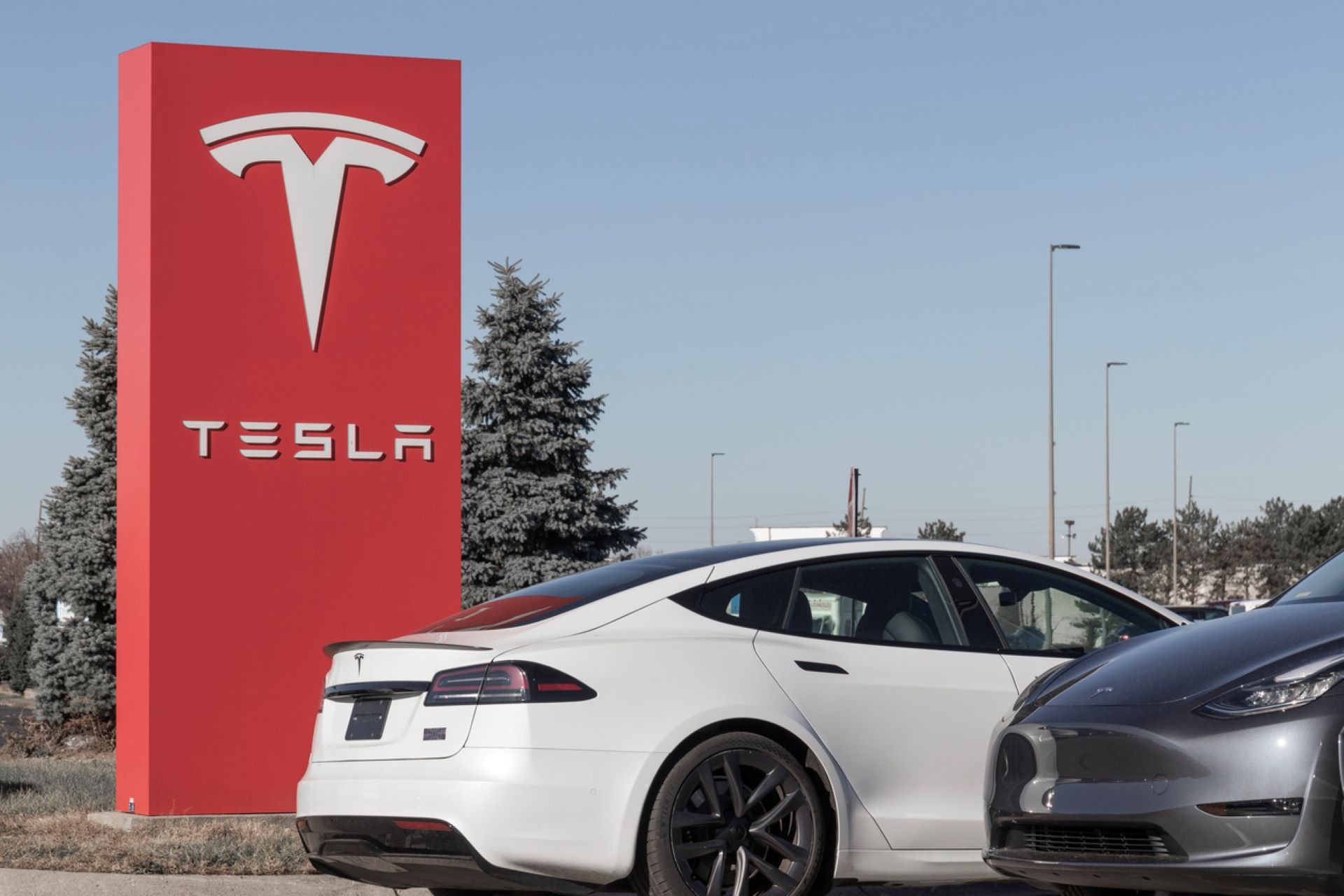
Electric vehicles eliminate several routine services associated with gasoline engines, which helps explain Tesla’s appeal to buyers seeking lower maintenance expenses.
There are no engine oil changes, spark plugs, or conventional engine air filters to replace, and electric drivetrains have fewer moving parts than combustion powertrains.
The supplied CarEdge estimates put 10-year maintenance costs at $3,587 for the Model 3, $4,566 for the Model S, and $4,732 for the Model Y.
Those projections suggest that some Tesla models can be relatively inexpensive to maintain, even compared with certain conventional vehicles.
Still, electric does not mean maintenance-free. Tires may wear quickly depending on vehicle weight, torque, driving habits, and alignment.
Brake fluid, cabin filters, suspension components, air-conditioning equipment, and other items may also need attention. Battery or high-voltage system repairs can be expensive outside warranty coverage.
Ownership costs depend on more than a service schedule, too. Home charging can reduce energy costs for many drivers, but installation expenses, electricity rates, insurance premiums, and public charging prices deserve consideration.
Tesla’s service arrangements also differ from traditional dealership networks. Before buying, check the availability of service appointments and qualified repair options in your area.
Ask about warranty terms for the vehicle and its battery, especially if you are considering a used example. For drivers whose routines suit electric power, a Tesla can offer fewer routine maintenance tasks and potentially lower servicing expenses.
A careful assessment of tires, insurance, charging access, and repair support will give a more realistic picture of the savings.
3. Genesis
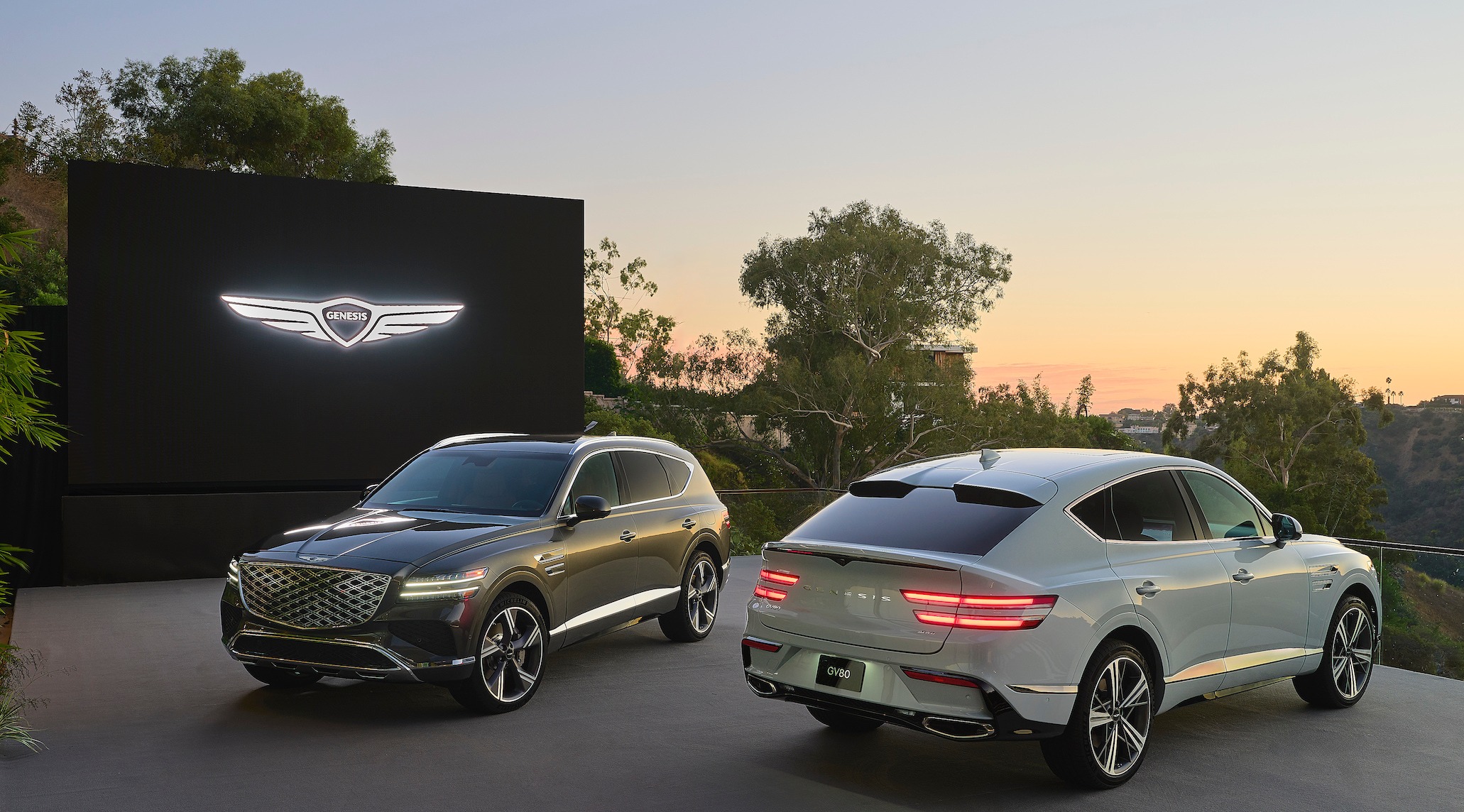
Genesis gives luxury shoppers another option worth considering when maintenance expenses matter. The brand draws on Hyundai Motor Group engineering, allowing it to benefit from shared technical experience while offering vehicles with premium interiors, advanced features, and upscale styling.
Its place among the lower-maintenance luxury brands in the supplied CarEdge information makes it worth comparing with Lexus and Tesla.
However, the provided material does not include a specific 10-year cost estimate for Genesis, so it would be misleading to assign the brand a precise dollar figure without additional evidence.
Warranty coverage can help make ownership more predictable. Genesis has offered generous new-vehicle warranty programs in the United States, but the exact terms, eligibility requirements, and transfer rules depend on the vehicle and purchase circumstances.
Before making a purchase, buyers should verify the latest warranty coverage with the manufacturer or an authorized dealer. Service availability is another important factor to consider, as having convenient access to qualified technicians can make maintenance and repairs much easier.
A premium vehicle may require specialized diagnostic equipment and trained technicians, particularly when electronic systems or advanced driver-assistance features need attention.
Check whether a convenient Genesis service location can handle the work your vehicle may require. Before choosing a model, request its maintenance schedule and compare the cost of common services, replacement tires, brake components, and insurance.
If purchasing used, review repair invoices and confirm that outstanding recalls have been addressed. Genesis may appeal to drivers who want upscale comfort without automatically accepting the running costs associated with some established luxury marques.
Its value depends on the specific model, warranty coverage, local service access, and the condition of the vehicle being considered.
4. Acura
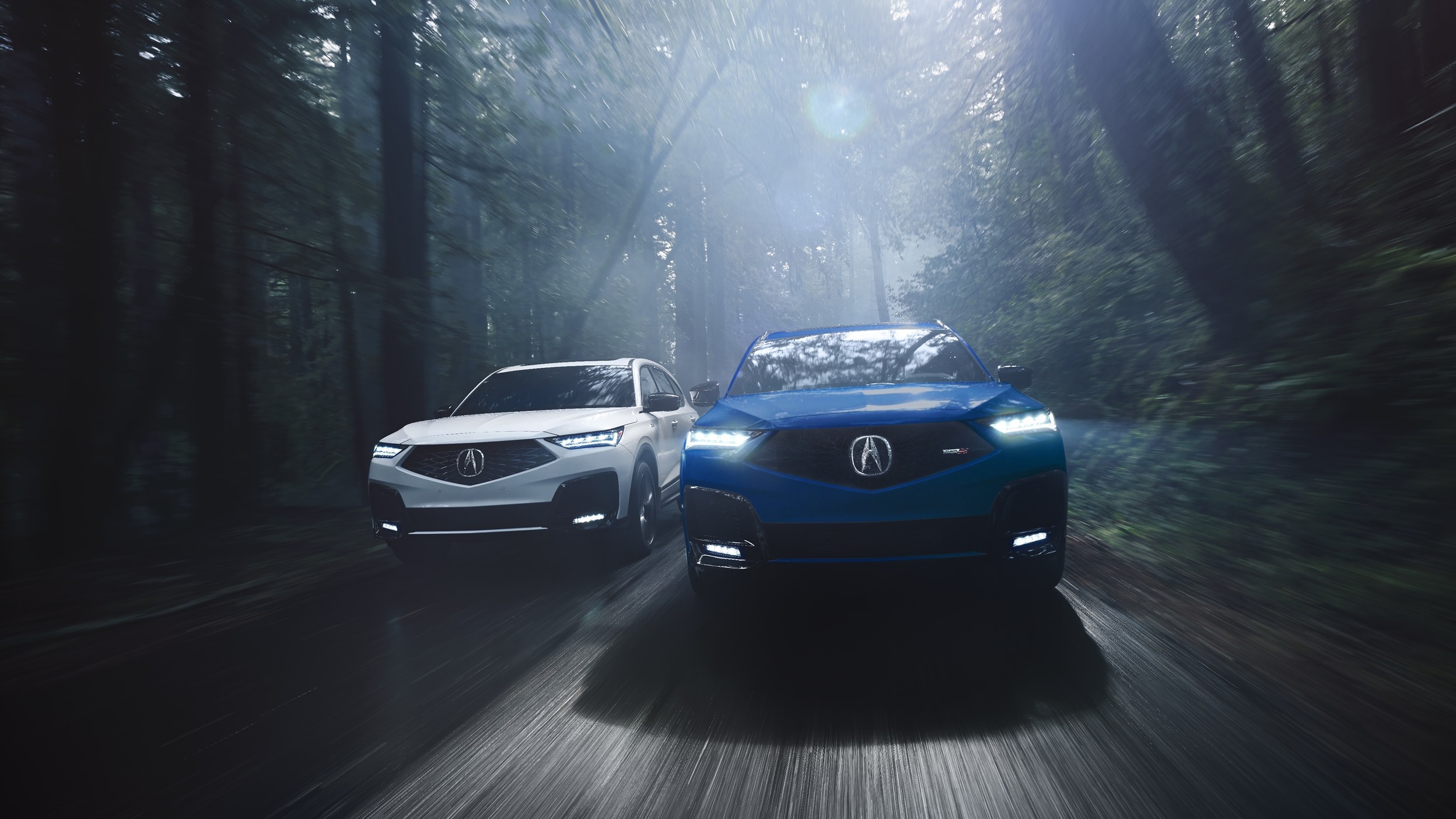
Acura also ranks near Lexus in low-maintenance luxury categories, and it earns that spot with a practical formula. Think of it as luxury built on a sensible foundation.
The first ingredient is Honda-based reliability. Honda has a long record of building durable vehicles, and Acura draws from that same engineering well. The second is affordable parts.
When a component does wear out, the replacement usually costs less than it would on many rivals. The third is fewer major repairs compared to German luxury brands, which spares owners the sudden four-figure invoice.
This matters because the cost of owning a vehicle goes beyond major repairs. Routine expenses such as brake replacements, fluid changes, new tires, and minor fixes can add up over time. Choosing a vehicle with affordable replacement parts helps keep everyday maintenance manageable and reduces long-term ownership costs.
Here is a quick buying tip. Look at the specific model and year you want, since reliability can vary even within a brand. Review owner feedback, check recall information, and ask for maintenance records on a used car.
Shoppers who want sporty handling, a comfortable cabin, and manageable costs often put Acura on their lists. It will not always grab headlines, but it can quietly save you money for years.
5. Mini
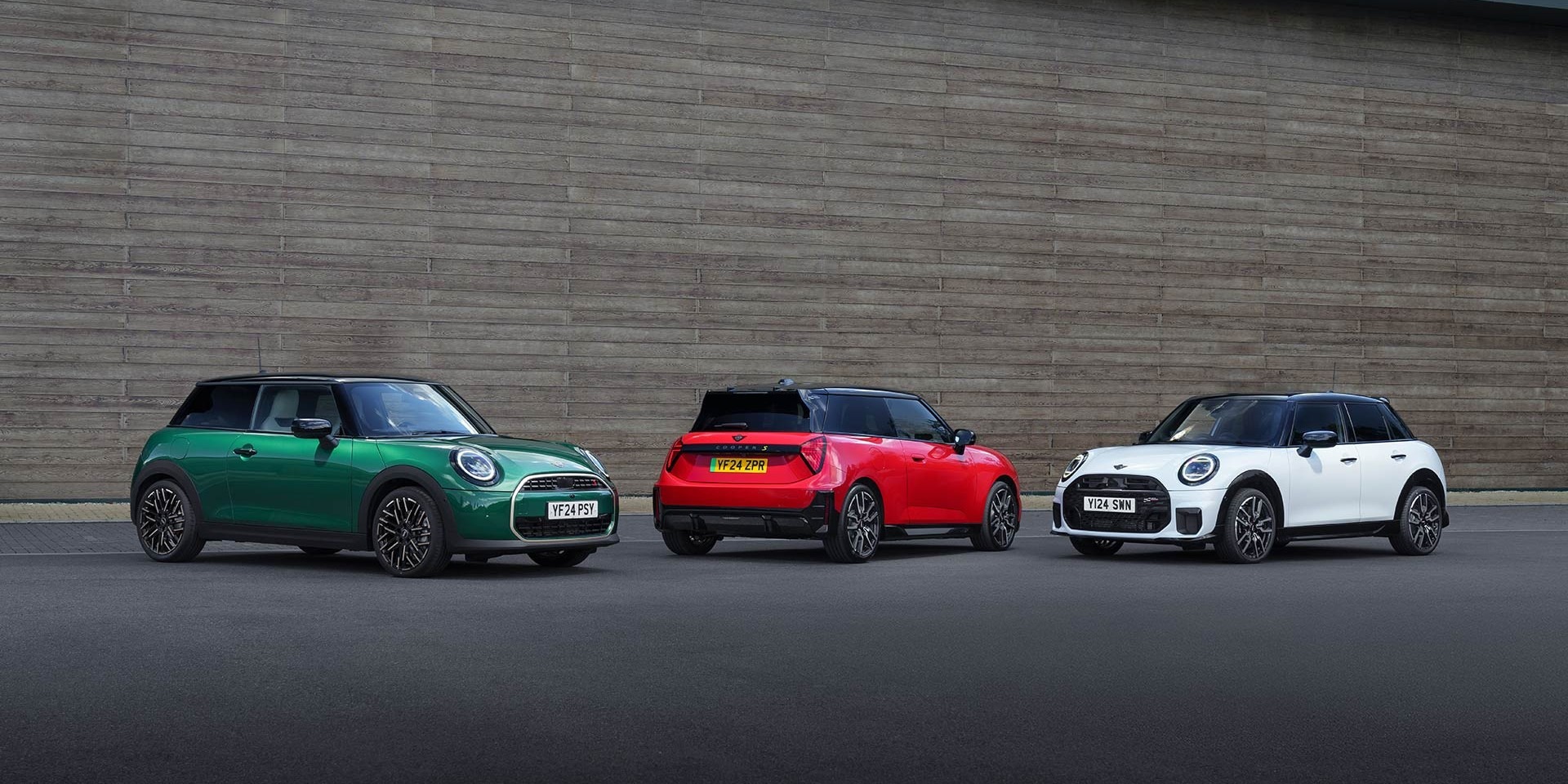
Ask people to name a low-maintenance luxury brand, and Mini rarely makes the first round. It is not always thought of that way. Yet reliability data places it ahead of many luxury competitors.
The numbers support this finding. In J.D. Power’s 2024 study, Mini recorded 174 problems per 100 vehicles, outperforming BMW and Porsche. Since a lower PP100 score indicates fewer reported problems, Mini’s result makes it a noteworthy option for buyers seeking a luxury vehicle with better dependability.
What explains it? The data points to three things. Smaller vehicles tend to have fewer complicated systems. Simpler drivetrains reduce the number of parts that can fail. And BMW-backed engineering brings serious expertise to the design.
Does that make every Mini trouble-free? No. A survey score tells you about problems reported by owners, not a promise about your specific car. Age, mileage, and past care matter a great deal.
If you like the idea of a fun, compact car with a premium badge, do some homework first. Ask for service records, look for signs of deferred maintenance, and listen for odd noises on a test drive.
A pre-purchase inspection by a mechanic who knows the brand can reveal issues before you buy. Mini shows that small cars can carry big surprises. Sometimes the cheeky little hatchback is the smarter choice.
6. Porsche
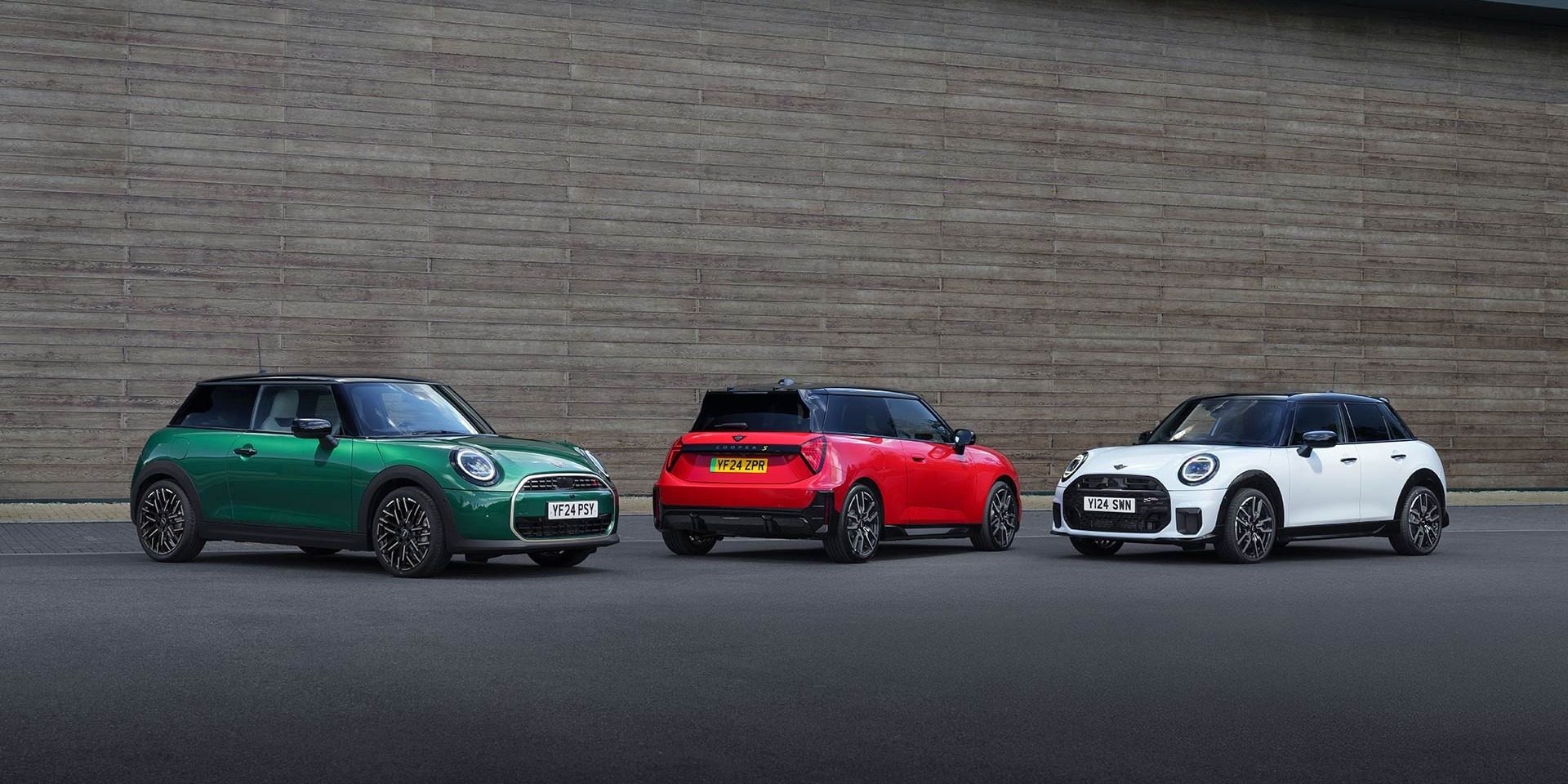
Porsche may seem like an unexpected choice for a list about affordable maintenance, given its performance focus and premium positioning.
Yet the supplied J.D. Power 2024 dependability figure of 175 problems per 100 vehicles places the brand ahead of several competitors in that study.
These results should be viewed with caution. Dependability scores reflect the number of problems reported, but they do not account for how much it costs to fix them.
A Porsche may experience relatively few issues but still require expensive parts, specialist labor, or performance tires when service becomes necessary.
The model you choose matters greatly. A sports car, a luxury sedan, and an SUV can have different maintenance schedules and replacement-part prices. Performance-oriented versions may also consume tires and brake components more quickly, especially when driven hard.
To keep costs under control, follow the manufacturer’s service schedule and address warning signs promptly. Obtain estimates from a Porsche-qualified repair facility, and compare authorized service options with reputable independent specialists where appropriate.
Confirm that any independent shop has the equipment and expertise required for the particular vehicle. Used-car buyers should request detailed service records and arrange a thorough inspection before purchase.
Check the brakes, tires, suspension, cooling system, and electronic features, and verify any remaining warranty coverage. Porsche’s dependability results make it worth considering, but it should not be treated as proof of inexpensive ownership.
Buyers who budget for specialized servicing and choose a well-maintained vehicle may find that the brand offers a rewarding premium driving experience without as many unexpected problems as they feared.
