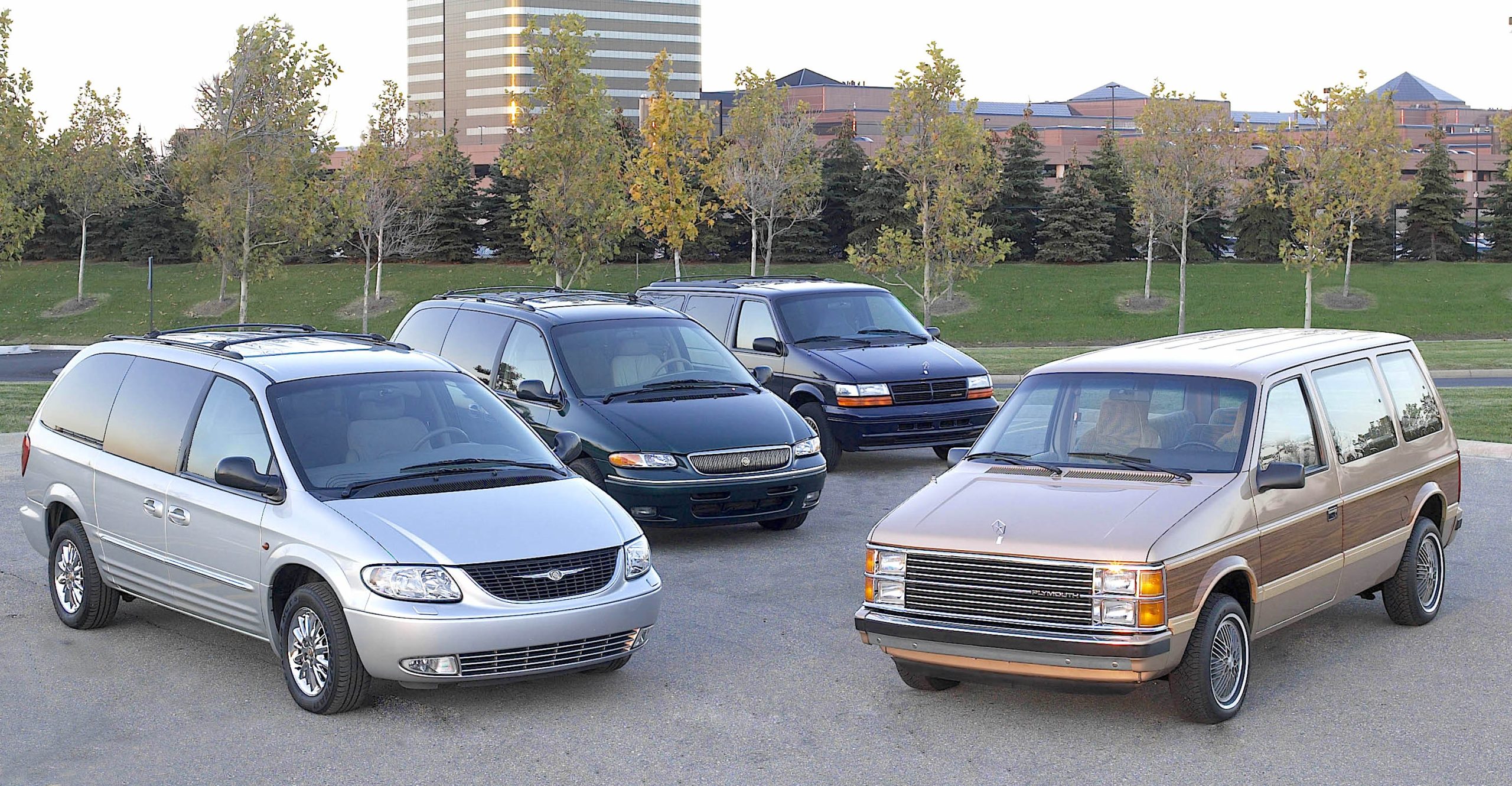
Buying a family minivan means looking beyond spacious seats, convenient sliding doors, and generous cargo room. Safety deserves just as much attention, especially when children and other passengers depend on the vehicle for protection. Minivans from the 1990s offered plenty of practicality, but crash tests from that period exposed serious weaknesses in their body structures and occupant protection systems.
Modern models benefit from stronger passenger compartments, advanced airbags, electronic stability control, and driver assistance technology. Yet newer vehicles are not perfect, particularly when it comes to protecting people in the second and third rows. A closer look at six minivans from the 1990s reveals how much automotive safety engineering has progressed and why today’s family vehicles still need careful evaluation.
1. Toyota Previa (1990-1997)
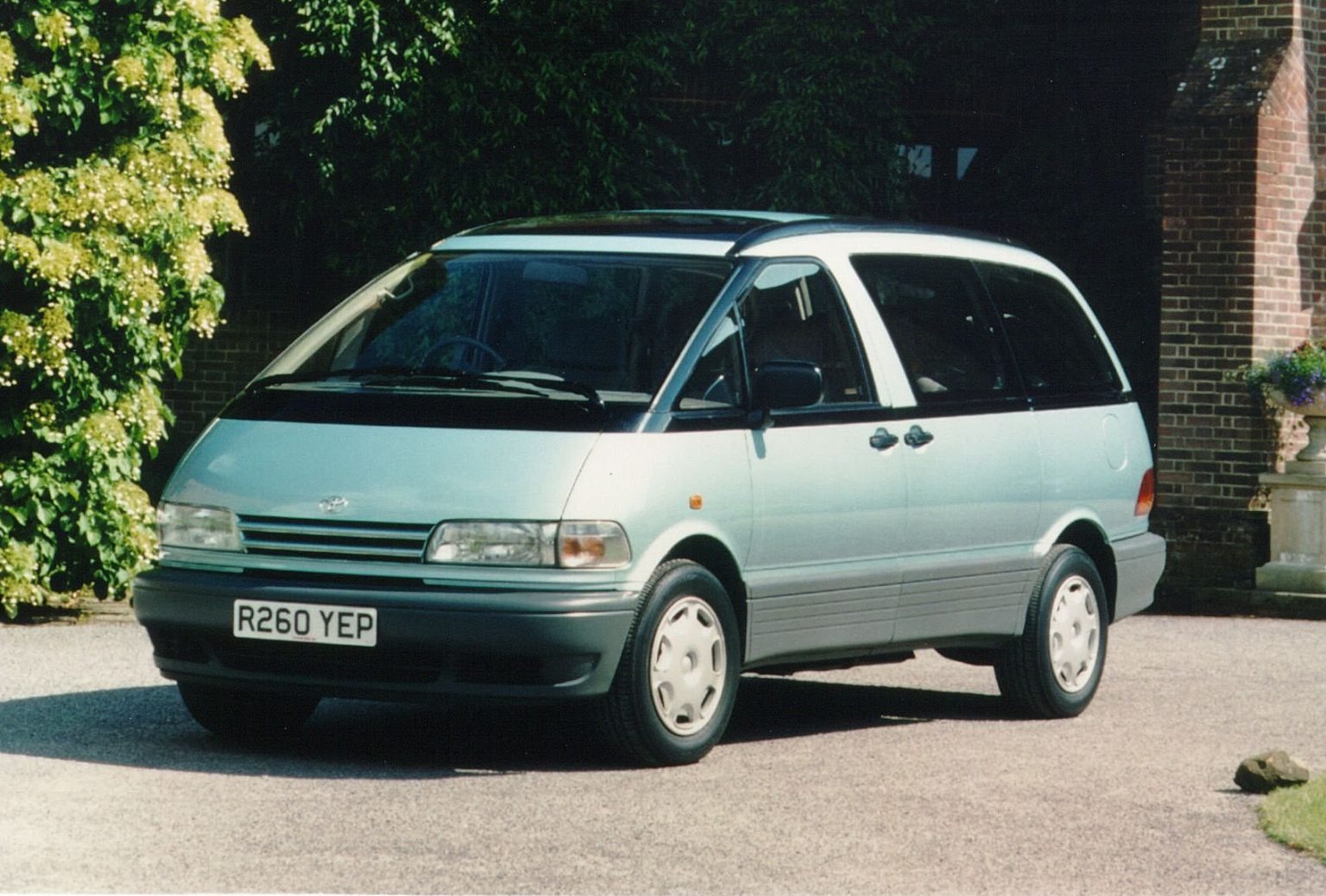
The Toyota Previa brought a distinctive appearance to the minivan market during the 1990s. Its rounded body, spacious cabin, and mid-engine layout made it different from many competing family vehicles.
However, its unusual engineering arrangement did not translate into strong crash protection during the Insurance Institute for Highway Safety’s frontal offset testing.
The IIHS awarded the tested Previa a Poor rating. During the 40-mph offset collision, the passenger compartment suffered severe deformation, allowing parts of the vehicle’s structure to intrude into the driver’s space.
The steering column moved sharply upward, creating a dangerous path for the crash test dummy’s head and neck. Such movement can compromise the protection provided by the steering wheel, seat belt, and other restraint systems.
For families, this result illustrates why a vehicle’s exterior appearance and reputation for practicality cannot establish its crashworthiness.
A minivan may offer excellent visibility, comfortable seating, and generous room for luggage while still performing poorly when its structure encounters a serious collision.
Today’s minivans benefit from improved crash simulation, stronger cabin structures, carefully managed crumple zones, and sophisticated restraint systems.
Engineers can study how different parts of a vehicle respond to impact before a production model reaches the road. These methods help manufacturers build passenger compartments designed to preserve occupant space during crashes.
The Previa’s test results provide a useful historical reference. They demonstrate how essential structural integrity is to occupant protection, regardless of how practical or distinctive a family vehicle might appear.
2. Pontiac Trans Sport / Chevrolet Lumina APV (1990-1996)
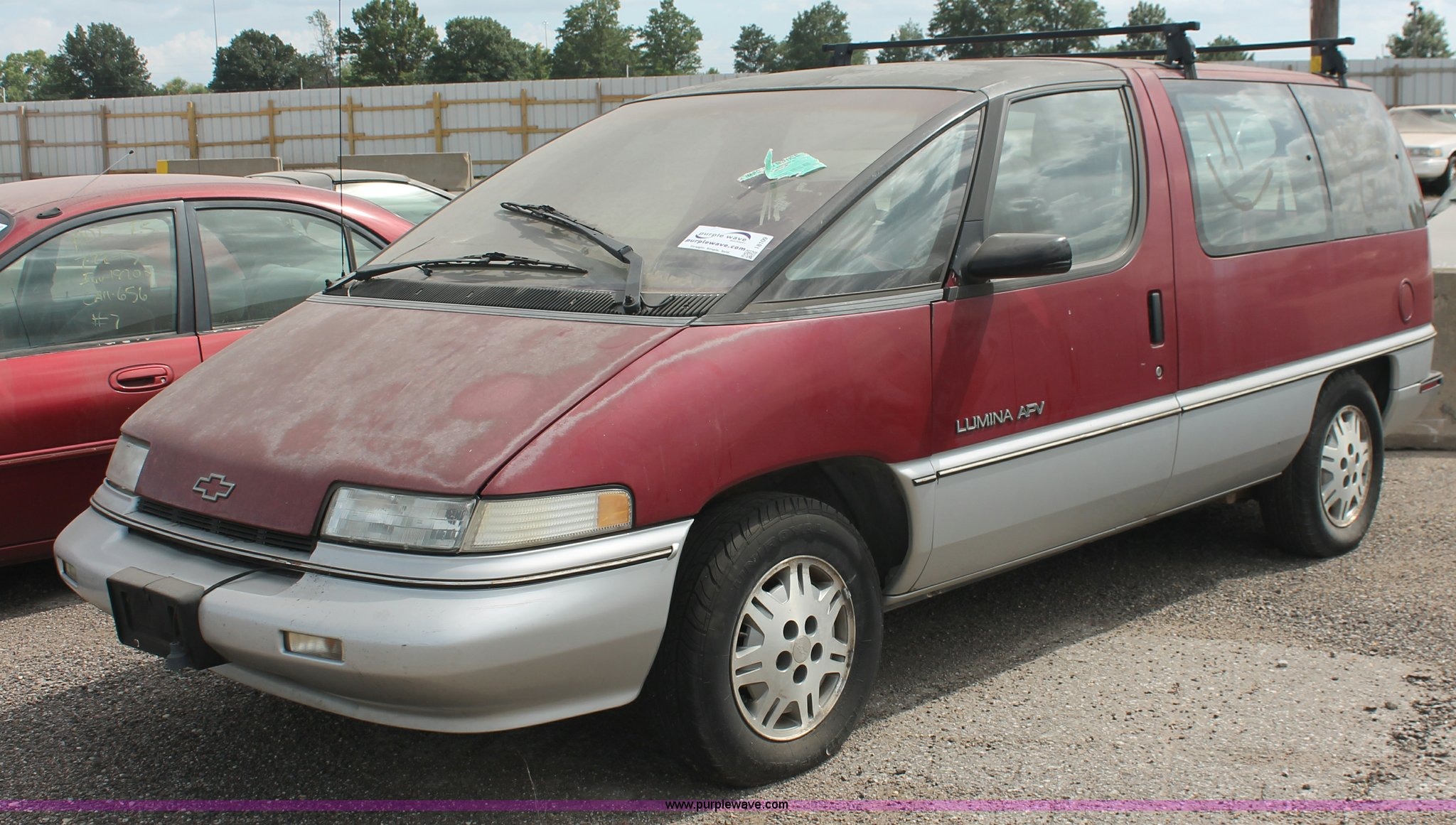
The Pontiac Trans Sport and Chevrolet Lumina APV became familiar sights thanks to their futuristic styling. Their steeply sloped windshields, elongated noses, and rounded bodywork gave them a distinctive profile.
Unfortunately, their appearance did little to predict how well they would protect occupants during a severe frontal collision. IIHS testing gave the vehicles a Poor rating.
The tested General Motors minivan platform experienced substantial structural collapse, allowing the steering wheel and dashboard to intrude into the driver’s survival space.
The crash test dummy’s chin contacted the steering wheel, while severe deformation around the footwell trapped the left leg.
These results highlighted two serious concerns. First, a passenger compartment must retain enough space to reduce the risk of occupants striking hard interior surfaces.
Second, the lower portion of the cabin needs sufficient structural strength to prevent the pedals and floor from moving dangerously towards the driver’s legs.
Modern minivans use carefully designed structural members to distribute crash forces through designated load paths. Front airbags, side curtain airbags, and seat belt pretensioners also help manage occupant movement, depending on the model and its equipment.
Electronic stability control helps drivers maintain control in certain emergencies, although it cannot prevent every collision.
Today’s safety standards also place greater emphasis on protecting passengers seated behind the driver. Families choosing a newer minivan should therefore examine both front and rear occupant protection rather than relying on the number of airbags alone.
The Trans Sport and Lumina APV demonstrate why styling innovations must be supported by sound structural engineering. A vehicle’s design is most valuable when it provides convenience without compromising the space occupants need during a crash.
3. Dodge Grand Caravan / Plymouth Voyager (1996-2000 Generation)
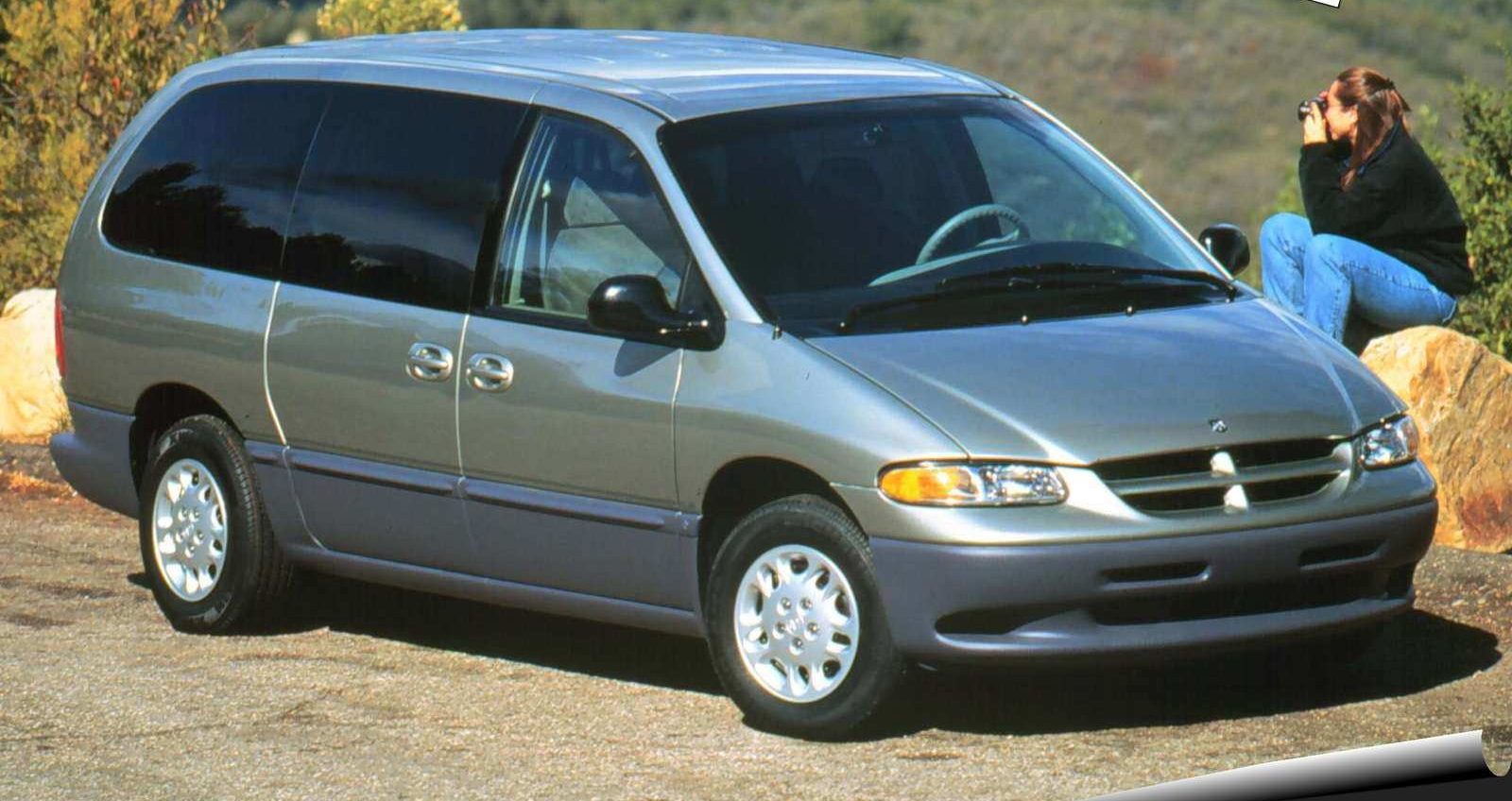
The Dodge Grand Caravan and Plymouth Voyager helped establish the minivan as a practical choice for families seeking flexible seating and useful storage.
Their popularity made them familiar vehicles in driveways and school pickup areas. Yet the redesigned generation introduced for the 1996 model year, sold as a 1997 model in many markets, demonstrated that commercial success did not guarantee strong crash protection.
The IIHS assigned the tested minivan a Marginal rating. During frontal offset testing, the floor structure intruded more than a foot into the driver’s area.
This deformation raised concerns about injuries to the legs and feet, as the driver’s seating space and pedal area were compromised by the collision.
A footwell that collapses during impact can expose occupants to injuries even when other restraint systems perform their intended functions.
Seat belts and airbags are designed to control occupant movement, but they cannot fully compensate for a passenger compartment that loses too much of its original shape.
Modern minivans are developed with computer simulations and physical crash tests that help engineers identify weak points before vehicles enter production.
Reinforced floor structures, carefully positioned structural members, and improved restraint systems can work together to reduce injury risks.
Newer models may also offer automatic emergency braking, blind-spot monitoring, rear cross-traffic alerts, and other driver assistance features.
Availability varies by manufacturer, model year, and trim level, so buyers should verify the equipment fitted to a particular vehicle.
The Grand Caravan and Voyager illustrate the difference between everyday usefulness and crashworthiness. Their family-friendly layout helped define the segment, but the test results show why buyers should consider structural performance alongside seating capacity, cargo space, and ownership costs.
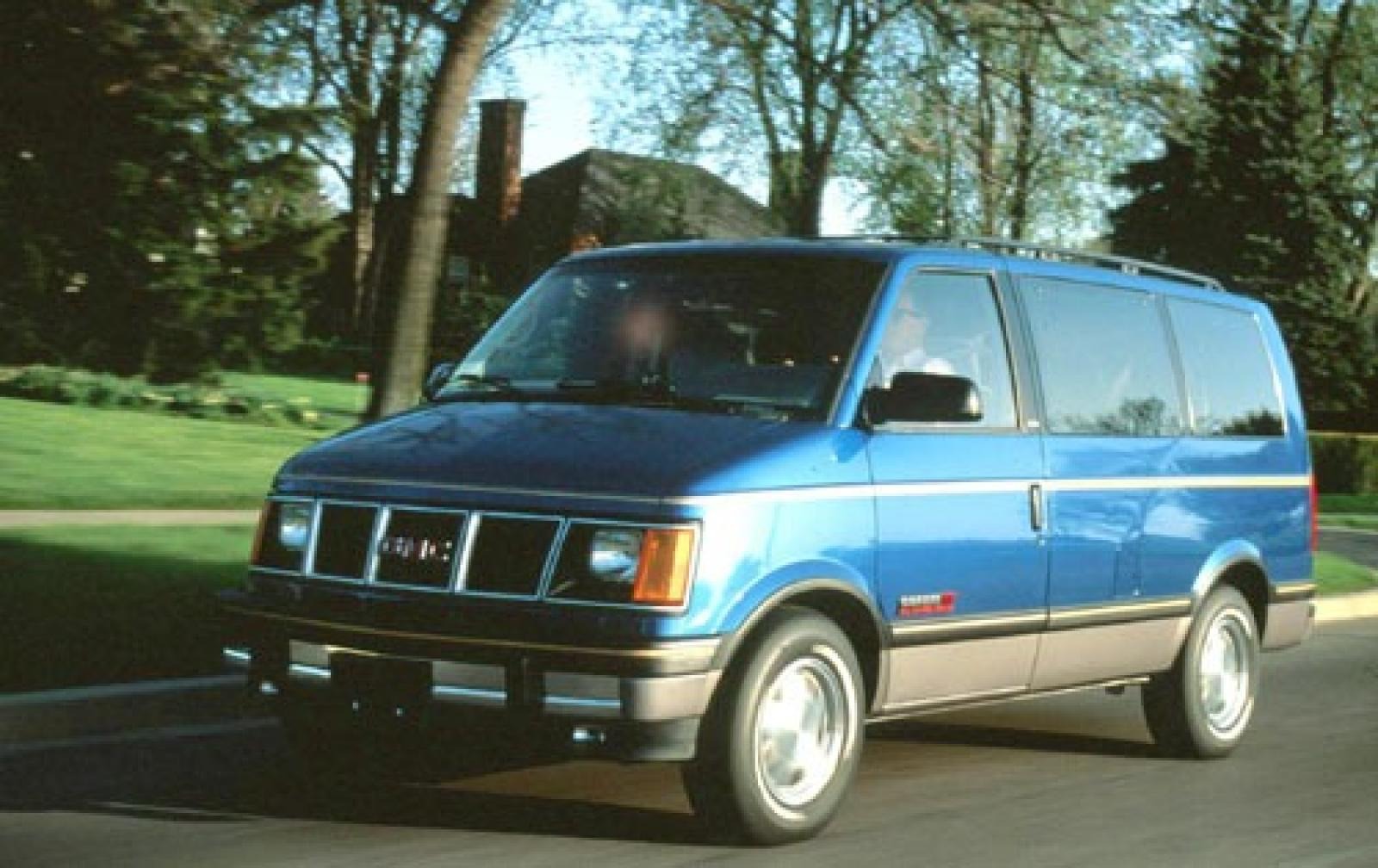
4. Chevrolet Astro / GMC Safari (1985-2005)
Tough on the outside, vulnerable inside. The Astro and its twin, the Safari, were built on a truck-based frame. That design suited hauling and towing, but it did not suit crash protection. The IIHS rated them Poor.
The Astro’s biggest safety drawback was its lack of front crumple zones to absorb impact energy. These areas are designed to deform in a controlled manner during a crash, helping reduce the force that reaches the passenger cabin. Without this protection, more of the collision’s energy can be transferred to the occupants, increasing the risk of serious injury.
In the test, the floorboards buckled sharply upward. That forced the pedals backward and shattered the dummy’s lower legs.
This one has a long production run, from 1985 to 2005, so many examples are still around. Some owners love them for their toughness and simplicity.
That affection is understandable, yet the test results are hard to ignore. If you own or are considering one, treat it as a vehicle from another era.
Drive carefully, keep tires and brakes in top shape, and make sure everyone buckles up. Compared with a current minivan, the difference in protection is enormous.
Modern designs spread crash forces through a carefully engineered safety cage, and that technology simply did not exist here.
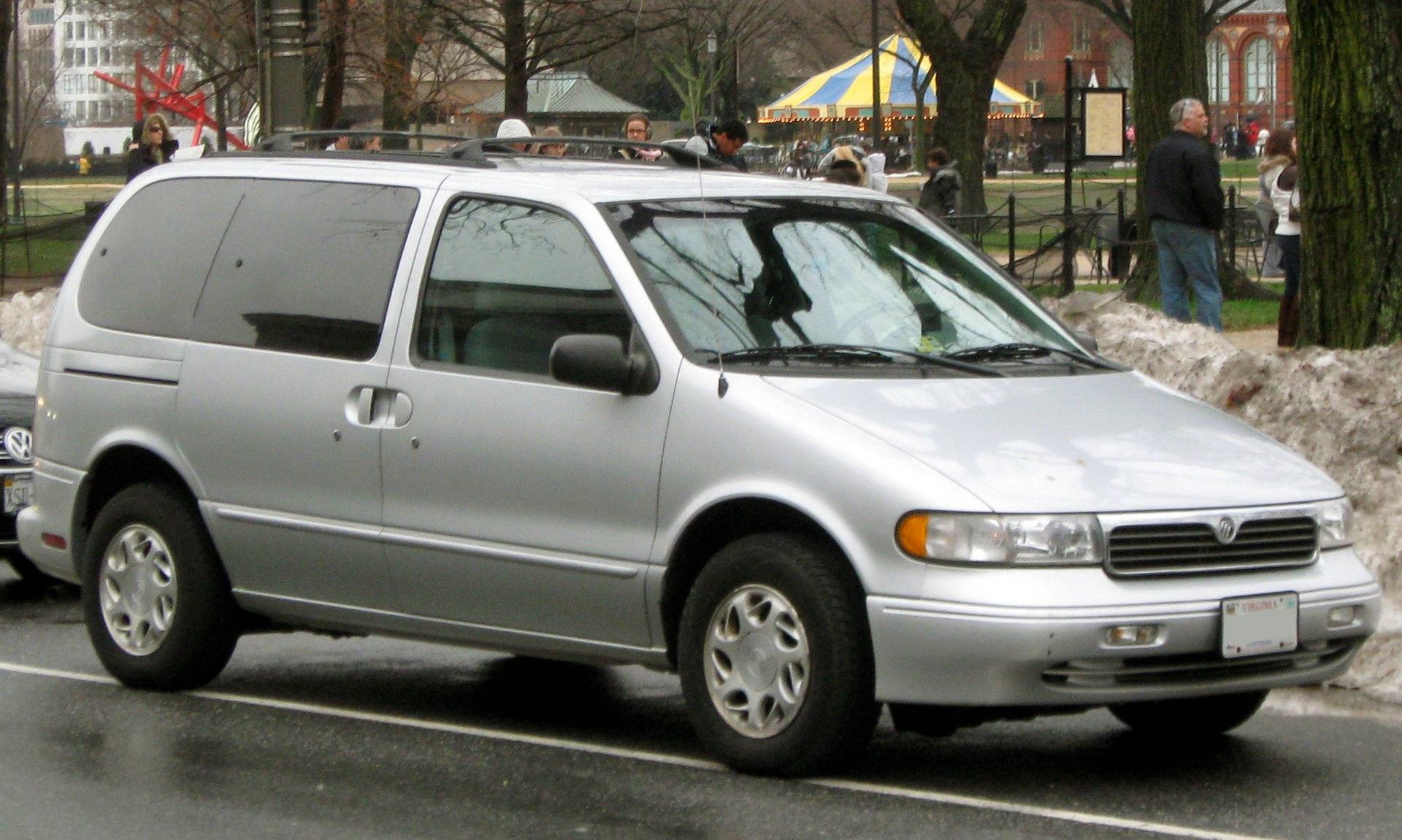
5. Nissan Quest / Mercury Villager (1993-1998)
Few results from the 1990s tests look as dramatic as this one. The Nissan Quest and its twin, the Mercury Villager, received a rating of Poor. The numbers do not tell the whole story, so consider what the testers saw.
During the crash, the instrument panel and pedals thrust backward so violently into the cabin that the vehicle frame warped completely.
The damage was so severe that technicians literally had to cut the front seat out of the van to extract the crash test dummy.
Read that again. The structure bent so badly that rescuers, in a real crash, would face a serious challenge reaching the driver.
This is a stark example of why the offset test mattered. A head-on crash into a flat wall does not always reveal weak spots, but an offset crash concentrates force on one side and tests the structure in a harsher way.
Many vans failed that harder test. For shoppers today, the lesson is simple. Safety ratings change as testing improves, and older vehicles were never designed for newer standards.
Modern minivans hold their shape far better, which keeps space around the driver intact. That change may be the most important improvement in the entire segment.
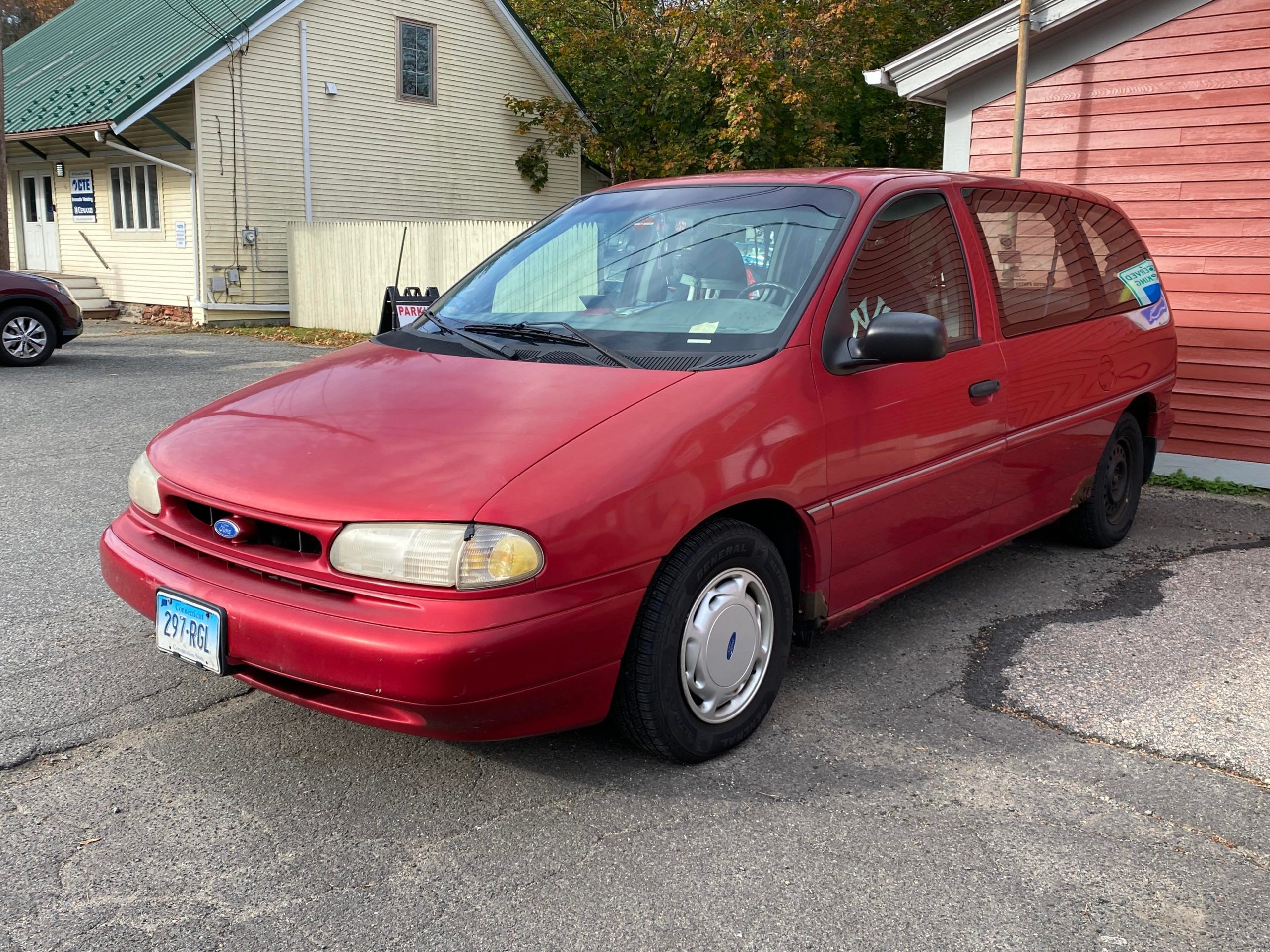
6. Ford Windstar (1995-1998)
Every story needs a hero, and here it is. The Ford Windstar was the standout exception of the 1990s. It earned a rating of Good, the highest tier the IIHS gives.
Ford engineered a strong safety cage that successfully deflected crash forces away from the driver. The test recorded incredibly low injury marks across the entire body.
Compare that with the collapsing floors and trapped legs seen in other vans, and the difference is striking.
What does this prove? That safe design was possible even then. The Windstar shows that engineering choices, not technology limits, separated the winners from the losers.
Now for the part that matters today. While modern minivans drastically outperform their ancestors in front-row safety, the IIHS recently updated its testing to scrutinize rear-seat protection.
The results revealed that modern family haulers still have room to improve for back-seat passengers. That is a useful reminder for parents.
Front-row scores tell only part of the story, and children often ride in the back. Check the latest IIHS ratings, including rear-seat results, before you buy.
The Windstar proved that good design can protect people, and the industry is still working to extend that protection to every seat.
Minivans have changed from structural collapses to carefully engineered safety cages. Use the history as a guide, check current ratings, and choose a van that protects every passenger.