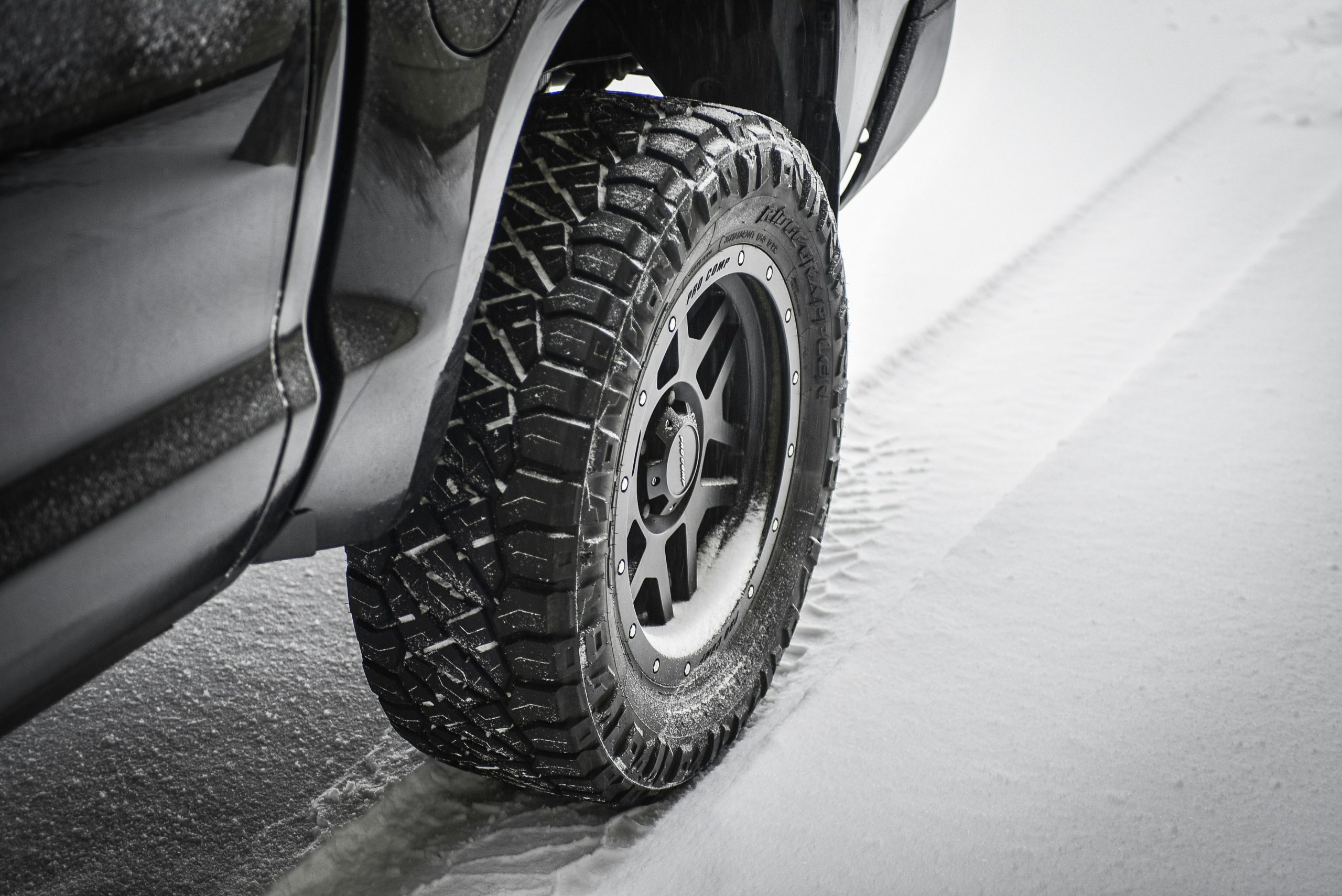
Winter tires can make a major difference in cold weather, especially when roads are covered with snow, ice, slush, or freezing rain. However, spending more money does not automatically guarantee better performance, and a cheap set may cost more in the long run if it wears quickly or struggles to maintain grip.
The right choice depends on your climate, vehicle, driving habits, and budget. This guide examines five winter tires worth considering and five options that deserve extra caution, helping drivers compare traction, durability, comfort, and value before making a purchase.
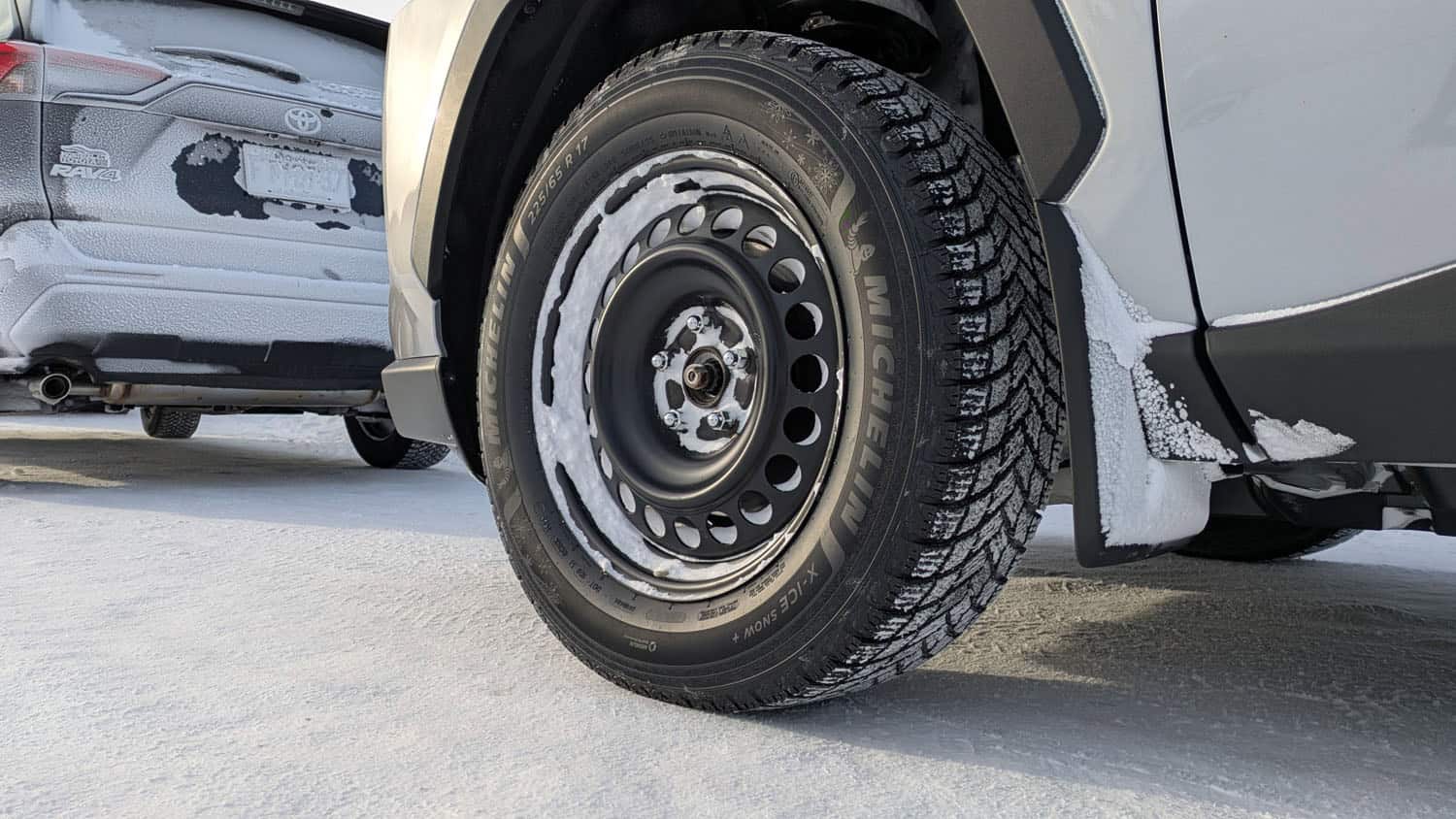
1. Michelin X-Ice Snow: A Premium Tire Worth the Investment
The Michelin X-Ice Snow is a strong choice for drivers who regularly face long winters, cold pavement, packed snow, and icy roads. It is designed for passenger cars, crossovers, and selected SUVs, depending on the available size.
Its winter-focused rubber compound helps maintain flexibility at low temperatures, supporting traction when conventional all-season tires become less effective. For people who drive throughout the winter rather than occasionally encountering snow, that added capability can justify the premium purchase price.
One of the main reasons to consider this tire is its focus on balanced winter performance. Drivers need more than acceleration on fresh snow. They also need dependable braking, predictable cornering, and stability when road conditions change unexpectedly.
The X-Ice Snow is engineered for these cold-weather demands, making it a practical option for daily commuting and longer highway journeys. Actual performance still depends on vehicle weight, tire size, road surface, speed, and the condition of the tires.
Longevity is another important consideration when calculating value. A winter tire that retains useful tread over multiple seasons can offer better cost per kilometre than a cheaper alternative that needs replacement sooner.
Michelin positions this model around lasting winter performance, but no mileage guarantee should be treated as a promise of identical results for every driver. Frequent driving on warm, dry roads, incorrect inflation, poor alignment, and aggressive acceleration can shorten the useful life of any winter tire.
Ride comfort also matters during months when drivers spend considerable time behind the wheel. Winter tread designs often create more road noise than summer tires, especially on dry highways.
The X-Ice Snow aims to combine winter traction with reasonable everyday comfort, making it suitable for drivers who use the same vehicle for work, family responsibilities, and weekend travel. Those who spend most of their winter on maintained roads may appreciate its balanced approach more than a tire designed specifically for extreme snow conditions.
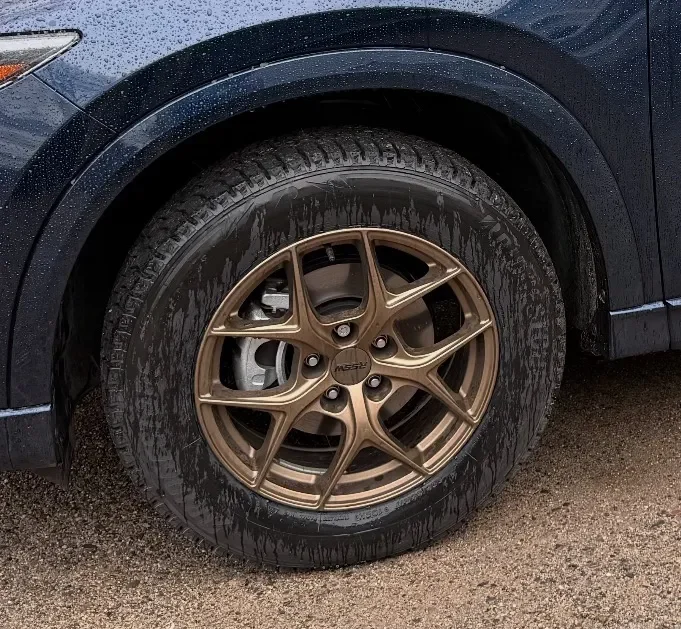
2. Bridgestone Blizzak WS90: A Strong Choice for Ice and Snow
The Bridgestone Blizzak WS90 is a dedicated winter tire developed for passenger cars and selected vehicles in compatible sizes. It is especially relevant to drivers who encounter icy intersections, compacted snow, and cold urban streets.
Its tread design and winter compound are intended to provide grip in conditions where ordinary all-season tires can lose effectiveness. For commuters who must travel even when the weather deteriorates, a specialised winter tire can be a worthwhile investment.
Braking deserves particular attention when comparing winter tires. Drivers often focus on whether a tire can move through deep snow, yet stopping distance may be more important in everyday traffic.
A tire with suitable winter construction can help improve control in cold conditions, but no model eliminates the risks created by ice. Following distances should be increased, speeds reduced, and sudden steering or braking avoided. Even a high-quality tire requires careful driving on slippery roads.
The WS90 is designed around winter traction rather than year-round use. Its rubber compound is intended to remain effective in cold temperatures, while its tread features help manage snow and slush.
These characteristics can be useful for people who encounter changing conditions during a single journey. However, performance on wet pavement, polished ice, deep snow, and dry asphalt can differ significantly. Buyers should compare independent testing for the conditions most common in their area instead of relying on a single rating.
For budget-conscious drivers, the purchase price should be considered alongside expected service life and seasonal storage costs. A dedicated winter set can last through several seasons if it is maintained correctly and removed when temperatures rise consistently.
Keeping winter tires on the vehicle during warm weather can increase wear and reduce their suitability for summer driving. A separate set of wheels may also make seasonal changes easier, though the initial expense will be higher.
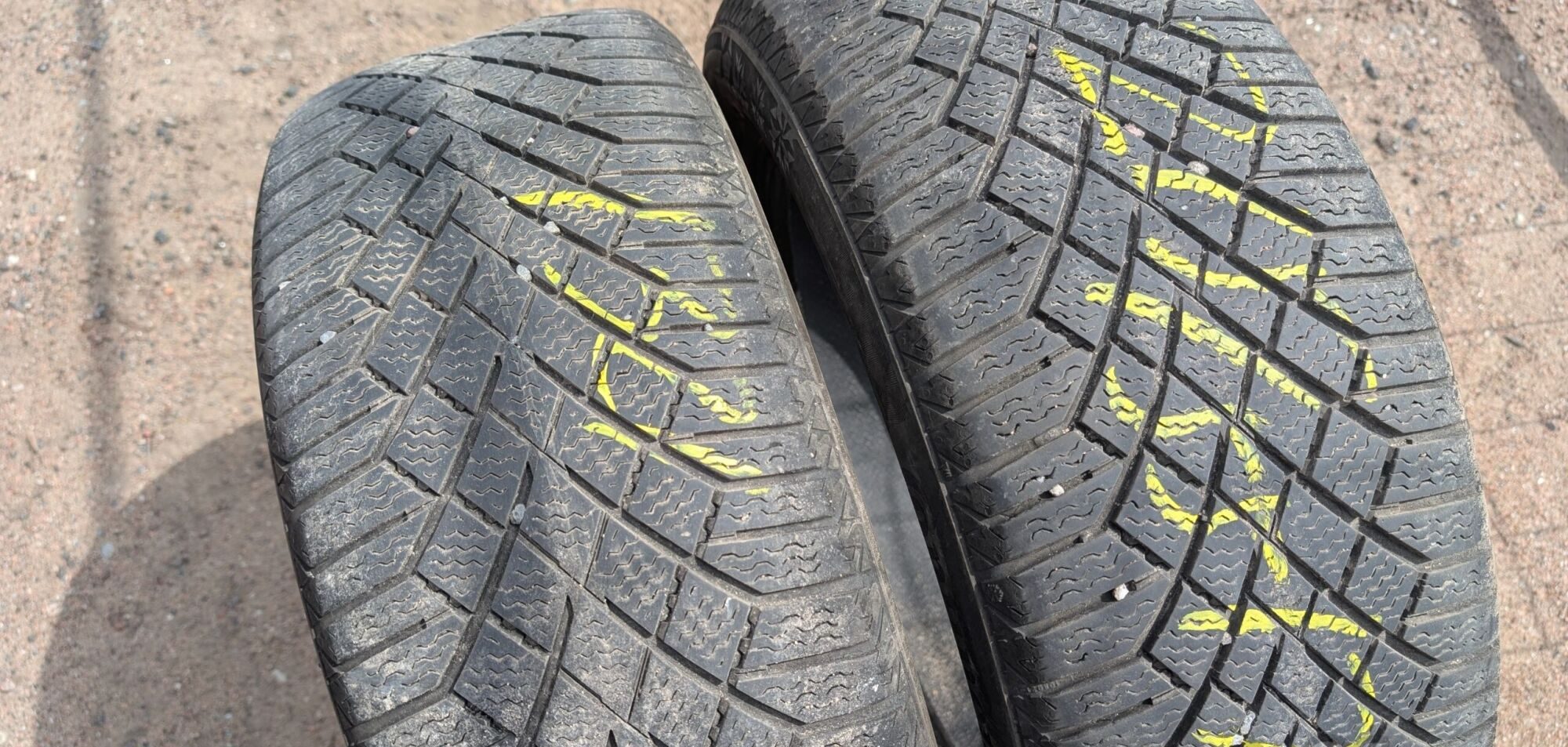
3. Continental VikingContact 7: Worth Considering for Mixed Winter Conditions
The Continental VikingContact 7 is a Nordic-style winter tire intended for drivers who experience cold weather, snow, and icy road surfaces. Its design prioritises winter grip and control, which makes it relevant to people living in regions with prolonged freezing temperatures.
Availability varies by market and tire size, so shoppers should confirm that this particular model is sold for their vehicle before comparing offers. Its specialised design makes it more appropriate for serious winter use than for warm-weather driving.
A major benefit of a dedicated winter tire is its ability to respond to cold road conditions more effectively than many conventional all-season options. The VikingContact 7 uses winter-oriented tread features and a compound designed for low temperatures.
This matters because the grip available from a tire depends on the interaction between its rubber, tread, and road surface. Snow depth, ice condition, temperature, and vehicle systems also influence the outcome, so no single specification tells the whole story.
Drivers should pay close attention to wet winter roads as well as snow-covered streets. Rain falling near freezing temperatures can create slippery surfaces, while slush can interfere with contact between the tire and pavement.
A winter tire needs to manage these changing conditions without making the vehicle feel unpredictable. The VikingContact 7 belongs on a shortlist for drivers who want a specialised tire for varied northern winter weather, but current comparative tests should guide the final decision.
Cost is best assessed across the full period of ownership. A higher-priced tire may offer useful performance advantages in severe conditions, while a less expensive option may be adequate for drivers who travel slowly on cleared roads.
Buyers should compare tread warranties where offered, replacement availability, and the cost of installing four matching tires. Choosing a size solely because it is cheaper can create problems if it falls outside the manufacturer’s approved specifications.
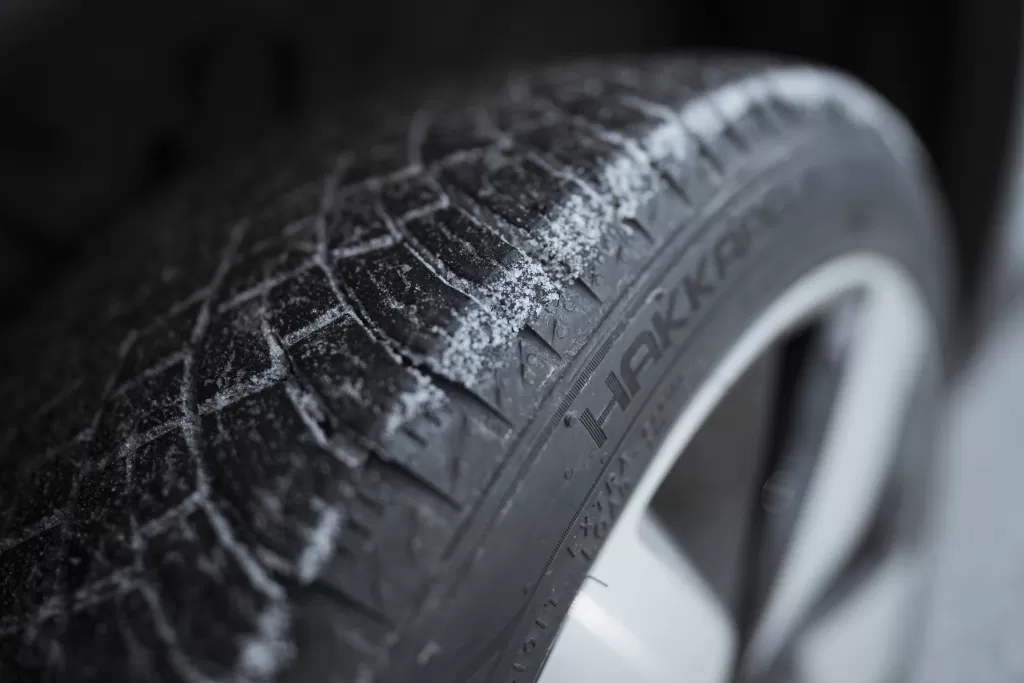
4. Nokian Hakkapeliitta R5: A Premium Option for Severe Winters
Nokian has a long association with winter tire development, and the Hakkapeliitta R5 is a studless winter tire designed for demanding cold-weather conditions. It is available in different versions for compatible passenger vehicles and SUVs, depending on the market.
This type of tire is intended for drivers who need reliable winter characteristics without metal studs. Its intended use makes it especially relevant in areas where freezing temperatures, snow, and ice remain common for extended periods.
Studless winter tires rely on their rubber compounds, tread patterns, and specialised surface features to provide traction. The Hakkapeliitta R5 is designed with these requirements in mind. It may suit motorists who frequently travel through neighbourhoods, rural roads, and highways during winter.
However, studless designs should not be mistaken for a guarantee of safe travel on every ice-covered surface. Severe ice, steep slopes, and freezing rain can create conditions in which even well-equipped vehicles should avoid travelling.
A premium winter tire can be a sensible expense for someone whose commute cannot easily be postponed. Emergency workers, shift employees, and rural residents may need to travel during weather that keeps other drivers at home.
In those circumstances, braking and handling performance have practical value beyond convenience. Still, the tire is only part of a safe setup. Suitable winter clothing, an emergency kit, adequate fuel or battery charge, and a willingness to delay nonessential trips remain important.
Buyers should compare the Hakkapeliitta R5 with other winter tires that suit their vehicle and climate. Some models are designed around Nordic conditions, while others place more emphasis on milder winters and wet roads.
Prices can vary considerably between sizes, and a large SUV may require substantially more expensive tires than a compact sedan. The correct comparison includes load capacity, speed rating, warranty terms, availability, and the total cost of fitting a complete set.
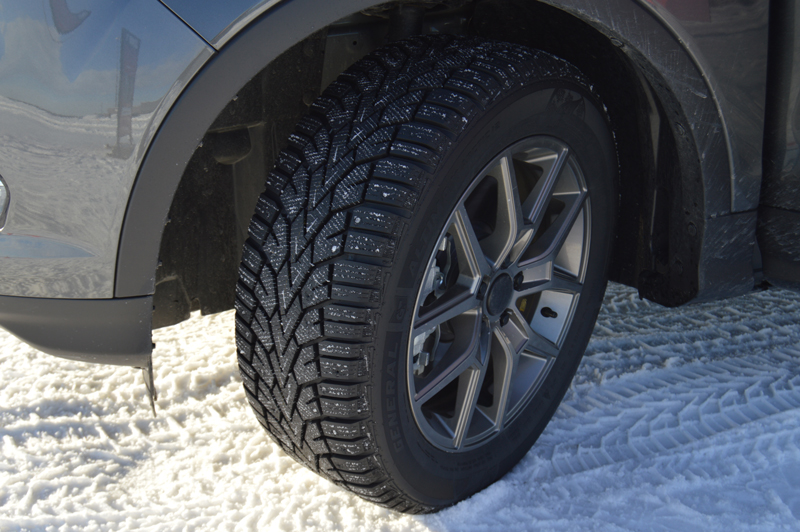
5. General Altimax Arctic 12: A Practical Value-Oriented Option
The General Altimax Arctic 12 is a winter tire worth investigating for drivers who want dedicated cold-weather equipment without automatically choosing the most expensive brand. It is designed for winter driving and may be available in a range of passenger vehicle sizes, depending on the market.
Its appeal lies in giving shoppers an alternative to premium-priced products while still focusing on winter-specific requirements. Buyers should confirm local availability, specifications, and any relevant independent test results.
A value-oriented tire should be judged by its actual performance and ownership costs rather than its price alone. A lower purchase price is useful only when the tire meets the driver’s needs and complies with the vehicle’s requirements.
Tread condition, wet braking, snow traction, and handling all deserve consideration. The Altimax Arctic 12 may be a sensible candidate for drivers who need a dedicated winter set but want to compare several price levels before committing their money.
It is important to distinguish the needs of city drivers from those of people who regularly travel on rural or mountain roads. Urban motorists may mostly encounter cleared pavement, shallow snow, and occasional icy intersections.
Rural drivers may face deep snow, untreated roads, and long distances between services. The same tire can represent good value for one driver and a less suitable choice for another. Local road maintenance and the likelihood of severe weather should influence the purchase.
Installation and maintenance can have a significant effect on the final cost. Before buying, ask whether the quoted price includes mounting and balancing, and check whether your vehicle needs compatible pressure sensors. Keep all four tires appropriately matched and maintain the recommended inflation pressure.
Regular rotation, correct alignment, and inspection for uneven wear help preserve performance. A bargain tire that is neglected can become a poor investment, while careful maintenance can improve the value of a suitable mid-priced product.
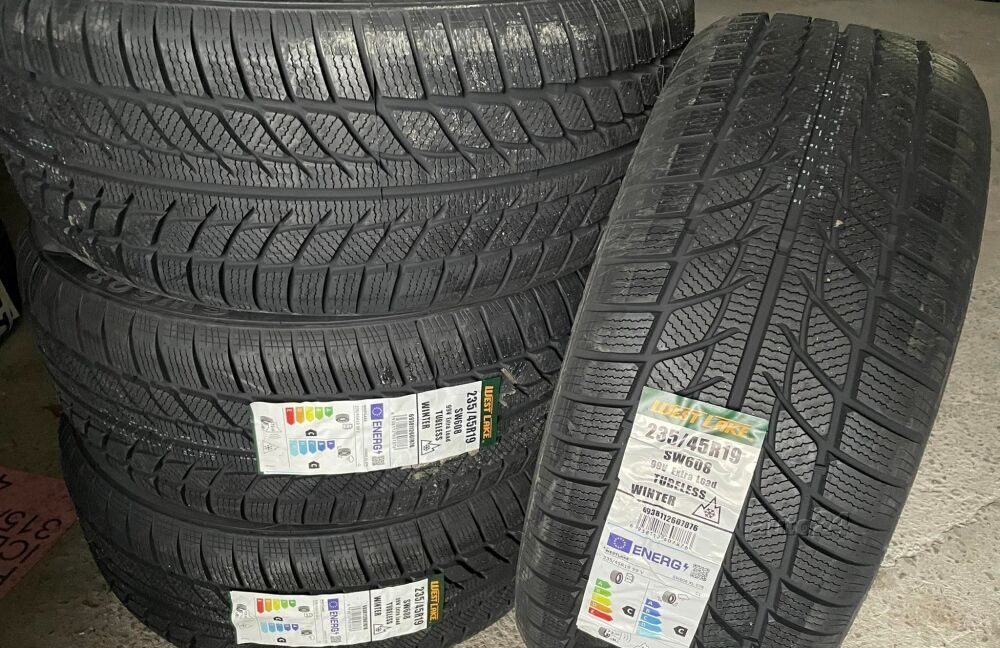
6. Westlake SW608: A Budget Tire That Needs Careful Comparison
The Westlake SW608 is an affordable winter tire aimed at drivers looking for lower-cost alternatives. Its relatively low purchase price may appeal to those preparing an older vehicle for winter conditions or trying to keep household expenses under control while still investing in seasonal tires.
However, the low purchase price should be treated as a starting point for research, not proof that the tire offers the best value. Buyers should look for independent testing that covers their climate and vehicle type.
The main concern with choosing a less expensive tire is whether its performance meets the demands of local roads. Winter driving requires dependable braking, predictable steering, and traction on surfaces that can change from wet pavement to slush within minutes.
A model that performs acceptably in light snow may not be the best choice for frequent ice or steep, untreated roads. Without comparable test data for the exact tire, it is unwise to assume that a budget product matches the performance of a premium competitor.
Price comparisons should include the cost of replacing the tire before the end of its expected service life. A low initial price can be attractive, yet the financial advantage becomes smaller if the tire wears quickly or does not provide the performance a driver needs.
Check the available tread warranty, manufacturer specifications, load rating, and speed rating. Ask the retailer for details about the exact version being sold, since product specifications and availability may vary across markets.
Drivers who mainly travel short distances on cleared urban roads may have different priorities from people who drive through heavy snowfall every morning.
For occasional winter use, a budget tire may be a reasonable candidate if it meets recognised requirements and performs adequately in relevant tests. For frequent highway travel in severe weather, spending more on a proven winter tire may provide greater confidence. No tire should be selected solely because its online listing shows the lowest price.
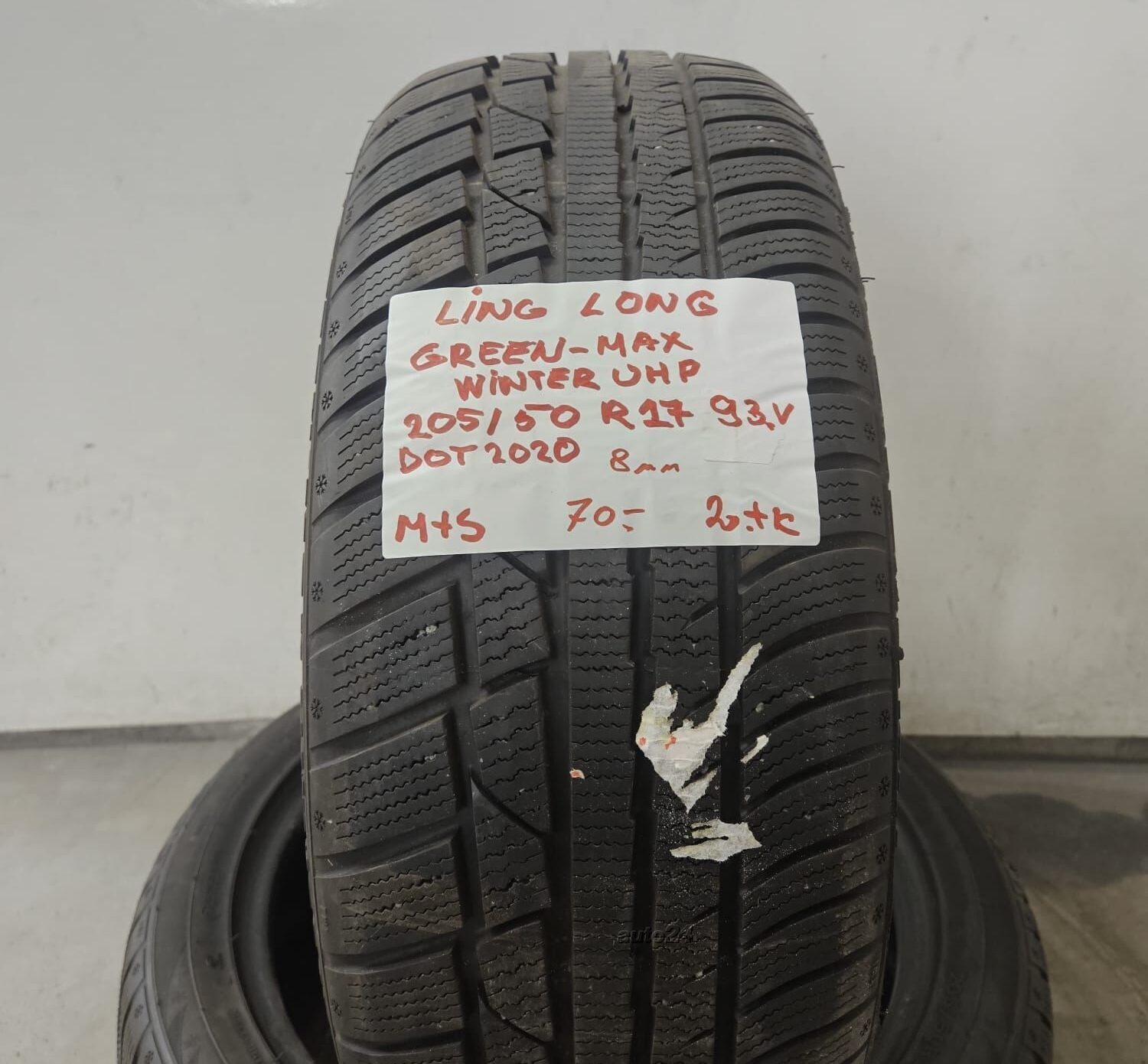
7. Linglong Green-Max Winter UHP: Not Ideal for Every Winter Climate
The Linglong Green-Max Winter UHP is a winter-oriented tire aimed at drivers seeking an alternative to more expensive performance products. Its ultra-high-performance positioning can appeal to motorists who want a sporty appearance and responsive handling.
Yet the right winter tire depends on more than its category name or tread styling. Shoppers should verify the exact version available in their region and determine whether its intended conditions match their normal routes.
Performance-oriented winter tires can serve drivers who spend much of their time on maintained roads and want handling characteristics suited to modern passenger cars.
They may be less appropriate for motorists who regularly encounter deep snow, rough rural roads, or prolonged icy conditions. Tread design involves compromises, so a tire developed for one type of winter use will not necessarily be the strongest choice for every other surface. Buyers should compare independent results for snow, ice, wet braking, and dry-road handling.
The Green-Max Winter UHP should not be judged purely by its price or branding. Some buyers may find an affordable model suitable for ordinary commuting, while others may need the more extensively tested performance of a premium alternative.
Check the availability of trustworthy comparative tests before making a decision. A lack of relevant testing does not prove that a tire is unsafe, but it does leave buyers with less evidence to assess how it may behave under demanding conditions.
Vehicle compatibility is equally important. A tire must have the correct dimensions, load capacity, and speed rating for the vehicle and intended use.
A sporty sedan may require a different specification from a family crossover, even when the vehicles travel on similar roads. Replacing the original tire with a lower-rated option can affect suitability and may conflict with manufacturer guidance. Always verify the approved specifications before purchasing a discounted set.
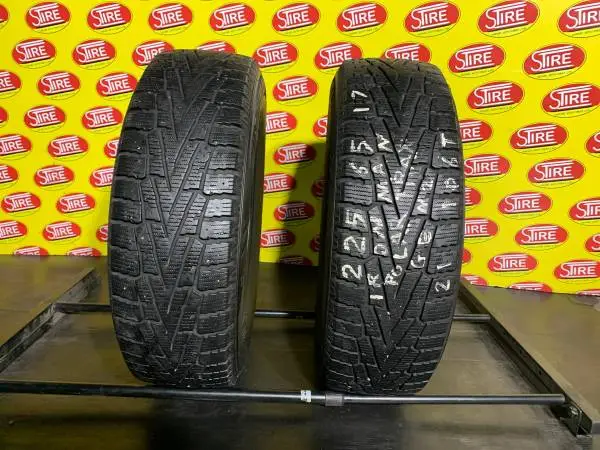
8. Ironman Polar Trax Gen 2: Check the Evidence Before Buying
The Ironman Polar Trax Gen 2 is a budget-focused winter tire that may appeal to drivers trying to reduce the cost of seasonal tire replacement. Its lower-cost positioning can be relevant for older vehicles, second cars, and households that cannot easily afford premium products.
However, the purchase deserves the same scrutiny as any other tire. The most useful question is whether the specific model provides appropriate winter performance for the roads and temperatures you regularly encounter.
A good comparison should begin with available test results rather than assumptions about the brand’s price category. Look for braking distances, traction on snow, wet-road behaviour, and handling in cold conditions.
Results should ideally come from tests that compare tires in similar sizes under consistent conditions. If the available information consists mainly of retailer descriptions or customer comments, recognise that these sources may not provide a complete picture of performance in demanding winter weather.
A budget tire can still offer practical value when it meets a driver’s needs. Someone who travels short distances at moderate speeds on regularly cleared roads may have different requirements from a commuter covering long highway distances before sunrise.
The challenge is to distinguish a suitable lower-cost choice from a purchase that leaves too little safety margin. Drivers should consider the likelihood of sudden weather changes, the availability of alternative transport, and the consequences of losing traction on their usual routes.
The installed price also deserves attention. Ask for a complete quote that includes mounting, balancing, disposal of old tires, and compatible pressure-monitoring components where necessary. Check the manufacturing date and ensure the tire has been stored appropriately.
New tires can age in storage, so the production date is relevant when comparing discounted inventory. Inspect the sidewall and tread before installation, and follow the manufacturer’s guidance for inflation and maintenance.