Buying a car involves more than choosing the right model, engine, or colour. Optional features can improve safety, comfort, convenience, and resale appeal, but some extras add considerably to the price without delivering meaningful benefits.
Knowing which car options are worth paying for helps buyers make smarter decisions and avoid spending money on features they rarely use. From advanced safety systems to expensive cosmetic upgrades, the right choices depend on driving habits, budget, climate, and ownership plans.
This guide examines five worthwhile car options and five costly extras that deserve careful consideration before signing the purchase agreement.

1. Advanced Driver Assistance and Safety Features
When comparing new vehicles, safety technology deserves serious attention because its value extends far beyond convenience. Features such as automatic emergency braking, forward collision warning, blind spot monitoring, and rear cross-traffic alert can help drivers identify hazards and respond sooner.
Automatic emergency braking may apply the brakes when a collision appears imminent, depending on the system and driving conditions. Blind spot monitoring can warn drivers about vehicles that are difficult to see in their mirrors. These technologies do not eliminate accidents, but well-designed systems can provide an additional layer of protection during everyday journeys.
Modern driver assistance packages often combine several functions that support safer driving. Lane departure warning alerts the driver when the vehicle drifts across road markings without an indicated turn, while lane keeping assistance can apply corrective steering in certain situations.
Adaptive cruise control adjusts speed to maintain a selected distance from traffic ahead. These systems are particularly useful during highway journeys, where changing speeds and prolonged driving can increase fatigue. However, their effectiveness depends on road markings, weather, sensor visibility, and the specific vehicle design. Buyers should understand what each feature actually does rather than assuming every package offers identical protection.
Before paying extra for a safety package, check which features are already included in the standard equipment. Some manufacturers offer automatic emergency braking and stability control as standard, while reserving blind spot monitoring or adaptive cruise control for higher trims.
Comparing equipment lists can prevent unnecessary spending on duplicated features. It is also sensible to examine independent crash test results and safety assessments relevant to the exact model and market. A long list of electronic features does not automatically make a car safer than a competing vehicle with stronger crash protection and well-calibrated safety systems.
2. A High-Quality Tyre and Wheel Package
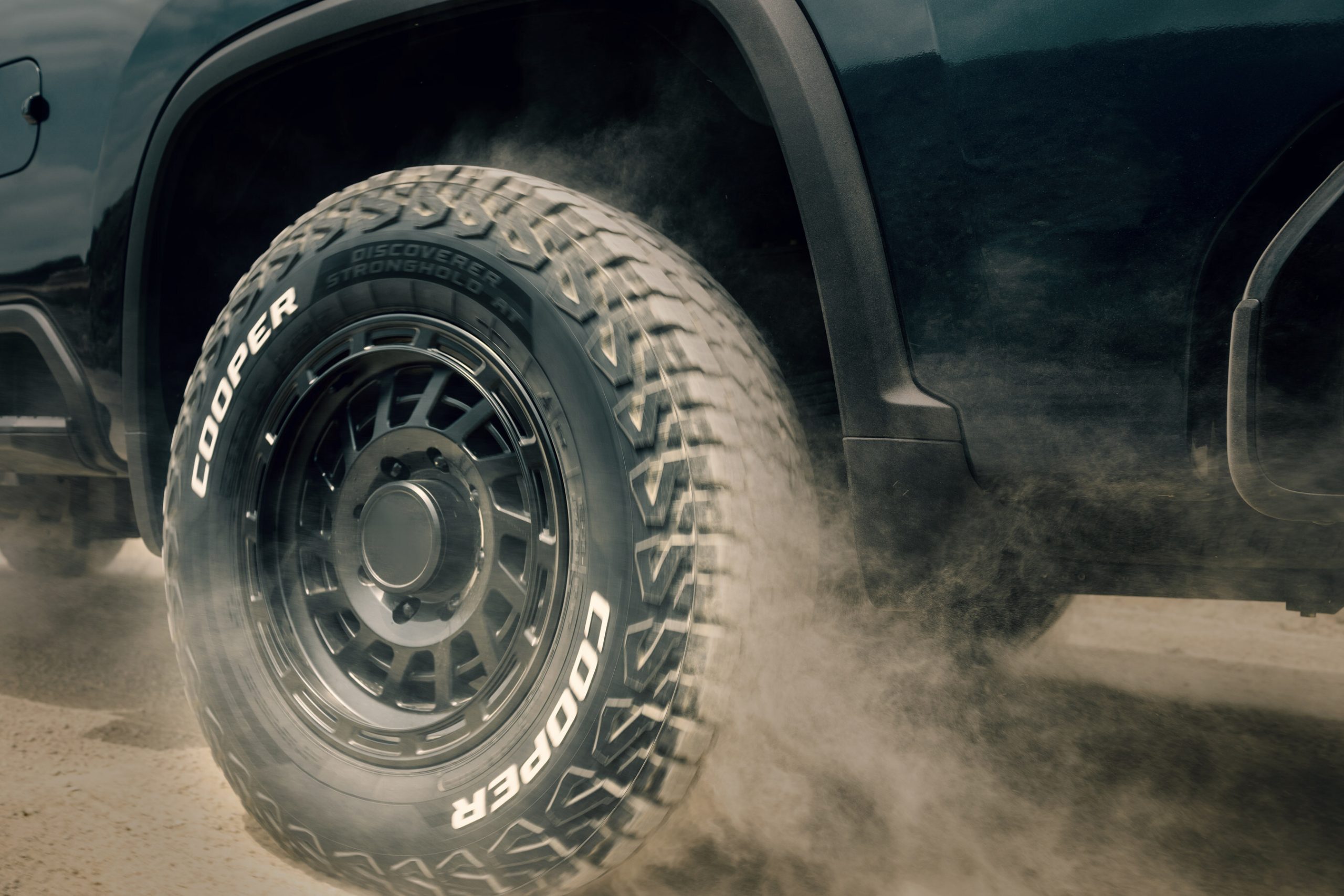
Tyres are among the most important parts of a vehicle because they connect the car to the road. A quality tyre package can improve braking performance, wet-weather grip, cornering stability, and ride comfort.
Spending more on suitable tyres can make a practical difference during sudden stops, rainy journeys, and everyday commuting. Buyers should focus on proven performance and suitability for local conditions rather than choosing tyres based purely on brand prestige or appearance.
The correct tyre type depends on the climate, road surface, and driving style. Touring tyres often suit everyday commuting because they balance comfort, noise, durability, and grip. Performance tyres may offer stronger handling for drivers who prioritise responsive steering, but they can wear faster and cost more.
In regions with intense summer heat or frequent monsoon rain, selecting tyres designed for those conditions is especially important. Always follow the manufacturer’s recommended tyre size, load rating, and speed rating.
Wheel size is worth examining carefully before selecting an expensive upgrade. Larger alloy wheels can give a vehicle a sportier appearance, but they commonly require tyres with shorter sidewalls.
These tyres may transmit more bumps into the cabin and can be more vulnerable to damage from potholes. Replacement tyres can also cost considerably more. For drivers who regularly travel on uneven roads, a sensible wheel size with a suitable sidewall may provide a better balance of comfort, durability, and running costs.
Buyers should also consider the cost of replacing all four tyres. A premium wheel package might look attractive in the showroom, yet its long-term expense includes replacement rubber, potential alignment checks, and repairs after road damage.
Tyre pressure monitoring, where fitted, can help drivers notice pressure loss, while regular inspections identify uneven wear and cuts. Correct inflation and wheel alignment help tyres last longer. These simple maintenance habits often deliver more practical value than choosing the largest available wheels.
3. Automatic Climate Control and Effective Air Conditioning
A dependable climate control system can make daily driving considerably more comfortable, particularly in places with hot summers, high humidity, or changing seasonal temperatures. Automatic climate control allows the driver to select a target cabin temperature while the system adjusts fan speed and air distribution.
This reduces the need for repeated manual adjustments and helps maintain a more consistent environment. For people who spend long hours commuting or frequently travel with family members, this feature can be worth paying extra for.
Dual-zone climate control allows the driver and front passenger to select different temperature settings. This can be useful when occupants have different comfort preferences, especially during long journeys. Some vehicles also provide rear air vents or separate rear climate controls, which can improve comfort for passengers sitting behind the front seats.
Families should pay attention to these practical details rather than judging the system by its touchscreen appearance. A well-designed ventilation system can be more useful than an elaborate interface with functions that are rarely needed.
Air conditioning also contributes to visibility by helping remove moisture from the windscreen. Many systems work with the demisting function to clear condensation, supporting safer driving in humid or cool conditions. Effective airflow matters just as much as the number of available settings.
Buyers should test how quickly the cabin cools, whether rear passengers receive sufficient airflow, and whether the controls are easy to operate. These details can be particularly important when a car regularly carries several occupants or sits in direct sunlight.
4. A Factory-Fitted Reversing Camera and Parking Sensors
Parking technology can be a worthwhile investment for drivers who regularly navigate crowded streets, narrow garages, apartment parking areas, or busy shopping centres.
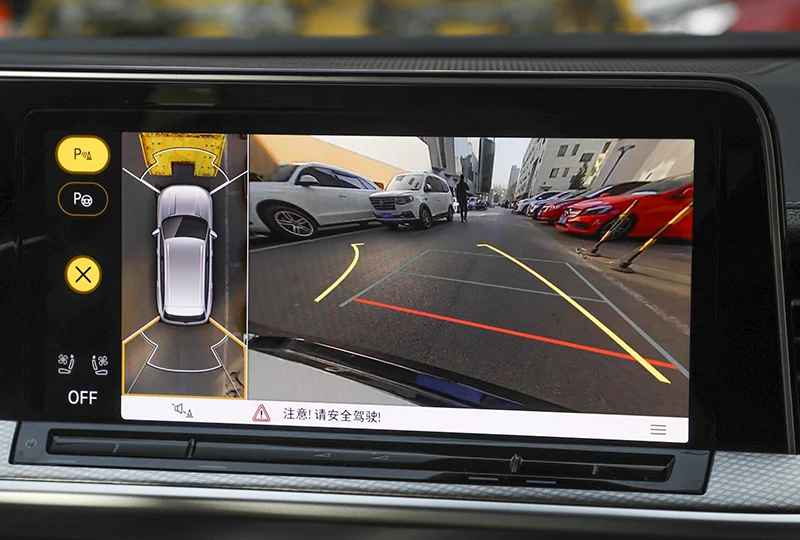
A reversing camera displays the area behind the vehicle, helping the driver identify obstacles that might not be visible through the mirrors alone. Parking sensors provide audible or visual warnings when the vehicle approaches nearby objects. Together, these systems can make low-speed manoeuvres easier and reduce the likelihood of minor bumps.
Camera quality matters more than the presence of a large screen. A clear image, useful parking guidelines, and reasonable low-light performance can make reversing easier. Wide-angle cameras show a broader area, but their images may distort distances near the edges.
Drivers should therefore use the camera alongside their mirrors and direct observations. A camera cannot always identify small objects, moving pedestrians, or obstacles outside its field of view, so it should never be treated as a complete substitute for checking the surroundings.
Parking sensors can be especially helpful in vehicles with large bodywork, limited rear visibility, or high boot lines. Front sensors may also help when manoeuvring into tight spaces where the front bumper is difficult to judge.
Some systems provide distance indicators that change as the car approaches an obstacle. Their performance can be affected by dirt, ice, heavy rain, unusual object shapes, and installation quality. Buyers should test the system in a safe parking area and learn how its warnings correspond to actual distances.
A factory-fitted system generally integrates more neatly with the vehicle’s electronics and display. However, aftermarket cameras and sensors can also be suitable when installed professionally. Before paying for a premium parking package, check whether the standard model already includes a rear camera, rear sensors, or both.
Some manufacturers reserve a 360-degree camera for expensive trims, but not every driver needs a complete surround-view system. For many everyday vehicles, a clear rear camera and dependable sensors provide the practical assistance required.
5. Comfortable Seats and Useful Cabin Adjustments
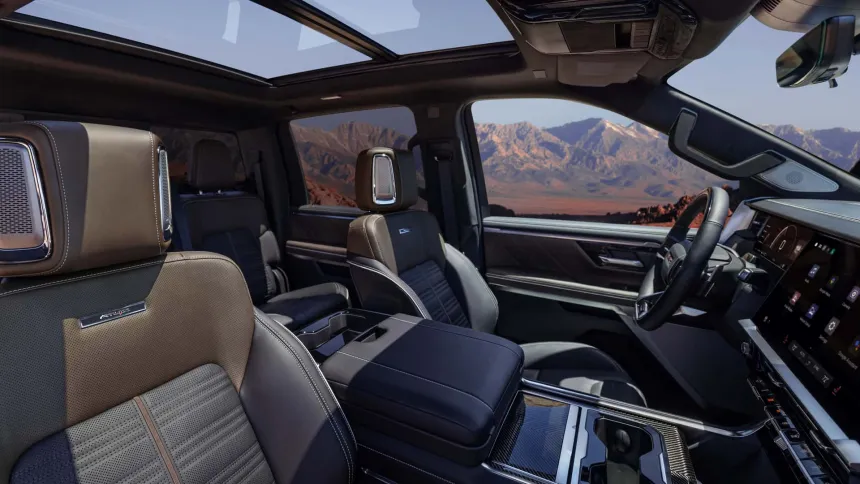
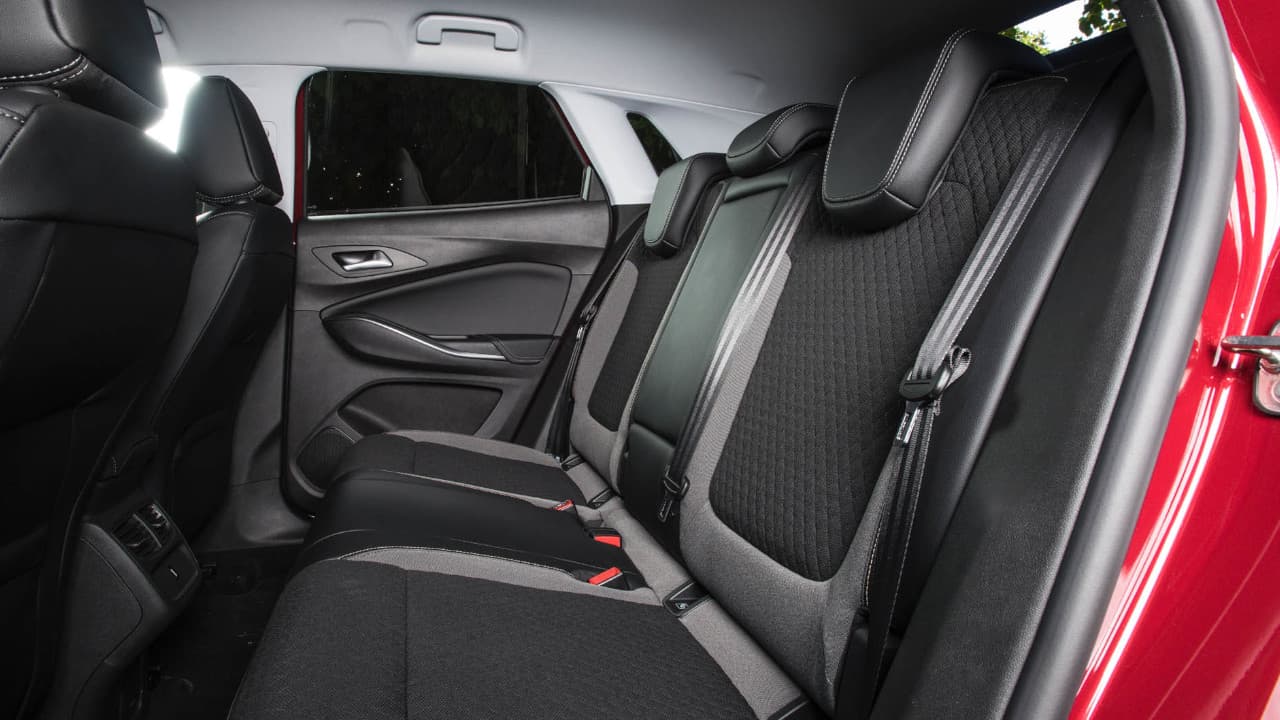
Seats have a direct effect on how comfortable a car feels during everyday use. Drivers who spend substantial time commuting or travelling between cities can benefit from supportive cushioning, suitable seat height adjustment, and well-positioned controls.
Lumbar support helps some people maintain a more comfortable sitting posture, while adjustable steering columns allow drivers to find a suitable relationship between the wheel, pedals, and seat. These practical features may appear less exciting than a large entertainment screen, but they influence every journey.
Electric seat adjustment can be worthwhile for drivers who frequently share a vehicle or need to change seating positions regularly. Memory settings are especially convenient when two people use the same car and prefer different seat and mirror positions.
However, electric adjustment is not automatically more comfortable than manual adjustment. A well-designed manual seat can provide excellent support, while a poorly shaped powered seat may remain uncomfortable. Buyers should evaluate the actual seat design rather than assuming that more motors indicate better quality.
Seat ventilation may be useful in hot climates because it can improve comfort when cabin temperatures rise. Heated seats can provide welcome warmth in cold conditions, while adjustable head restraints and supportive rear seating help accommodate passengers of different heights.
These features should be assessed according to local weather and typical passenger needs. In a warm region, ventilation may be more valuable than heating. For a family that frequently carries adults in the back, rear-seat cushioning, legroom, and headroom could matter more than advanced driver-seat functions.
6. Oversized Alloy Wheels Bought Purely for Appearance
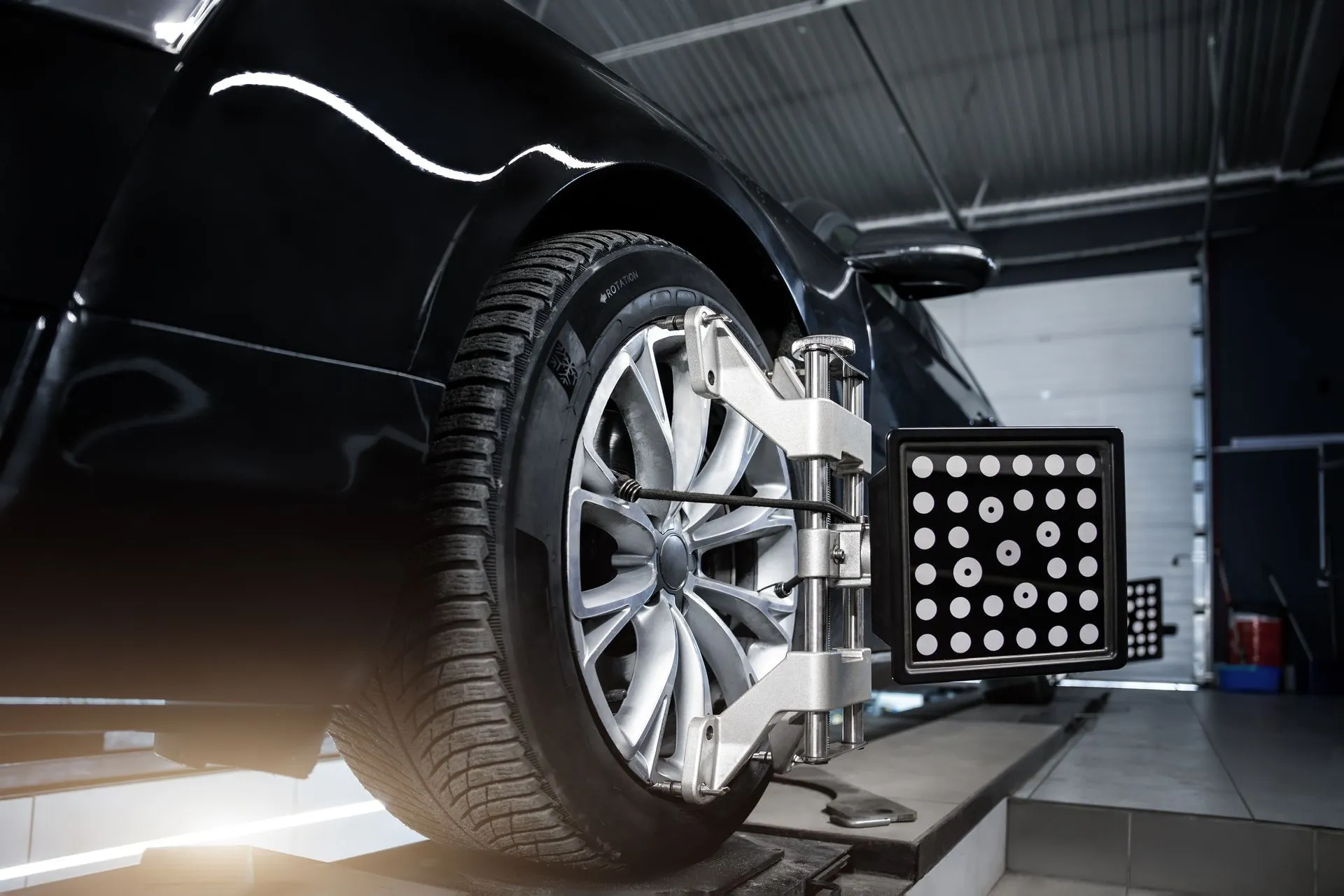
Large alloy wheels can transform a car’s appearance, giving it a more aggressive stance and a sportier profile. Manufacturers often feature these wheels on premium trims to distinguish them from entry-level models.
However, the visual upgrade may come with trade-offs that buyers should understand before paying extra. If the larger wheels do not improve performance in a meaningful way for your driving style, the additional cost may be difficult to justify.
Larger wheels frequently use lower-profile tyres, which have shorter sidewalls between the road and the wheel rim. This can make the ride feel firmer over potholes, broken surfaces, and speed bumps.
In areas where road quality varies considerably, the difference may be noticeable every day. Shorter sidewalls can also leave the rim more exposed to impact damage. Drivers who prioritise a comfortable commute may prefer a smaller approved wheel size with tyres offering more sidewall cushioning.
Replacement costs are another consideration. Tyres for larger wheels may be more expensive, especially when the car uses uncommon sizes or performance-oriented rubber.
If a wheel becomes bent or cracked after striking a pothole, repairs or replacement can add to ownership expenses. Insurance coverage for wheel damage varies by policy, so buyers should not assume every incident will be covered. The initial showroom price represents only part of the financial commitment associated with a wheel upgrade.
There are situations where larger wheels make sense. Some performance cars are engineered around particular wheel and tyre combinations, and larger wheels may accommodate bigger brakes or support specific handling targets. Drivers who value sharper steering responses may also prefer certain performance setups.
These benefits depend on the vehicle’s engineering, tyre selection, and suspension tuning. Simply choosing the largest available option does not guarantee better grip, shorter braking distances, or superior handling in ordinary driving conditions.

7. Expensive Exterior Body c and Cosmetic Add-Ons
Exterior body kits can make an ordinary car resemble a sportier or more exclusive model. Front splitters, side skirts, rear diffusers, decorative vents, and large spoilers are popular among buyers who want their vehicles to stand out.
The problem begins when these additions carry a substantial price without providing a practical benefit. For a car used mainly for commuting, the money spent on appearance may deliver less value than improvements to safety, comfort, or routine maintenance.
Some aerodynamic components are designed and tested to influence airflow, particularly at higher speeds. However, decorative pieces that imitate functional equipment may offer little measurable benefit.
An oversized spoiler does not automatically improve stability, and a front splitter that looks sporty is not necessarily engineered to generate useful downforce. Aerodynamic performance depends on the complete vehicle design, including airflow underneath the body, component shape, and operating speed. Buyers should look for credible engineering information rather than relying on visual claims.
Ground clearance can become a concern when fitting low front lips or extended side skirts. These components may scrape against steep driveways, parking ramps, speed breakers, and uneven road surfaces.
Damaged plastic trim can be inexpensive to replace in some cases, while painted or specialised parts may cost considerably more. Poorly fitted accessories can also create rattles, gaps, or loose panels. A cosmetic upgrade should not make everyday driving more difficult or create recurring repair bills.
8. An Oversized Touchscreen and Excessive Infotainment Upgrades
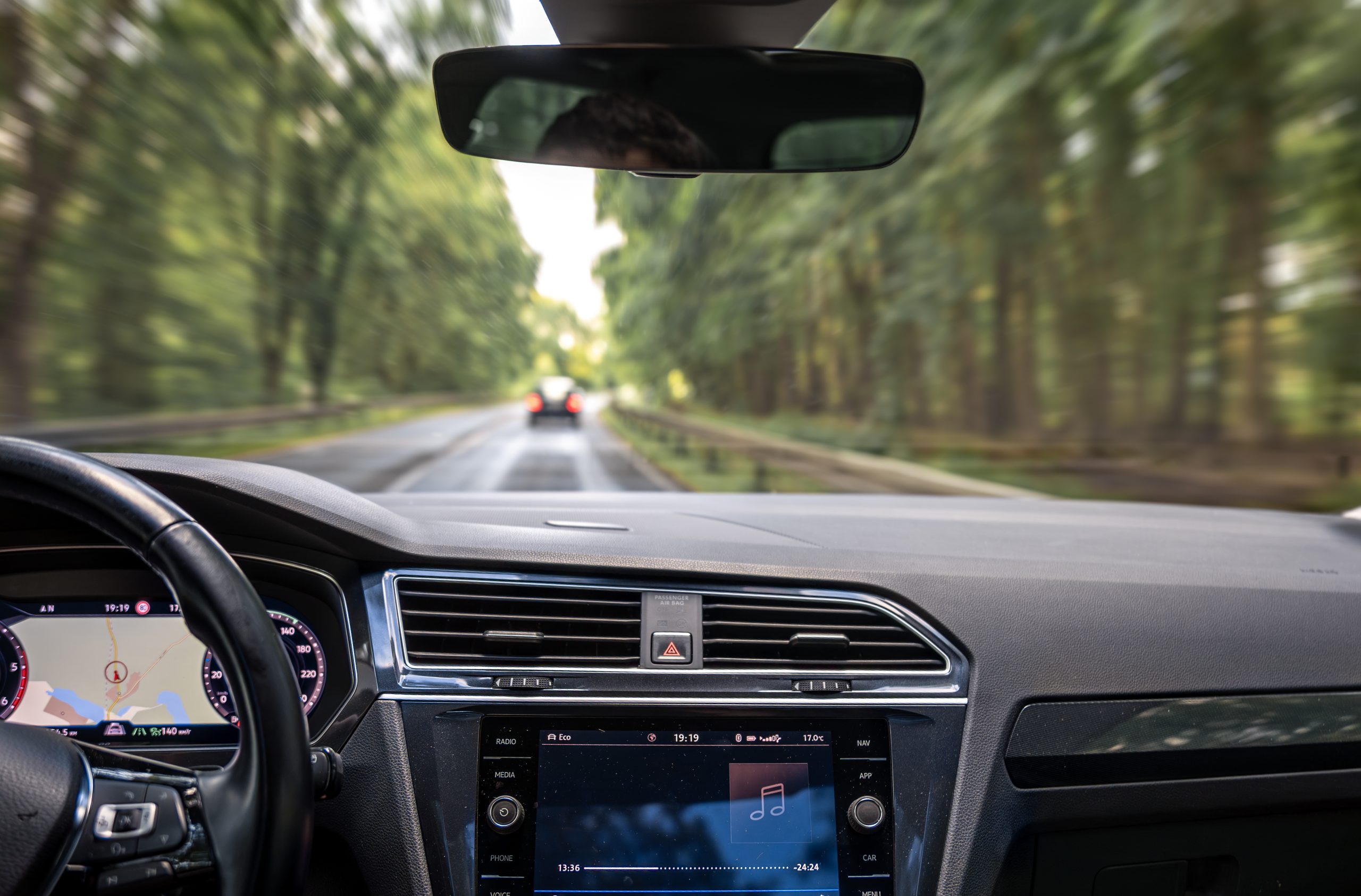
Large infotainment screens have become a major selling point in modern cars. They can provide navigation, music controls, phone connectivity, vehicle settings, and access to useful information. However, screen size alone does not determine how good a system is.
A smaller display with clear menus and responsive controls may be easier to use than a much larger screen that requires several taps to perform basic tasks. Paying extra purely for display dimensions may therefore offer limited value.
Touchscreen-heavy dashboards can also require drivers to look away from the road when adjusting common functions. Physical buttons and knobs often make it easier to change fan speed, volume, or temperature without navigating several menus.
This matters during busy traffic, where even brief distractions can reduce attention. Buyers should assess how frequently used functions are accessed and whether voice controls work reliably. A visually impressive interface is less useful if ordinary adjustments become complicated.
Premium infotainment packages may include advanced navigation, connected services, extra speakers, larger displays, or integrated applications. Some features require subscriptions after an introductory period, adding ongoing costs.
Connected functions can also depend on mobile coverage, software support, and compatibility with a driver’s phone. Before purchasing an upgraded package, check whether standard phone integration already provides navigation and music applications that meet your needs. There may be little reason to pay for duplicate services.

9. Ambient Lighting and Decorative Interior Packages
Ambient lighting has become a familiar feature in premium vehicles, with coloured LED strips illuminating dashboards, doors, footwells, and centre consoles. It can create a pleasant atmosphere during evening journeys and allow owners to personalise the cabin.
However, the practical benefit is usually modest. When the package adds a significant amount to the purchase price, buyers should ask whether the lighting genuinely improves their experience or simply makes the showroom presentation more impressive.
Many ambient lighting systems offer adjustable colours, brightness levels, and themed settings. These choices can look attractive in promotional photographs, yet some owners may select a preferred setting and rarely change it.
Decorative lighting should never distract the driver or make essential controls harder to identify. Brightness, placement, and ease of adjustment matter more than the number of colours available. A tasteful, subtle system can be enjoyable, but extensive customisation is not essential for comfortable transport.
Interior trim packages can create a similar temptation. Gloss-black panels, imitation carbon-fibre finishes, contrasting stitching, and decorative metal accents may distinguish an upgraded cabin from a standard model.
Their long-term appeal depends on material quality and personal taste. Glossy surfaces can show fingerprints and scratches, while certain decorative finishes may develop wear around frequently touched areas. Buyers should inspect the actual materials in daylight and consider how easily the surfaces can be cleaned.
10. Expensive Performance Modes and Rarely Used Driving Settings
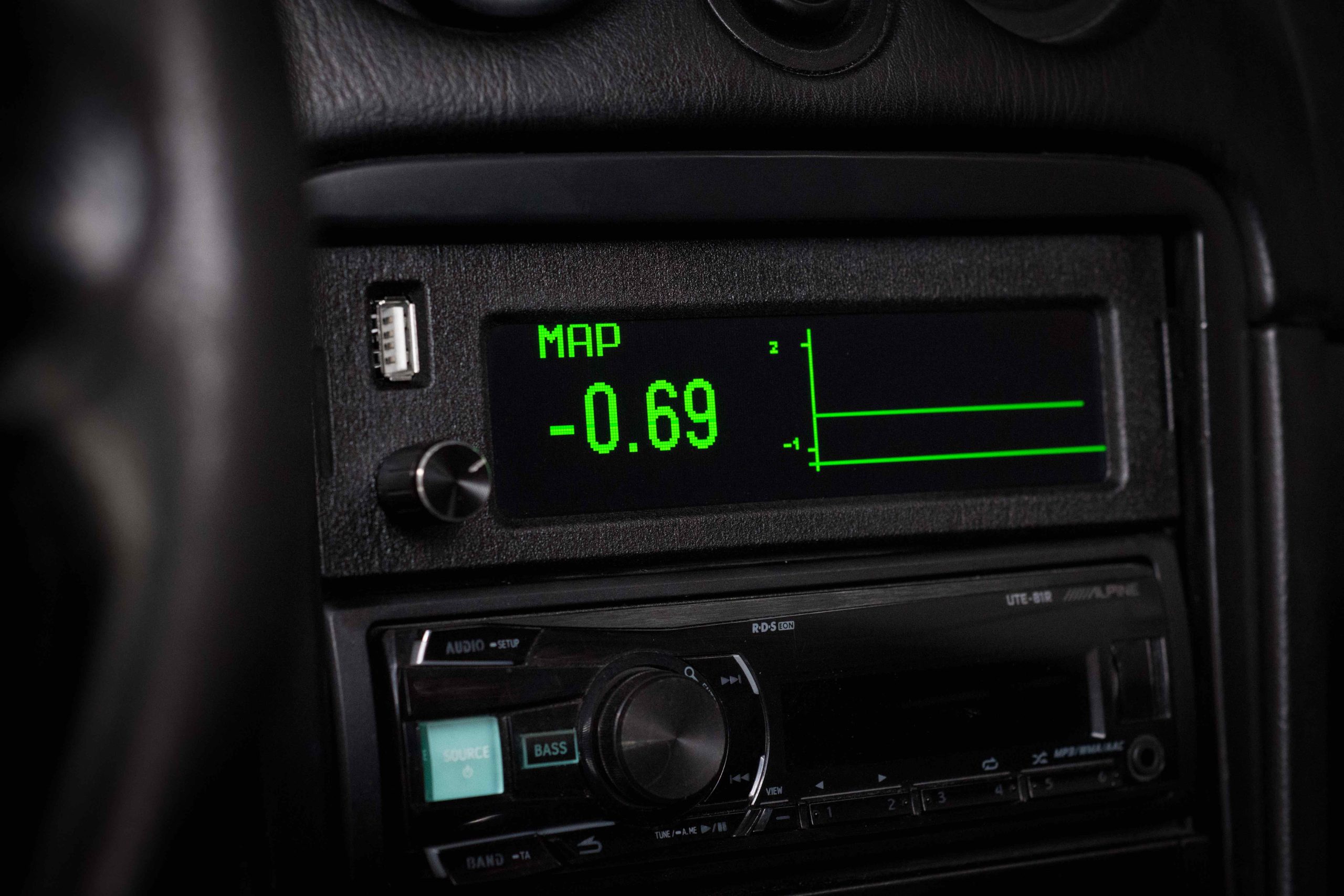
Many modern cars offer multiple driving modes, including Eco, Comfort, Normal, Sport, and sometimes individual settings for steering, suspension, and power delivery.
These features can change how the vehicle responds to accelerator inputs, shifts gears, or adjusts steering assistance. Useful as they may be, the value depends on the car and the driver’s habits. Paying a large premium for a specialised driving package makes little sense if most journeys involve ordinary city traffic and routine highway cruising.
Sport modes can make a vehicle feel more responsive by changing throttle mapping and, in some automatic cars, altering gearshift behaviour. Vehicles with adaptive suspension may also adjust damping to provide firmer handling.
These changes can improve the driving experience for enthusiasts, particularly on suitable roads. However, a sharper accelerator response does not necessarily increase the engine’s maximum power, and heavier steering does not automatically improve handling. Buyers should understand the specific functions included in a package before paying for it.
Fuel economy deserves consideration when comparing driving settings. Eco modes may moderate accelerator response, adjust transmission behaviour, or modify climate control operation to support more economical driving. Their actual effect varies by vehicle, route, traffic, and driver behaviour.
Sport settings may encourage higher engine speeds or more assertive acceleration, which can increase fuel consumption. However, selecting a particular mode does not guarantee a specific saving or penalty. Smooth acceleration, appropriate speeds, tyre maintenance, and sensible trip planning remain important factors in fuel efficiency.