Toyota has built a strong reputation for producing dependable vehicles that appeal to drivers seeking durability, practical features, and long-term value. For buyers comparing different models, the number of complaints submitted to the National Highway Traffic Safety Administration (NHTSA) can provide useful insight into reported vehicle problems.
However, complaint totals require careful interpretation because they vary by model year, sales volume, vehicle age, and reporting period. This article examines ten Toyota models worth considering when researching complaint history, explaining their strengths, potential concerns, and the records buyers should review before making a purchase.
1. Toyota Sienna Hybrid
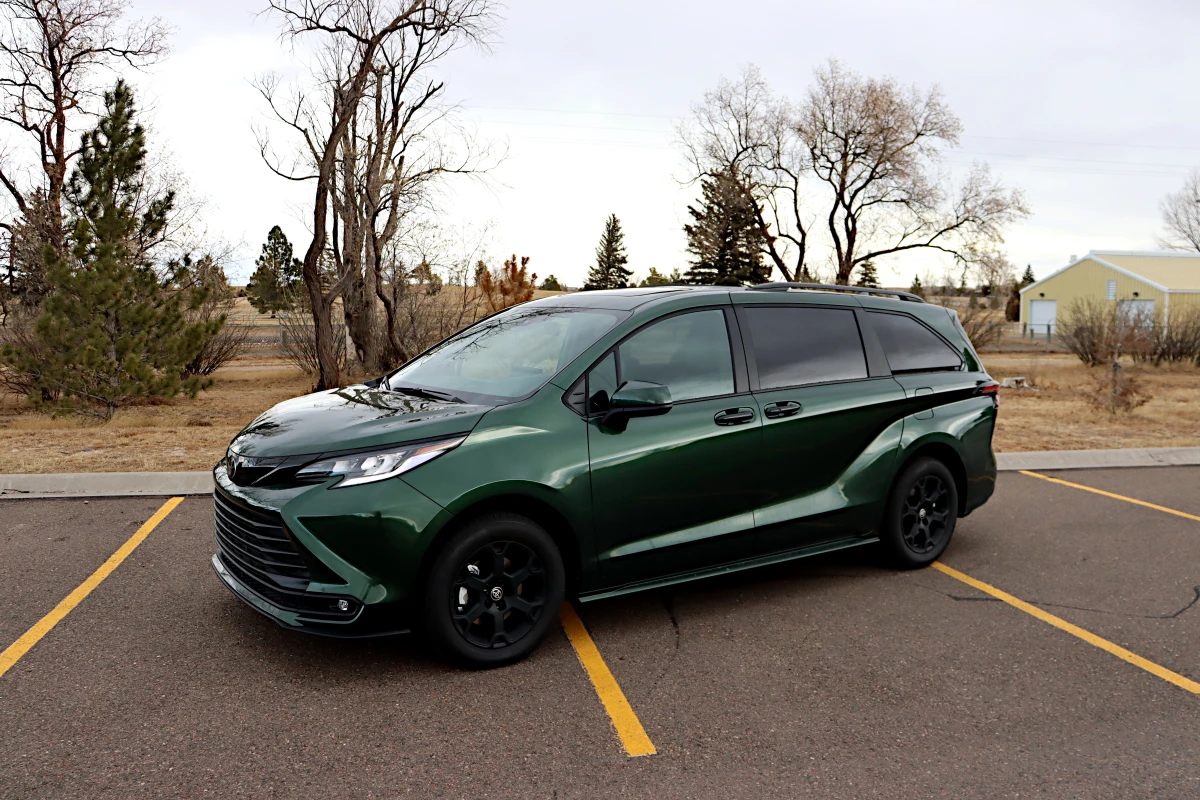
The Toyota Sienna Hybrid is a practical choice for families who need generous passenger space, flexible seating, and good fuel economy for a minivan. Its hybrid powertrain combines a gasoline engine with electric motors, helping reduce fuel consumption during many everyday driving situations.
The Sienna is particularly useful for school runs, road trips, airport transfers, and daily commuting with several passengers. Its sliding doors also make it easier to load children and passengers in tight parking spaces. For buyers who need a family vehicle rather than a conventional SUV, the Sienna offers a compelling combination of utility and efficiency.
The historical complaint compilation lists approximately 200 complaints for the Sienna Hybrid within its 2008 to 2024 comparison period. That figure is relatively low compared with several long-running Toyota nameplates, but it does not establish that the Sienna Hybrid has the lowest complaint rate.
The hybrid version also has a shorter history than the Sienna nameplate as a whole. Sales volume, model-year coverage, and the age of the vehicles all influence the number of reports recorded. Buyers should use this figure as a preliminary research point rather than a definitive reliability score.
2. Toyota RAV4 Prime
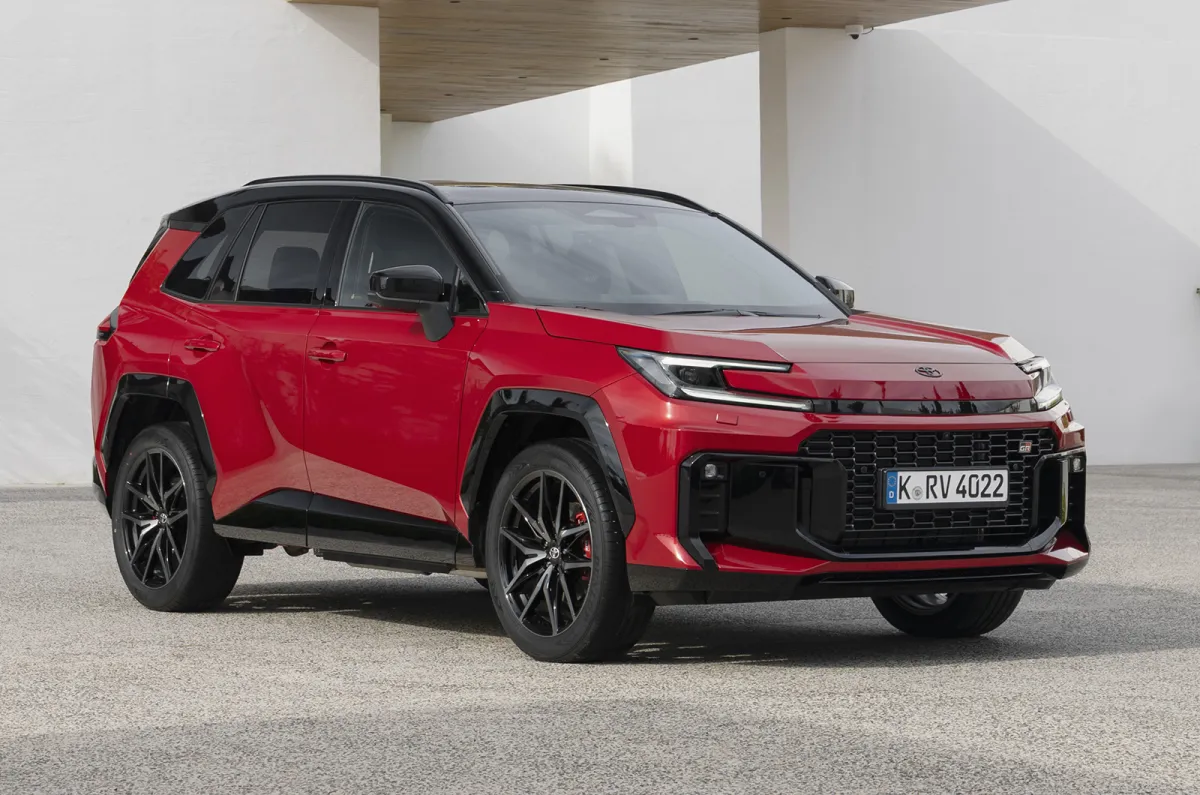
The Toyota RAV4 Prime, marketed as the RAV4 Plug-in Hybrid in some markets, combines a gasoline engine with a rechargeable battery and electric motors. This arrangement allows drivers to complete some everyday trips using electric power when the battery is charged and conditions permit.
Longer journeys can use the gasoline engine, reducing dependence on public charging infrastructure. Its SUV body style also offers useful cargo space, a raised seating position, and versatility for commuting or family travel. Buyers who want an electrified vehicle without relying exclusively on charging may find this combination appealing.
The cited compilation records approximately 212 complaints for the RAV4 Prime across the specified 2008 to 2024 model-year comparison. This is a comparatively modest raw total in that dataset, but the vehicle entered the market much later than many established Toyota models.
Its shorter period of exposure limits direct comparisons with vehicles sold for decades. The figure does not show how many complaints occurred per thousand vehicles, nor does it indicate that every reported issue was confirmed by NHTSA.
For a used RAV4 Prime, check the charging port, charging cable, battery-related warning messages, regenerative braking behavior, and the operation of the gasoline engine. Ask whether the vehicle has received software updates and required maintenance.
Charging equipment should be inspected for damage, and buyers should confirm that the charging arrangement suits their home or regular parking location. A plug-in hybrid can deliver its greatest fuel-saving benefit when owners charge it consistently, rather than relying exclusively on gasoline.
3. Toyota Grand Highlander
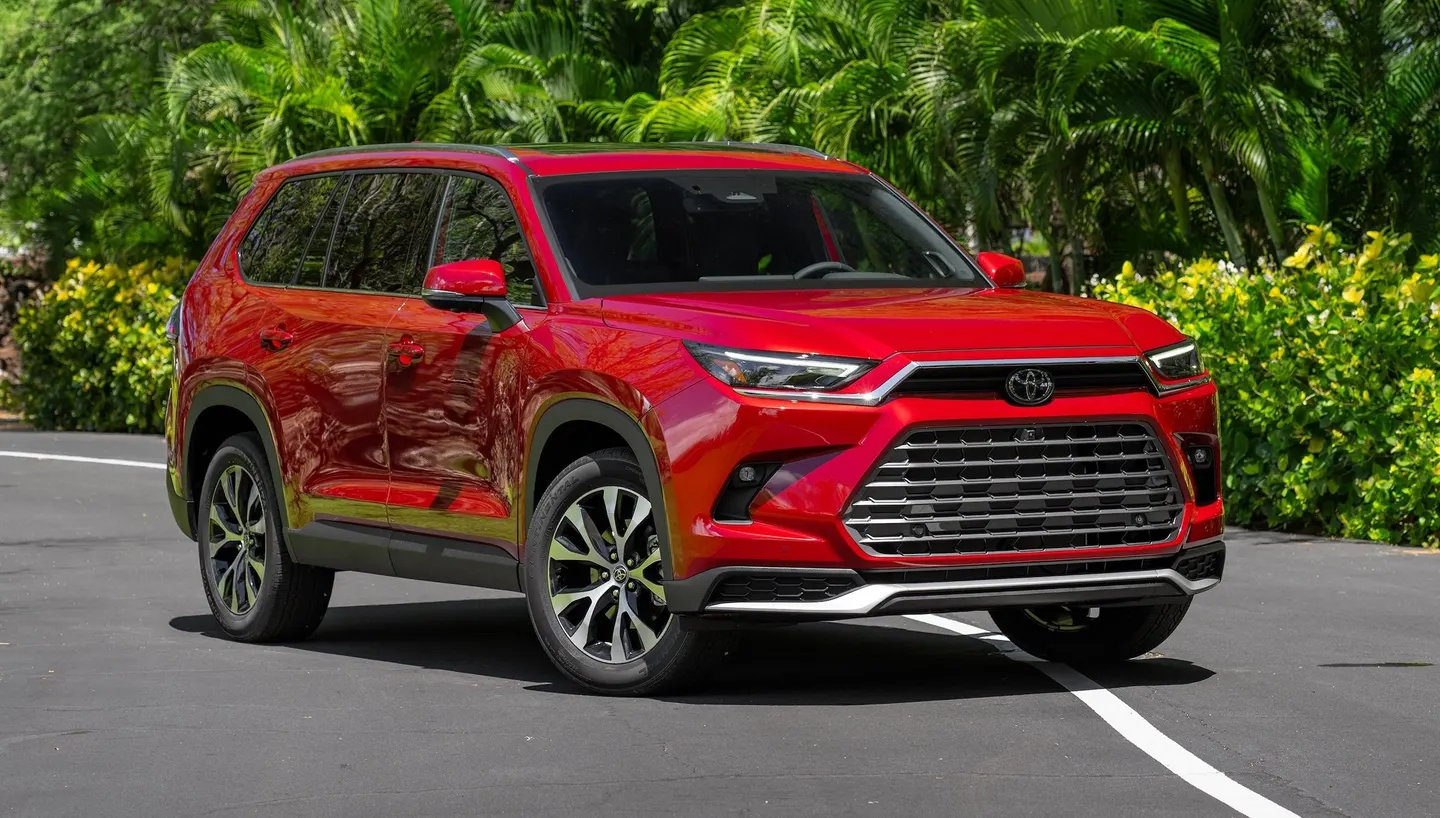
The Toyota Grand Highlander is a larger family SUV designed to provide three rows of seating and more passenger room than a compact crossover. Its size makes it relevant to households that regularly travel with children, extended family members, or bulky luggage.
Depending on the version, buyers can choose different powertrain configurations to suit their driving needs. The vehicle’s emphasis on space and long-distance comfort makes it a useful alternative for families who have outgrown a smaller SUV but do not want a minivan.
The historical compilation records approximately 232 complaints for the Grand Highlander in its 2008 to 2024 comparison. This relatively low total must be interpreted cautiously because the model is much newer than established Toyota vehicles.
A newer vehicle has had less time to accumulate owner reports, and its total may change substantially as additional vehicles enter service. The raw number cannot show whether the Grand Highlander has a lower complaint rate than an older model with a larger owner population.
Buyers should pay particular attention to recall status, seatbelt operation, airbag-related notices, electronic safety features, and powertrain performance. This is not a claim that every Grand Highlander has these problems. Rather, these are important safety systems to check in any modern family vehicle.
Confirm that all seating positions operate as intended, dashboard warnings are absent, and driver-assistance features function correctly during a controlled test drive. A professional inspection is particularly useful when purchasing a vehicle with complex electronic systems.
4. Toyota Sequoia
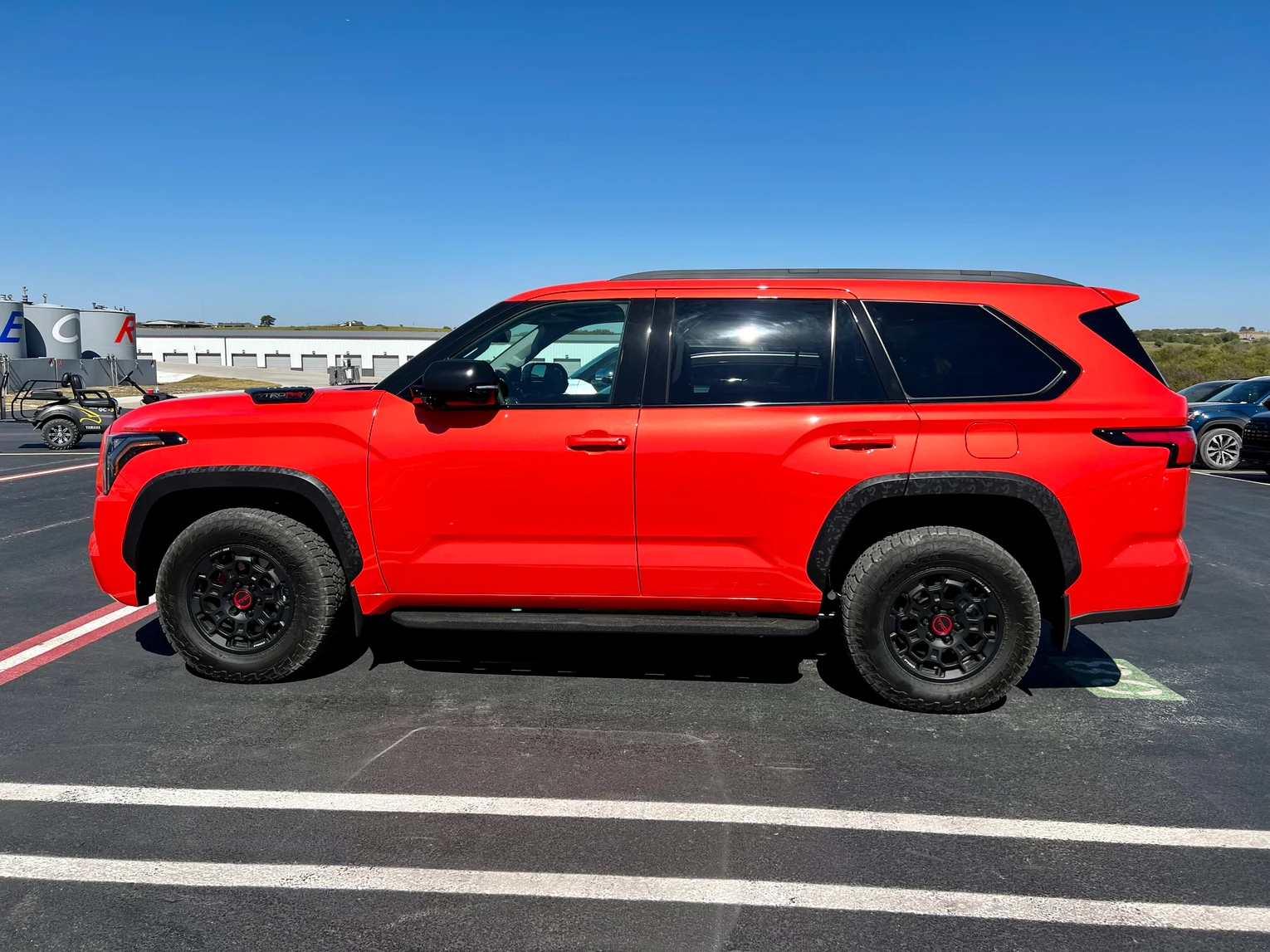
The Toyota Sequoia is a full-size SUV built for drivers who need substantial passenger space, strong towing capability in appropriately equipped versions, and a durable platform for demanding journeys. Its large cabin can accommodate family members and luggage, making it suitable for road trips and larger households.
Depending on the generation, the Sequoia has offered different engine and drivetrain configurations. Buyers considering this vehicle should compare its towing specifications, fuel consumption, cargo capacity, and equipment against their actual requirements instead of choosing solely on the basis of its size.
The historical complaint compilation records approximately 233 complaints for the Sequoia within its 2008 to 2024 model-year comparison. This figure is relatively low compared with some high-volume Toyota models, but the Sequoia’s smaller sales volume affects the comparison.
Fewer vehicles on the road can mean fewer opportunities for complaints to be submitted. The figure also combines vehicles from different years and generations, so it cannot identify which particular Sequoia model year has the best reliability record.
When evaluating a used Sequoia, inspect the engine, transmission, cooling system, suspension, steering, and braking components. Large SUVs can experience substantial wear when regularly used for towing, carrying heavy loads, or driving on rough roads.
Look for uneven tire wear, fluid leaks, suspension noises, and evidence of neglected maintenance. Buyers should also check four-wheel-drive components where fitted and verify that any towing equipment has been installed and maintained correctly.
5. Toyota Venza Hybrid
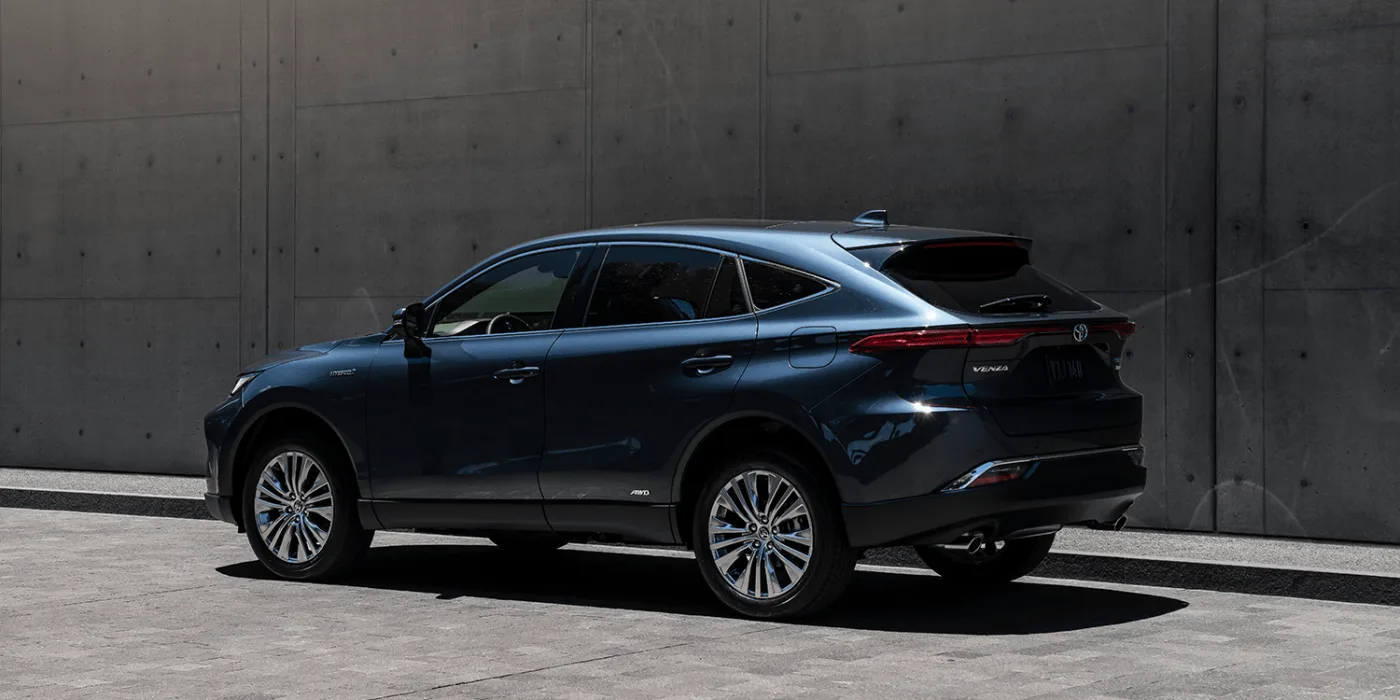
The Toyota Venza Hybrid is a midsize crossover aimed at drivers who value a comfortable cabin, refined styling, and fuel efficiency. Its hybrid powertrain is designed to reduce gasoline consumption during suitable driving conditions, particularly when frequent slowing and acceleration allow the electric motor to contribute.
The Venza’s crossover shape offers a convenient seating position and practical storage space without the bulk of a full-size SUV. It can appeal to commuters, couples, and small families who want everyday versatility combined with a more comfort-oriented driving experience.
The historical comparison lists approximately 276 complaints for the Venza Hybrid. This number places it among the lower-count entries in the selected dataset, but it does not establish a universal reliability ranking.
The Venza Hybrid nameplate has a more limited history than the Corolla or Camry, and the total depends on the years included in the compilation. Complaint figures can also change as owners submit additional reports. Buyers should therefore interpret the number as an indicator of recorded report volume, not a guarantee of trouble-free ownership.
A used Venza Hybrid deserves a careful check of its hybrid-system warnings, braking response, electronic controls, air-conditioning performance, and infotainment functions. The hybrid battery and associated cooling arrangements should be assessed when appropriate for the vehicle’s age and condition.
Inspect the tires for uneven wear, confirm that the steering feels consistent, and make sure all safety equipment operates as expected. Service records can help reveal whether the previous owner followed the recommended maintenance schedule.
Fuel efficiency is a major attraction for Venza Hybrid buyers, but actual results depend on driving style, traffic, weather, and journey length. Drivers who regularly encounter stop-and-go traffic may see different results from those who spend most of their time at highway speeds.
The cabin layout, rear visibility, and cargo capacity should also be tested in person. Families with bulky luggage or frequent rear-seat passengers should confirm that the available space suits their needs before purchasing.
6. Toyota Matrix
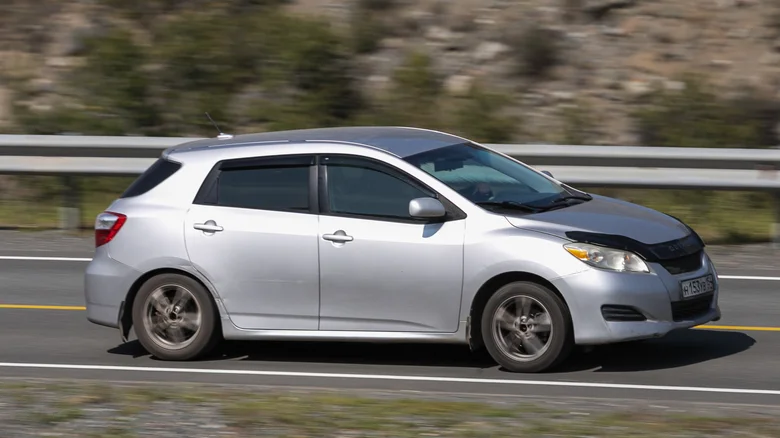
The Toyota Matrix is a discontinued compact hatchback that offered a useful mix of passenger space, cargo flexibility, and manageable exterior dimensions. Its practical shape made it easier to carry shopping, sports equipment, and everyday belongings than many conventional compact sedans.
The Matrix also appealed to drivers who wanted a straightforward vehicle for commuting without moving to a larger SUV. Since it is no longer part of Toyota’s current lineup, buyers will generally encounter it on the used-car market, where condition and maintenance history are especially important.
The historical compilation records approximately 290 complaints for the Matrix across its 2008 to 2024 comparison. The Matrix has a longer history than some newer vehicles on this list, but the reported total remains a raw count rather than a rate adjusted for sales or vehicle age.
Its discontinued status also means that used examples can differ substantially in mileage, maintenance, and component wear. A modest complaint count cannot establish that every Matrix year is dependable or that an individual vehicle has been well maintained.
The most important step when buying a used Matrix is to assess the condition of the particular vehicle. Check the engine for unusual noises, smoke, fluid leaks, or inconsistent running. Test the transmission carefully, inspect the brakes and suspension, and examine the underbody for rust or previous accident damage.
Older vehicles may need replacement tires, hoses, belts, batteries, or suspension parts because of normal aging. A mechanic should also verify that any applicable recalls have been addressed.
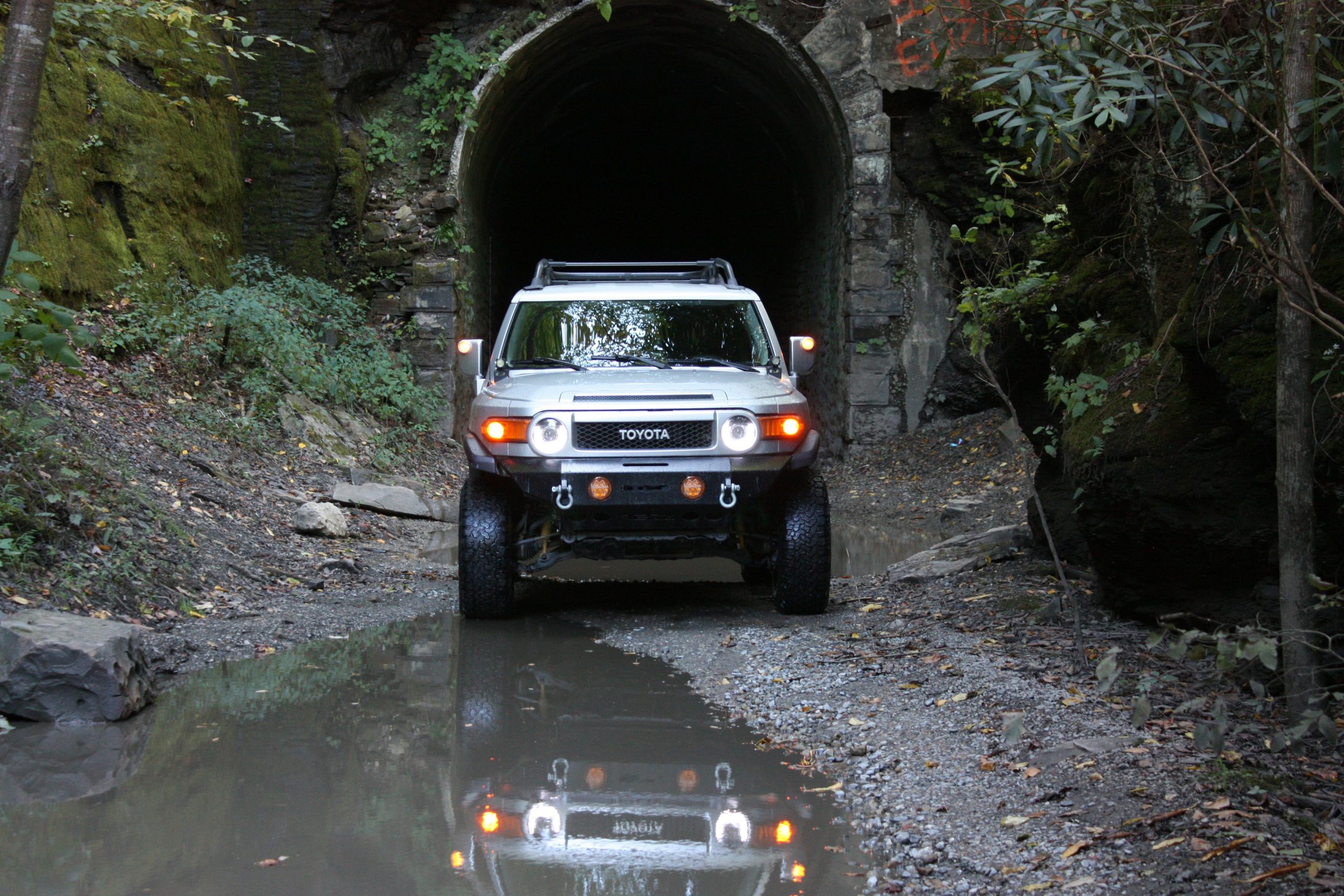
7. Toyota FJ Cruiser
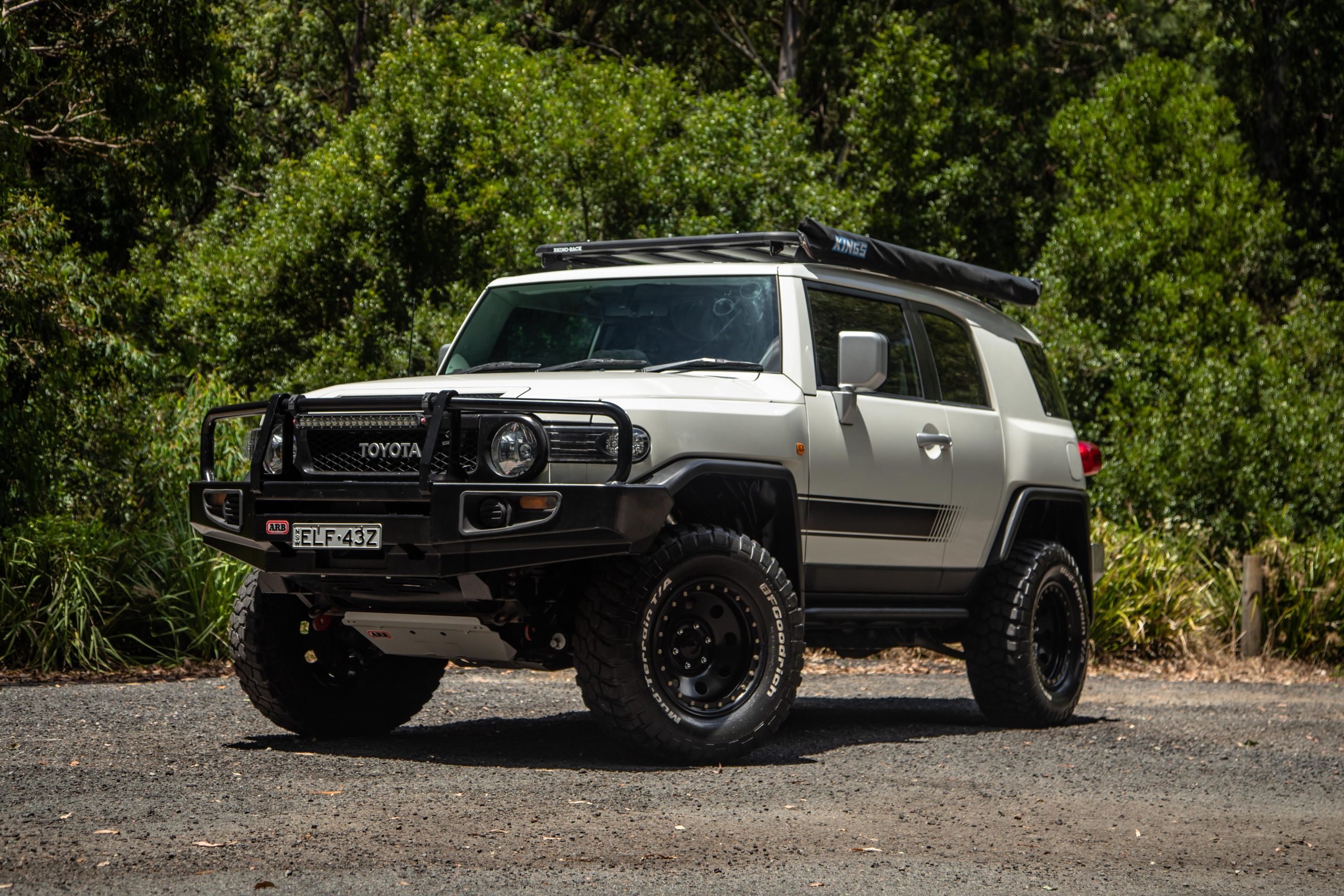
The Toyota FJ Cruiser is a distinctive SUV designed with an emphasis on rugged styling and off-road capability. Its upright body, prominent wheel arches, and short-overhang design give it a different character from Toyota’s mainstream family crossovers.
Depending on the model year and configuration, it offers features suited to uneven terrain and outdoor activities. The FJ Cruiser can interest buyers who enjoy camping, trail driving, and recreational travel, but its specialized design makes it important to evaluate how the vehicle has been used throughout its life.
The selected complaint compilation lists approximately 313 complaints for the FJ Cruiser in the 2008 to 2024 comparison. This historical total is lower than the totals recorded for several high-volume Toyota nameplates, yet it should not be treated as proof of superior safety or reliability.
The FJ Cruiser had a more specialized market and a limited production run compared with mainstream Toyota models. Its relatively modest number of reports may partly reflect how many vehicles were sold and the years covered by the dataset.
Used FJ Cruiser buyers should pay close attention to the frame and underbody, especially if the vehicle has been driven on trails or in regions where road salt causes corrosion. Inspect the suspension, steering, differential, transfer case where fitted, and underbody protection for damage.
Check for signs of water intrusion, poorly repaired modifications, or evidence of severe off-road impacts. A vehicle that looks clean on the outside may still have wear underneath, so an inspection by a mechanic familiar with four-wheel-drive vehicles is advisable.
8. Toyota Highlander Hybrid
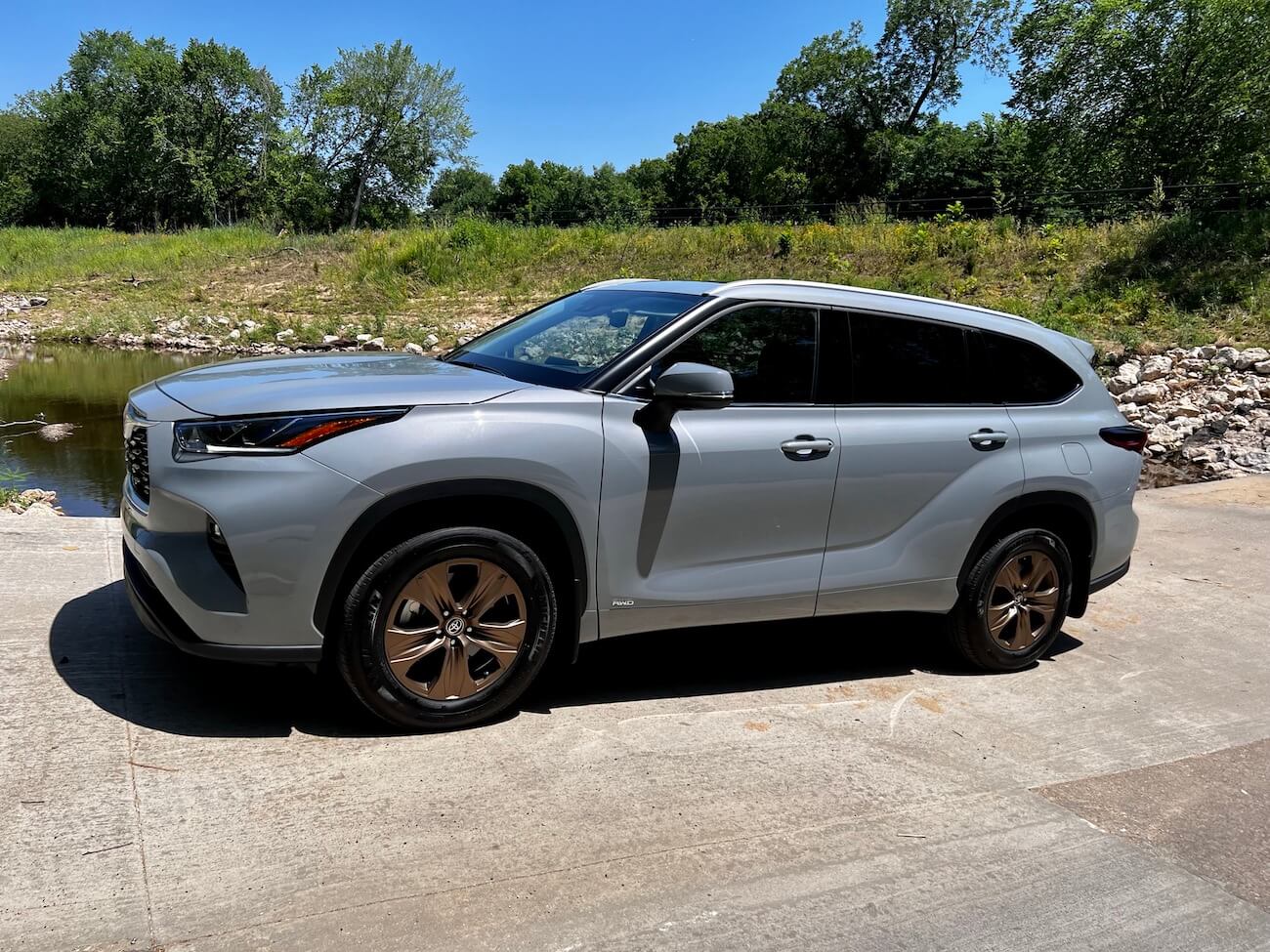
The Toyota Highlander Hybrid is a midsize SUV designed for households that need passenger space without moving to a full-size vehicle. Its hybrid powertrain combines a gasoline engine with electric assistance to help reduce fuel use during suitable driving conditions.
Depending on the model year, the Highlander Hybrid offers different cabin layouts, safety features, and technology packages. It can suit families who regularly commute, transport children, and travel longer distances, making it a practical alternative to a conventional gasoline-powered SUV.
The historical complaint compilation records approximately 343 complaints for the Highlander Hybrid within the selected 2008 to 2024 comparison period. That figure is relatively modest compared with some Toyota models that have been sold in much larger numbers for decades.
However, the hybrid variant has its own production history and should be assessed separately from the gasoline Highlander. The number also combines different model years, so it cannot reveal whether a specific generation or year has fewer problems.
Potential inspection areas include the hybrid battery, engine, transmission system, brakes, cooling components, and electronic safety equipment. Buyers should pay attention to warning lights and unusual changes in braking or power delivery.
The maintenance history should show that scheduled servicing has been completed, and a qualified technician can assess hybrid components when necessary. Check that the air conditioning, rear-seat equipment, cameras, and other electronic features work correctly before purchasing a used example.
9. Toyota Venza
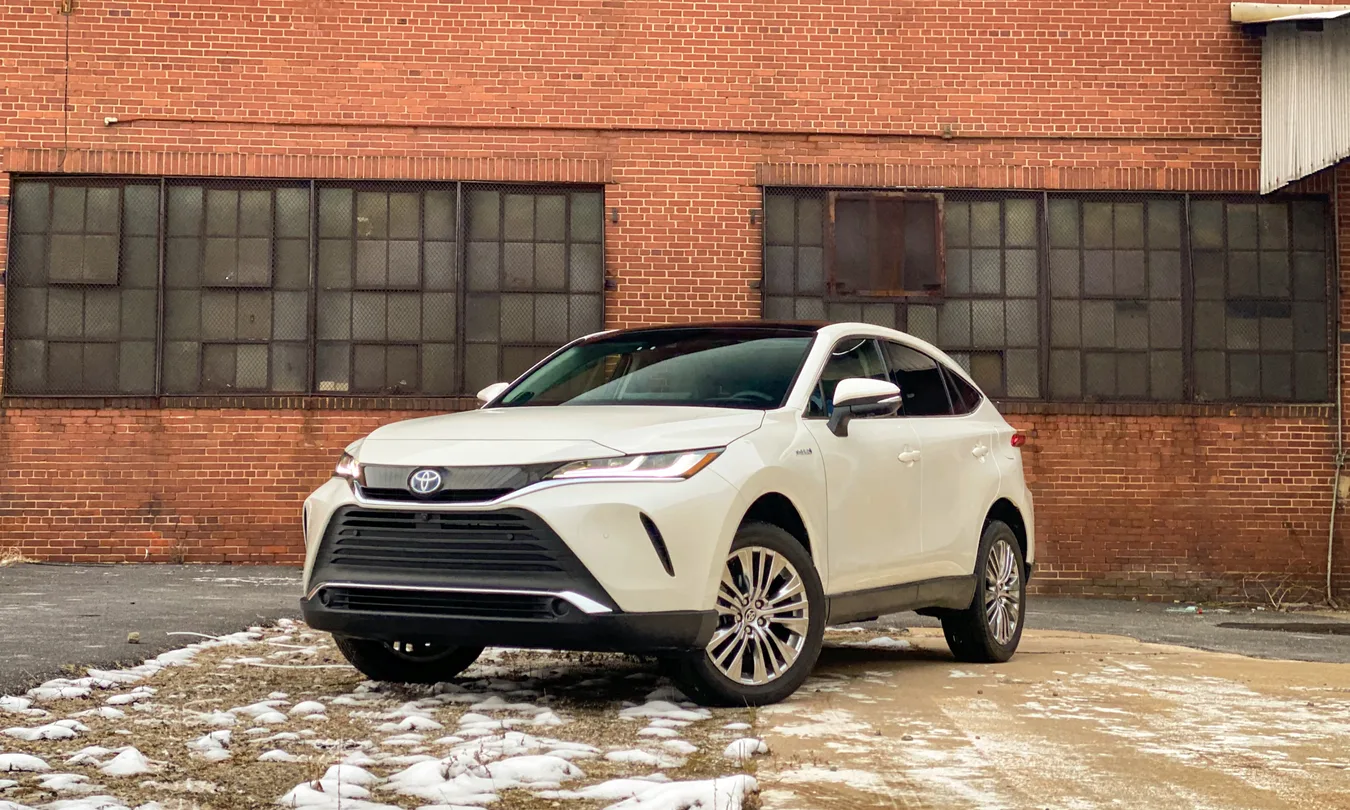
The Toyota Venza name has been used for midsize crossover vehicles that emphasize everyday comfort, convenient cargo space, and a road-friendly driving experience. The earlier generation offered a different configuration from the later hybrid-focused Venza sold in North America.
Buyers should therefore distinguish between the generations rather than assuming every Venza has identical mechanical features. Depending on the model year, the vehicle may appeal to drivers who prefer a crossover’s seating position and versatility without the size of a large three-row SUV.
The selected historical dataset lists approximately 453 complaints for the Venza during the 2008 to 2024 comparison period. This count is useful as a broad reference, but it combines reports associated with a model name that spans different production periods.
It does not establish the reliability of every Venza year, nor does it adjust for the number of vehicles sold. The older generation has had more time to accumulate mileage and age-related wear than newer vehicles, which is important when comparing complaint totals.
When assessing a used Venza, inspect the engine, transmission, cooling system, suspension, brakes, and electrical equipment. Test all windows, door locks, climate controls, and infotainment functions.
Listen for suspension noises over uneven roads and check the tires for uneven wear. Buyers should also look for accident repairs, water damage, corrosion, and signs of poor maintenance. For vehicles equipped with all-wheel drive, have the relevant drivetrain components checked as part of the inspection.
The Venza can be useful for drivers who want a comfortable daily vehicle with enough room for shopping, luggage, and family outings. Its crossover design provides practical access to the cabin and cargo area, while the precise features and fuel economy depend on the generation and powertrain.
Before buying, compare passenger space, visibility, and storage capacity with competing vehicles. A test drive on both urban roads and faster routes can help reveal whether the ride and handling suit the driver’s preferences.
10. Toyota Prius V
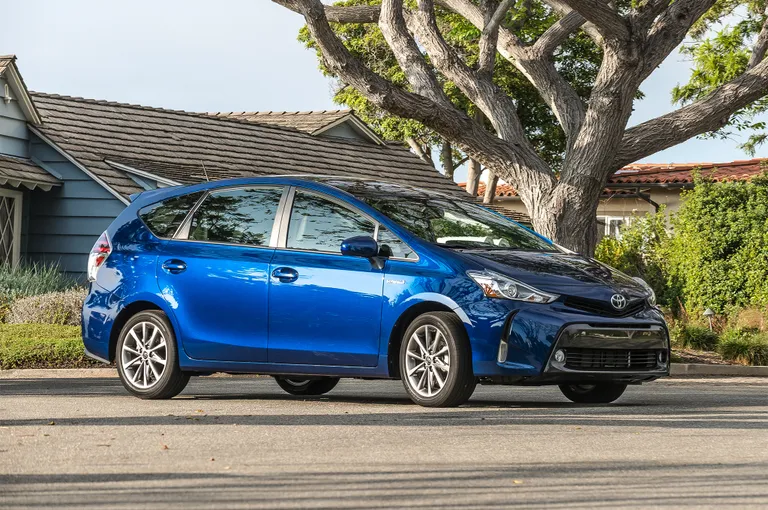
The Toyota Prius v is a hybrid wagon developed for drivers who wanted the fuel-saving characteristics associated with the Prius along with more passenger and cargo space. Its longer body provides greater utility than the standard Prius hatchback, making it suitable for errands, commuting, and family trips.
The hybrid system can help reduce fuel consumption in suitable driving conditions, while the wagon-style layout provides useful flexibility for carrying luggage. Since the Prius v has been discontinued, shoppers will generally need to consider used examples.
The historical compilation lists approximately 477 complaints for the Prius v across the 2008 to 2024 comparison period. This is a comparatively modest raw total within the selected dataset, but the vehicle’s shorter production history limits direct comparison with Toyota models sold over several decades.
The count also does not measure the severity of each complaint or indicate how many vehicles were affected. It should be treated as a research starting point, not a definitive rating of long-term reliability.
Because the Prius v is an older hybrid, prospective buyers should inspect the battery system, engine, cooling components, brakes, and electrical equipment. Check for warning lights, unusual engine behavior, inconsistent acceleration, and irregular braking responses.
Ask whether the vehicle has a documented maintenance history and whether previous repairs were performed by qualified technicians. A hybrid-system assessment can be especially useful if the car has high mileage or limited service documentation.
The Prius v can appeal to drivers who want a spacious, economical vehicle without the fuel demands of a larger SUV. Its cargo area and practical body shape make it useful for families, commuters, and people who regularly transport bulky items.
However, the age of available vehicles means that condition varies widely. Buyers should compare the asking price with expected maintenance costs and confirm that the vehicle’s safety equipment meets their needs.