
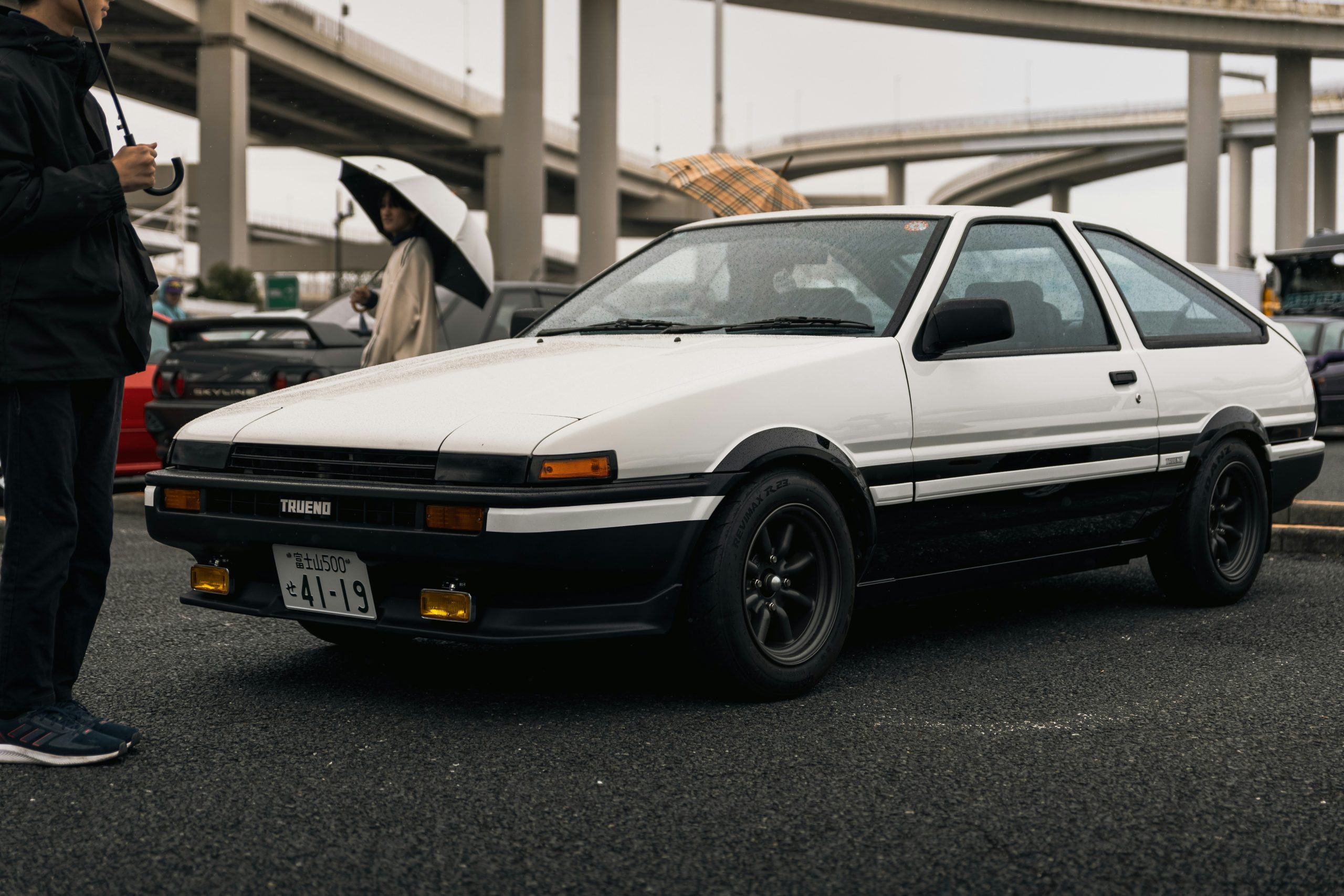
The Toyota Corolla has earned its reputation as a dependable, affordable, and practical car through decades of steady development. Since its introduction in 1966, the compact model has evolved from a simple economy vehicle into a modern car offering advanced safety features, efficient powertrains, and comfortable interiors.
Each generation reflects changing customer expectations, automotive technology, and design trends. Some versions became memorable for their performance, reliability, or distinctive styling, while others focused on everyday transportation.
This ranking examines the major Corolla generations, weighing reliability, driving enjoyment, value, practicality, innovation, and historical significance to determine which models deserve the highest places.
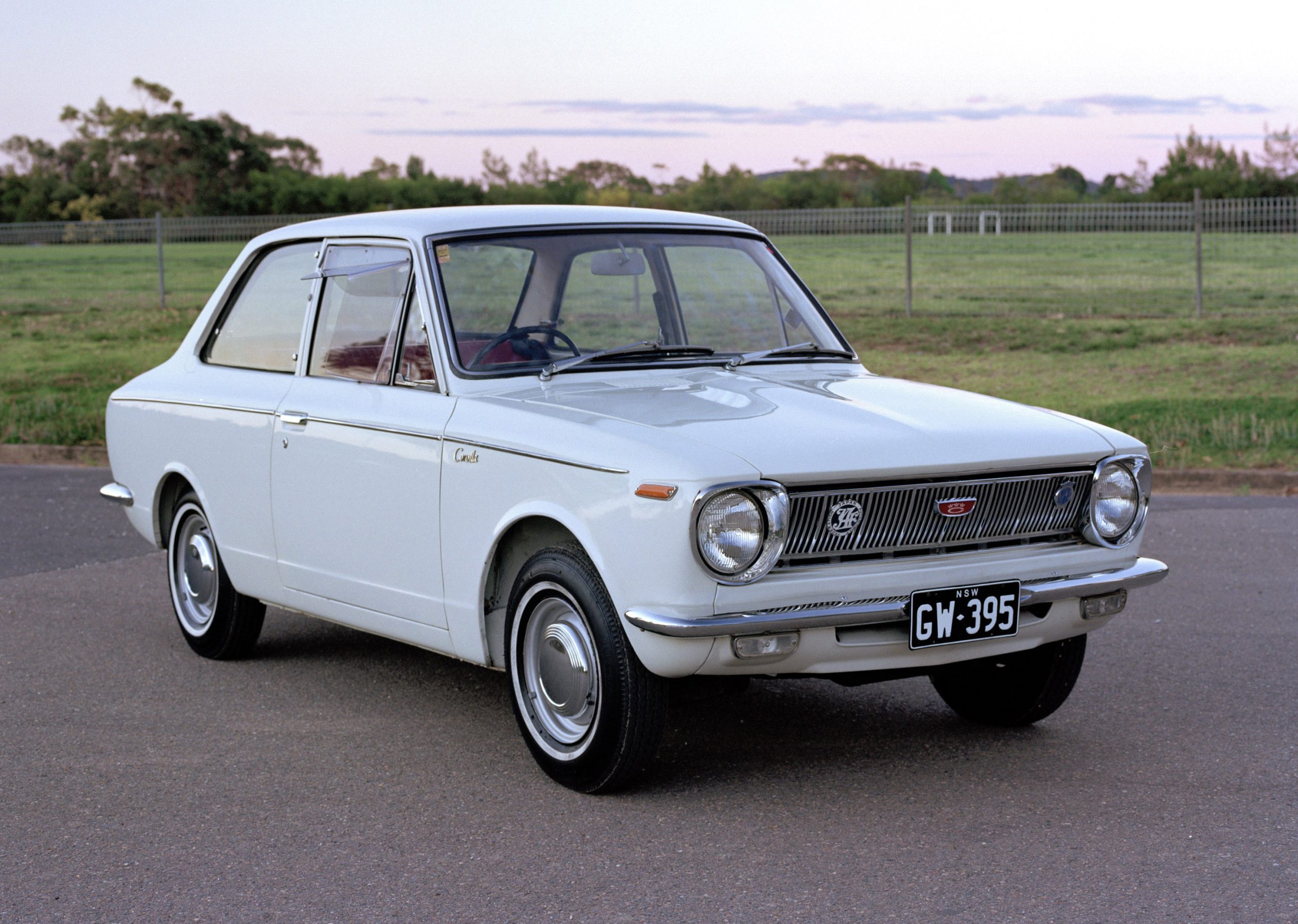
12. First Generation Toyota Corolla (1966 to 1970)
The first-generation Toyota Corolla established the foundation for a nameplate that would eventually become a global automotive success. Introduced in Japan in 1966, the E10 was designed for buyers seeking affordable transportation without sacrificing basic comfort or mechanical dependability.
Its compact dimensions made it suitable for crowded urban streets, while its straightforward engineering helped keep maintenance manageable. At a time when many families wanted a practical alternative to larger, more expensive vehicles, the Corolla offered an appealing combination of accessible pricing, useful space, and uncomplicated ownership.
Its exterior styling reflected the automotive tastes of the late 1960s. The small body, upright proportions, and modest chrome details gave the original Corolla a recognizable appearance without unnecessary decoration. Buyers could choose from different body styles, including sedan, coupe, and wagon variants, depending on the market.
The cabin was simple by modern standards, with basic instrumentation and limited convenience equipment. However, the vehicle’s dimensions and thoughtful packaging made it a sensible choice for families and commuters who needed dependable everyday transportation.
Power came from a small four-cylinder engine, with specifications varying by market and configuration. The original model used a 1.1-liter engine, while later versions received a 1.2-liter unit. Power output was modest, but the relatively light body helped the car perform adequately in ordinary driving.
Manual transmissions were central to its character, while the simple mechanical layout made routine servicing more approachable than on many complicated vehicles. The emphasis was practical mobility rather than high-speed performance or luxurious equipment.
The first Corolla also played an important role in establishing Toyota’s reputation beyond Japan. Its combination of economy, straightforward maintenance, and accessible pricing helped the company build a foundation for international expansion.
The model demonstrated that a small car could appeal to buyers who valued sensible engineering and predictable ownership costs. Its influence extended beyond the original production run because later Corolla generations continued refining the same basic principles rather than abandoning them in pursuit of short-lived trends.
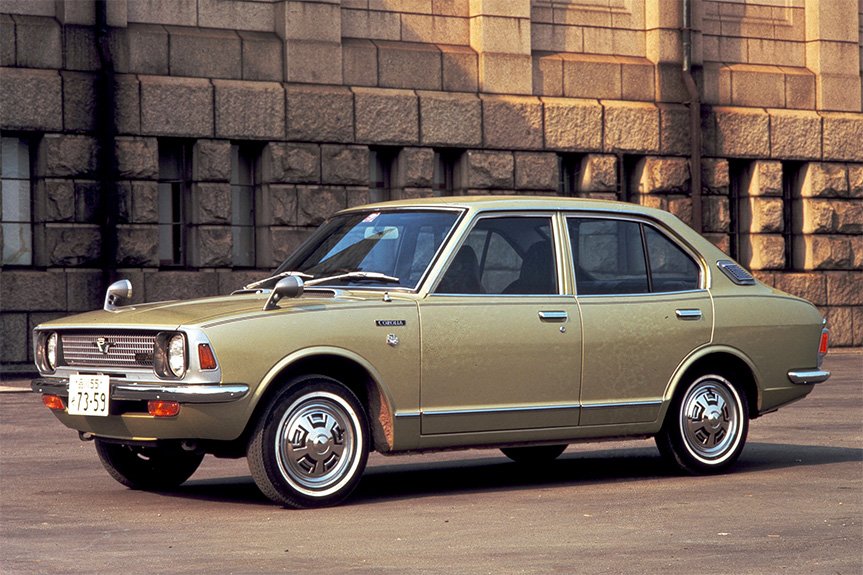
11. Second Generation Toyota Corolla (1970 to 1974)
The second-generation Corolla, known as the E20, arrived in 1970 with a more mature design and improvements intended to make the car more comfortable and appealing. Toyota retained the compact dimensions and practical mission of the original while introducing smoother styling and a broader range of configurations.
The body appeared more substantial, and the model offered buyers a clearer choice between straightforward family transportation and sportier versions. This generation represented an important step in the Corolla’s transition from a promising small car into a more established international product.
The exterior received rounded bodywork and proportions that suited the design trends of the early 1970s. Depending on the market, buyers could find sedans, coupes, and estate models. The cabin remained simple, yet it reflected Toyota’s gradual attention to comfort and everyday usability.
Materials and equipment were basic compared with modern vehicles, but the layout was uncomplicated and functional. The car’s modest footprint also made parking and navigating narrow streets relatively easy, qualities that remained important to Corolla buyers throughout its history.
Engine choices included small four-cylinder units, with 1.2-liter and larger options available in different versions. Transmission availability depended on the market, while manual gearboxes suited the vehicle’s lightweight construction and modest power output.
Certain sport-oriented models offered a more engaging experience than the standard family versions. Even so, the E20 was primarily engineered to provide affordable transportation, reasonable fuel consumption, and manageable maintenance rather than deliver exceptional acceleration or sophisticated handling.
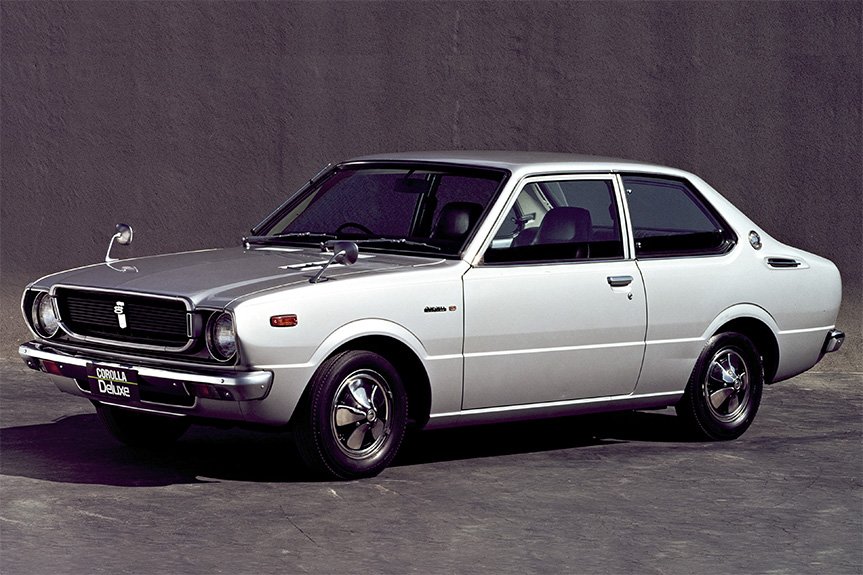
10. Third Generation Toyota Corolla (1974 to 1979)
The third-generation Corolla arrived in 1974 during a period when fuel prices and economic uncertainty were influencing automotive purchasing decisions. Toyota responded with a compact model that continued emphasizing economy, practicality, and relatively straightforward ownership.
The E30 and related E50 series offered several body styles and engine configurations, allowing the Corolla to serve different customer needs. Its wider international presence also meant that equipment and specifications varied according to local regulations, road conditions, and buyer preferences.
Styling became more substantial, with sharper body lines and a more pronounced front end than the preceding model. The car maintained manageable exterior dimensions while providing useful passenger and luggage space.
Sedans appealed to families, while coupes attracted buyers interested in a sportier appearance. Wagon versions offered additional utility for households and businesses. Although interior materials remained inexpensive, the design focused on making the vehicle straightforward to operate and suitable for everyday commuting.
The third generation offered a selection of four-cylinder engines, including 1.2-liter, 1.4-liter, and 1.6-liter options in various markets. Output depended on the particular engine and model year.
The range included ordinary economy-focused versions alongside more performance-oriented configurations. Lightweight construction helped the smaller engines deliver adequate acceleration for routine use, while simple transmissions and familiar mechanical layouts supported manageable servicing costs.
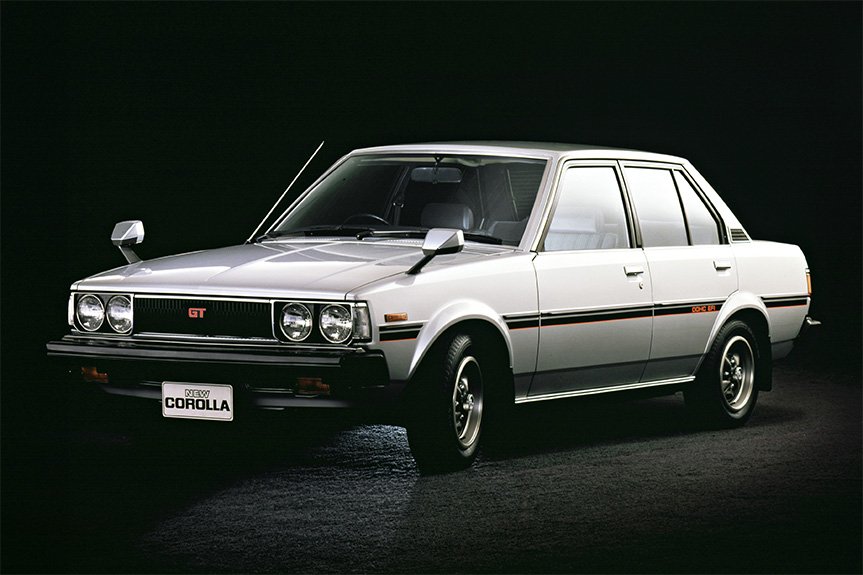
9. Fourth Generation Toyota Corolla (1979 to 1983)
The fourth-generation Corolla, introduced in 1979, represented a significant development in the model’s history. Known as the E70, it arrived with more angular styling and a range of body configurations designed to satisfy different markets.
Toyota continued improving the balance between affordability and everyday usability, while the vehicle’s growing maturity made it increasingly competitive among compact family cars. Its introduction also coincided with a period when buyers expected small vehicles to deliver more than basic transportation.
The E70’s squared-off body reflected the styling trends of the late 1970s and early 1980s. Depending on the market, customers could purchase sedans, coupes, liftbacks, and wagons. This diversity helped the Corolla serve a wide audience, from young drivers seeking a compact coupe to families needing practical passenger and cargo space.
Interior layouts remained functional, with straightforward controls and useful visibility. Compared with earlier models, the overall presentation felt more developed and better suited to an expanding international customer base.
Engine choices varied, with small four-cylinder petrol units and different displacement options offered across markets. The availability of specific engines and transmissions depended on the model and destination country.
Lightweight construction remained an important advantage, allowing the car to perform adequately without requiring a large engine. Some versions also developed a following among enthusiasts who appreciated the vehicle’s relatively simple construction and the potential for mechanical modification.
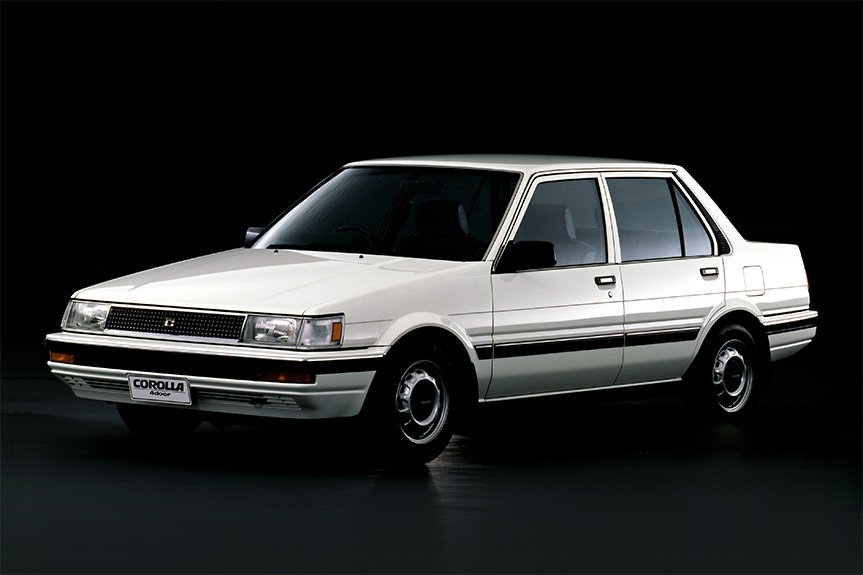
8. Fifth Generation Toyota Corolla (1983 to 1987)
The fifth-generation Corolla introduced a major engineering change for many models in the range. The E80 family included front-wheel-drive sedans and hatchbacks, reflecting Toyota’s move toward packaging that could provide useful cabin space without requiring a long engine compartment.
This shift helped the Corolla keep pace with evolving compact-car designs and market preferences. However, not every version shared the same mechanical layout, as some sportier models continued to use rear-wheel drive, maintaining ties to the car’s enthusiast-focused heritage.
The styling became more aerodynamic and contemporary, with cleaner surfaces and a more modern overall profile. Front-wheel-drive configurations offered packaging benefits that could improve passenger space and everyday convenience.
The interior was designed around the needs of ordinary drivers, with controls arranged for straightforward operation. Hatchback versions added useful cargo flexibility, while sedan models continued to appeal to families who preferred a conventional body style.
The E80 range used several four-cylinder engines, including 1.3-liter, 1.5-liter, and 1.6-liter units in different markets. Front-wheel-drive versions generally emphasized efficiency and ease of use.
Performance-oriented models received more specialized engineering, including the well-known AE86 family, which retained rear-wheel drive. That distinction is important because the Corolla name covered vehicles with noticeably different driving characteristics, rather than a single uniform mechanical package.
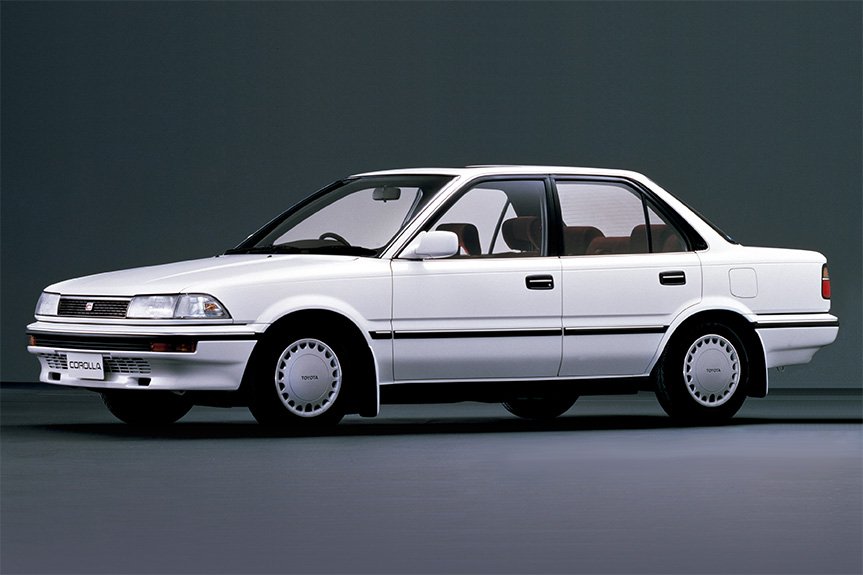
7. Sixth Generation Toyota Corolla (1987 to 1991)
The sixth-generation Corolla, designated E90, continued Toyota’s development of front-wheel-drive compact cars while retaining selected rear-wheel-drive derivatives in particular markets and configurations. Introduced in 1987, the range offered more rounded styling and a more modern appearance than its predecessor.
Toyota refined the model’s comfort, packaging, and mechanical performance, making it increasingly suitable for regular commuting and family use. The E90 also benefited from the company’s growing experience in building compact cars for international markets.
The exterior design adopted smoother bodywork, reflecting the late-1980s shift away from the sharply angular forms of earlier decades.
Sedans and hatchbacks remained central to the lineup, while availability of coupes and wagons depended on the market. The cabin provided a familiar arrangement of controls and practical storage areas. Higher-specification versions could offer equipment that improved convenience, while basic trims retained the affordability that had helped establish the Corolla’s reputation.
The engine range included several small four-cylinder petrol units, with 1.3-liter, 1.5-liter, and 1.6-liter options among the available configurations. Some versions used more advanced engine technology, including fuel injection, depending on the market and model year.
The combination of modest weight, economical engines, and conventional transmissions supported predictable everyday performance. Sportier variants offered stronger engines and improved handling characteristics, giving buyers more choice than a purely basic economy-car lineup.
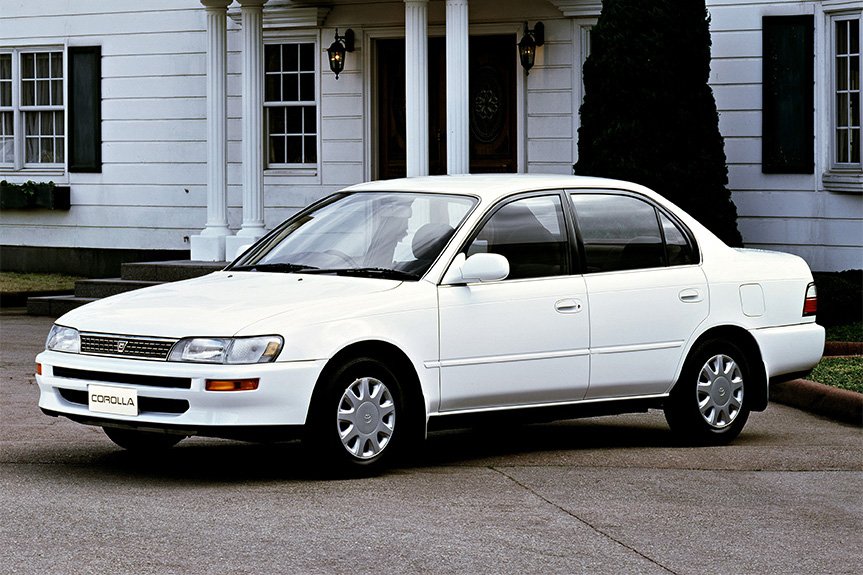
6. Seventh Generation Toyota Corolla (1991 to 1995)
The seventh-generation Corolla arrived in 1991 with a larger, more rounded body and a greater emphasis on refinement. Known as the E100, it represented Toyota’s effort to move the compact car closer to the comfort and solidity associated with more expensive vehicles.
The design reflected changing expectations in the early 1990s, when customers increasingly wanted quiet cabins, improved ride quality, and more substantial styling. The Corolla retained its practical mission while becoming a more polished everyday vehicle.
Its exterior design featured smoother panels and fuller proportions than those of earlier generations. The cabin offered useful space for passengers and luggage, while the dashboard and controls reflected a more contemporary approach to ergonomics.
Equipment levels varied by market, but higher-specification versions could include features that improved convenience and comfort. The vehicle remained compact enough for city driving, yet its more substantial presentation helped it appeal to families who wanted a straightforward car without an unnecessarily large footprint.
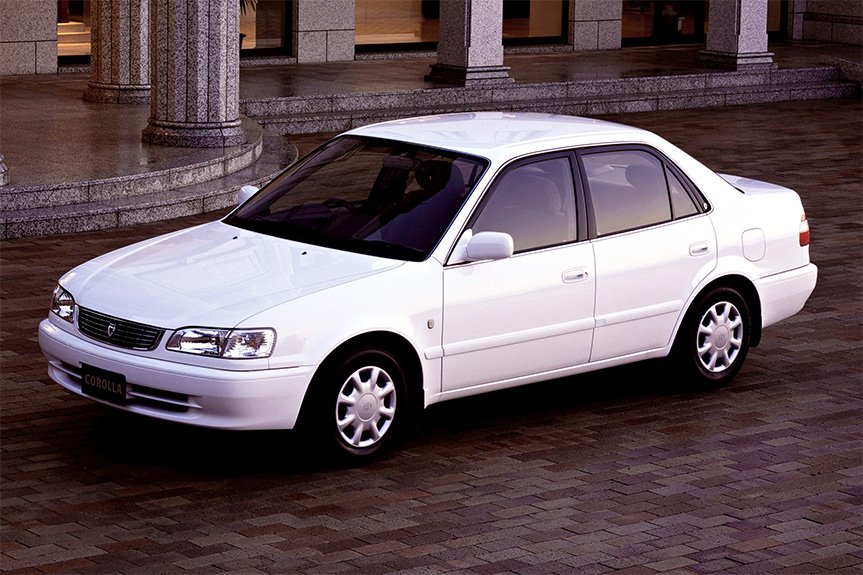
5. Eighth Generation Toyota Corolla (1995 to 2000)
The eighth-generation Corolla, known as the E110, arrived in 1995 and continued Toyota’s emphasis on durability, fuel economy, and practical design. It was developed for a period when compact cars faced increasingly strong competition from manufacturers offering more equipment and improved refinement.
Toyota responded with a well-rounded vehicle that retained familiar engineering principles while updating styling and mechanical systems. Depending on the market, buyers could choose from several body styles, engines, and trim levels.
The exterior was more contemporary than that of the E100, with a compact shape that emphasized everyday usability. The cabin focused on simple controls, sensible seating arrangements, and sufficient storage for routine journeys.
Equipment varied significantly by country and trim, meaning some versions were much more basic than others. Nevertheless, the model’s approachable layout made it easy to operate, while the compact dimensions helped owners navigate congested streets and park in restricted spaces.
Engine choices included a range of four-cylinder petrol units, with some markets also receiving diesel versions. Displacement and output depended on the model, and certain sport-oriented variants offered more performance than standard commuter versions.
Manual and automatic transmissions were available according to specification. The car’s appeal came from a combination of modest operating costs and predictable performance rather than aggressive styling or high horsepower figures.
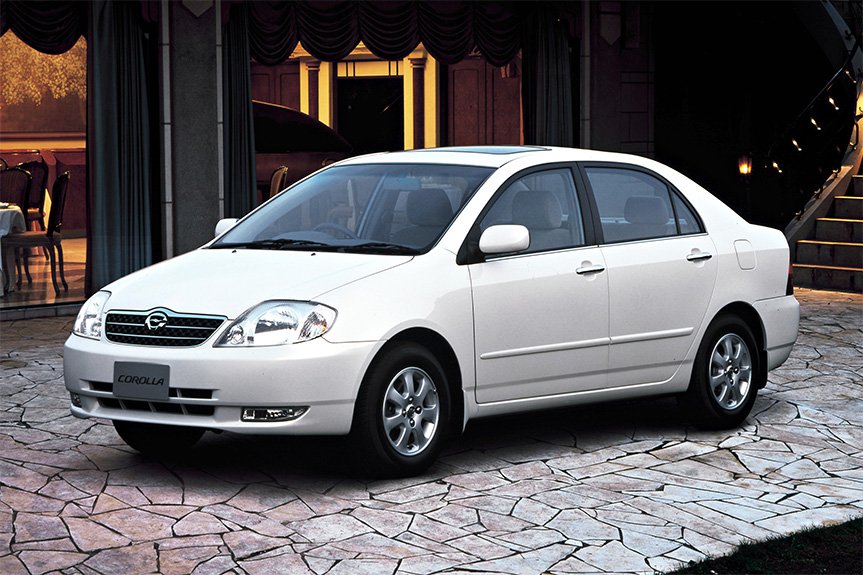
4. Ninth Generation Toyota Corolla (2000 to 2006)
The ninth-generation Corolla arrived around the turn of the millennium, bringing updated styling, improved interior packaging, and a stronger focus on modern compact-car expectations. The E120 and related E130 variants differed according to region, reflecting Toyota’s strategy of adapting the Corolla to local preferences.
The generation offered a more contemporary ownership experience than older versions, with improvements in comfort, equipment, and available powertrains. It continued to target customers who wanted a dependable car suitable for commuting and family responsibilities.
Exterior styling varied across markets, but the general design emphasized a modern, practical appearance. The body was shaped to provide useful cabin space without making the vehicle difficult to maneuver. Interior layouts were straightforward, with accessible controls and sensible storage.
Depending on trim, equipment could include air conditioning, power accessories, and improved audio systems. Safety features also varied by market and specification, so buyers should not assume that every version offered the same level of protection.
The engine lineup included several four-cylinder petrol options, along with diesel choices in selected markets. Some versions used variable valve timing and other engine technologies intended to improve the balance between performance and fuel consumption.
Manual and automatic transmissions were available depending on the configuration. The Corolla’s relatively restrained weight and practical engine choices supported ordinary commuting, while certain higher-output variants delivered more spirited performance.
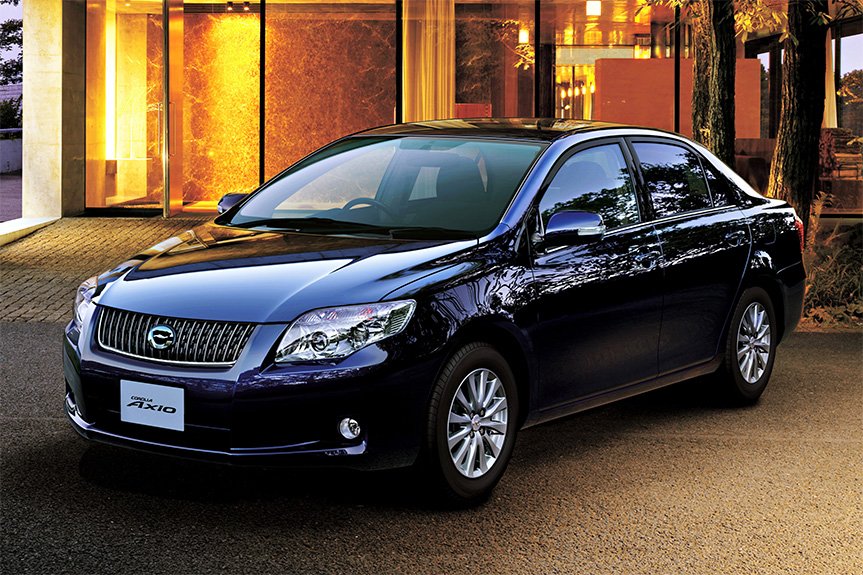
3. Tenth Generation Toyota Corolla (2006 to 2013)
The tenth-generation Corolla brought a more substantial design and a stronger emphasis on comfort for the compact-car market. Known through the E140 and E150 series, the generation included regional differences in dimensions, styling, and equipment.
Toyota sought to make the car feel more spacious and refined while maintaining its familiar practical character. The model continued to appeal to households seeking dependable transportation, but it also reflected the growing expectation that an affordable sedan should provide a comfortable cabin and modern convenience features.
The exterior design was more assertive than that of the preceding generation, with a broader front end and more pronounced body lines. Depending on the market, the Corolla was sold as a sedan or in other body styles related to the wider model family.
The cabin emphasized passenger comfort and useful storage, while improved equipment levels could make longer journeys more pleasant. Trim differences were important, since basic versions and higher-specification models could offer noticeably different experiences.
A range of four-cylinder petrol engines served different markets, while diesel variants were available in selected regions. Engine technology and output varied according to local requirements.
Manual and automatic transmissions provided buyers with different driving preferences, and the car’s general tuning prioritized predictable road behavior. Fuel economy remained an important consideration, though actual consumption depended on engine choice, traffic conditions, maintenance, and driving style.
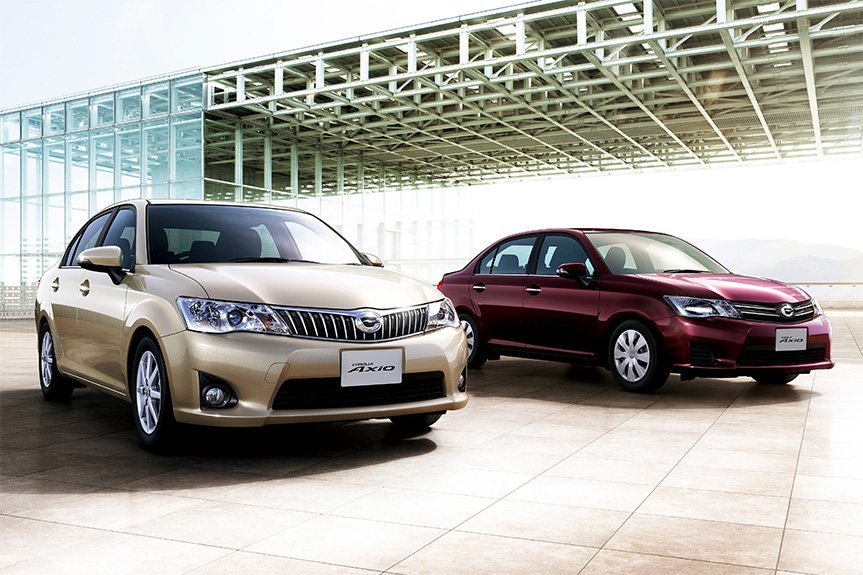
2. Eleventh Generation Toyota Corolla (2012 to 2018)
The eleventh-generation Corolla represented a major update in styling, interior space, and equipment. Its introduction dates varied by market, with the E160 and E170 families serving different regions. Toyota worked to make the Corolla more visually distinctive while improving comfort and practicality.
The sedan became increasingly important to buyers seeking a reliable family car with modern conveniences, and the generation reflected the growing role of technology and safety in compact-car purchasing decisions.
The exterior design featured sharper lines and a more pronounced front fascia than earlier models. The overall shape retained the practicality expected from a compact sedan, while the cabin offered useful room for passengers and luggage.
Interior quality and equipment depended on trim and market, but many versions provided improved infotainment, convenience features, and more sophisticated presentation. The car remained easy to operate, an important quality for households seeking a straightforward daily driver.
Powertrains varied across regions, with petrol engines forming the core of the lineup and diesel or hybrid options available in selected markets. Transmission choices included manual, conventional automatic, and continuously variable transmissions, depending on the specific version.
Toyota’s hybrid expertise also influenced the broader direction of its compact-car engineering, even though hybrid availability was not universal across all Corolla markets during this period.
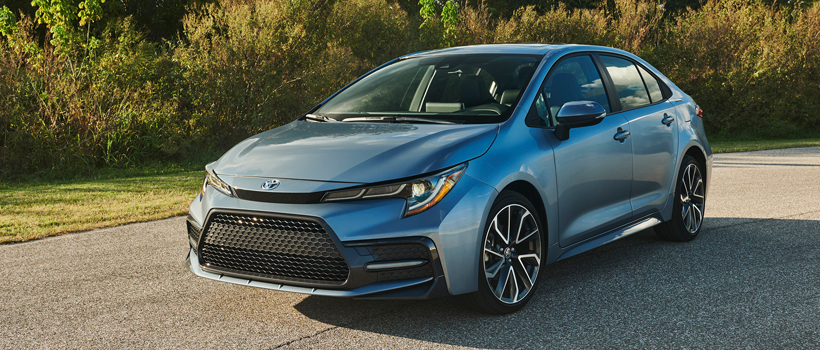
1. Twelfth Generation Toyota Corolla (2018 to Present)
The twelfth-generation Corolla, known as the E210, represents the most technologically advanced stage of the nameplate in this ranking. Introduced in 2018, it adopted Toyota’s newer global platform and a more sophisticated approach to chassis engineering.
The generation has been sold in multiple body styles and powertrain configurations, depending on the market. It reflects a compact-car market where customers expect strong safety performance, improved comfort, modern connectivity, and efficient engines rather than basic transportation alone.
The exterior styling is more expressive than that of many earlier generations, with a distinctive front fascia, sculpted bodywork, and a lower, wider visual stance. Sedan, hatchback, and wagon versions serve different customer requirements, though availability varies by country.
The cabin offers modern infotainment and a more contemporary dashboard design. Passenger space, luggage capacity, and equipment depend on the body style and trim, but the platform provides a more refined foundation than the earliest Corollas.
Powertrain options include conventional petrol engines and hybrid systems in markets where those versions are offered. Exact engine specifications differ by region and model year. Hybrid models can reduce fuel consumption in urban traffic by combining a petrol engine with electric assistance, while conventional versions offer a familiar driving experience.
Transmission choices likewise depend on configuration. Buyers should compare the specific engine, transmission, and service requirements rather than assume every E210 Corolla performs identically.
