
You park the car on Sunday, and by the next weekend it won’t start. Sound familiar? A battery that goes flat while a vehicle sits is more than an annoyance. It can mean a jump start, a tow, and a repair bill. An old battery is the usual suspect, but electrical faults, control modules that never go to sleep, software glitches, and systems that stay awake after shutdown can quietly drain power too.
This guide covers ten vehicle groups with reported battery-drain concerns, based on the automotive report you supplied. Treat the claims as reports, not guarantees for every car on the list. You’ll learn what’s been reported, why it might happen, and what to ask a technician. Let’s get started.

1. Jeep Grand Cherokee (2011 to 2022, plus certain newer models)
Imagine parking your Jeep Grand Cherokee on Friday evening and returning on Monday morning to find that the battery can no longer start the engine. A situation like this may involve more than an ageing battery.
Certain Grand Cherokee models have documented electrical concerns involving the Totally Integrated Power Module, commonly called the TIPM.
This module helps manage electrical functions throughout the vehicle. When it malfunctions, a circuit that should turn off after the ignition is switched off may remain active, consuming power while the SUV is parked.
A federal safety investigation document describes a 2011 Grand Cherokee in which the fuel pump continued running with the ignition off. A technician replaced the TIPM in that case.
This example illustrates how an electrical fault can drain a battery even when the driver believes the vehicle is completely shut down.
Owners should pay attention to unusual electrical behavior, such as components continuing to operate after the vehicle is locked. Repeated dead batteries, unexplained warning lights, or unexpected sounds from electrical equipment may also justify a professional inspection.
However, a TIPM fault should not be assumed every time a Grand Cherokee battery goes flat. An old battery, a charging-system problem, poor connections, or another electrical circuit could be responsible.
If your SUV repeatedly loses its charge after sitting for a few days, ask a qualified technician to perform a parasitic-current test. This measures electricity being drawn while the vehicle is supposed to be resting and can help identify the circuit responsible.
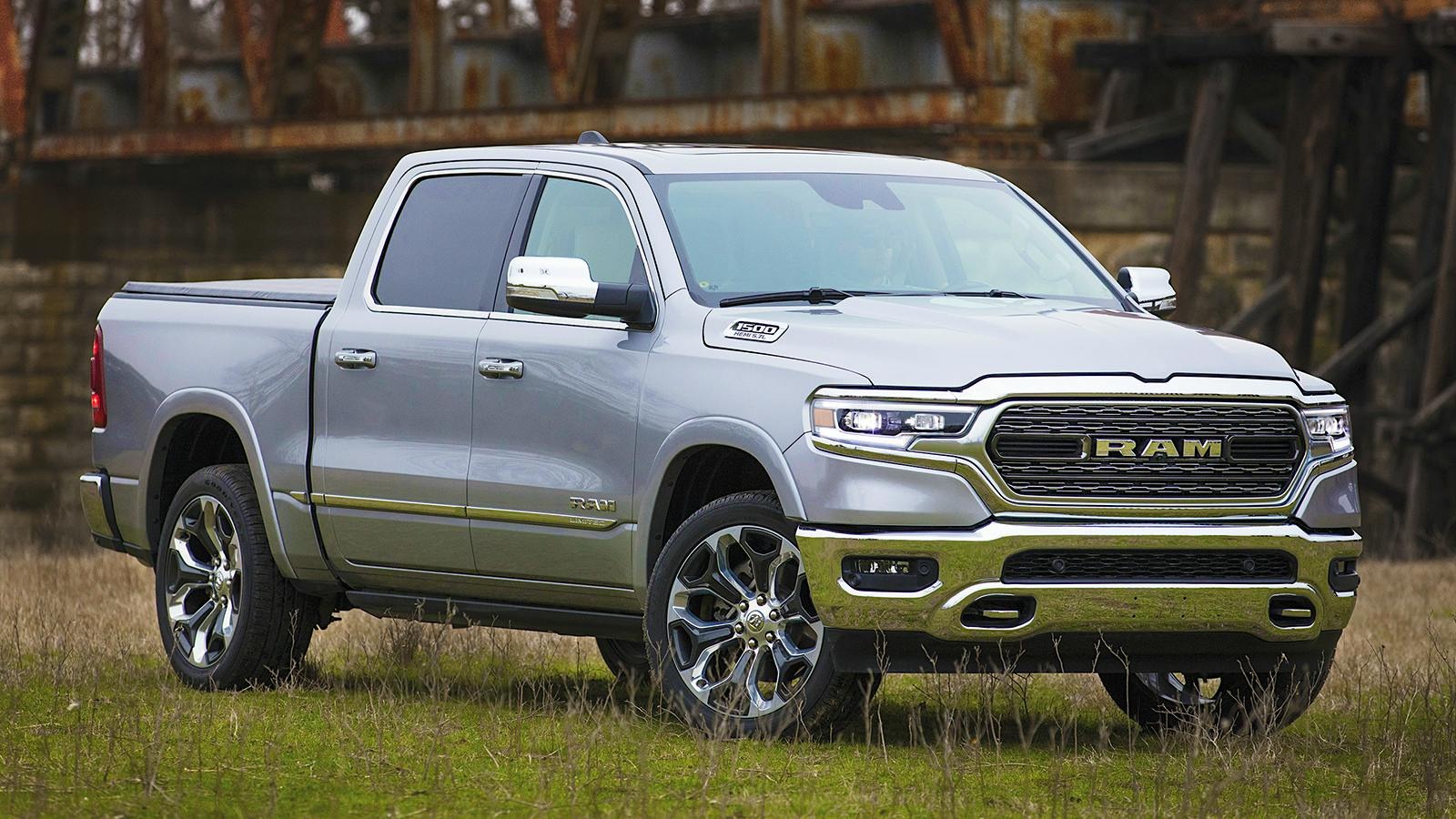
2. Ram 1500 (2007 to 2012, 2019 to 2025)
Pickup owners often expect their trucks to start reliably after several days in a driveway or garage. Yet some Ram 1500 models have reported battery-drain concerns involving electrical relays and electronic modules that fail to enter their normal low-power state.
Modern trucks contain many electronic systems, including security equipment, body controllers, infotainment components, and communication modules.
After the ignition is turned off, these systems may remain active briefly before entering a sleep state. If a relay sticks or a module continues drawing current, the battery can gradually lose its charge.
The affected model years listed in the supplied information span different generations, so one explanation should not be applied to every Ram 1500. A 2009 truck and a 2024 model may have different electrical layouts, software, and equipment.
Consider a truck that starts normally after a long drive but refuses to start following several days of parking. That pattern can suggest a battery that is losing power while the vehicle sits, although battery age and charging performance must also be checked.
A technician can test the battery’s condition, verify alternator output, and measure the current drawn after the vehicle’s electronic systems have had enough time to shut down. Diagnostic equipment can then help isolate an active circuit.
Replacing the battery without finding the cause may offer only temporary relief. If an electrical module or relay continues consuming power, even a new battery can become discharged again.
For Ram 1500 owners, an accurate diagnosis is more useful than replacing parts based on guesswork.
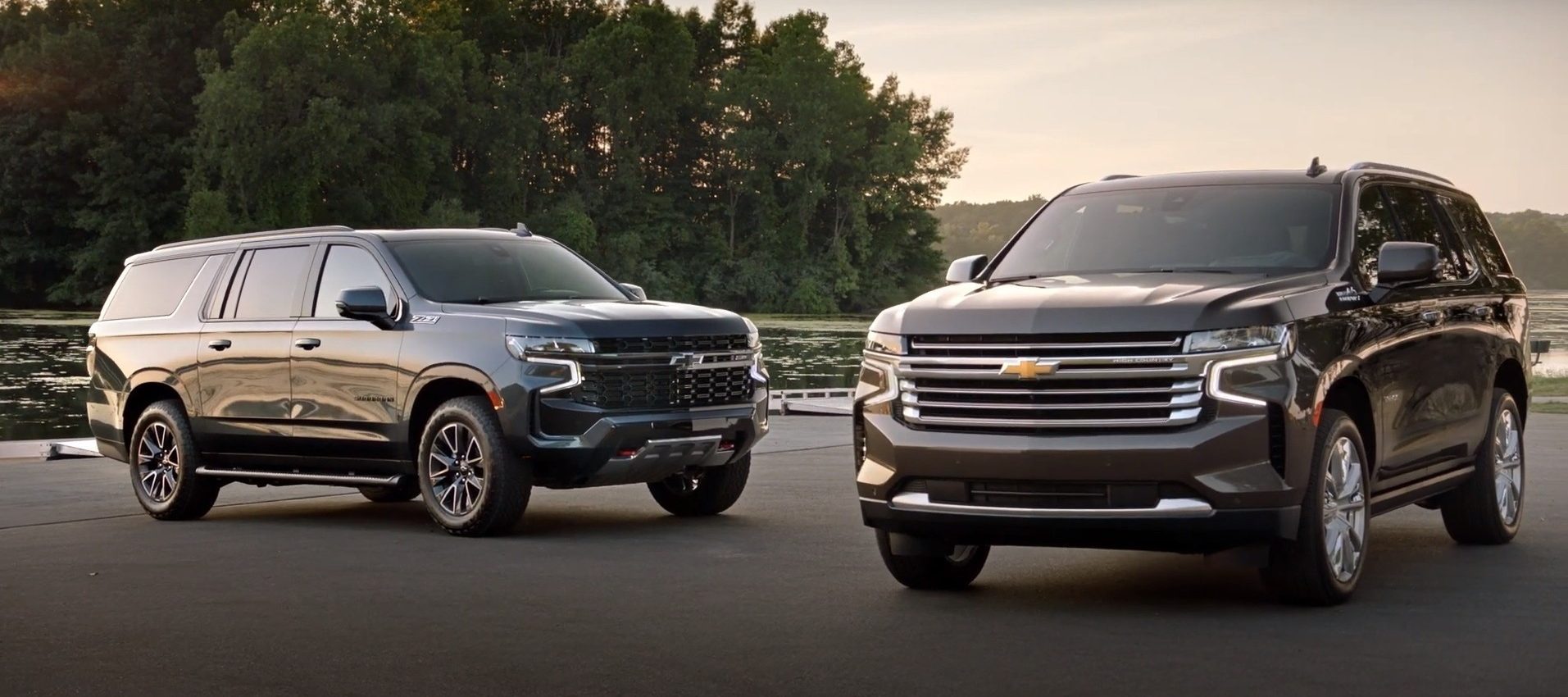
3. Chevrolet Tahoe and Chevrolet Suburban (2021 to 2023)
Sometimes the culprit is something as small as a switch. The report says concerns for the Tahoe and Suburban include faulty third-row seat switches and liftgate-related electrical issues.
If a module or switch keeps an electrical circuit active after the vehicle is parked, the battery may lose charge more quickly than expected.
Picture a stuck button. The third-row seat controls fold seats flat, and the liftgate has its own switches and motors. If a switch thinks it’s still being pressed, or a module keeps waiting for a signal, the system may never fully power down.
Big SUVs also have lots of electronics. Power liftgates, seat motors, cameras, screens, and driver-assist systems all connect to modules that must go to sleep after you leave.
What should owners do? Pay attention to the cargo area. Check whether the third-row buttons feel loose or stuck, and whether the liftgate behaves strangely. Mention any odd behavior to the technician.
As always, ask for a parasitic draw test and a written explanation. The report notes these are reported concerns for 2021 to 2023 models, not a guarantee that every Tahoe or Suburban will have trouble.

4. Tesla Model S, Model 3, Model X and Model Y
Electric vehicles require a different approach to battery-drain concerns because they have two distinct power-storage systems. The large traction battery powers driving, while a separate low-voltage battery or system supports many electronic functions. The exact arrangement depends on the Tesla model and production version.
A parked Tesla may use energy for security monitoring, remote communication, software-related functions, and cabin temperature management.
Features such as Sentry Mode can increase energy consumption because the vehicle continues monitoring its surroundings while parked.
Cabin temperature protection and other settings may also use energy, depending on the vehicle, weather, software, and operating conditions. As a result, a Tesla left unused for a week may show less driving range than it had when parked.
That does not automatically mean the vehicle has a defective battery. Some energy use is expected, particularly when monitoring features remain active.
The important question is whether consumption is unusually high compared with the vehicle’s normal behavior and settings.
Owners can check the vehicle’s energy information, review active features, and disable optional systems that are unnecessary during extended parking. Parking somewhere secure may allow them to turn off Sentry Mode when appropriate.
If the low-voltage battery repeatedly fails or the vehicle loses an unusually large amount of charge while idle, contact Tesla service for diagnosis. Software problems, battery condition, and other electrical faults may require professional attention.
Electric vehicle owners should be aware that battery drain while parked can vary depending on the vehicle’s settings. Knowing which systems continue to operate when the car is not in use can help preserve battery charge, avoid unexpected range loss, and ensure sufficient power remains when it is time to drive again.
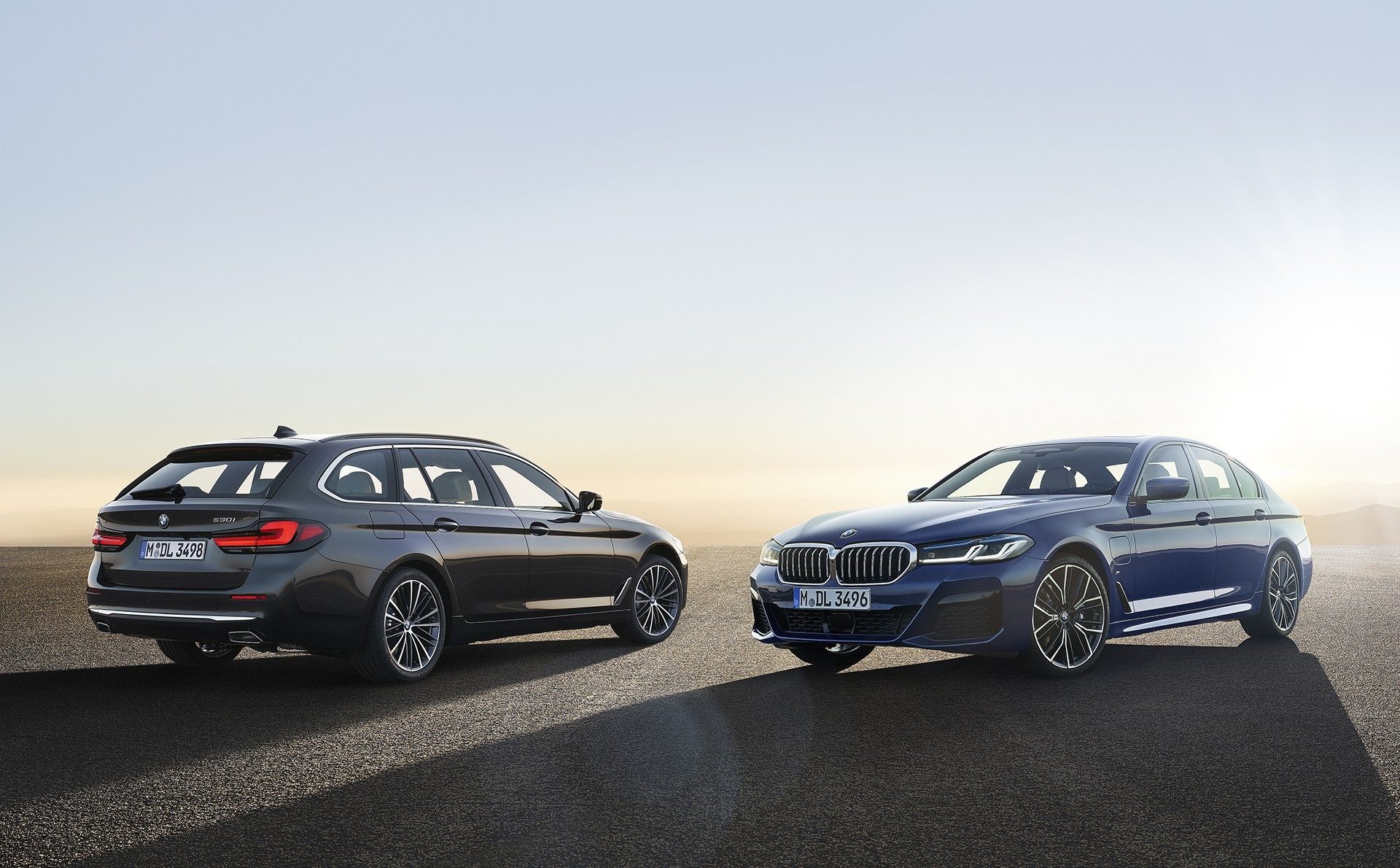
5. BMW 5 Series, 6 Series and 7 Series
Luxury cars come with convenience features, and convenience can cost current. The report says some reported cases for the BMW 5, 6, and 7 Series involve Comfort Access sensors or other electrical components that remain active after the vehicle is locked.
Comfort Access is BMW’s name for its hands-free entry system, which lets you unlock the car by touching the handle with the fob in your pocket.
The sensors have to stay alert to detect your approach. If one malfunctions, it may keep sending signals or waking other modules.
The result, according to the report, is that the electrical system can’t enter its normal low-power state, which can contribute to a discharged battery.
How would you know? You might notice that the car starts fine after a day but struggles after a few days of sitting. A battery that’s drained repeatedly can also lose capacity, so it may need replacement even after the root cause is fixed.
What should you do? Ask a BMW specialist to perform a draw test and identify which module stays awake. Check that the fob batteries are healthy, and keep the car’s software updated.
The report treats these as reported cases, so a technician should confirm the cause for your car.
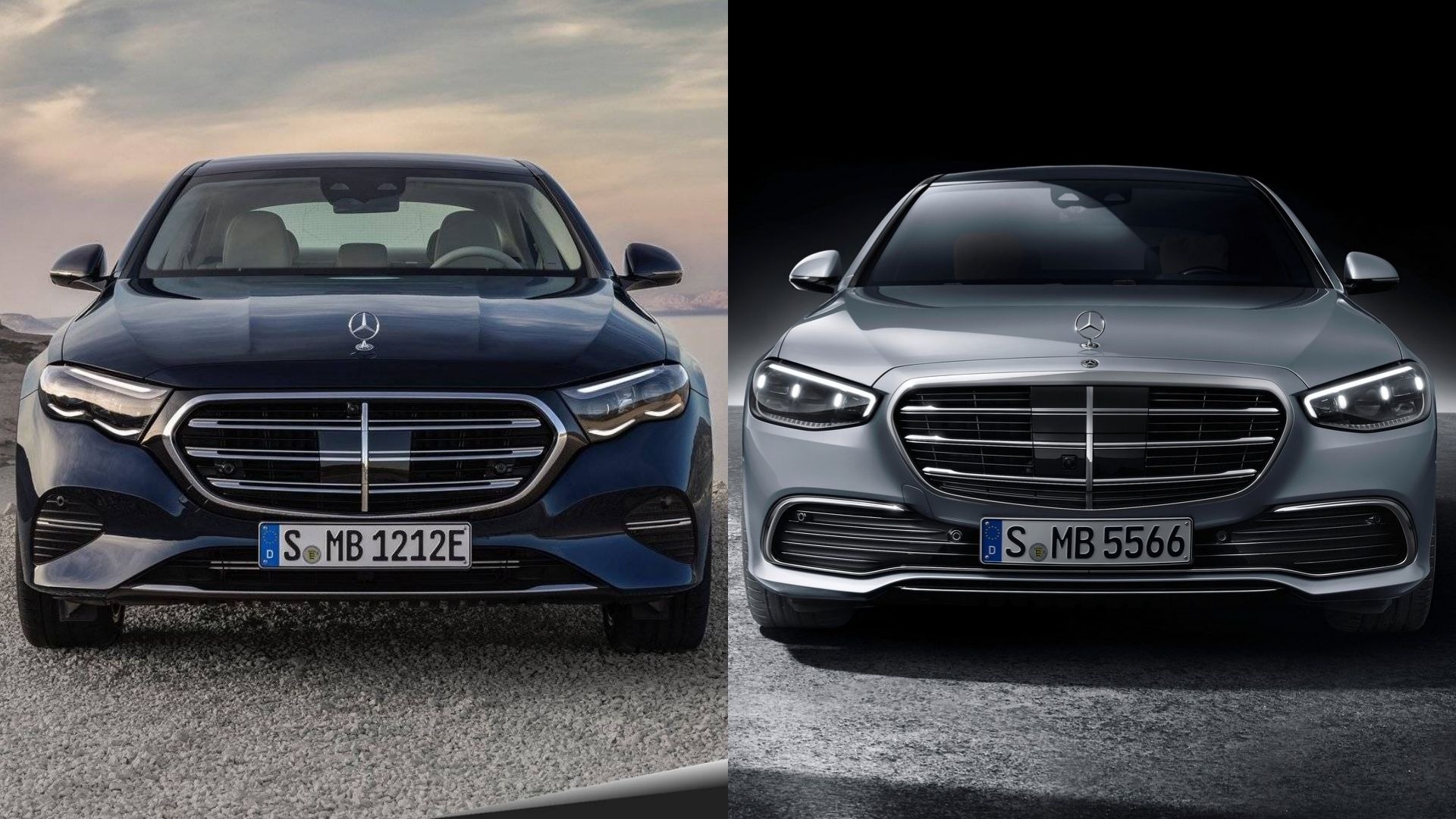
6. Mercedes-Benz E-Class, C-Class and S-Class
Water and electronics don’t mix, and that’s one of the issues the report mentions. Battery-drain complaints for the Mercedes-Benz E-Class, C-Class, and S-Class can involve Signal Acquisition Modules (SAM), wiring faults, or moisture affecting electrical components.
A SAM is a control module that helps manage various electrical functions. Because it connects to many circuits, a fault can keep parts of the system awake. Wiring faults can create unintended paths for current. Moisture can cause corrosion or short circuits.
The report notes that the exact cause varies by vehicle, and a technician may need to check module activity, wiring condition, and signs of water intrusion. That means a careful inspection, not a quick guess.
Owners can look for clues. Do you notice damp carpets, a musty smell, or fogged lights? Do any warning messages appear? Have you had leaks around the windshield, sunroof drains, or trunk seals? These details help a technician focus.
Ask the shop to document which module or circuit is responsible. If moisture is involved, fixing the leak matters as much as replacing a part.
Drain issues can also shorten battery life, so have the battery tested after any repair. A dependable diagnosis today can protect your wallet tomorrow.
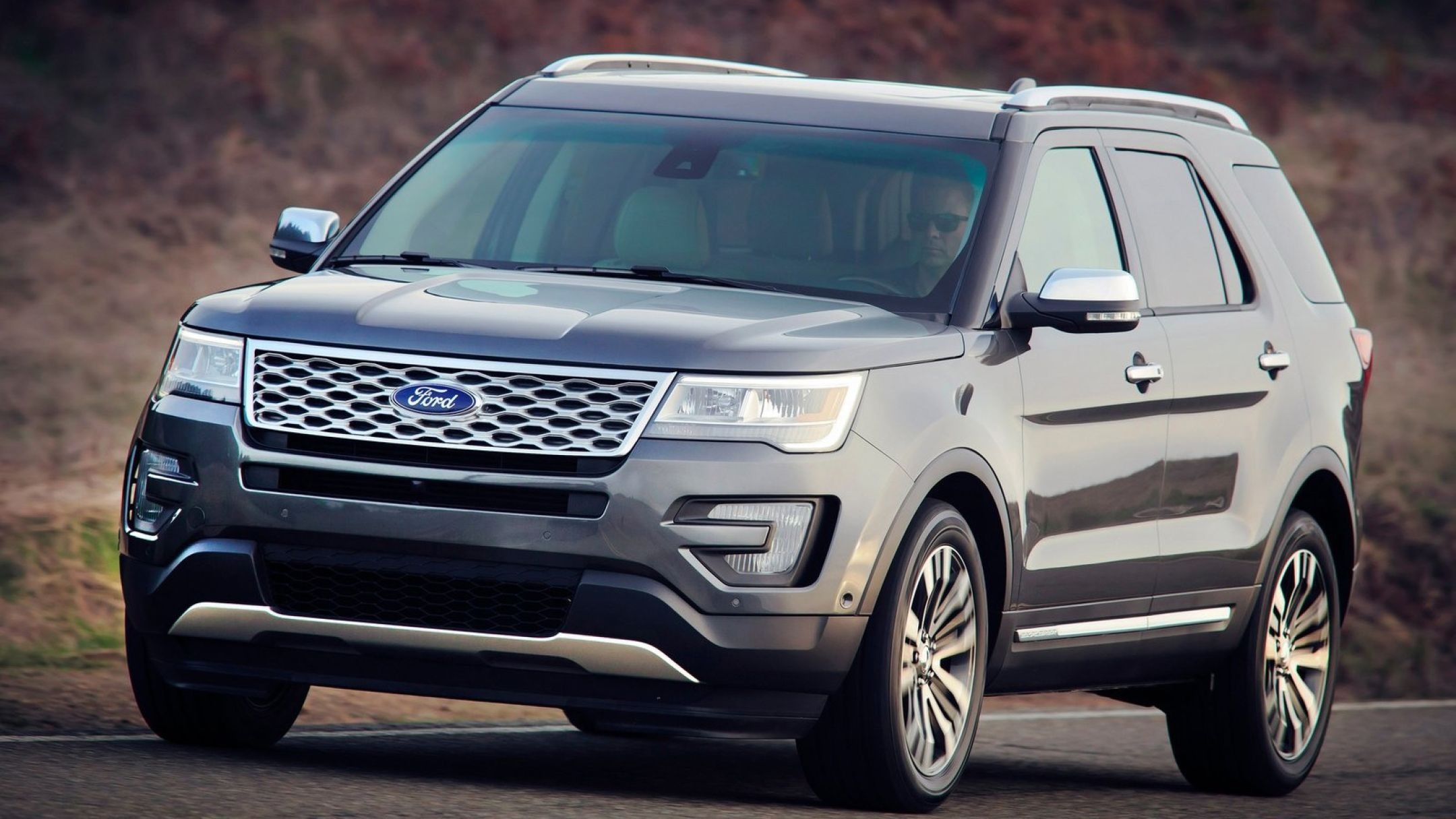
7. Ford Explorer (2011 to 2019)
A technical service message provides a specific example of how software can contribute to a parked vehicle’s battery-drain problem.
According to the supplied information, Ford identified a group of 2018 Explorer vehicles whose instrument panel clusters could remain active after the ignition was switched off.
The reported current draw was approximately 250 milliamps. Although that may sound small, a continuous electrical load can consume a meaningful amount of battery capacity when the vehicle sits unused for several days.
The prescribed remedy involved updating the instrument panel cluster software. This is an important distinction because the problem was not necessarily a damaged battery or a failed alternator. The vehicle’s electronics were not entering the expected low-power state.
The Explorer was also sold across multiple model years, and the supplied information identifies 2011 to 2019 vehicles as a broader group associated with reported battery-drain concerns. That does not mean every Explorer from those years has the same software issue.
Owners experiencing repeated discharge should have the battery and charging system tested before requesting specific repairs. A technician can also check the vehicle’s VIN, software calibration, and applicable Ford service information.
If an update applies, a dealer or qualified repair facility can determine the appropriate procedure. Owners should not assume that installing a new battery will permanently correct a software-related drain.
The Explorer example shows why diagnostic testing matters. When an electronic module stays awake, a relatively small current draw can become a starting problem after several days of inactivity.

8. Hyundai and Kia models with Bluelink or UVO-connected services
Your car may be connected to the internet, and that connection can stay busy even when you’re not around. The report says some reported cases involve telematics systems that repeatedly wake up or fail to enter a low-power state. Hyundai’s service is called Bluelink, and Kia’s is UVO.
Telematics systems let you remote-start the car, check its location, or lock it from your phone. To do that, the module must stay in contact with a cellular network.
According to the report, weak cellular reception may affect how connected systems operate, perhaps because the module keeps trying to connect.
The report also notes that battery drain may result from several different factors. Before blaming connectivity services, it is important to examine the specific vehicle, its software version, and its electrical systems to identify the likely cause.
That caution is wise. It’s easy to blame the newest feature, but an old battery, a faulty relay, or an accessory could be the real culprit.
What can you do? Ask the dealer to check for software updates and to measure the parked current draw. If you often park in a place with poor reception, mention it.
Do not simply disable services without guidance, because that may affect features and warranty terms.
Test first, then decide.

9. Land Rover Range Rover Evoque (2015 to 2016)
Meet a part that works like a switchboard operator. The report says reported electrical concerns for the 2015 to 2016 Range Rover Evoque include gateway modules that remain active when the vehicle should be asleep.
A gateway module connects different networks inside a vehicle, translating messages between them so systems can talk to each other.
Because the gateway communicates with many control systems, the report explains, continued activity may prevent other modules from powering down normally and contribute to battery depletion.
Imagine an office where the receptionist never goes home. If the front desk keeps answering calls, other departments may stay on alert too. In the vehicle, one awake module can keep a chain of others awake.
What can owners do? First, don’t assume this is the cause. Many things can drain a battery, including age and short trips. Ask a technician familiar with Land Rover to test the parked draw and identify which module is active.
Ask also whether software updates are available for the gateway module. Some drains can be resolved with updates, though the report doesn’t say that applies here.
Keep records of repairs, since repeated deep discharges can shorten a battery’s life. A careful diagnosis is better than repeated jump starts.

10. Land Rover Discovery Sport (2015 to 2016)
We finish with the Discovery Sport, which shares an issue with its Evoque sibling. The report says some reported cases describe persistent electrical activity associated with the vehicle’s gateway module.
Repeated system wake-ups can increase parked current consumption and leave the battery discharged. Wake-ups are the clue.
Modern vehicles are designed to wake briefly for things like remote signals, then go back to sleep. If something keeps waking the system again and again, the car never settles into its low-power state.
The report also emphasizes that the issue should be verified through proper diagnostic testing. A qualified technician should identify the actual cause rather than assuming that all vehicles from the affected model years experience the same fault.
Let’s step back and look at all ten. The causes include power modules, relays, switches, telematics, gateway modules, and settings that keep systems active.
Your car’s battery may also simply be old. Most batteries last roughly three to five years, depending on climate and use.
A practical checklist includes testing the battery, requesting a parasitic drain test, checking for available software updates and recalls, and disconnecting aftermarket accessories to determine whether they contribute to the issue. If the vehicle remains parked for extended periods, using a suitable battery maintainer may also help prevent the battery from losing charge.
Remember, the title is catchy, but the report doesn’t promise any car drains in exactly a week. Test before you worry.