

Buying a car is only the beginning. Keeping it reliable without overspending on maintenance is another challenge. Dealership repairs can be costly, especially when original equipment manufacturer (OEM) parts are compared with aftermarket alternatives. Components such as sensors, filters, and suspension parts may cost significantly more through a dealership than compatible replacements from independent suppliers.
Luxury vehicles, technology-heavy models, and older cars with limited parts availability can be especially expensive to maintain. The tricky part is that the same component may serve the same purpose at very different prices. Here are 10 cars whose parts supply and pricing conditions can expose owners to steep dealer markups, along with practical ways to compare prices before approving a repair.
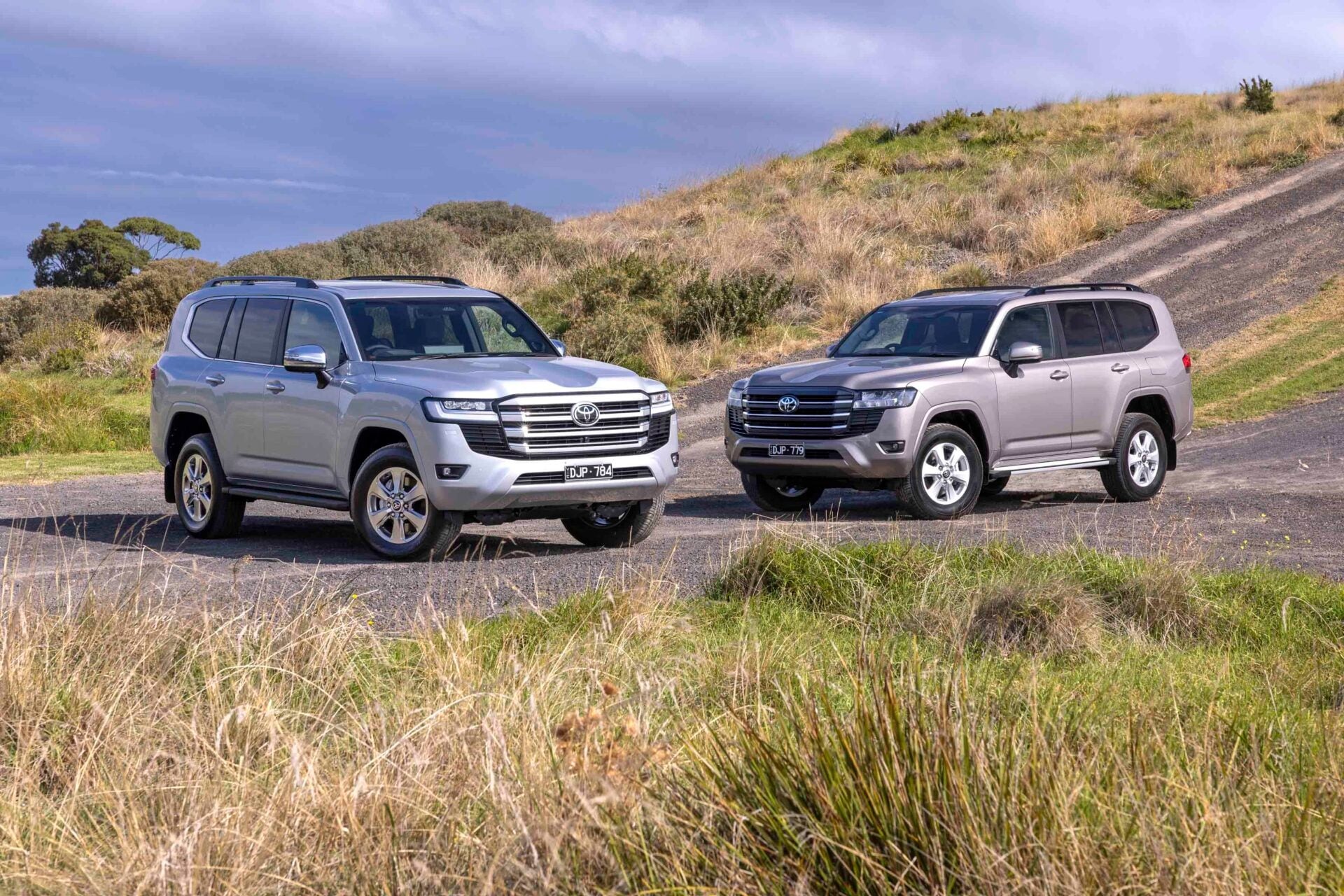
1. Toyota Land Cruiser (J200/J300)
The Toyota Land Cruiser has earned a reputation for durability, but reliable engineering does not guarantee inexpensive replacement parts.
Owners of the J200 and J300 generations may encounter steep prices when ordering specialized components through authorized dealerships, particularly when a part is scarce or supplied through a limited distribution network.
Fuel pumps, suspension bushings, electronic sensors, and model-specific assemblies deserve careful price comparisons. A dealership may quote a high price for an original component when an independent supplier offers a compatible aftermarket alternative.
That difference can be especially frustrating when the repair involves a relatively small item rather than a complete assembly.
Consider a hypothetical fuel pump priced at $80 through an independent supplier and $320 at a dealership. The dealer price is four times the alternative, representing a 300% markup relative to the $80 reference price.
This example illustrates the math, not a verified Land Cruiser price quote. Before buying, check the exact model year, engine, part number, and regional specification.
Land Cruiser components can differ between generations and markets, so a part advertised for one version may not fit another.
Ask the dealership for an itemized quote and compare it with prices from established OEM parts retailers. If an aftermarket part is available, check its manufacturer, warranty, materials, and fitment information.
For suspension and fuel system components, a cheaper replacement is not automatically a better purchase.

2. Mercedes-Benz S-Class (W222/W223)
Luxury comes with expectations of comfort, refinement, and advanced engineering. The Mercedes-Benz S-Class delivers those qualities, but its sophisticated electronics can make repairs expensive when replacement parts must be sourced through authorized channels.
Models from the W222 and W223 generations use numerous electronic sensors, control units, and interconnected vehicle systems. A failed component may require more than simply removing the old part and installing a replacement.
Depending on the system, the repair may involve software configuration, coding, or diagnostic procedures.
Dealership pricing can therefore include both the component itself and the labor or technical support needed to install it correctly.
These charges should be examined separately. A high invoice does not automatically mean the part has a 300% markup, since labor, diagnostics, taxes, and programming may account for part of the total.
For instance, imagine an electronic sensor available from a reputable supplier for $100 but listed by a dealer for $400. The difference is $300, equivalent to a 300% markup over the lower price. Actual prices depend on the specific sensor, vehicle year, and supplier.
S-Class owners should request the original part number before comparing alternatives. Some replacement sensors require vehicle-specific programming or calibration, while others may have approved aftermarket equivalents.
It is also worth asking whether a faulty control unit can be repaired or refurbished by a qualified specialist. Depending on the failure, this may cost less than replacing the entire assembly.
Always confirm compatibility and warranty coverage before choosing a non-dealer repair option.
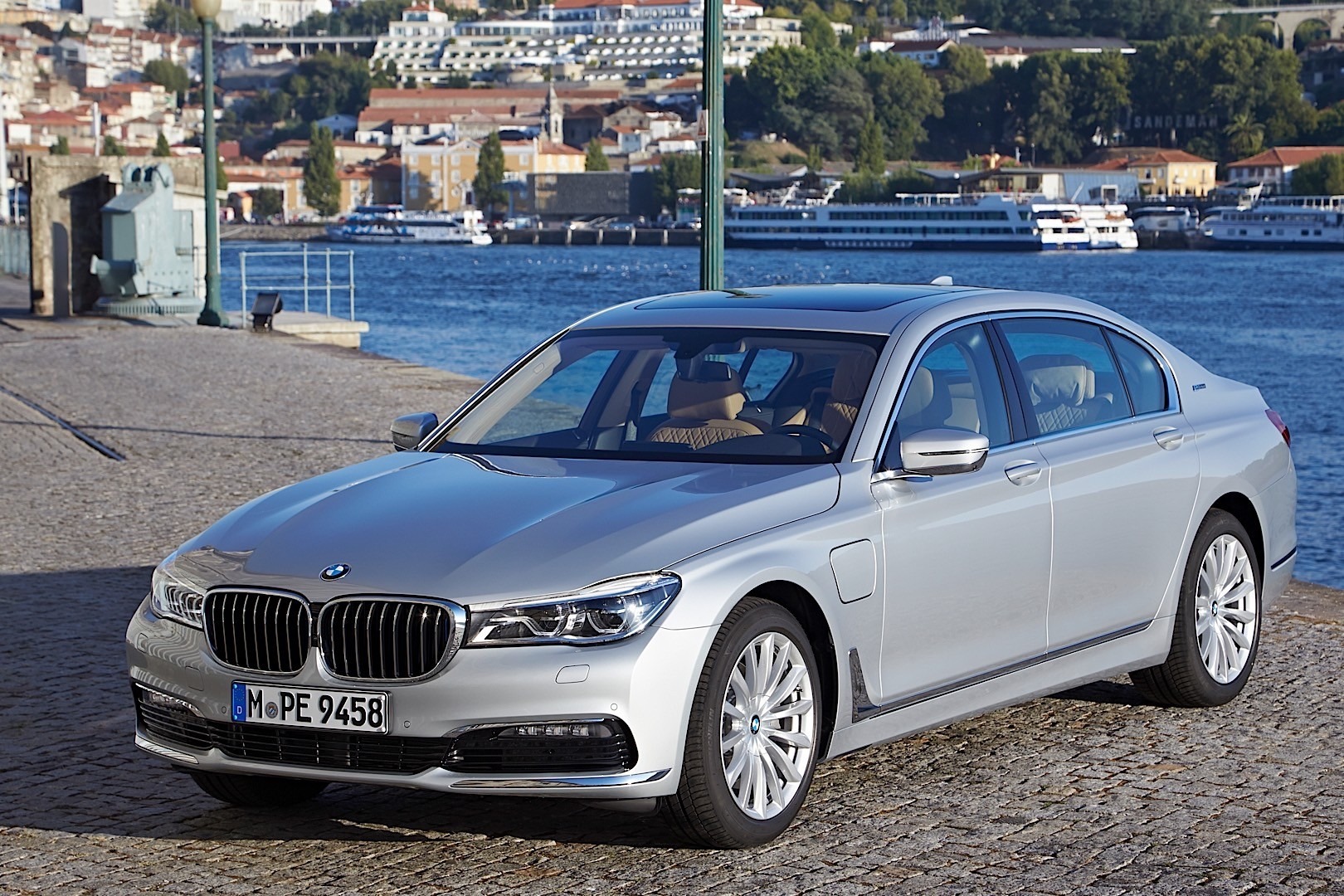
3. BMW 7 Series (G11/G12)
Today’s flagship sedans have more cameras and sensors than some small spaceships, and the BMW 7 Series is a good example.
The supplied table points to dealer-only calibration parts, with cameras and driver-assist (ADAS) modules as typical examples. It adds that tech-heavy vehicles require dealer tools.
Calibration matters. After a camera or radar module is replaced, it must be aimed and calibrated so features like lane-keeping and automatic braking work correctly.
That takes special targets, software, and trained technicians. A poorly calibrated camera can misjudge distances, which is a safety issue. So part of the high bill is the work, not only the part.
That said, the part price itself can still carry a big markup. The table notes that dealer expertise is needed, but it doesn’t give actual price comparisons.
How can you protect yourself? First, ask whether the repair includes calibration, and whether it’s done in-house or sent out. Second, ask for the part number and the labor time separately.
Third, if your car is under warranty or covered by an extended plan, check what’s covered before paying out of pocket.
Also consider your insurance. Windshield or camera damage may be covered, so call your insurer before authorizing a pricey repair.

4. Lexus LX570/LX600
Lexus vehicles share engineering and component relationships with certain Toyota models, yet that does not mean every Lexus replacement part costs the same as its Toyota counterpart.
The LX570 and LX600 are premium SUVs with substantial mechanical systems, specialized equipment, and model-specific assemblies that can command high retail prices.
Radiators, alternators, cooling system components, and electronic assemblies are worth checking carefully when a repair estimate arrives.
The price difference between an original Lexus part and a compatible alternative may depend on availability, warranty coverage, brand positioning, and the supplier’s pricing policy.
A large assembly can carry a high dollar price even when its percentage markup is lower than that of a small consumable.
For example, a radiator costing $250 through an independent supplier and $1,000 at a dealership has a 300% markup relative to the supplier’s price.
Those figures are illustrative rather than verified LX570 or LX600 market prices. Owners should also distinguish between a complete assembly and a smaller replaceable component.
A shop may recommend replacing an entire unit when a more limited repair is technically appropriate, although that decision depends on the fault and the manufacturer’s service procedures.
When comparing Lexus parts, use the vehicle identification number (VIN) to confirm the correct specification. Similar-looking components can differ by model year, engine, cooling requirements, or equipment package.
Ask an independent Lexus or Toyota specialist to review the diagnosis before authorizing an expensive repair. A second opinion may reveal a less costly approved option without sacrificing reliability or safety.
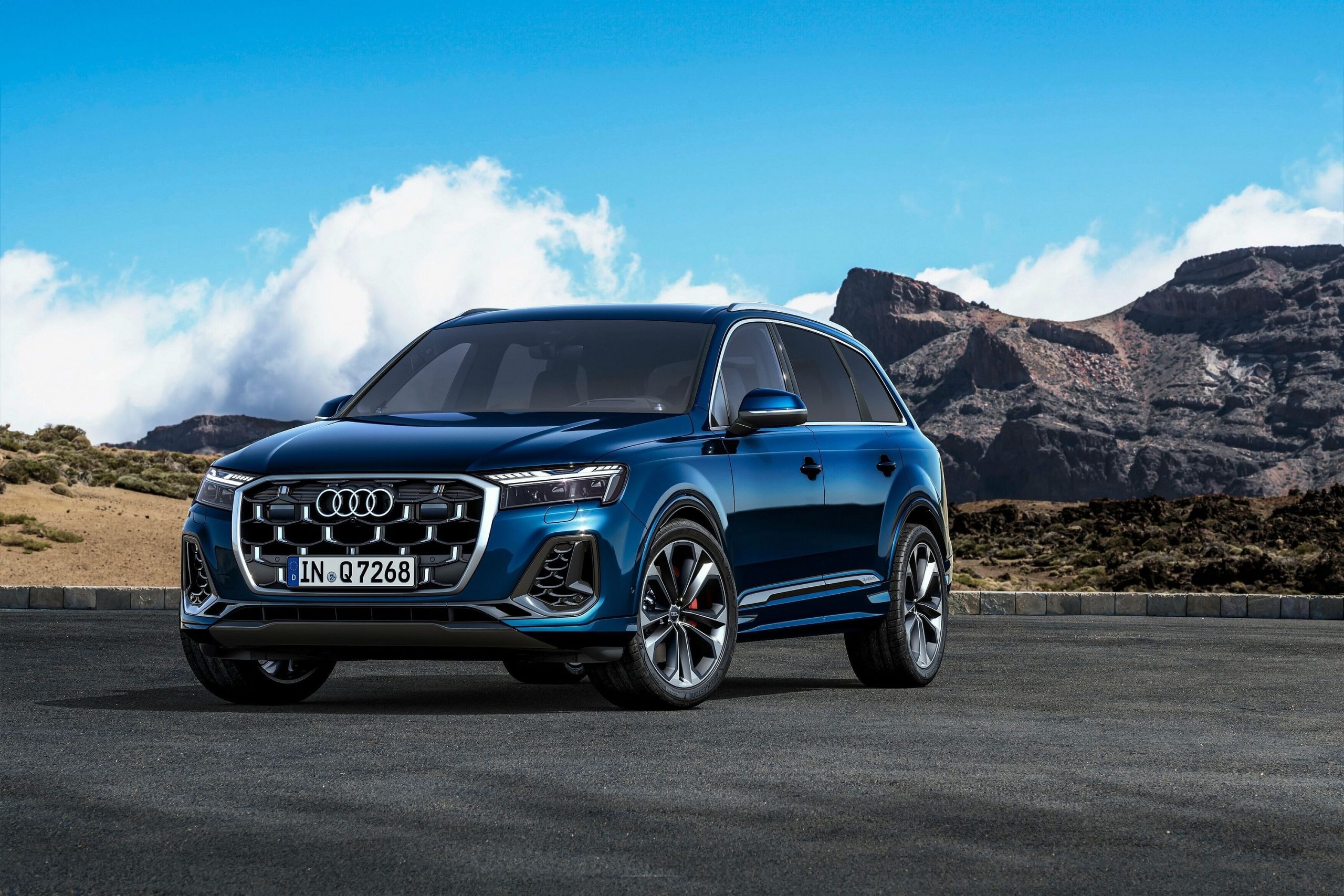
5. Audi Q7
Air suspension makes a heavy SUV glide, and it can also glide through your bank account. The supplied table says the Audi Q7 has intricate electronics and limited aftermarket support, with air suspension compressors as a typical affected part. It adds that tech-loaded vehicles justify a dealer premium.
What does an air suspension compressor do? It pumps air into rubber air springs that support the vehicle and let it adjust ride height. If the compressor fails or the system leaks, the vehicle can sag, and you may see a warning message.
These failures are common enough on air-suspension vehicles that many owners worry about them. Because the system is intricate, shoppers have to decide whether to pay a premium for a dealer-supplied part or look elsewhere.
Independent specialists often offer repairs, and some aftermarket compressors exist, though quality varies. The table says aftermarket support is limited, so check carefully.
Here’s a practical approach. Ask for the part number, and look up prices from online OEM retailers. Ask whether the repair needs diagnostic software to reset or calibrate the system.
Compare quotes from a dealer and an independent shop that specializes in Audi. Also ask what the warranty covers. A cheaper part with a short warranty may not save money.

6. Range Rover (L405/L460)
Some parts are hard to find anywhere except one place. The supplied table says the Range Rover has scarce aftermarket parts, such as control arms and air struts, and that specialty parts are priced above the matrix.
What’s a matrix? In the parts business, a pricing matrix is a chart that sets the retail price based on the part’s cost. A cheap part gets a big multiplier, and an expensive part gets a smaller one.
Reddit discussions mentioned in your sources describe dealers using these charts. When a part is rare or specialty, a dealer may go beyond the chart, which the table calls pricing above the matrix. I can’t verify how any particular dealer prices.
Why would a Range Rover have fewer aftermarket options? Fewer sold means smaller demand, and demand is what draws aftermarket manufacturers.
The L405 and L460 generations also use sophisticated suspension systems, so replacement parts can be specific. What can you do? Ask for the OEM part number, then search for it online.
Check specialist forums and independent shops that focus on Land Rover. Ask whether a part is OEM, OEM-equivalent, or aftermarket.
Finally, set a budget for maintenance when you buy. Luxury SUVs can cost more to keep than their sticker price suggests.
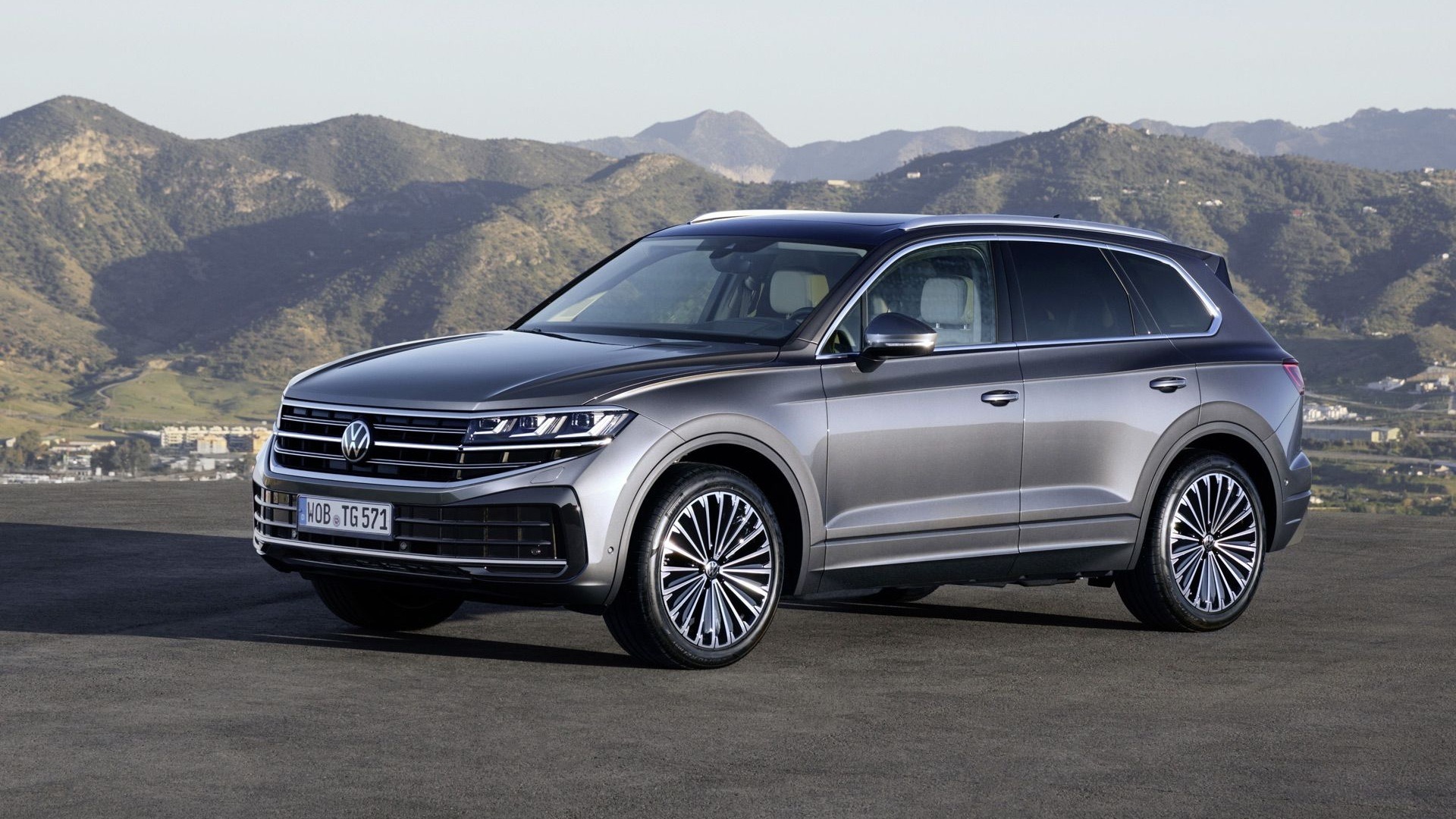
7. Volkswagen Touareg
Older Volkswagen Touareg models present a different parts-buying challenge. As vehicles age, certain components become harder to source, and independent suppliers may stop carrying particular versions.
Dealerships can remain a useful source of genuine parts, but limited availability can leave owners with fewer options for comparison.
Fuel pumps, fuel system components, and specialized reservoirs are among the items that may require careful identification.
The correct component depends on the vehicle’s generation, engine, fuel system, and production specification. Ordering based on the model name alone can lead to an incorrect purchase.
Parts scarcity can also make prices look unusually high. A component with few competing suppliers may command a premium even when its construction is relatively ordinary.
Reports of steep markups for older Volkswagen parts illustrate the concern, but they do not establish a verified 300% markup for every Touareg component.
For a practical example, a part sold by an independent supplier for $50 and priced at $200 by a dealer carries a 300% markup relative to the lower price. This example explains the percentage, not a documented Touareg quotation.
Owners can reduce uncertainty by requesting the part number from the dealer and checking reputable Volkswagen specialists, dismantlers, and established online OEM retailers.
For older vehicles, a quality used original component may be worth considering if the part is suitable for reuse and its condition can be assessed.
Be cautious with fuel system parts. Poorly manufactured replacements may cause leaks, operating problems, or premature failure.
A specialist familiar with older Touareg models can help establish whether a new OEM component, a reputable aftermarket alternative, or a tested used part offers the best balance of price and reliability.
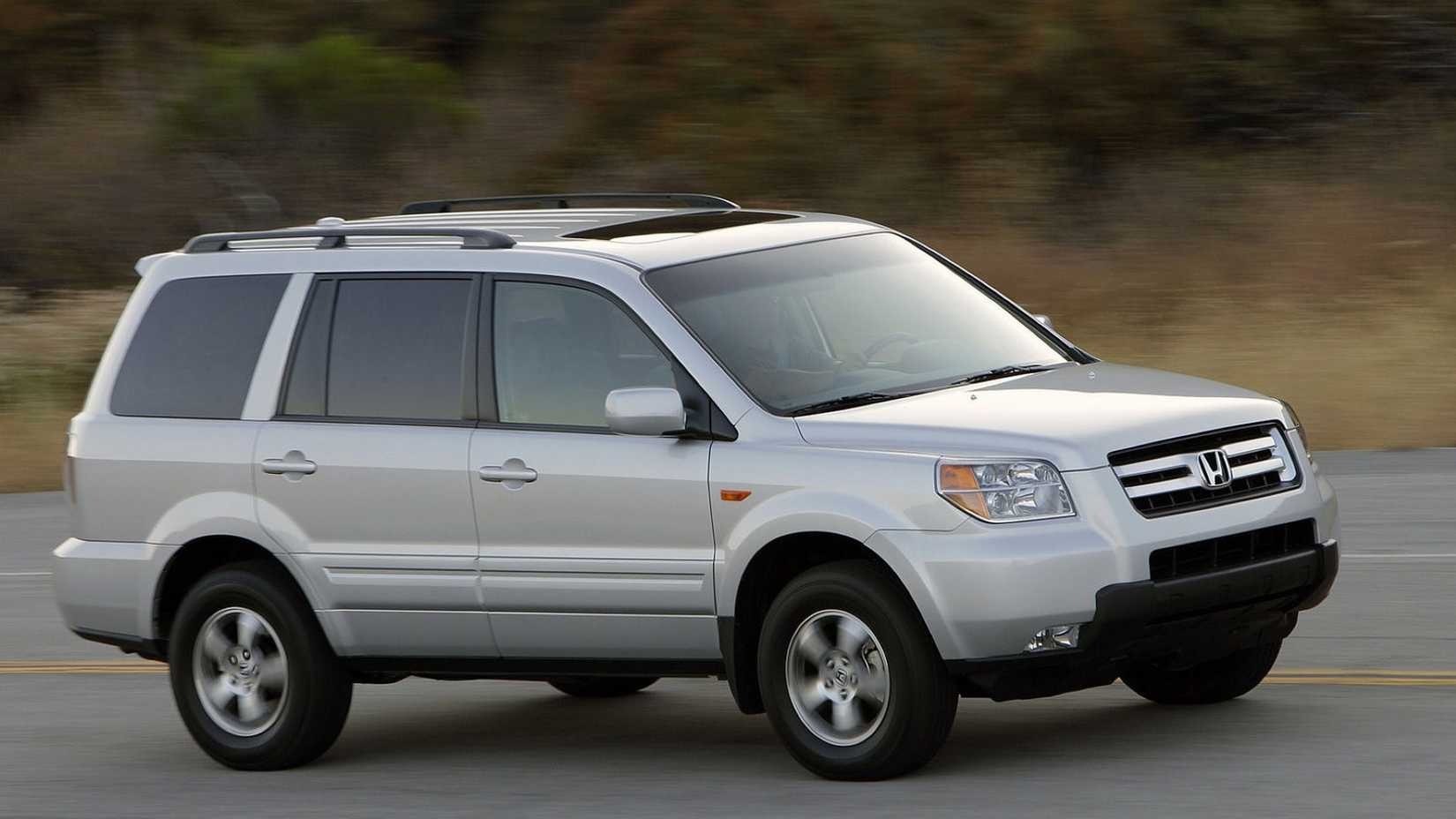
8. Honda Pilot (older models)
Honda has a strong reputation for producing practical family vehicles, but older Pilot models are not immune to expensive repairs. As a vehicle ages, some original components become less readily available, and dealership pricing may leave owners wondering whether a replacement is worth the cost.
Transmission solenoids and electronic sensors deserve particular attention when a repair estimate seems unusually high. These parts help control or monitor vehicle operation, and the correct replacement depends on the transmission, engine, model year, and diagnostic findings.
A transmission warning or shifting problem does not necessarily mean a solenoid has failed. Wiring faults, fluid problems, damaged connectors, and other mechanical or electronic issues can produce similar symptoms.
Replacing a part without confirming the cause may result in another bill without fixing the original fault. Suppose a suitable sensor costs $40 through a reputable independent supplier and $160 at a dealership.
The dealer price is 300% higher than the supplier price. This is an illustrative calculation, not a verified quote for a particular Honda Pilot.
Ask for the diagnostic trouble codes and a clear explanation of the tests performed. Then request the exact OEM part number and compare it with alternatives from trusted suppliers.
For transmission components, professional diagnosis is especially valuable because incorrect repairs can affect drivability and cause further damage.
Check whether a replacement is sold individually or as part of a larger kit, since package contents can affect the comparison.
An independent Honda specialist may offer a lower total repair cost through more affordable parts sourcing and labor. A careful second opinion is often a sensible step before approving an expensive transmission-related job.
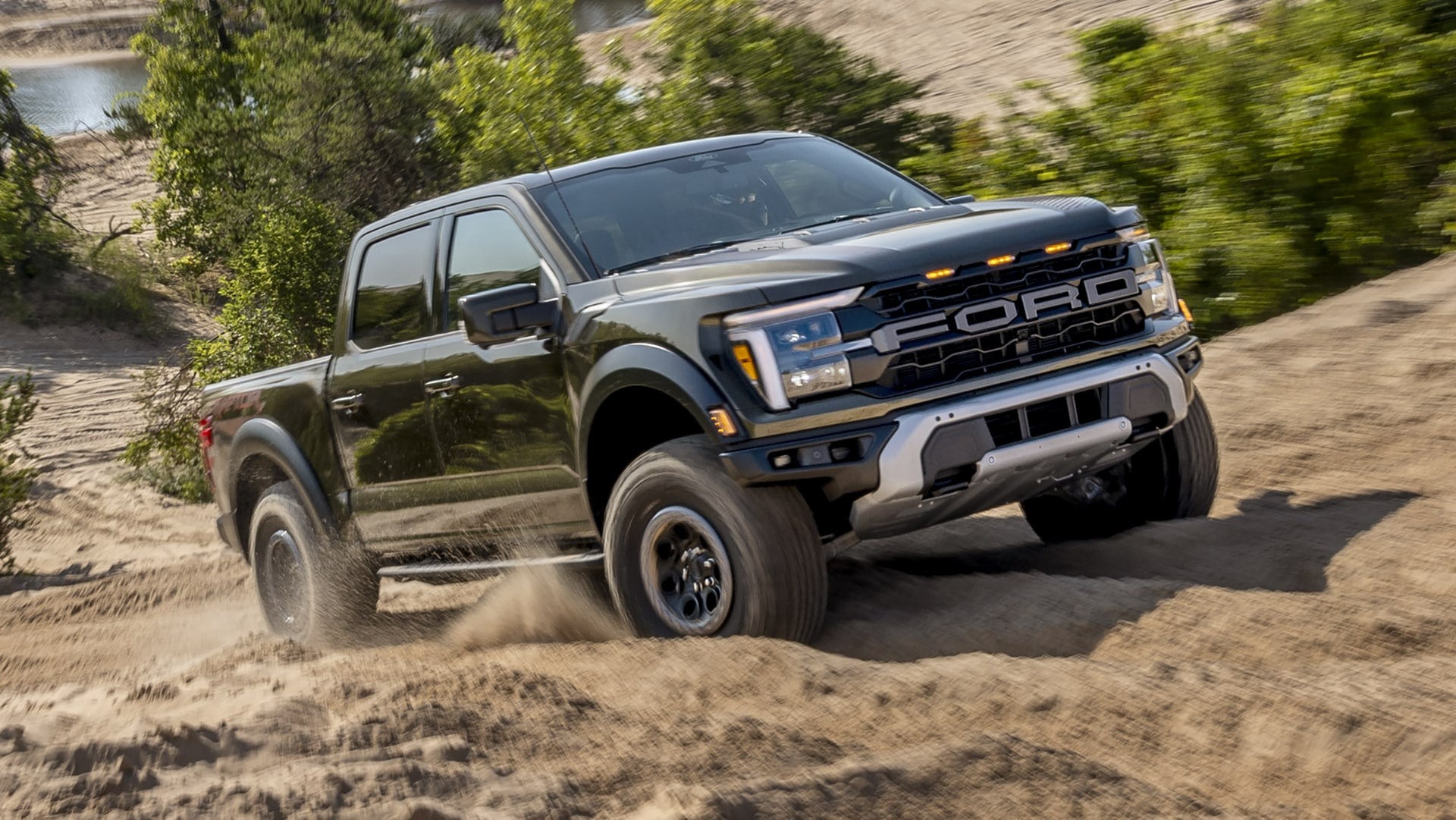
9. Ford F-150 (newer models)
Trucks used to be simple. Newer F-150s are rolling computers, and the supplied table says tech-heavy driver-assist components, such as cameras and radar modules, need dealer expertise for calibration.
That’s similar to the BMW story. After a front camera or radar module is replaced, the vehicle needs calibration to work properly. That requires equipment and training, which can justify some of the cost.
But again, the table doesn’t provide price comparisons, so we can’t say how high the markups are.
What makes trucks special? They take hits. Work sites, towing, and rough roads can damage bumpers and sensors, and a minor fender bender can turn into a big bill because of the technology behind the plastic.
Here’s how to prepare. Ask your body shop to itemize parts and calibration separately. Check whether your insurance covers calibration, and whether you can choose your shop. Compare quotes from a dealer and a collision shop certified for the brand.
Be careful with used or aftermarket sensors. A part that isn’t compatible may trigger warning lights or fail to calibrate.
Because the F-150 is so popular, independent options are more common than for many luxury cars. Shop around.
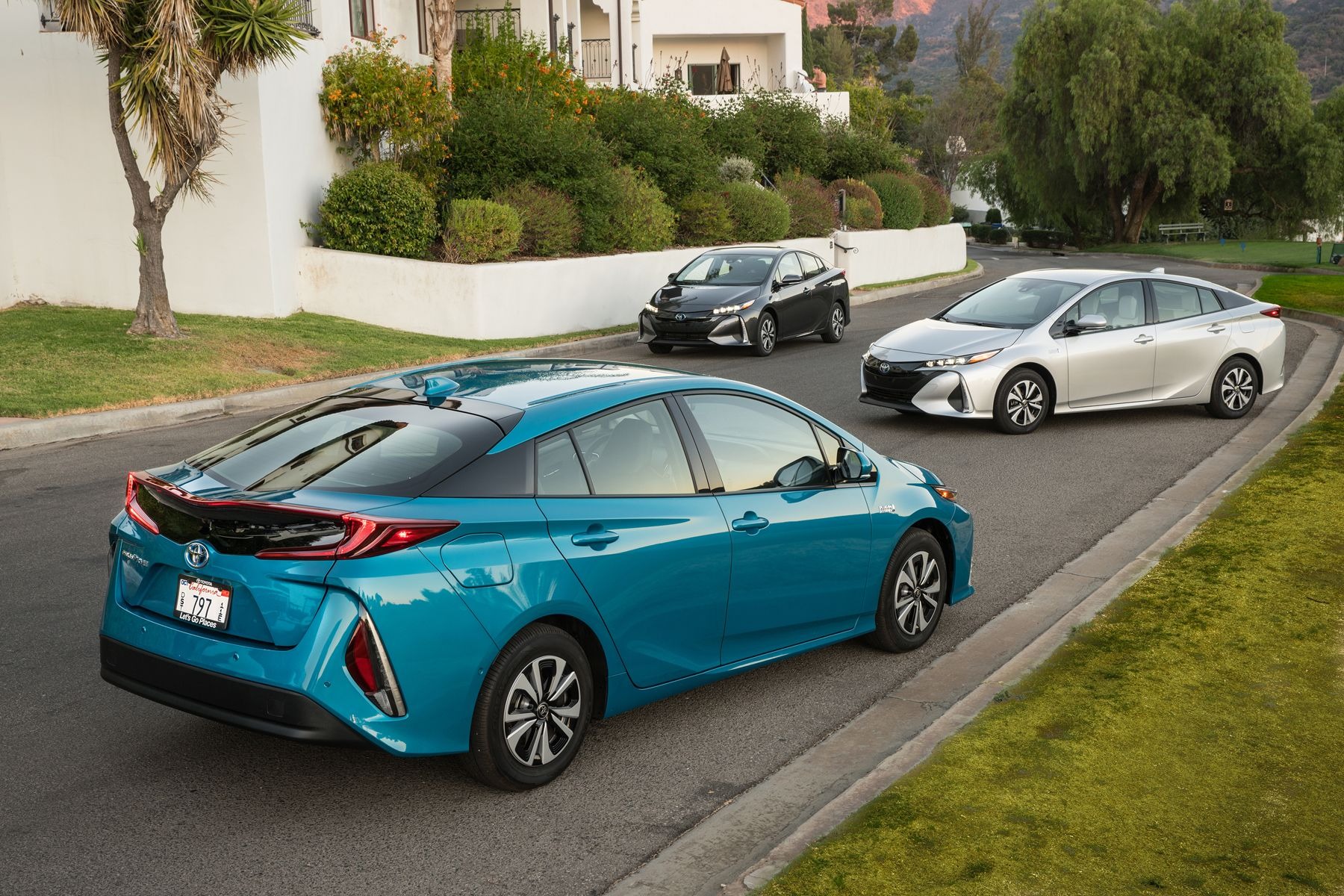
10. Toyota Prius (Gen 3/4)
We finish with the car that made hybrids mainstream. The supplied table says hybrid-specific OEM parts for the Toyota Prius, like inverters and cooling pumps, are rare or specialty items that justify higher multipliers. The generations listed are the third and fourth.
Why are hybrid parts special? A hybrid has a high-voltage system that a normal car lacks. The inverter converts electricity between the battery and the motors, and the cooling pump keeps it from overheating.
Not every shop can work safely on these systems, which narrows the choices for owners.
Still, the Prius is among the most common hybrids on the road, so used and remanufactured parts are easier to find than for many luxury cars. Specialist shops that focus on hybrids can often repair or replace components at lower prices than a dealer.
Looking at all ten vehicles, the same factors repeatedly drive repair costs higher, including limited parts availability, reliance on dealerships, complex electronics, and specialized calibration requirements. To avoid overpaying, request the exact part numbers, compare prices from online suppliers, obtain a second estimate, and ask your mechanic about compatible alternatives that could help reduce expenses.
One last thing to remember is that, under U.S. federal law, a manufacturer generally cannot void your entire warranty simply because you use an independent repair shop or an aftermarket part. However, coverage may be denied for damage caused by that part. Always review your warranty terms to understand what is covered and what restrictions apply.
Knowledge is your best discount.
