Sixty thousand miles is a turning point for any luxury SUV. The factory warranty is often gone by then. Every repair bill now lands on you. Many buyers think a badge guarantees quality. It does not. Some luxury SUVs cruise past 60,000 miles with only oil changes and tires. Others begin draining wallets right around that mark.
Why does this happen? Complex air suspensions age. Turbocharged engines build up heat and wear. Electronics fail in costly ways. Meanwhile, simpler drivetrains keep humming.
Owner surveys, long-term reliability studies, and repair cost data tell a clear story. The gap between the best and worst is huge. A single failed part can cost more than a used hatchback.
This list splits ten popular models into two camps. Five are proven safe bets at 60,000 miles. Five carry a real risk of large bills. Each entry covers the engine, the known weak points, and what to check before you buy.
Model year matters a lot. A great nameplate can have one bad generation. Use this guide as a starting point, then confirm service records on any specific vehicle. Never skip a pre-purchase inspection by an independent specialist. It costs little and saves a lot.
5 LUXURY SUVs THAT ARE SAFE AT 60,000 MILES
The Lexus RX 350 is the benchmark, with a naturally aspirated V6, steel springs, and low running costs. The Lexus GX 460 pairs a simple V8 with truck-grade toughness. The Lexus LX 570’s durable 5.7L V8 often passes 250,000 miles.
The Acura MDX offers Honda-grade reliability at a lower cost, especially in 2017 and newer years, and the Lexus NX combines a gently tuned turbo with a conventional automatic transmission.
1. Lexus RX 350
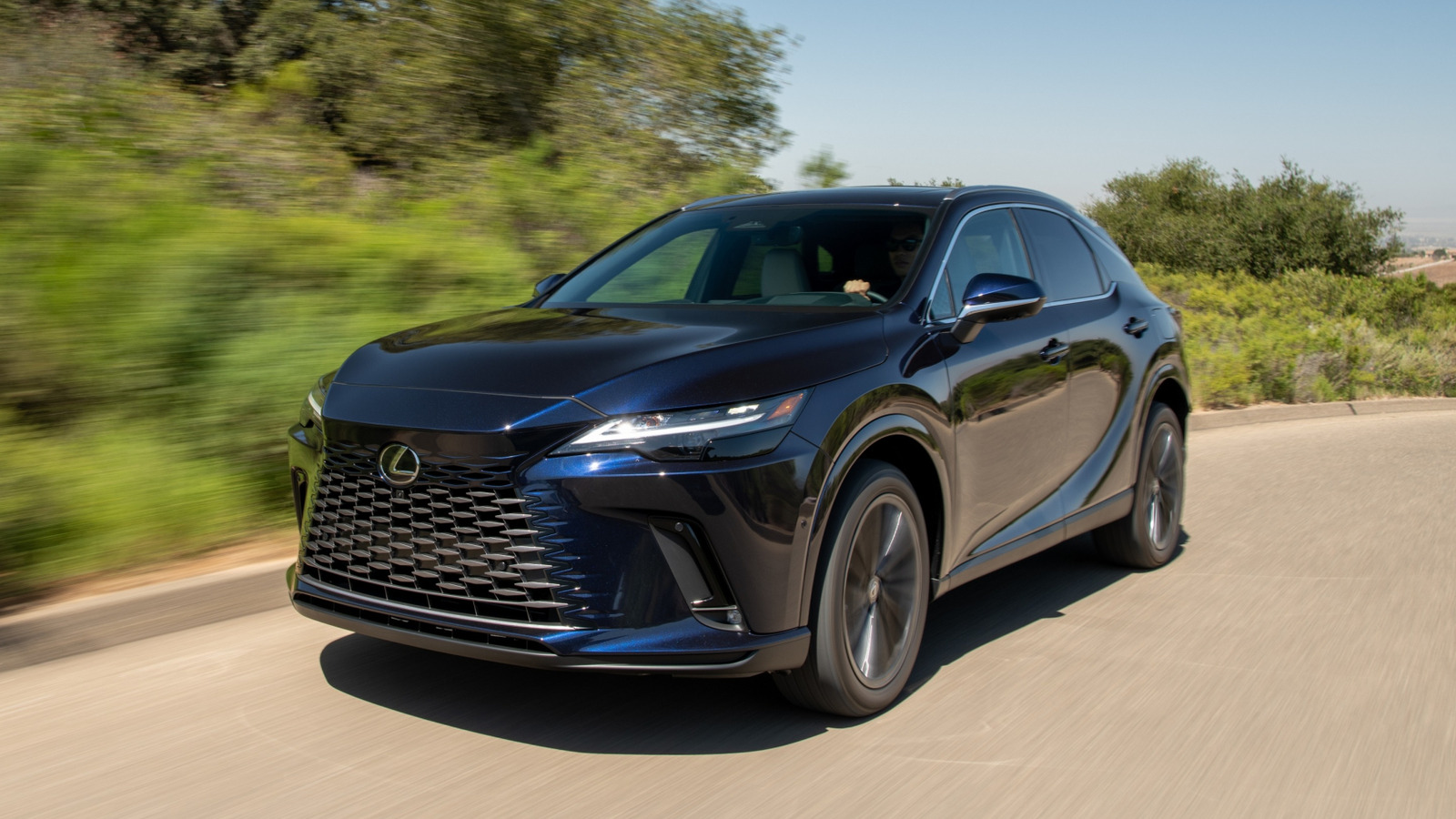
The Lexus RX 350 is the benchmark for long-term luxury ownership. Its 3.5-liter V6 is naturally aspirated. That means no turbochargers to fail. The engine uses a proven design and a timing chain. Many examples pass 200,000 miles with routine care. At 60,000 miles, it is barely broken in.
The automatic transmission shifts smoothly and rarely causes trouble. Owner surveys place the RX near the top for reliability. The suspension uses conventional steel springs. There is no air suspension to leak or fail. Ride comfort stays quiet and composed. Brakes and tires wear at normal rates.
Maintenance is simple and affordable. Oil changes, fluids, and brake pads cover most needs. Parts are easy to find. Independent shops know the platform well. Labor rates stay reasonable. Ownership costs sit far below those of German rivals.
There are a few small watch points. Some older units show a sticky dashboard in hot climates. Higher-mileage engines can develop minor valve cover seepage. Water pump and power steering leaks are worth checking. Ask for proof of regular fluid changes. A clean history makes a great RX even better.
Resale values stay strong for good reason. Buyers pay extra for that confidence. The premium is fair. Hybrid RX 450h versions add fuel savings with similar durability. A well-kept RX at 60,000 miles often has many years left. This is the safest luxury choice on the list.
2. Lexus GX 460
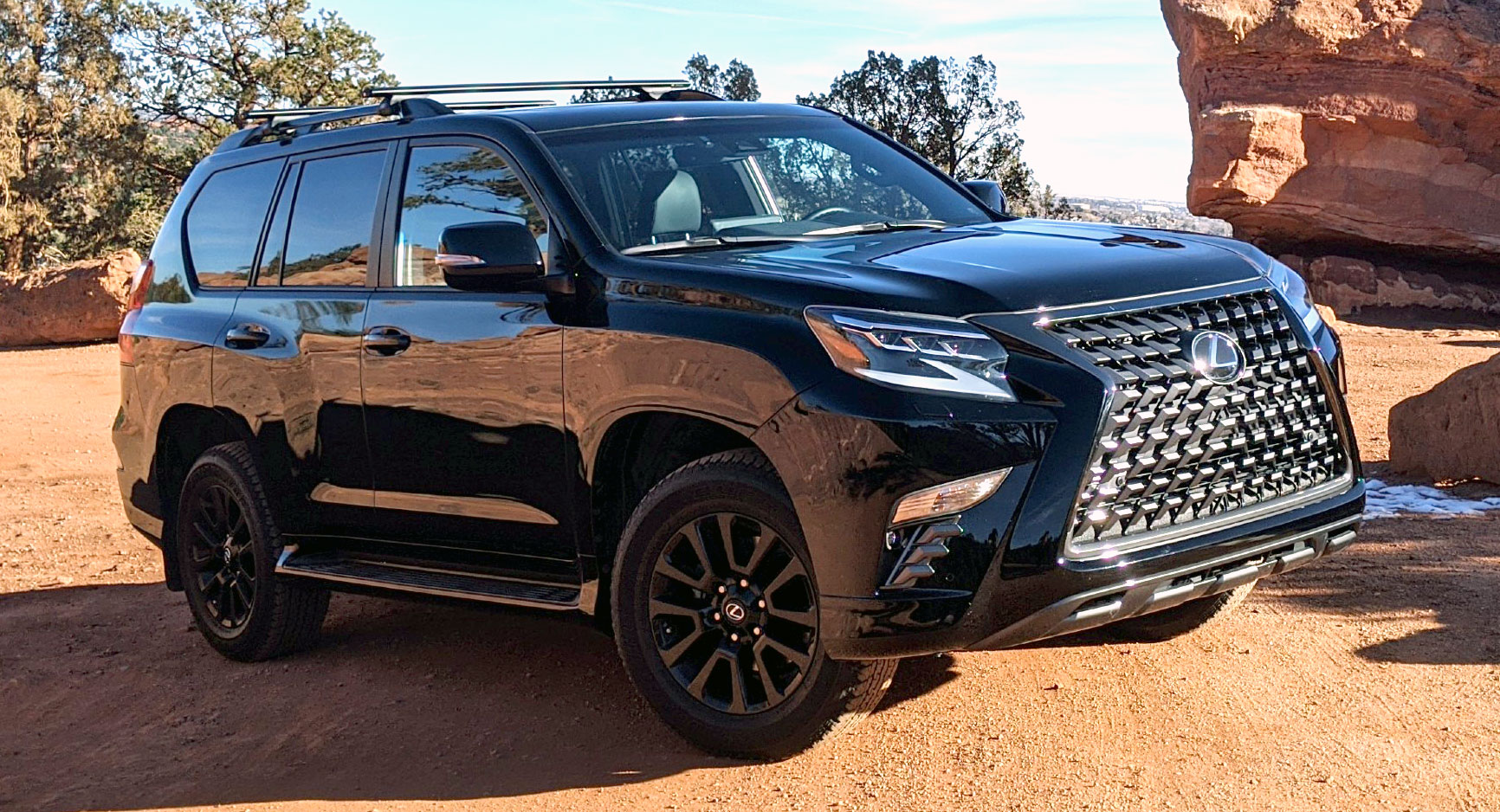
The Lexus GX 460 is built like a truck and finished like a luxury car. It rides on a body-on-frame chassis. That design is made for abuse. The 4.6-liter V8 is smooth, simple, and under-stressed. It uses a timing chain and no turbos. At 60,000 miles, it feels nearly new.
The six-speed automatic is a conservative design. It favors durability over speed. Owners report few drivetrain failures, even with towing. The full-time four-wheel-drive system is robust. Its mechanical layout shares a lot with global Toyota off-roaders. Those are known for surviving harsh conditions.
Yes, there was an early stability control issue. The 2010 model drew a high-profile safety warning from a major consumer publication. Toyota fixed it with a software update. Later years have not shown the same concern. Always confirm that the update was done on early examples.
Be aware of a few real costs. Fuel economy is poor, near the high teens in mixed driving. The optional KDSS suspension system can be costly to service. Frames can rust in road-salt regions. Inspect underneath carefully. These are manageable issues, not deal-breakers.
Few rivals match the GX for durability at this price. Depreciation is slow. Parts and service are widely available. Buyers who need space and toughness will be happy. A GX at 60,000 miles is a safe, long-term purchase.
3. Lexus LX 570
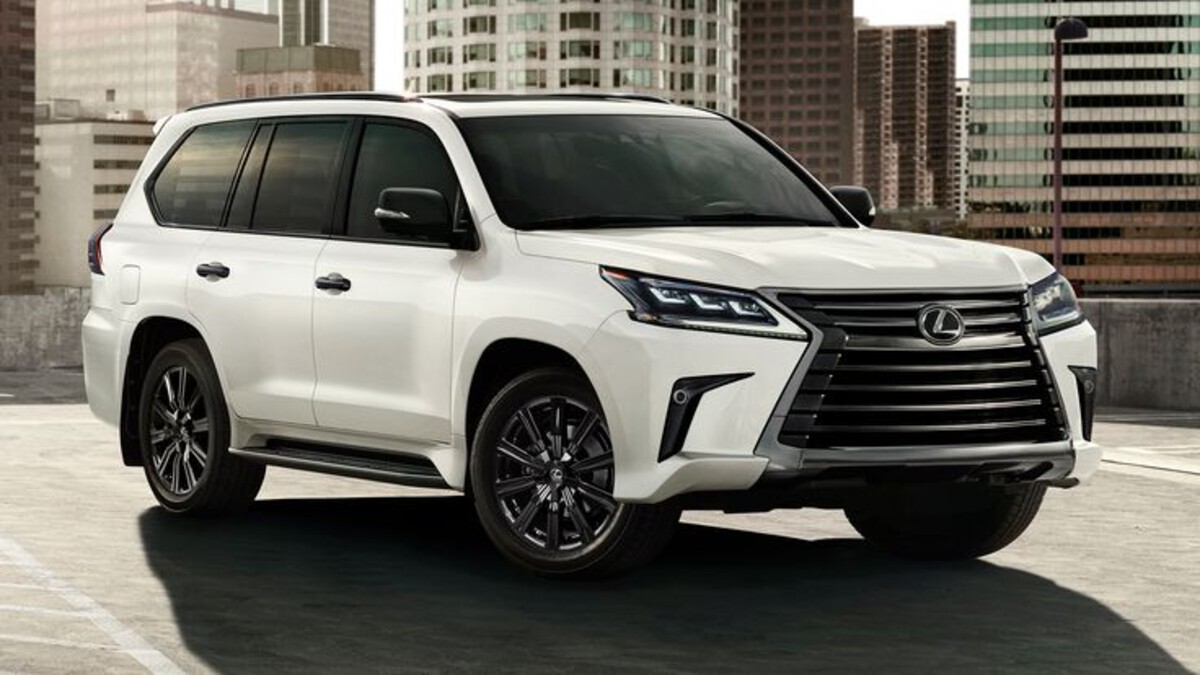
The Lexus LX 570 is a full-size luxury flagship built on Land Cruiser engineering. Its 5.7-liter V8 is famously durable. The engine uses a chain-driven design and no forced induction. It is under little stress, even when hauling heavy loads. At 60,000 miles, it is only warming up.
Toyota built this vehicle for global markets. Many of those markets have poor roads and little service support. That demands toughness. Axles, transfer case, and frame are all overbuilt. The result is a vehicle that tolerates abuse well. Many examples exceed 250,000 miles.
The interior is excellent too. Leather, wood, and switchgear age gracefully. Electronics are generally reliable. The cabin stays tight and quiet over time. Few creaks appear, even on older units. That shows the quality of assembly.
Costs deserve honesty. Fuel use is heavy, often in the mid-teens. Insurance and tires are expensive. The adaptive height-control suspension can be pricey if it fails. Brake and suspension parts are large and costly. Budget for higher running costs than a smaller SUV.
Still, major failures remain rare. That matters more than small expenses. Buyers keep these vehicles for ten years or more. Resale values prove the trust. For those who want a luxury SUV that simply works, the LX 570 is hard to beat.
4. Acura MDX
The Acura MDX offers family-friendly luxury with sensible engineering. Most generations use a 3.5-liter V6 from Honda’s well-tested family. It is smooth and efficient. Power is strong without being fragile. Timing is chain-driven. At 60,000 miles, a well-kept MDX runs like new.
Its strength is balance. It has three rows, a quiet cabin, and available all-wheel drive. Honda’s reputation for solid build quality carries over. Interior wear is mild. Maintenance costs sit well below European competitors. Routine service is predictable and affordable.
Know the weak spots. Earlier V6 engines with cylinder deactivation can face oil consumption and engine mount wear. Third-generation models from 2014 and 2015 had a rough nine-speed automatic. Software updates improved this, and later years are better. The 2017 and newer examples tend to be the safer picks.
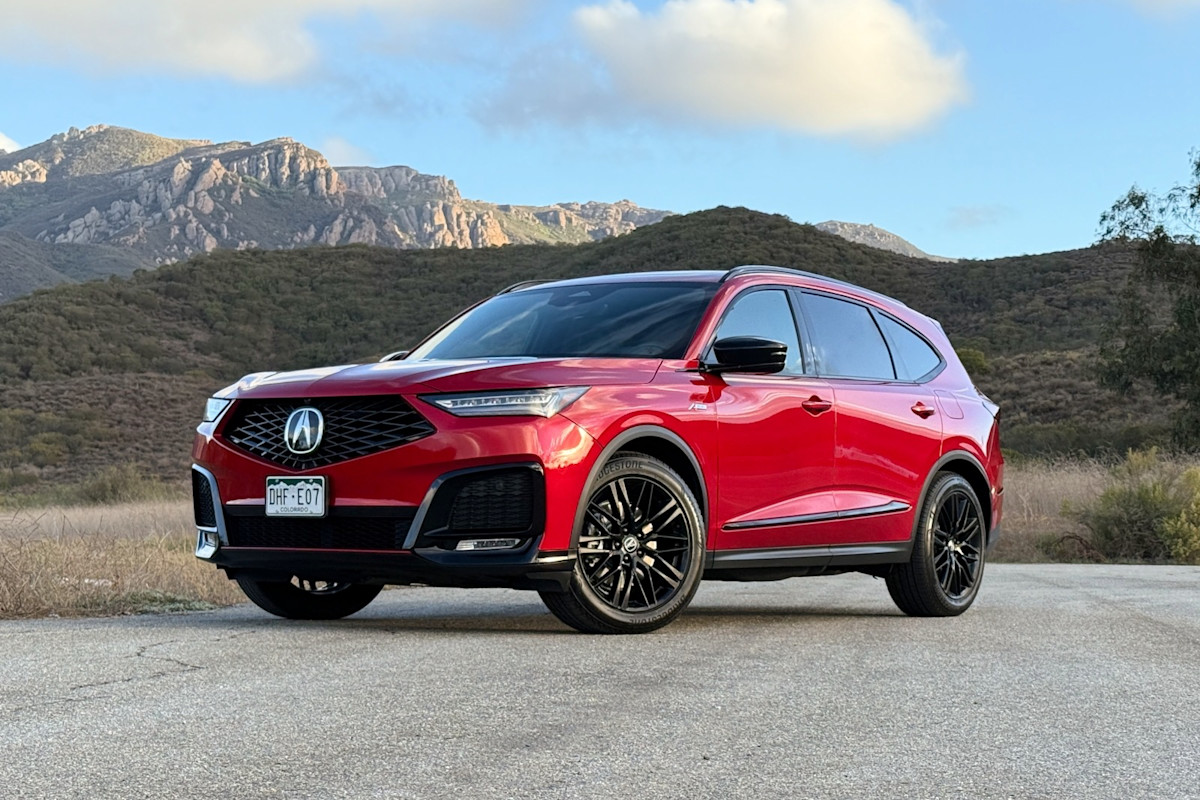
Check for transmission smoothness on the test drive. Look for harsh shifts or hesitation. Ask whether software updates were installed. Confirm that oil changes were done on time. A clean service history makes a big difference. These checks take little time.
The MDX remains a very safe used luxury buy. It lacks the legendary status of a Lexus. Yet it delivers similar peace of mind for less money. Owner satisfaction runs high. For families who want comfort without gambles, it is a smart choice.
5. Lexus NX
The Lexus NX is a compact luxury SUV with a surprisingly good record. Early models used a 2.0-liter turbocharged four-cylinder. Newer ones use updated Toyota engines and hybrid options. Toyota’s engineering conservatism shows. The turbo is tuned gently. Stress stays low, so wear stays low.
The transmission is a traditional torque-converter automatic. It avoids the dual-clutch problems common in rivals. Shifts are smooth and predictable. At 60,000 miles, owners rarely report drivetrain trouble. The hybrid versions are especially tough. Their brakes also last longer thanks to regenerative braking.
Interior quality is another strength. Materials hold up well. Buttons and switches keep working. The ride is firm but comfortable. Road noise is controlled. The cabin ages better than many competitors in the same class.
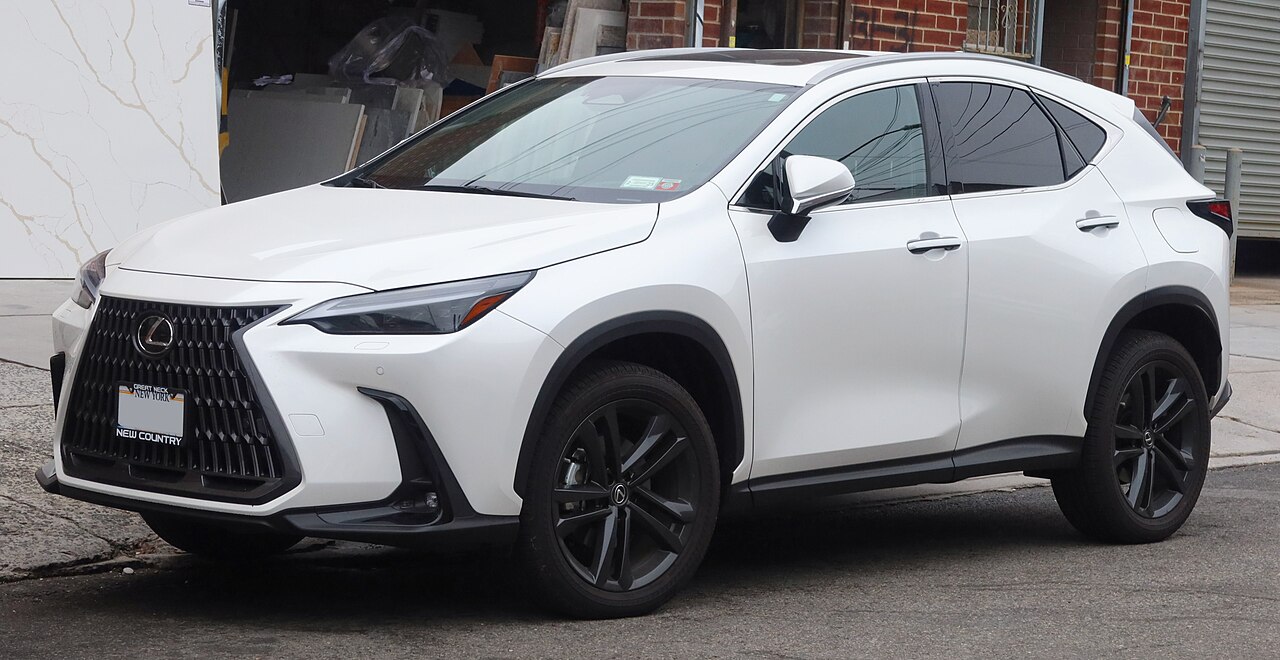
There are annoyances. The early touchpad infotainment controller is awkward. Rear space is tight for adults. Fuel economy on turbo models is average. These are comfort issues, not reliability issues. Few owners cite serious mechanical failures.
Look for complete service records. Check for oil leaks and any engine warning lights. Confirm that recalls were handled. With those boxes ticked, an NX offers outstanding value. It gives a luxury feel with Toyota dependability. At 60,000 miles, it remains a safe choice.
5 LUXURY SUVs THAT ARE NOT SAFE AT 60,000 MILES
The Range Rover Sport faces air suspension failures and costly electronics. The BMW X5, especially early twin-turbo V8s, suffers oil leaks and engine wear. The Audi Q7 risks coolant leaks and air suspension issues. The Jaguar F-Pace has turbo engine and infotainment problems, and the Maserati Levante brings frequent electrical faults, exotic parts costs, and harsh depreciation.
1. Range Rover Sport
The Range Rover Sport looks like a dream. It has presence, power, and a lavish cabin. The trouble starts when the warranty ends. By 60,000 miles, many owners face serious repair bills. Reliability surveys have long ranked the brand near the bottom. Costs are the main reason.
The air suspension is the classic problem. Air springs and compressors wear out. Leaks can leave the vehicle sagging overnight. Replacing one corner can be expensive. Several corners may fail close together. Warning messages often appear first.
Engines bring their own concerns. The supercharged V6 and V8 options deliver strong performance. But owners report oil leaks, cooling issues, and timing component worries on some V8 versions. Fixing these needs specialist labor. Dealer rates are high. Independent experts are less common.
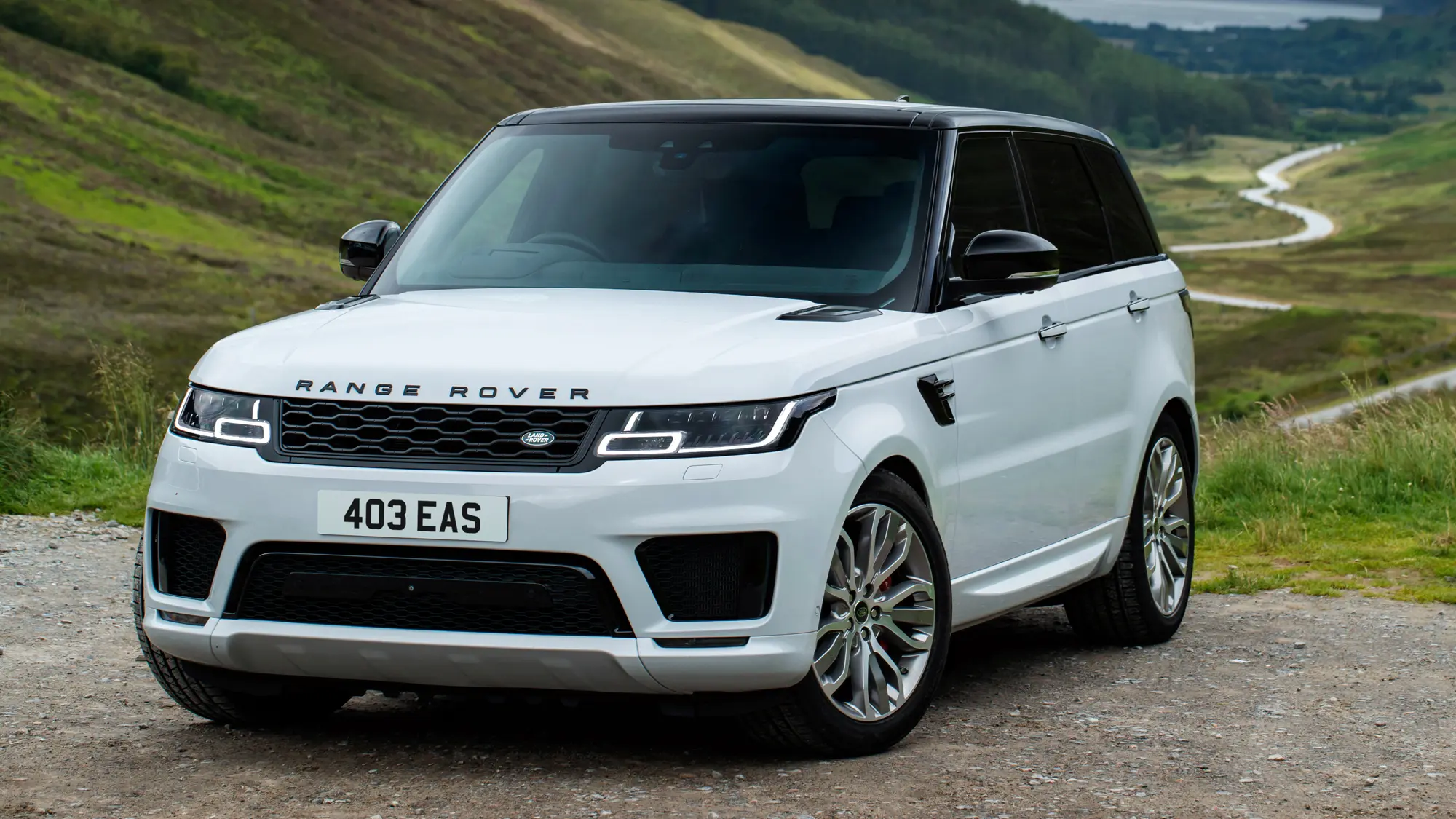
Electronics add more headaches. Infotainment glitches, sensor faults, and warning lights are common complaints. Some are minor. Others trigger expensive diagnosis. A single module replacement can cost thousands. Software problems may not have clean fixes.
If you still want one, be very careful. Demand full service records. Get a specialist inspection. Budget thousands each year for repairs. Consider an extended warranty that truly covers suspension and electronics. Without those safeguards, a Range Rover Sport at 60,000 miles is a risky bet.
2. BMW X5 (Twin-Turbo V8 and Early Turbo Six Models)
The BMW X5 drives better than almost any SUV in its class. Sadly, some versions age badly. The 4.4-liter twin-turbo V8 from the early 2010s is the worst offender. It earned a poor reputation. Many owners met big bills before 100,000 miles.
The V8’s issues are well documented. Oil consumption can be high. Timing chain wear and valve stem seal failures have affected some engines. Fuel injector and turbo-related repairs add up. BMW extended some coverage because of these problems. Not every vehicle was covered, and coverage has limits.
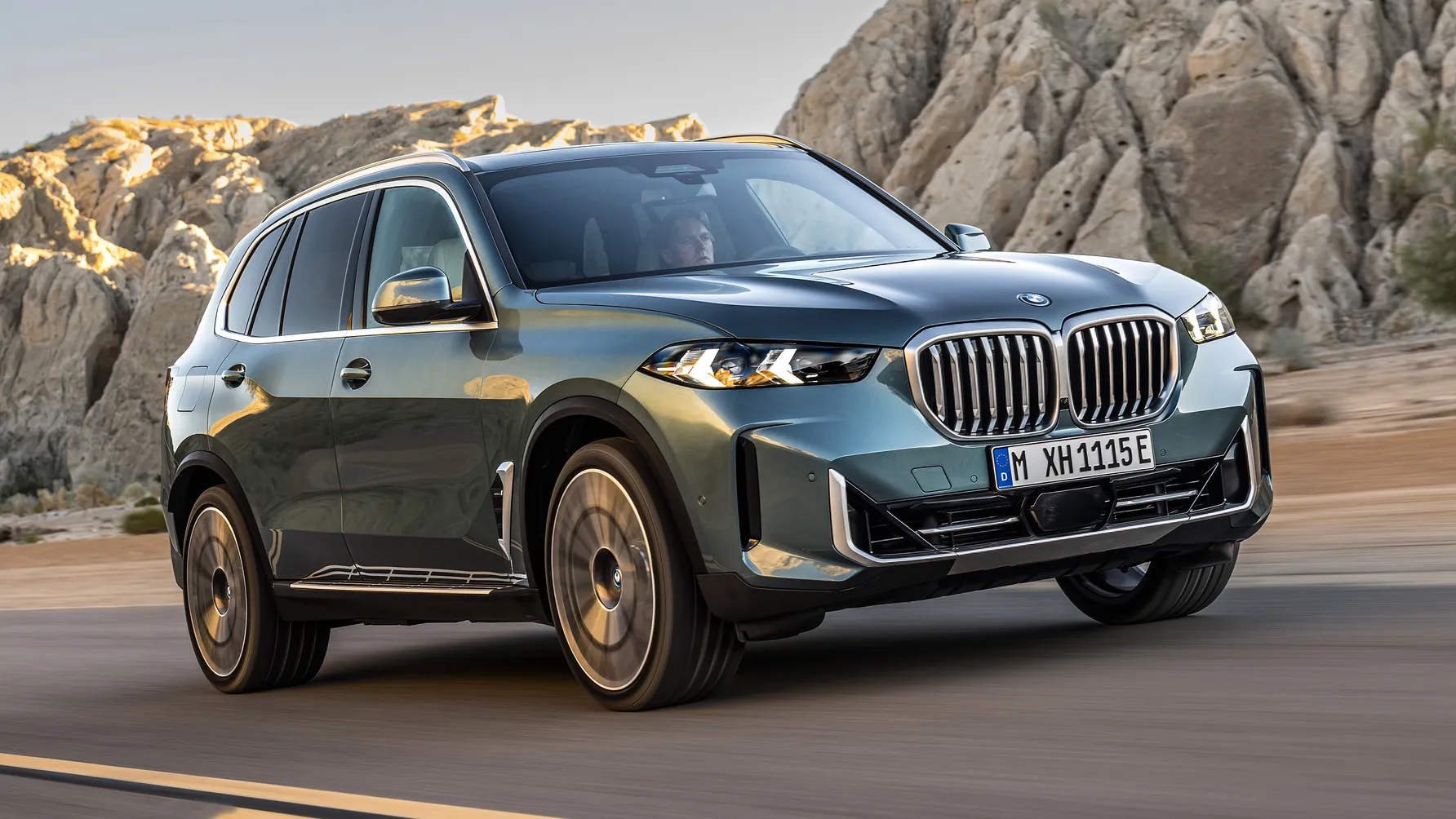
The turbocharged six-cylinder is better, but not perfect. Common issues include oil filter housing gasket leaks. Valve cover gaskets also seep with age. The electric water pump can fail without much warning. These often appear between 60,000 and 90,000 miles. Each repair costs real money.
Heat is the root cause. Turbos and tight engine bays push temperatures high. Rubber and plastic parts age faster. Oil leaks then drip onto belts and hoses. Small problems grow into larger ones. Regular maintenance helps but cannot fully prevent this.
If you want an X5, choose carefully. Favor the later six-cylinder or hybrid-assisted versions with strong records. Avoid the early V8 unless the history is spotless. Budget for specialist repairs. A cheap X5 at 60,000 miles can become very expensive fast.
3. Audi Q7
The Audi Q7 is roomy, refined, and handsome. Its cabin is among the best in the segment. But used examples can be financially painful. Many problems begin near the 60,000-mile mark. Complex engineering raises the risk. Repair labor is costly.
Coolant leaks are a known concern on supercharged V6 models. Plastic water pump and thermostat housings can crack with heat and age. A failure can cause overheating if ignored. The fix requires significant disassembly. Labor makes the bill large. Preventive replacement is often suggested.
The four-cylinder turbo engines have their own issues. Some owners report oil consumption. Timing components may need attention earlier than expected. Turbo and carbon buildup concerns also appear in forums and surveys. Neglected oil changes make everything worse.
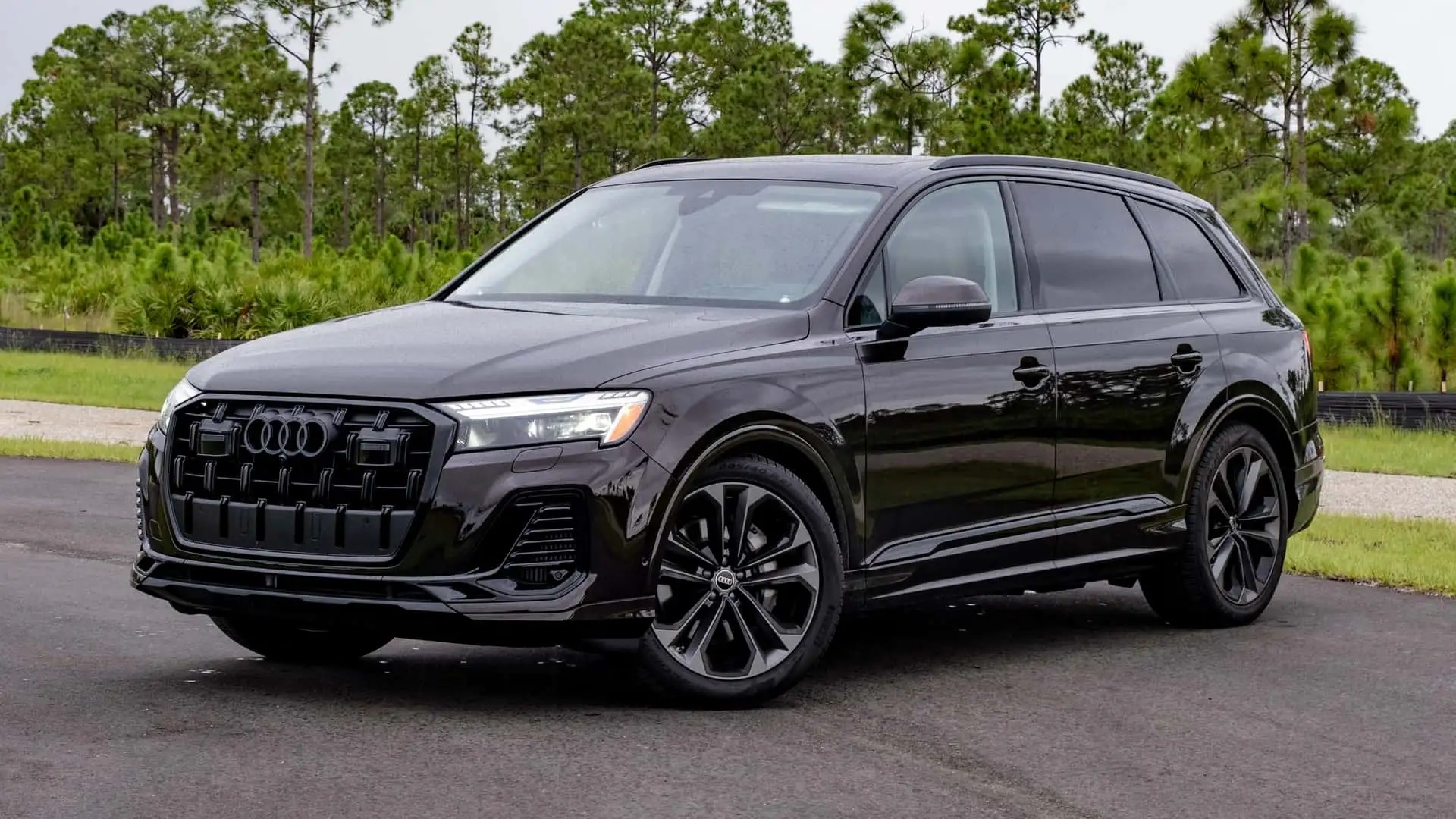
Air suspension appears on many Q7 models. Like all air systems, it ages. Leaks and compressor failures are common after several years. Replacing parts is not cheap. Electrical faults can also trigger warnings. Diagnosing them can be slow.
A Q7 can still be a good vehicle if maintained perfectly. Look for documented cooling system work and fresh fluids. Have a specialist scan for fault codes. Expect higher running costs than a Japanese rival. Without those checks, a Q7 at 60,000 miles is a gamble.
4. Jaguar F-Pace
The Jaguar F-Pace is the sportiest SUV in this list. It drives sharply and looks stunning. The problem is long-term confidence. Owners and reliability surveys have flagged repeated issues. Many appear within the first 60,000 miles. Depreciation is steep for good reason.
The 2.0-liter turbo engine draws the most concern. Owners have reported coolant leaks and oil-related worries. Some cases involve timing chain wear. Repairs can require engine work. Costs rise quickly outside warranty. Stronger options exist, such as the supercharged V6, but they use more fuel.
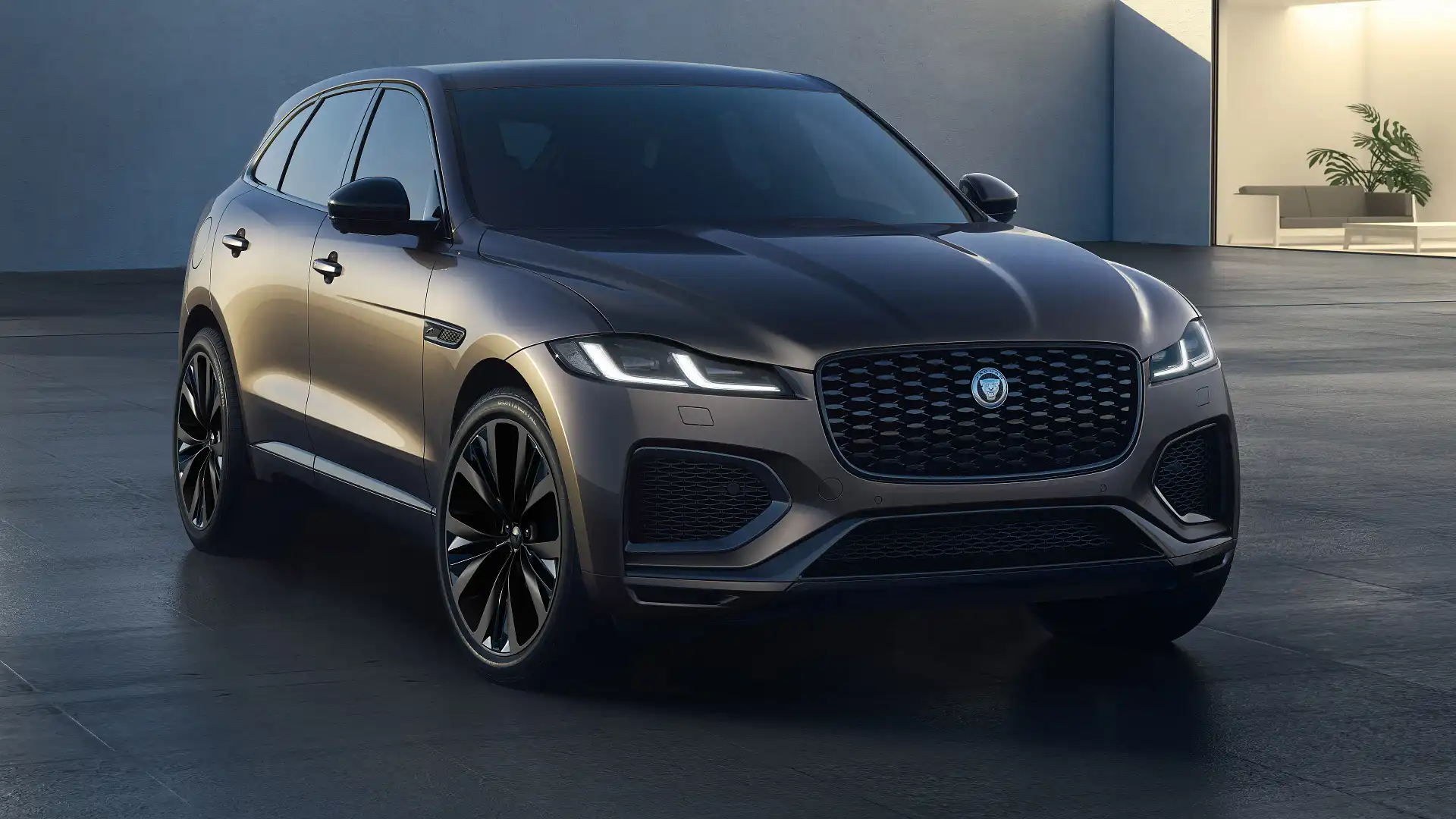
Electronics are another weak point. The infotainment system can freeze or reboot. Sensors may throw false warnings. Driver-assist features can misbehave. Some faults are fixed by software updates. Others need new modules. Dealer visits are common.
Build quality is mixed. Some owners report rattles and trim issues. Air suspension is optional and adds risk. Brakes wear fairly quickly on a heavy, quick SUV. Tires cost more as well. Small expenses add up.
If you love the F-Pace, buy smart. Choose a certified example with extended coverage. Check software update records. Inspect for coolant leaks and engine noises. Walk away from vehicles with patchy service history. Without protection, the F-Pace is a costly risk at 60,000 miles.
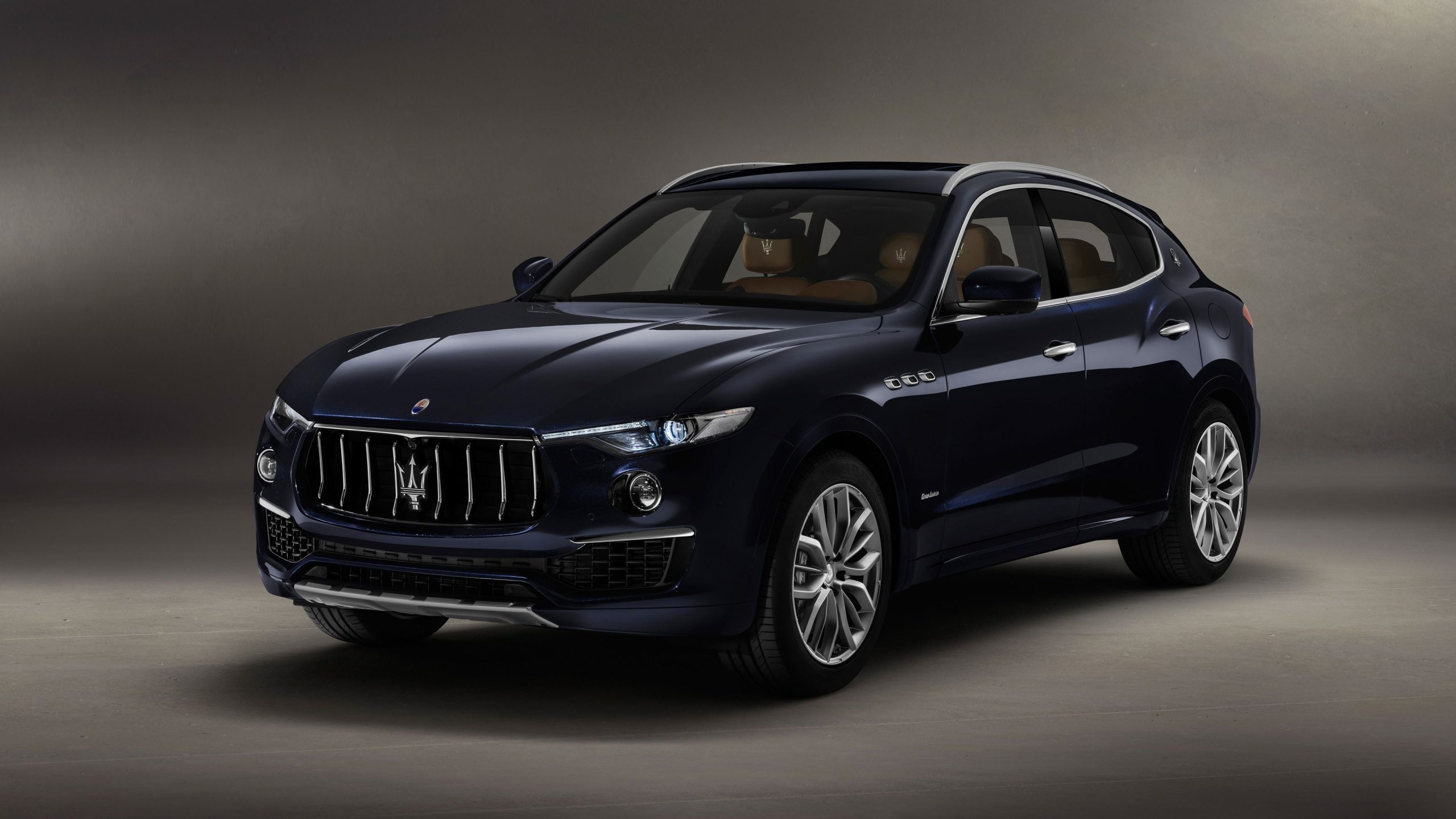
5. Maserati Levante
The Maserati Levante offers exotic style and an unforgettable engine note. Its Ferrari-built twin-turbo V6 is exciting. It feels special every time you drive it. That emotion is the main reason people buy one. But reliability is its biggest weakness.
Surveys and owner reports show frequent problems. Electronics are the usual culprit. Infotainment glitches, warning lights, and sensor faults are common. Some owners report repeat dealer visits. Diagnosis can take time. Parts may come slowly from overseas.

Costs are another problem. Replacement parts carry exotic-brand prices. Even routine service is expensive. Brake jobs and tires cost far more than for mainstream rivals. Air suspension is standard and adds long-term risk. A single failure may cost thousands.
Depreciation is harsh. Used values fall quickly. That helps buyers on price. But it also means weak resale later. Few specialists exist outside major cities. Finding a trusted independent shop is hard. Dealer reliance raises ownership costs.
A Levante can be thrilling, but treat it as a luxury toy. Buy only with a strong extended warranty. Inspect every electronic system during a test drive. Keep a repair fund ready. For buyers who want a dependable daily driver, a Levante at 60,000 miles is a poor choice.