Rust is a slow killer. It works quietly under the paint. By the time you see it, the damage is often done. Owners across America have filed thousands of corrosion complaints with NHTSA. Many involve frames, floors and brake lines. These are not cosmetic issues. They touch safety directly.
The agency usually treats rust as wear and tear. It points to road salt and vehicle age. It urges owners to wash their vehicles often. Yet some patterns stand out. A few models draw far more complaints than their rivals.
This list looks at seven of them. Each entry covers what owners reported. It also covers where the rust shows up. And it explains how the manufacturer responded.
Some cases led to recalls. Others ended in denied claims. A few drew formal federal probes. All of them offer lessons for buyers. If you shop used, pay attention. Check the frame, floor pans and subframes. Look at brake and fuel lines too. A flashlight and a jack can save thousands.
Salt-belt cars deserve extra scrutiny. Cars from dry states age better. Always ask where the vehicle lived. Read on to see which models earned a bad reputation. The details may change what you buy.
1. Chevrolet Silverado 1500
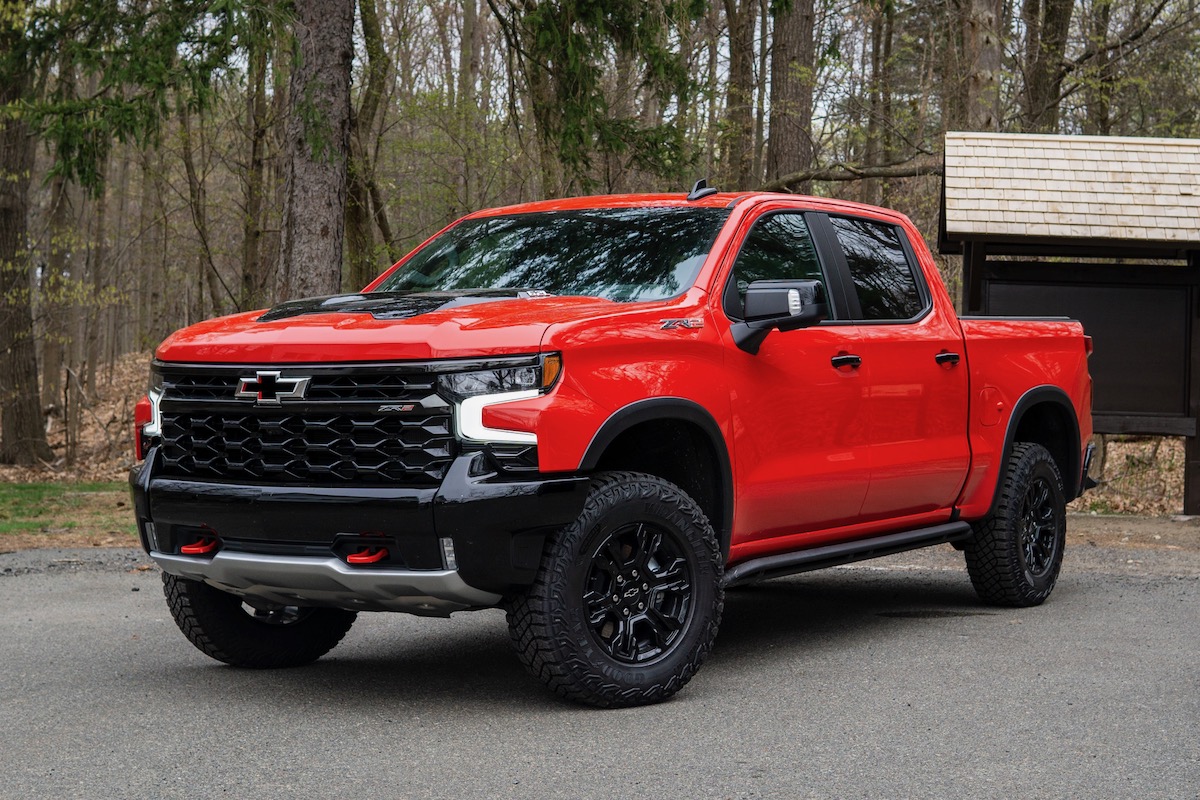
The Chevrolet Silverado 1500 tops many rust discussions. Owners have filed complaints for well over a decade. The trouble spans several generations. It is not limited to one bad year.
The 2007 to 2010 trucks draw the most attention. More than 170 structure-related complaints exist for those years. Owners describe rust through frame rails and crossmembers. Fuel lines and mounting points also appear in the reports.
Many of those buyers purchased the trucks used. They bought them three to five years after release. The mileage was low and the trucks were kept clean. Still, the rust set in fast.
Later years did not escape. The 2014 truck has more than 36 structure-related rust complaints on file. Rear wheel wells and tailgate hinges show up often in 2015 reports. Door seams bubble and flake as well.
Even new trucks have drawn complaints. Some 2022 owners report frame rust at around 4,000 miles. That is shockingly early. It suggests coating problems rather than age.
Brake lines are a separate story. NHTSA studied GM trucks and SUVs from 1999 to 2007. It logged 3,645 brake pipe rust complaints. Those included 107 crash reports and 40 injuries. Most came from the first four model years.
The agency found no defect. It blamed road salt and a lack of washing. Owners often disagree. Many say the steel lines failed without warning.
Warranty help is rare. Claims are often denied for environmental exposure. That leaves owners paying for repairs themselves. Frame and line work can get expensive fast.
Why does this happen? Many full-size trucks use open or partly boxed frames. Water and salt collect in seams and pockets. Coatings thin out at welds and edges. Once rust starts, it spreads along the metal.
GM has pointed to environment and upkeep. The company notes that corrosion rises with age and salt exposure. Many owners reply that they washed their trucks often. They say the rust came early anyway.
Rust also hurts resale. Appraisers mark down trucks with visible frame scale. Some trucks fail inspection in strict states. A rotted frame can make a truck nearly worthless. That risk is part of the true cost.
Owners who want to keep a Silverado can fight back. Wax and oil-based coatings slow corrosion. Annual underbody rinses help too. Early action costs far less than frame repair.
If you want a used Silverado, inspect it carefully. Tap the frame with a hammer. Look closely at brake and fuel lines. A clean body can hide a rotten chassis.
2. Nissan Altima (2002 to 2006)
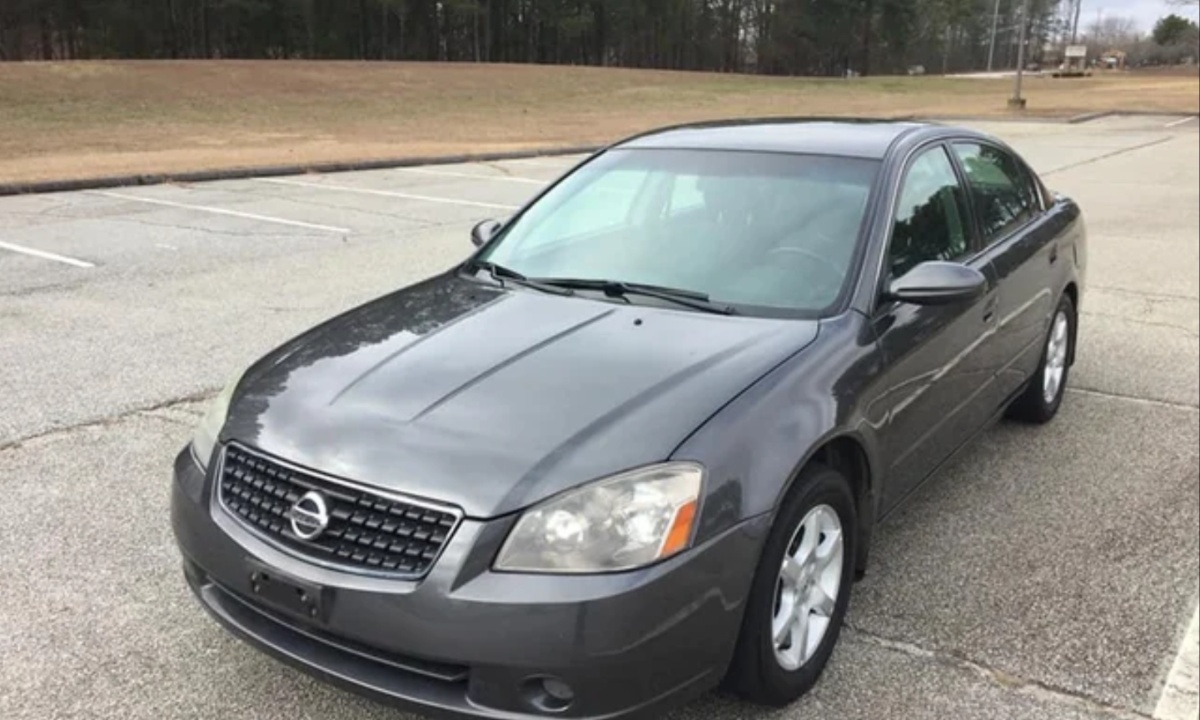
The Altima story is a strange one. The rust did not attack the frame. It attacked the floor. Owners found holes big enough to see the road. NHTSA has received more than 400 complaints on Altimas built between 2002 and 2006. That is a large number for a sedan.
It drew national news coverage. Many drivers felt shocked and scared. One Chicago-area owner described the fear plainly. She drove daily for work. Her mechanic showed her the corroded floor pan. She said the car no longer felt safe.
The cause is still debated. Some complaints came from snowy states. Road salt clearly plays a role there. But not all of them did. Several mechanics blame a design flaw.
They think water cannot drain properly. It sits in the floor pan and rots the metal from the inside out. That would explain why dry-state cars suffered too.
Interestingly, the Maxima from the same period had far fewer complaints. The two cars shared a maker and an era. Yet the Altima fared much worse. That points to a specific weakness.
Injuries were rare. Only one was reported to NHTSA. Still, the potential is obvious. A rusted floor can fail under a driver or passenger. Nissan did not issue a recall. The company stood by its position. Owners were left to pay for repairs. Some patches cost more than the car was worth.
The repair options are limited. Welding in new floor sections is common. Some shops patch with plates and sealant. Those fixes vary in quality. A bad patch can hide deeper rot.
Insurance does not usually help. Rust is treated as wear and tear. A claim would likely be denied. That puts all the cost on the owner. Many simply scrap the car.
Altima owners swapped stories widely. Many said the rust began near the front seats. Others saw it around the rear footwells. The pattern suggested water pooled in several places. That only added to the mystery.
The case shows how rust can break the usual rules. A car from a mild state can rot too. Design matters as much as climate. Buyers should never assume a warm-weather car is safe.
Buyers of older Altimas should look underneath. Check the floor pans from above and below. Lift the carpet if you can. Soft or flaky metal is a deal breaker.
3. Toyota Tacoma
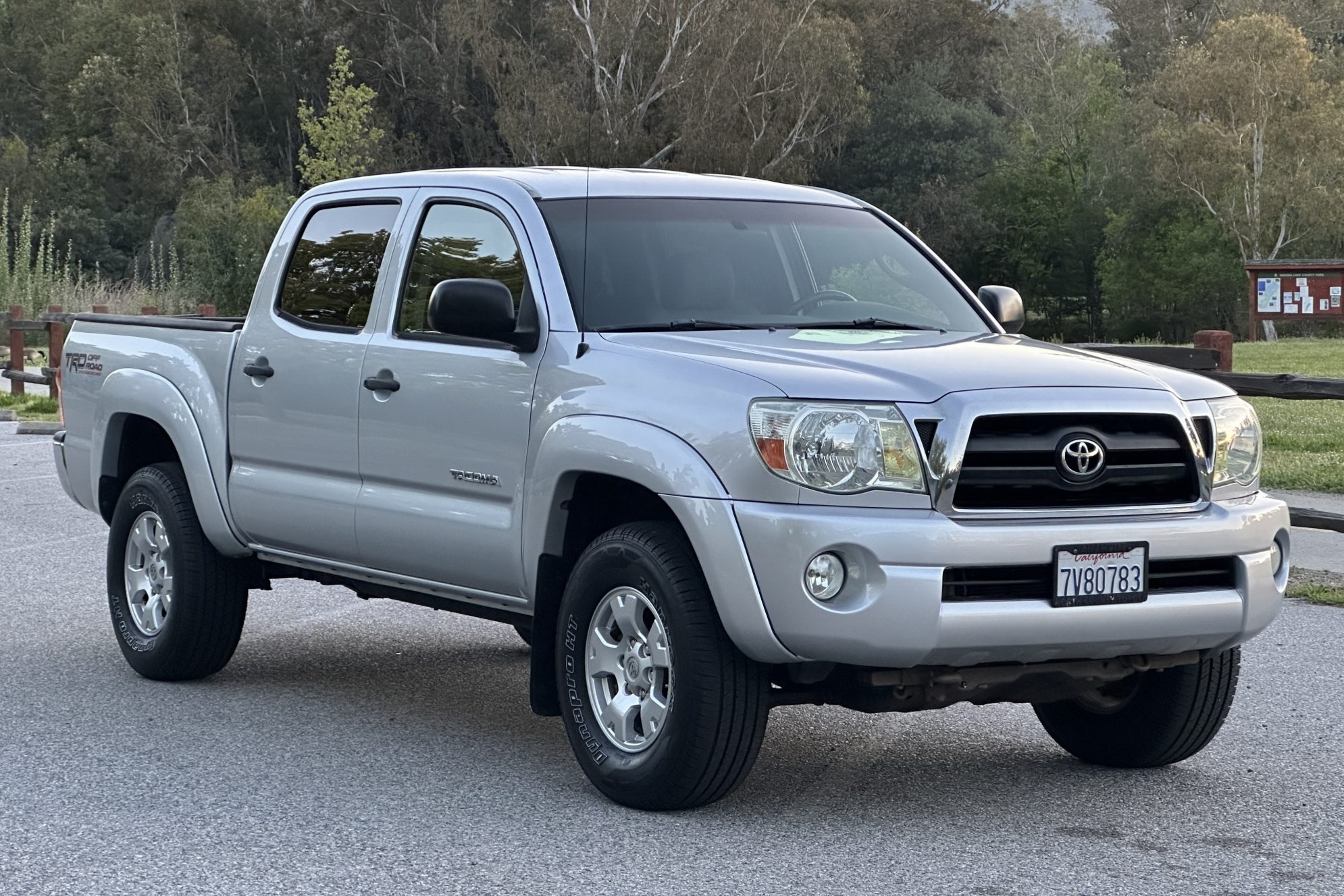
The Toyota Tacoma built its name on toughness. Rust is the one weak point critics keep raising. Frame corrosion has hurt its reputation. That is rare for a Toyota.
Early trucks suffered the most. Toyota ran recall campaigns for frame rust on older Tacomas. Owners say the problem later reached newer model years. They also say the response lagged behind the need.
The rust often starts inside the frame. Boxed sections trap moisture and salt. The metal rots from the inside out. By the time flakes appear outside, the damage is deep.
Owners describe frames that you can peel like an onion. Others find holes through the rails. Some trucks were failed by state inspectors. That can end a vehicle’s life overnight.
Toyota did respond in some cases. The company offered frame replacements on covered trucks. In certain cases it bought trucks back. Those were costly steps for the brand.
Yet many owners felt left out. Those with trucks outside the recall window were turned away. They were told the vehicle was out of warranty. Replacement cost fell on them.
The rust can also hurt other parts. Frame decay weakens mounting points and crossmembers. The spare tire carrier is one worry. A weak carrier can drop the tire onto the road.
Tacoma buyers should be careful. Look under the truck with a bright light. Probe the frame near the rear wheels. Ask for service records and recall history.
Toyota’s reputation makes the rust more shocking. Buyers expected 300,000 miles from these trucks. Many got a rotted frame first. Trust took a hit with loyal owners.
Collective action followed in some cases. Owners compared notes and shared photos. Many filed complaints with NHTSA. Some also contacted their state attorneys general. Group pressure often pushes a recall forward.
Mechanics now know to check Tacomas early. Many shops flag rust at routine oil changes. A quick look can catch trouble before it spreads. Early repair is cheaper than a full frame swap.
Prevention helps. Wax-based undercoatings slow the rot. Keep frame drain holes clear. Rinse the underside after every salty winter drive. These small steps can add years of life.
Many people still love these trucks. They hold value for good reason. But rust history matters. Treat it as a major checklist item. Check the rear leaf spring hangers and the area near the fuel tank. Rust often hides there.
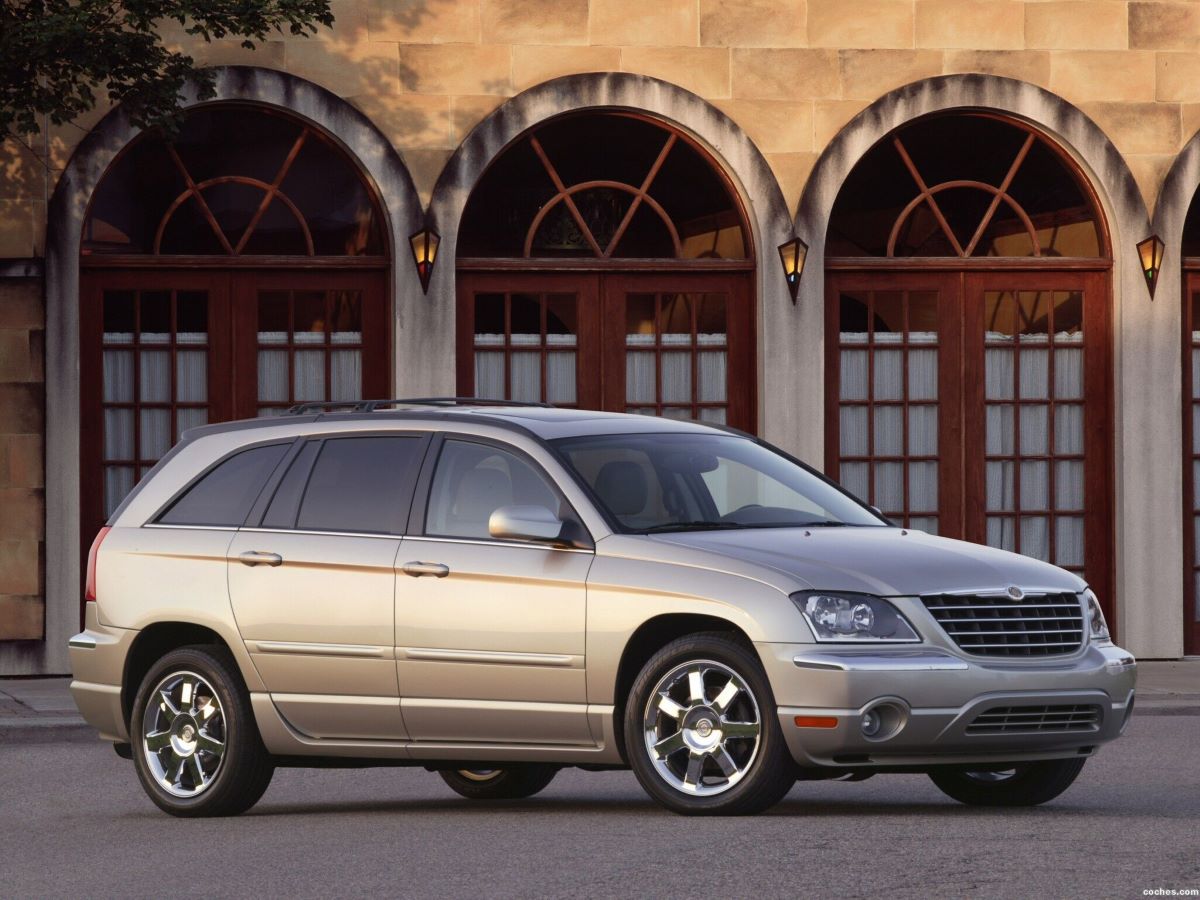
4. Chrysler Pacifica (2004 and 2005)
The first Pacifica was a bold crossover. Its rust problem was just as bold. The trouble sat below the engine. It was the engine cradle, also called the subframe.
NBC 5 Investigates first exposed the issue in Chicago. Scores of owners said the cradle was rotting. Mechanics warned some to stop driving. The danger seemed very real.
More than 360 complaints were lodged by owners. That is a lot for one vehicle. The pattern was clear to many people. The government did not agree. The repair was not cheap. It ran about $2,700. Most owners said Chrysler refused to pay. Many drivers faced a hard choice.
Chrysler did admit one defect. It said the coating on the cradle was too thin. But it limited the problem to about 7,000 vehicles. Those were built between February 23 and March 31, 2004.
NHTSA said it saw no pattern of a safety defect. It took no action. That decision angered safety advocates. A former agency head said rust is a safety defect.
She compared the case to the GM ignition switch scandal. She argued that waiting for deaths is a mistake. Her words carried weight. Still, the agency held its position. Owners were left to fight on their own. Some won partial help. Others paid in full. The case remains a lesson in how hard corrosion claims can be.
The Pacifica was also a fresh idea for Chrysler. It mixed minivan space with wagon style. Many buyers loved it. That is why the defect hurt so many families.
Engine cradle failure is no small thing. The cradle holds the engine and key suspension parts. If it breaks, steering can suffer. The vehicle may shift or drop. Drivers described a very scary feeling.
Chrysler called the thin coating a production issue. Only a short window of builds was affected, it said. Critics found that number too low. Owners with other builds also reported rot. They felt ignored.
Time did not help. Many cars aged out of warranty before the rust showed. Reports came late, often after years of salt exposure. That timing made claims harder to win.
If you are eyeing a used 2004 or 2005 Pacifica, inspect the cradle. Look for flaking, bubbling or soft metal. Check where the control arms attach. A rotted subframe can ruin the whole drive. Check for fluid leaks as well.
5. Toyota Sequoia
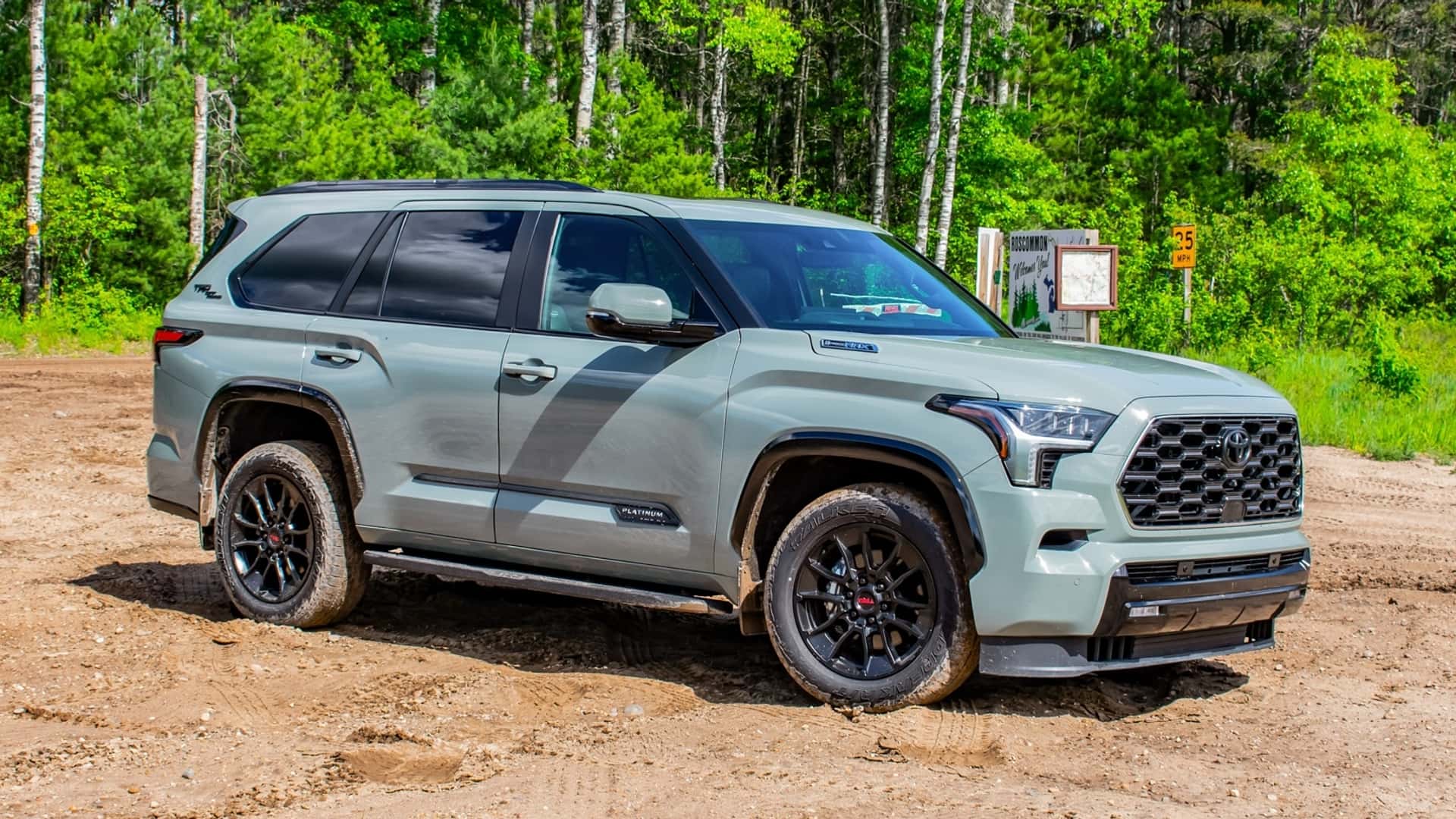
The Toyota Sequoia is a big, family-friendly SUV. It shares much with the Tundra. It also shares frame trouble. Owners have reported severe rust for years.
One 2005 owner described the frame as severely rusted. The complaint listed about 103,000 miles. That is not extreme use for a Toyota. Many of these SUVs run far longer.
Toyota had recalled older Sequoias for frame rust. That covered the 2001 to 2004 years. Tacomas were part of the same campaign. Owners of later Sequoias say they were left out.
The owner of that 2005 SUV wrote a pointed complaint. Tacomas of the same years got an extended recall. Sequoias did not. Toyota told her the repair was her cost.
Forum posters tell similar stories. Some say state inspectors condemned their vehicles. Others say the frame looked fine on top. Hidden rust inside the rails is the real danger.
Opinions differ on severity. Some owners see only surface rust. Their mechanics call it normal for the age. Others see thick scale that peels away. That split makes buying harder. You cannot judge by color alone. A frame can look black and still be weak. Another can look orange yet be solid.
Experts suggest a hammer test. Tap along the rails and listen. A dull thud or a hole is a warning. Solid metal rings clean. Owners also advise filing complaints. Report the problem to NHTSA. Report it to Toyota too. A paper trail helps if a recall is expanded.
The Sequoia’s size makes failures serious. It is heavy and often carries families. A weak frame can compromise handling. Towing adds more stress. A rotted frame under load is a real hazard.
Toyota’s frame woes were not limited to SUVs. The Tundra pickup faced its own recalls. Owners saw the same pattern across the brand. That pushed complaints into the spotlight.
Resale values show the effect. A clean frame adds big value. A rusty one can cut the price sharply. Some buyers walk away at the first sight of scale. Sellers should document their maintenance.
If you already own one, act now. Clean the frame every year. Apply a rust inhibitor to bare spots. Replace rotted brackets early. Small jobs can prevent big bills.
The Sequoia remains a strong SUV in many ways. But rust is its Achilles heel. Salt-belt examples need a deep inspection. Budget for undercoating from day one.
6. Hyundai Sonata (2006 to 2008)
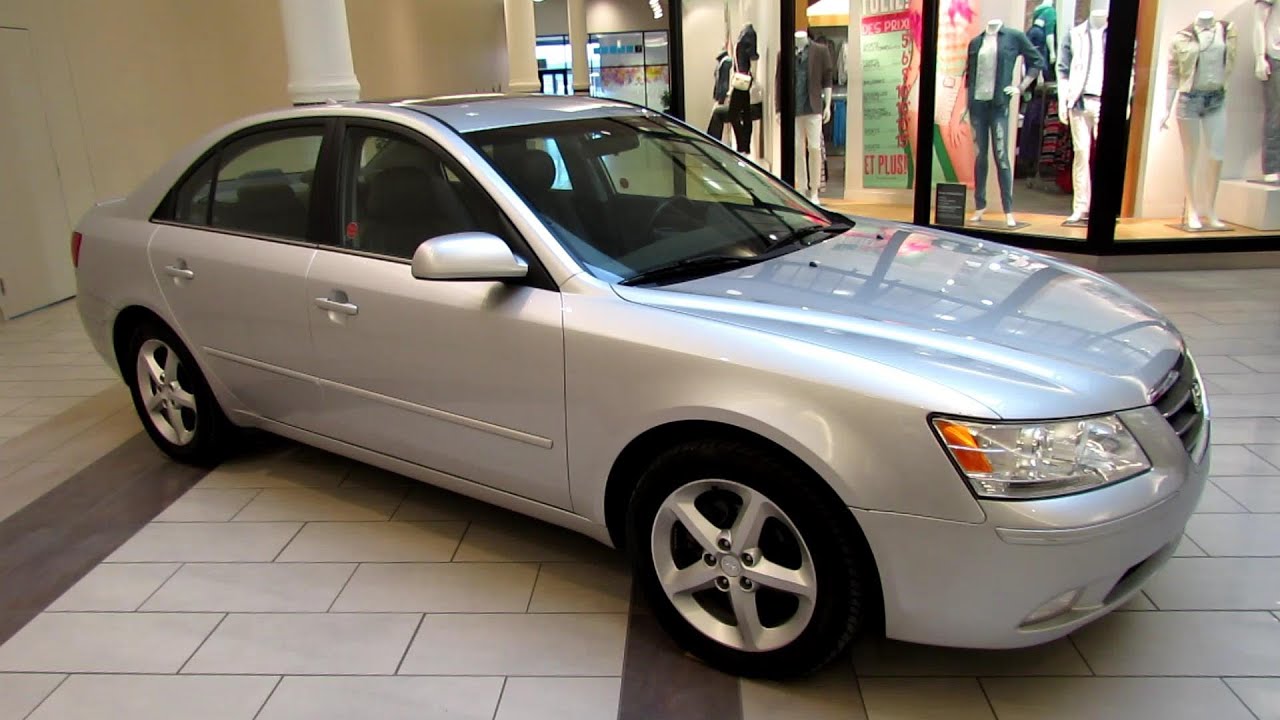
The Hyundai Sonata is a popular midsize sedan. Its rust issue looks different from a truck’s. The problem sat in the rear subframe. It created sudden suspension failures.
NHTSA opened a preliminary investigation on 393,000 Sonatas. It covered the 2006 to 2008 model years. The probe began after six complaints. Each one described a rear suspension control arm failing. Rust on the subframe was the cause. It weakened the mounting points. Eventually the arm pulled loose. The car could lose stability suddenly.
Three of those failures happened at highway speeds. That detail alarmed investigators. Two complaints said the stability control system activated. The car simply no longer behaved.
Six complaints sounds small. But the sedan population was large. Agencies often open probes early to catch patterns. That is why the number of vehicles matters.
Owner comments online paint a wider picture. One 2006 owner said the underside showed extensive rust. Others agree that salt-belt cars suffer most. Cars from warm states look far better.
Hyundai worked with the agency during the review. Later years brought improved coatings and designs. Newer Sonatas have not drawn the same attention. Still, the older cars remain on the road.
If you own one, check the rear subframe each fall. Look at the control arm mounting areas. Spray the underside after winter. Fix any flaking early before it spreads.
Hyundai was still building its reputation in those years. Reliability had improved fast. The company offered a long warranty. Yet rust is rarely covered by powertrain terms. Corrosion coverage has limits.
Subframe rust is hard to spot. It hides behind covers and brackets. You need a lift to see it well. Most owners never look. They find out only when something fails.
Control arm failure is dangerous. The rear wheel can shift and change alignment. Handling becomes unpredictable. At highway speed that is scary. Drivers described sudden wobble and noise.
Sedans are rarely thought of as rust risks. People focus on trucks. But unibody cars rely on subframes too. Salt hits them the same way. That is why this probe mattered.
If you plan to buy one, be careful. Ask for a lift inspection. Pay a mechanic to examine the subframe. Cheap sedans can become expensive problems. Look for recalls and service bulletins before buying. Ask the seller about past repairs. Walk away from any car with flaking mounts.
7. Nissan Pathfinder
The Nissan Pathfinder is a rugged older SUV. It has a loyal following. Its rust record is a fair bit rougher. Frame corrosion is the central complaint. Owners of 1990s models have reported severe damage.
One 1997 complaint described extensive rust on the frame. The suspension was collapsing into the chassis. The average mileage on that complaint was around 74,000.
The owner called the coating inadequate. He said similar vehicles from other brands held up better. His mechanics agreed. They called the truck poorly protected.
One detail stood out. The left front strut tower had broken off. It pushed up toward the hood. That is a dramatic failure. Nissan did run a rust-related recall. But the owner said it covered only part of the issue. More damage existed outside the recall scope. That frustrates many owners.

The danger is clear. A weakened frame can let axles or suspension parts shift. At speed, that could be catastrophic. Few SUVs of this type are built to tolerate it.
Salt-belt vehicles were hit hardest. Road salt eats uncoated steel quickly. Moisture then gets trapped in boxed sections. The damage grows unseen.
If you want a classic Pathfinder, do your homework. Climb under the vehicle with a strong light. Probe the frame near the suspension mounts. Look at the strut towers and crossmembers.
Nissan’s trucks of this era used steel frames with weak coatings. The brand later improved its processes. Yet older units still suffer. Many have been scrapped. The survivors need close attention.
Parts availability is another issue. Used frames can be hard to find. New frames are costly. Welded repairs may not meet safety standards. Owners often struggle to find reliable fixes.
Off-road use adds trouble. Mud and water hide in crevices. Owners who go off-road should wash the vehicle thoroughly. Dry the underside and spray a protectant. That routine slows decay.
The Pathfinder remains a fan favorite. Its boxy shape and trail ability win hearts. But love should not blind buyers. Rust shows no mercy to nostalgia.