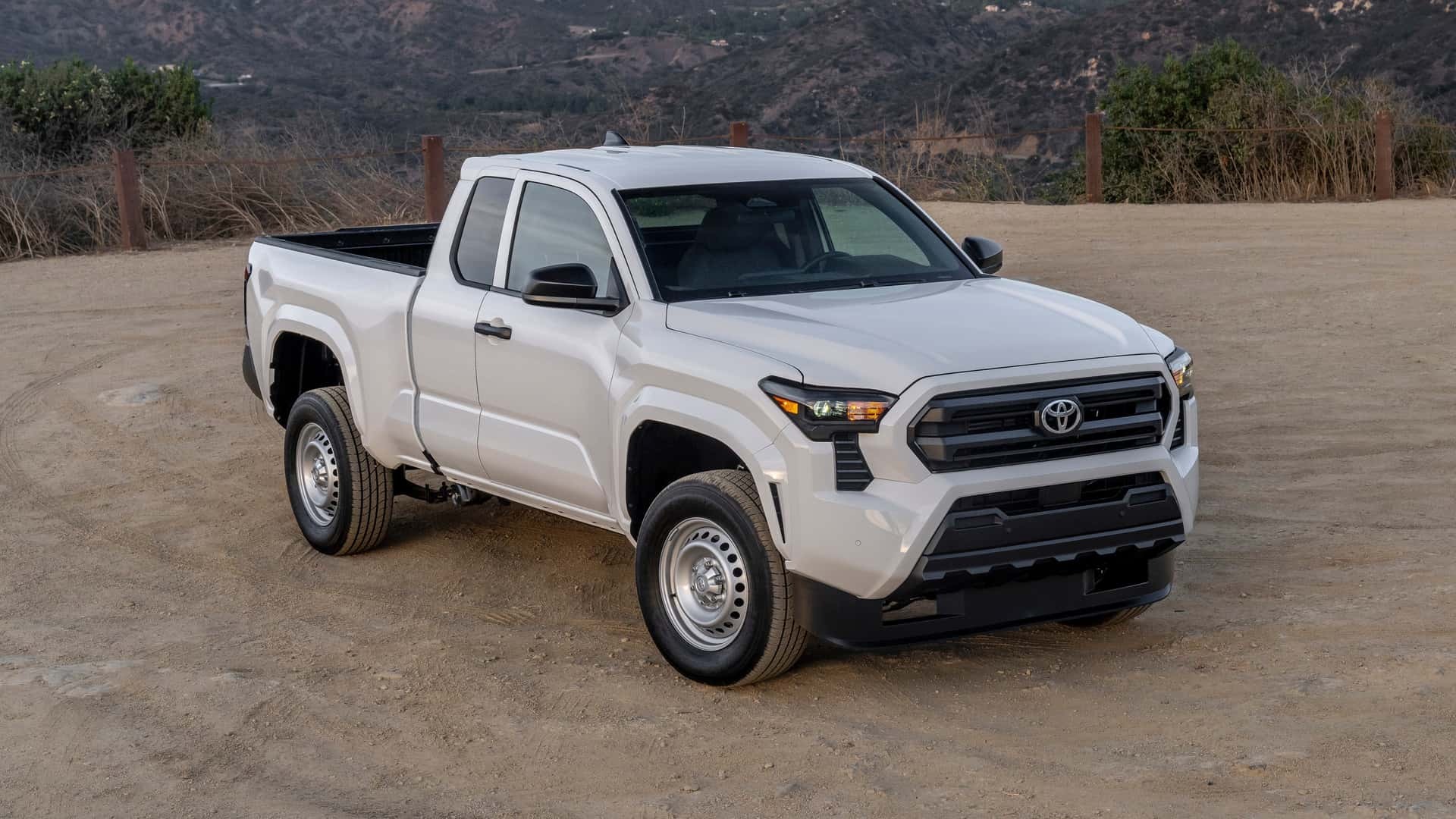
Buying a vehicle that lasts for decades sounds like a dream, especially when repair bills and replacement costs keep rising. Yet some Toyota owners have driven their vehicles beyond 400,000 miles, proving that a well-built car or truck can remain useful long after many vehicles have been retired.
From dependable family sedans to rugged pickup trucks and full-size SUVs, Toyota has earned a reputation for building vehicles that reward careful ownership.
The secret is not magic or maintenance-free engineering. Durable engines, sensible mechanical designs, and consistent servicing all play important roles. If you want a vehicle with the potential to deliver hundreds of thousands of miles, these ten Toyotas deserve your attention. Here is what makes each model a strong candidate for a long and productive service life.
1. Toyota Tundra
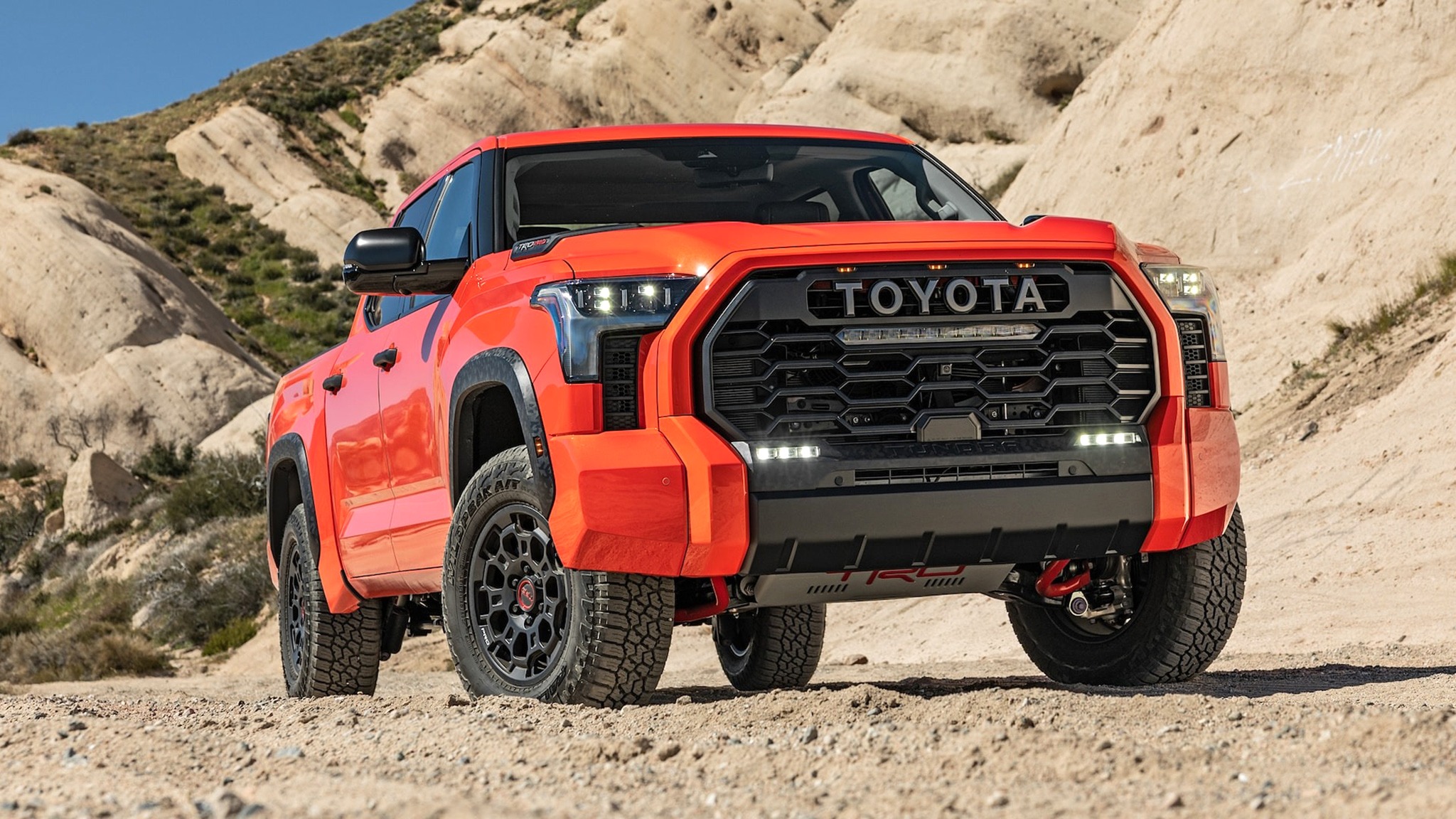
A pickup truck should handle demanding jobs without becoming a constant source of expensive repairs. The Toyota Tundra has earned a strong reputation among drivers who depend on their trucks for towing, hauling, commuting, and recreational travel.
With proper maintenance, some Tundras have continued running beyond 400,000 miles.
Older generations featured naturally aspirated V8 engines valued for their dependable performance and straightforward mechanical design.
These engines deliver useful power without turbochargers, but they still require regular oil changes, proper cooling, and timely inspections.
The Tundra’s body-on-frame construction provides a sturdy foundation for carrying loads and towing within its rated limits. However, frame corrosion, worn suspension components, and neglected fluids can shorten its service life.
Reaching 400,000 miles is never guaranteed. Driving habits, climate, workload, and maintenance history all affect longevity. A truck used mainly for highway commuting may experience less mechanical stress than one regularly hauling heavy loads.
Before purchasing a used Tundra, review its service records and inspect the engine, transmission, cooling system, suspension, and frame. Check for rust, fluid leaks, and evidence of delayed repairs.
A well-maintained Tundra with high mileage can offer years of useful service. For buyers who prioritize durability, practical capability, and long-term ownership, this Toyota pickup deserves serious consideration.
2. Toyota Sequoia
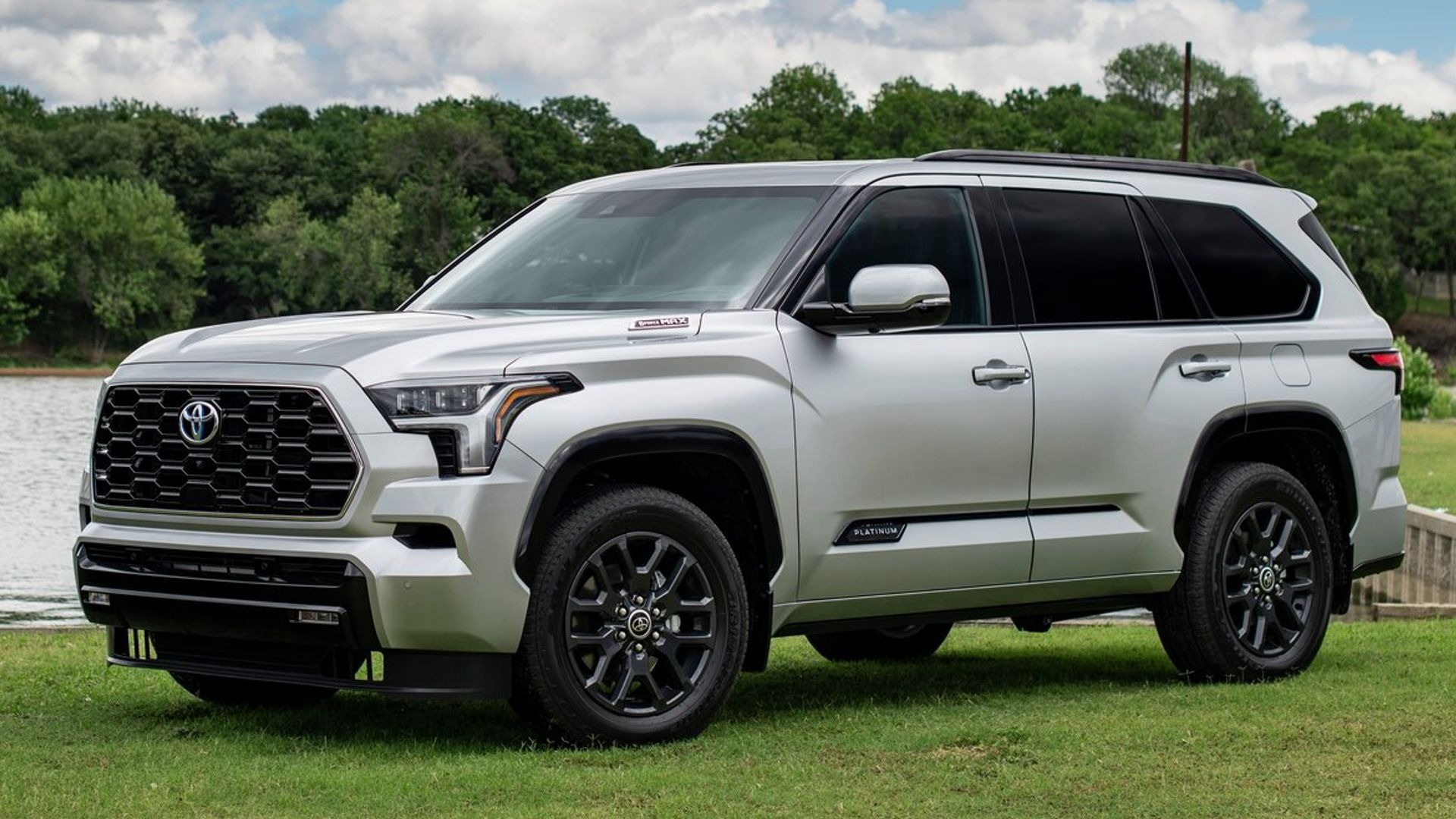
The Toyota Sequoia combines family-friendly space with the sturdy construction of a full-size SUV. Its generous seating, substantial cargo capacity, and comfortable ride make it suitable for daily errands, road trips, and busy family schedules.
Older Sequoia models share much of their engineering with the Toyota Tundra. Early versions featured a 4.7-liter V8, while later models offered a 5.7-liter V8.
Both engines can deliver long service when maintained according to the manufacturer’s recommendations.
The 4.7-liter V8 earned particular praise for durability. However, buyers should verify timing belt replacement, water pump condition, cooling system maintenance, and any history of oil leaks.
A Sequoia with 400,000 miles deserves a thorough mechanical inspection. Check the transmission, steering, suspension bushings, wheel bearings, brakes, and underbody for corrosion. Interior wear can also reveal how heavily the vehicle has been used.
Fuel consumption requires careful consideration because older V8 Sequoias generally use more gasoline than smaller SUVs. Maintenance and repair costs should also factor into the purchase decision.
Despite these considerations, a well-maintained Sequoia offers a useful combination of passenger comfort, cargo space, and rugged construction.
Buyers who find an example with reliable service records and a healthy drivetrain may enjoy years of additional use, even with substantial mileage already on the odometer.
3. Toyota 4Runner
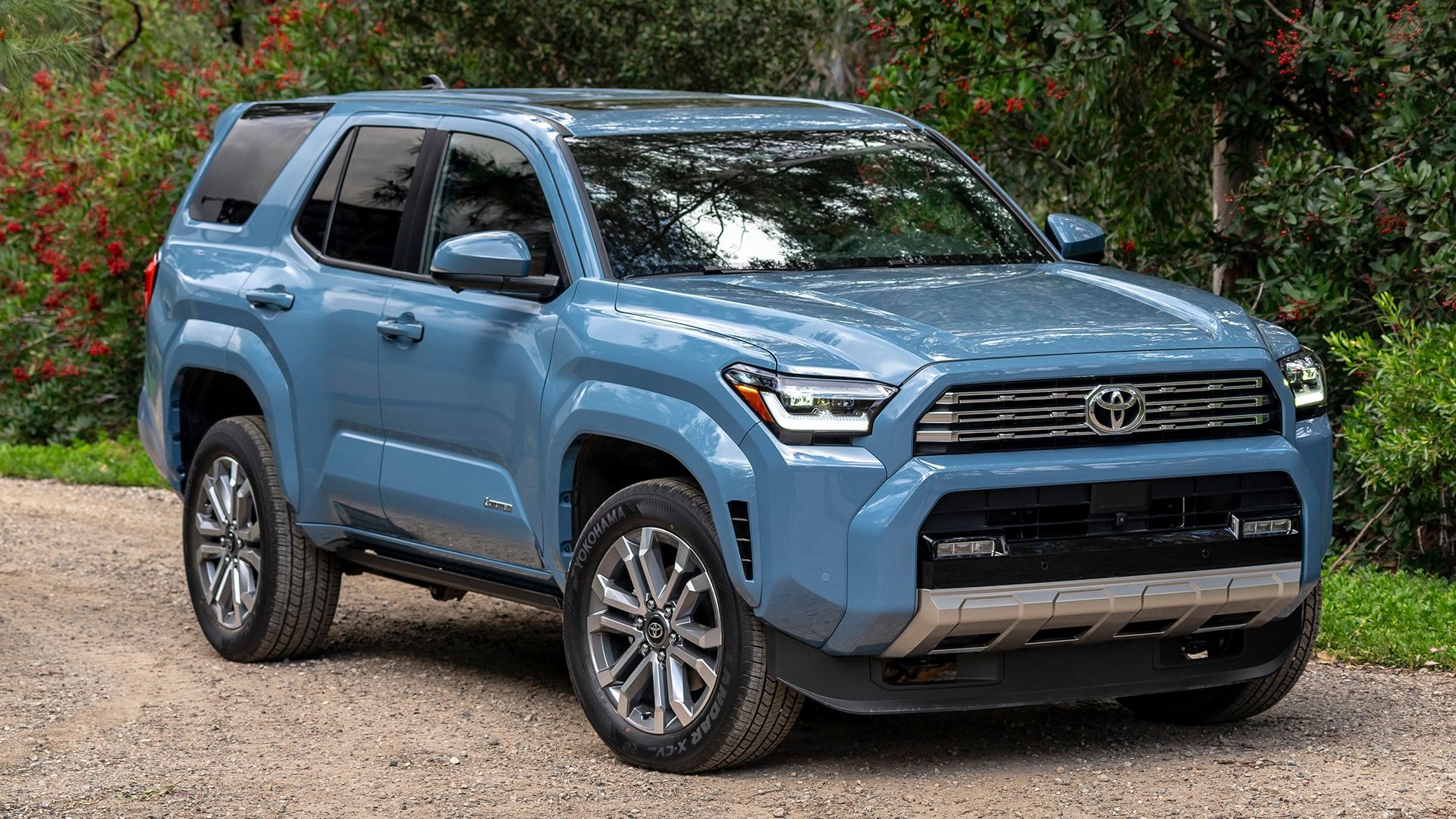
The Toyota 4Runner has earned its reputation through sturdy construction, practical design, and impressive off-road capability. Drivers who need an SUV for outdoor adventures, rough roads, and everyday transportation often appreciate its traditional engineering.
Unlike many crossover SUVs, the 4Runner uses body-on-frame construction. This truck-based design provides a strong foundation for demanding driving conditions and certain towing duties.
Depending on the generation, buyers can find naturally aspirated four-cylinder or V6 engines. Several later models feature a 4.0-liter V6 that delivers useful power without forced induction.
However, engine specifications and maintenance requirements vary by model year, so researching the specific vehicle is essential.
Some well-maintained 4Runners have reportedly reached 400,000 to 500,000 miles. These examples demonstrate the model’s potential rather than guarantee a particular lifespan.
Regular oil changes, appropriate fluid servicing, cooling system inspections, and prompt repairs remain essential. Rust deserves special attention when buying an older 4Runner.
Inspect the frame, suspension mounting points, brake lines, and underbody. Severe structural corrosion can make an otherwise attractive vehicle an expensive purchase.
Older models may also lack modern safety technology, so buyers should compare available features before making a decision.
For drivers seeking a durable SUV with practical cargo space and off-road ability, the 4Runner remains a compelling option.
A high-mileage example with a sound frame, documented maintenance, and a healthy drivetrain may provide years of dependable transportation.
4. Toyota Tacoma
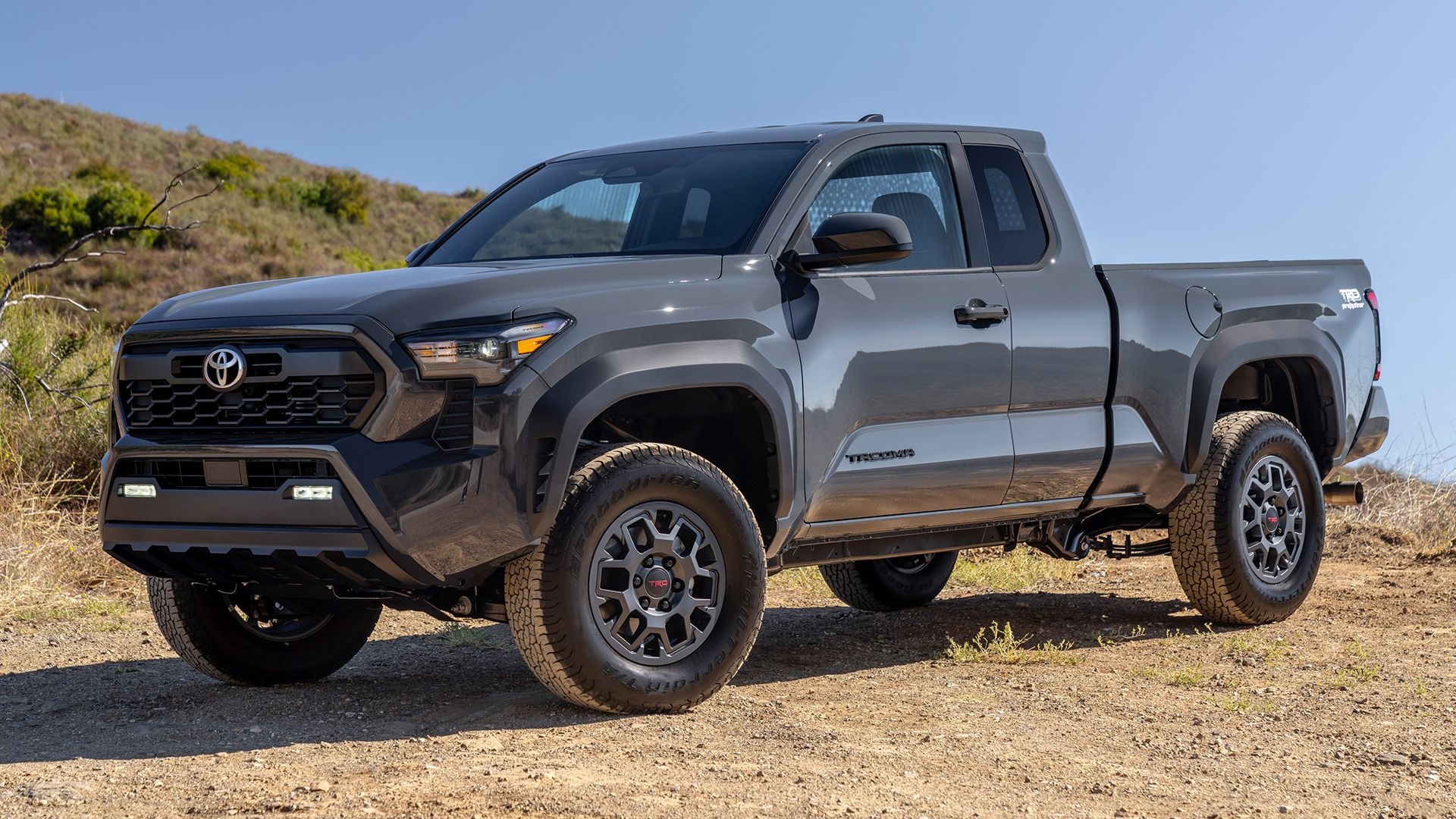
If longevity wore a badge, it would probably say Tacoma. Some individual units have cleared 1.5 million miles, a figure so large it sounds invented.
Yet the stories keep appearing, powered by durable four-cylinder and V6 engines that seem happy to run forever.
Why do these midsize pickups last so long? Toyota designed the Tacoma around practical work. The frame is stout, the drivetrain is proven, and the electronics stay refreshingly modest in older versions.
Owners carry lumber, haul trailers, and rattle down gravel roads with little drama. Parts are widely available, and mechanics understand the truck inside and out, so repairs rarely turn into mysteries.
Be honest about the weak spots, though. Frame rust became a serious issue on certain earlier model years, and Toyota even ran replacement programs for affected trucks.
Before buying any used Tacoma, slide underneath with a flashlight and inspect the frame rails, crossmembers, and spring hangers. A solid frame matters more than a tidy interior.
Beyond that, follow a simple routine. Change the oil, service the transmission, check the timing components on older engines, and replace worn brake parts before they cause trouble.
Keep the truck washed in winter, especially underneath, to fight corrosion. Do those things, and a Tacoma can easily become the vehicle your kids learn to drive, and your neighbors envy.
Prices on clean examples run high, yet the long road ahead makes the cost easier to swallow, and the resale value remains strong.
5. Toyota Highlander Hybrid
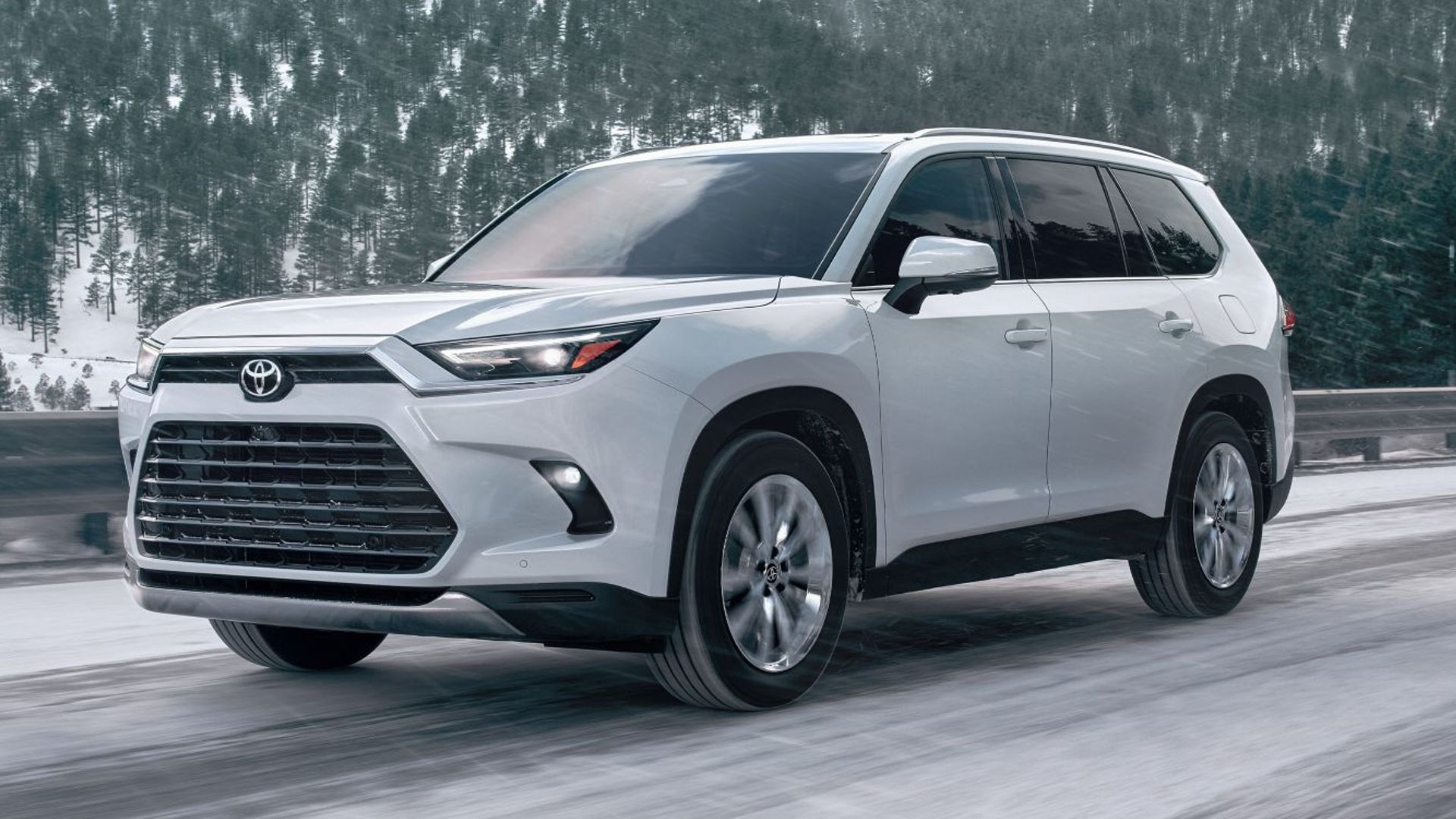
Hybrids once carried a reputation for fragile batteries and expensive surprises. The Highlander Hybrid quietly broke that stereotype.
Frequently ranked among the highest-probability hybrid vehicles to last past 400,000 kilometers and beyond, it proves that electric assistance and long life can go together.
The secret sits in how Toyota designed its hybrid system. Instead of leaning hard on a large battery pack, the system shares work between a gas engine and electric motors, which reduces strain on every component.
The gas engine avoids many of the hard starts and stops that wear out conventional engines. Regenerative braking also spares the brake pads, so they last far longer than they would on a typical SUV.
Ownership still needs attention. Change the oil, service the coolant for both the engine and the inverter, and keep the hybrid battery cooling vents clean, since dust and pet hair can restrict airflow.
Have a technician check the battery health when buying a used example, because some packs age differently depending on climate and driving habits.
Replacement costs have dropped over the years, and many shops now offer reconditioned packs at fair prices. Families love the roomy cabin, the smooth ride, and the strong fuel economy for a three-row vehicle.
You get comfort, space, and lower gas bills all at once. Save money at the pump, avoid frequent repairs, and keep the vehicle for a decade or more.
6. Toyota Land Cruiser
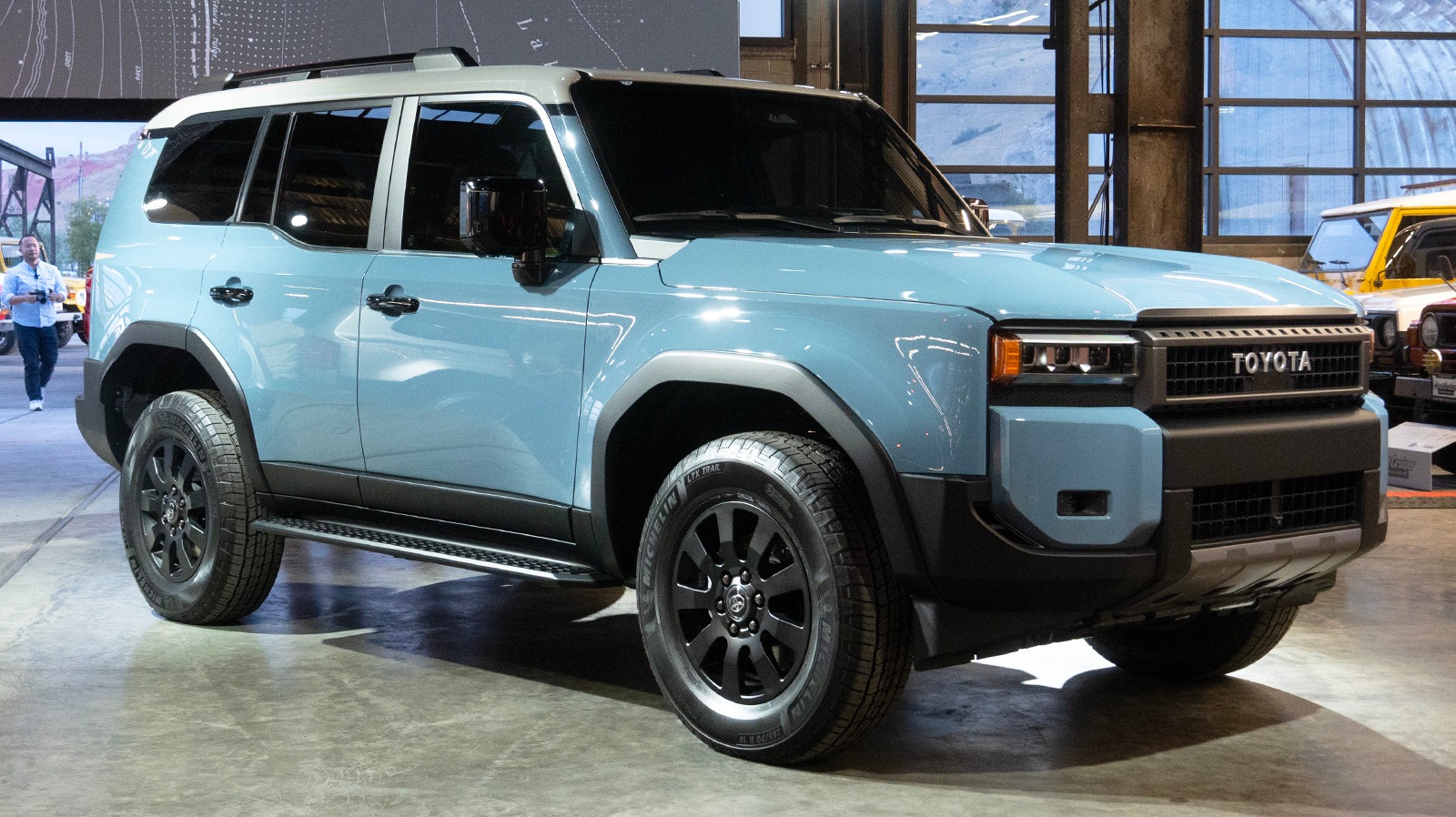
Few vehicles carry the global reputation of the Land Cruiser. From remote deserts to icy mountain passes, this machine has worked in places where breakdowns can mean real danger.
The 80-series and the V8 200-series models regularly surpass 400,000 miles, even under harsh conditions that would destroy lesser vehicles.
Toyota engineered the Land Cruiser for expeditions, not shopping malls. Solid axles, thick frames, and engines tuned for reliability over raw speed give it staying power.
Aid workers, farmers, and explorers rely on it because replacing a broken vehicle in the middle of nowhere is not an option. That mindset shaped every bolt.
Of course, owning one carries a price. Used Land Cruisers cost plenty, and parts can run higher than those for a Camry. Yet the vehicle rewards patient owners.
Keep up with fluids, inspect the suspension components, and watch for rust along the rocker panels and underbody.
On the 80-series, check the head gasket and the cooling system, since those areas deserve attention as the years pile up.
Plenty of owners treat the vehicle like a family heirloom, passing it down once the original driver tires of long trips. Resale values remain remarkably high, so the purchase feels more like an investment than an expense.
Handle it with care, and a Land Cruiser will probably outlive your mortgage, your favorite hobby, and maybe your commute.
7. Toyota Camry
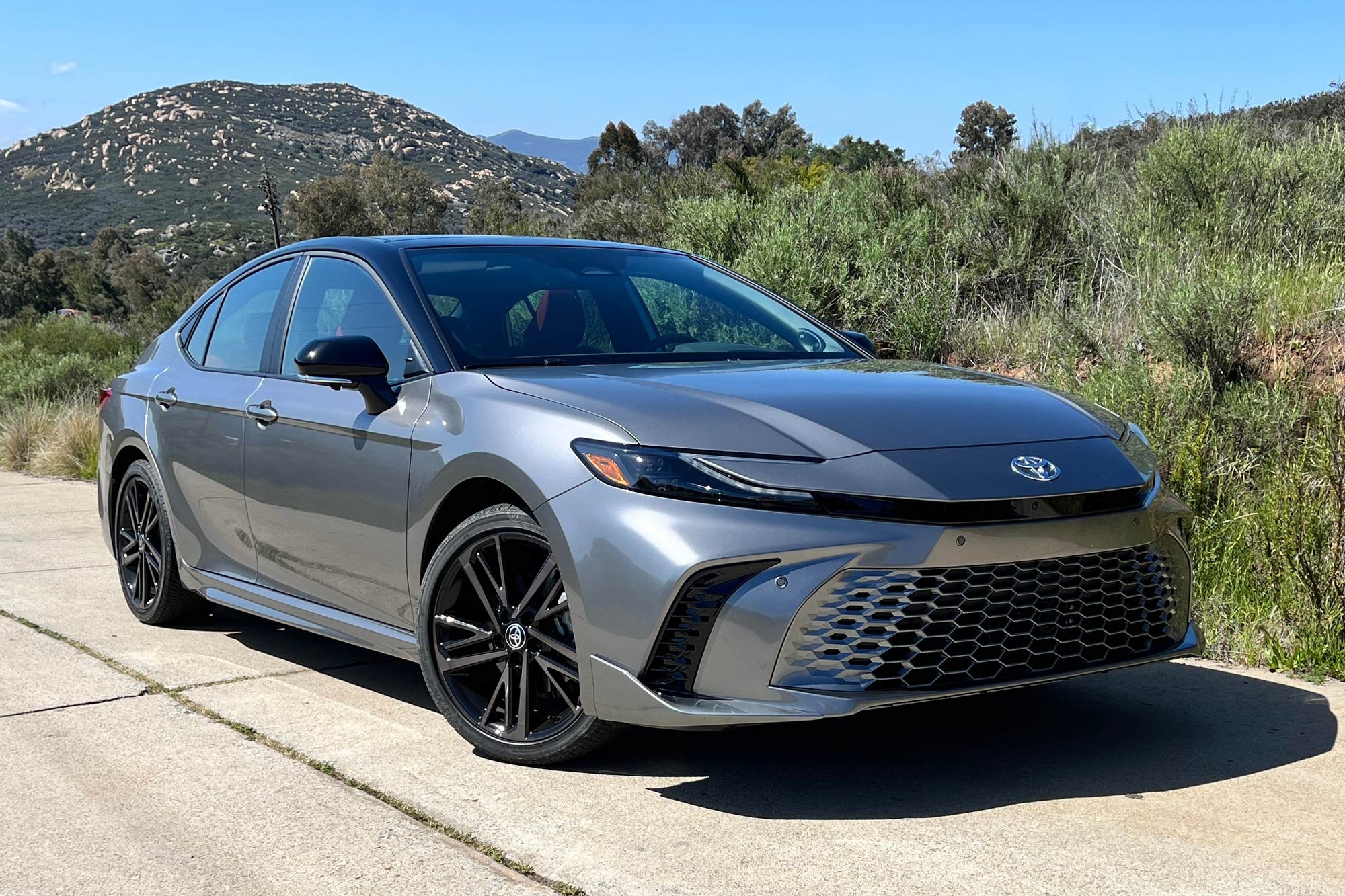
Here is the car everyone expects on a list like this, and it delivers. Late-1990s and 2000s Camrys, especially those with the 2.2L or 2.4L engines, are daily drivers commonly seen pushing past 400,000 miles. They are not glamorous. They are not fast. They just keep going.
Think about who drives them. Commuters, rideshare drivers, retirees, and college students rely on these sedans because they start every morning without fuss.
Toyota built the Camry for comfort and consistency, with soft seats, quiet cabins, and engines that run happily without drama. Parts cost little, and almost every mechanic has fixed one before.
That ease of ownership lowers your total cost dramatically. A used Camry might sell for a few thousand dollars, then cost very little to insure and maintain. Skip the temptation to ignore routine care, though.
Change the oil regularly, replace the timing belt on engines that use one, and keep the coolant fresh. Some 2.4L engines from the early 2000s burned oil as they aged, so check the dipstick often and watch for any smoke from the tailpipe.
Test drive any candidate carefully. Listen for engine knocks, feel for smooth gear changes, and inspect the suspension for worn bushings.
If you find a clean, well-maintained example, you may discover the best transportation bargain on the market. Boring never looked so smart.
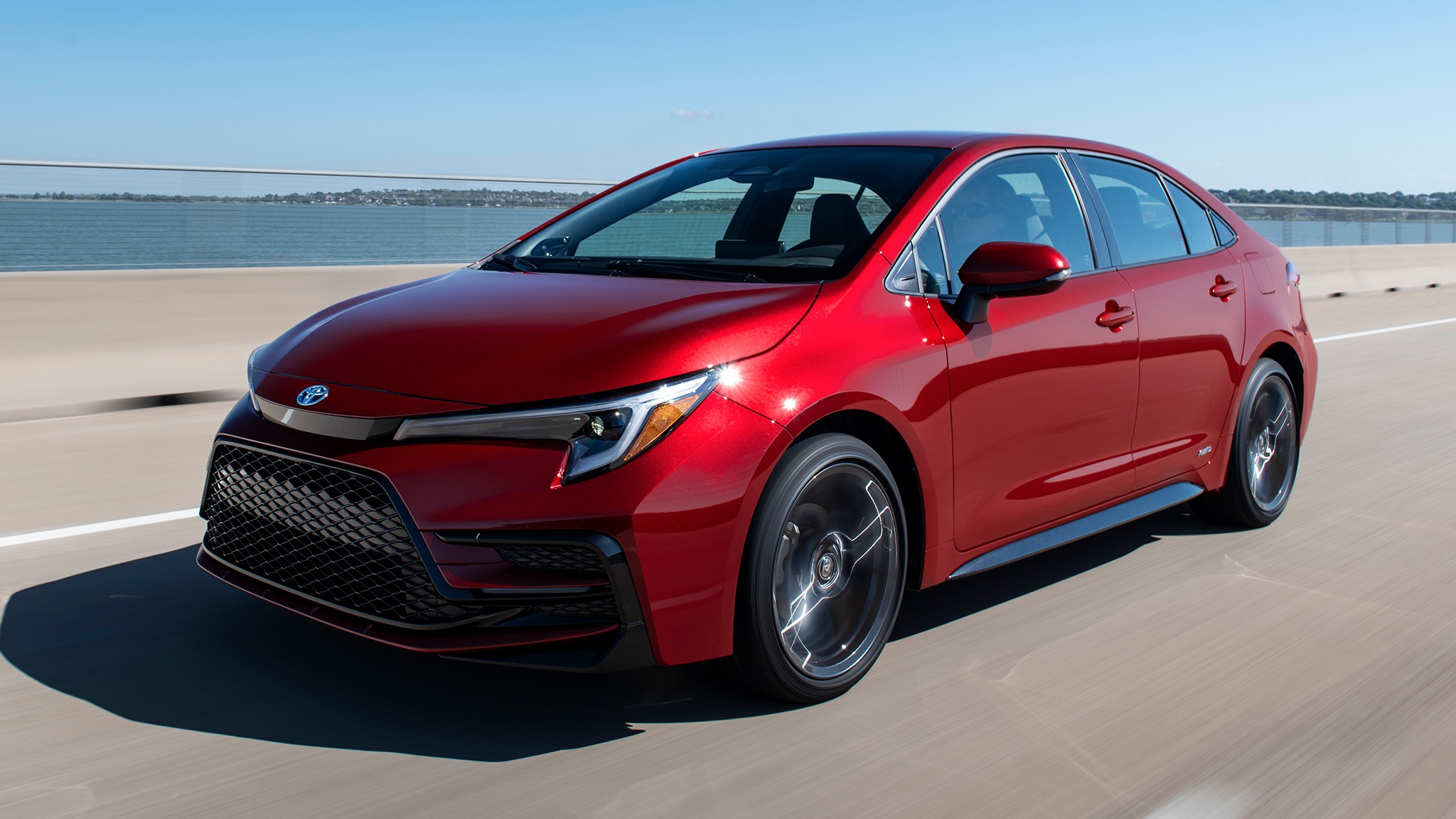
8. Toyota Corolla
Affordable transportation becomes even more valuable when a vehicle continues serving its owner long after its original purchase.
The Toyota Corolla has built a strong reputation for economical operation, practical dimensions, and dependable everyday performance.
Late-1990s and 2000s Corolla models are particularly attractive to used-car shoppers who appreciate simpler mechanical systems.
Many versions used naturally aspirated four-cylinder engines, including 1.8-liter units that became popular for their balance of efficiency and useful performance.
Reports of Corollas reaching 400,000 to 600,000 miles demonstrate what careful ownership can achieve in exceptional cases. Such mileage is not guaranteed, and a car’s condition depends on more than its engine design.
Frequent short trips, neglected maintenance, severe corrosion, and repeated overheating can all reduce its useful lifespan. Regular oil changes are essential, but they are only one part of responsible ownership.
Drivers should follow the manufacturer’s maintenance schedule for coolant, spark plugs, transmission servicing, filters, belts, and other components.
Prompt attention to leaks and unusual noises can prevent smaller faults from becoming expensive repairs. When shopping for an older Corolla, inspect the engine for oil leaks and excessive smoke.
Check the transmission for smooth operation, examine the suspension for worn components, and look underneath for corrosion. A pre-purchase inspection can reveal problems hidden by fresh paint or a recently cleaned engine bay.
The Corolla’s compact size makes it easy to park and maneuver in crowded streets. Its modest fuel requirements and practical cabin also suit students, commuters, and households seeking a second car.
Older versions may lack modern driver assistance systems, so buyers should consider safety equipment as well as mechanical condition.
Replacement parts are widely available in many markets, and many independent repair shops are familiar with the model. This can make routine ownership less intimidating.
A well-maintained Corolla with substantial mileage can still provide useful transportation. Choosing one with documented service, a healthy engine, and a sound body is a better strategy than simply chasing the lowest asking price.
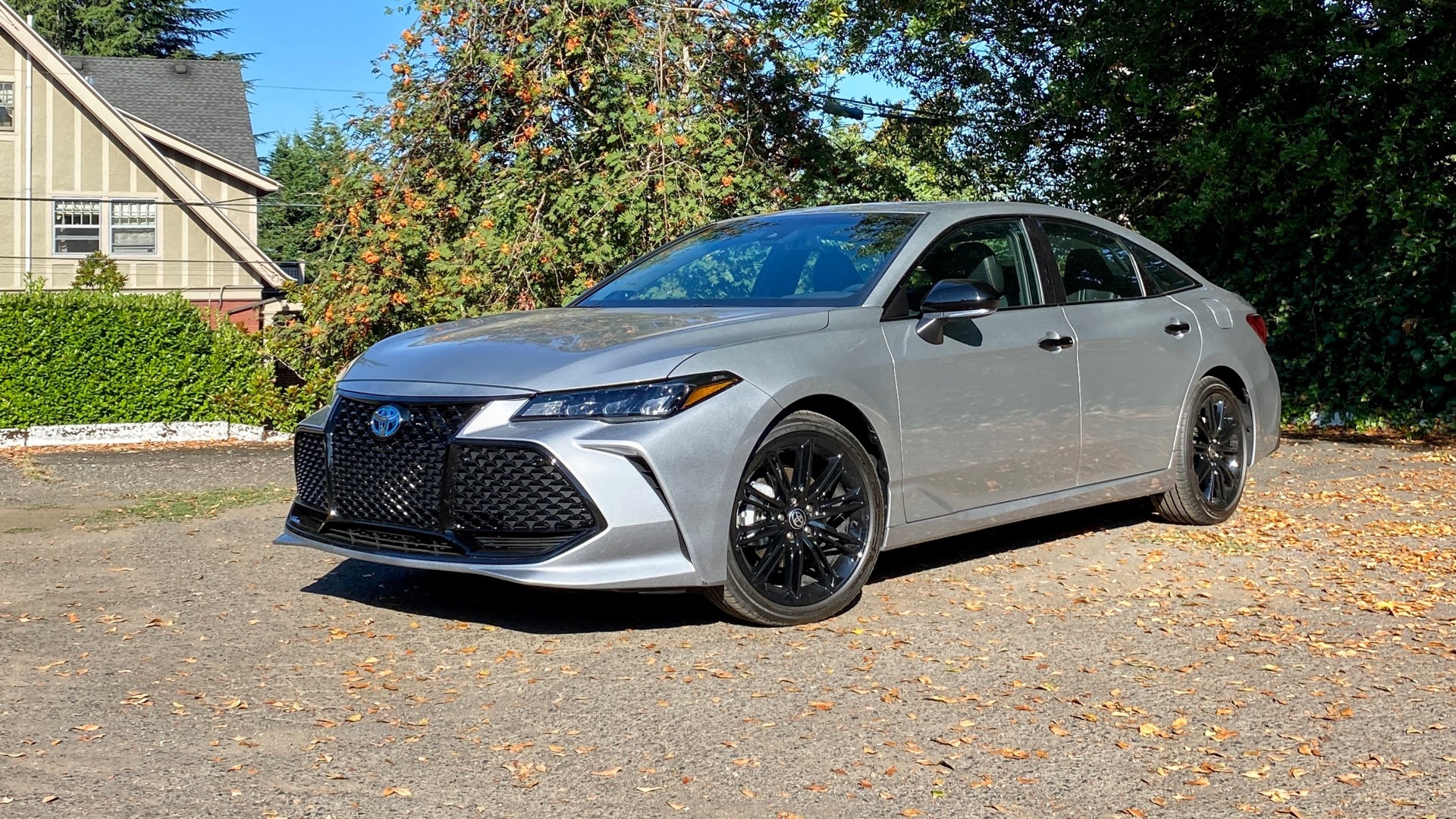
9. Toyota Avalon
The Avalon rarely grabs headlines, which is part of its charm. Early 2000s models equipped with the 3.0L V6, known as the 1MZ-FE, are widely documented by owners on enthusiast platforms hitting 400,000 miles. That is a lot of highway behind a big, comfortable sedan.
Imagine the profile of a typical Avalon owner. Often older, careful, and fond of smooth rides, they treat their cars gently and follow the maintenance schedule.
That habit helps explain the long lifespan. The V6 delivers strong, quiet power without strain, and the cabin feels more like a living room than a car interior. Road trips feel easy.
Keep a few things in mind when shopping. The 1MZ-FE has a timing belt that needs replacement at regular intervals, usually around 90,000 miles.
Skip that service, and you risk serious engine damage. Some versions also developed oil sludge when owners neglected oil changes, so ask for records. Check the suspension, the power windows, and the air conditioning as well.
Prices on used Avalons often seem surprisingly low compared with how well they last. Many buyers overlook them in favor of crossovers, which creates a bargain for informed shoppers.
You get leather seats, a smooth engine, and a trunk big enough for a vacation, all wrapped in a package that can keep going for years. Value like that deserves more attention.
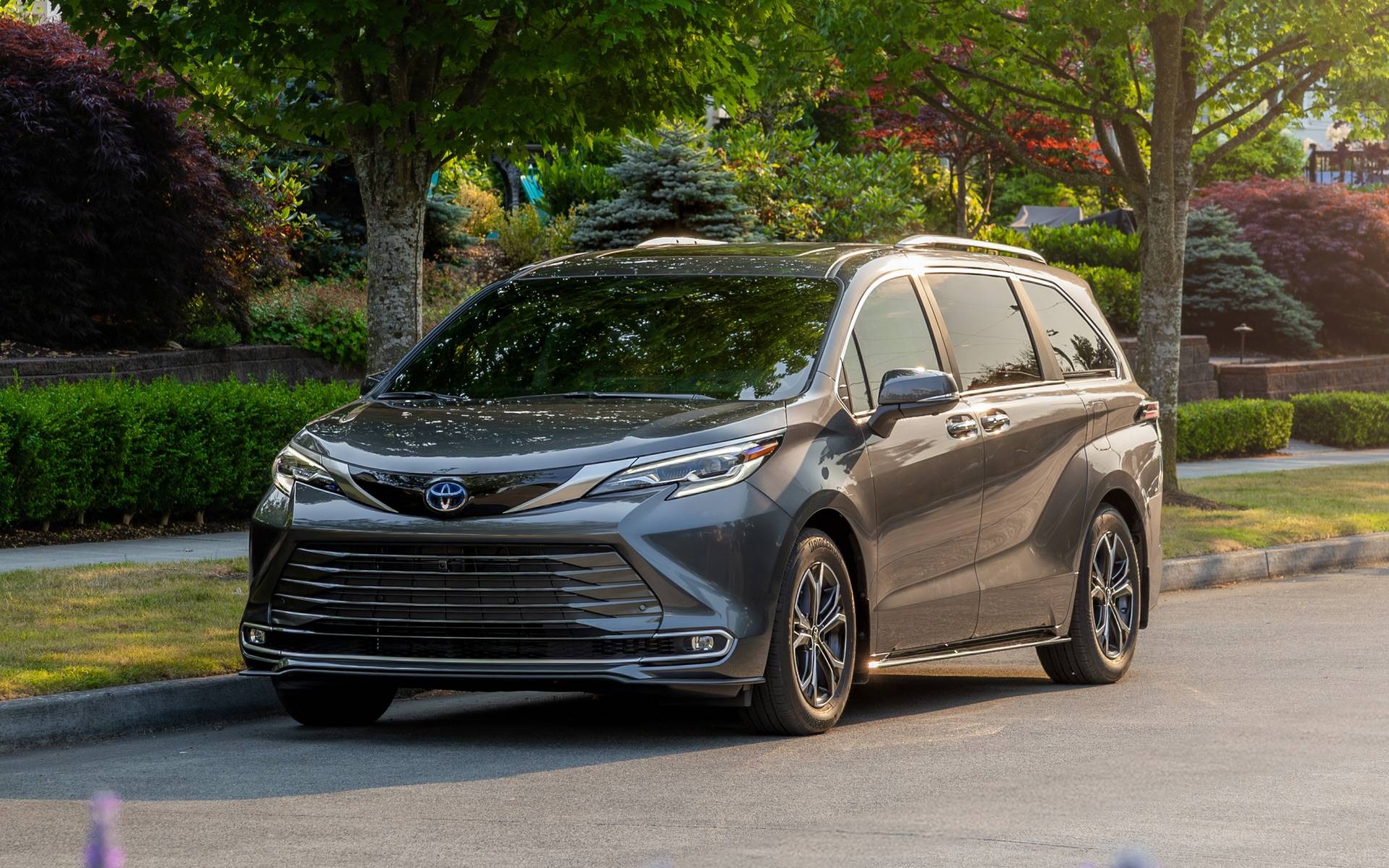
10. Toyota Sienna
Minivans do not win beauty contests, but they win everything else. Second-generation Siennas built from 2004 to 2010 earn praise for durable build quality that holds up past 400,000 miles.
Parents, church groups, and small businesses have leaned on them for years. The recipe works because Toyota focused on practical details.
Sliding doors glide, seats fold flat, and the V6 engine provides smooth power for highways and hills alike. Hauling kids to school, then hauling plywood on Saturday, feels natural. Few vehicles adapt so easily to changing family needs.
Maintenance matters, just as it does with any long-lived vehicle. Change the oil on time, service the transmission, and replace the timing belt when due on engines that use one.
Watch for oil leaks around the valve covers as the miles add up, and inspect the power sliding doors, since those mechanisms can wear out and cost real money to repair. Replace worn suspension parts promptly to keep the ride comfortable.
If you want a family vehicle that survives crayons, juice spills, and endless school runs, this van deserves a close look. Prices on used examples stay reasonable, and the interior space beats nearly any SUV.
A well-cared-for Sienna can carry one family through every stage, from car seats to college road trips. That long service life turns an ordinary purchase into a smart financial decision.