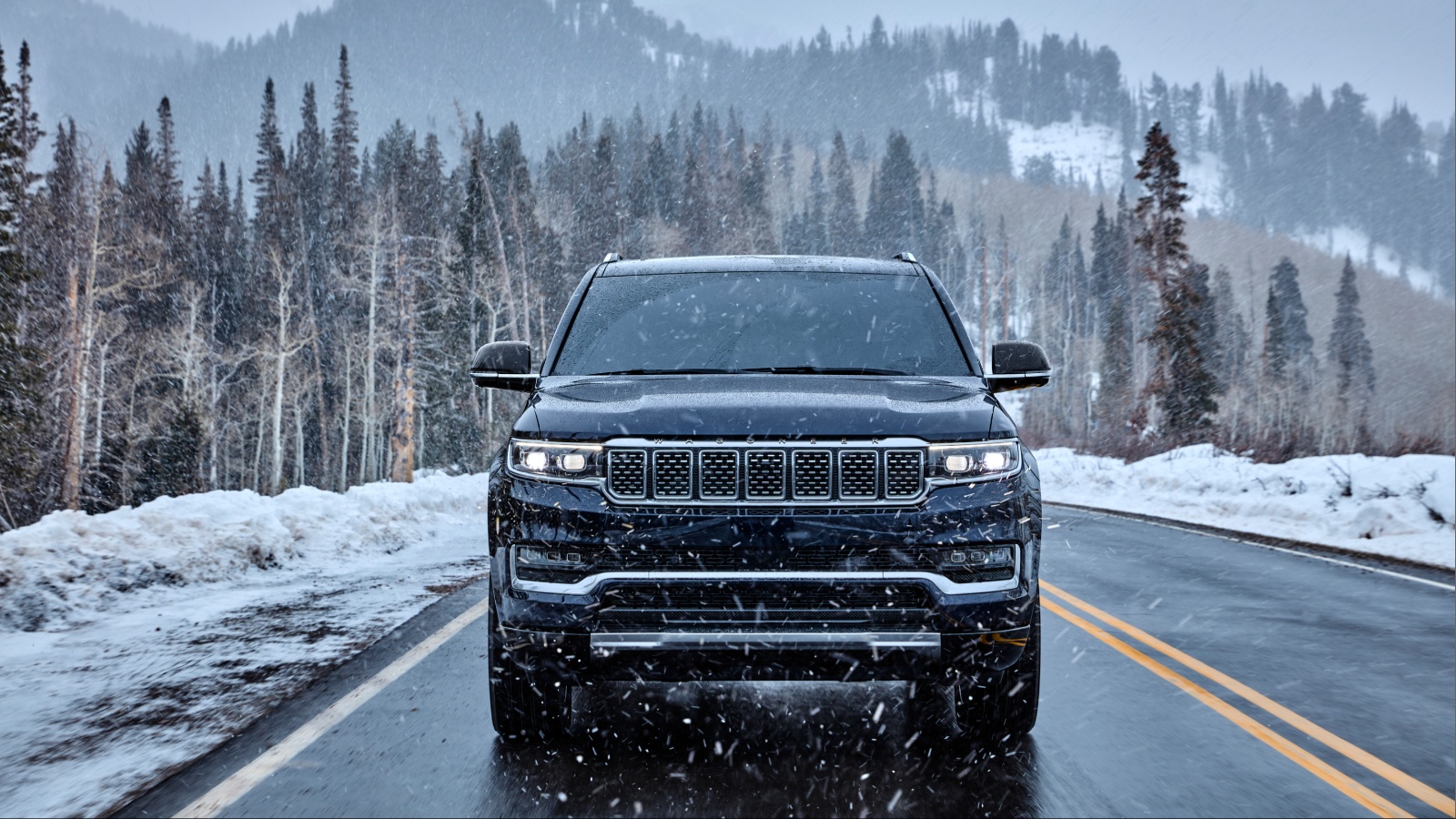
Chicago winters are no joke. Lake-effect snow, wind chills that dip well below zero, salt-crusted roads, and the occasional polar vortex can turn a routine commute along Lake Shore Drive or the Kennedy into a test of both driver and machine. The right vehicle won’t make you immune to winter, but it can make it far safer, more predictable, and a lot less stressful.
We looked at what matters most when the temperature drops: reliable all-wheel or four-wheel drive, ground clearance for unplowed side streets, strong cold-weather starting and heating, available heated seats and steering wheels, and a reputation for holding up against road salt.
Below are ten great vehicles that balance those priorities across different budgets and lifestyles, from rugged trucks to efficient commuters. Remember that good winter tires genuinely matter just as much as drivetrain, so budget for a set no matter which vehicle you end up choosing.
1. Subaru Outback
The Subaru Outback is practically the unofficial vehicle of snowy regions, and for good reason. Every Outback comes with standard Symmetrical All-Wheel Drive, which sends power to all four wheels continuously instead of waiting for slip. That makes a real difference pulling away from an icy stoplight on Western Avenue or climbing a snow-packed parking ramp downtown.
With roughly 8.7 inches of ground clearance, the Outback also handles the plowed ridges that pile up at the ends of Chicago side streets. Its wagon-style body is lower and more stable than a tall SUV, so it feels planted on the highway during crosswinds. Subaru’s EyeSight driver-assist system adds adaptive cruise and lane-keeping support, which is helpful when visibility drops.
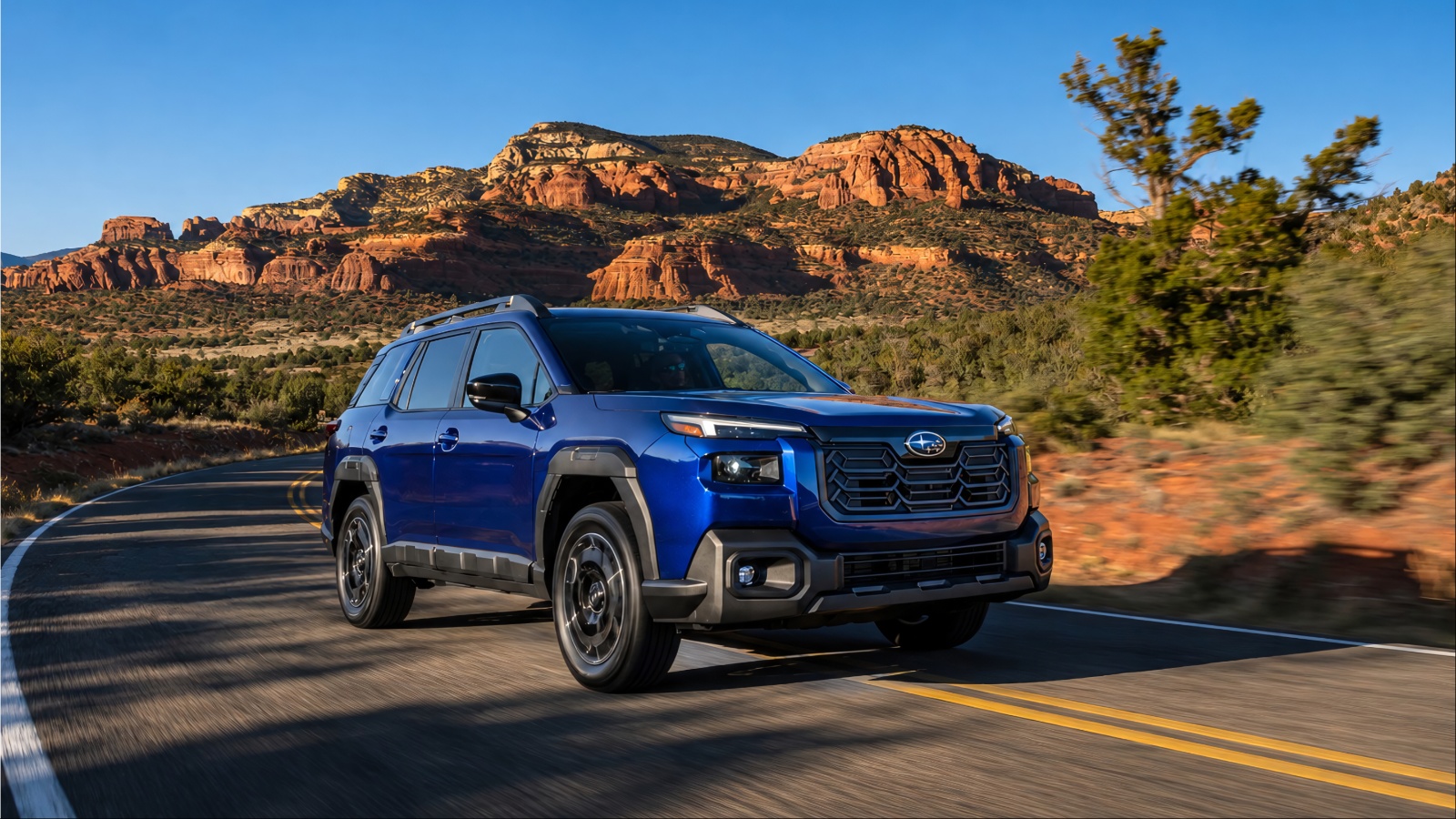
Inside, the Outback is built for cold mornings. Many trims offer heated front and rear seats, a heated steering wheel, and a windshield wiper de-icer, so you spend less time scraping and more time driving. Cargo space is generous, which leaves room for a snow shovel, jumper cables, and a blanket kit in the back.
Reliability and resale value are also strong, and Subaru’s boxer engine layout keeps the center of gravity low. The main trade-off is fuel economy, which is decent but not class-leading, and the continuously variable transmission isn’t for everyone.
For drivers navigating Chicago’s harsh winter conditions, the Subaru Outback is a strong all-around choice that combines year-round versatility with dependable capability in snow and ice. Its smooth, quiet cabin and comfortable ride also help make lengthy winter commutes more relaxing and less exhausting.
2. Toyota RAV4 Hybrid
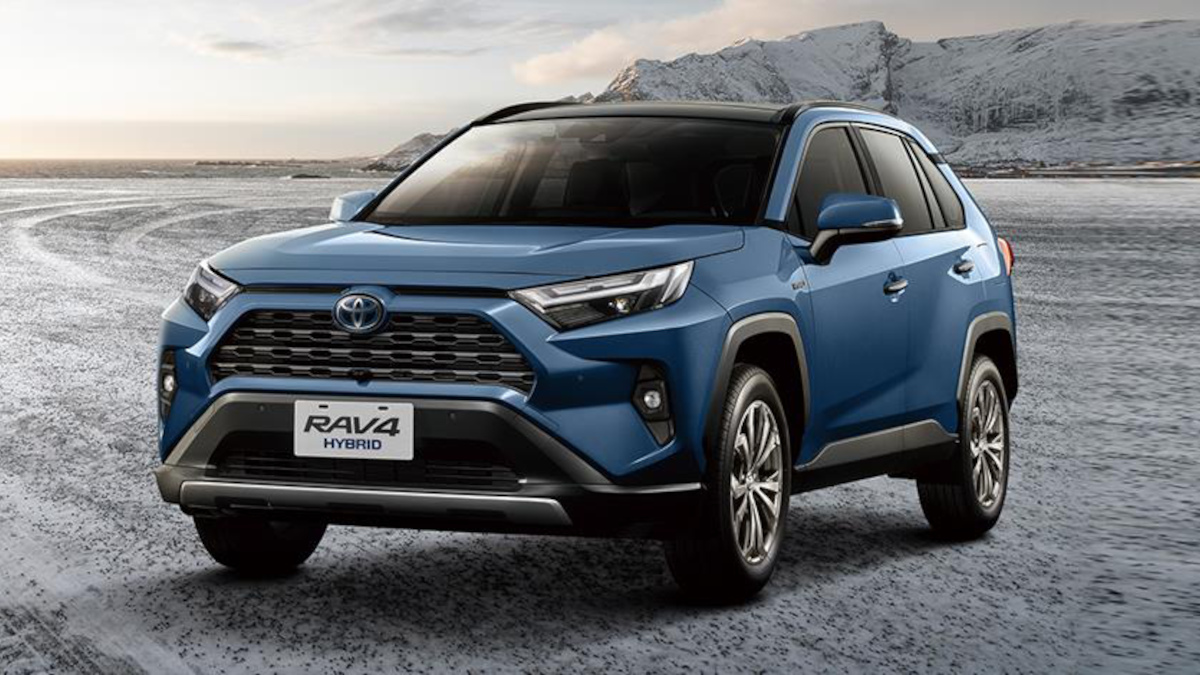
The Toyota RAV4 Hybrid pairs all-wheel drive with excellent fuel economy, which is a rare and valuable combination during a Chicago winter. Its electric rear motor provides on-demand traction without a driveshaft to the back, so it responds quickly when the rear wheels start slipping on a slushy on-ramp. Toyota’s reputation for durability adds peace of mind when temperatures plunge below zero.
Ground clearance of roughly eight inches helps with unplowed streets, and the upright seating position gives you a commanding view of traffic. Toyota Safety Sense comes standard, including pre-collision braking and adaptive cruise control. Many trims offer heated seats and a heated steering wheel, and the cabin warms up quickly thanks to a well-designed climate system.
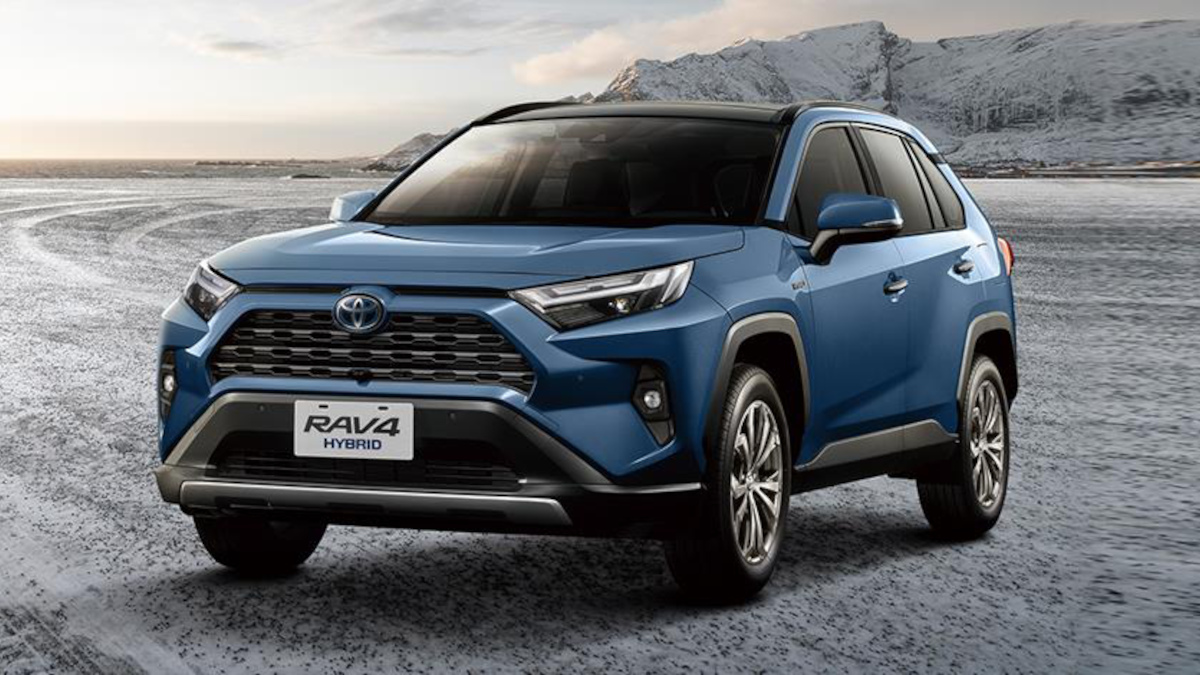
Practicality is another strength. The hatch opens wide for loading groceries, hockey bags, or a stack of salt bags, and the rear seats fold nearly flat. The hybrid’s regenerative braking also reduces wear on brake components, which matters when road salt is constantly attacking metal parts under the vehicle.
The RAV4 is not perfect. The ride can feel firm over Chicago’s famously potholed streets after a freeze-thaw cycle, and the engine can sound strained under hard acceleration. Demand is also high, so you may pay close to the sticker price and wait for the trim you want.
Even so, few vehicles match its blend of efficiency, safety, and long-term dependability. If you drive a lot in stop-and-go winter traffic, the hybrid’s savings at the pump will add up quickly all season.
3. Honda CR-V
The Honda CR-V offers a practical, comfortable, and affordable path to winter confidence. Its Real Time AWD system with Intelligent Control sends torque to the rear wheels when it detects slip, and the available hybrid version adds smooth, quiet power. For city drivers in neighborhoods like Lincoln Park or Logan Square, the CR-V’s manageable size makes tight, snow-narrowed parking spots far less stressful.
Ground clearance is around eight inches, which handles most snowy streets and unplowed alleys. Honda Sensing safety features are standard, and the cabin is tuned for quiet, so highway drives during snowstorms feel calmer. Heated front seats are widely available, and higher trims add a heated steering wheel and even heated rear seats for passengers who hate cold vinyl.
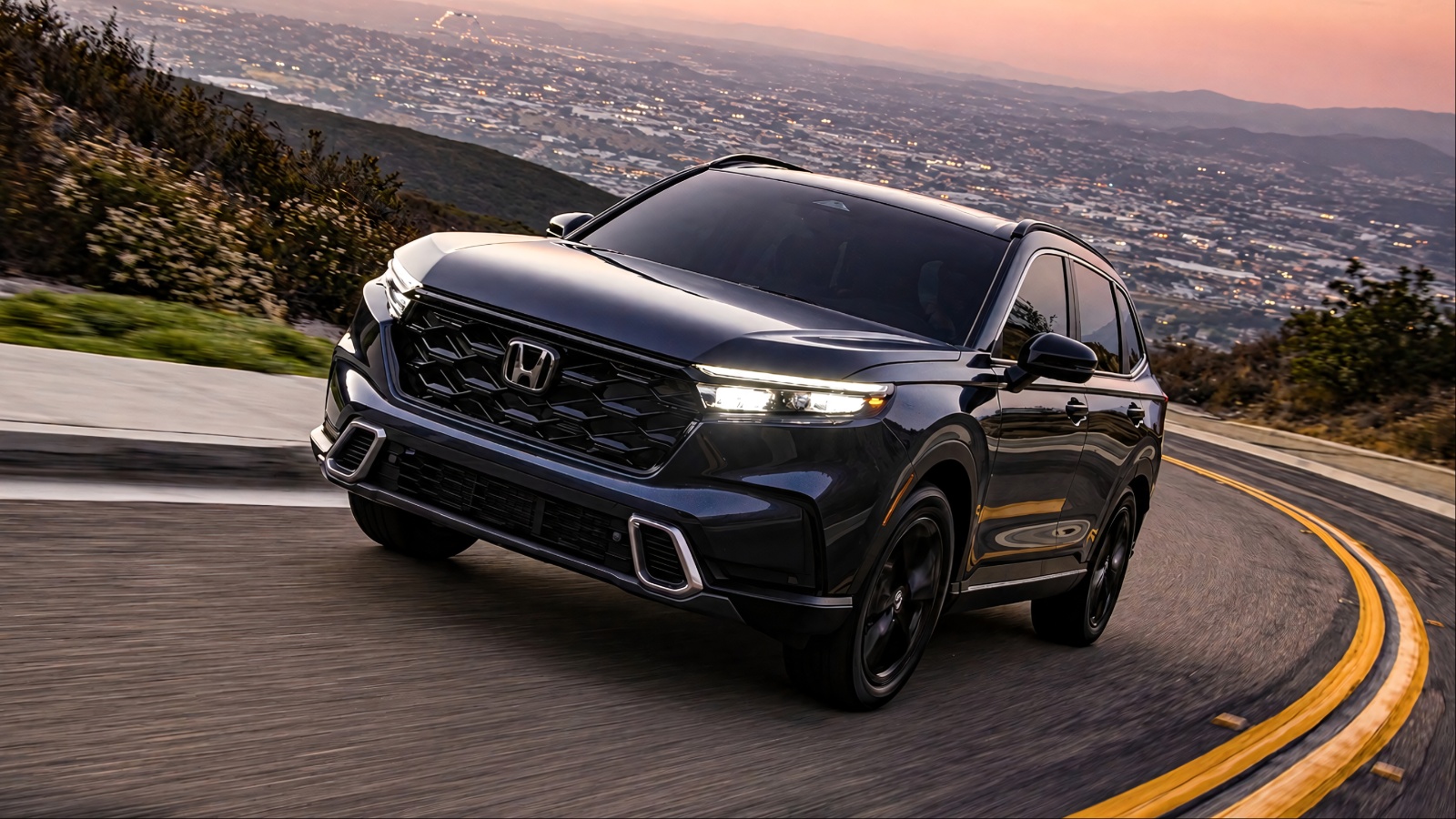
Interior space is a standout. The rear seats are roomy, the cargo area is wide and low, and the seats fold flat for hauling bulky items. Honda’s controls are also refreshingly simple, with physical knobs for climate and volume that are easy to use with gloves on, a small detail that becomes important at ten degrees.
While the Honda CR-V prioritizes practicality over sporty performance, its standard engine may feel underpowered when carrying a full load. However, its proven reliability, strong resale value, and manageable running costs make it an appealing option for families and daily commuters.
With a good set of winter tires, it delivers dependable performance and a comfortable driving experience in lake-effect snow. The hybrid version adds another advantage with impressive fuel efficiency, particularly for drivers who spend long hours on the road.
4. Subaru Crosstrek
If you want Subaru’s winter capability in a smaller, more affordable package, the Crosstrek deserves attention. Standard Symmetrical All-Wheel Drive and generous ground clearance of about 8.7 inches, among the best in its class, let it shrug off deep slush and snowbanks that stop many compact cars. It’s a favorite for city drivers who still want weekend escapes to Wisconsin.
Its compact footprint is ideal for Chicago street parking, where fitting between snow-piled cars can be an art form. The Crosstrek is easy to maneuver and simple to place on the road, and its X-Mode traction system helps manage low-grip situations such as icy hills or deep snow on rural roads. Larger engine options provide more power for highway merging.
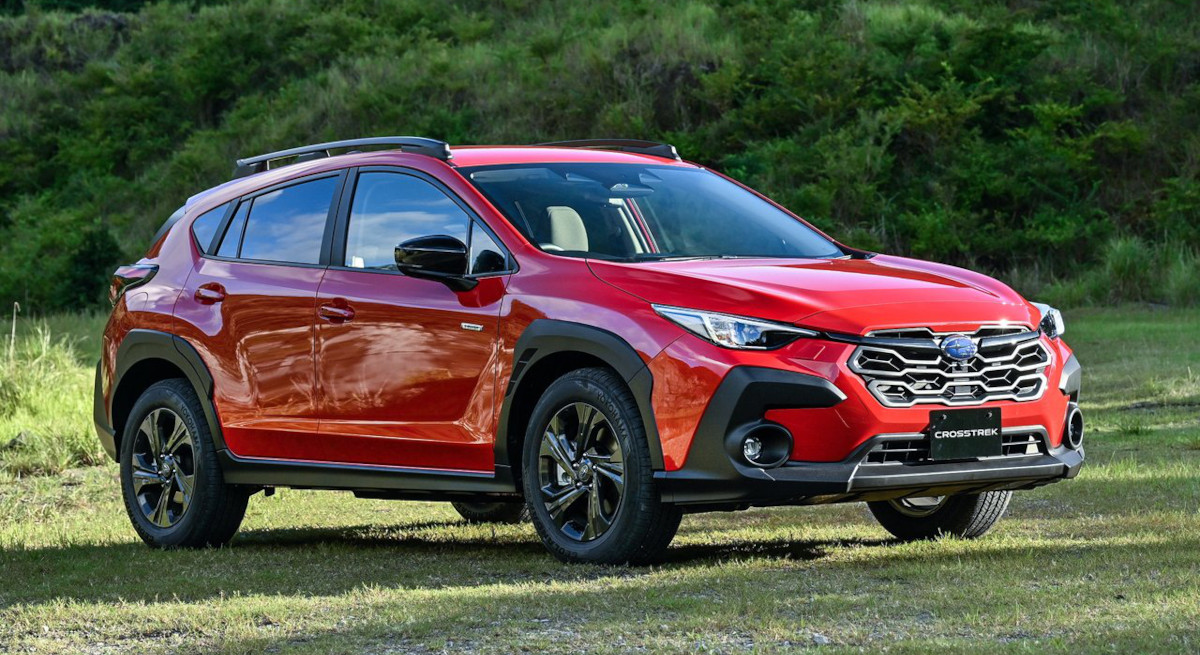
Inside, the Crosstrek is straightforward and durable. Water-resistant upholstery on certain trims stands up to wet boots and salty slush, and the rear cargo area is easy to clean. Heated seats are available on mid-level trims, and EyeSight safety technology comes standard on most models, adding confidence in poor visibility.
There are compromises. The base engine is not especially quick, and road noise can be noticeable at highway speeds. Fuel economy is respectable but not outstanding. Even so, the Crosstrek delivers a lot of capability for the money, and it pairs well with a set of dedicated winter tires. For first-time buyers or anyone downsizing, it’s an excellent, budget-friendly winter companion that rarely feels out of its depth. Insurance and maintenance costs also tend to stay reasonable.
5. Mazda CX-5
The Mazda CX-5 proves that a winter-ready crossover doesn’t have to feel boring. Mazda’s i-Activ all-wheel drive system continuously monitors road conditions, wheel slip, and even outside temperature, adjusting torque before you notice a problem. On slick lake-effect mornings, that proactive approach helps the CX-5 feel steady, predictable, and composed.
The cabin feels more premium than its price suggests, with quality materials, supportive seats, and a quiet, refined ride. Heated seats and a heated steering wheel are available, and higher trims add ventilated seats and a premium audio system. Clear gauges and a well-placed infotainment screen make it easy to keep your eyes on the road during storms.
Handling is where the CX-5 shines. The steering is precise and the chassis is well balanced, which inspires confidence when making quick lane changes on the Eisenhower or navigating snowy curves. Turbocharged versions offer extra power for passing and merging, though the standard engine is perfectly adequate for most commuters. Ground clearance of about 7.5 inches is adequate for typical city snow, though not for deep drifts.
Compared with competitors such as the Honda CR-V and Toyota RAV4, the Mazda CX-5 offers somewhat less rear-seat and cargo space, while its fuel economy is fairly average. Its infotainment system uses a rotary dial rather than relying entirely on touchscreen controls, a design that some drivers appreciate but others find less convenient.
Despite these drawbacks, the CX-5 delivers strong safety performance, dependable reliability, and an engaging driving experience that can make winter travel more enjoyable. It is a compelling choice for drivers who want a blend of style, comfort, and all-weather capability.
6. Jeep Grand Cherokee
For drivers who want serious capability and a more rugged character, the Jeep Grand Cherokee is a compelling choice. Jeep offers several four-wheel-drive systems, including Quadra-Trac I and the more advanced Quadra-Trac II and Quadra-Drive II, which can lock the rear differential for extra traction. These systems make deep snow, unplowed lots, and icy driveways far less intimidating.
Available Selec-Terrain traction management lets you choose a Snow mode that adjusts throttle response, shift points, and torque distribution for slippery surfaces. Air suspension on higher trims can raise ride height when you need more clearance, giving the Grand Cherokee the ability to clear deep drifts that would trap smaller crossovers.
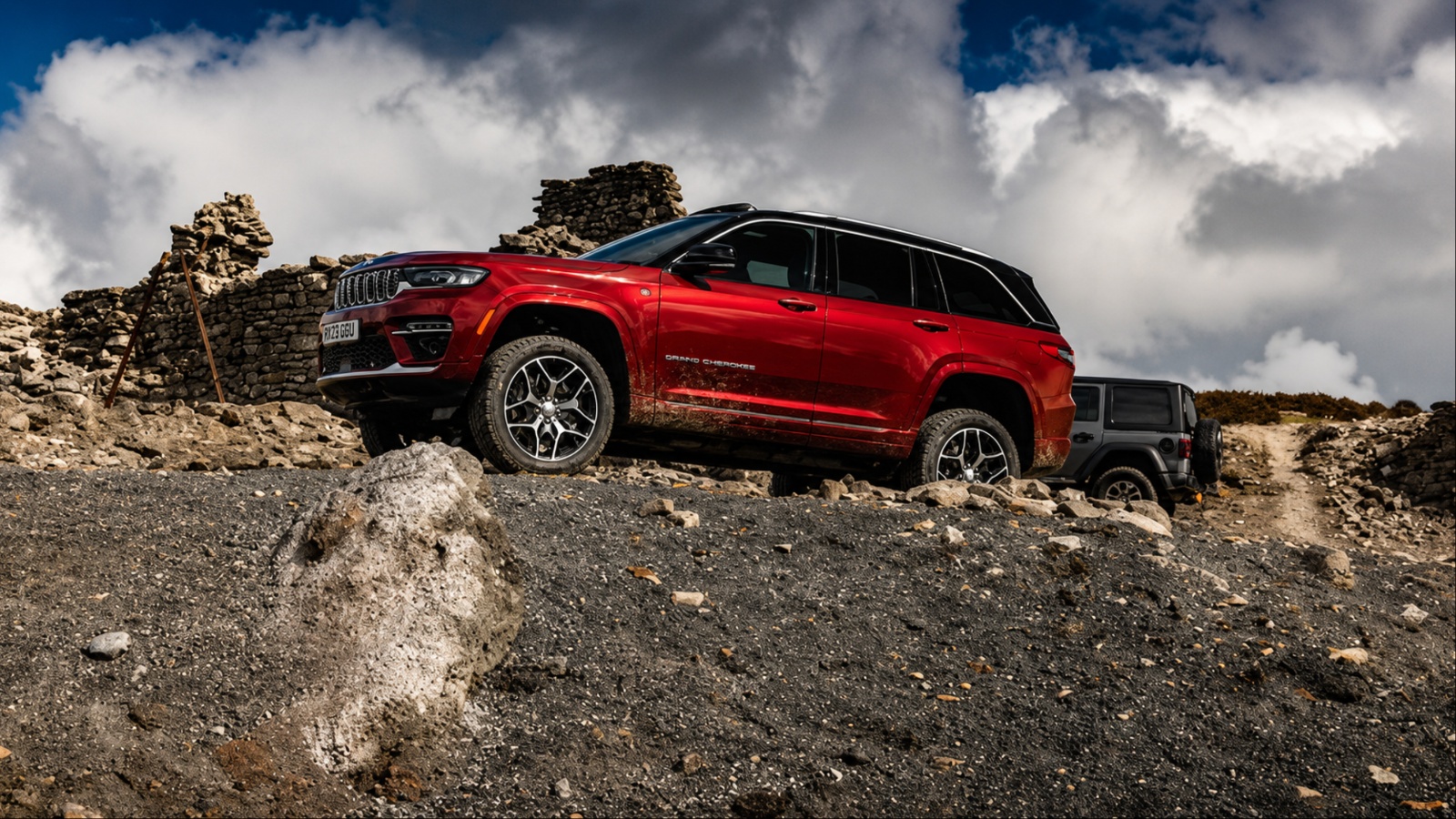
Comfort is a major selling point. The interior is spacious and upscale, with heated and ventilated seats, a heated steering wheel, and remote start available to warm things up before you leave the house. Towing capacity is also strong, which is handy for anyone hauling a snowmobile trailer or a boat in the off-season.
The Grand Cherokee has trade-offs. Fuel economy is lower than most crossovers, particularly with V8 or larger engines, and Jeep’s reliability record has been mixed compared with Toyota or Honda. Repair costs can also be higher.
But if you want a roomy, comfortable, genuinely capable SUV that feels at home in a blizzard, few rivals match its blend of luxury and toughness. Test drive several trims and consider extended warranty options before you buy. Plug-in hybrid versions can also cut gas costs for short winter trips.
7. Ford F-150
Chicago is a truck town in winter, and the Ford F-150 remains a top choice for good reason. Available four-wheel drive, a high seating position, and a heavy frame give it a commanding presence when roads turn ugly. Switchable 4×4 systems let you choose 2WD for dry roads, 4-high for slippery highways, or 4-low for deep snow.
Ground clearance of roughly eight to nine inches helps with unplowed streets, and the available Tremor and Raptor trims push capability even higher. Many drivers add a plow or fit all-terrain tires for extra bite. Ford offers a wide selection of engines, including a hybrid PowerBoost option that provides strong torque and onboard power for tools or emergencies.
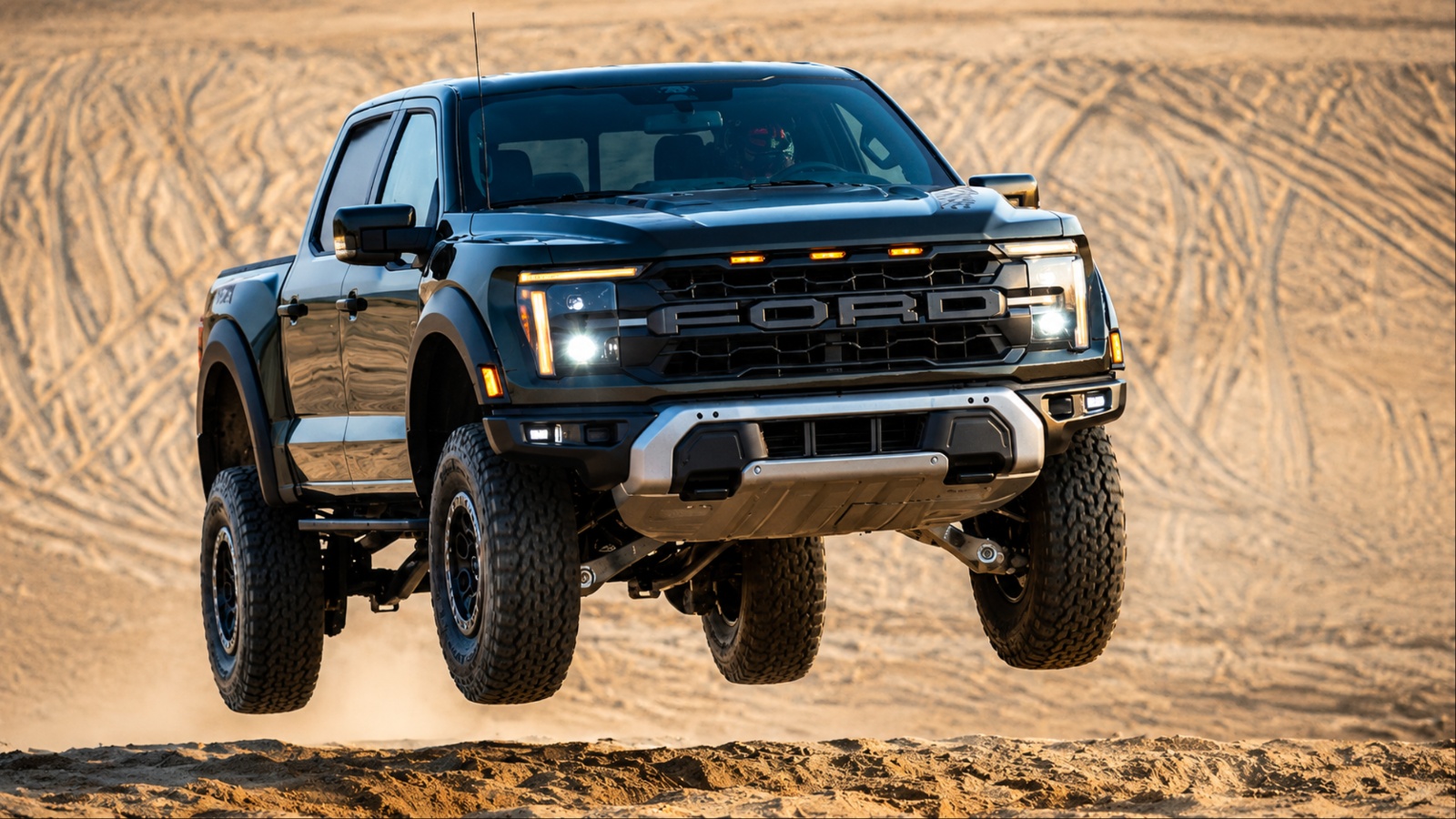
Winter comfort features are plentiful. Heated and ventilated front seats, a heated steering wheel, and remote start make frigid mornings far more tolerable. The cabin is spacious, especially in SuperCrew configurations, and the available large infotainment display remains easy to use. Sturdy construction with aluminum body panels also resists corrosion better than traditional steel.
An empty pickup bed can feel light and slide around on ice, so many owners add weight over the rear axle, such as sandbags, to improve traction. Fuel economy is modest, and parking in tight Chicago spaces can be challenging.
The F-150 remains a dependable and adaptable truck with broad access to dealership services and replacement parts. Its strong hauling and towing capabilities, combined with its ability to handle challenging winter conditions, make it a practical choice for drivers who need a capable vehicle in heavy snow. Since pricing differs considerably across trims and configurations, establishing a clear budget before shopping can help narrow down the options.
8. Volvo XC60
Volvo has long built its reputation on safety and Scandinavian winter capability, and the XC60 embodies both. Available all-wheel drive provides excellent traction on snow and ice, while thoughtful design details like a Nordic-inspired cabin and strong heating systems make cold mornings more bearable. It’s an upscale choice that doesn’t sacrifice practicality.
Safety technology is among the best in the segment. City Safety, which can detect vehicles, pedestrians, and large animals, helps avoid collisions when visibility is poor. The XC60 also earns top crash-test ratings. Features like heated front and rear seats and an available heated steering wheel make winter commuting more comfortable.
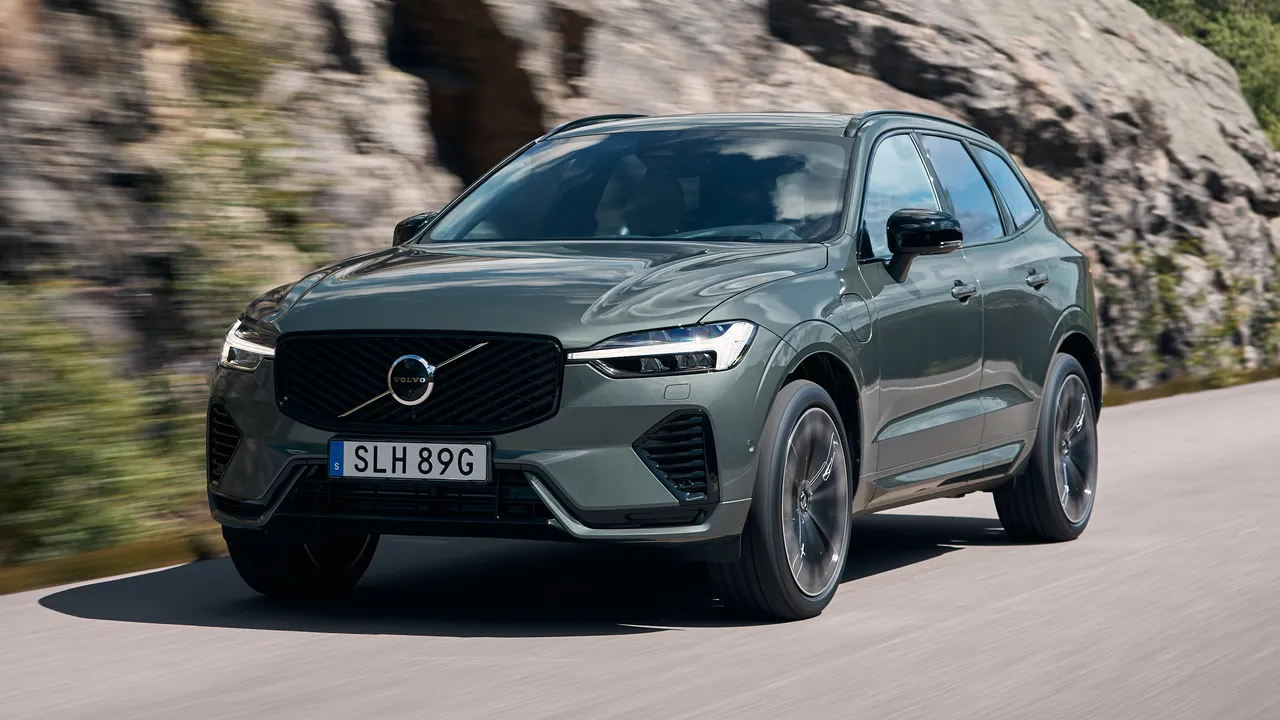
Inside, the XC60 offers a calm, elegant environment with supportive seats and a clean, minimalist dashboard. The large touchscreen controls most functions, and the available Pilot Assist system eases highway driving by helping with steering and speed. The air suspension option softens rough pavement, which helps after Chicago’s freeze-thaw cycles chew up roads. Ground clearance of about eight inches is sufficient for most urban snow.
The XC60 is more expensive than mainstream rivals, and repair costs can be higher over time. The touchscreen-heavy interface may frustrate drivers who prefer physical buttons, particularly when wearing gloves. Still, for buyers who prioritize safety, comfort, and refinement, the Volvo is a standout.
Plug-in hybrid versions add electric driving range for short city trips, which can cut fuel use during stop-and-go winter commutes. Resale value is solid, and Volvo’s reputation for lasting durability helps justify the premium for many owners.
9. Tesla Model Y (Dual Motor AWD)
Electric vehicles can handle Chicago winters better than many people expect, and the Tesla Model Y with dual-motor all-wheel drive is the most popular example. Two motors independently control the front and rear wheels, adjusting torque in milliseconds, which gives excellent traction on snow-covered streets. The low center of gravity from the floor-mounted battery also keeps it stable in corners.
Preconditioning is a major winter advantage. Using the app, you can warm the cabin and battery while the car is still plugged in at home, so you step into a toasty vehicle without burning fuel. Heated seats, a heated steering wheel, and a heat pump improve efficiency compared with older resistive heating systems.
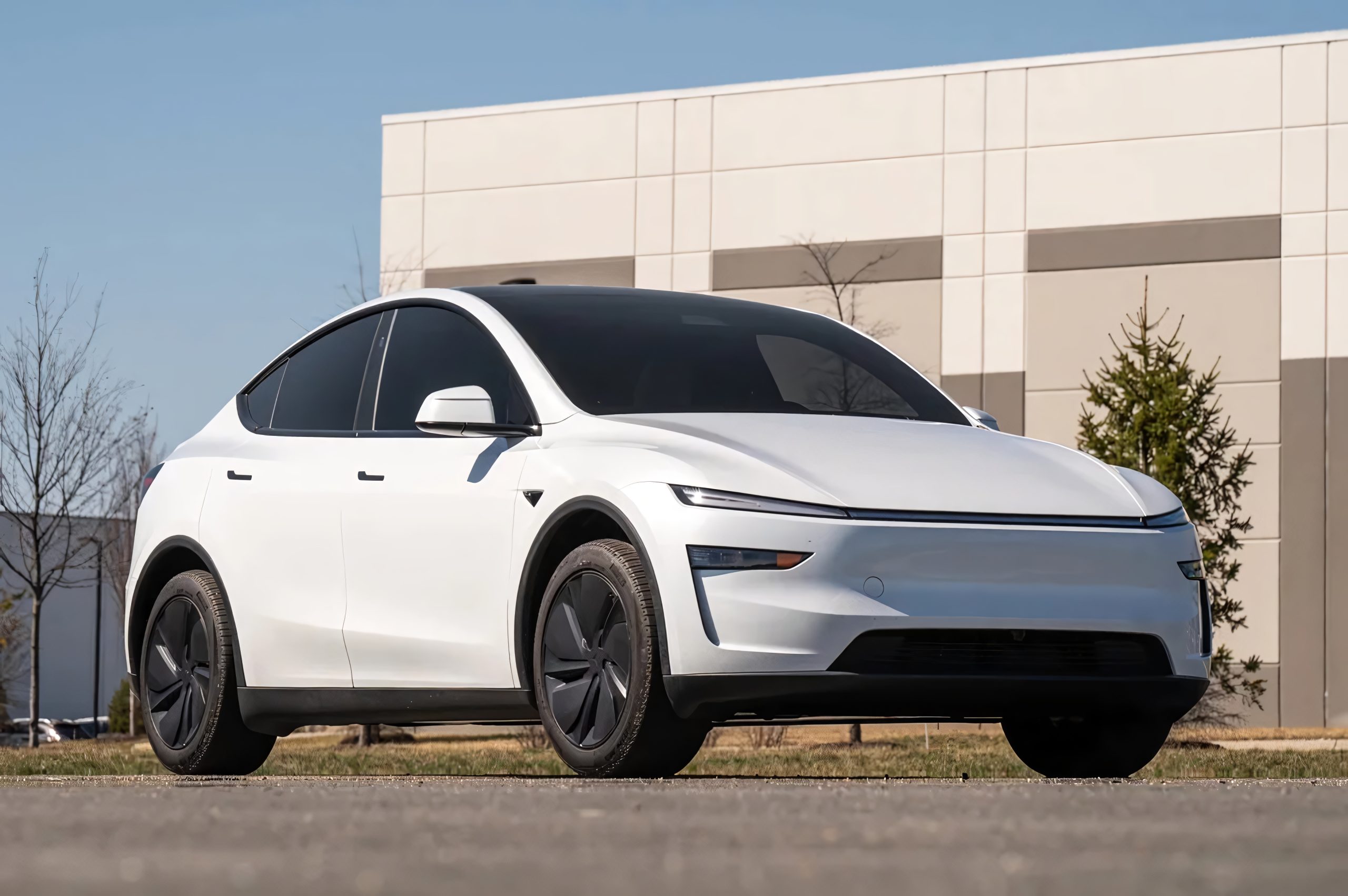
Cold weather does reduce range, sometimes by 20 to 30 percent in freezing temperatures, so plan ahead if you commute long distances or rely on public charging. Home charging is the biggest convenience, and Tesla’s Supercharger network remains extensive across the Midwest. Charging can be slower in the cold, though preconditioning the battery before arriving helps.
Other drawbacks include a firm ride and a minimalist interior with nearly all controls on the touchscreen, which may take adjustment. Build quality has improved but can vary. Even so, the Model Y offers strong safety scores, a huge cargo area, and the quiet, instant response of electric power.
If you have a garage or reliable home charging, it can be a thoroughly practical and surprisingly capable winter vehicle in the city and beyond. Always check current federal and state incentives, as they change frequently.
10. Toyota Camry AWD
Not everyone wants an SUV, and the Toyota Camry with all-wheel drive proves a sedan can handle winter just fine. Toyota’s current Camry is offered as a hybrid with available AWD, giving drivers strong fuel economy and added traction in one dependable package. For commuters on the Kennedy or Dan Ryan, it’s a comfortable and efficient choice.
Compared with a crossover, a sedan sits lower and offers more stable handling at highway speeds, which can feel reassuring in gusty lakefront winds. The AWD system sends power to the rear when needed, helping you accelerate on slick roads. Toyota Safety Sense is standard, and heated seats and a heated steering wheel are offered on upper trims.
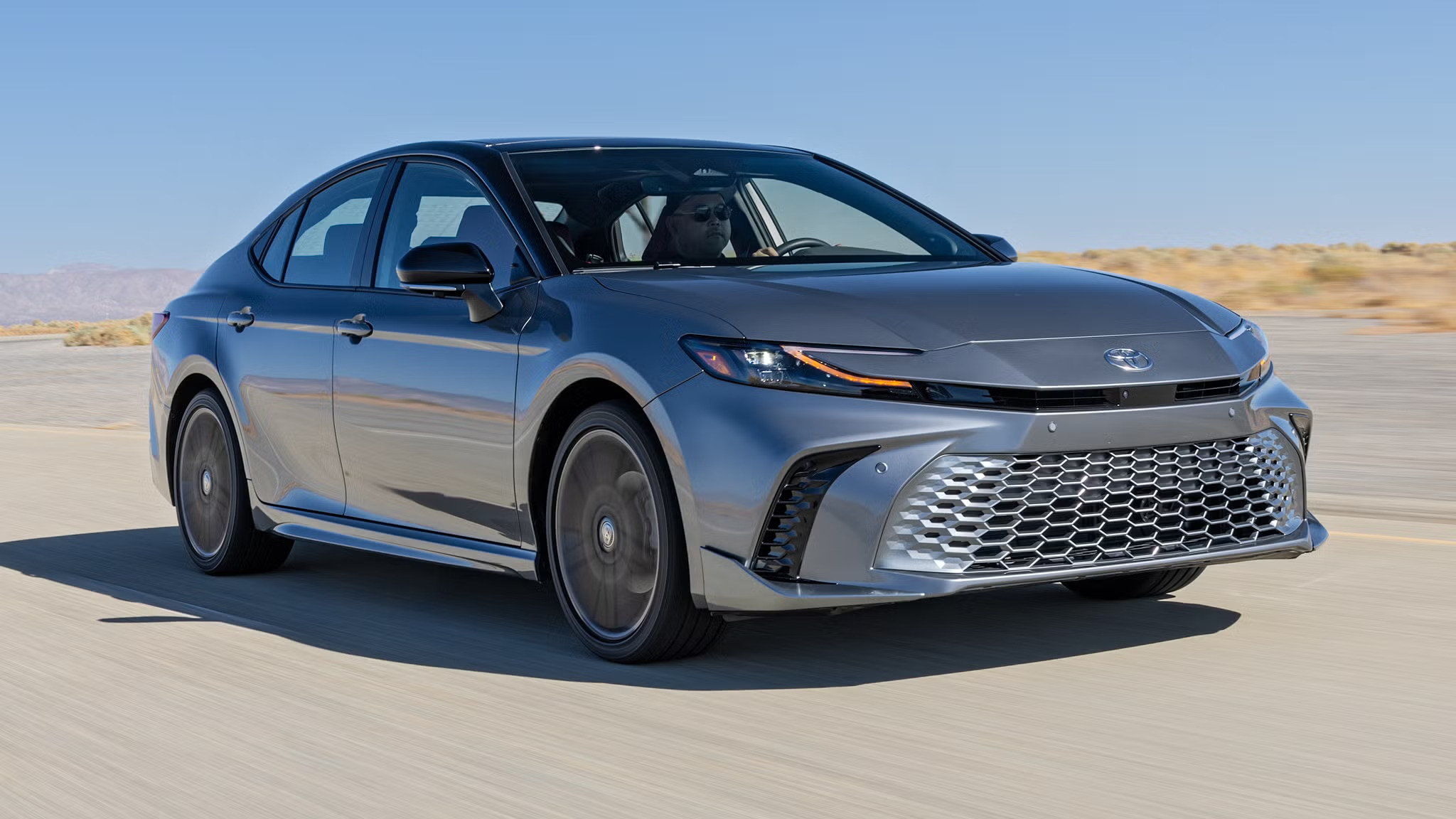
Where the Camry shines is dependability. Toyota’s reputation for long service life, low maintenance costs, and strong resale value means fewer headaches in a season when breakdowns are especially unwelcome. The cabin is comfortable and quiet, with excellent seat support for long drives and intuitive controls that remain easy to operate in cold weather.
Ground clearance is lower than an SUV, so deep snow and high snowbanks can be challenging, especially on unplowed side streets. A good set of winter tires matters even more here. Trunk space is adequate but less flexible than a hatchback or wagon.
For drivers who seldom encounter heavy snowfall, the AWD Camry offers a practical balance of fuel efficiency, comfortable handling, and dependable performance at a reasonable cost. Its suitability for urban driving makes it an economical choice, while generally affordable insurance can help keep long-term