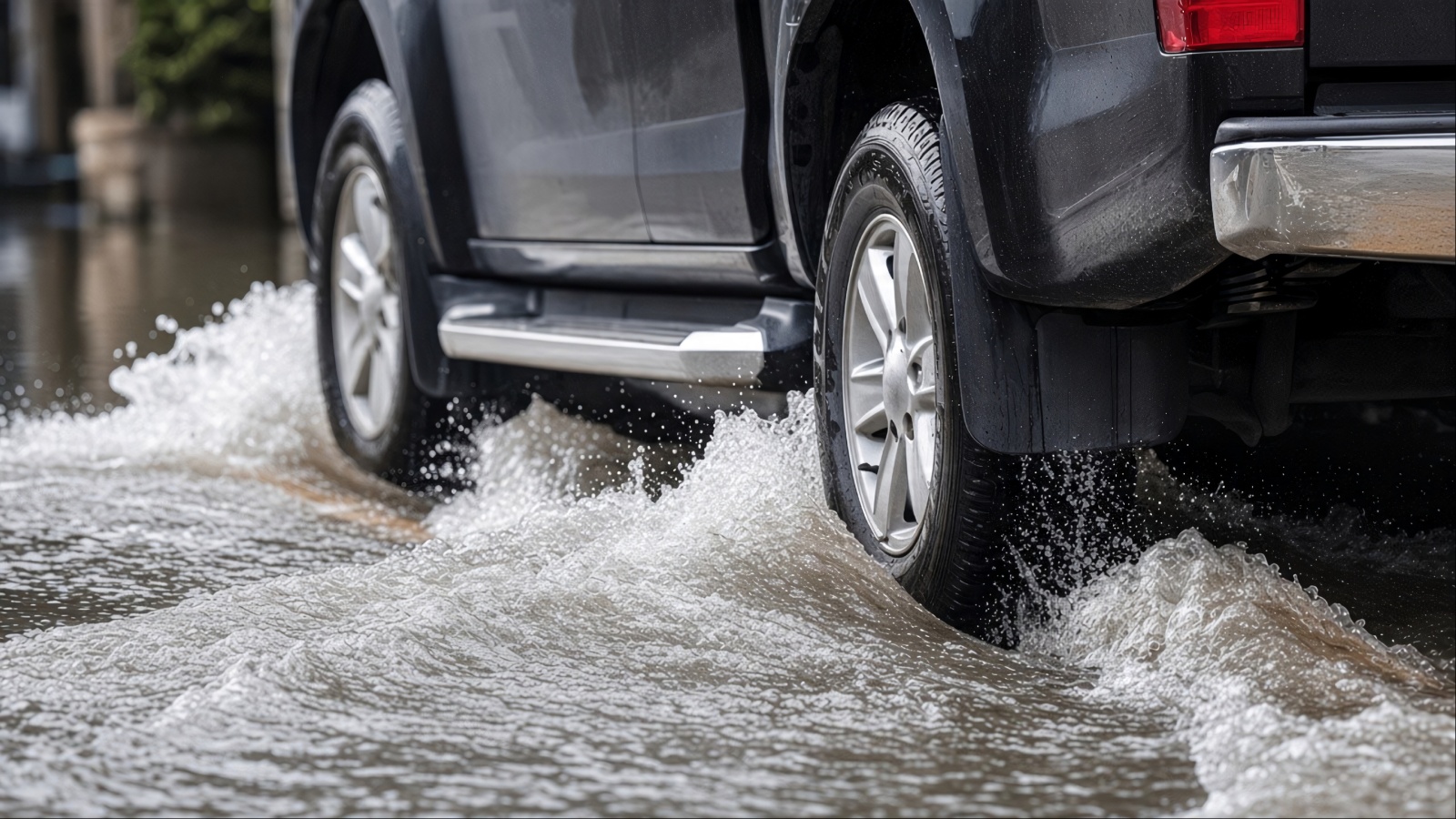
Houston sits on a flat coastal plain with clay-heavy soil and slow-moving bayous, so heavy rain has few places to go. Storms like Allison, Harvey, and Imelda showed how quickly freeway underpasses and neighborhood streets can fill, and each event left tens of thousands of vehicles damaged beyond repair. If you live here, flood readiness is a real factor when choosing a vehicle.
No car is flood-proof, and the safest choice is always to turn around rather than drive through standing water. Still, ground clearance, high air intakes, sealed electrical components, and published wading depths make some vehicles far more capable than others. These 16 options are chosen for those traits, and the wading figures are manufacturer claims for ideal, slow, still-water conditions.
1. Jeep Wrangler Rubicon
The Wrangler Rubicon is the textbook flood-capable vehicle. Jeep rates it for roughly 30 inches of water fording, thanks to a high-mounted air intake, sealed electrical connectors, and drain plugs in the floor that let water exit the cabin.
Ground clearance of about 10 to 11 inches keeps the underbody and axles well above typical street flooding, and the solid axles and body-on-frame construction handle debris and uneven pavement hidden under murky water.
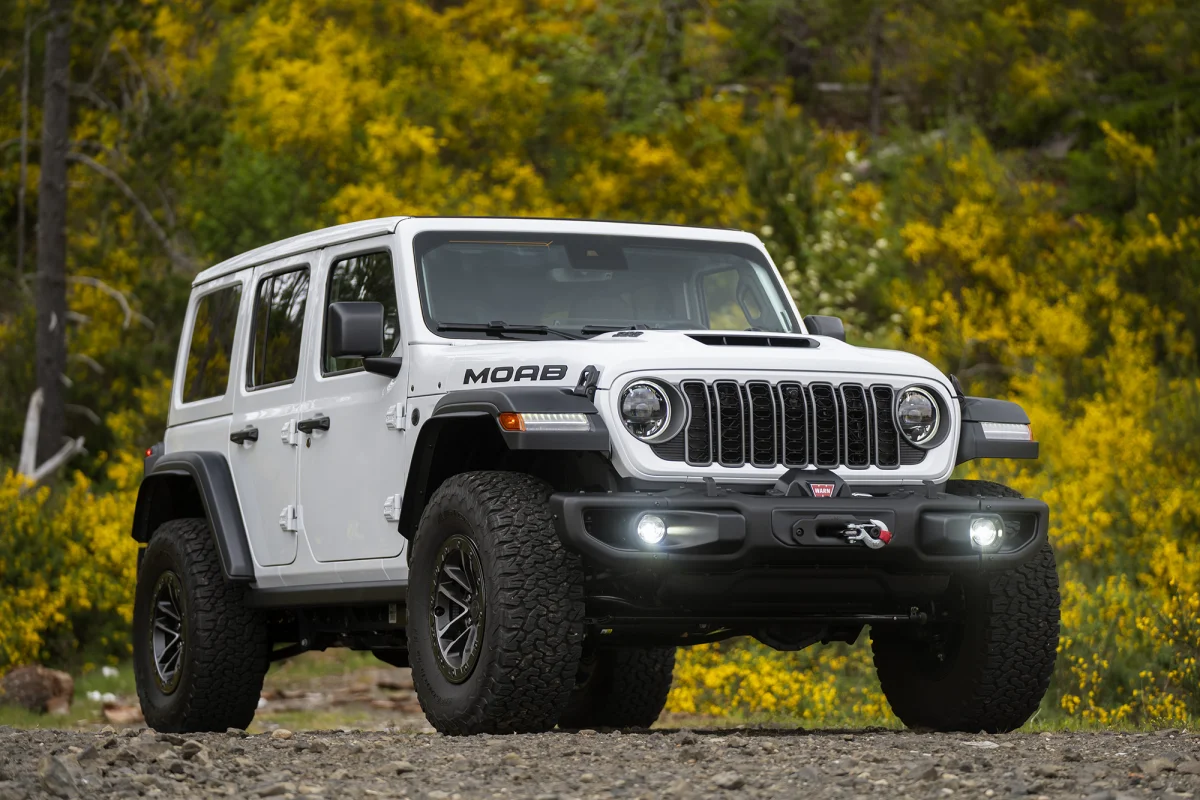
The removable top and rubber-friendly interior also make cleanup far easier if water does get in. Four-wheel drive with low range helps you creep through shallow water at a steady pace, which is the technique that avoids creating a bow wave.
The trade-offs are a rougher highway ride, modest fuel economy, and wind noise. For Houstonians who want maximum capability and don’t mind the lifestyle, it’s the benchmark. Even so, 30 inches is a ceiling, not a target. Hidden potholes, moving current, and contaminated water can still strand you or damage the drivetrain.
2. Ford Bronco (Sasquatch Package)
The Bronco, especially with the Sasquatch package, offers Ford’s most flood-ready package. Ford lists a maximum water fording depth of about 33.5 inches on Sasquatch-equipped models, with 35-inch tires and roughly 11.6 inches of ground clearance.
The independent front suspension gives a smoother ride than the Wrangler’s, which makes it a better daily driver for commuting on Beltway 8 or the Katy Freeway. The high air intake, sealed components, and removable roof panels offer similar advantages, and the available drain-friendly interior surfaces make post-flood cleanup less painful.
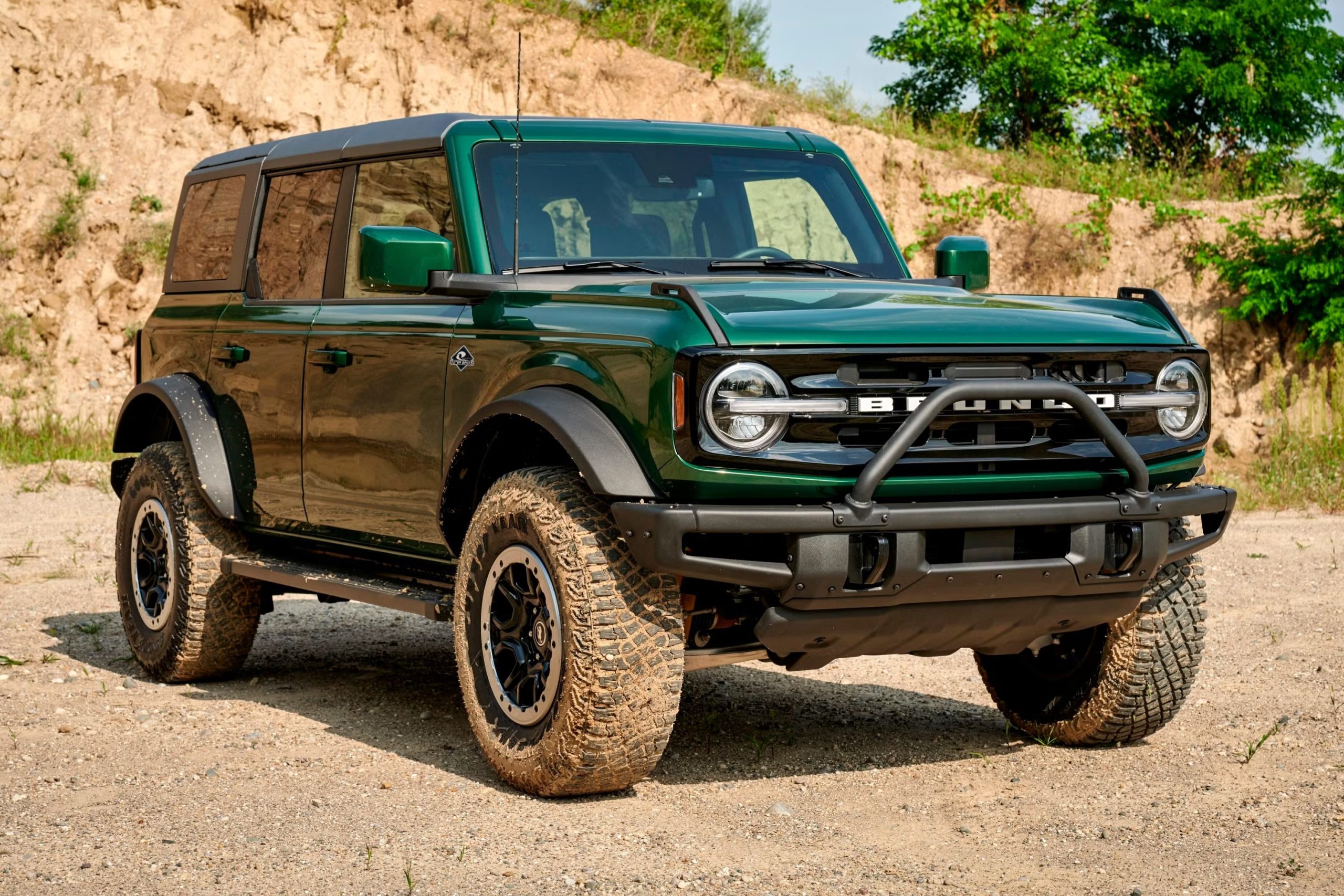
The Bronco’s available terrain management modes also include settings that optimize traction on slick, submerged surfaces. Be aware that the Sasquatch package costs more, and ordinary Broncos have lower ratings, so check the specific trim.
As with any vehicle, a wading rating assumes still water at low speed. The Bronco gives you a bigger margin for error, not permission to ignore road closures or barricades.
3. Land Rover Defender
The modern Defender is one of the most capable wading vehicles on the market, with a rated wading depth of about 35.4 inches when the air suspension is raised. That height comes from the adjustable air suspension, which can lift the body to roughly 11.5 inches of ground clearance.
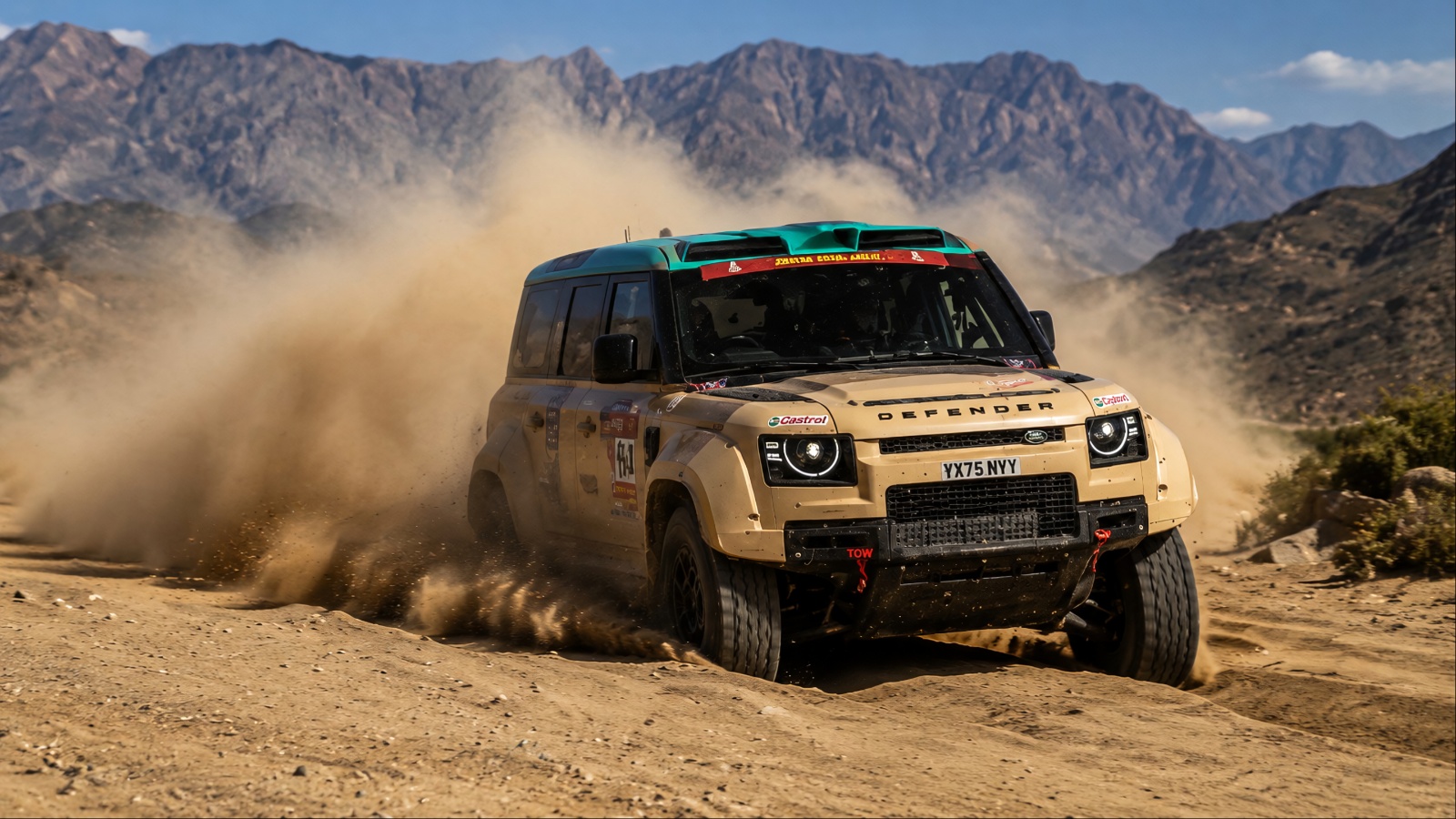
Land Rover pairs it with a Wade Sensing system that shows water depth around the vehicle on the central screen, helping you judge conditions before committing. The unibody construction is stiffer than traditional body-on-frame designs, and the Terrain Response system tunes throttle, transmission, and traction for wet or muddy surfaces.
The cabin offers a more upscale experience than the Wrangler’s, making it suitable as a comfortable daily driver. However, its high purchase price, potentially expensive repairs, and the brand’s historical reliability concerns are notable drawbacks. Electronics are a particular concern if floodwater exceeds the vehicle’s rated wading depth. For Houston drivers with the budget, it offers impressive flood-handling capability without sacrificing comfort.
4. Toyota 4Runner
The 4Runner is a Houston favorite because it combines proven durability with practical flood capability. Its traditional body-on-frame design, high ride height, and available ground clearance of roughly 9 to 10 inches (more on TRD Off-Road and TRD Pro trims) keep the underside clear of shallow flooding.
Toyota doesn’t publish an official fording depth as prominently as some rivals, but owners and off-road testers commonly cite roughly 20 inches or so as a reasonable limit, so treat that figure with caution. The part-time or full-time four-wheel-drive systems, depending on trim, provide good traction on slippery, debris-strewn roads.
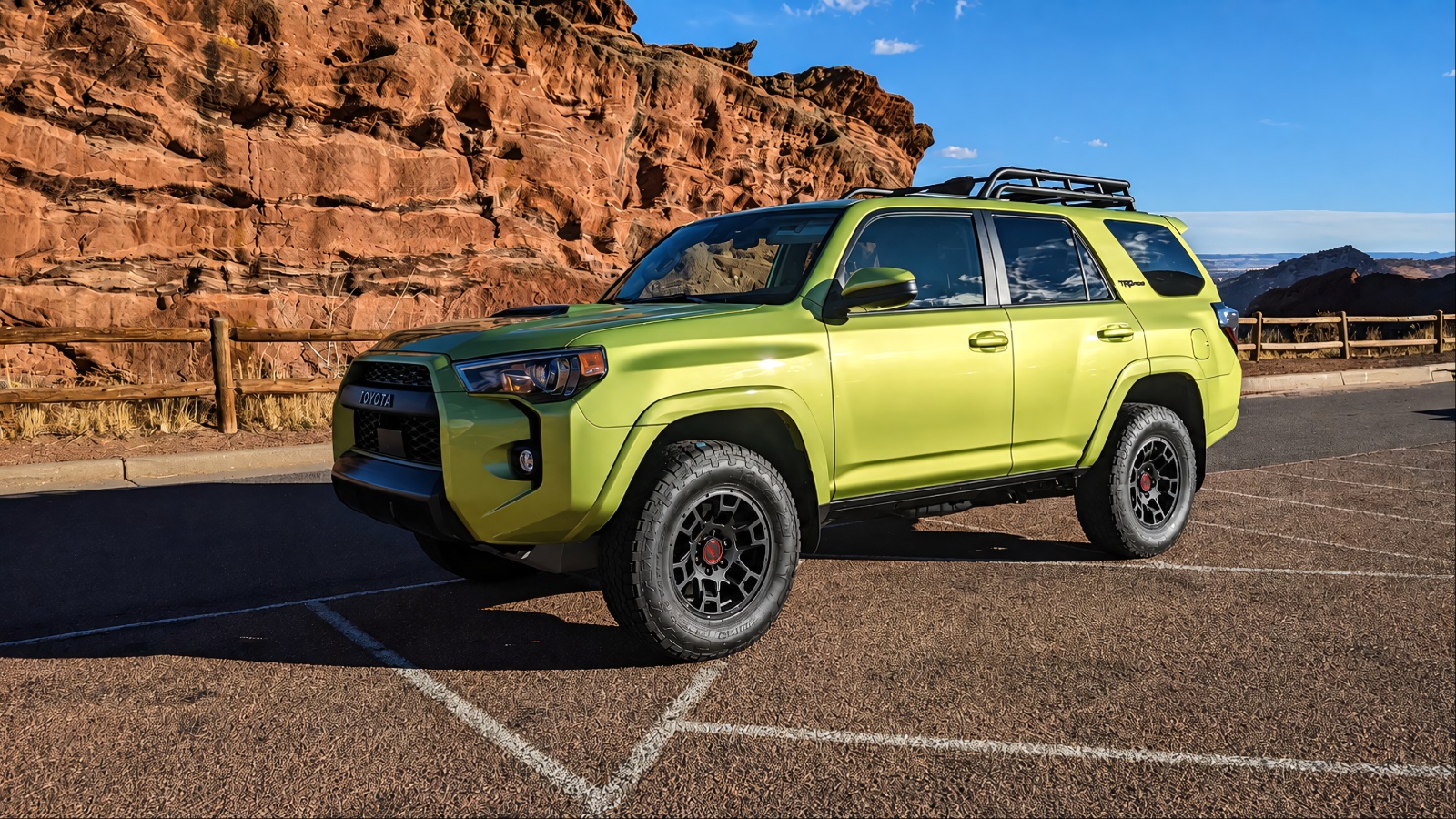
The 4Runner’s real strength is its reputation for lasting 200,000-plus miles with basic maintenance, which matters if you keep a vehicle for years in a flood-prone region. Weaknesses include dated interior technology, middling fuel economy, and a firm ride.
Still, for drivers who want a dependable SUV that handles high water on streets better than most crossovers, it remains one of the safest practical picks. Always confirm the current model year’s specs before buying.
5. Toyota Land Cruiser
The latest Land Cruiser returns to a more compact, off-road-focused formula, with body-on-frame construction, a high ride height, and strong underbody protection. Toyota’s published wading depth is about 27.5 inches, and ground clearance is roughly 8.7 to 9 inches depending on trim.’
The hybrid powertrain and full-time four-wheel drive give it confident traction on wet roads, and Toyota’s engineering approach emphasizes long-term durability in harsh conditions. Sealed components and a well-protected intake system help guard against water ingestion, although the safest approach is still to avoid deep water altogether.
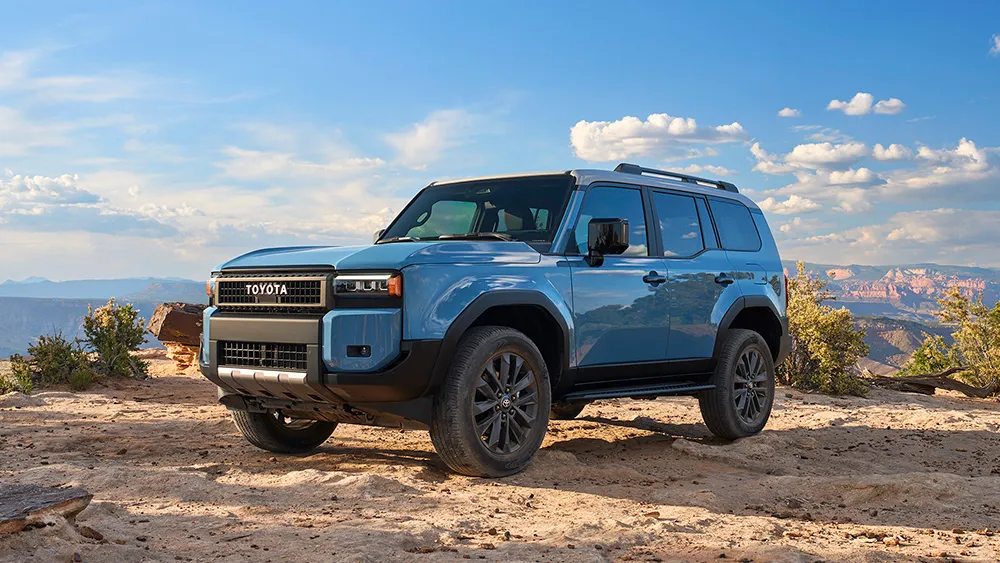
The Land Cruiser’s reputation for reliability is exceptional, and used examples of earlier generations hold their value remarkably well. The trade-offs are a high price relative to the 4Runner, limited cargo space compared with older, larger Land Cruisers, and a smaller interior than some buyers expect.
For Houston drivers who want a premium, durable SUV with strong flood capability and the confidence of Toyota’s reliability record, it’s an excellent long-term choice.
6. Ford F-150 Raptor
The F-150 Raptor is a high-performance truck with serious water-crossing credentials. Ford lists a wading depth of about 32 to 33.5 inches, depending on the generation and configuration, and the suspension delivers roughly 11 to 12 inches of ground clearance.
The high-mounted air intake, protected underbody, and robust cooling system help it manage splash and shallow flood conditions. Its long-travel suspension also absorbs the potholes and debris that are common after floodwaters recede, protecting the wheels and steering components.
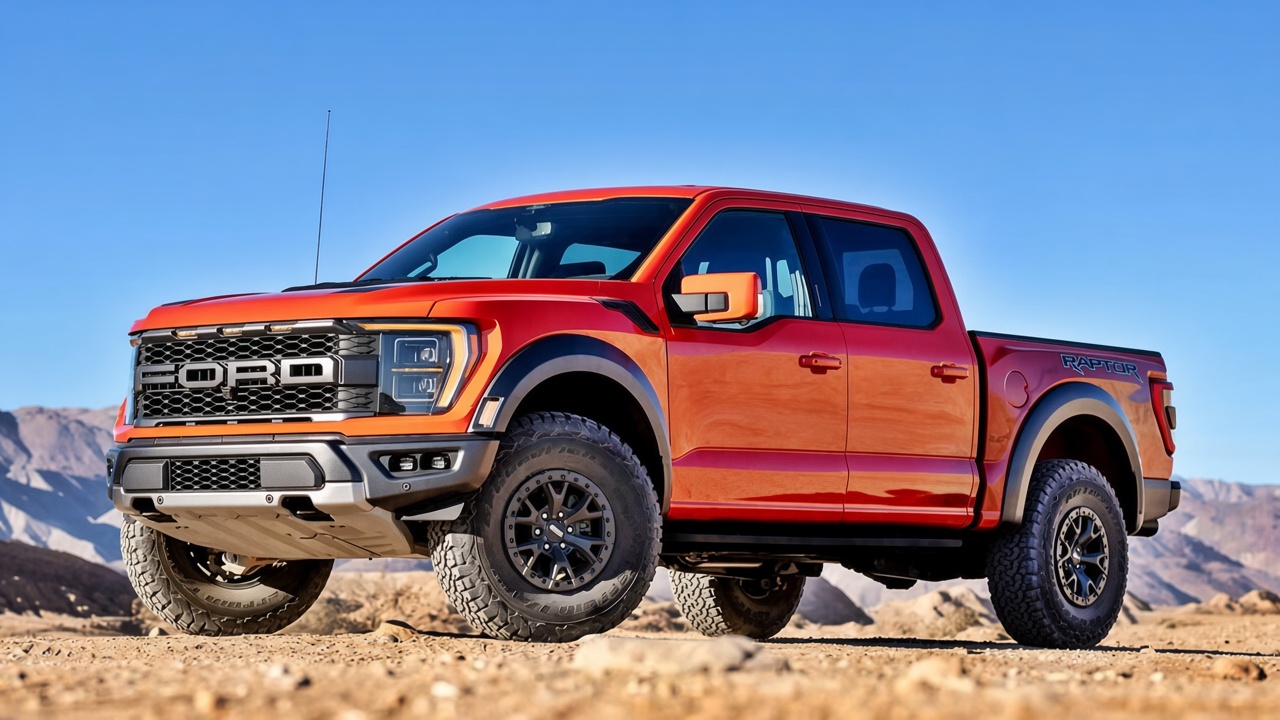
The Raptor’s size is both an advantage and a drawback. Its high ground clearance helps keep it above floodwater, but its width and length can make navigating narrow neighborhood streets and parking garages difficult. Fuel economy is also poor, particularly for the supercharged Raptor R, and its high purchase price adds to the cost of ownership.
If your commute includes known low-lying roads and you want a truck that doubles as a hauler and weekend adventurer, the Raptor offers a rare combination of power, clearance, and flood capability. As always, rely on official specs for the exact model year.
7. Jeep Gladiator
The Gladiator brings the Wrangler’s flood-ready design to a pickup bed. In Rubicon trim, Jeep rates it for roughly 30 inches of water fording, with a high air intake, sealed electrical connections, and about 11 inches of ground clearance.
The body-on-frame construction and solid axles are well suited to rough post-flood roads littered with debris, and the available 4:1 low-range transfer case lets you crawl through shallow water without needing high throttle.
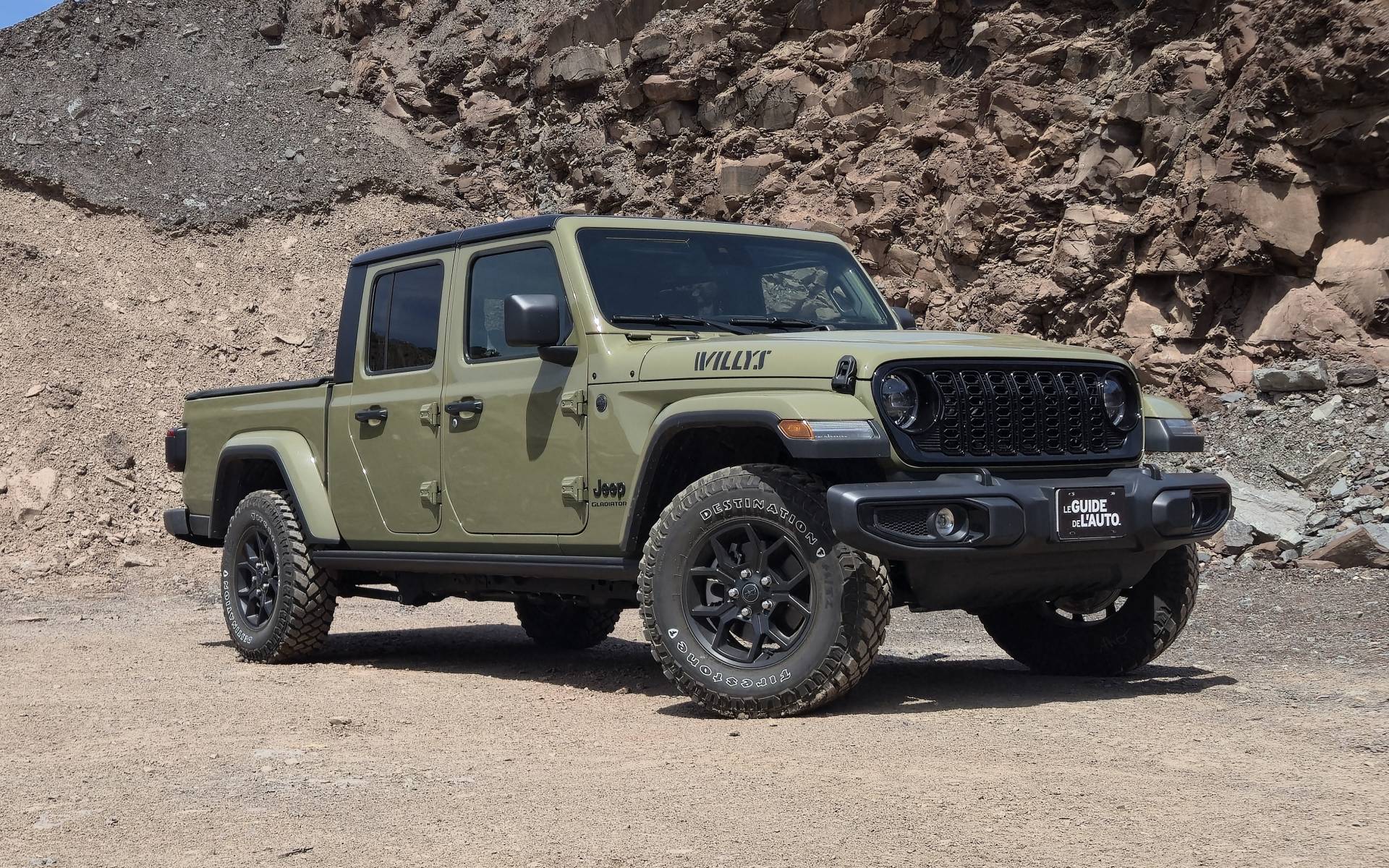
The pickup bed provides added practicality, allowing you to transport sandbags, pumps, and other supplies without filling the cabin, while keeping wet items outside. Like the Wrangler, the Gladiator features floor drain plugs and removable roof options, making it easier to dry out the interior after exposure to water.
The trade-offs are a longer wheelbase that reduces approach and breakover angles, a bumpy ride when unloaded, and modest fuel efficiency. For Houston drivers who need truck functionality and want strong flood capability without stepping up to full-size truck prices, the Gladiator is a smart and versatile pick.
8. Mercedes-Benz G-Class
The G-Class combines luxury with genuine off-road engineering. Mercedes rates the G 550 for a wading depth of around 27.6 inches, with ground clearance of roughly 9.4 inches. Its body-on-frame design, three locking differentials, and low-range transfer case provide serious traction in conditions most luxury SUVs can’t handle.
The boxy shape and high seating position give excellent visibility over standing water, and the intake and electronics are designed to resist moderate splashing. Inside, the G-Class offers a premium cabin with advanced driver aids, which is useful for managing low-visibility rain.
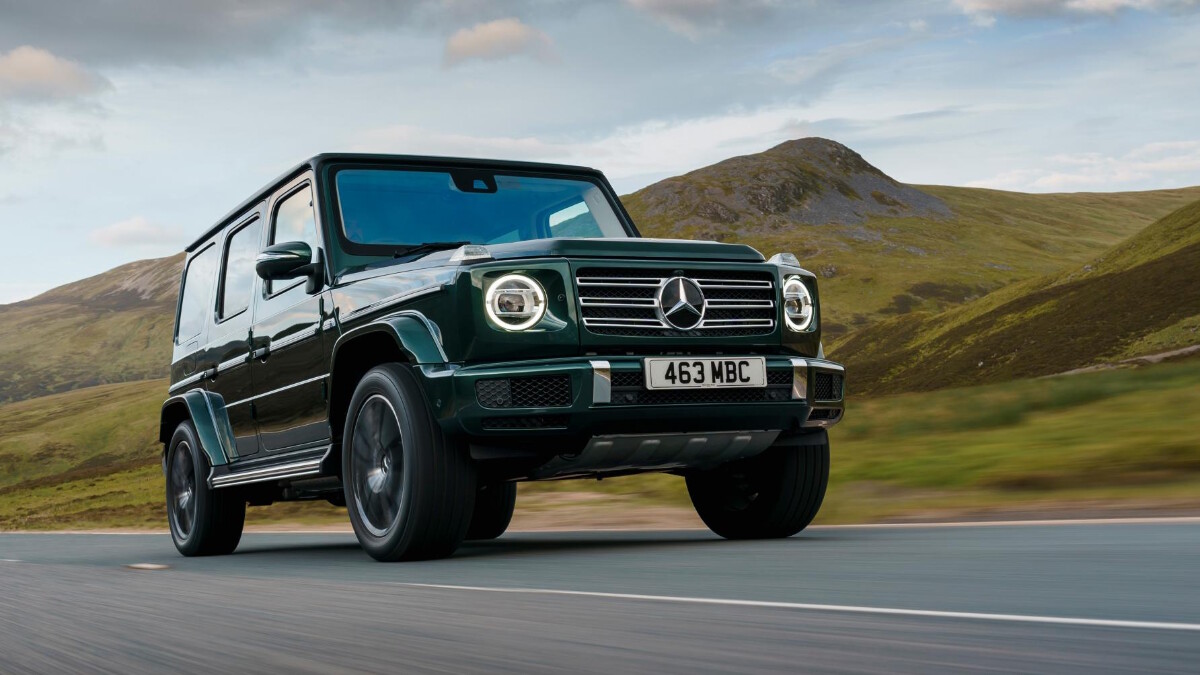
The main drawback is cost, as purchase prices are high and maintenance or repair bills can be substantial, particularly if water damages the electronics. AMG variants offer more power but do not provide greater water-wading capability.
For a buyer who wants an upscale vehicle that can handle Houston flood streets while staying comfortable on the freeway, the G-Class is among the most capable luxury options. Just remember that expensive electronics and deep water make a poor combination.
9. Range Rover
The Range Rover pairs executive-level comfort with one of the highest wading ratings in the luxury segment. Land Rover lists a maximum wading depth of about 35.4 inches, using the adjustable air suspension to raise the body when needed.
Its Wade Sensing technology uses sensors to display water depth around the vehicle, which is a genuine safety tool in murky floodwater. The Terrain Response system adjusts throttle and traction for wet or slippery surfaces, and the aluminum-intensive construction keeps weight manageable.
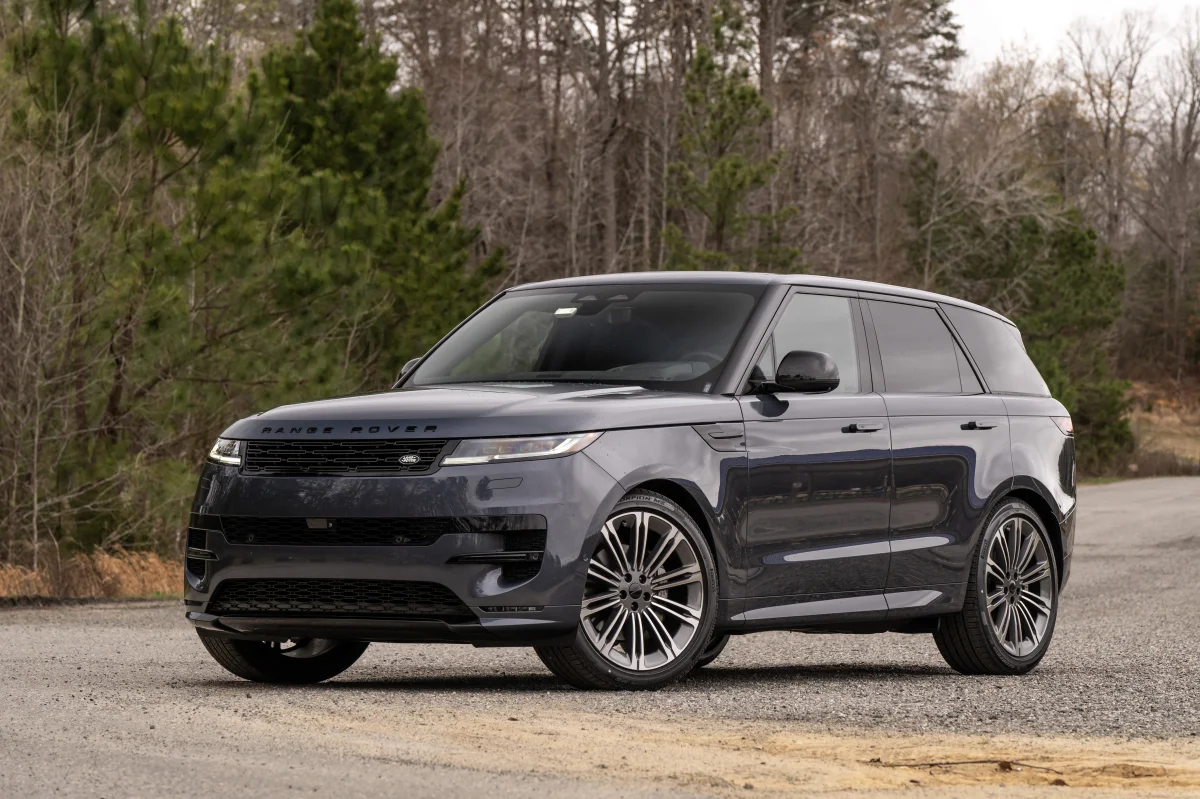
Cabin quality, quiet ride, and advanced driver assistance make it an easy daily driver. As with other Land Rover products, the main concerns are depreciation and repair costs, and electronics-heavy designs can be expensive to fix if water gets past the seals.
If budget isn’t the primary constraint and you want a vehicle that handles both flooded intersections and the drive to a fine-dining reservation, the Range Rover is one of the most capable and refined options available. Never trust the rating beyond what you can verify visually.
10. Rivian R1T
The R1T is an electric truck with surprising flood credentials. Rivian cites a wading depth of up to about 43 inches when the adjustable air suspension is in its highest setting, which exceeds nearly every combustion-powered competitor.
Electric vehicles have no air intake to ingest water, no exhaust pipe to flood, and a sealed battery pack and motors designed for water exposure. The air suspension raises ground clearance to about 14.9 inches at maximum, which keeps the body well above typical street flooding.
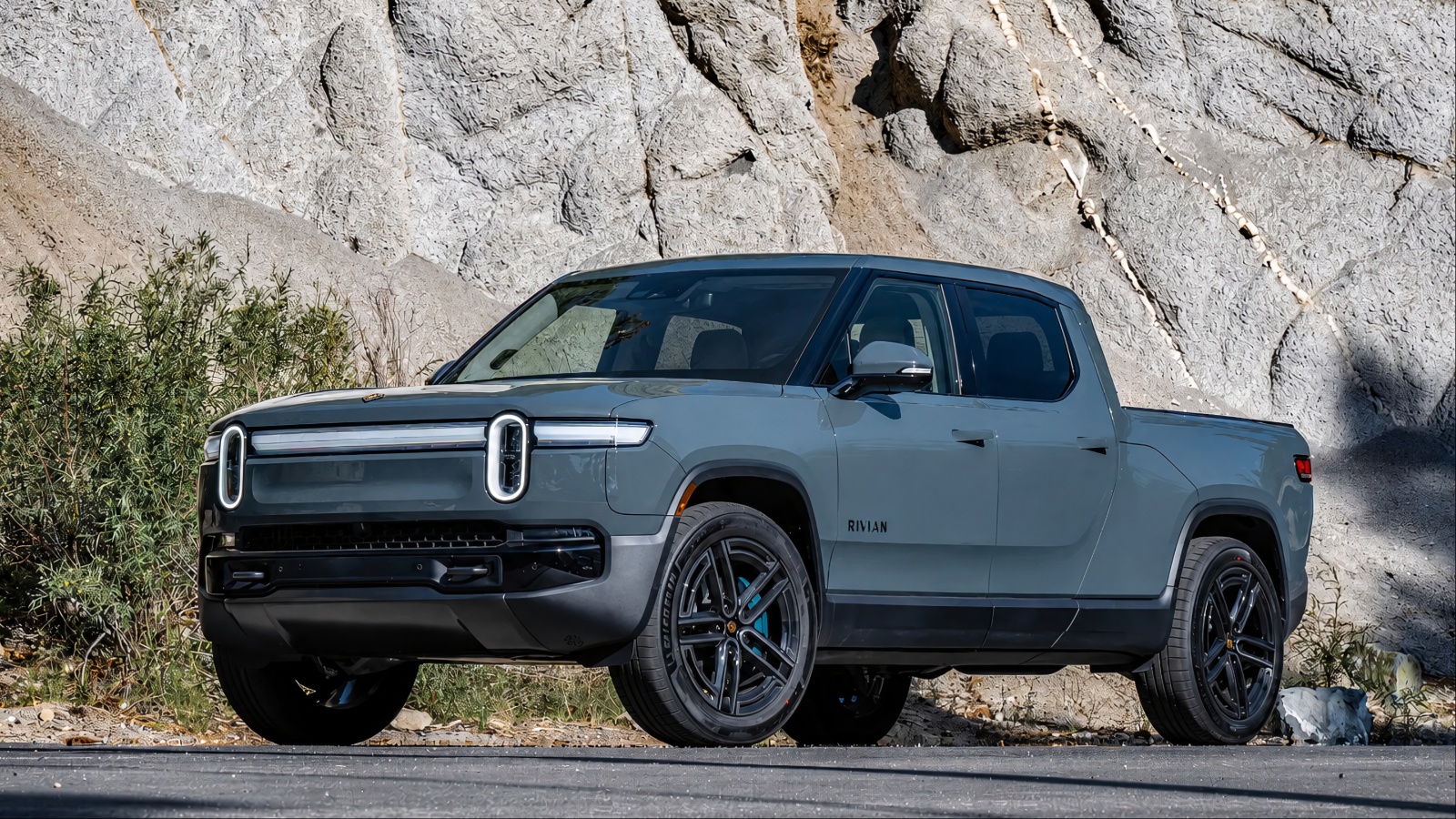
Quad-motor models provide excellent traction on slippery surfaces, while instant torque helps maintain a slow, steady pace through shallow water. However, they come with a high purchase price, require dependable charging access, and need extra caution around their high-voltage systems. Floodwater reaching the charging port or low-mounted electronics can cause severe and costly damage.
Charging infrastructure may also be disrupted during storms and power outages. For Houston drivers comfortable with EV ownership, the R1T represents a compelling blend of capability and technology.
11. Toyota Tacoma
The Tacoma is a practical midsize pickup that holds up well on flooded roads. Trims such as the TRD Off-Road, Trailhunter, and TRD Pro provide roughly 9 to 11 inches of ground clearance, plus skid plates and upgraded suspension to protect the underbody from debris.
While Toyota doesn’t promote a headline fording number for the Tacoma, owners and testers generally treat about 18 to 20 inches as the sensible limit, so treat that as an informal estimate rather than an official rating.
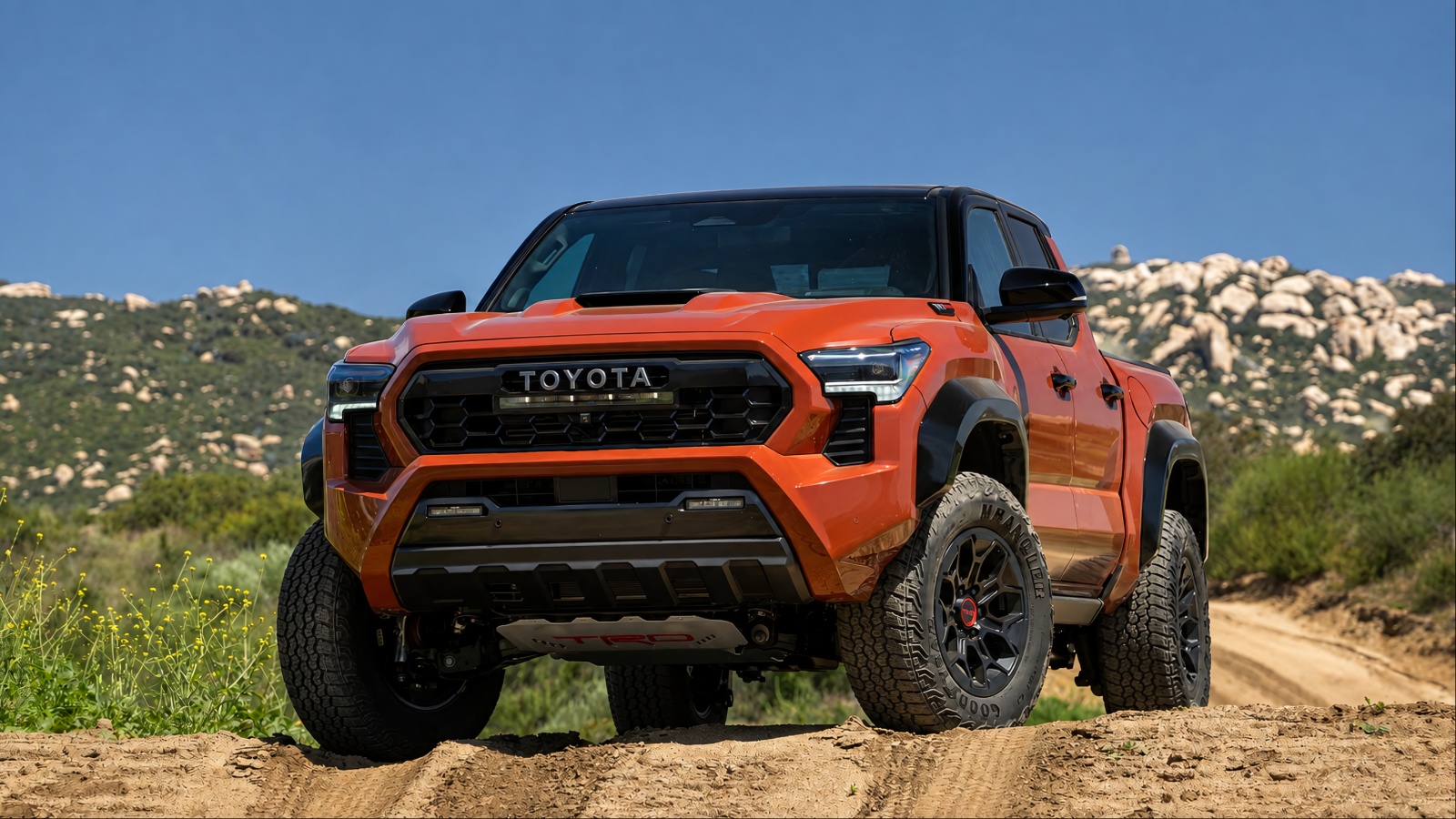
Four-wheel drive with an available locking rear differential gives good traction on slick, uneven surfaces. The Tacoma’s reputation for longevity matters in a region where vehicles face stress from heat, humidity, and periodic flooding. It’s also easier to park and maneuver than a full-size truck, which suits crowded Houston neighborhoods.
Downsides include a smaller cabin, a firm ride, and fuel economy that trails some competitors. For drivers who want a dependable, moderately priced truck with enough clearance for most street flooding, the Tacoma is a smart, sensible choice.
12. Jeep Grand Cherokee (Quadra-Lift)
The Grand Cherokee is the comfortable, family-friendly entry on this list. Models equipped with the Quadra-Lift air suspension can raise the body to provide roughly 10.9 inches of ground clearance and a rated fording depth of about 24 inches.
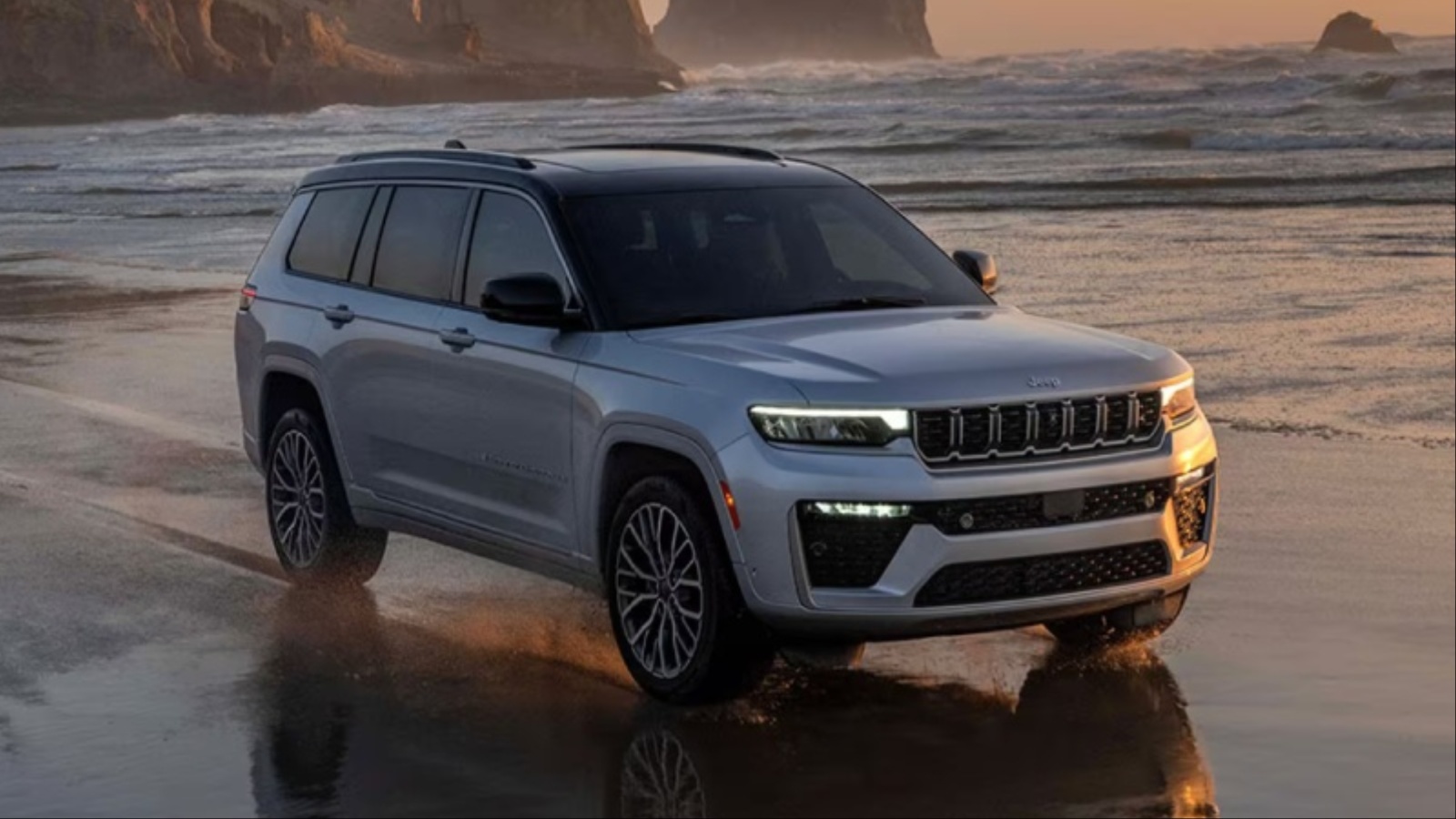
Jeep’s Quadra-Drive and Selec-Terrain systems adjust traction for wet, muddy, or snowy surfaces, which translates well to rain-slicked Houston streets. The cabin is quiet and refined, with modern infotainment and strong driver-assistance features, so it works well for long commutes. Since it uses unibody construction, it’s less rugged than a Wrangler, but it offers a more composed ride and better fuel economy.
The main limitation is the lower wading depth, which means less margin for error in deeper water. Also, the Quadra-Lift system is an upgrade, so check the specific trim. For families who need a daily driver that can handle moderate flooding and remain comfortable on the freeway, the Grand Cherokee strikes a smart balance between capability and everyday usability.
13. Subaru Outback Wilderness
The Outback Wilderness raises the ground clearance of a standard Outback to about 9.5 inches, which is higher than many crossovers and even some SUVs. Combined with Subaru’s standard symmetrical all-wheel drive, it offers dependable traction on slick or debris-covered roads.
The Wilderness trim adds all-terrain tires, a reinforced roof rack, and underbody protection, all of which help in rough post-flood conditions. Subaru doesn’t claim a deep wading rating, so this is best considered a vehicle for shallow standing water rather than serious fording.
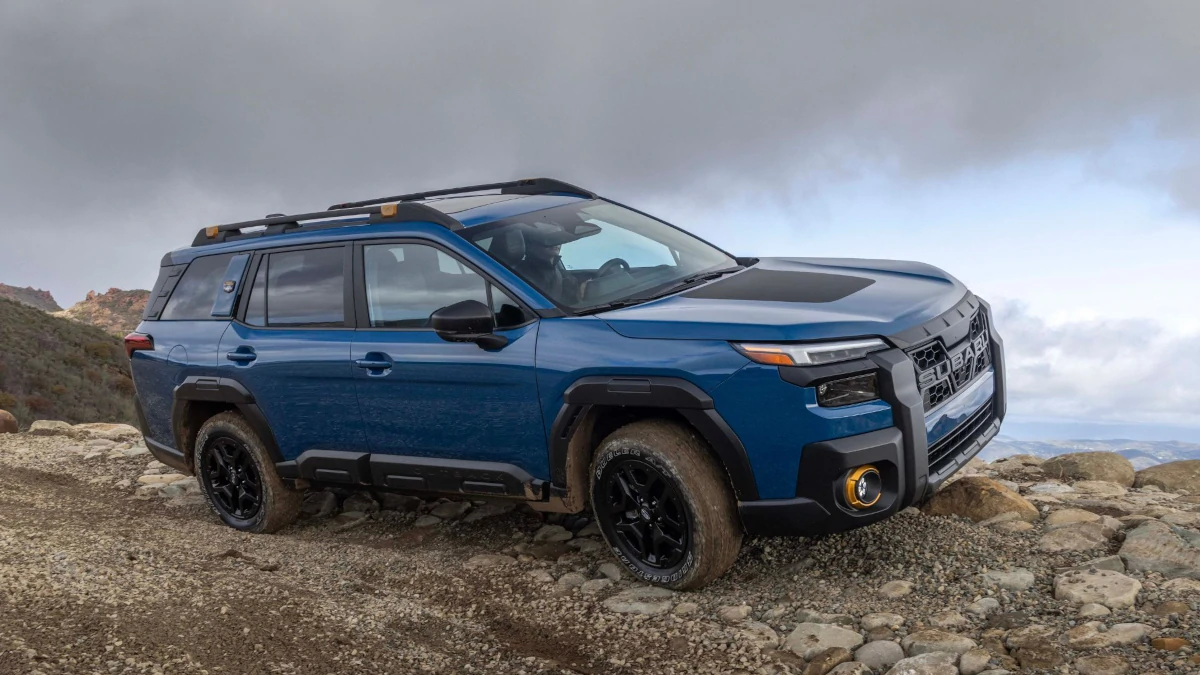
Its main advantages are practicality and efficiency, with a spacious wagon-style interior, strong safety ratings, and better fuel economy than most truck-based vehicles. Its unibody construction provides a comfortable ride, while the lower purchase price makes it more affordable than premium alternatives.
The weakness is that it simply doesn’t have the clearance or intake height to tackle deeper flooding. For Houstonians who face occasional street flooding but don’t need extreme capability, the Outback Wilderness is a sensible and affordable option.
14. Chevrolet Colorado ZR2
The Colorado ZR2 is a capable midsize truck built for rough terrain, and that translates well to flooded streets. It offers about 10.7 inches of ground clearance, a wide stance, and Multimatic DSSV dampers that handle debris and potholes with composure.
Front and rear locking differentials provide strong traction when surfaces are slick, and skid plates protect the underbody. Chevrolet doesn’t publicize a specific fording depth for the ZR2, so treat shallow standing water as its comfortable limit and avoid pushing deeper without verifying specs for your model year.
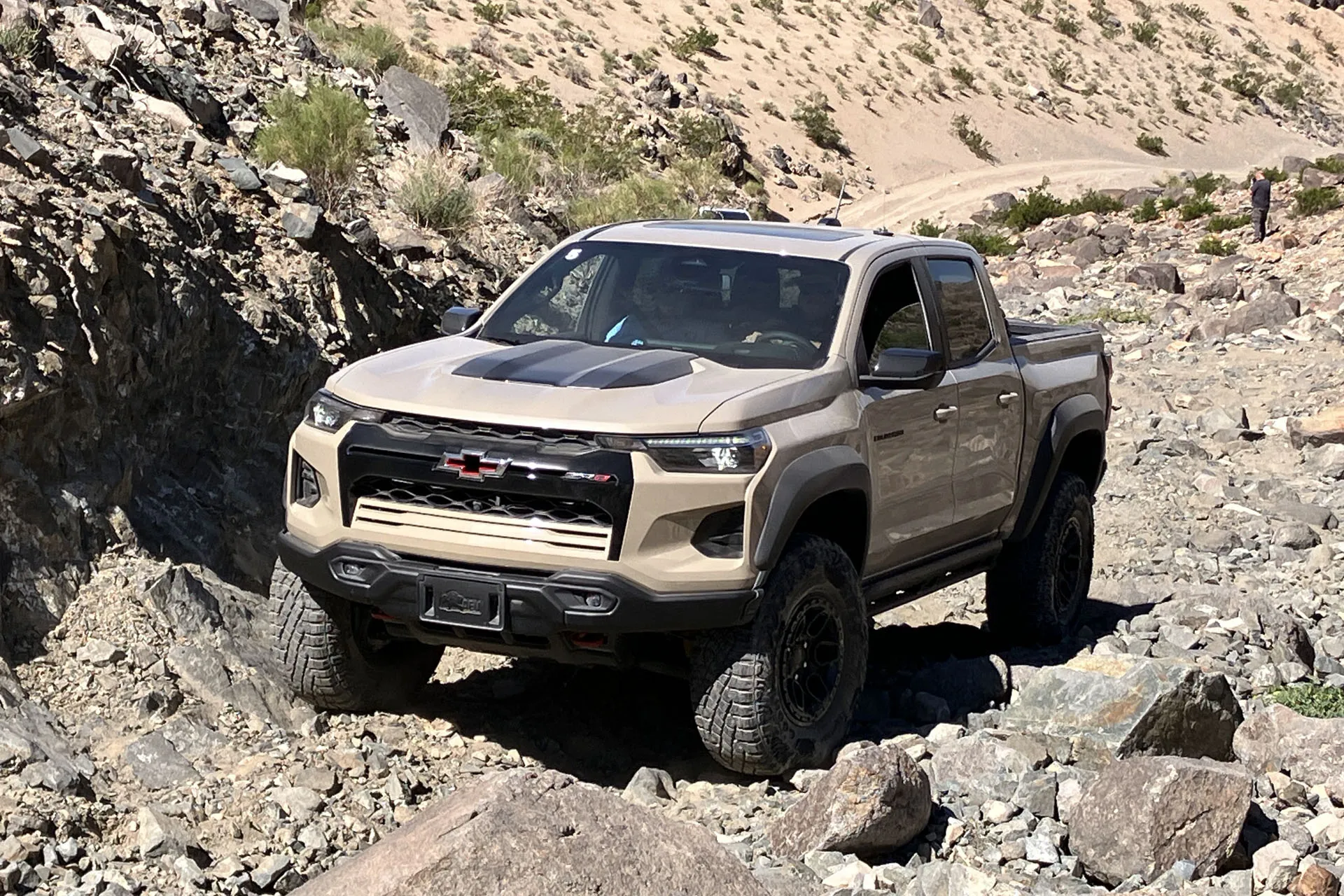
The powertrain is torquey, which helps you maintain a slow, steady pace when crossing wet roads. Inside, the cabin is modern and comfortable, and the truck bed adds everyday usability.
The tradeoffs include a premium price, a relatively firm ride, and fuel economy that is average at best. For drivers who want a more compact alternative to a full-size truck while retaining strong off-road hardware, the ZR2 delivers meaningful clearance and durability for Houston’s rainy seasons.
15. Subaru Crosstrek Wilderness
The Crosstrek Wilderness is the most affordable choice here, but it still offers meaningful advantages over a standard sedan or small crossover. With about 9.3 inches of ground clearance and all-wheel drive, it can handle shallow standing water that would stop many passenger cars.
Underbody protection, all-terrain tires, and a more robust suspension add resilience on the rough, debris-strewn streets that follow heavy rain. Because it is a compact crossover with a lower air intake than larger SUVs, it’s not suited to deeper water, and Subaru does not advertise a fording depth.
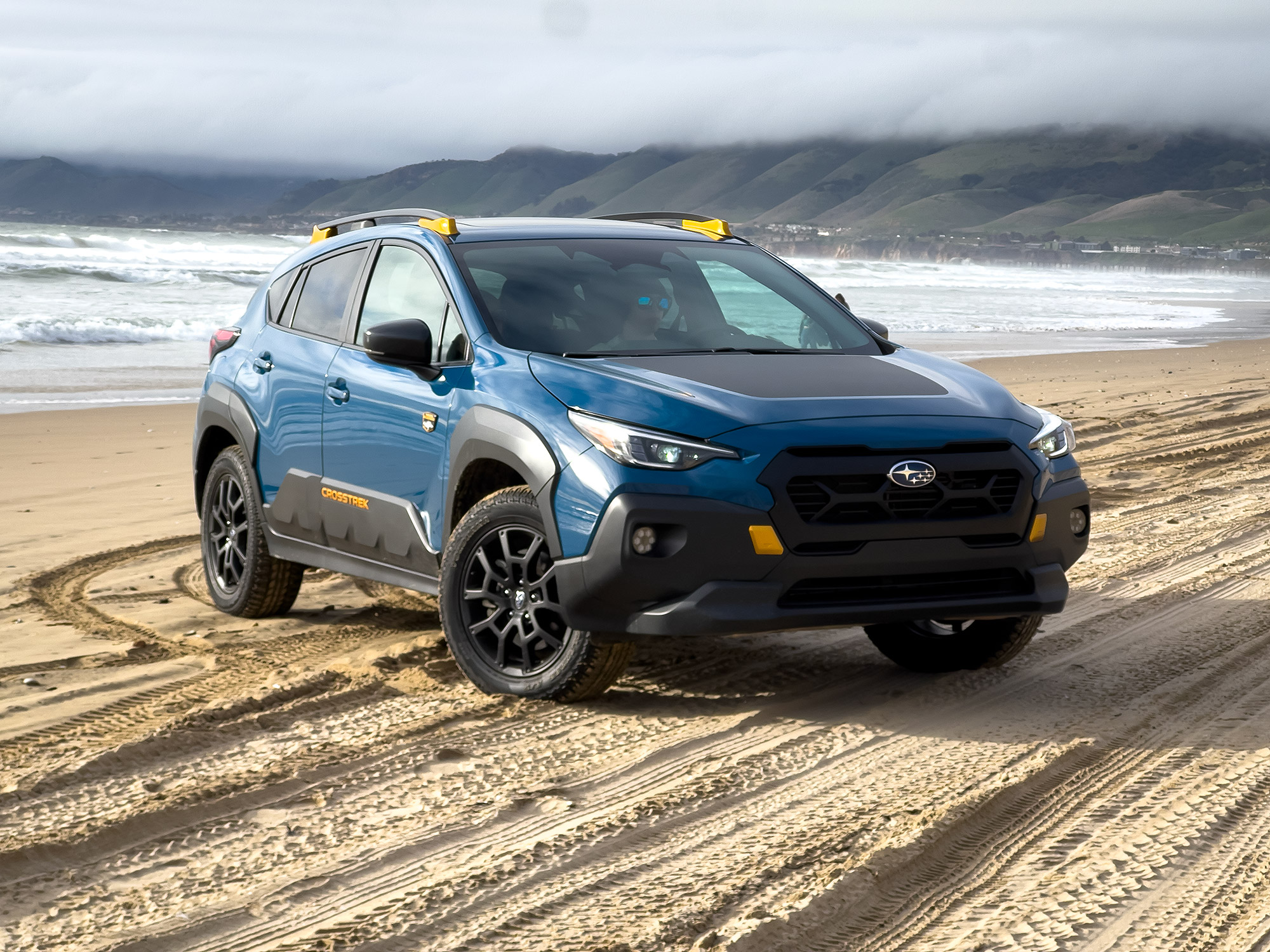
Think of it as a vehicle for ponding on neighborhood streets rather than flooded underpasses. Its advantages are efficiency, low running costs, and easy maneuvering in tight spaces.
It also offers strong safety ratings and good visibility, which matter in heavy rain. For budget-conscious Houston commuters who want a modest margin of safety against minor flooding, the Crosstrek Wilderness is a practical, sensible pick, provided you stay out of deeper water.
16. Lexus GX
The latest Lexus GX combines Toyota-grade durability with a more upscale cabin. It uses a body-on-frame platform, full-time four-wheel drive, and a locking center differential, giving it solid traction on wet or slippery roads.
Ground clearance is roughly 8.3 inches on standard trims and higher on the Overtrail version, and Lexus lists a wading depth of about 27.5 inches on some configurations, though you should confirm current figures for the specific trim.
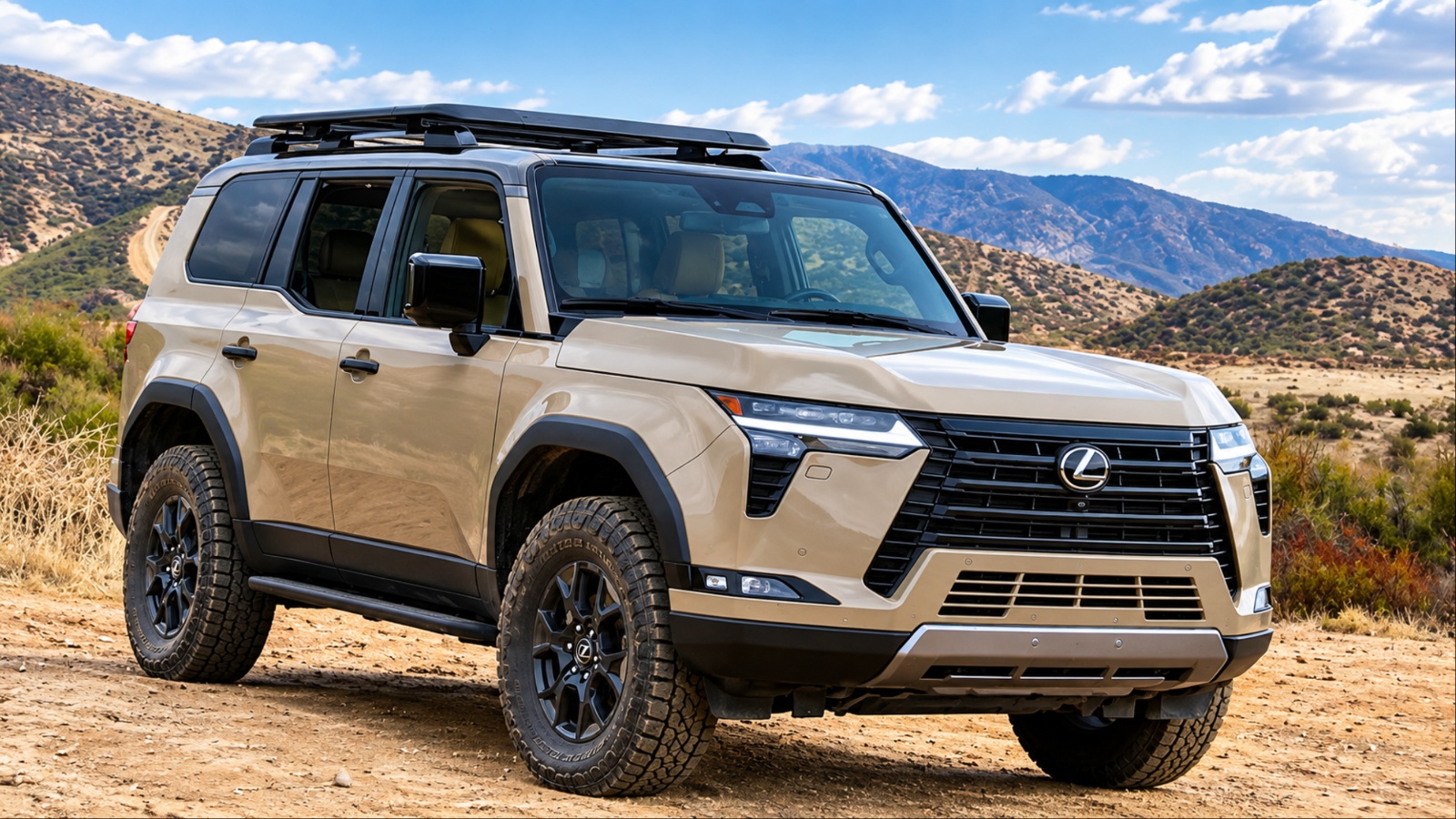
The GX’s reputation for reliability is a major draw, especially for buyers who plan to keep the vehicle for many years in a humid, storm-prone climate. Inside, it offers a quiet, comfortable ride and plenty of safety technology, making it easy to live with every day.
The downsides are the high price, thirsty V6 engine, and less cargo space than larger luxury SUVs. For drivers who want a refined vehicle that can handle flooded streets without the maintenance anxieties often associated with European luxury brands, the GX is a strong contender.