
Michigan offers plenty of freedom for drivers, car collectors, and automotive enthusiasts, but not every vehicle qualifies for legal registration on public roads. Certain vehicles face restrictions because of their age, import status, construction, safety equipment, title history, or intended use.
Buying an unusual car without checking Michigan’s registration requirements can lead to unexpected expenses and a vehicle you cannot legally drive. From scrap-titled cars to certain imported mini trucks and heavily modified vehicles, understanding state rules before making a purchase can protect your money and prevent paperwork problems. Here are ten vehicle categories Michigan buyers should understand.

1. Scrap-Titled Cars That Have Been Declared Unfit for the Road
A car carrying a Michigan scrap title cannot be registered for ordinary road use. This designation applies to vehicles with severe damage that meet the state’s scrap-title criteria. Such cars may look repairable to an inexperienced buyer, particularly when the exterior panels remain recognizable, but their legal status creates a major obstacle.
Michigan treats scrap-titled vehicles as sources of parts or scrap metal rather than cars that can return to public roads. Anyone considering purchasing a damaged vehicle should inspect its title before agreeing to a price.
The distinction between a salvage title and a scrap title is especially important. Michigan generally issues a scrap title when the estimated repair cost reaches at least 91 percent of the vehicle’s pre-damage value.
A salvage title applies to a different damage category and may allow the vehicle to return to road use after the required repairs, inspection, and retitling. These classifications are not interchangeable, so buyers should never assume that every wrecked vehicle can be rebuilt and registered.
Scrap-titled cars can appear in online auctions, dismantling yards, and private sales. Their low prices often attract people hoping to restore an inexpensive commuter car or obtain a donor vehicle for a project.
However, a low purchase price does not change the legal restrictions associated with the title. Before buying, request the actual title documentation and confirm the vehicle’s status with the Michigan Department of State. A seller’s verbal assurance that the car can be repaired is not sufficient proof of eligibility.

2. Certain Imported Mini Trucks and Microvans Under 25 Years Old
Small Japanese mini trucks and microvans attract attention because of their compact dimensions, practical cargo beds, and distinctive styling. These vehicles, commonly associated with the kei vehicle category, are used for agricultural work, commercial transport, and local travel in Japan.
Some American buyers want them as inexpensive utility vehicles for farms, properties, or everyday driving. However, Michigan applies specific restrictions to certain imported mini trucks and microvans, particularly those less than 25 years old.
According to Michigan Department of State guidance, mini trucks and microvans under 25 years old are not eligible for ordinary on-road titling and registration under the state’s stated policy. They may qualify for off-road titling instead.
This means an owner cannot assume that an imported vehicle can receive a standard passenger vehicle plate simply because it has a foreign registration document, a bill of sale, or a clean appearance. The vehicle’s age and intended classification matter.
Federal import requirements create an additional issue. Vehicles imported into the United States must satisfy the applicable federal safety and emissions rules or qualify for a recognized exemption.
The 25-year federal import exemption can affect whether an older vehicle may be imported without complying with certain federal motor vehicle safety standards. It does not remove every state-level requirement, so federal eligibility should not be confused with automatic permission to drive on Michigan roads.
3. Golf Carts Without the Required On-Road Classification
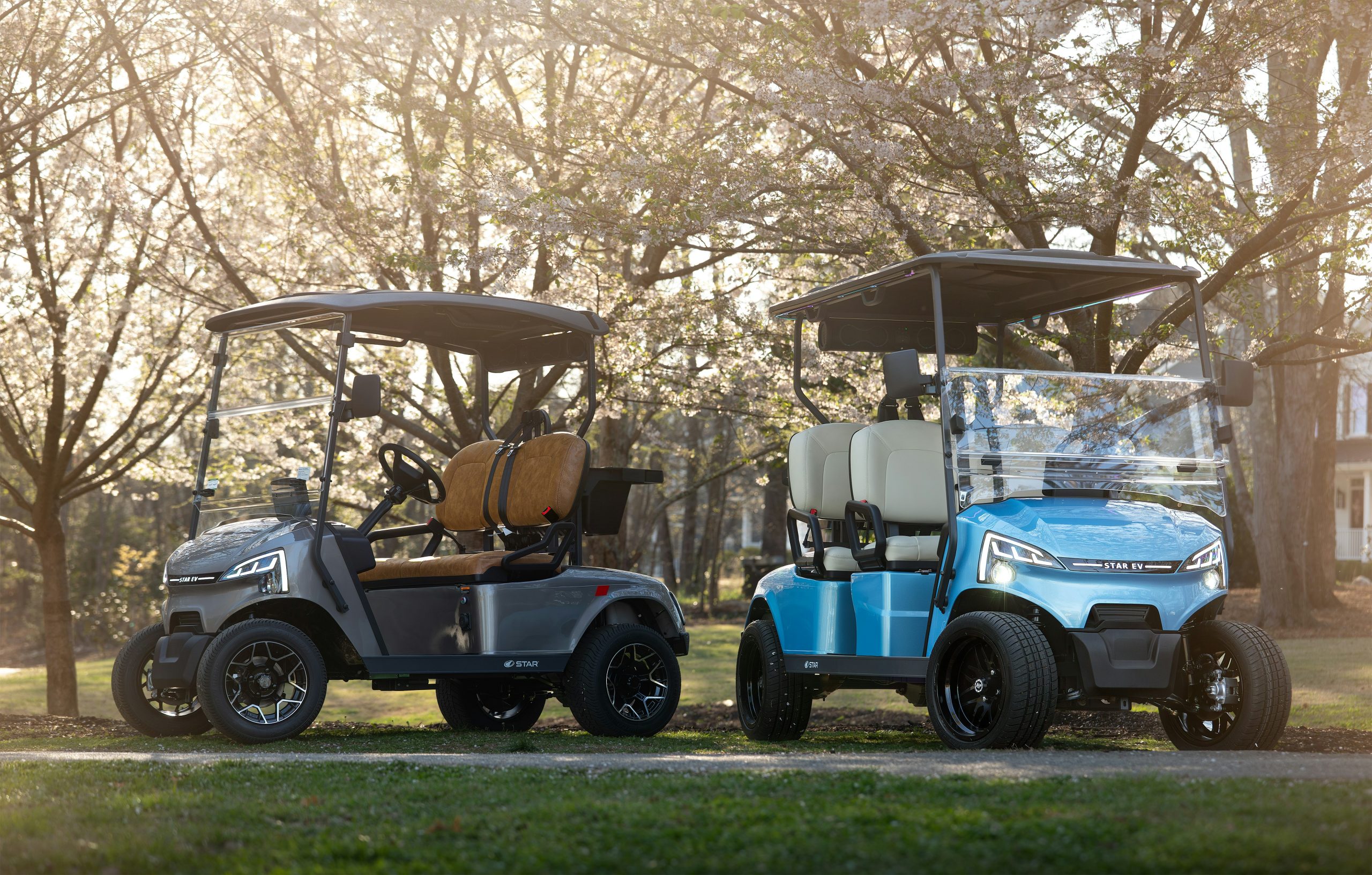
Golf carts are common on golf courses, private properties, campgrounds, and some residential developments. Their simple controls and low operating speeds make them convenient for short trips in suitable settings.
However, a conventional golf cart cannot simply receive a standard Michigan passenger vehicle registration because its owner wants to drive it on public streets. The vehicle’s original design and certification determine whether it can qualify for an approved road-use classification.
Michigan Department of State guidance states that golf carts cannot be registered as ordinary on-road vehicles. There is an important distinction between a golf cart and a qualifying low-speed vehicle.
If the manufacturer’s certificate of origin indicates that the vehicle meets applicable federal on-road requirements, it may be eligible for titling as a low-speed vehicle and registration with a passenger license plate. That qualification depends on documentation and compliance, not merely on the cart’s appearance.
A conventional golf cart may lack important road equipment, including compliant lighting, turn signals, mirrors, windshields, seat belts, and other required safety features. Adding accessories does not automatically turn it into a legally approved road vehicle.
Owners must establish whether the particular vehicle qualifies under Michigan’s rules and whether it meets the equipment and operating requirements that apply to its classification. A shop’s promise to make a cart street legal should not replace official confirmation.
4. Homemade Cars Without an Approved Title and Vehicle Identification Number
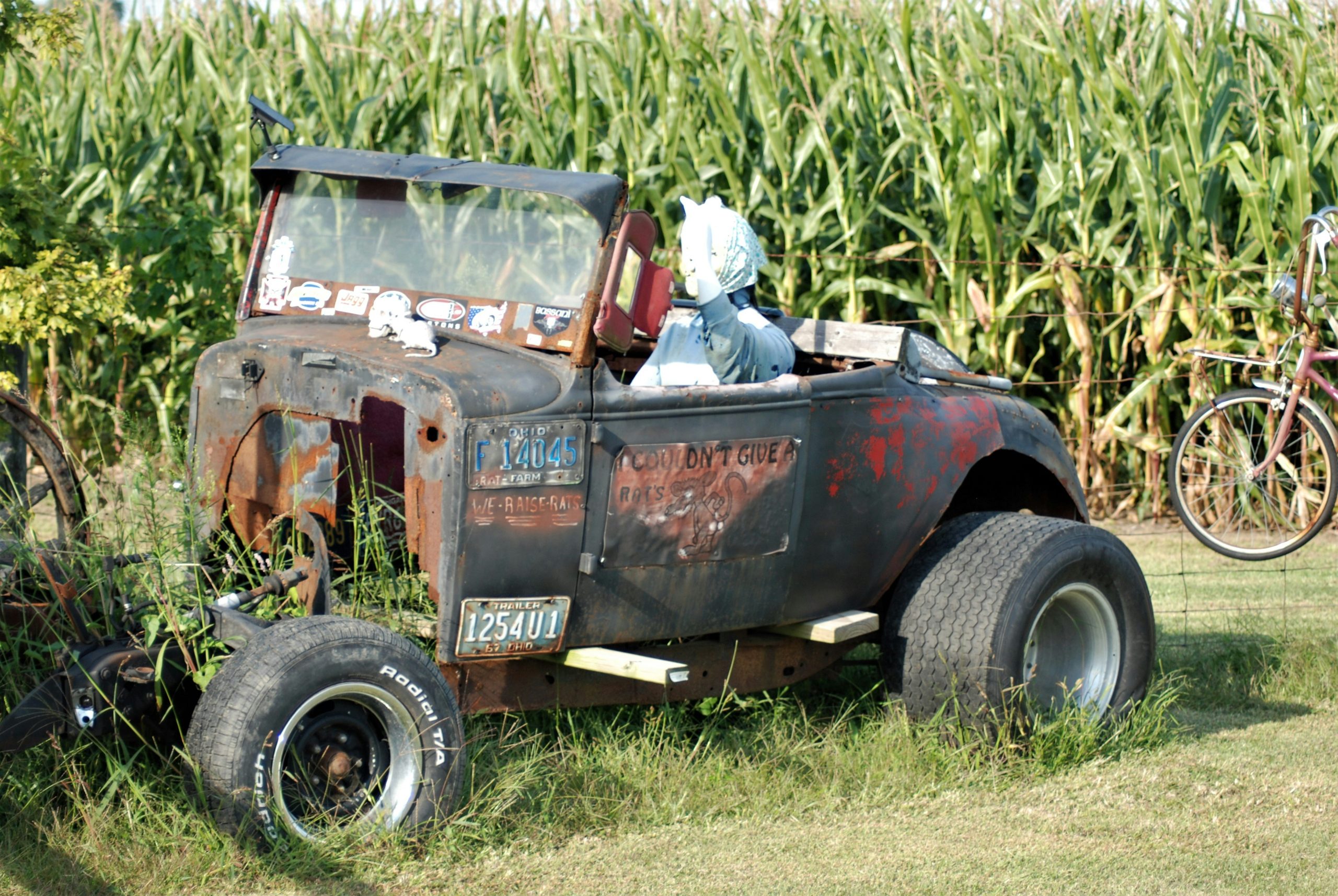
Building a car at home can be an exciting project for automotive hobbyists who enjoy fabrication, welding, engine installation, and custom bodywork. Michigan does allow certain homemade vehicles to be titled, but the process involves specific requirements.
A vehicle assembled from new or used parts by someone who is not recognized as its manufacturer may be classified as an assembled vehicle. It cannot automatically be registered for road use simply because the builder has completed the mechanical work.
The state may require an assembled vehicle application, ownership documents for the major components, and a vehicle number and on-road equipment inspection. A law enforcement officer checks the applicable safety equipment and identification details, and additional review by Michigan Department of State personnel may be required.
The process helps establish the vehicle’s identity and determine whether it satisfies the conditions for a title. Skipping these steps can leave the builder with a functioning car that lacks legal approval for road use.
Documentation is especially important when parts come from several donor vehicles. Receipts, bills of sale, titles, and other ownership records may be needed to establish where major components originated.
Components from scrap-titled vehicles are subject to additional rules, and a builder cannot assume that any combination of used parts will qualify. A vehicle assembled using undocumented or legally restricted components may face significant barriers during the titling process.

5. Kit Cars That Have Not Completed Michigan’s Titling Process
Kit cars appeal to enthusiasts who want the look and driving experience of a specialty sports car without purchasing a factory-built example. They may arrive as a collection of body panels, a chassis, suspension components, and other parts that the buyer assembles.
Some kits replicate classic roadsters, while others feature modern designs. Michigan classifies vehicles assembled from kits designed for on-road use as assembled vehicles, meaning special titling procedures apply even when the kit comes with a manufacturer’s certificate of origin.
The presence of a certificate of origin does not guarantee that a kit car can receive an ordinary title and registration. The vehicle must go through the applicable state process, which can include documentation review, identification procedures, and an inspection of required road equipment.
The builder must also establish the origin and ownership of the components used in construction. These steps help the state determine how the completed vehicle should be classified.

6. Off-Road ATVs That Have Not Been Converted for Road Use
All-terrain vehicles are designed for trails, designated riding areas, and other permitted off-road environments. Their high ground clearance, wide tires, and compact frames make them suitable for uneven terrain, but these features do not automatically make them legal passenger vehicles.
In Michigan, an ATV generally cannot be driven on public roads as an ordinary registered car or truck unless it qualifies for the applicable conversion and titling process. Owners must understand the difference between off-road authorization and road registration.
Michigan provides a process for certain off-road vehicles to be converted for on-road use. The vehicle must satisfy the state’s equipment and safety requirements, and the owner must complete the applicable assembled-vehicle procedures.
The required inspection considers whether the vehicle has the equipment necessary for legal road use. Simply installing mirrors, adding headlights, or attaching a license plate holder does not establish that the ATV qualifies.
The conversion requirements can include approved glazing for a windshield, appropriate lighting, and a compliant braking arrangement. Michigan’s published guidance specifically addresses windshield certification and the need for a mechanical parking brake in the conversion process.
Owners should check the current inspection form for the full list of applicable requirements rather than relying on an incomplete online checklist. Requirements can vary according to the vehicle and its classification.
Insurance should also be considered before any conversion work begins. Michigan requires a valid no-fault insurance policy for qualifying assembled off-road vehicles registered for on-road use.
An insurer may need to evaluate the vehicle and confirm that it can be covered for the proposed operation. Buyers should obtain clear information about insurance eligibility, the conversion process, and registration costs before investing in parts or professional labor.
A conventional ATV that has not completed the required process should be treated as an off-road vehicle, not a street-legal substitute for a car. Michigan may allow certain off-road vehicles to use specific roads or cross roadways under separate rules, but these limited permissions are not equivalent to unrestricted on-road registration.
Anyone who wants regular road access should verify the exact vehicle’s eligibility with the Secretary of State and the relevant local authorities.

7. Off-Road Motorcycles and Dirt Bikes Without Road Equipment
Dirt bikes are built for motocross tracks, trails, and rough terrain. Their lightweight frames, long-travel suspension, and knobby tires help riders navigate surfaces that would challenge an ordinary street motorcycle.
However, a motorcycle manufactured exclusively for off-road use may not have the equipment or certification needed for public-road operation. Michigan owners should check whether their specific dirt bike can qualify for on-road use before attempting to register it.
Many off-road motorcycles lack features commonly required on road-going motorcycles, such as compliant headlights, tail lamps, brake lights, turn signals where required, mirrors, road-approved tires, and other safety equipment.
The exact requirements depend on the applicable vehicle classification and state rules. Installing aftermarket parts may address some equipment deficiencies, but modifications do not automatically make every dirt bike eligible for registration.
Michigan’s procedures for qualifying off-road motorcycles may involve titling the machine as an assembled vehicle for on-road use. The owner must meet the applicable identification, documentation, inspection, and equipment requirements.
This is different from simply obtaining an off-road title or purchasing a trail permit. An off-road title establishes a vehicle’s legal status for the relevant purpose, but it does not independently authorize unrestricted use on public roads.
The bike’s documentation can create additional complications. Some motorcycles have certificates of origin that identify them as competition-only or off-road models. Others may have unclear ownership records because they were bought used, transferred privately, or imported.
Buyers should inspect the vehicle identification number and collect the original title or other required ownership documents before spending money on conversion work. A missing or problematic title can delay the process considerably.

8. Gray-Market Military Surplus Vehicles Restricted to Off-Road Use
Military surplus vehicles attract collectors because of their rugged construction, unusual appearance, and historical significance. Buyers may find former military trucks, tactical utility vehicles, and specialized transport machines at auctions or through surplus dealers.
Their ability to travel over rough terrain can make them appear suitable for public roads, but their original military purpose does not automatically establish eligibility for civilian registration. The vehicle’s legal classification and documentation must be examined carefully.
Michigan law includes specific treatment for certain military surplus vehicles designated by the federal government for off-road use only. Such vehicles are excluded from the state’s ordinary assembled-vehicle category.
That distinction matters because the assembled-vehicle process available for some custom vehicles cannot automatically be used to bypass restrictions affecting a military vehicle. Buyers need to establish the exact status of the model they intend to purchase.
Equipment is a major consideration. A military vehicle may have lighting, mirrors, seating, glazing, brakes, tires, or other components that do not meet the standards applicable to civilian road vehicles.
Some vehicles may also have unusual dimensions or operating characteristics. Correcting these issues can be expensive, and the modifications may still fail to resolve a legal restriction connected to the vehicle’s classification or federal designation.
The paperwork can be equally complicated. A military auction receipt, surplus release document, or bill of sale does not necessarily function as a conventional vehicle title.
Depending on the vehicle, additional records may be needed to establish ownership and determine whether the vehicle is eligible for a Michigan title. Buyers should avoid relying solely on claims that a similar vehicle has been registered somewhere else, because another owner’s circumstances may be different.

9. Heavily Modified Vehicles That No Longer Match Their Original Identity
Vehicle modifications are popular among enthusiasts who want a different appearance, better performance, or a purpose-built machine. Common upgrades include suspension changes, engine replacements, body kits, and custom paint. Many modifications can be completed without changing a vehicle’s basic legal identity. However, Michigan may classify a vehicle as an assembled vehicle when alterations are extensive enough that it no longer reflects its original manufacturer configuration.
A heavily modified Volkswagen converted into a dune buggy is a useful example of the distinction. When a vehicle’s body, chassis, or construction changes substantially, its original title may no longer describe what has been built.
Michigan’s assembled-vehicle procedures address these situations and establish a process for reviewing the vehicle’s identity, ownership, and equipment. The owner may need to obtain an appropriate title before registering the completed project for road use.
Not every engine swap or exterior modification automatically creates a registration problem. Replacing an engine, hood, fenders, or trunk lid does not necessarily mean that the vehicle becomes an assembled vehicle.
The important question is whether the modification changes the vehicle’s original manufacturer configuration to the extent specified under state rules. Owners should confirm how their particular modifications affect the title instead of assuming that all custom work is prohibited.
Documentation becomes especially important when major parts come from several vehicles. The owner may need records showing the source and ownership of the frame, body, engine, and other major components.
Parts taken from scrap-titled vehicles may be subject to special restrictions, including rules governing how they can be used in an assembled vehicle. A collection of purchased parts does not automatically establish a legally acceptable ownership history.

10. Flood-Damaged Vehicles With Unresolved Title and Safety Problems
Flood-damaged cars are widely available through used-vehicle markets and salvage auctions, sometimes at prices far below comparable vehicles without damage histories. Water exposure can affect electrical systems, engine components, transmission parts, sensors, airbags, and safety equipment.
A car may appear clean after its interior has been dried and detailed, yet still have problems that are difficult to identify during a short inspection. Buyers should pay close attention to the title and the vehicle’s documented history.
A flood-damaged vehicle is not automatically prohibited from registration in Michigan simply because it has experienced water damage. Its eligibility depends on the title status, applicable requirements, and condition of the vehicle.
Michigan recognizes flood-related title branding, and that branding remains part of the vehicle’s title history. A buyer should distinguish between a vehicle with a flood history that can be legally titled and a vehicle carrying a scrap title that cannot return to ordinary road use.
The danger is greatest when sellers conceal water damage or provide incomplete paperwork. Warning signs can include musty odors, corrosion beneath seats, unusual electrical faults, moisture inside lights, and mismatched interior components.
These clues do not independently establish the legal status of a car, but they can signal the need for a detailed professional inspection. A vehicle history report can also reveal information about prior title brands, reported damage, and insurance records.
Buyers should verify whether the title is clear, branded, salvage, or scrap before completing a transaction. If the car has a salvage title, Michigan’s recertification and retitling requirements may apply before it can be plated and used on public roads.
A scrap-titled vehicle cannot be returned to ordinary road use under the state’s rules. A seller’s claim that a vehicle has been repaired is not a substitute for the appropriate inspection and documentation.