The electric vehicle market in the United States is going through a period of major change. Several familiar models have been discontinued, removed from future model-year plans, or dropped from the American market, even as automakers continue developing new electric technology. For shoppers, these decisions raise practical questions about vehicle availability, replacement parts, warranty support, and long-term ownership.
Some departures involve the end of production, while others mean a model will no longer be sold in the United States despite remaining available elsewhere. Those details matter, especially for drivers considering a discounted electric vehicle or owners wondering what comes next for their cars. Here is a date-based guide to the electric models listed as leaving the US market from 2025 onward, including the reported production timelines and important qualifications.
1. Genesis Electrified G80
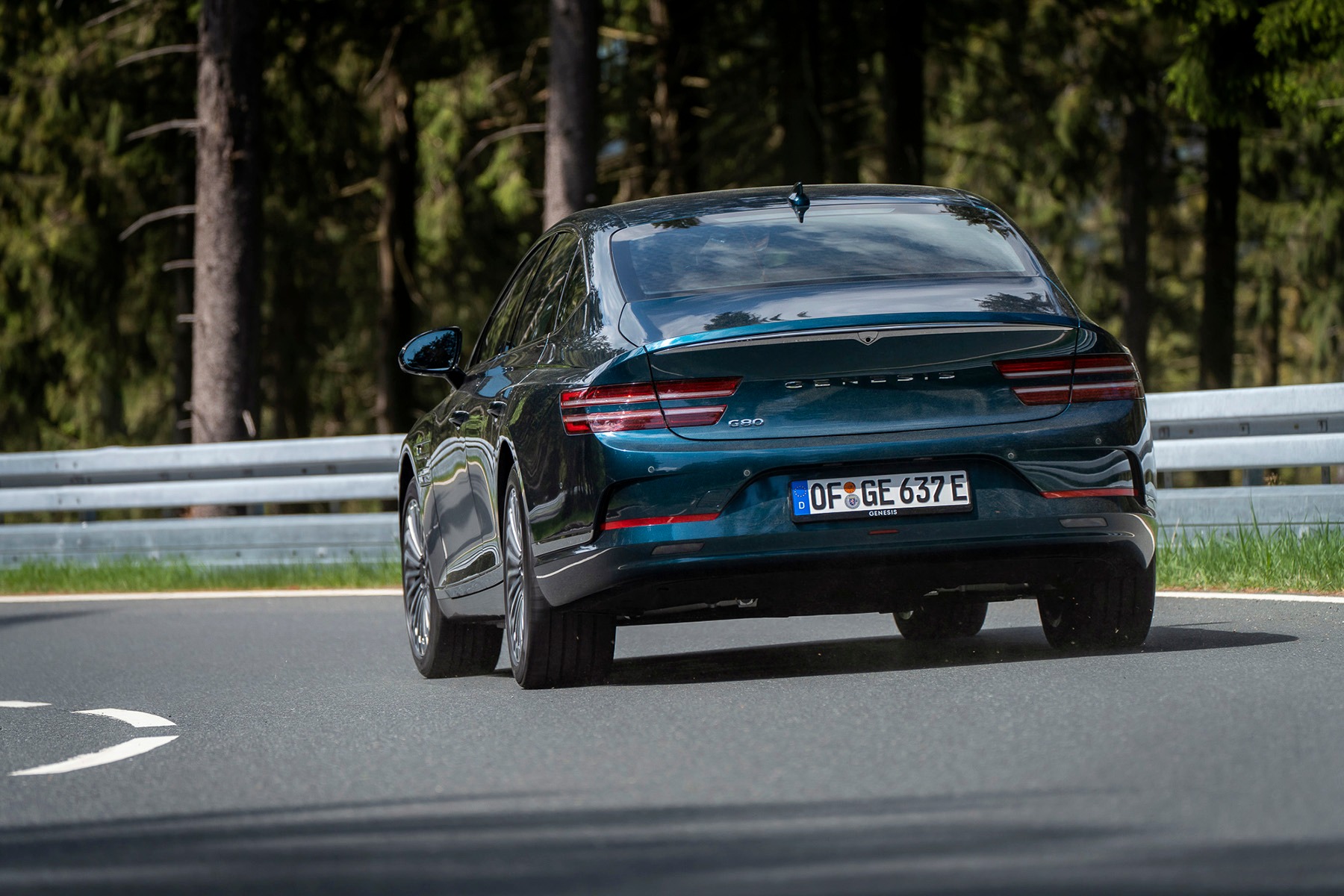
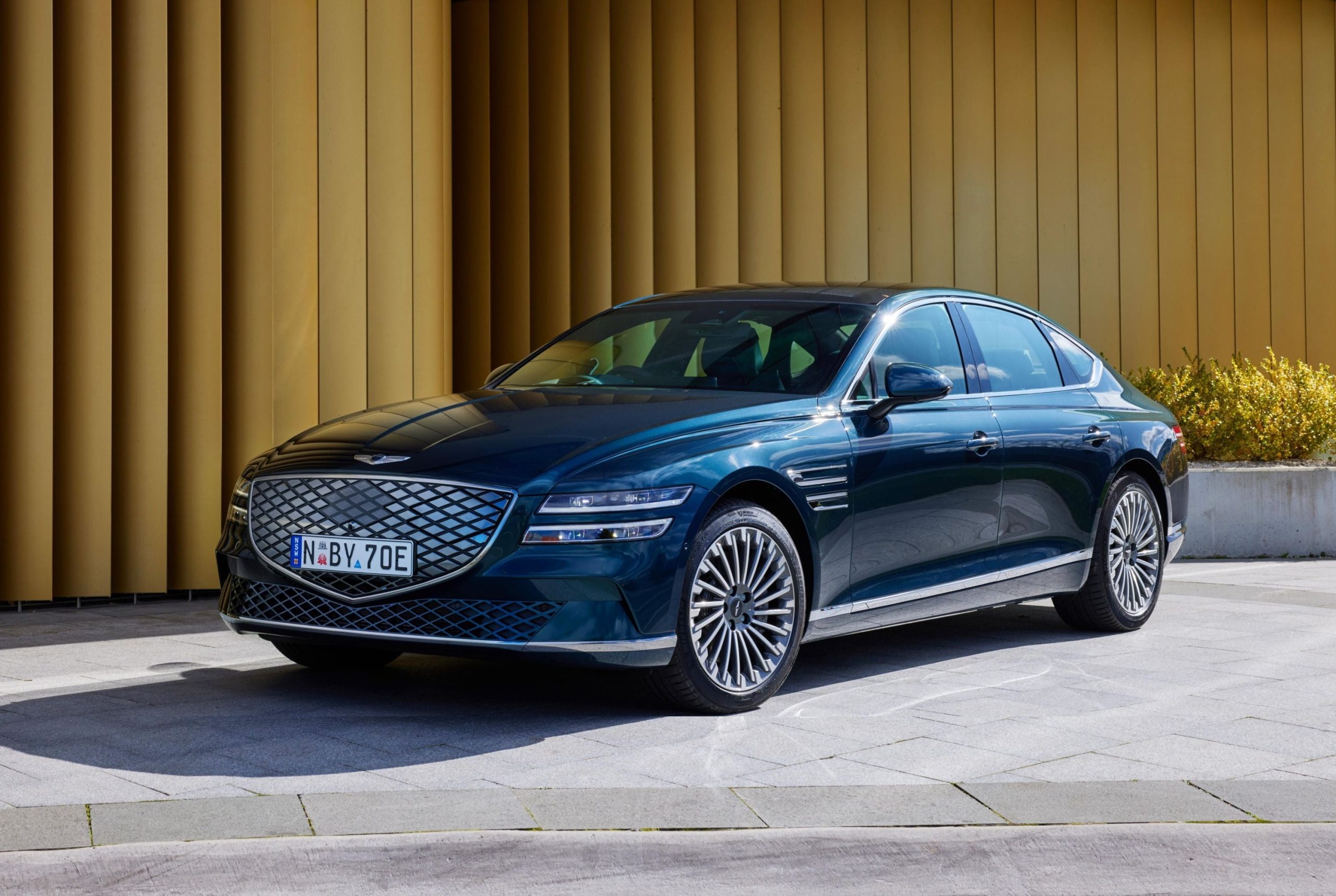
The Genesis Electrified G80 was one of the first models on this list to leave the American electric-car lineup. Genesis confirmed in August 2025 that the electric luxury sedan would no longer be offered in North America. The 2024 model year was its last in the United States.
The sedan paired the familiar design of the gasoline-powered G80 with an all-electric powertrain, premium cabin materials, and a quiet driving experience. A refreshed version had been planned for 2026, but American shoppers will not receive that updated model.
Limited sales appear to have contributed to the decision. Genesis sold relatively few examples in the first half of 2025, making it harder to justify continued US availability.
Existing owners should not assume that the model’s departure means their cars can no longer be serviced. Buyers considering a used Electrified G80 should check warranty coverage, local dealer support, and replacement-part availability before purchasing.
2. Volvo EC40
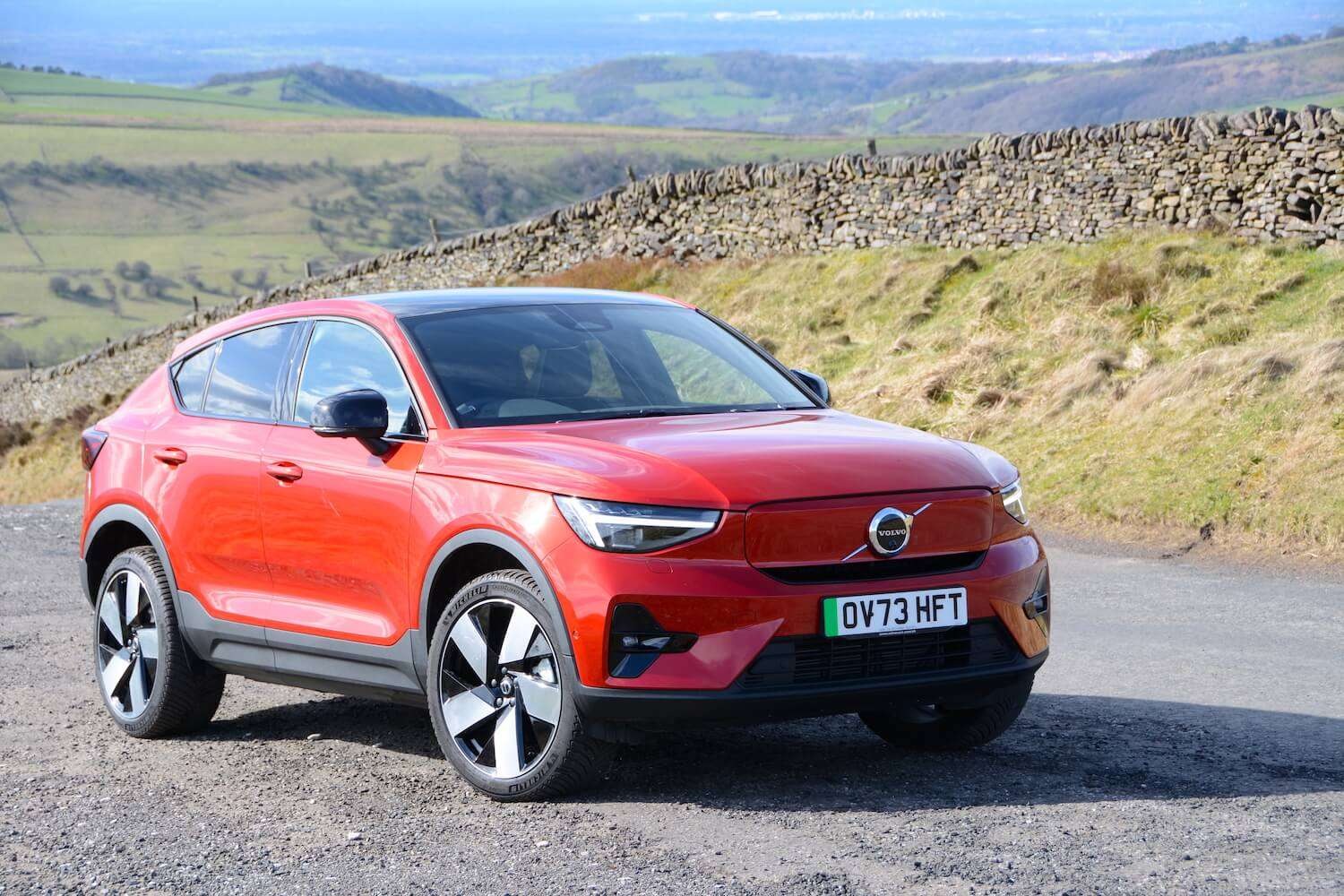
Volvo ended US sales of the EC40 after the 2025 model year, removing its coupe-style electric crossover from the brand’s American lineup. The model continued to be offered in other countries, so its departure did not represent a worldwide production end.
The EC40 combined a sloping roofline with an all-electric powertrain and a premium interior. Its design appealed to shoppers who wanted an electric crossover with a sportier appearance than a conventional upright SUV.
For US buyers, the end of sales means remaining dealer inventory and used examples may become the main ways to obtain one. That can create opportunities for shoppers willing to consider a discontinued vehicle, especially if dealers offer competitive pricing.
However, anyone considering an EC40 should verify the vehicle’s model year, battery warranty, software support, and service arrangements. Volvo’s decision to stop offering the model in the United States does not, by itself, mean support for existing vehicles has ended.
3. Ford F-150 Lightning
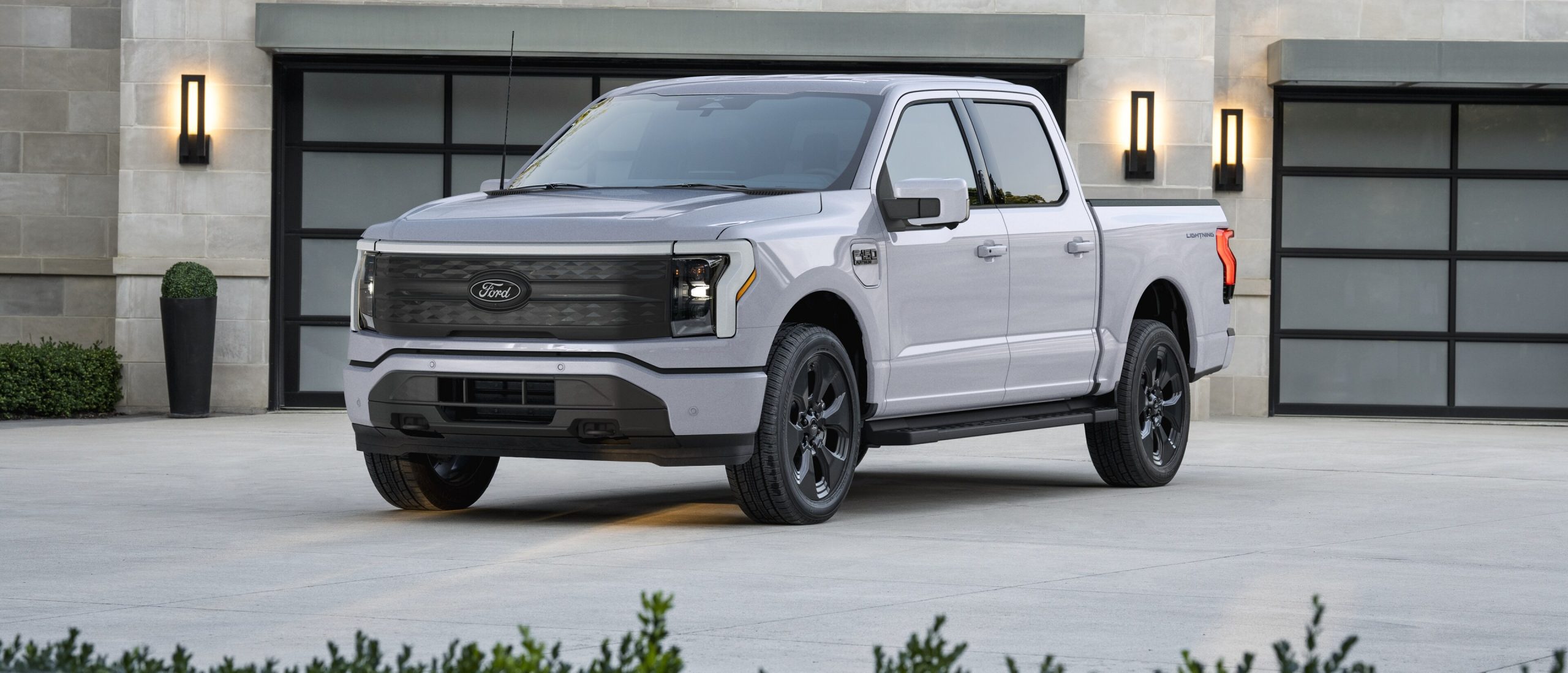
Ford ended production of the current all-electric F-150 Lightning in December 2025. The announcement formed part of a wider revision to Ford’s electric-vehicle plans, which included canceling several planned electric models.
The Lightning brought electric power to the familiar full-size pickup format. It offered substantial acceleration, a useful front storage compartment, and the ability to power selected tools and appliances with compatible equipment.
Its appeal was especially clear to drivers who wanted truck utility without gasoline-powered driving. Ford’s decision did not mean the Lightning name would disappear forever.
The company has described plans for a future version using extended-range electric vehicle technology, combining electric drive with an onboard gasoline generator.
For existing owners, Ford says support will continue. Shoppers considering a remaining new or used example should check battery health, warranty terms, charging access, and local service availability.
The end of the original Lightning’s production marks an important chapter for electric pickups, but it does not mean every electric truck program has been abandoned.
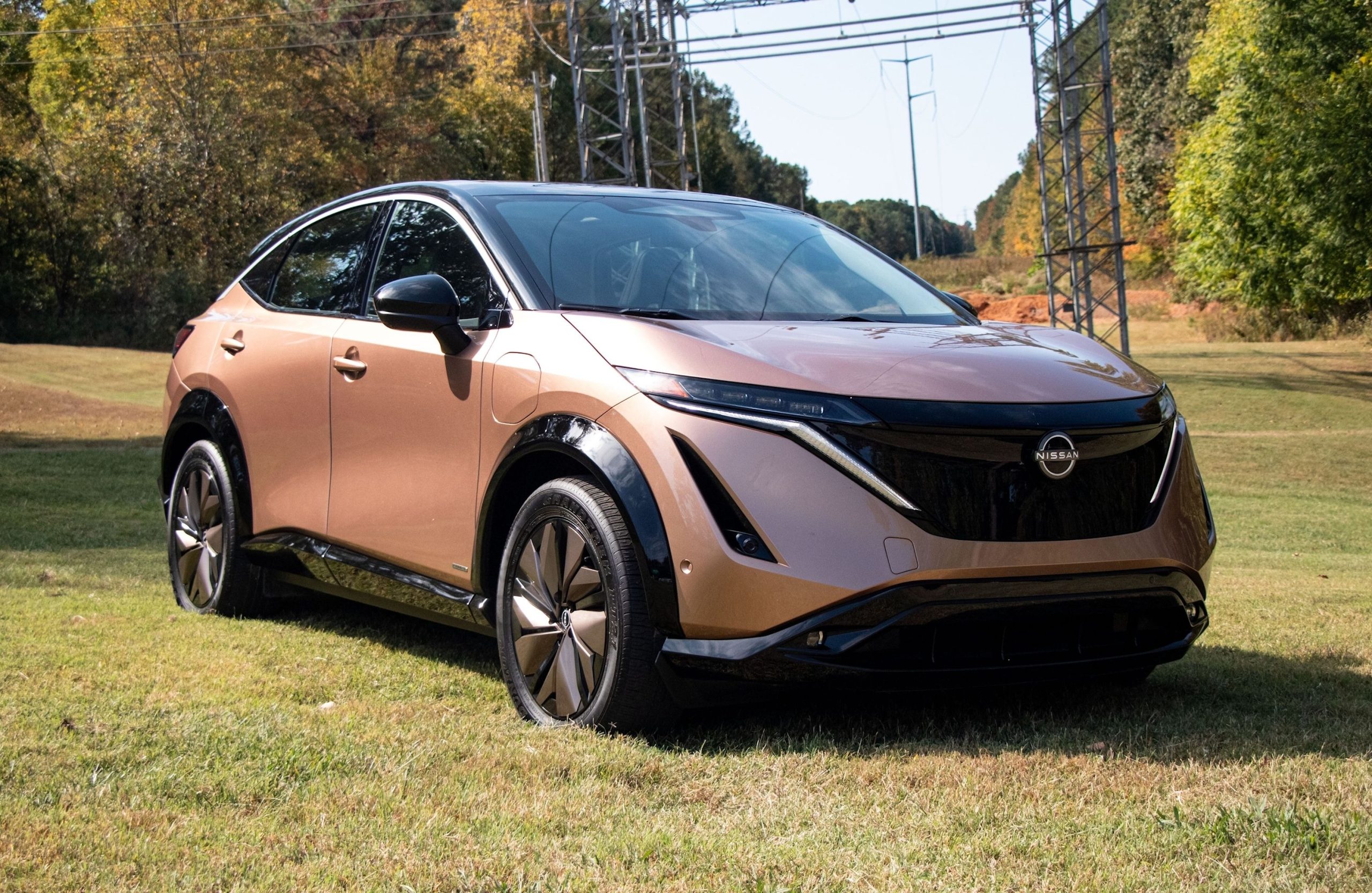
4. Nissan Ariya
The Nissan Ariya was removed from the US lineup for the 2026 model year, according to reporting on discontinued electric vehicles. Its departure followed a relatively short American sales run for a crossover that had been intended to broaden Nissan’s electric offerings.
The Ariya offered a modern cabin, a smooth ride, and several battery and powertrain configurations, depending on trim. Buyers could choose versions focused on everyday range or models offering stronger performance and available all-wheel drive.
Its removal leaves shoppers with fewer opportunities to buy a new Ariya through the regular US model-year lineup. Remaining inventory may still be available, and used examples can continue to circulate through dealerships and private sellers.
Anyone considering one should compare its charging speed, estimated range, battery warranty, and equipment with other electric crossovers.
It is also worth confirming whether a particular vehicle is new old stock or a used model, as the distinction affects warranty coverage and purchase terms.
The Ariya’s departure illustrates how a vehicle can leave a country’s lineup without becoming unavailable everywhere. Its future availability outside the United States depends on Nissan’s plans for each region.
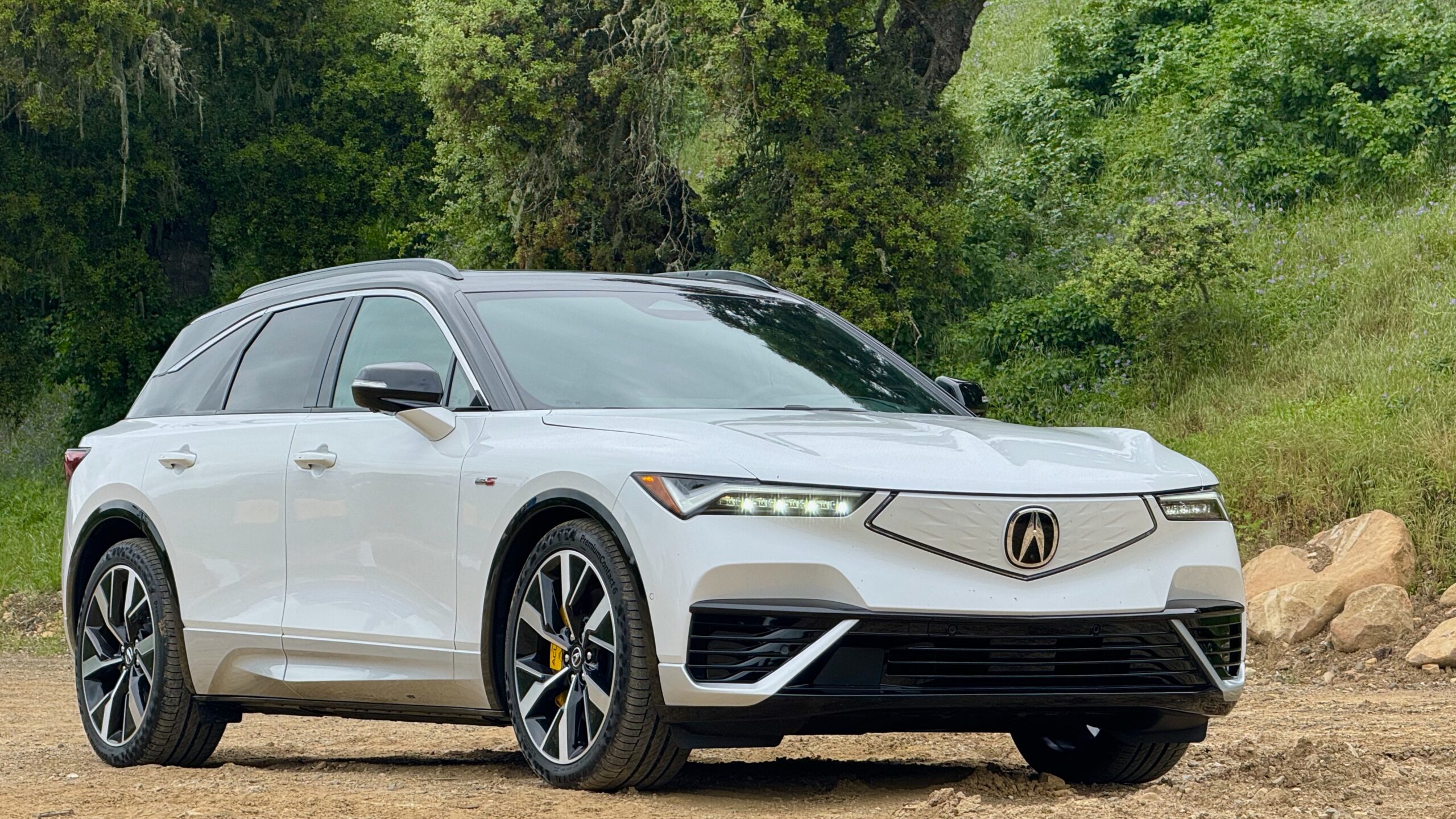
5. Acura ZDX
The Acura ZDX was discontinued before a longer production run could develop in the United States. The electric SUV appeared on the list of vehicles discontinued for the 2026 model year, with plans for future production canceled.
Developed as Acura’s entry into the battery-electric SUV segment, the ZDX offered a premium interior, modern infotainment technology, and available all-wheel drive.
Its size and performance placed it among electric vehicles aimed at shoppers seeking more space and power than a small crossover provides.
The model’s short run means buyers may find relatively recent examples on the used market. Some shoppers may welcome the opportunity to purchase a nearly new luxury EV without paying the original sticker price.
Before buying, check the remaining battery warranty, charging compatibility, software updates, and availability of replacement components. Since the ZDX was a newer model, prospective owners should also confirm the details of any applicable recalls.
The ZDX’s discontinuation does not automatically make it a poor purchase. Its value depends on the specific vehicle, the price being asked, and the quality of local service support.
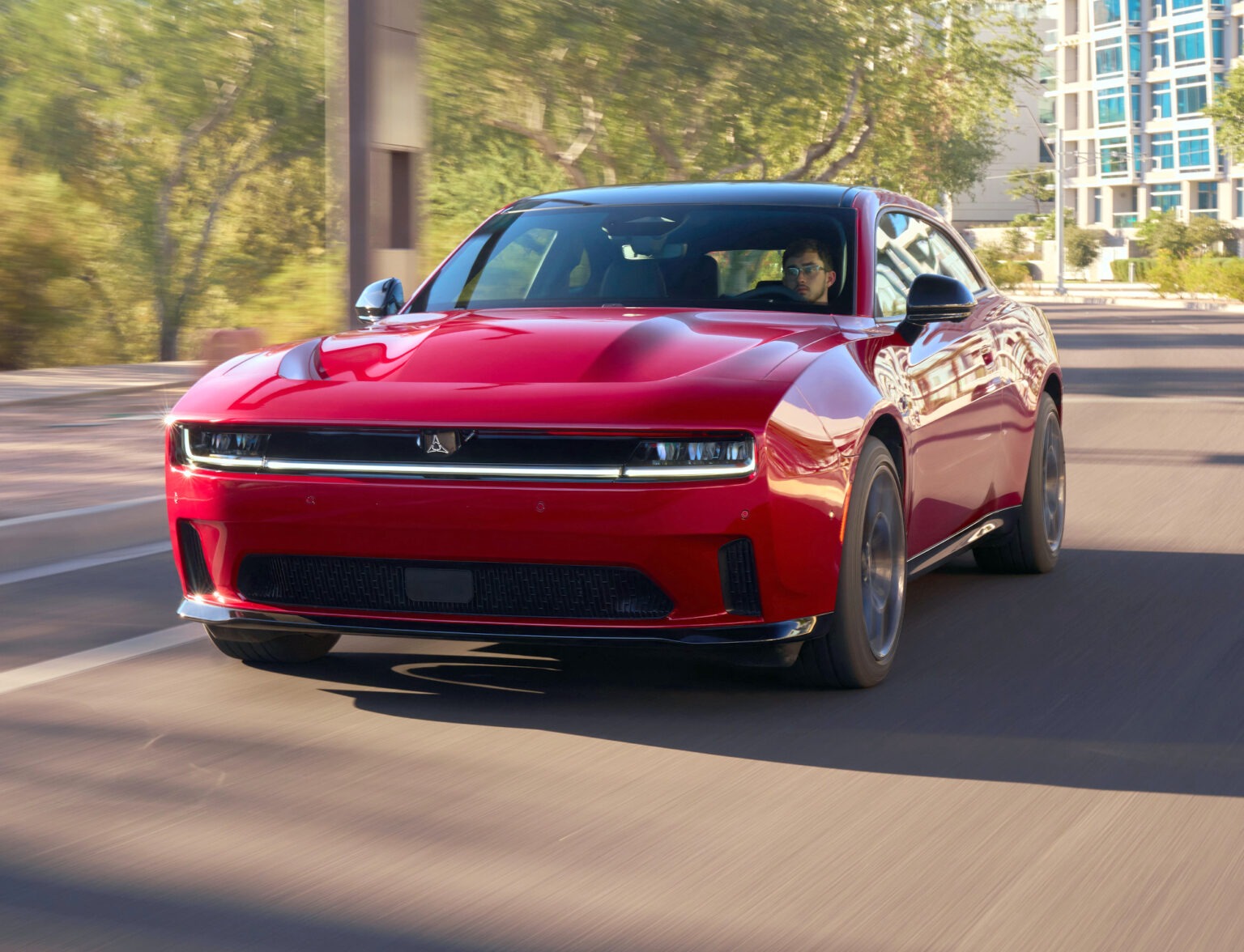
6. Dodge Charger Daytona R/T
The Dodge Charger Daytona R/T was reported as discontinued for the time being, making it a potential addition to the list of electric vehicles leaving the US market. However, its status should be verified against an official Dodge announcement before describing its departure as permanent.
The all-electric Charger Daytona R/T brought muscle-car styling into the battery-electric segment. Its bold exterior, performance-focused design, and modern cabin appealed to drivers looking for an electric vehicle with a distinctly sporty personality.
For shoppers, the model’s reported discontinuation could make remaining dealer inventory worth checking. Depending on availability, buyers may find discounted examples or turn to the used market to locate a vehicle with their preferred equipment.
Before purchasing, compare the vehicle’s battery warranty, estimated driving range, charging capability, and service history. It is also wise to check for outstanding recalls and confirm that local dealerships can provide maintenance and warranty support.
The Charger Daytona R/T’s status deserves careful wording because a temporary production or sales decision does not necessarily mean the model has been permanently retired. Buyers should check Dodge’s latest official announcements and current dealer listings before making a decision.
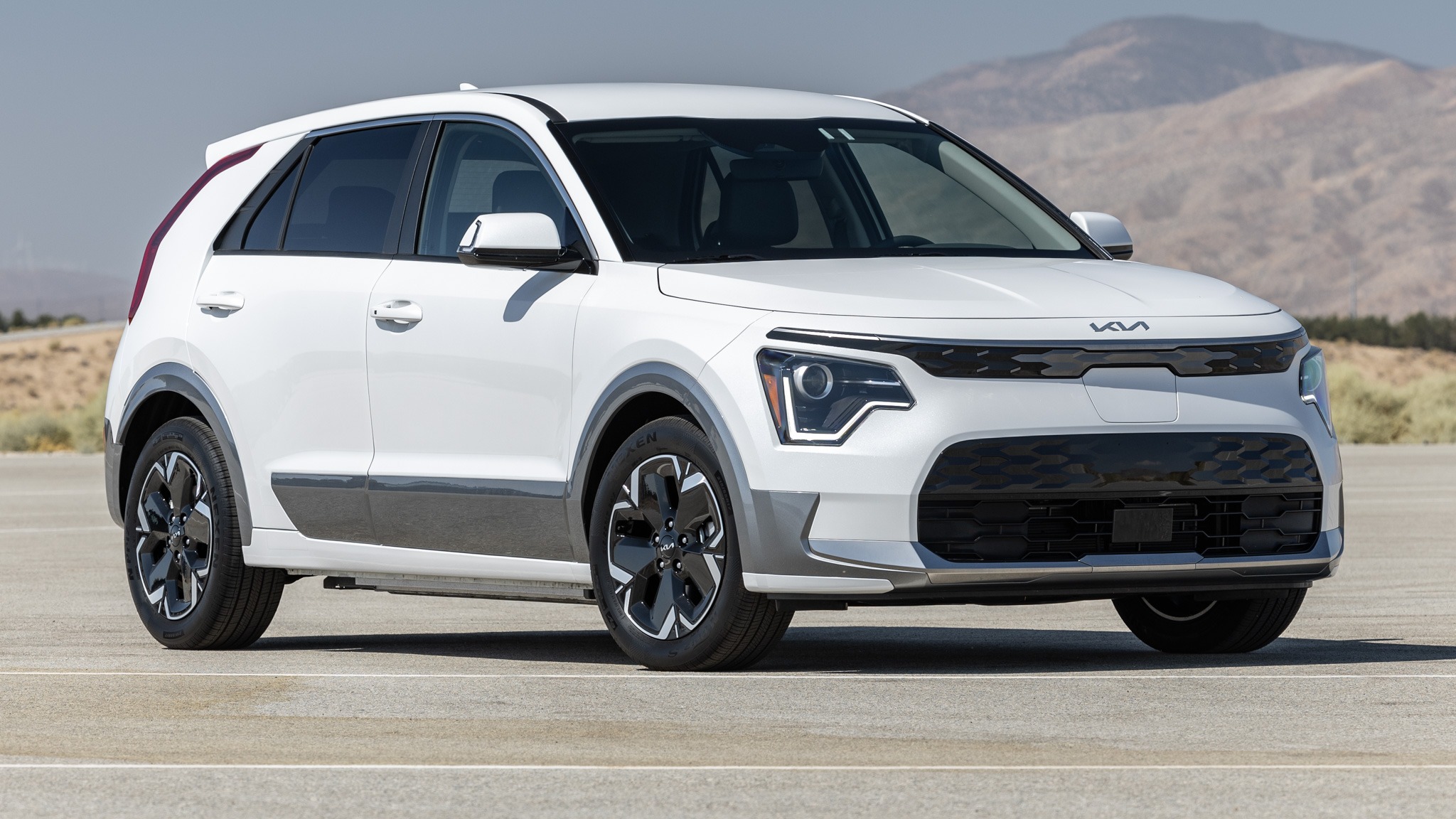
7. Kia Niro EV
The Kia Niro EV was expected to leave the US market after the 2026 model year. However, this does not mean new vehicles became unavailable immediately after the announcement.
The Niro EV was a compact electric crossover designed for everyday transportation. Its relatively modest size made it suitable for commuting and city driving, while its hatchback layout offered useful room for groceries, luggage, and other daily cargo.
Kia’s broader electric lineup includes other models, giving shoppers alternatives within the same brand. However, a buyer who prefers the Niro’s dimensions and price range may need to consider remaining inventory or used vehicles.
Before purchasing one, compare the battery’s warranty coverage, estimated range, charging performance, and condition. A used EV should also receive a thorough inspection, including a check for warning lights and charging faults.
The Niro EV’s departure is part of a wider round of changes to automakers’ electric offerings. Its continued usefulness as a commuter vehicle does not depend on whether a successor appears immediately.
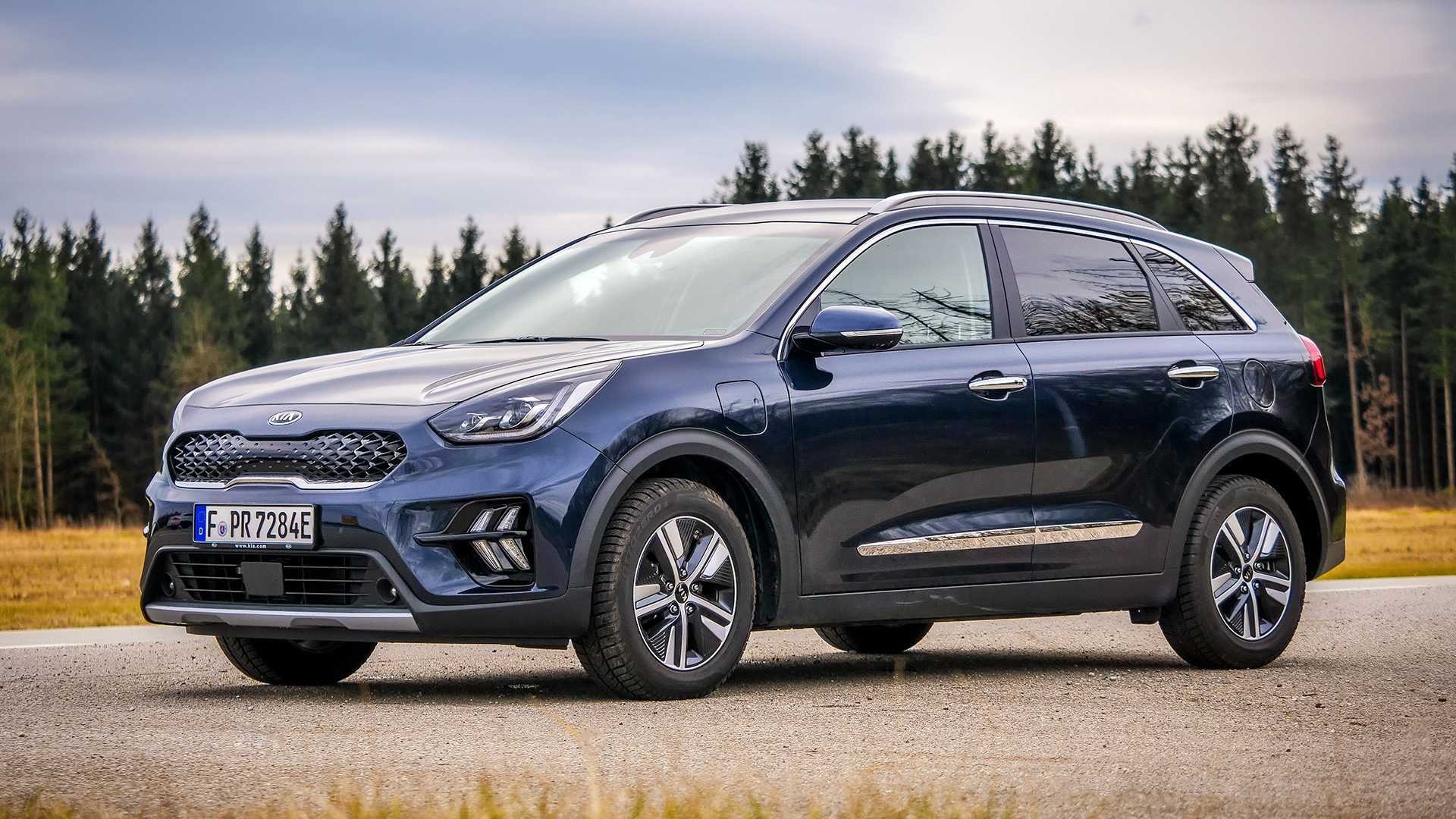
8. Kia Niro Plug-in Hybrid
The Kia Niro Plug-in Hybrid, often called the Niro PHEV, was also listed among the electrified models being dropped from the US lineup.
Unlike the fully electric Niro EV, the plug-in hybrid combines a rechargeable battery and electric motor with a gasoline engine.
That setup allows drivers to complete some trips using electric power and rely on gasoline for longer journeys when charging is unavailable. It can suit households that want to reduce gasoline use without depending entirely on public charging stations.
The Niro PHEV’s departure means shoppers may need to consider remaining stock, used examples, or other plug-in hybrids. Availability can vary by dealer and model year, so buyers should confirm the exact vehicle being offered.
Anyone considering a used model should inspect the battery, charging equipment, gasoline engine, and service records. The condition of both power systems matters because the vehicle relies on electric and conventional components.
Although the Niro PHEV is not a fully battery-electric car, it belongs in this guide because it was included in the supplied list of electrified models leaving the US lineup.
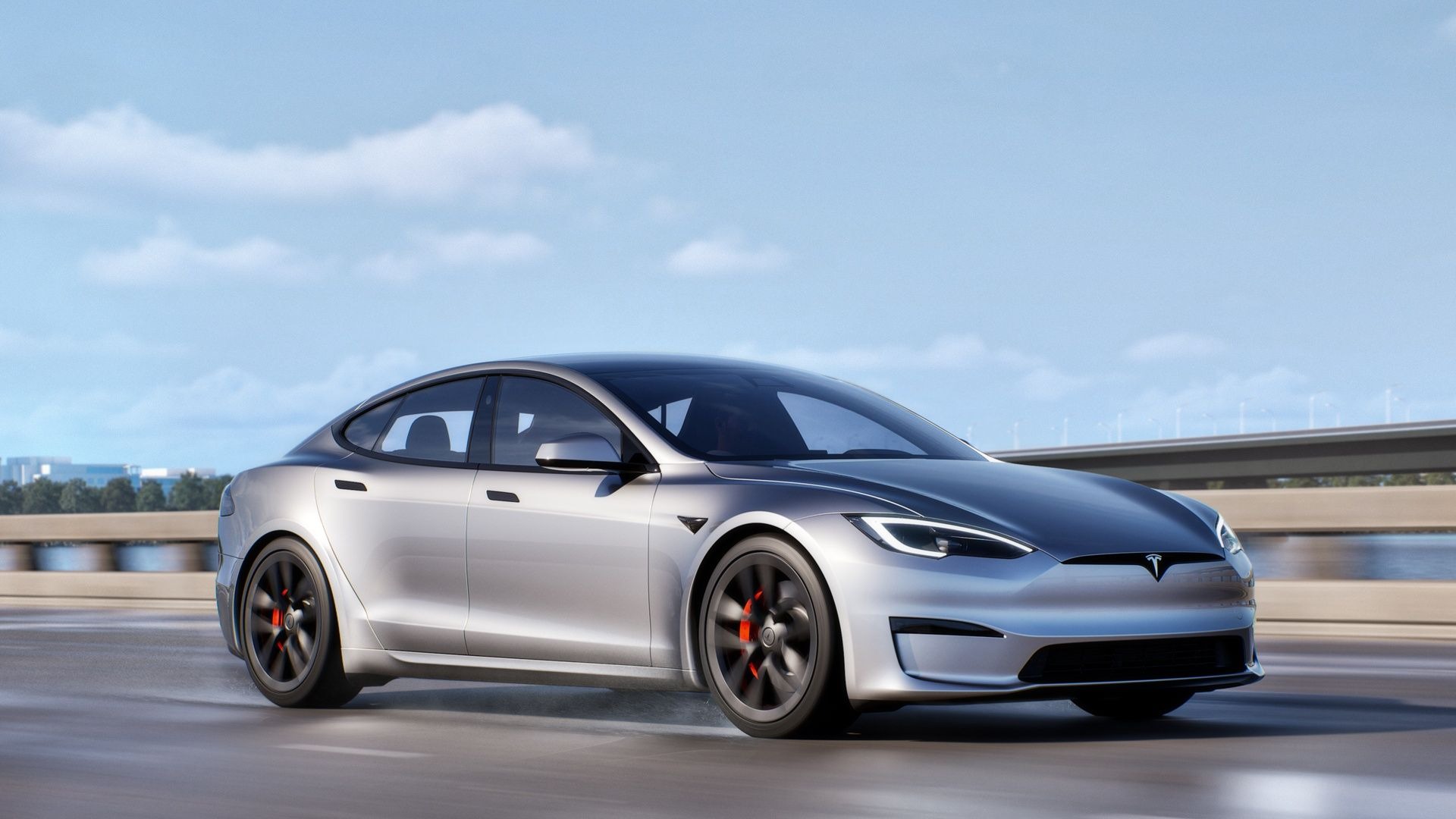
9. Tesla Model S
Tesla discontinued the Model S on April 1, 2026, ending production of a sedan that helped establish the company as a major electric-vehicle manufacturer. Remaining inventory and limited Signature Edition offerings may still be available.
The Model S earned attention for its quick acceleration, long-distance driving capability, software-based controls, and access to Tesla’s charging network.
It also showed that electric vehicles could compete with traditional luxury sedans in performance and comfort. Although production has ended, existing vehicles remain usable, and buyers can still find used examples.
However, shoppers should carefully review battery condition, repair records, warranty coverage, and the potential cost of replacing major components. They should also verify which software and driver-assistance features remain supported.
For drivers interested in a premium electric sedan, a used Model S may still be worth considering. Its age, condition, equipment, and maintenance history should guide the purchase decision rather than its discontinued status alone.
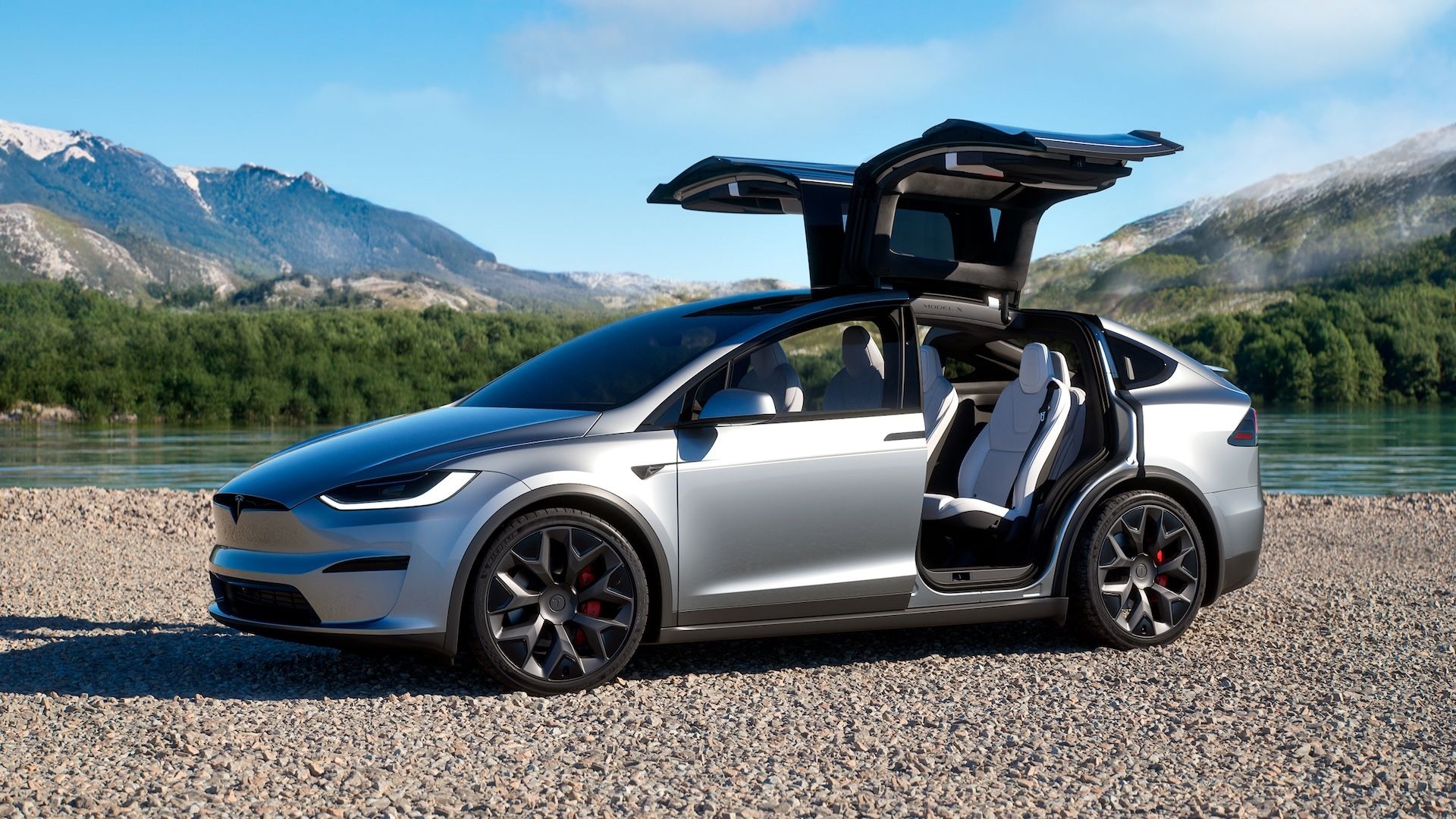
10. Tesla Model X
Tesla discontinued the Model X on April 1, 2026, ending regular production of its premium electric SUV. Remaining inventory and limited special editions may still provide opportunities for buyers seeking a new example.
The Model X became known for its distinctive upward-opening rear doors, available three-row seating, strong acceleration, and useful cargo space. Its combination of family practicality and electric performance helped distinguish it from conventional luxury SUVs.
Shoppers may now need to rely on remaining dealer stock or the used market. Before purchasing, inspect the battery, suspension, door mechanisms, tires, and service records. Repair costs can be higher than those associated with smaller electric vehicles.
Families who need passenger space and appreciate electric driving may still find the Model X suitable. A careful inspection, clear warranty information, and a realistic maintenance budget can help determine whether a particular vehicle is worth its asking price.
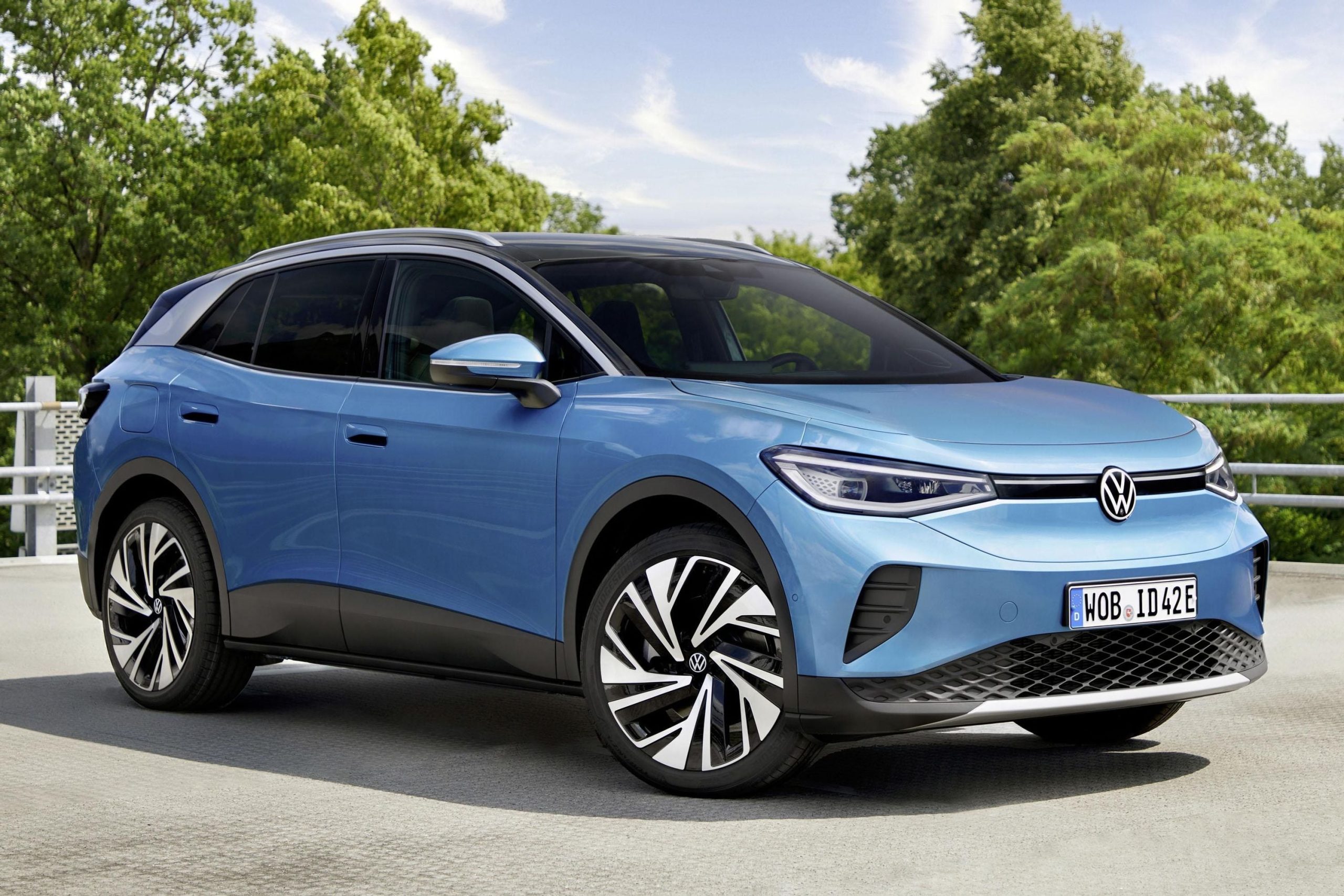
11. Volkswagen ID.4
Volkswagen stopped ID.4 assembly at its Chattanooga, Tennessee, plant in mid-April 2026 to prepare the factory for production of the 2027 Atlas gasoline SUV. The company said that “the EV market continues to challenge the industry.”
It is worth noting that ending ID.4 production in Chattanooga does not mean the model is gone from the US market for good.
Dealers were expected to keep selling remaining inventory into 2027, and Volkswagen has indicated that a future version is planned for North American buyers.
The ID.4 was designed as an everyday electric crossover, offering a practical cabin, useful cargo space, and a conventional SUV shape. Its American production run made it an important part of Volkswagen’s electric-car plans.
For shoppers, remaining inventory could provide an opportunity to compare discounts and equipment. Buyers should confirm the model year, battery warranty, software status, and whether any recalls have been addressed.
The ID.4’s status is best described as a production pause in the United States, rather than a confirmed permanent end to the model. That distinction separates it from vehicles whose manufacturers have explicitly ended their American sales plans.
12. BMW iX
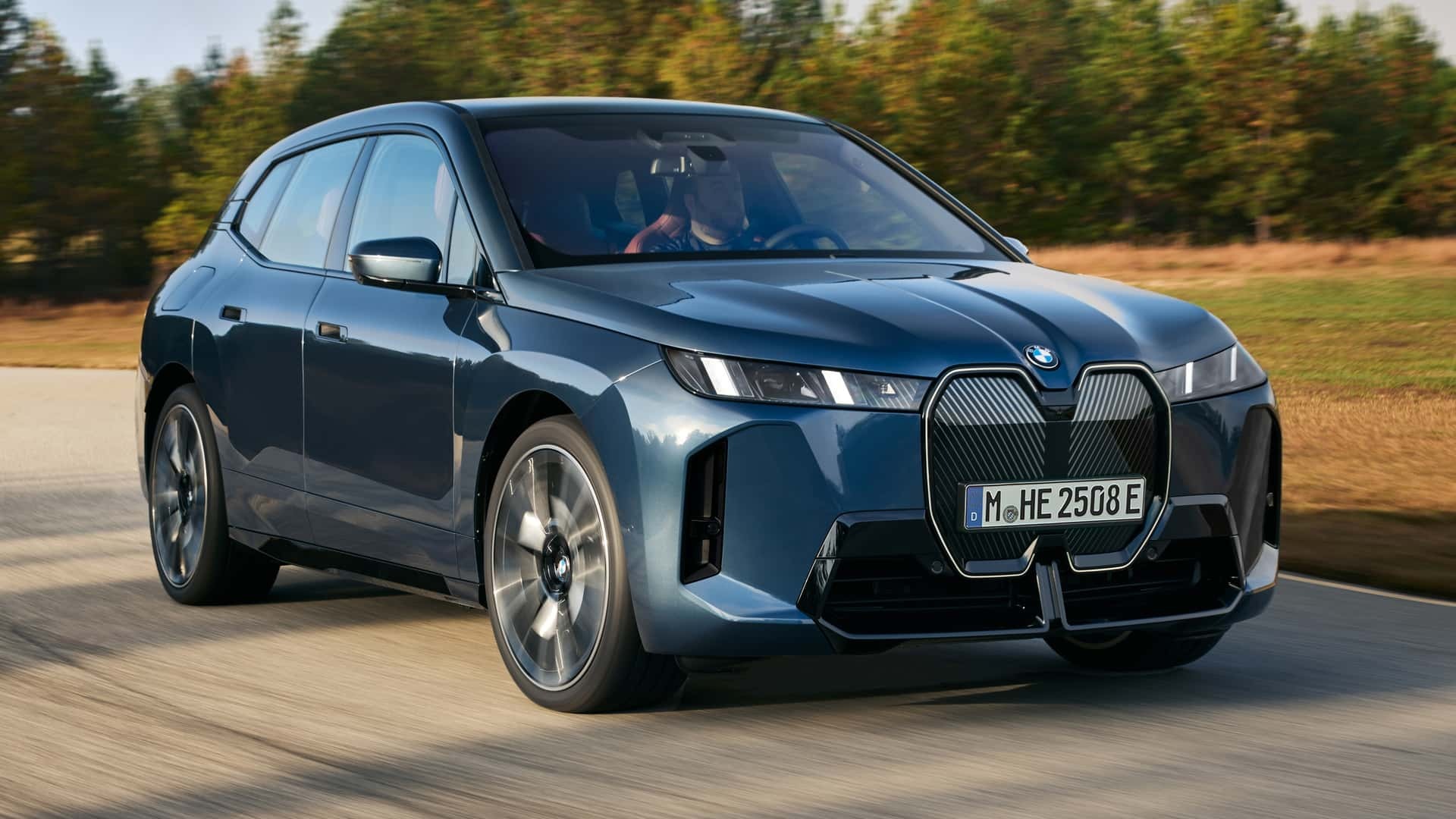
BMW confirmed in April 2026 that the iX would leave its US lineup after the 2026 model year. The electric luxury SUV had been sold in the United States since 2022, but BMW planned to end American allocations while continuing to offer the vehicle in other countries.
The iX served as a technology showcase for BMW, combining an upscale cabin, strong electric performance, and a distinctive exterior design. Its range of versions gave shoppers options spanning comfortable long-distance driving and high-performance motoring.
Its US departure does not mean BMW is abandoning electric vehicles. The company has pointed toward its upcoming Neue Klasse models, including the iX3, as part of its future electric lineup.
Shoppers interested in the iX may still find unsold dealer vehicles or used examples. Before committing, compare the remaining warranty, charging performance, battery condition, and the cost of insurance and repairs.
For current owners, the most important consideration is continued support. BMW’s decision concerns American sales of the model, not the immediate end of service for existing vehicles.
13. Volvo EX30
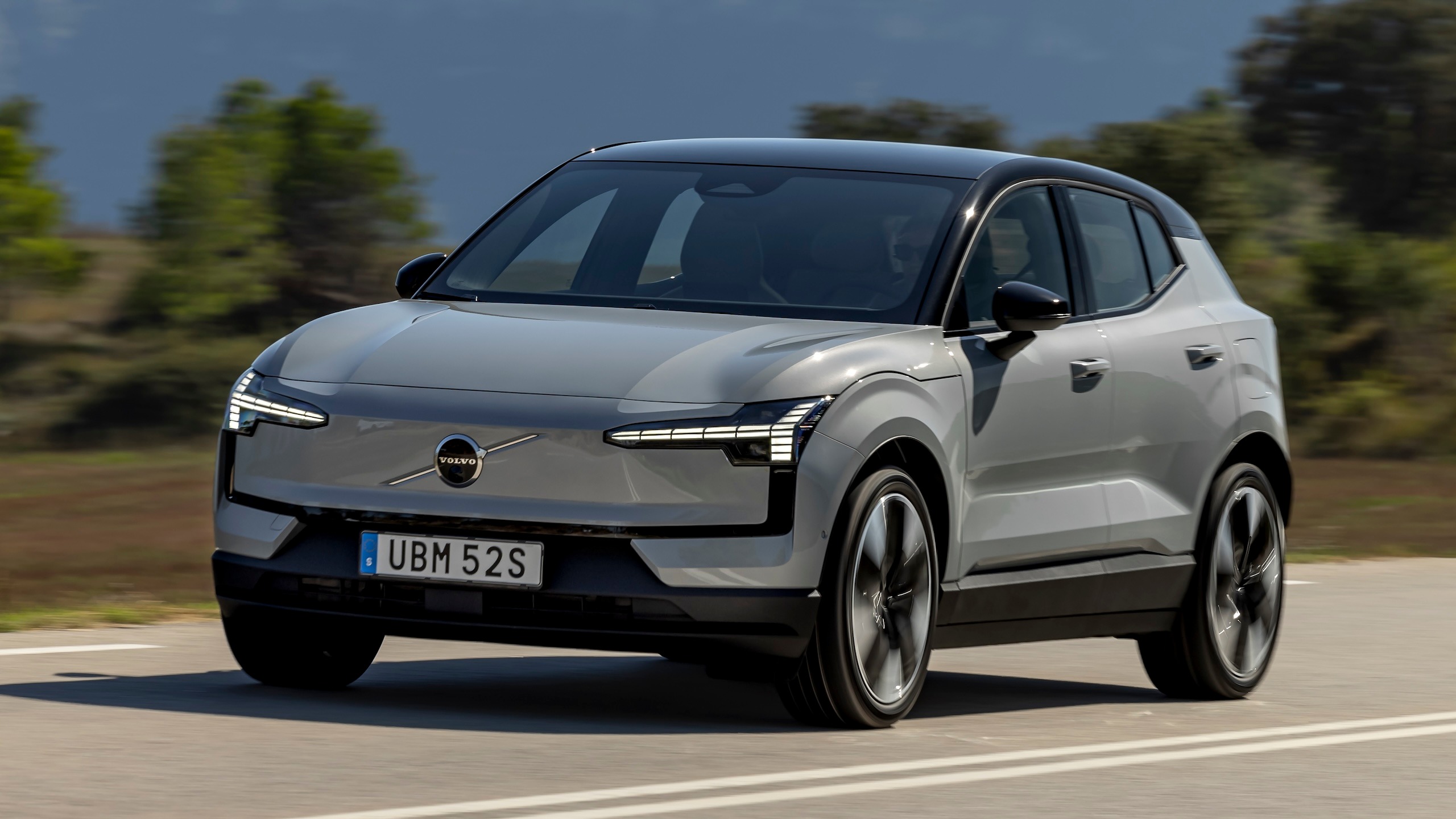
Volvo plans to discontinue the EX30 in the United States after the 2026 model year. The small electric SUV remains available in other regions, making this an American lineup decision rather than a worldwide end to the vehicle.
The EX30 was positioned as a smaller, more accessible entry into Volvo’s electric range. Its compact dimensions made it attractive to drivers who wanted an electric vehicle that was easier to park than a midsize SUV. A minimalist interior and modern digital features added to its appeal.
Its US run was relatively short, and its pricing and equipment choices may have limited its appeal to some shoppers. Still, buyers who like its size and design may find remaining inventory worth considering.
Before purchasing, check the exact model year, battery range, charging compatibility, and warranty coverage. Also confirm whether the vehicle includes the features you want, since equipment can vary between versions.
The EX30’s departure illustrates that a vehicle can remain part of a manufacturer’s international lineup even after its American sales end. Prospective buyers should focus on the specific car and the support available in their area.
14. Honda Prologue
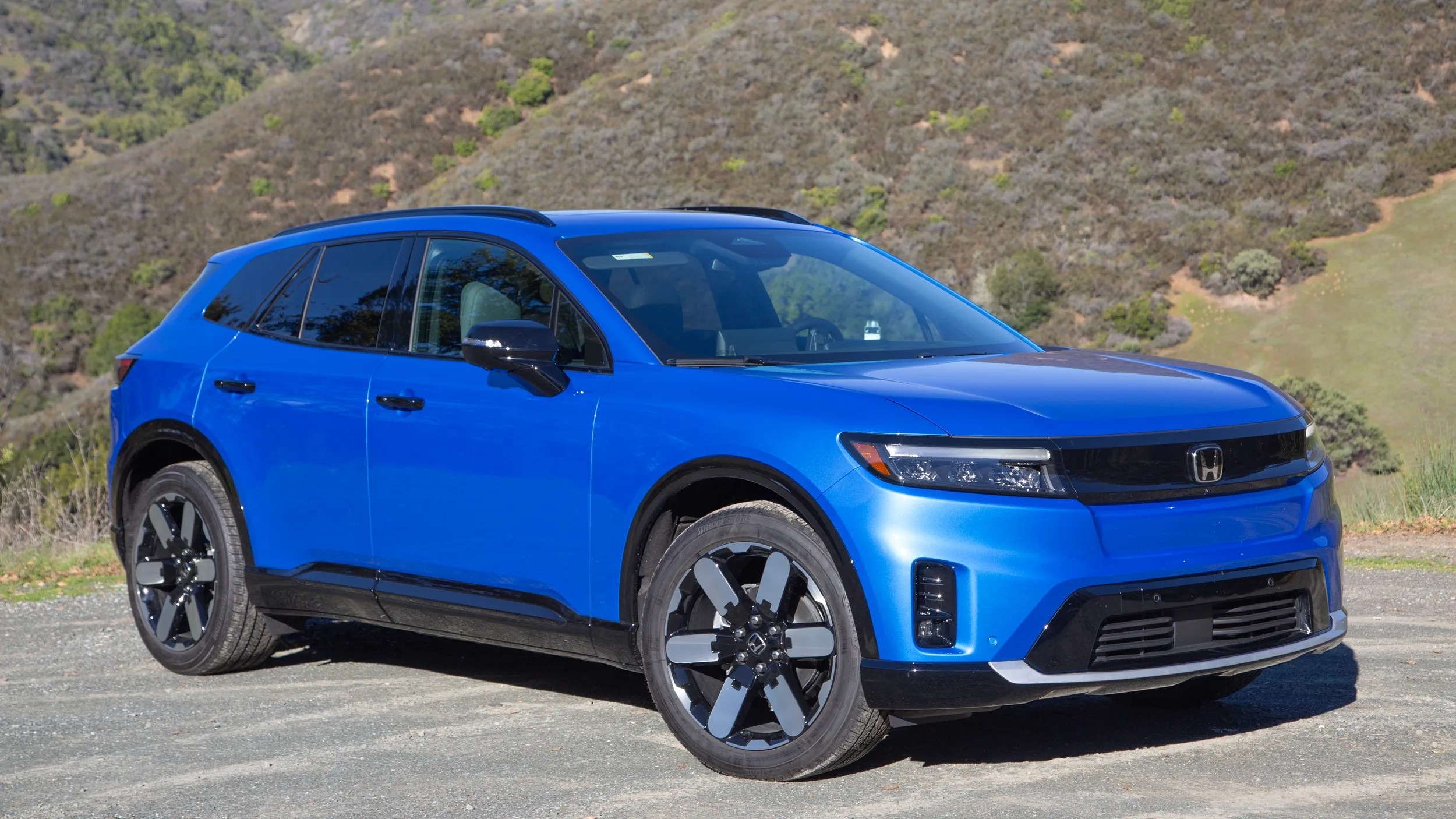
Honda’s Prologue was reported as discontinued in 2026, with the company confirming plans to end the electric SUV’s US run later that year. Its departure also left Honda without an all-electric vehicle in its American portfolio at the time of the report.
The Prologue offered a roomy electric SUV format suited to families and daily driving. Its cabin space and familiar crossover design helped make it an option for shoppers moving from gasoline-powered vehicles to battery-electric transportation.
Honda’s decision came during a period when automakers were reassessing the cost of electric development, consumer demand, and their future product plans. The Prologue’s end should not be taken to mean Honda has permanently abandoned electrification.
For shoppers, available inventory may still provide a purchase opportunity, depending on timing and location. Buyers should compare dealer discounts, warranty coverage, charging needs, and battery range before making a decision.
Existing owners should check official Honda guidance for service, software, and warranty matters. A vehicle’s discontinuation does not automatically cancel its warranty or prevent authorized repairs.
15. Mercedes-Benz EQE Sedan
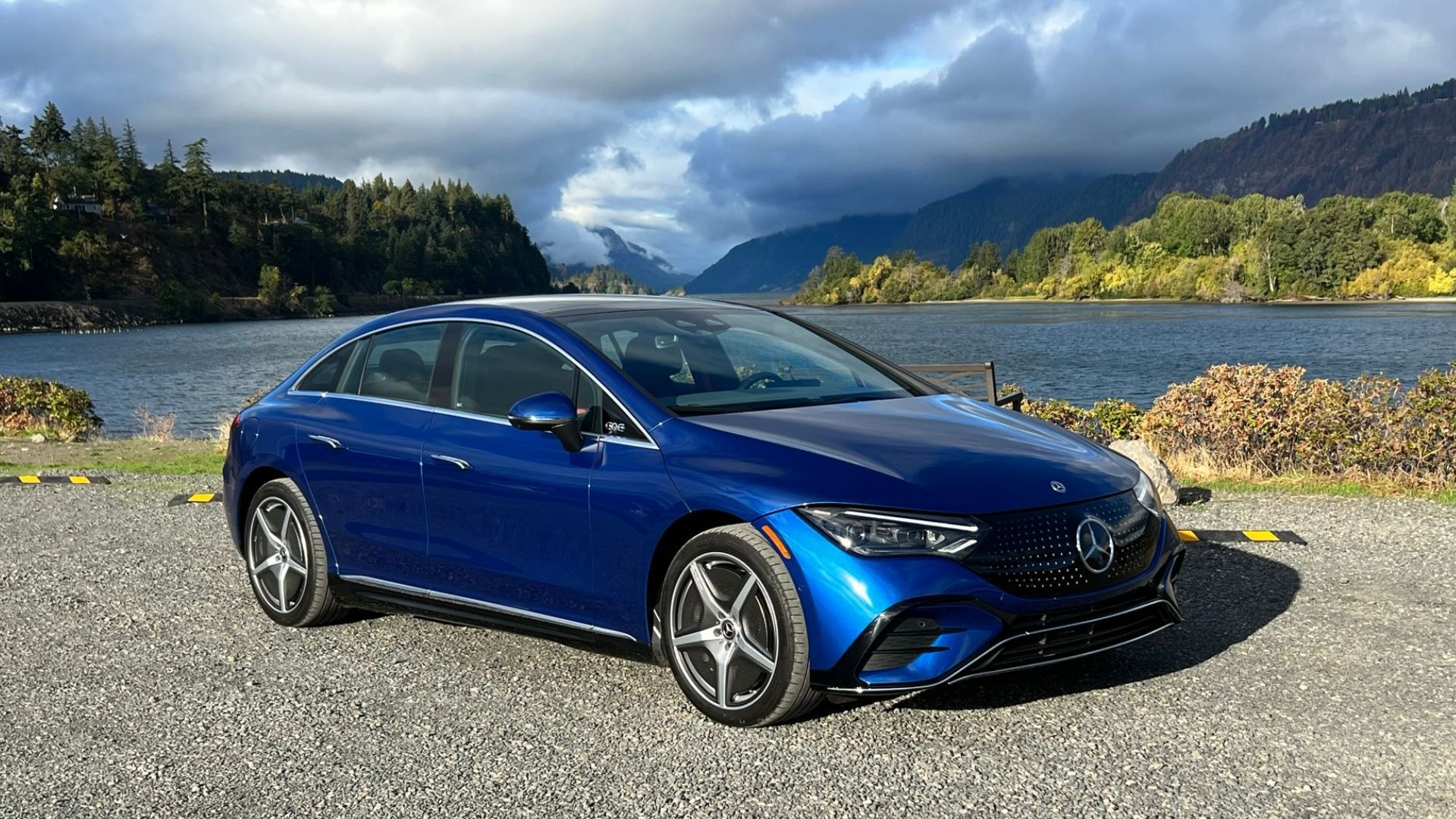
The Mercedes-Benz EQE sedan was dropped from the US lineup for the 2027 model year, according to reporting published in October 2026.
The decision also covers the high-performance AMG version of the sedan. Mercedes has not published a separate public announcement specifically explaining the cancellation.
The EQE was an electric luxury sedan positioned below the larger EQS. It offered a quiet cabin, advanced digital displays, and electric performance intended to compete with premium battery-powered sedans.
Its short US run means shoppers may find remaining examples at dealerships or in the used market. A discounted EQE could appeal to buyers who want luxury equipment and electric driving, but the cost of repairs and depreciation should be considered carefully.
Before purchasing, check the battery warranty, charging capability, software support, and service history. Luxury EVs can include expensive components, so an independent inspection is worth arranging.
The end of EQE sedan sales is part of a broader update to Mercedes’ electric range, not a declaration that the company is ending its electric-car efforts.
16. Mercedes-Maybach EQS SUV
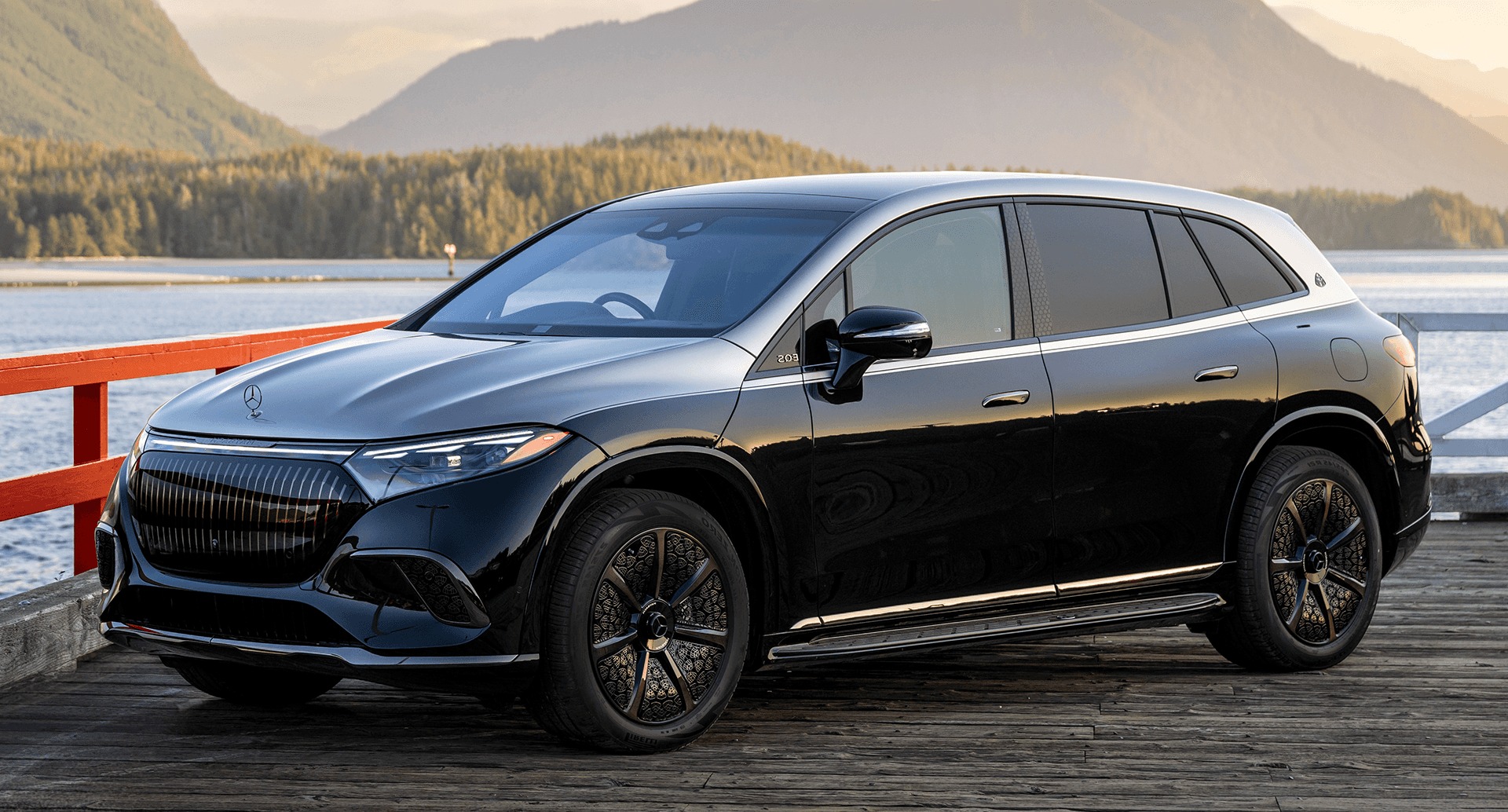
The Mercedes-Maybach EQS 680 SUV was dropped from the US lineup for the 2027 model year, according to reporting published in October 2026. Mercedes has not released a separate public statement specifically explaining the cancellation.
Positioned at the luxury end of Mercedes’ electric SUV range, the Maybach EQS 680 offered premium cabin materials, advanced technology, rear-seat comfort, and battery-powered performance. Its high price placed it well above mainstream electric SUVs.
For used-car shoppers, depreciation may make this luxury model more accessible. However, insurance, maintenance, tires, and replacement parts can remain expensive even after the purchase price falls.
Before buying, check the battery warranty, charging system, service history, and operation of the vehicle’s comfort and driver-assistance features. Confirm that authorized service is available in your area.
The cancellation applies to this specific Maybach model, not necessarily the entire Mercedes EQS lineup. Buyers should verify the availability of other EQS versions before assuming the brand has discontinued all its electric SUVs.
17. Polestar
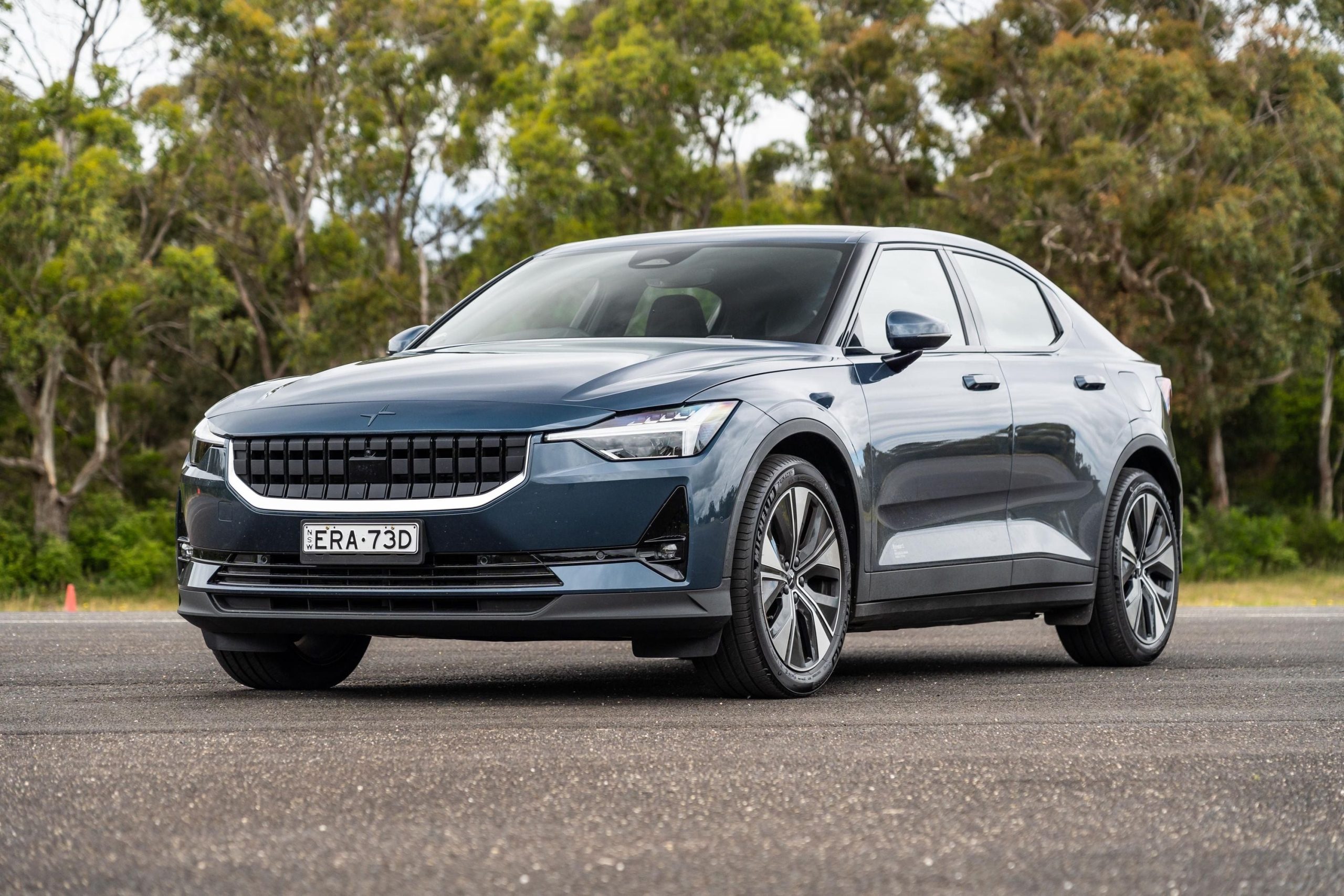
Polestar’s US market situation differs from the discontinuation of an individual vehicle. In June 2026, the company announced that it had not received authorization to sell vehicles in the United States from the 2027 model year onward under the US Connected Vehicle Rule.
The restriction affected future sales of models such as the Polestar 3 and Polestar 4. However, existing inventory could still be sold, and the company said it would continue supporting customers through its service network.
For shoppers, this means Polestar vehicles may remain available through existing stock and the used market. Before purchasing, check warranty coverage, software support, vehicle availability, and authorized repair options.
Polestar’s situation reflects regulatory restrictions rather than the discontinuation of one particular model. Its operations and sales plans outside the United States are separate from the restrictions affecting future American sales.
The Dodge Charger Daytona R/T has also been described as discontinued for the time being, but this does not establish that it has been permanently cancelled. Buyers should check for official announcements before considering the model permanently discontinued.