A peaceful highway drive should make conversation easy, without having to raise your voice over the sound of rushing wind. However, some SUVs become noticeably noisy at 75 mph, making long journeys less comfortable as wind and road sounds grow louder.
One important detail to keep in mind is that major automotive publications typically measure total cabin noise at highway speeds, often around 70 mph, rather than testing wind noise alone.
So the decibel figures below describe total cabin quiet, with wind as one big piece of it. Seven of the ten SUVs here have measured numbers, and three are quiet performers praised by reviewers. They run from the quietest measured reading to the ones without a number, and they might help you pick a cabin you can actually enjoy. Ready for some peace? Let’s get rolling.
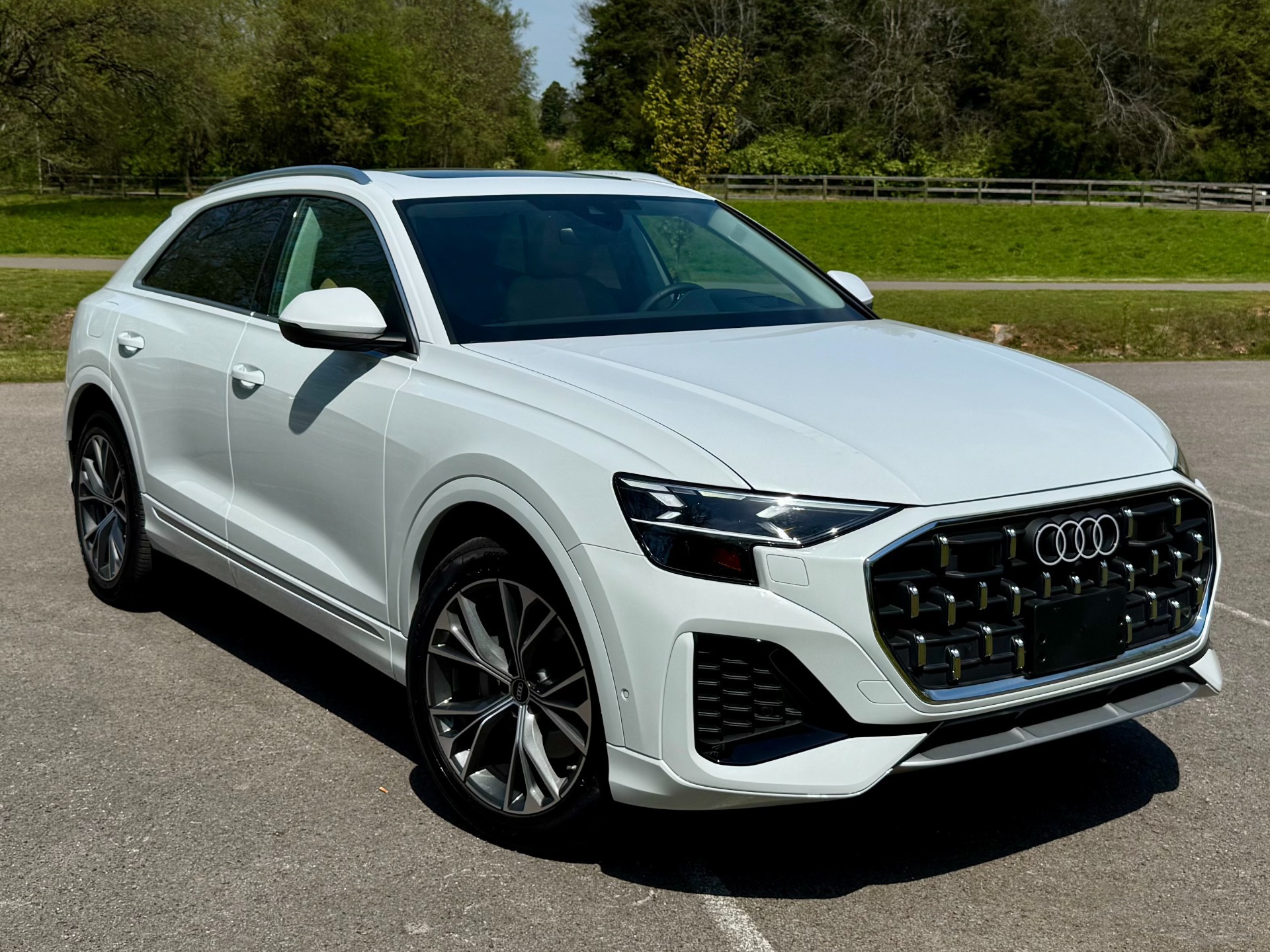
1. Audi Q8 Quattro Prestige
The Audi Q8 Quattro Prestige stands out for its reported cabin reading of 56.2 decibels at highway speeds, the lowest figure among the ten entries provided.
That number deserves attention, particularly for drivers who spend hours traveling on interstates and other high-speed roads. A quieter cabin can make phone conversations easier, reduce listening fatigue, and create a more relaxed environment for passengers.
Audi’s approach combines a carefully shaped exterior with substantial cabin insulation. The sloping roofline, sculpted bodywork, and attention to airflow around exterior details help support a refined driving experience.
Acoustic insulation also helps reduce the amount of outside sound that reaches the passenger compartment. Still, the reported 56.2 dB reading should not be treated as a verified wind-noise measurement at precisely 75 mph.
The supplied information does not establish that the figure came from a test conducted at that exact speed, under controlled conditions, or with wind noise isolated from tire and engine sounds.
For shoppers considering the Q8, a highway test drive remains worthwhile. Listen near the front door windows, check whether the side mirrors create a persistent rushing sound, and pay attention to noise changes when passing trucks.
Tire selection and road surface can influence the experience considerably. The Q8 makes a strong candidate for a quiet luxury SUV, but buyers should confirm cabin performance in the specific model year and configuration they intend to purchase.
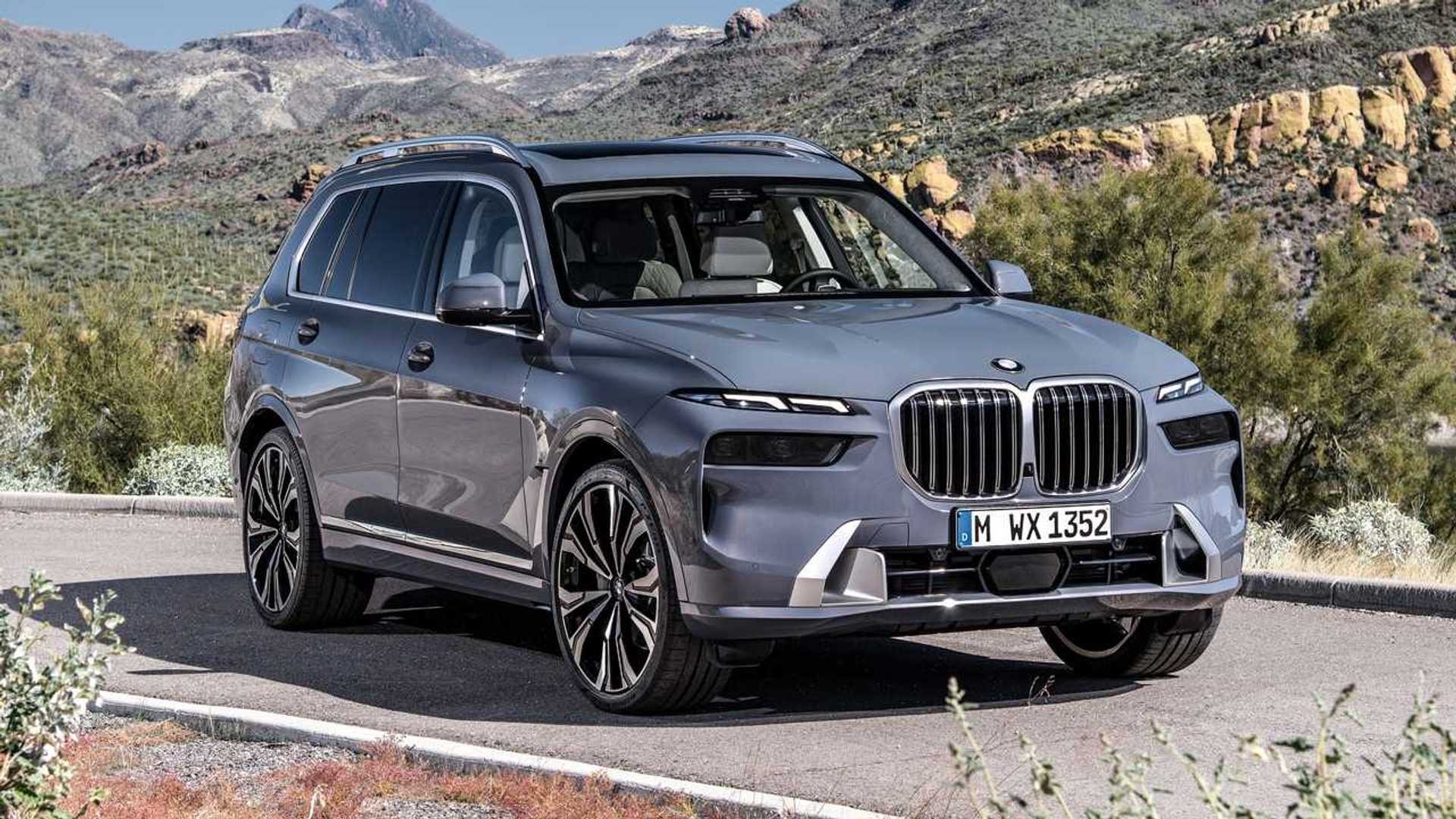
2. BMW X7
Picture a cabin wrapped like a gift box. The Bentley Bentayga was tested at 58.1 dB, helped by ultra-luxury multi-layer sound insulation. That makes it the second-quietest reading on the list. Layer after layer, the car keeps the outside world outside.
Next to the Audi Q8, it sits 1.9 dB higher. That is a small gap, and many drivers would struggle to tell the two apart on a short drive. Next to the BMW X7, which comes in at 58.5 dB, the Bentayga is actually 0.4 dB quieter.
Is it worth the money? Only you can answer that, since Bentley pricing sits far above the mainstream models later on this list.
Quiet is one piece of the experience, and a high price buys a lot more than silence. Luxury insulation adds weight and cost, and Bentley clearly decided those were worth paying for. Whether that math works for you depends on how often you drive far.
If you ever get the chance to ride in one, listen for what the cabin does not do. No whistling around the mirrors, no drumming from the tires, no strain from the engine. The best quiet is the kind you only notice when it disappears.
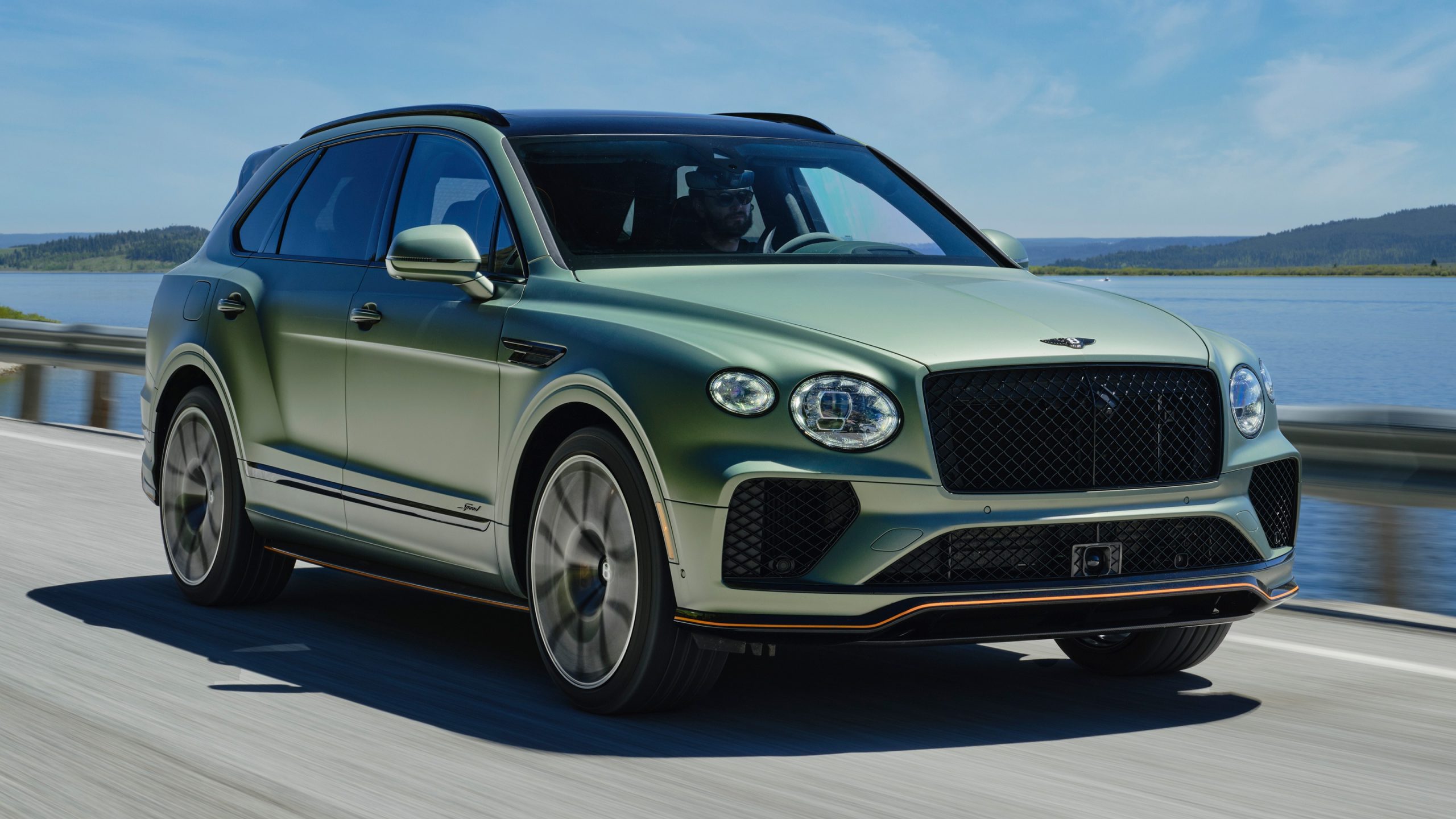
3. Bentley Bentayga
Few SUVs approach cabin comfort with the same luxury-first philosophy as the Bentley Bentayga. The supplied information gives this model a reported highway cabin reading of 58.1 dB, placing it ahead of the BMW X7 by a small margin.
The measurement should be interpreted cautiously, since the available details do not confirm a common test procedure or a precise 75 mph test speed for both vehicles.
Bentley’s approach to refinement relies on carefully selected cabin materials, substantial insulation, detailed sealing, and attention to the sounds passengers hear while traveling.
A well-insulated cabin can reduce the intrusion of airflow around doors and windows, while effective body sealing helps prevent unwanted drafts and whistles.
The quality of the glass, the shape of the exterior mirrors, and the design of door openings also affect how much noise reaches occupants.
There is more to a quiet cabin than a low number on a sound meter. The character of the noise matters, too. A soft, even rush can be less tiring than a sharp whistle or a low-frequency rumble that becomes more noticeable during a long trip.
The Bentayga is designed to deliver an exceptionally refined experience, but wheel and tire combinations, optional equipment, and road conditions can affect the result.
Prospective buyers should pay attention to the exact vehicle specification rather than assuming every Bentayga performs identically.
For drivers shopping at the ultra-luxury end of the market, it deserves a place on the test-drive list, especially if highway serenity ranks high among their priorities.
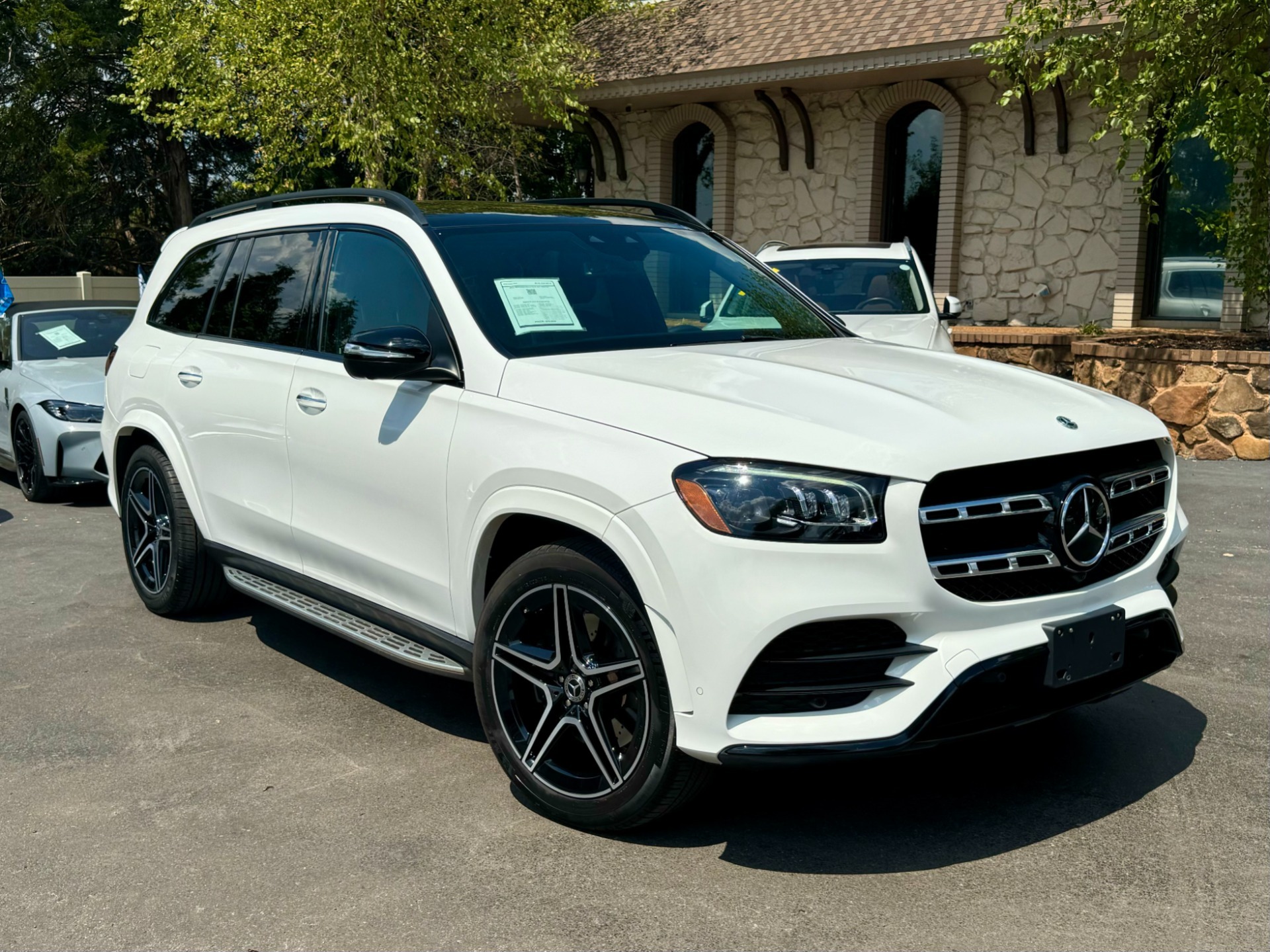
4. Mercedes-Benz GLS 450
Silence starts at the drivetrain. The BMW iX is electric, and that helps keep its ambient noise down to 59.1 dB.
Think about what an electric motor skips. No exhaust note, no engine rumble, no gear changes. That removes a whole layer of sound before any insulation gets a turn.
Here is the catch, though. At highway speed, wind and tire noise do most of the talking in any car, and an electric motor cannot erase them. That is why the iX lands close to its gas and hybrid neighbors, not far below them.
Compare it with the Mercedes-Benz EQS SUV later on this list. Both are electric luxury SUVs, yet the iX is 1.6 dB quieter in these readings. Same drivetrain type, different results, which shows that body design and sound treatment matter just as much as the motor.
If you are cross-shopping, drive the iX at the same speed as a gas SUV on your shortlist. The difference at low speed is obvious. The difference at 75 mph may be smaller than you expect. If an EV is your plan, the iX shows you do not give up a hush for a plug.
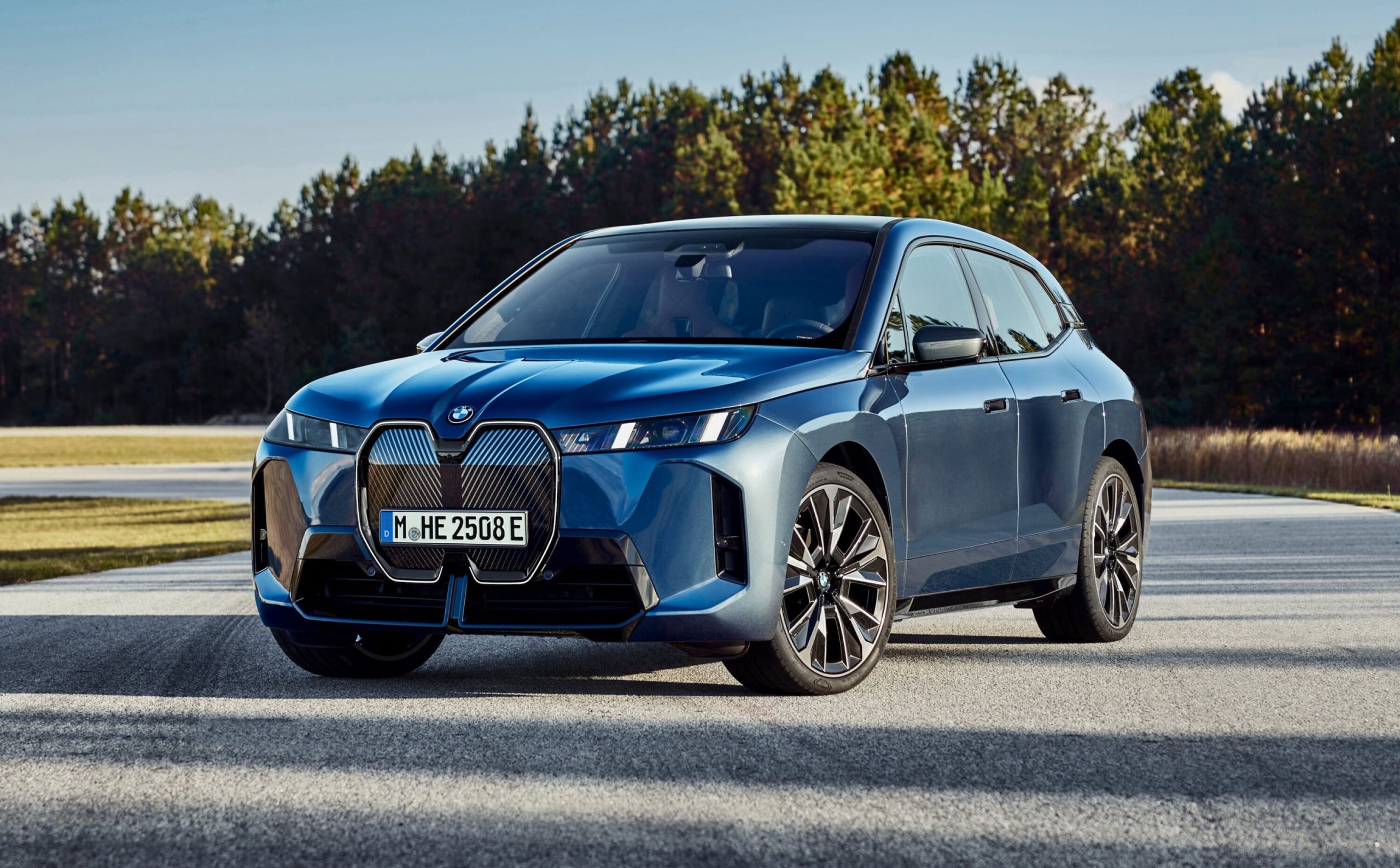
5. BMW iX
The BMW iX benefits from electric power when it comes to cabin quietness, as it lacks the conventional engine noise associated with gasoline-powered vehicles at highway speeds. With a reported cabin noise level of 59.1 dB, it ranks among the quieter vehicles in the provided list.
That measurement is not verified as a wind-only reading at exactly 75 mph, but the iX remains a strong option for shoppers seeking a hushed electric SUV.
Without the familiar sound of a combustion engine, other noises become easier to hear. Air passing around the mirrors, tires rolling against the pavement, and vibrations from the road may stand out more clearly than they would in a gasoline-powered vehicle.
BMW uses a purpose-built electric platform and a carefully designed cabin to support comfort, while available acoustic glass and sound-insulating materials can help reduce unwanted noise.
Equipment differs among versions, making it worth checking the specifications of any vehicle under consideration.
The iX also demonstrates why electric vehicles are not automatically silent at highway speeds. At low speeds, the absence of engine noise can make an EV feel exceptionally quiet.
At 75 mph, aerodynamic and tire sounds play a much larger role because road speed creates substantial airflow around the body. Tire choice is particularly important for a heavy electric SUV, since its weight and instant torque can influence tire wear and noise.
During a test drive, listen for sound near the windshield pillars and rear side windows. The iX is an appealing choice for drivers who value electric performance and a refined cabin, provided its real-world highway sound meets their expectations.
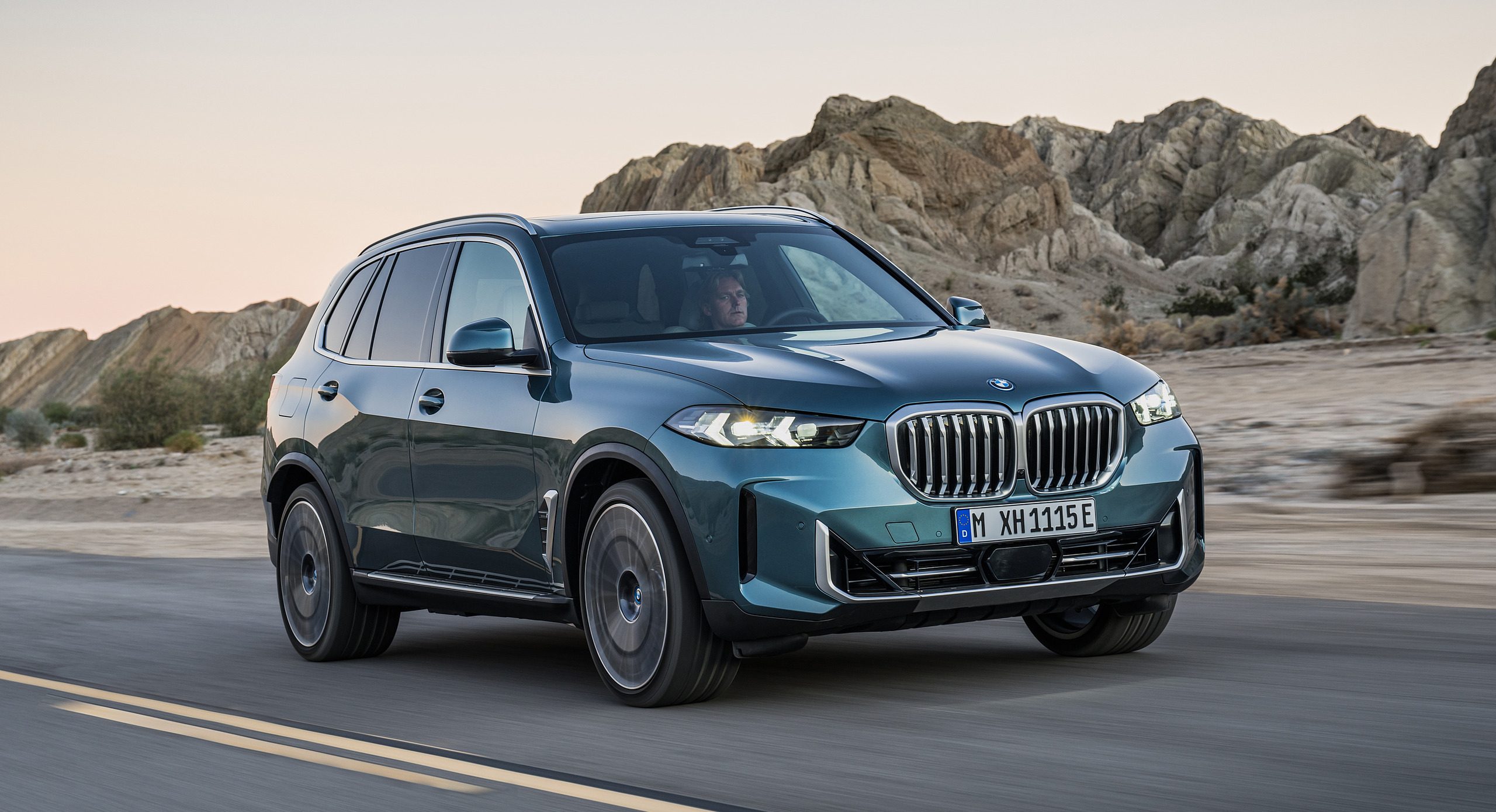
6. BMW X5 xDrive50e
Can a hybrid be as hushed as a luxury giant? The BMW X5 xDrive50e says yes, with a reading of 59.4 dB, the same as the Mercedes-Benz GLS 450.
Two ingredients show up in the source. Hybrid quietness comes from the electric side of the powertrain, which can run with very little sound. The acoustic side glass handles wind at the windows.
Size does not decide quiet on its own. The X5 is smaller than the X7 and the GLS, yet it matches the Mercedes and sits only 0.9 dB above the X7. Careful engineering counts for more than sheer bulk.
Numbers aside, this is the kind of vehicle that suits mixed driving. Short trips can stay mostly electric and calm, while highway miles still feel composed. The X5 shows that choosing a hybrid does not force a trade-off between efficiency and calm.
If you are comparing hybrids, ask whether the engine starts during your test drive and how obvious it feels when it does. A smooth handoff between electric and gas power can make or break the calm. Tires matter here too, so check which set the car you test is wearing.
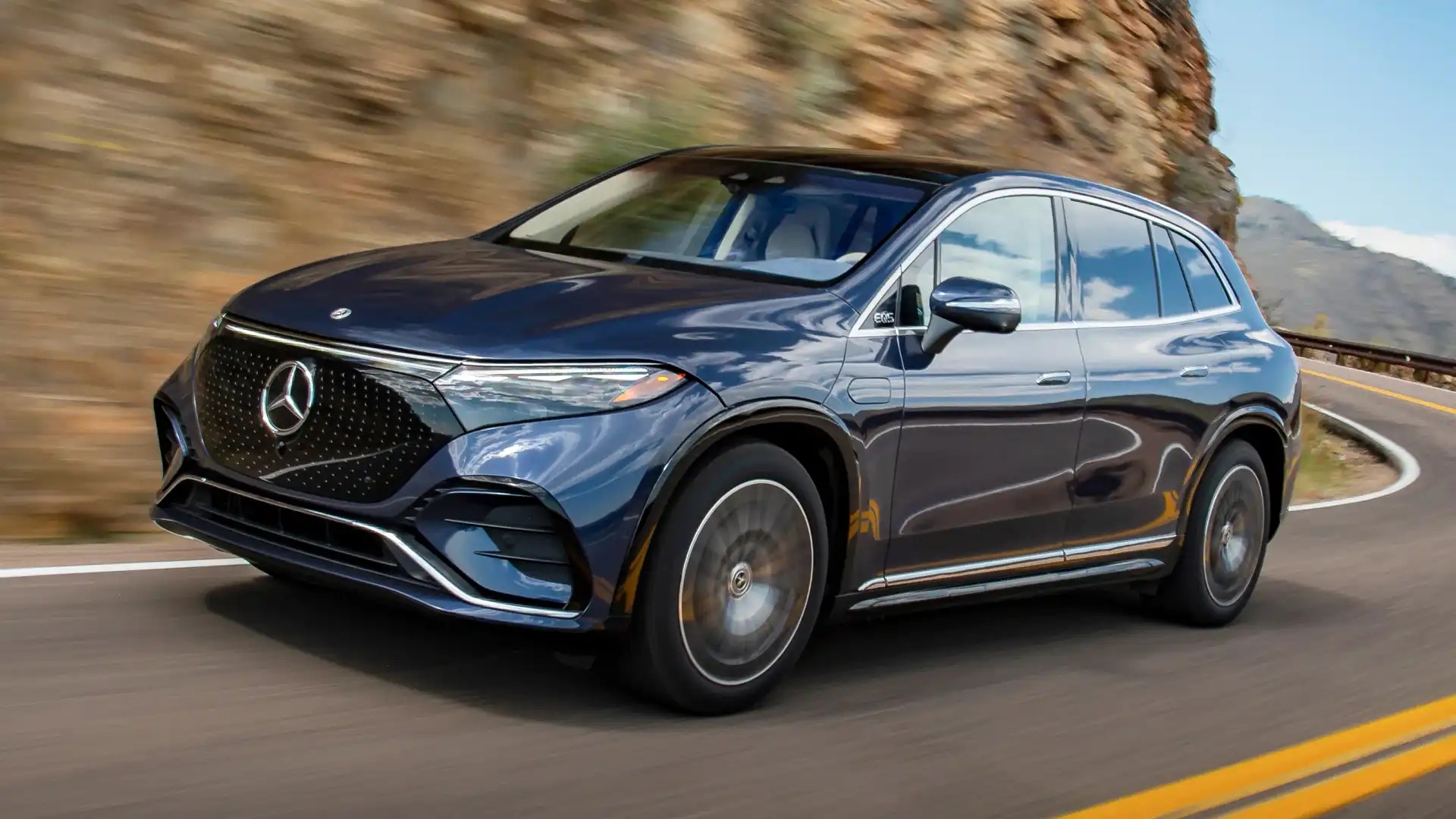
7. Mercedes-Benz EQS SUV
The Mercedes-Benz EQS SUV offers a fully electric take on large luxury transportation. Its reported highway cabin noise level is 60.7 dB, higher than the supplied readings for several other vehicles on this list.
That does not necessarily mean it has more wind noise than every SUV ranked above it. The figure may reflect differences in measurement conditions, tires, road surfaces, or the way total cabin sound was recorded.
Electric vehicles bring a distinct acoustic challenge to highway travel. With little or no conventional engine noise, the driver may notice airflow around the mirrors, the upper windshield, and the roofline more readily.
Aerodynamic design therefore plays an important role in creating a comfortable interior. The EQS SUV’s body has been developed with airflow management in mind, while its premium cabin includes insulation intended to help limit unwanted exterior sound.
Available equipment can vary, so buyers should check the specifications of the precise trim and model year.
The EQS SUV is worth considering for drivers who want a spacious electric vehicle with an emphasis on comfort. Its three-row layout can suit family travel, while electric propulsion offers smooth acceleration and avoids the usual sound of a gasoline engine during operation.
Still, cabin quietness depends on more than the powertrain. Tires can create a steady hum, and crosswinds can increase sound around the body.
During a highway test drive, turn the audio system down and listen near the front doors and windshield pillars. That is a better way to assess wind intrusion than relying on an isolated decibel figure without a clearly documented test speed.
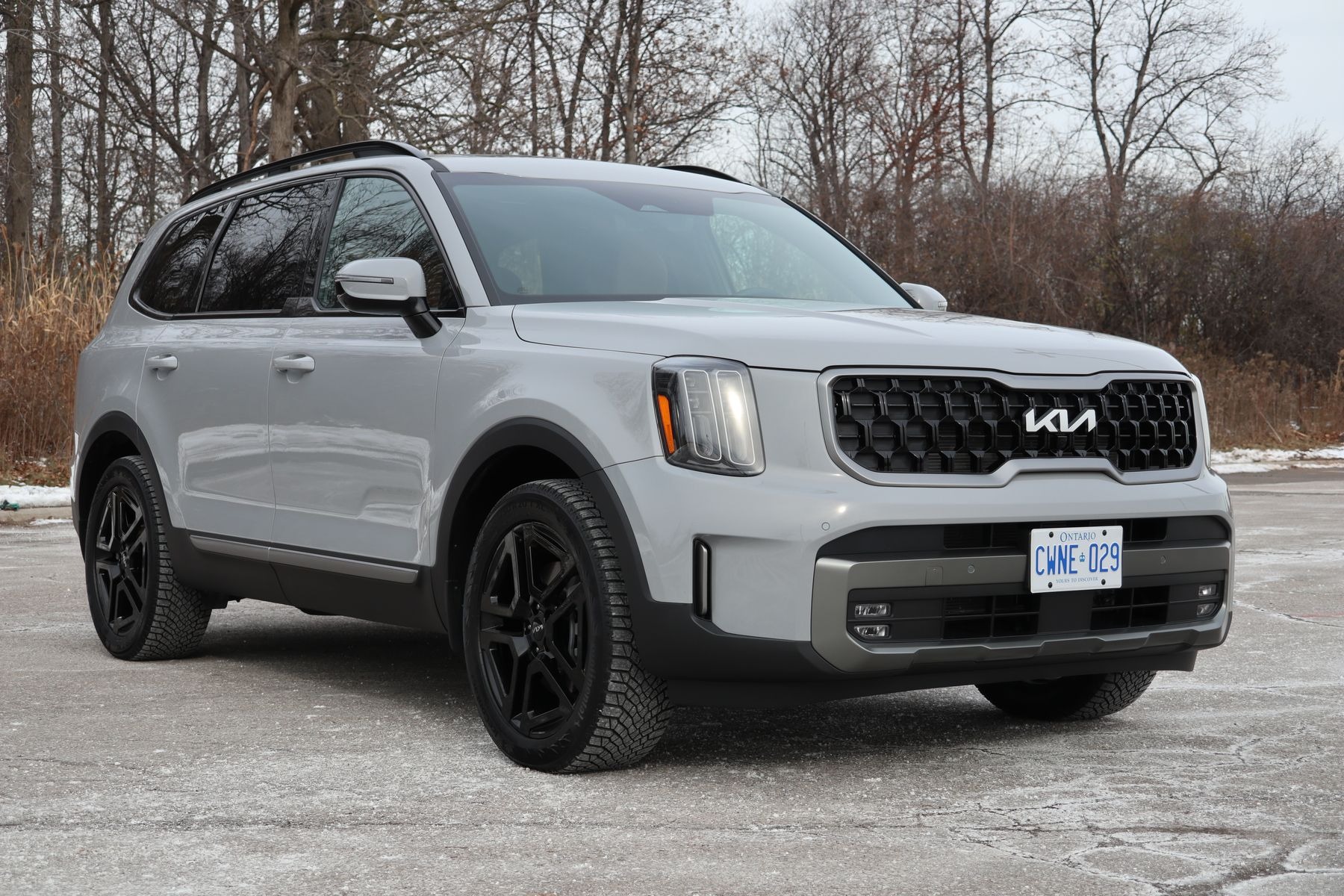
8. Kia Telluride
The Kia Telluride is the first SUV on the list without a reported decibel measurement, so there is no specific noise figure to compare. However, the source notes that it consistently ranks among the quietest mainstream midsize SUVs with three rows of seating.
Solid body sealing and thick glass explain the reputation. A tight body keeps air from whistling through gaps, and thick glass blocks the high-pitched hiss of wind.
Mainstream is the word to note. Every measured SUV so far carries a luxury badge, so the Telluride is the budget-friendly voice in this conversation. Quiet does not have to come with a luxury price tag. If your budget is tighter than the luxury names above, this is the first stop on the list for you.
Since there is no measurement to lean on, run your own check. Drive it at highway speed, listen around the mirrors and rear doors, and ask a passenger how the third row sounds.
The back of a 3-row SUV can be a very different experience from the front. A tight cabin also helps conversation, and that matters when kids in the back row want to talk about everything.
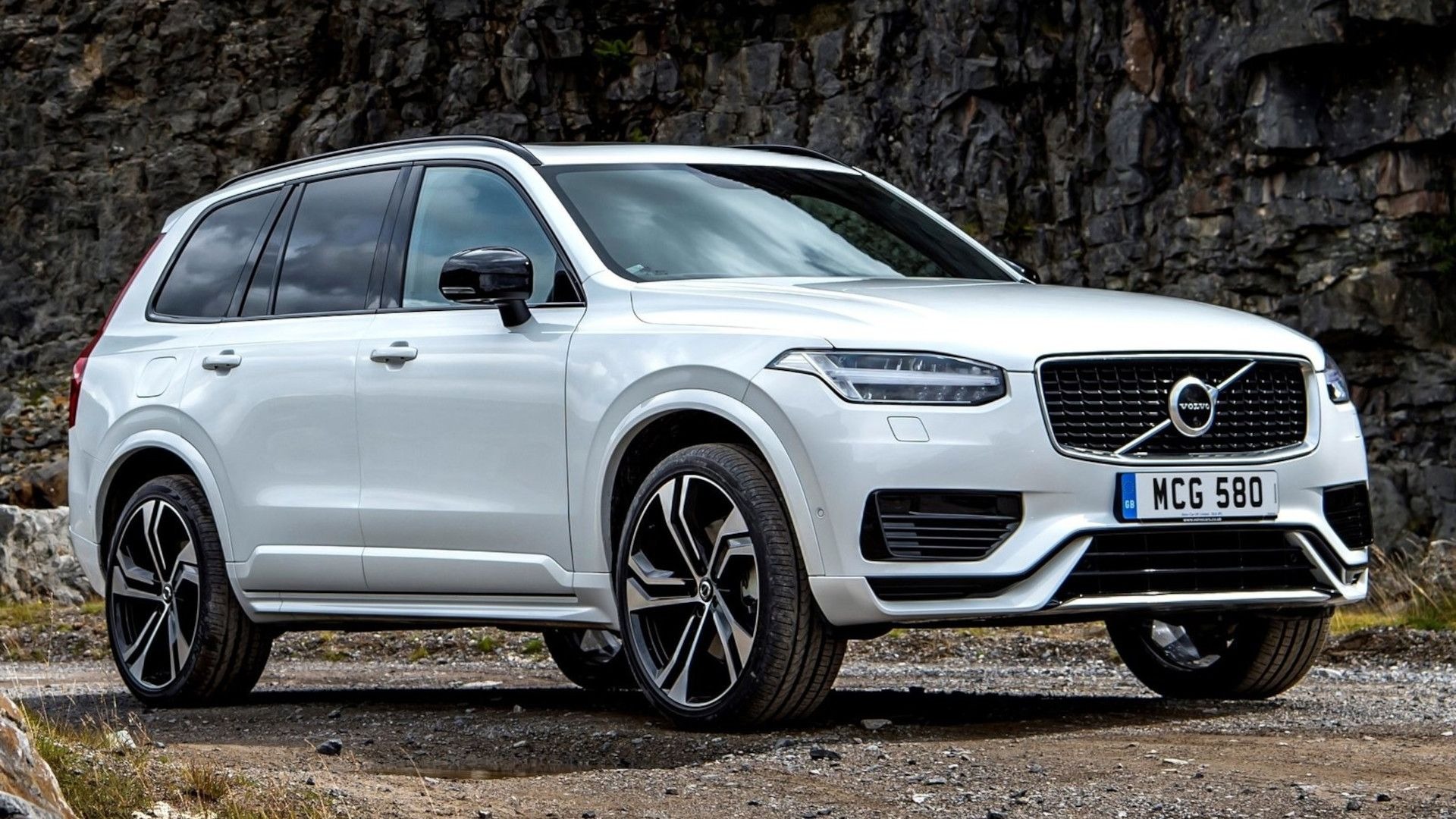
9. Volvo XC90
The Volvo XC90 has a long-standing appeal among drivers who want a comfortable, understated family SUV. It is praised in the supplied information for limiting wind and road noise, with acoustic glass and certain suspension options identified as features that may help refine the ride.
No specific decibel reading is supplied, however, and the available material does not establish a controlled wind-noise measurement at 75 mph.
Volvo’s cabin design emphasizes comfort, clear layouts, and a relaxed atmosphere. Effective window sealing and acoustic glass can reduce the amount of outside sound entering the cabin, while suspension tuning influences how road disturbances reach passengers.
Optional air suspension, where available for the relevant model year and trim, may improve ride comfort on uneven surfaces.
It should not be assumed to eliminate wind noise directly, since suspension design and aerodynamic sound control address different sources of discomfort.
The XC90 can be particularly appealing to households that take frequent road trips or spend long periods commuting. In a three-row vehicle, a quiet cabin benefits passengers throughout the interior, not just those sitting in front.
Yet wheel and tire specifications can alter the sound experience, and worn door seals may allow whistles to develop as a vehicle ages. A used XC90 deserves a careful inspection of its windows, doors, tires, and service history.
During a test drive, listen for rushing air near the side mirrors and the upper edges of the doors. The XC90 merits consideration for its comfort-focused design, but buyers seeking the quietest possible cabin should confirm the result in their preferred trim and wheel configuration.
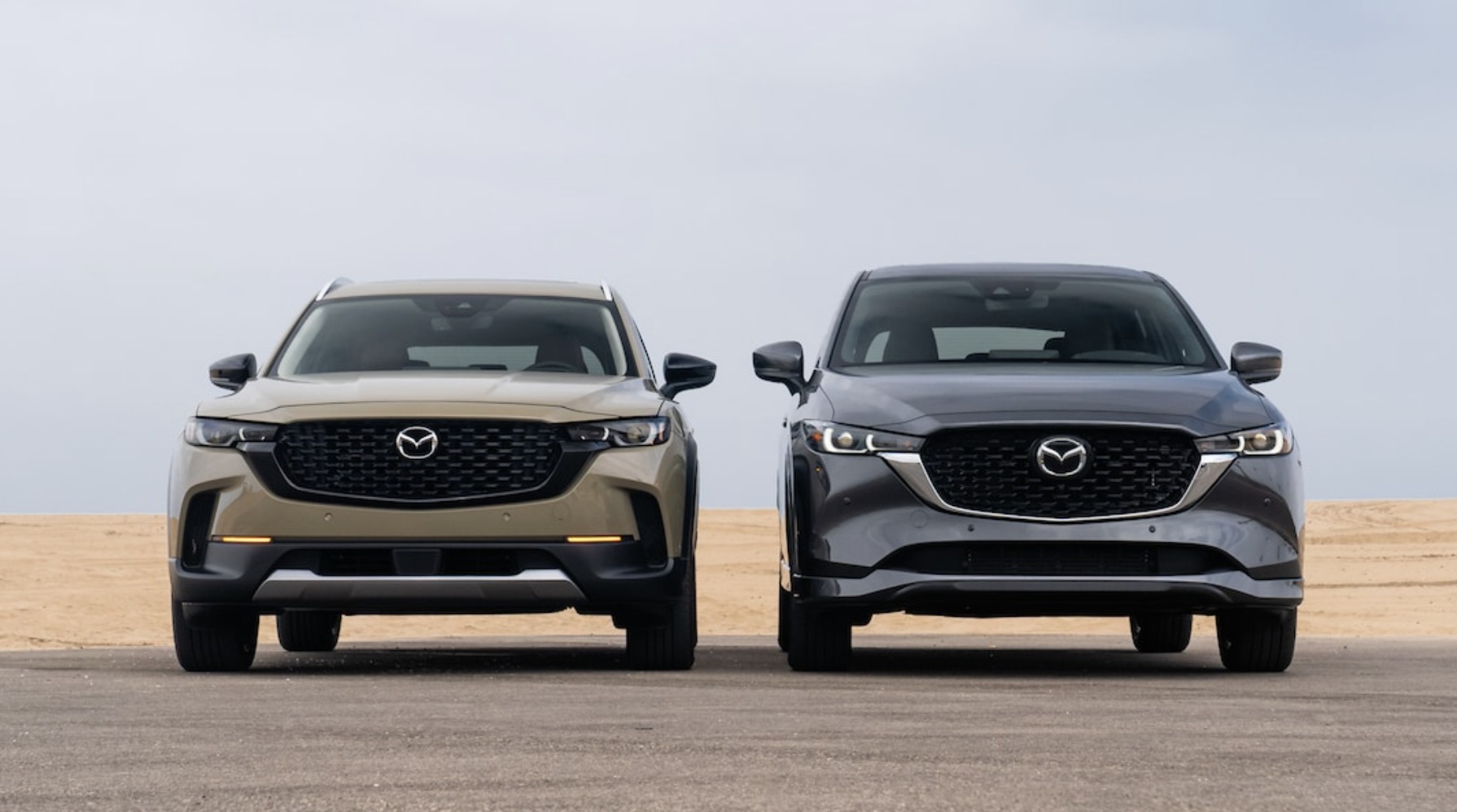
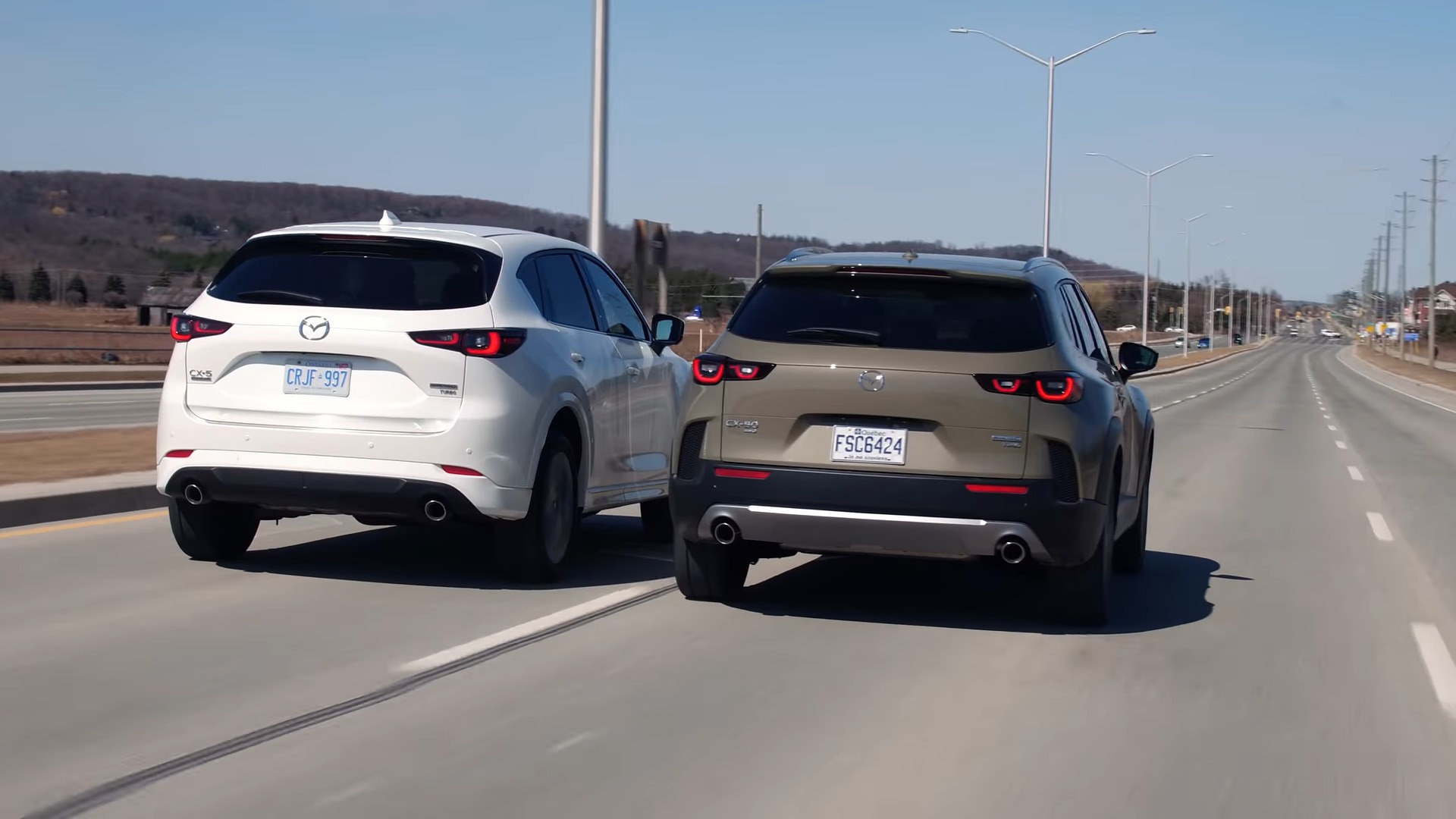
10. Mazda CX-5 / CX-50
The list ends with the smallest SUVs. The Mazda CX-5 and CX-50 are frequently highlighted by Consumer Reports as benchmark quiet performers in the compact SUV segment.
Compacts often have less room and weight to spend on sound control, so staying quiet in this class is a real accomplishment. That is why the reputation matters. Think of it as proof that peace is not reserved for six-figure SUVs.
Like the Telluride and XC90, there is no decibel figure here, so the evidence is reputation, not a measurement. That is still useful, since repeated praise from a respected publication says something. Just do not treat it as the same kind of proof as a 56.2 dB reading.
Because the two names are grouped, test the exact model you plan to buy. The CX-5 and CX-50 are different vehicles, and the source treats them as a pair, not as twins.
A compact SUV also tends to be easier to park and cheaper to run, so a quiet one removes a common reason to step up to something bigger. Choosing an SUV with low highway noise takes more than comparing a list of decibel figures.
The Audi Q8 Prestige has the lowest supplied reading at 56.2 dB, while the BMW X7, Bentley Bentayga, BMW iX, Mercedes-Benz GLS 450, and BMW X5 xDrive50e also have reported measurements.
The Kia Telluride, Volvo XC90, and Mazda CX-5 and CX-50 are included based on assessments of cabin refinement, without specific figures in the supplied information.