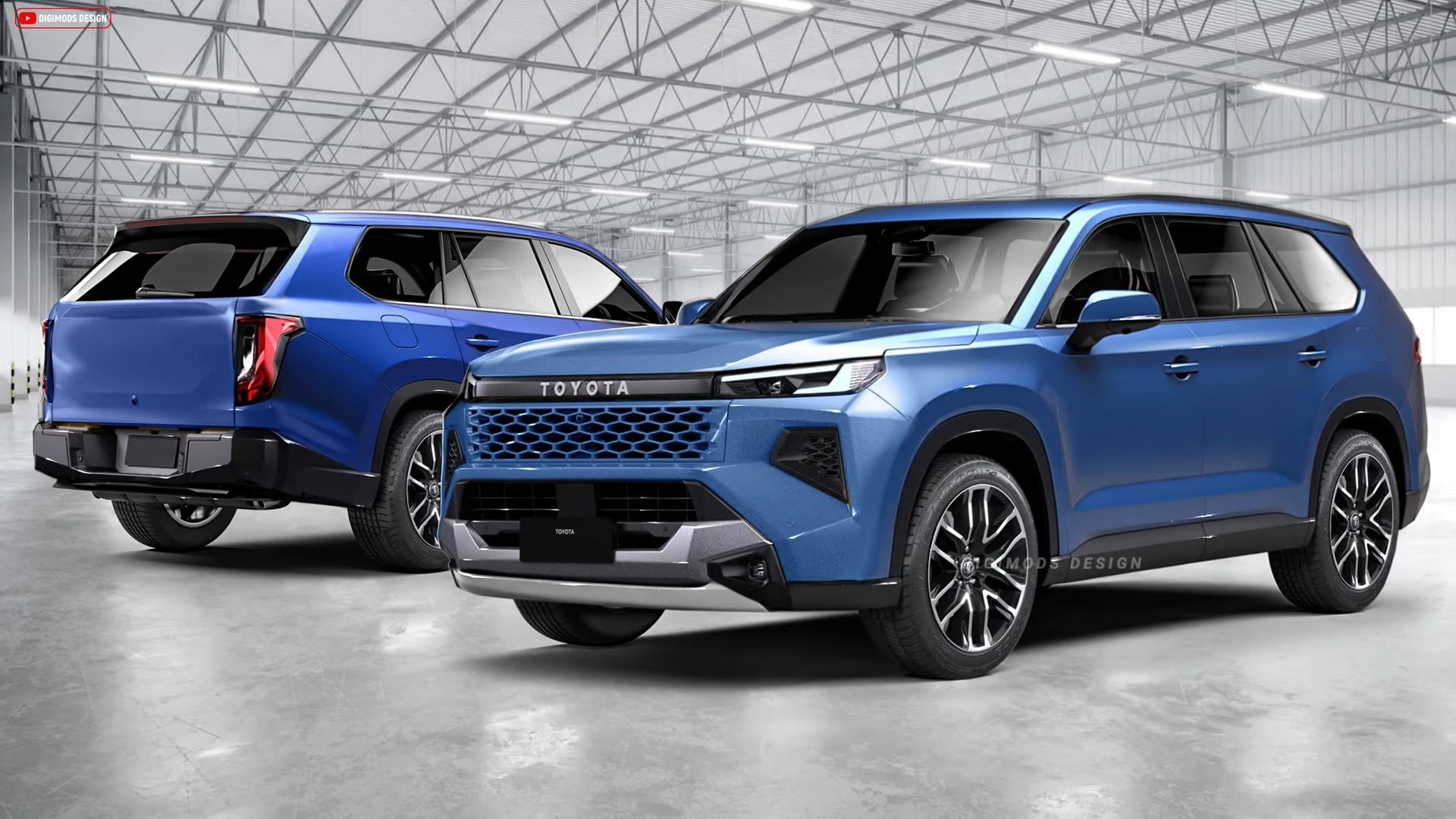
Buying an SUV is a major expense, but the purchase price tells only part of the story. How much will your vehicle be worth five years later? That question can make a real difference when it is time to sell, trade in, or upgrade.
Most SUVs lose a substantial portion of their original value during their first five years, yet a handful manage to hold on to more of what buyers initially paid. Models from Jeep, Toyota, and Honda appear among the stronger performers, with some losing less than one-third of their value.
The reasons vary, from steady demand for rugged off-road vehicles to the appeal of practical, fuel-efficient crossovers. Here are ten SUVs and SUV-style vehicles with estimated five-year depreciation rates below 40 percent, based on the supplied resale-value data. Actual results depend on mileage, condition, equipment, location, and market demand.
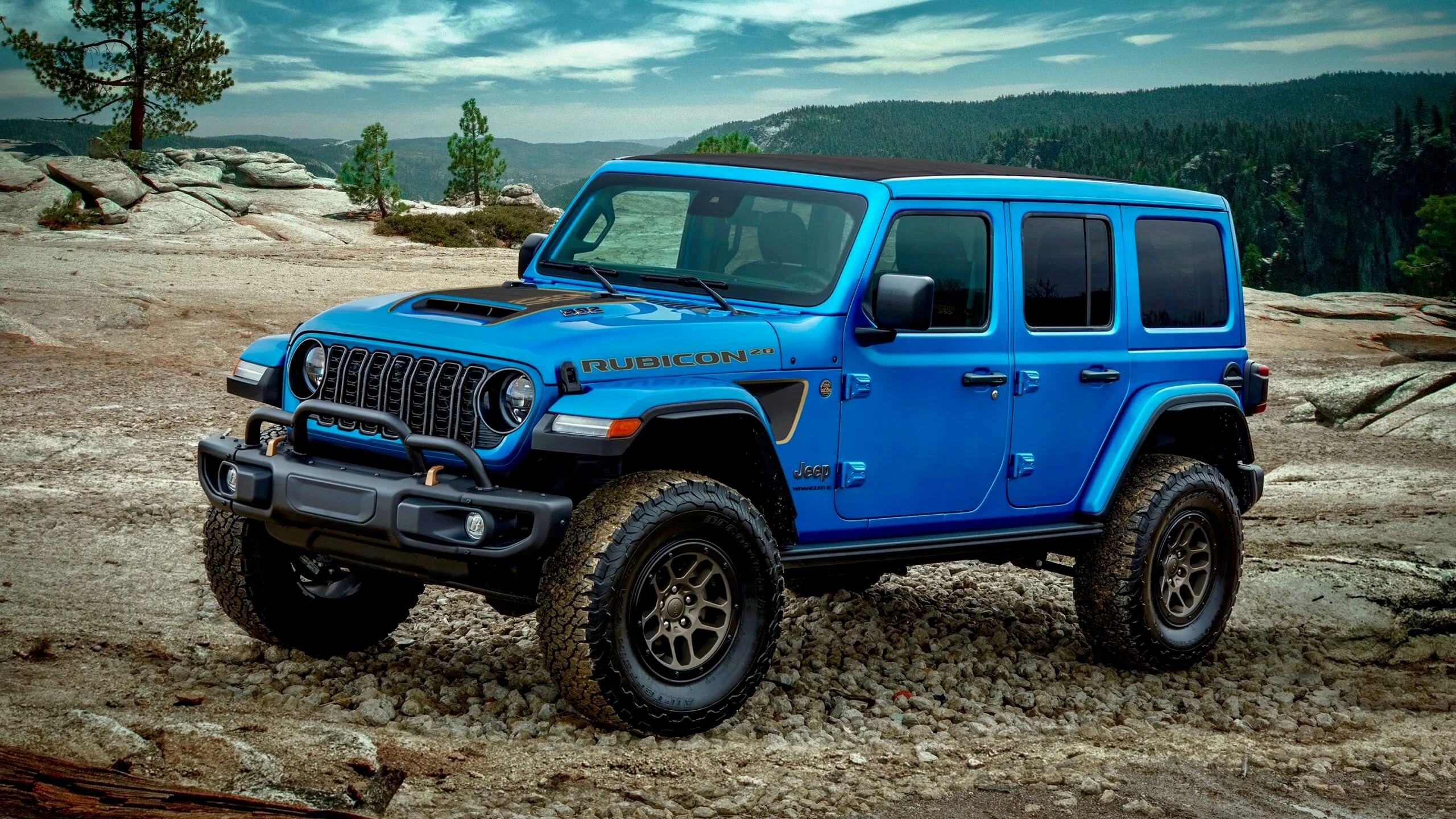
1. Jeep Wrangler Unlimited
Few vehicles have the distinctive appeal of the Jeep Wrangler Unlimited, and that popularity helps explain its strong resale performance. Depending on the study and model year, its estimated five-year depreciation ranges from approximately 23% to 30.9%.
For buyers concerned about resale value, that is an attractive result, particularly when many SUVs lose considerably more of their original price during the same period.
The Wrangler Unlimited combines four-door practicality with traditional off-road hardware and an instantly recognizable design.
Its removable roof and doors, available four-wheel drive, and trail-focused engineering appeal to drivers who want more than ordinary transportation. Demand from outdoor enthusiasts and buyers who enjoy customizing their vehicles can help keep used examples desirable.
There is a practical side to this value retention, too. A Wrangler Unlimited can serve as a daily driver, a weekend adventure vehicle, or a family SUV, giving it broad appeal among different types of owners.
Still, resale performance depends heavily on how the vehicle has been used. Extensive off-road driving, accident damage, poor maintenance, and aggressive modifications may reduce what a buyer is willing to pay.
A clean example with documented service and modest mileage is more likely to attract strong offers. Buyers should also remember that a low depreciation rate does not automatically mean low ownership costs.
Fuel, tires, insurance, and maintenance deserve attention when calculating the full cost of keeping a Wrangler Unlimited for five years.
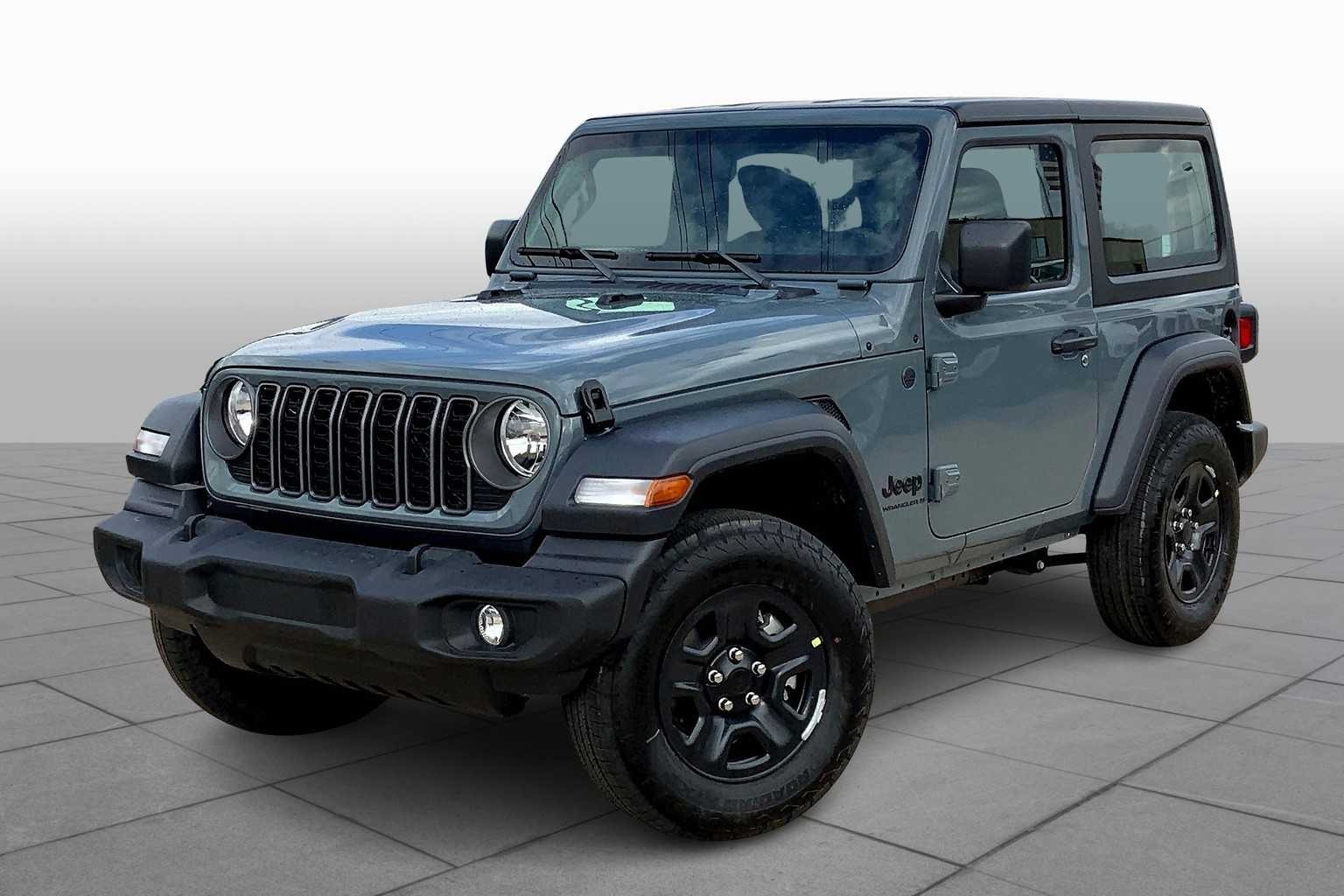
2. Jeep Wrangler (2-Door)
The two-door Jeep Wrangler offers much of the familiar Wrangler character in a shorter, more compact package. Its estimated five-year depreciation falls between approximately 27% and 32.8%, depending on the source and vehicle configuration.
That range places it among the stronger vehicles for retaining resale value, although the exact result will vary with mileage, trim, condition, and prevailing demand.
Why does this compact off-roader remain attractive to used-car shoppers? Its proportions, removable body panels, and trail-ready design give it an identity that few conventional SUVs can match.
Some buyers specifically prefer the shorter wheelbase for tight trails and easier maneuvering in certain off-road settings. Others simply want a smaller vehicle that retains the familiar Jeep appearance.
The two-door model does involve compromises. Rear-seat access is less convenient than in the four-door Unlimited, and cargo space is more limited. Families who regularly transport several passengers may find those restrictions inconvenient.
For buyers who rarely need extra seating, however, the smaller body can be part of its appeal. Strong resale prospects should not encourage anyone to overlook a vehicle’s history.
Check the frame, suspension, underbody, and four-wheel-drive system carefully, especially if the previous owner regularly drove on difficult trails.
Evidence of neglected repairs can quickly erase the financial advantage of buying a vehicle known for holding its value.
Choose the two-door Wrangler because it suits your needs, and treat its resale performance as an added benefit.
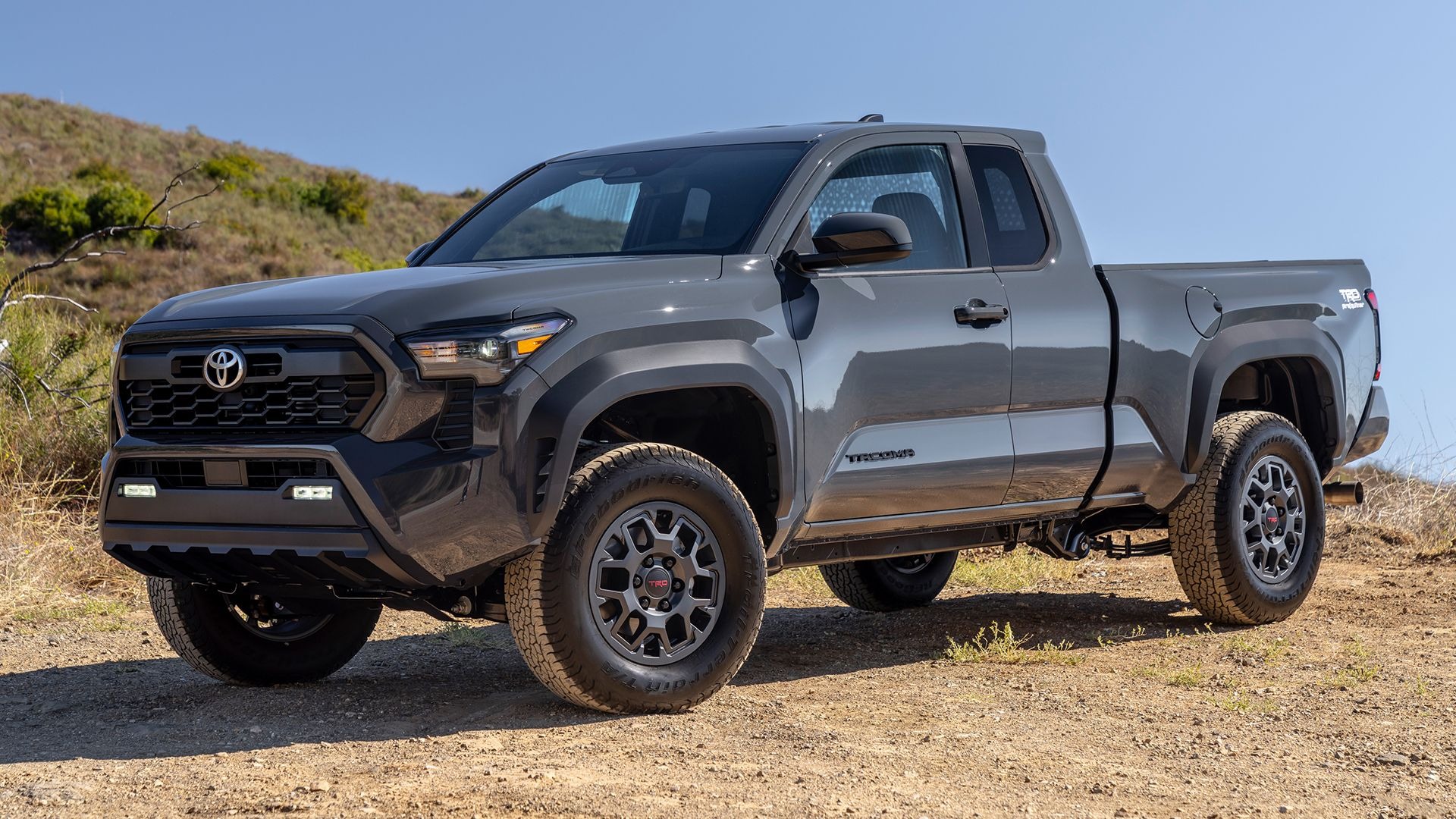
3. Toyota Tacoma
The Toyota Tacoma is technically a pickup truck, rather than an SUV, but its shared appeal among buyers seeking a rugged, utility-focused vehicle makes it relevant to this list.
The supplied data puts its estimated five-year depreciation at approximately 29.5%. That level of value retention is particularly attractive to people who want a vehicle capable of handling work, recreation, and everyday driving without losing a large portion of its original purchase price.
Tacoma demand has traditionally benefited from its reputation for durability, strong resale interest, and practical design.
Buyers may choose one for hauling equipment, reaching remote campsites, transporting outdoor gear, or simply enjoying the flexibility of a pickup. Used examples can appeal to people who need truck capability but prefer paying less than the cost of a new model.
Condition matters greatly, though. A Tacoma used for demanding work may have a different mechanical history from one driven mainly on paved roads.
Inspect the frame for corrosion, look for signs of heavy towing, and check the suspension, brakes, tires, and drivetrain. Service records can help establish whether the previous owner followed recommended maintenance.
It is also worth comparing cab styles, bed lengths, engine options, and trim levels because buyers may favor some configurations over others.
The Tacoma’s estimated 29.5% depreciation suggests that it can preserve a substantial share of its value across five years.
Just remember that a strong resale reputation is not a substitute for checking the actual vehicle before making a purchase.
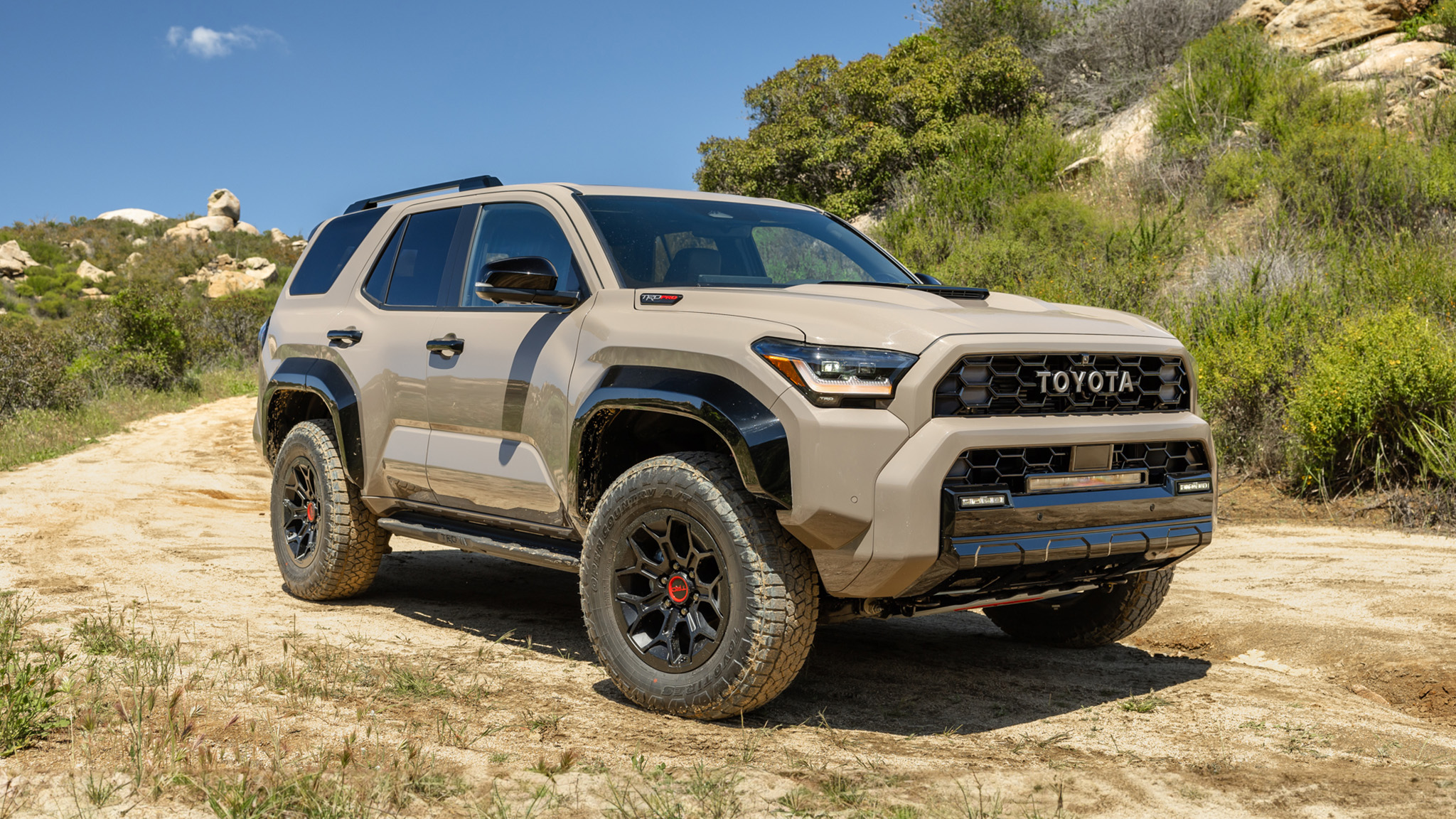
4. Toyota 4Runner
Here is a vehicle where trim choice and mileage can swing the result dramatically. The 4Runner shows five-year depreciation anywhere from about 25% to 38.0%, a wide range that still sits entirely below the 40% line.
At the low end, certain trims, especially off-road-focused versions, practically refuse to lose value. Used buyers chase them, and listings disappear quickly. At the high end, a base model with high mileage and a few cosmetic flaws might lose more, but it still beats most rivals.
Why does this old-school SUV hold up so well? Its body-on-frame construction, proven V6, and reputation for lasting well past 300,000 miles make shoppers comfortable paying up.
The design changes slowly, so a used example does not feel outdated beside a new one. That consistency protects resale value.
Want to land near the 25% mark? Choose a popular trim and a neutral color. Keep mileage below the average, around 12,000 miles per year.
Fix dings and curb rash on the wheels, and replace worn tires before you list the vehicle. First impressions matter in a private sale.
Gather the maintenance records, wash the vehicle thoroughly, and take clear photographs in good light. A little effort could add hundreds of dollars to your final price.
5. Hyundai Venue
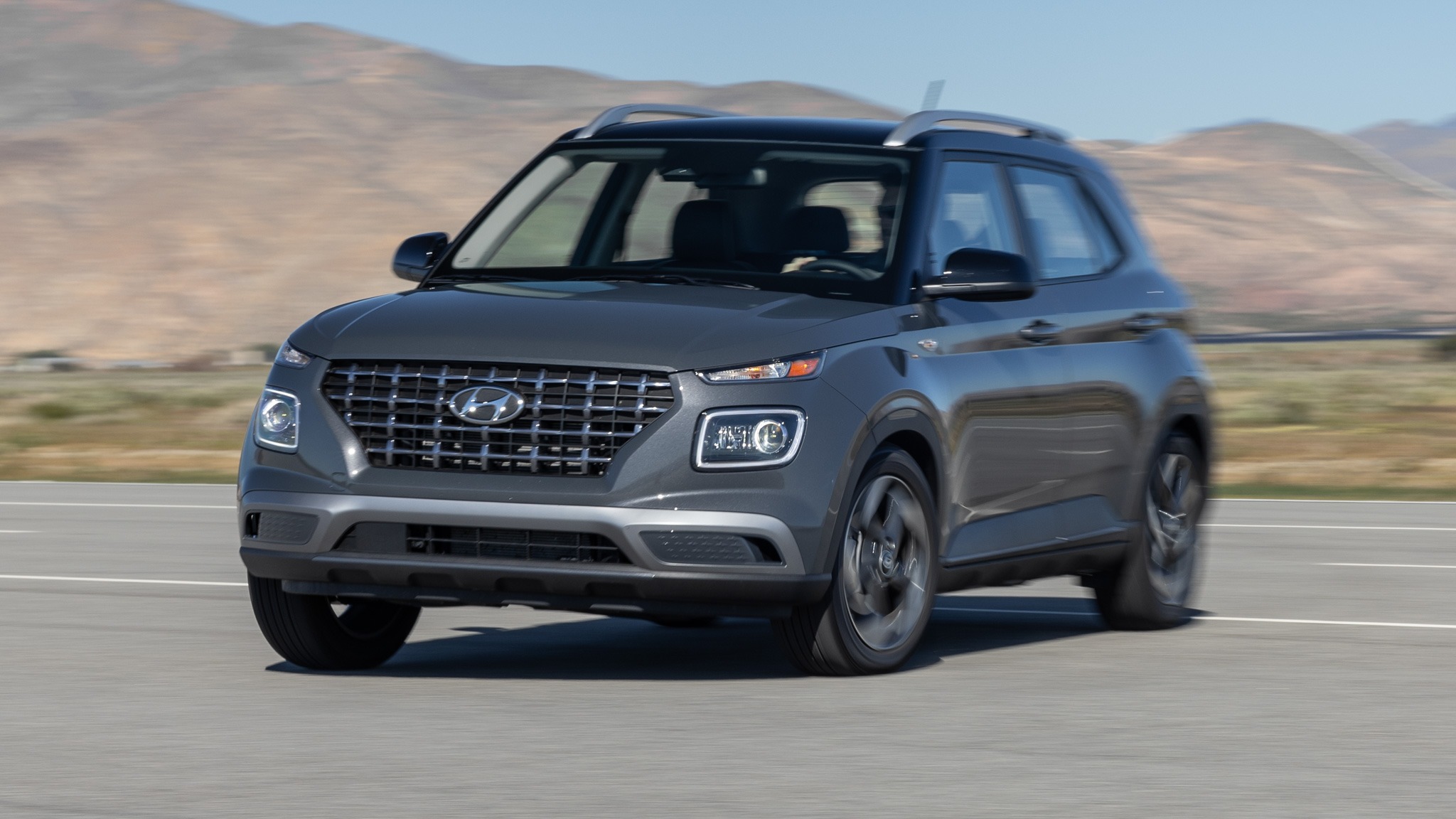
Small, simple, and surprisingly sturdy on resale. The Hyundai Venue loses about 31% of its value over five years, which makes it a standout in the subcompact crossover class and a pleasant surprise given its modest price.
Lower sticker prices often mean lower depreciation in dollar terms. Buy a Venue for around $22,000, and a 31% loss costs you roughly $6,800. That figure feels easy to absorb.
Many cars that cost twice as much will lose far more cash in the same period. City drivers love how easy it is to park, and rising fuel prices keep small crossovers in demand.
Hyundai also backs its vehicles with a long warranty, and while terms vary for second owners, that reputation still reassures used shoppers. Fuel economy and low insurance costs sweeten the deal further.
Some things to remember. Cargo space is tight, and rear seat room suits kids better than adults. Those limits may not bother you, but they affect who will buy it later, so consider your own needs and your future buyer’s.
Keep the interior clean, because small cars get heavy use around town. Service records help here as well. A tidy Venue should sell without drama.
6. Toyota RAV4
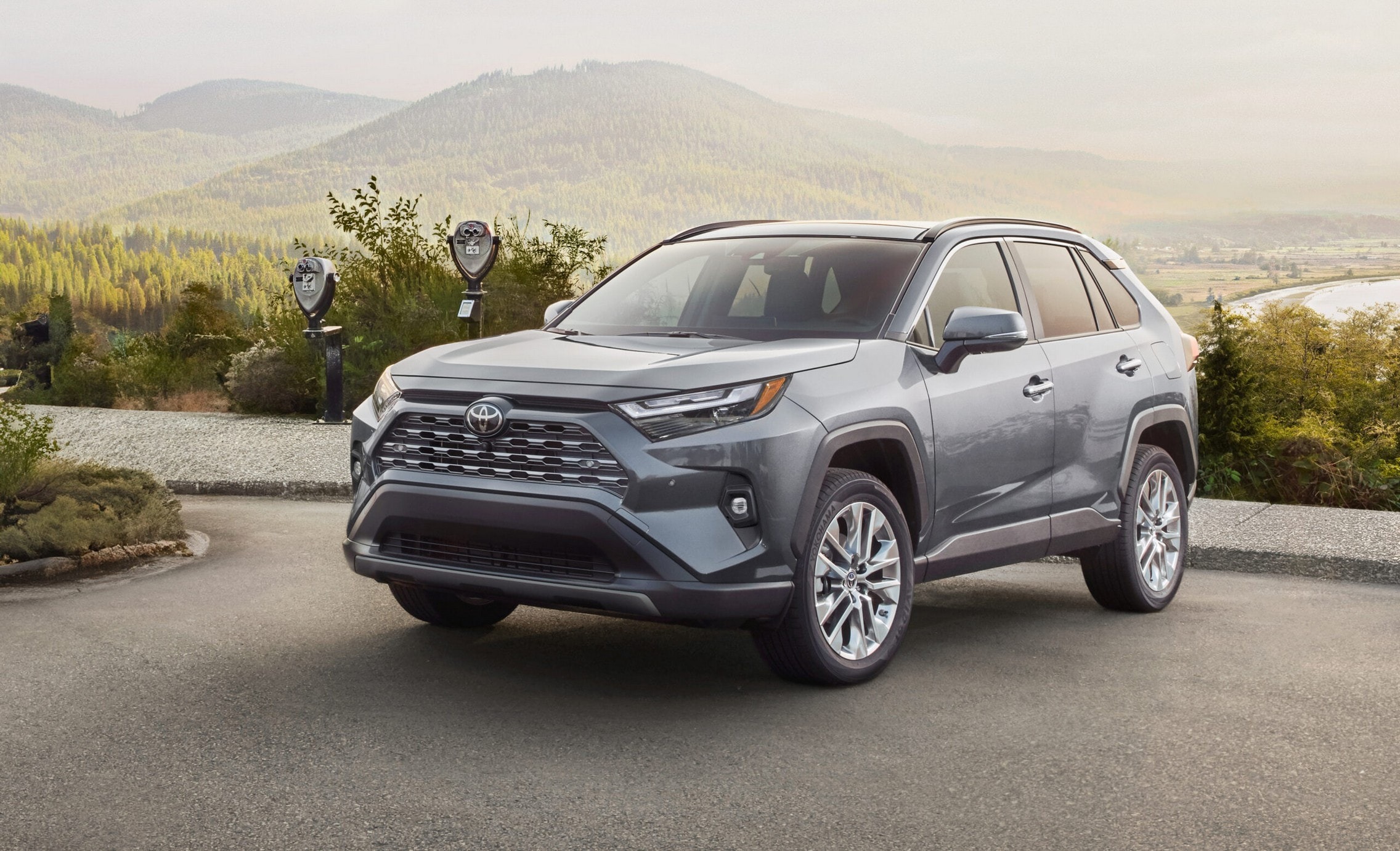
The Toyota RAV4 is one of the most practical choices on this list, with estimated five-year depreciation of approximately 28% to 31%.
That range means the SUV may retain roughly 69% to 72% of its original value after five years, assuming the estimates apply to the specific vehicle being considered.
For buyers who want everyday convenience without taking a major hit at resale, the RAV4 has plenty to recommend it. Its popularity comes from a useful mix of passenger space, cargo capacity, comfortable driving manners, and available all-wheel drive.
The lineup has also included hybrid versions for shoppers seeking improved fuel economy. Those attributes help the RAV4 appeal to commuters, small families, and drivers who need one vehicle for several different responsibilities.
Strong demand can support used prices, especially when shoppers are looking for a dependable compact SUV with familiar features. Yet buyers should compare the exact trim and powertrain rather than assuming all RAV4 versions depreciate at the same rate.
Hybrid models, equipment packages, and mileage may influence the final resale figure. Routine maintenance is equally important. Keep records of scheduled servicing, inspect tires and brakes, and check for damage from previous accidents.
Anyone purchasing a used RAV4 should also confirm that applicable recalls have been addressed. With an estimated depreciation rate below one-third of its original value in five years, the RAV4 presents an appealing balance of practicality and resale potential.
The strongest financial result will come from choosing a version that meets your needs and keeping it in good condition.
7. Honda HR-V
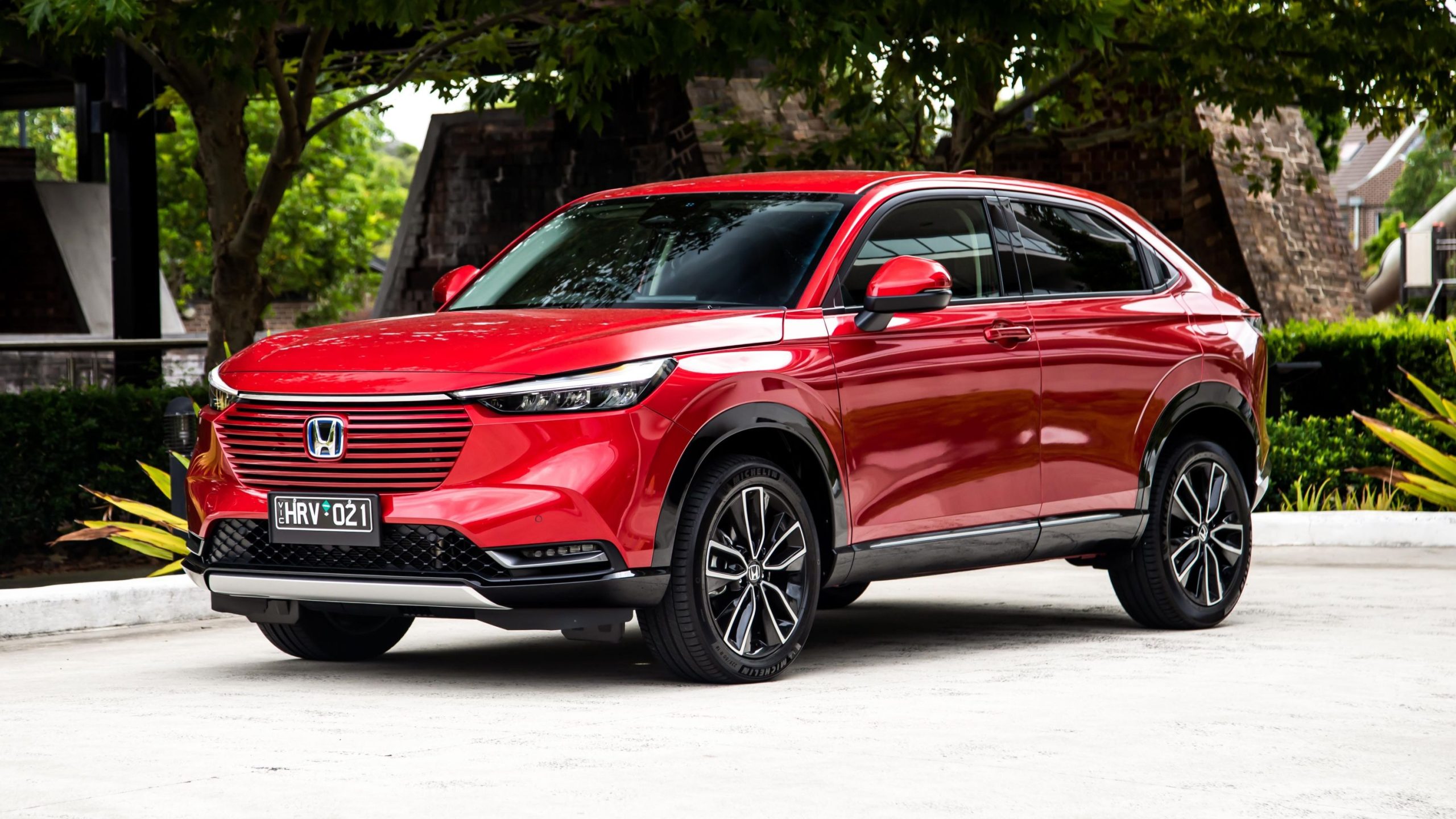
The Honda HR-V earns a place among these value-retaining vehicles with estimated five-year depreciation of approximately 32%.
Its small footprint, useful cabin, and everyday practicality make it a natural contender for drivers who need an SUV-style vehicle but do not want the expense or bulk of a larger model.
Inside, the HR-V is designed around daily convenience rather than heavy-duty work. It can accommodate shopping bags, commuting essentials, and the gear associated with ordinary family life.
Its size can also make parking and maneuvering easier than in a midsize SUV. For buyers who spend most of their time on city streets and suburban roads, those qualities may matter more than off-road capability or a powerful engine.
The depreciation estimate suggests that an HR-V may retain around 68% of its original value after five years. Actual results can vary, so that figure should serve as a comparison point rather than a promise.
Trim level, annual mileage, accident history, and the condition of the interior all influence used-car prices. Before purchasing, check that the engine, transmission, air conditioning, electronics, and safety equipment operate properly.
Request maintenance documentation and arrange an independent inspection if you are buying from a private seller. It is also wise to compare the HR-V with the Toyota Corolla Cross and other small crossovers on passenger room, comfort, and equipment.
A slightly higher resale percentage may not matter as much as finding the right fit for your daily needs. The HR-V’s estimated 32% depreciation makes it a sensible candidate for shoppers who want a compact vehicle with promising resale prospects.
8. Toyota Corolla Cross
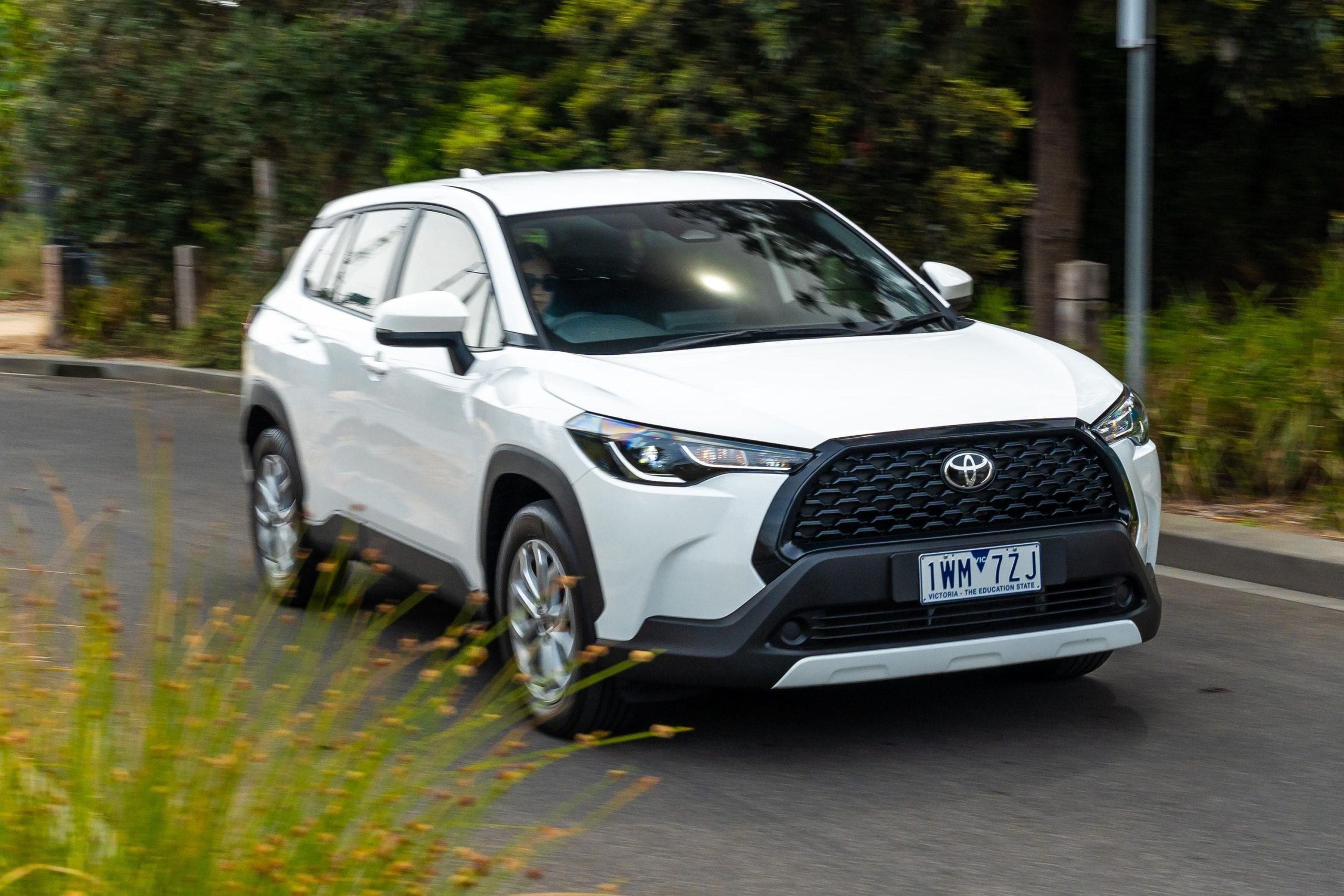
Newer to the scene, the Corolla Cross already shows strong staying power. Its five-year depreciation runs about 26% to 32%, and that makes it a smart pick for shoppers who want a small SUV with a strong name behind it.
Think of it as the RAV4’s smaller, cheaper cousin. It borrows the Corolla’s reputation for dependability while adding higher seating and more cargo space.
Buyers like the combination, and demand remains steady. Hybrid versions earn extra attention, particularly among commuters watching fuel costs.
Price plays a role as well. A lower purchase price means smaller dollar losses. At $28,000, a 26% drop costs you around $7,300, and a 32% drop costs about $9,000. Those numbers compare well with competitors that shed much more.
Since the model is fairly new, long-term data remains limited, so keep that in mind when you plan. Early numbers look encouraging, but the final story depends on how the market behaves in the coming years.
To protect resale value, keep the exterior clean, address small dents promptly, and maintain the car by the book. Hang on to your service paperwork.
When the time arrives, a spotless Corolla Cross with a documented history should attract plenty of interest and strong offers from shoppers.
9. Toyota Grand Highlander
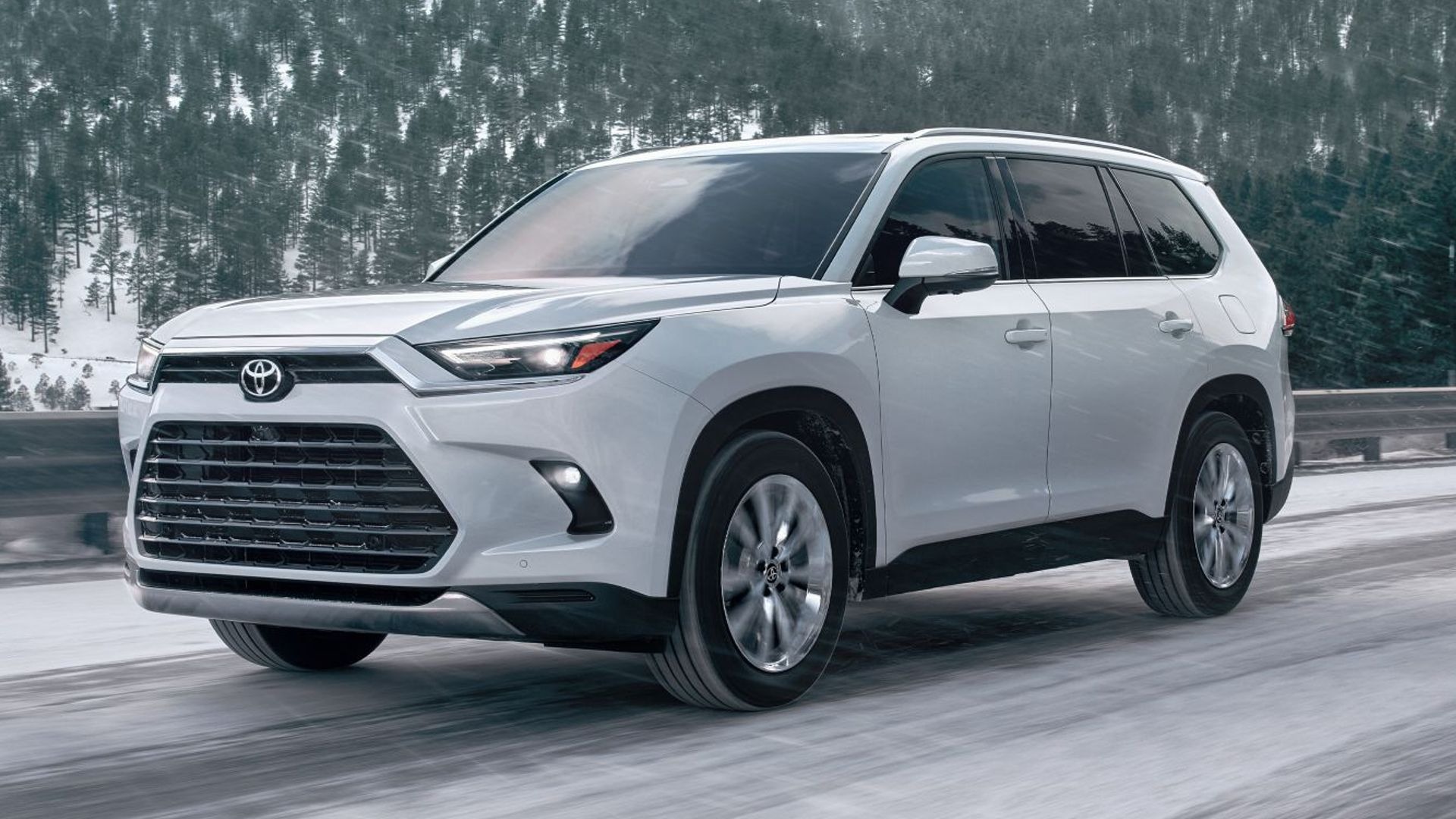
Big families need big vehicles, and the Grand Highlander delivers a true three-row experience with room for adults in the back. Its depreciation lands between roughly 29.5% and 32%, a strong showing in a class where many rivals lose far more.
Demand explains the performance. Three-row SUVs sell well, but buyers often struggle to find one that blends space, efficiency, and reliability. Toyota’s reputation and the available hybrid powertrain give this model an edge.
Waiting lists and tight inventory after launch also kept prices elevated, which helped early resale figures.
Consider the numbers. A $50,000 Grand Highlander losing 29.5% would be worth about $35,250 after five years. The same price on a typical competitor might leave you closer to $26,000. That gap pays for a lot of family road trips.
Remember that figures can move as supply improves and more units hit the used market. Do not assume today’s pricing will last forever. Keep your vehicle in excellent shape, and watch the market before you sell.
Clean seats matter in a family hauler, so use seat covers if kids ride often. Fix scuffs and stains before you list it, and the next buyer may happily pay full price.
10. Toyota Land Cruiser
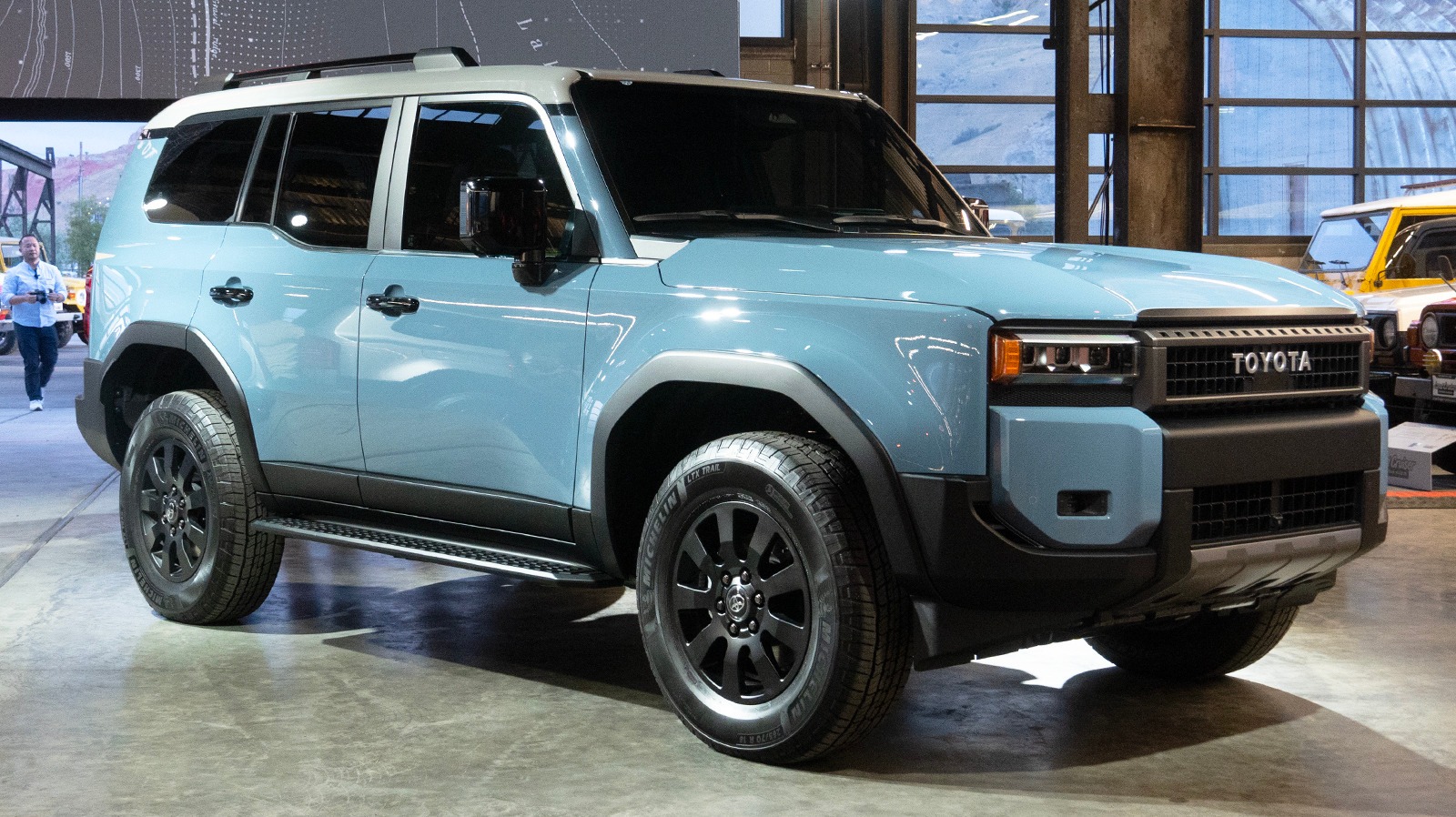
Last on the list, the Land Cruiser loses roughly 32% to 40% over five years. That range touches the ceiling, so treat it as a borderline entry rather than a guaranteed winner.
Price changes the picture. Land Cruisers cost serious money, so even a 32% drop translates into a large dollar loss. On a $60,000 vehicle, that is about $19,200.
At 40%, the figure rises to $24,000. Compare that with luxury SUVs that can lose well over half their price, and you see why buyers still consider it a smart choice.
Global reputation drives demand. People trust the badge for extreme durability, and collectors chase certain generations. Strong interest from enthusiasts keeps used prices elevated, especially for clean, low-mileage examples.
To stay near the lower end of the range, keep the vehicle stock and well maintained. Skip heavy modifications, because originality attracts serious buyers.
Store service records in an organized folder, and fix rust spots before they spread. A Land Cruiser may cost more up front than other vehicles on this list, but disciplined ownership can still protect a healthy share of your money.
Plan your sale carefully and be ready to wait for the right buyer. Choosing an SUV that loses less than 40% of its value in five years can make a future sale or trade-in more rewarding.
The Jeep Wrangler Unlimited and two-door Wrangler lead the supplied estimates, while the Toyota Tacoma, 4Runner, RAV4, Corolla Cross, Grand Highlander, and Land Cruiser demonstrate the appeal of utility-focused vehicles.
The Hyundai Venue and Honda HR-V show that smaller crossovers can also compete for buyers who care about resale value.