A smooth ride should not require a luxury budget. Anyone who has rattled over a cracked highway in a stiff little car knows how much a well-tuned suspension matters. Good news, because you can now find cars that glide, hush, and soothe without crossing the $40,000 line.
This list keeps that price cap front and center, so every pick below starts and stays under it. Some are sedans, some are SUVs, a couple run on electricity, and one even wears a premium badge. Settle in, compare the numbers, and find the car that treats your spine with respect.
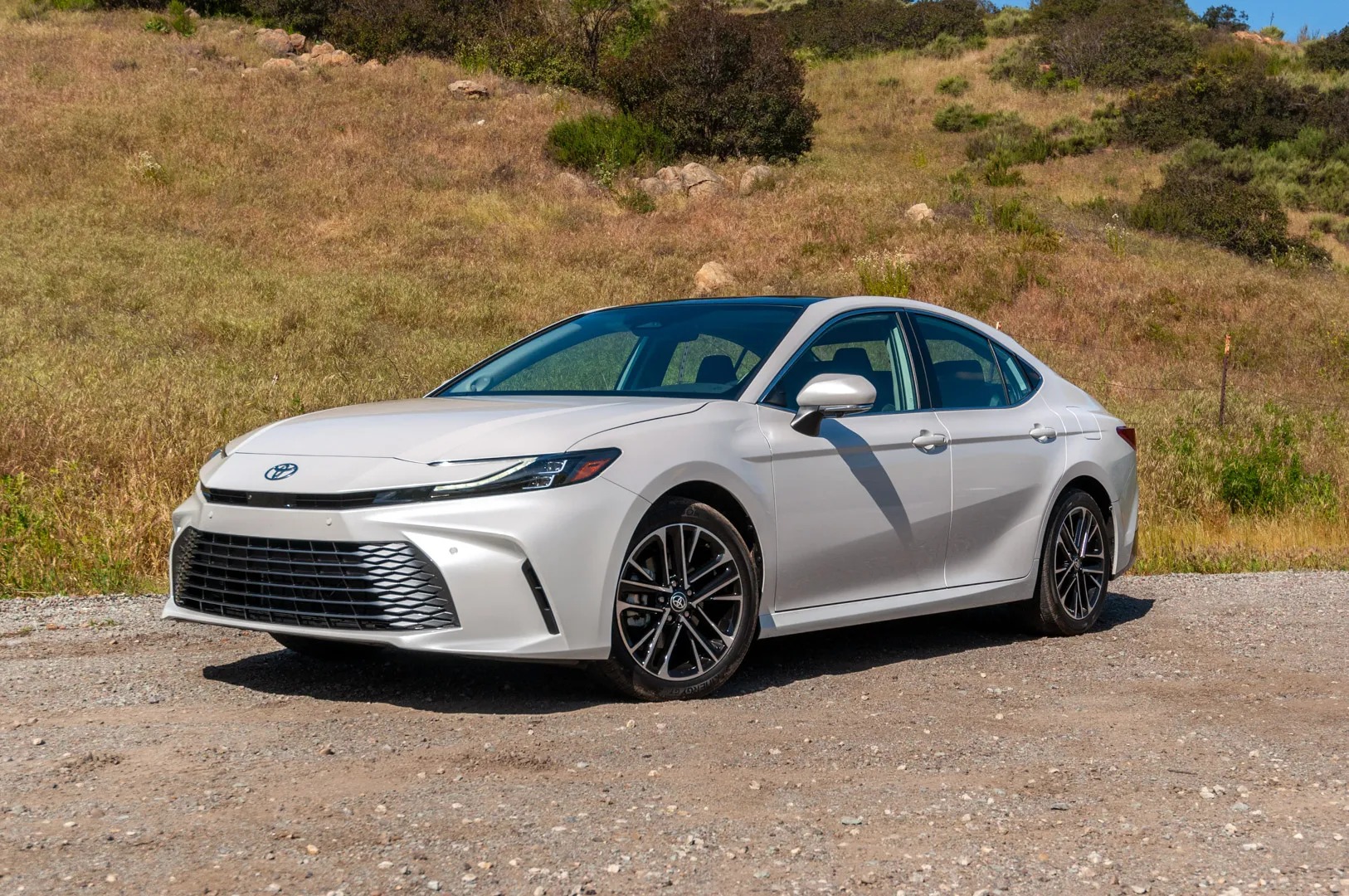
1. Toyota Camry
Approximately $28,400 to $34,600 for well-equipped trims.
The Toyota Camry makes a strong case for drivers who want a comfortable daily companion without paying a premium price.
Its suspension is designed to absorb ordinary road imperfections while keeping the cabin settled, making the sedan particularly appealing to commuters and families who spend plenty of time behind the wheel.
Expansion joints, uneven pavement, and shallow potholes can interrupt a drive, but the Camry’s suspension tuning helps soften those impacts before they reach the seats.
Passengers benefit from a composed ride that feels reassuring on highways and relaxed on city streets. Its quiet cabin also helps reduce fatigue during longer trips.
The Camry’s appeal extends beyond its suspension. The modern interior, supportive seating, and available hybrid powertrain make it practical for everyday use.
Hybrid versions add smooth, efficient operation, especially during low-speed driving and stop-and-go traffic.
Wheel choice matters, though. Larger wheels with lower-profile tires can make sharp bumps more noticeable, even on a comfortable sedan.
Buyers who value softness above appearance should compare trims carefully and take a test drive on familiar, imperfect roads.
For drivers seeking a dependable family sedan with polished road manners, the Camry deserves a place near the top of this list.
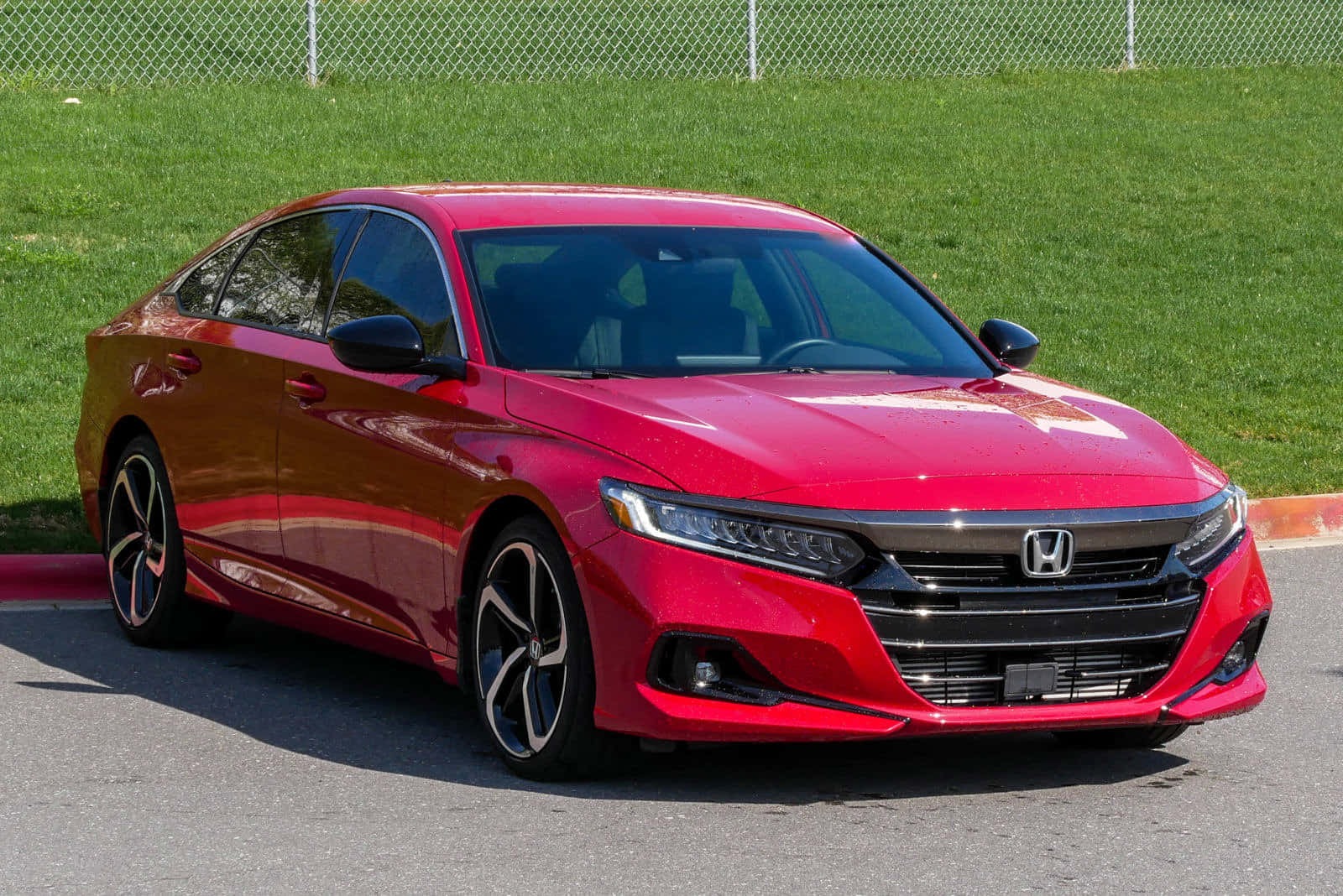
2. Honda Accord
Approximately $29,690 to $39,300 for higher-level hybrid trims.
Some sedans feel comfortable only when the road is smooth. The Honda Accord aims to deliver that same sense of ease when the pavement becomes rough, making it an appealing choice for people who want a refined ride without sacrificing everyday control.
Its suspension balances softness with stability. Rather than allowing the body to bounce excessively after hitting a dip, the chassis settles quickly and maintains a composed posture.
That balance becomes especially useful during highway travel, where repeated pavement joints can make a less carefully tuned car feel restless.
Inside, the Accord offers a spacious cabin with comfortable seating and generous passenger room. The relaxed driving position helps on longer journeys, while the well-managed road noise supports conversations and music without requiring excessive volume.
Hybrid versions bring smooth acceleration and reduced fuel consumption, adding practical value for frequent commuters.
The Accord also feels predictable when changing lanes or traveling through sweeping bends.
Its body remains controlled without making the suspension feel unnecessarily stiff, a combination that suits drivers who want comfort and confidence in the same package.
Trim selection deserves attention because higher equipment levels can approach the $40,000 ceiling. Check the advertised MSRP, destination charge, and final dealer quote before committing.
For a comfortable sedan that handles weekday errands and weekend road trips with equal ease, the Accord is a persuasive option.
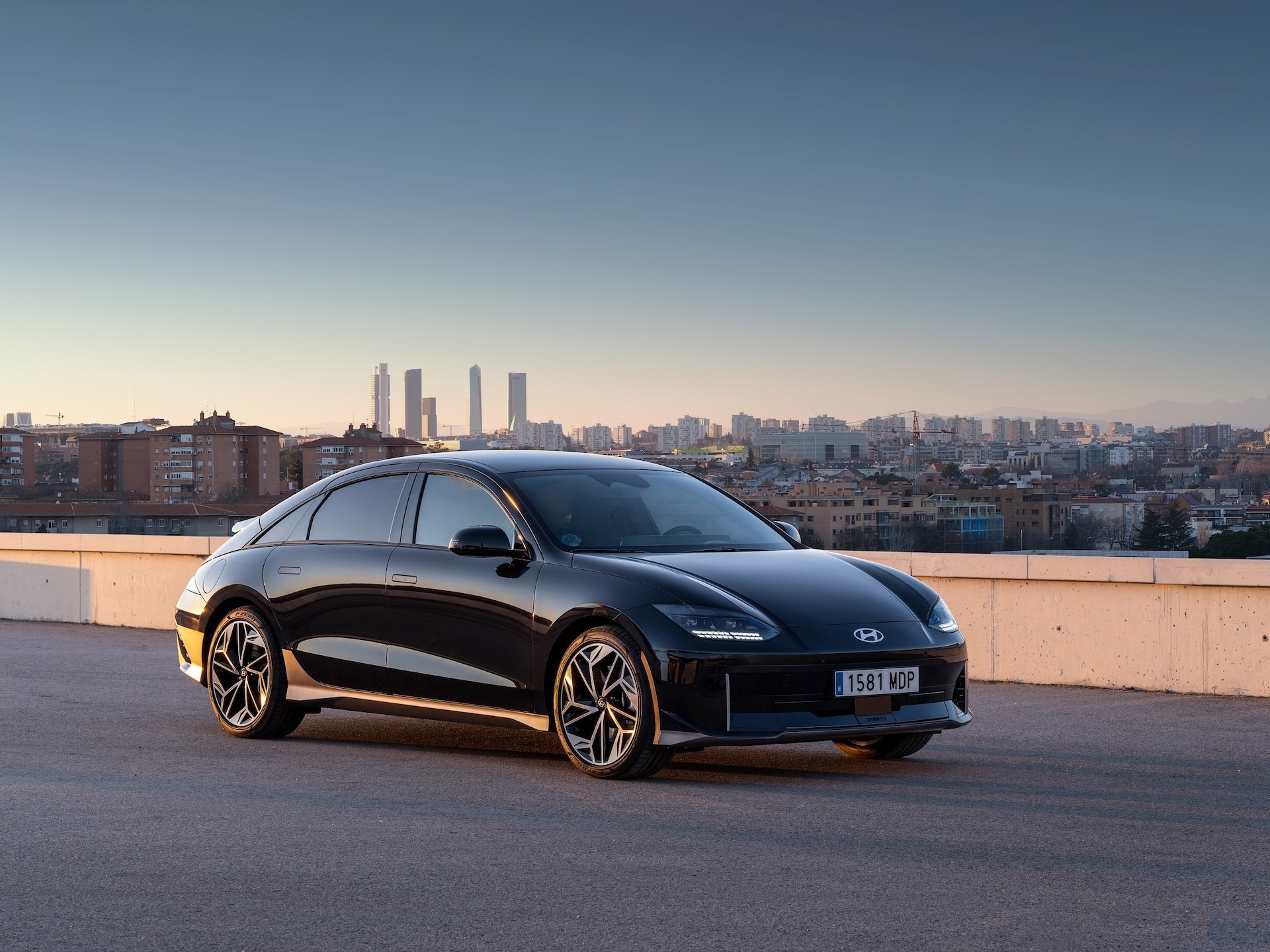
3. Hyundai Ioniq 6
Approximately $37,500 to $39,095 for the SE trim.
Electric cars bring their own comfort perks, and the Hyundai Ioniq 6 shows them off. The SE trim starts at $37,500 and runs to about $39,095, which makes it a tight squeeze under the limit but a legitimate one.
Three things work in its favor. The long wheelbase keeps the car from pitching over bumps. The low center of gravity, thanks to floor-mounted batteries, steadies the body in corners.
Heavy sound insulation then removes most road and wind noise. Together they deliver a serenely quiet and smooth highway cruise that rivals luxury cars costing twice as much.
Electric drive adds more. No engine vibration shudders through the cabin, and power arrives without gear changes. The silence feels almost strange at first, then oddly addictive.
Budget carefully. At this price, extra options can break the cap in a hurry, so stick to the SE if the limit matters most. Also check local incentives, since tax credits and rebates vary by place and change often.
Charging access at home makes ownership far easier. Ask yourself whether you can plug in nightly before you commit. If you can, this sleek EV offers one of the calmest rides money can buy.
4. Tesla Model 3
Approximately $38,990, depending on the current configuration.
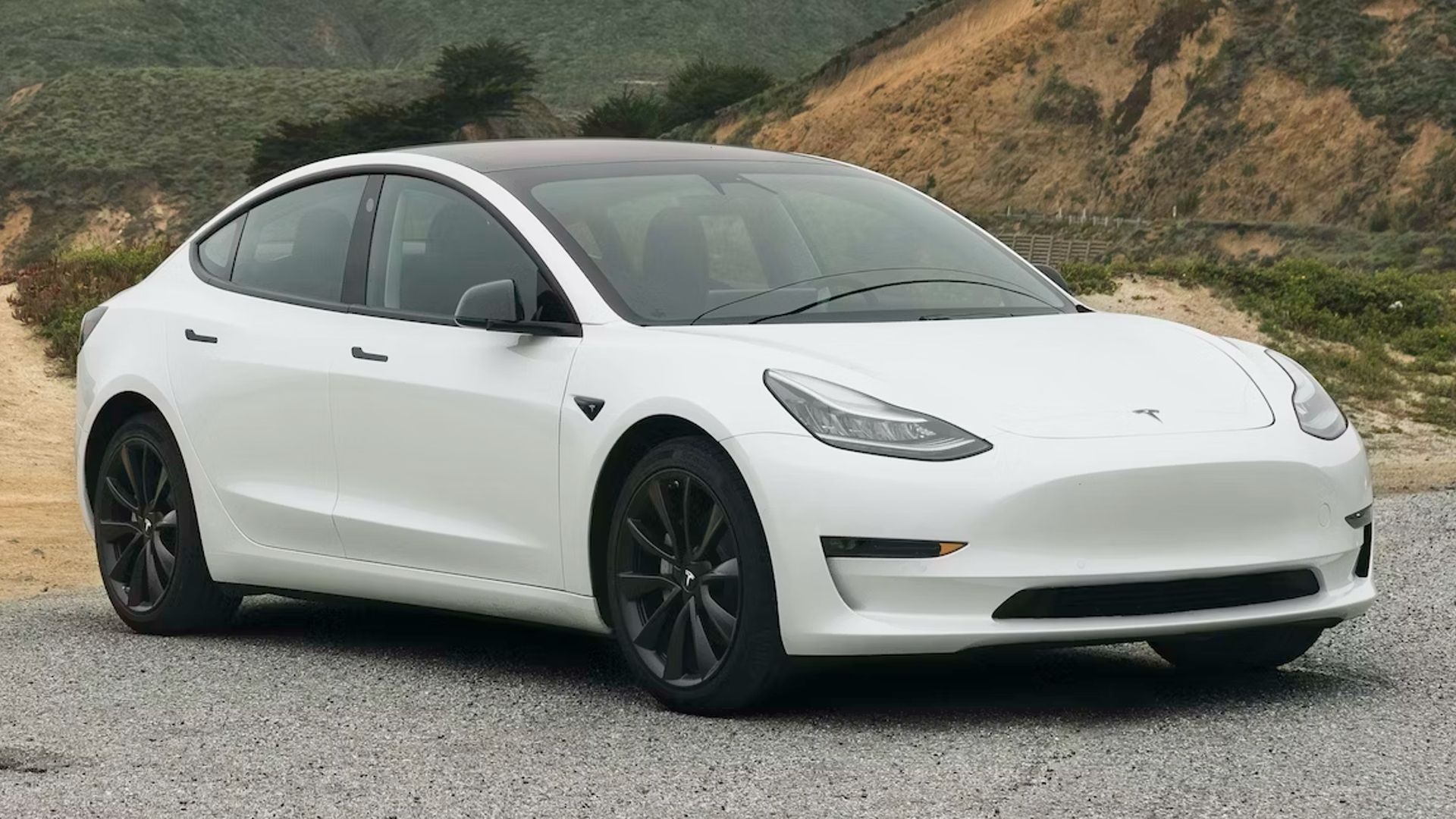
A quiet powertrain does not automatically guarantee a comfortable car, but the Tesla Model 3 combines electric driving with suspension revisions intended to make everyday travel more forgiving than earlier versions.
That improvement matters to drivers who want quick acceleration without feeling every crack in the road.
The Model 3’s electric motors deliver power smoothly, avoiding the engine vibration and conventional gear changes associated with gasoline vehicles.
Its low-mounted battery also gives the sedan a planted stance, helping it feel stable at highway speeds. Suspension tuning plays an equally important role, helping reduce the sharpness of many common road imperfections.
Cabin noise still depends on pavement quality, tires, wind conditions, and speed. Rough asphalt can produce tire noise, and sharp-edged potholes may remain noticeable.
Even so, the combination of smooth electric propulsion and revised suspension can make ordinary commuting feel less tiring.
The interior follows a minimalist design, with many functions controlled through the central touchscreen.
Some drivers appreciate the uncluttered cabin, while others may prefer physical buttons for frequently used controls. Seating comfort and ease of adjustment are worth evaluating during a test drive.
The budget deserves special attention here. At an advertised starting price near $38,990, the Model 3 leaves little room beneath a $40,000 ceiling once destination charges or other fees are included.
Confirm the current base price and written out-the-door estimate before placing an order.
For buyers who want a modern electric sedan with a more compliant ride, the Model 3 is worth testing.
5. Kia K5
Approximately $27,490 to $34,500.
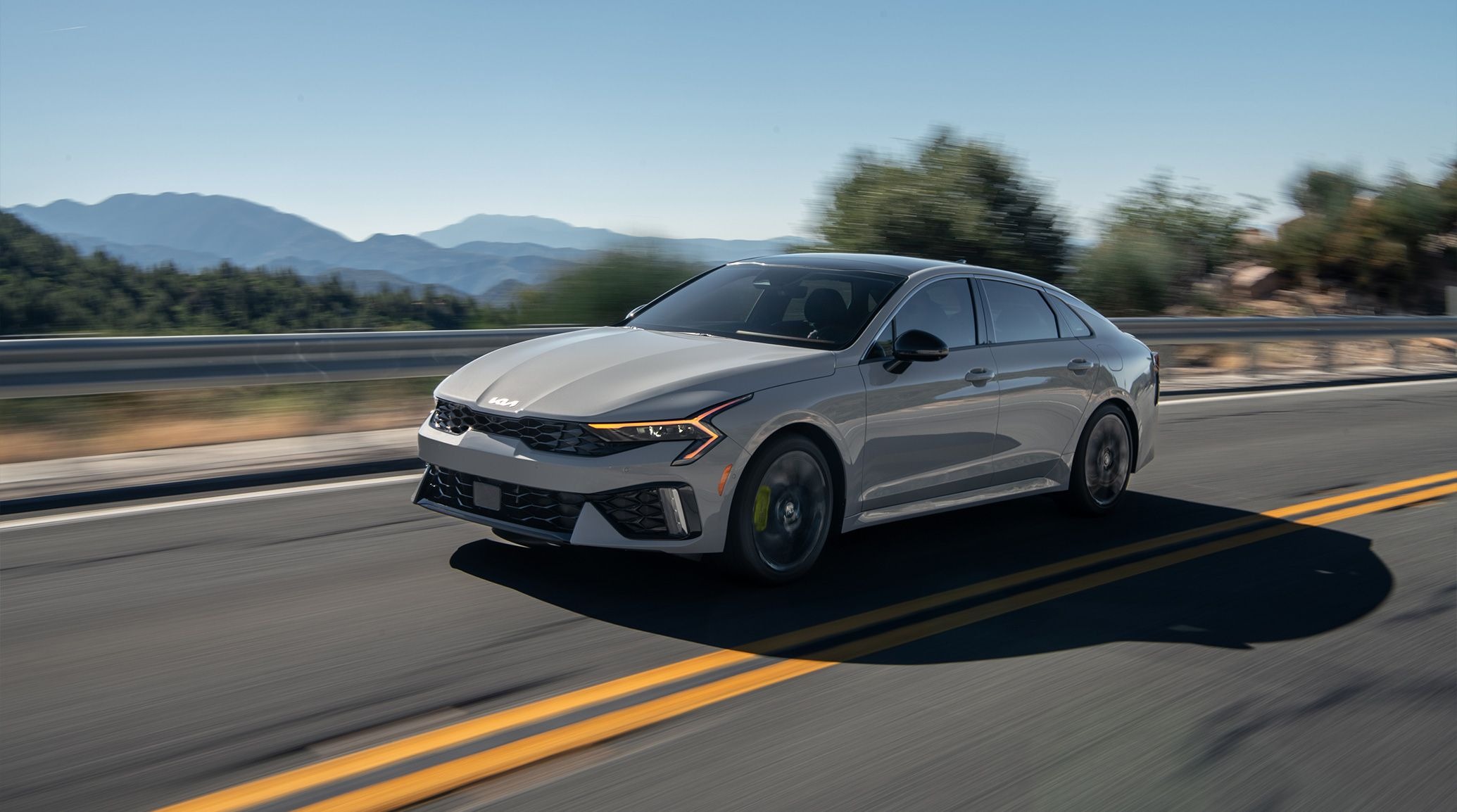
The Kia K5 makes sense for drivers who want a midsize sedan that feels relaxed during everyday travel rather than constantly encouraging a spirited drive.
Its comfortable suspension, roomy seating, and accessible price make it a practical choice for commuting, family errands, and longer highway journeys.
City streets provide a useful test of its ride quality. Uneven pavement, patched asphalt, and smaller potholes can send unpleasant jolts through a vehicle with overly firm suspension.
The K5 is tuned to soften many of these disturbances, helping passengers remain comfortable as road conditions change. Its composed behavior also makes highway cruising feel less busy.
The sedan’s cabin provides a pleasant setting for daily use, with a modern dashboard and a straightforward driving environment.
Supportive seats help reduce discomfort during extended trips, while the broad body provides useful room for front and rear passengers. Depending on the trim, buyers can also find convenience and comfort features that improve the ownership experience.
There is no need to purchase the most expensive version to enjoy the K5’s basic comfort advantages.
Lower and middle trims leave more room in the budget for insurance, maintenance, and other ownership costs. Still, check wheel sizes and tire specifications, since some configurations may feel firmer than others.
Drivers should also consider how much rear-seat space and cargo flexibility they need before deciding between a sedan and an SUV.
For shoppers who want a cushioned, easygoing midsize car at a reasonable price, the K5 offers an attractive balance of comfort and value.
6. Volkswagen Jetta
Approximately $23,995 to $33,225 for higher-level SEL models.
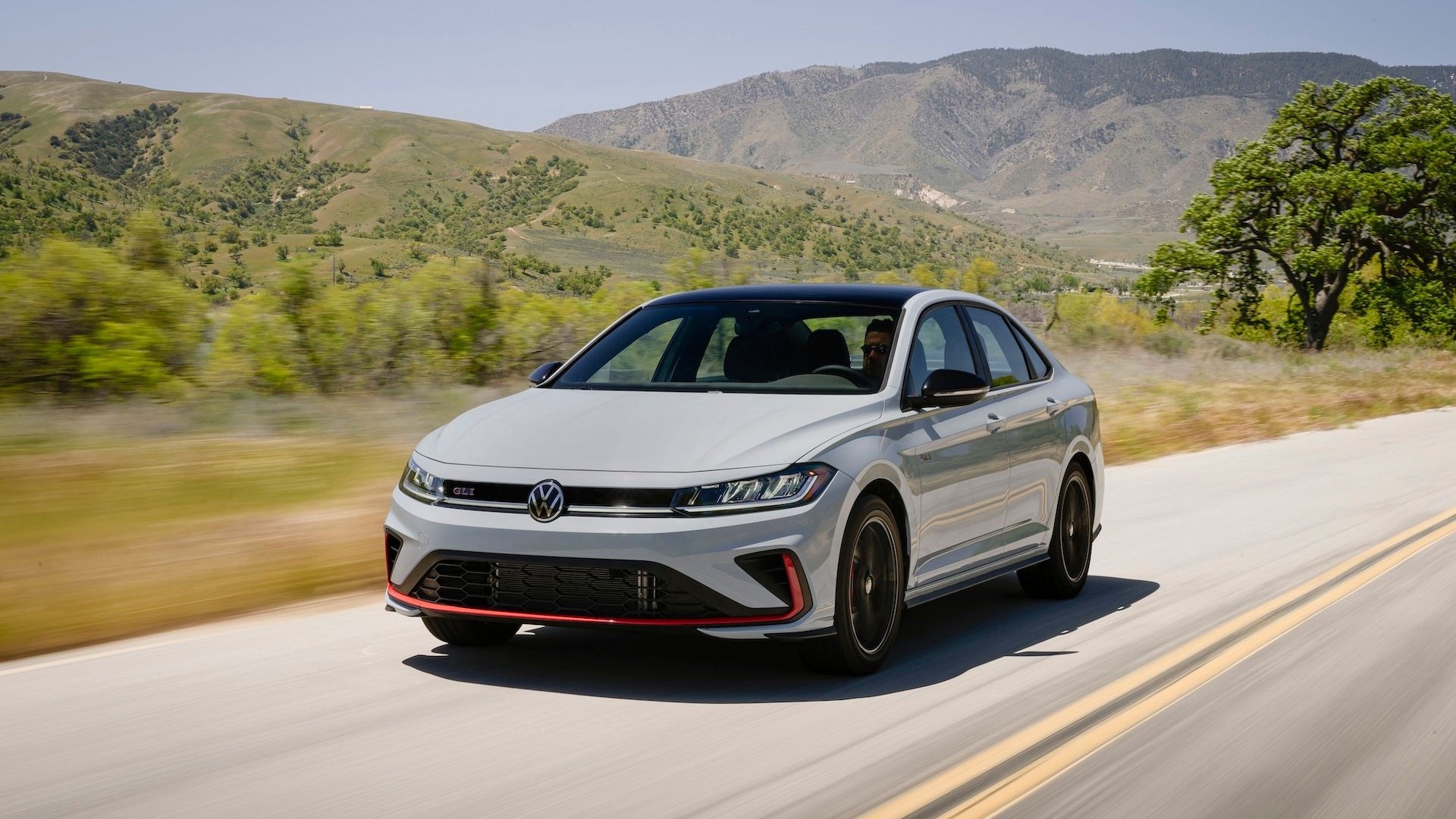
Old-school European manners at a small-car price. The Volkswagen Jetta starts at $23,995 and reaches about $33,225 for top-tier SEL models, which keeps even the nicest version well under the cap.
Volkswagen borrows its touring dynamics from larger German sedans. The suspension feels mature and composed, controlling excessive bouncing and rebound on uneven highways.
Instead of floating, the car stays planted. That buttoned-down feel gives the Jetta a quiet confidence that punches well above its low price bracket.
Some drivers prefer this firmer-but-controlled character over a very soft ride. Soft cars can feel sloppy in corners or float after a big dip. The Jetta avoids that trap, so you get comfort and control together.
It is also a bargain. Because even the SEL trim sits far below $40,000, you pay less for a car that feels more expensive than it is. That leaves room in the budget for insurance, maintenance, and extras.
When you test drive, pay attention to how the car recovers after bumps. A single quick rebound, rather than repeated bouncing, signals good damping. The Jetta does that well, and it makes long highway slogs feel less tiring than you might expect.
7. Kia K4
Approximately $22,000 to $32,595 for higher-spec versions.
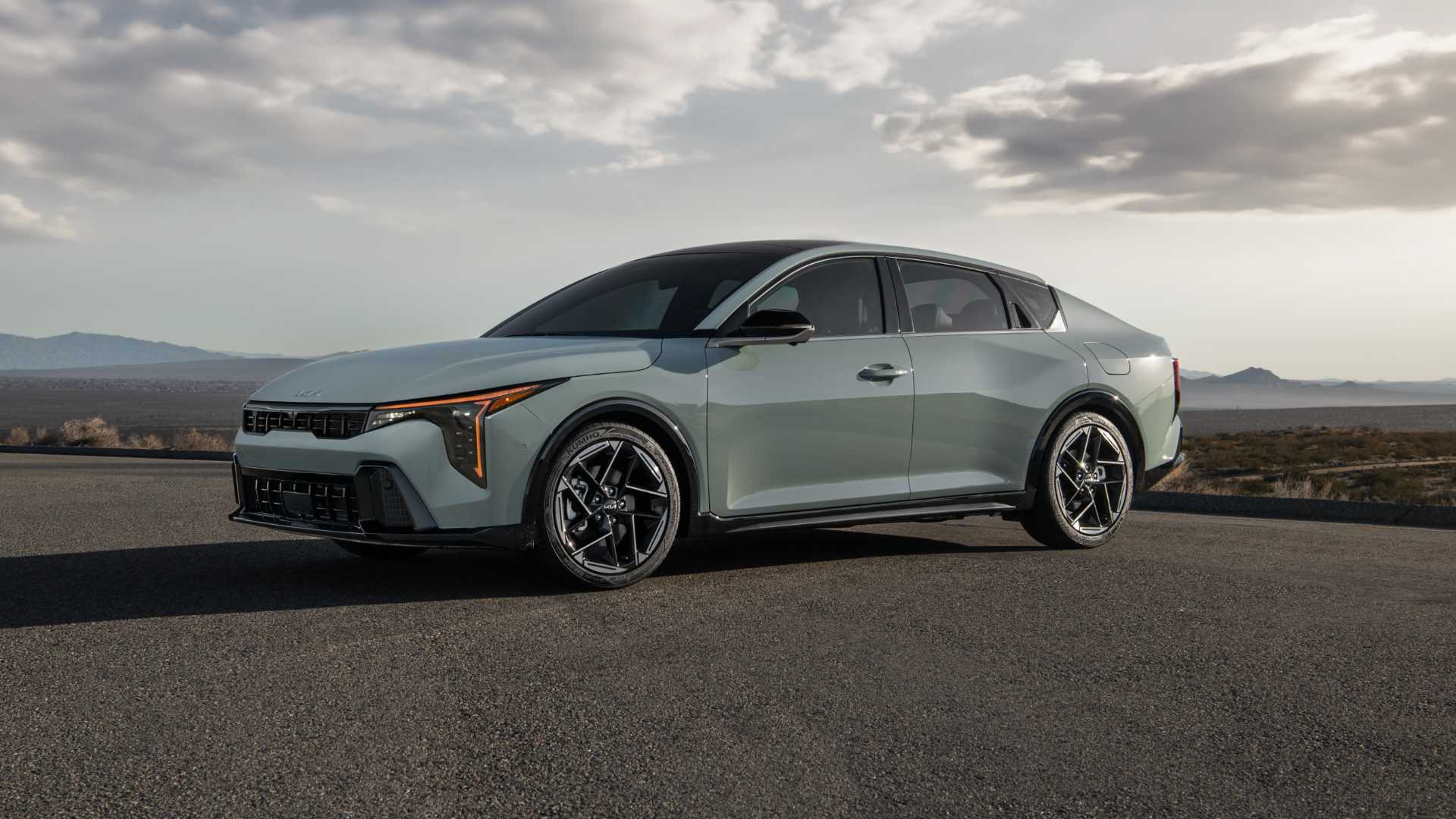
Fresh faces deserve attention. The all-new Kia K4 replaces the older Forte, and its price runs from $22,000 to $32,595 for premium specs.
That makes it the cheapest entry on the list, with a huge cushion under the cap. Engineers optimized the front MacPherson struts and wrapped the cabin in well-insulated architecture.
The result keeps the chassis exceptionally neutral over railway crossings and steep city bumps. Instead of crashing over them, the car lets the suspension do its job and moves on.
Think about who benefits most. City drivers deal with potholes, speed humps, and patched streets daily, and the K4 handles that mess gracefully. Students, first-time buyers, and anyone watching their budget can enjoy refinement that older small cars rarely offered.
Since the K4 costs so little compared with the limit, you have flexibility. Maybe you choose the top trim and still save $7,000. Maybe you pick a lower trim and invest the difference.
Treat it as proof that a smooth ride no longer belongs only to expensive cars. Take one for a test drive after you try a Corolla or Civic, and notice how quiet and settled the K4 feels beside them. Surprises like that make car shopping fun.
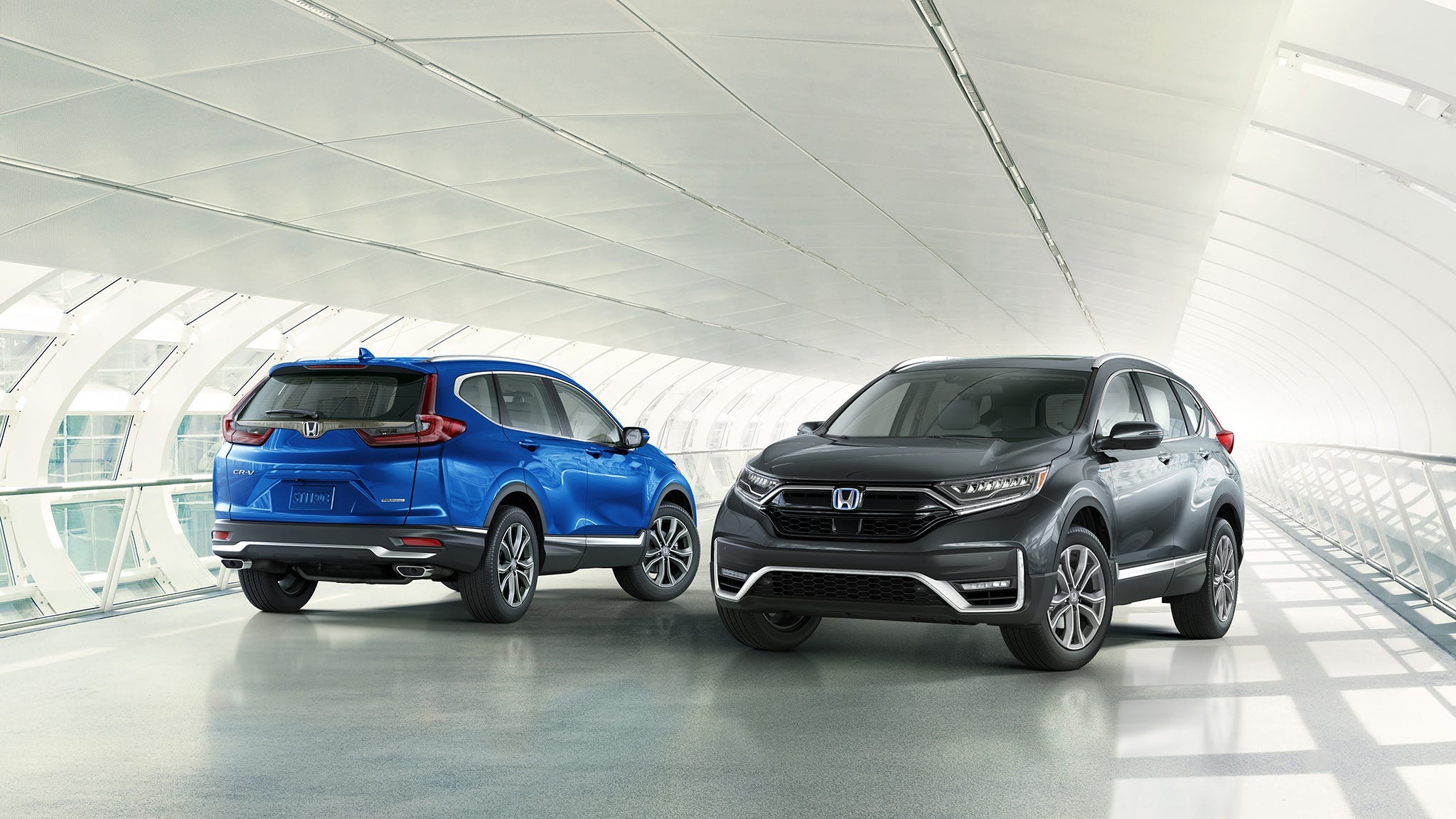
8. Honda CR-V / CR-V Hybrid
Approximately $30,100 to $38,725 for selected hybrid trims.
For families who prefer a higher seating position and flexible cargo space, the Honda CR-V brings many of the comforts associated with a good sedan into a compact SUV.
Its suspension is tuned for everyday usability, helping the vehicle remain composed during school runs, shopping trips, and longer journeys.
The CR-V’s ride quality is especially useful when passengers are frequently getting in and out or when the cargo area carries luggage, groceries, and other everyday items.
A well-calibrated suspension helps manage bumps without allowing excessive bouncing, while cabin insulation reduces some of the harsh sounds produced by imperfect pavement.
The hybrid version adds another comfort advantage. Its powertrain can operate quietly at low speeds, and the transition between electric assistance and gasoline power is designed to be smooth during normal driving.
That can make stop-and-go traffic feel less stressful, especially when compared with vehicles that deliver rougher acceleration or noticeable engine vibration.
Passenger space is another strength. The CR-V offers useful room for rear-seat occupants and a practical cargo area, making it suitable for families who need more versatility than a traditional sedan provides.
Its elevated seating position also appeals to drivers who prefer a clearer view of surrounding traffic.
Price deserves careful attention because equipment levels vary. A selected hybrid trim may fit beneath $40,000, but destination charges and optional packages can push the total higher.
Compare the exact configuration rather than relying solely on a starting-price advertisement.
For buyers who want SUV practicality without giving up a smooth, quiet ride, the CR-V is a strong candidate.
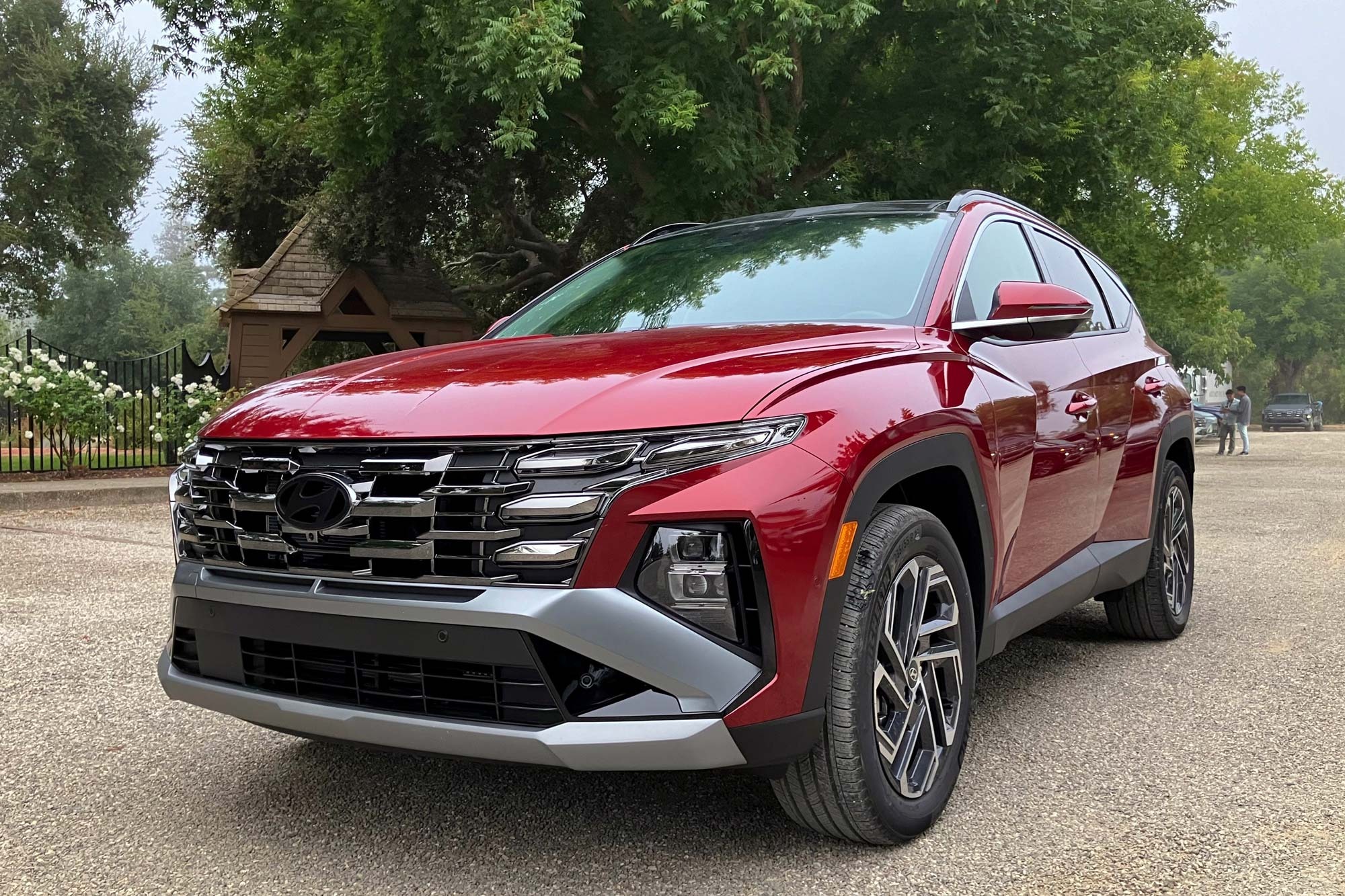
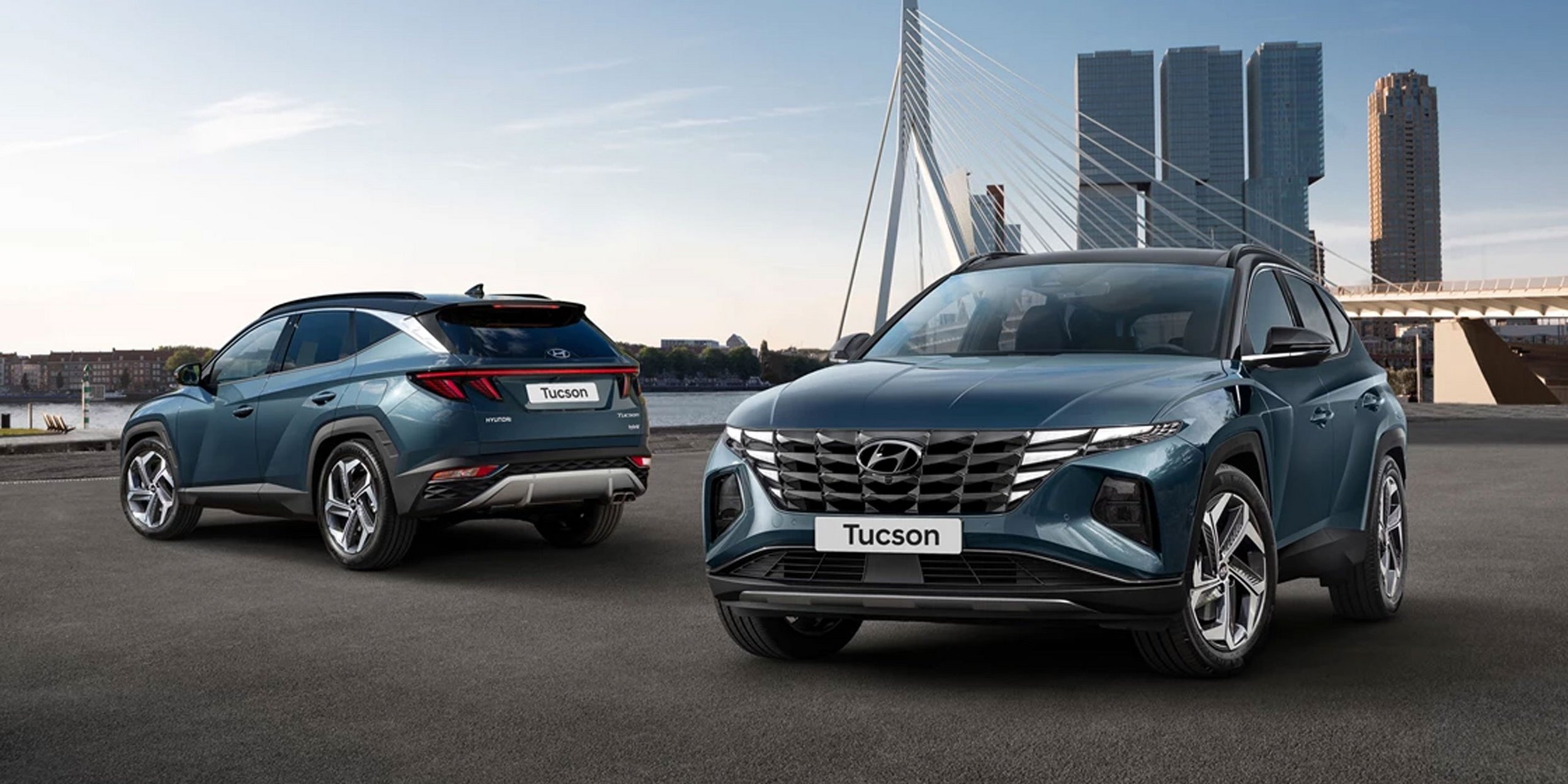
9. Hyundai Tucson Hybrid
Approximately $33,125 to $37,000 for selected trims.
A compact SUV has to do more than absorb bumps. It needs to carry passengers, handle everyday cargo, and remain comfortable when traffic slows or highway journeys stretch for hours.
The Hyundai Tucson Hybrid addresses those needs with a suspension designed for composed travel and a hybrid powertrain that can make low-speed driving feel more relaxed.
Its chassis is engineered to balance body control with everyday comfort. Properly tuned dampers help manage the movement caused by dips and uneven pavement, reducing the repeated bouncing that can disturb passengers.
Tire choice and wheel size still matter, but the Tucson Hybrid is intended to provide a settled ride rather than an unnecessarily firm one.
The hybrid system adds another layer of refinement. Electric assistance can help the SUV move away from a stop smoothly, while the system manages the interaction between its gasoline engine and electric motor.
Under gentle acceleration, this can create a quieter, more measured driving experience than some conventional powertrains provide.
Inside, the Tucson offers a contemporary cabin with generous utility for everyday life. Its SUV body makes it easier to carry bulky shopping, weekend luggage, and family gear than many compact sedans.
Passenger comfort benefits from a spacious layout, although buyers should check seat support and rear-seat space in person.
The quoted price range leaves room below $40,000 for several configurations, but availability and equipment differ by model year and market. Confirm the exact trim and manufacturer price before calculating taxes and fees.
For shoppers seeking a family-friendly SUV that pairs useful space with quiet hybrid operation, the Tucson Hybrid deserves a test drive.
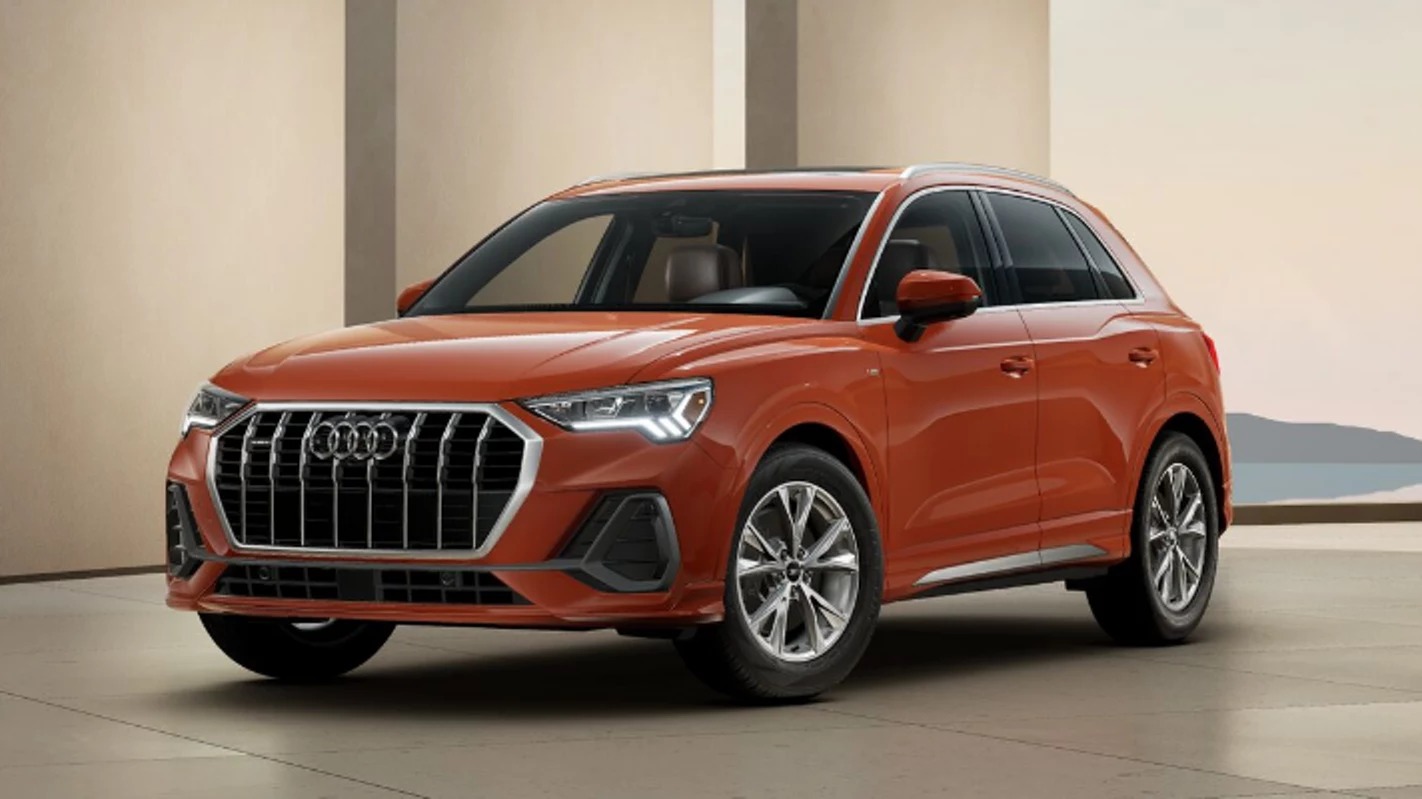
10. Audi Q3 (Premium Trim)
Approximately $37,400 for the base Premium 40 TFSI model.
A premium badge under $40,000 is rare, and this one earns the spot. The base Premium 40 TFSI model starts at $37,400, so it clears the cap by a little over two thousand dollars.
Audi includes standard luxury-tuned suspension and highly cushioned seating even at the entry level.
The result glides smoothly over broken pavement and brings genuine luxury isolation into an affordable price tier. You feel the difference in how the cabin stays composed when the road turns ugly.
Here is the catch. That cushion of $2,600 disappears fast once you start ticking option boxes. Premium brands love to charge extra for packages, wheels, and paint.
If you want to stay under $40,000, skip most of them and focus on the base car, which already rides well.
Think about long-term costs as well. Premium badges can bring higher maintenance and insurance bills than mainstream cars, so budget for them. Ask about service plans and warranty coverage before buying.
Still, for someone who wants a refined small SUV with real luxury character, the Q3 offers a rare chance. Drive it back to back with a CR-V, and judge whether the badge and cabin feel justify the extra spending.
For buyers who value a refined cabin and composed suspension in a compact luxury SUV, the Q3 is worth considering, provided the final price meets the budget.