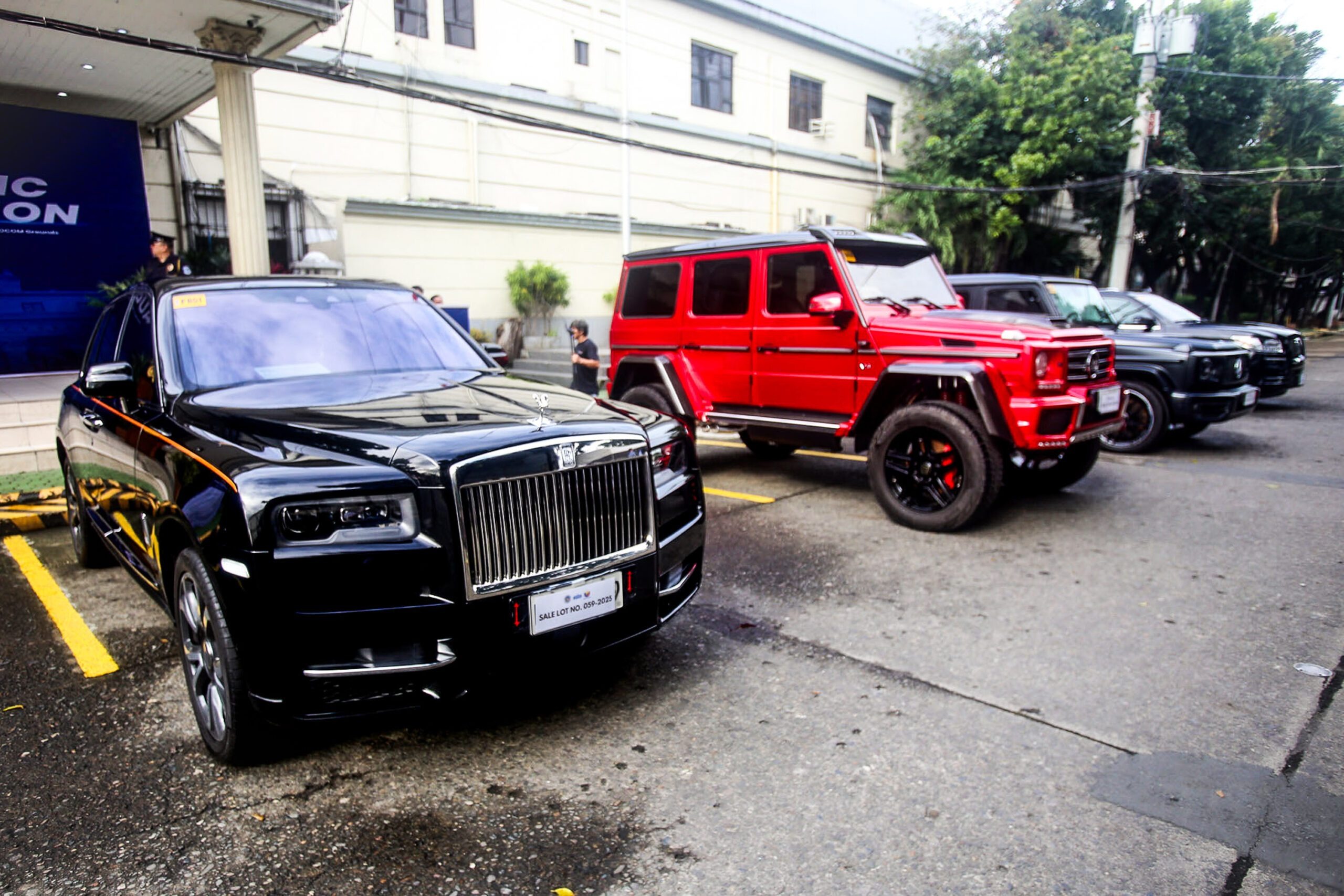
A shiny badge looks great in the driveway. It looks a lot less great on a trade-in quote. New data from iSeeCars, covered by Forbes in April 2026, shows that luxury vehicles claim 18 of the 25 worst spots for five-year depreciation. Some of these cars lose more than half their price before the fifth birthday, and a few shed more than $60,000.
Painful? Absolutely. But there is a bright side, because every dollar an original owner loses becomes a discount for the next buyer. Whether you are shopping new or used, the numbers below can save you real money. Let’s walk through what the study found and what it means for your wallet.
Why Luxury Dominates the Bottom of the Chart
The headline number is simple. Out of the 25 vehicles that lose the most value across five years, 18 wear luxury badges.
The iSeeCars study examined the transaction prices of more than 950,000 five-year-old used vehicles sold between March 2025 and February 2026, so the sample is large enough to trust. Infiniti, Land Rover, BMW, Audi, Cadillac, Jaguar, and Lincoln all show up.
That may surprise anyone who assumes expensive cars hold their worth. Price and resale value do not move together. A vehicle that costs $90,000 new has far more room to fall than one that costs $30,000, and used shoppers rarely pay extra for a badge once the new-car glow fades.
The study also set clear limits on who qualified. Heavy-duty trucks and vans were excluded, along with models that were no longer in production as of the 2025 model year and low-volume models. Even with those filters in place, luxury still dominates the bottom of the chart.
The Biggest Losers, From Worst to Slightly Less Bad
Start at the top. The Nissan Leaf, an electric car, loses an average of 63.1% of its price. Right behind it sits the Infiniti QX80 at 62.8%, a drop that costs the typical original owner $52,631.
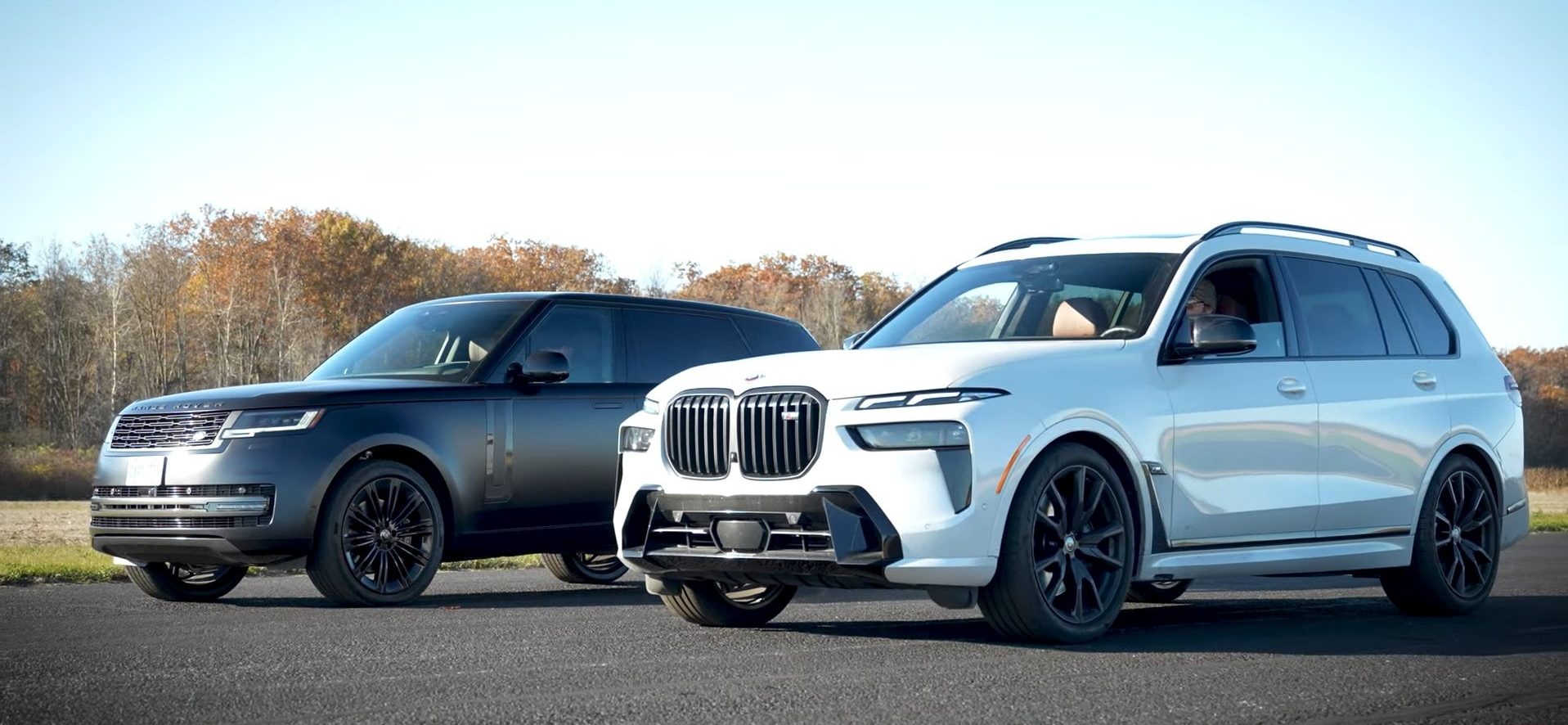
The Volkswagen ID.4 follows at 62.1%, then the Tesla Model S at 62.0% and the Land Rover Range Rover at 61.7%. The BMW 7 Series lands at 61.6%.
Keep reading down the list, and the same names keep appearing. The Range Rover Sport, Audi Q5, Land Rover Discovery, Audi A8 L, Audi Q7, BMW X5, Cadillac Escalade ESV, Audi A7, Jaguar F-PACE, and Lincoln Navigator all land between roughly 56% and 58%. Even the BMW 5 Series, listed as a luxury hybrid, sheds 59.5%.
A few mainstream names sneak in. The Nissan Armada falls 57.0%, and the Ford Expedition MAX drops 56.3%. Large SUVs from everyday brands face pressure too. Still, when you scan the whole list, the sheer number of premium badges stands out.

What a Percentage Loss Means in Real Dollars
Percentages sound abstract until someone attaches a price tag. Take the Range Rover. An average $69,856 vanishes in five years, which works out to nearly $14,000 per year, or about $1,160 every month.
Nobody sees that bill on the window sticker, yet it is usually the highest single cost of owning the vehicle. The Tesla Model S loses about $58,907, and the BMW 7 Series about $61,141.
Now compare cheaper vehicles on the same chart. The Ford Mustang Mach-E loses 60.8%, but that equals $22,976 because it started at a lower price. The Hyundai Kona Electric drops 56.5%, only $18,581.
The Nissan Leaf holds the worst percentage yet costs roughly $17,000, partly because it was never expensive and was sold while a $7,500 federal credit was available. That credit has since expired.
Percentages show how fast value drains. Dollars show how much it hurts. Look at both before you sign anything.
Why Electric Cars Share the Bottom Spots
Electric vehicles deserve their own spotlight, because they share the bottom of the chart with luxury cars. Across every vehicle type in the study, full-electric models lost the most on average, at 57.2% after five years.
The Tesla Model S, Model X, and Model Y all made the list, along with the Mach-E, ID.4, Kia Niro EV, Kona Electric, and Leaf.
Why? Karl Brauer, an executive analyst at iSeeCars, points to price. Electric models usually cost more than equivalent gas or hybrid versions, and that higher upfront cost comes back to bite on the used market, where buyers are not willing to pay the premium.
Picture the shopper’s view. A used buyer compares a five-year-old electric car with a similar gas model that costs thousands less, and the cheaper option often wins.
None of this says electric cars are poor vehicles. It says the market currently punishes their resale values harder than almost anything else. That gap creates opportunity for used buyers, who can pick up a lightly driven EV at a steep discount.
Why Premium Badges Struggle on the Used Market
Here is a belief worth retiring. Many shoppers assume a car that cost a fortune must stay valuable. The list says otherwise. A high sticker price gives a vehicle more room to fall, so even a modest-looking percentage becomes a giant dollar loss.
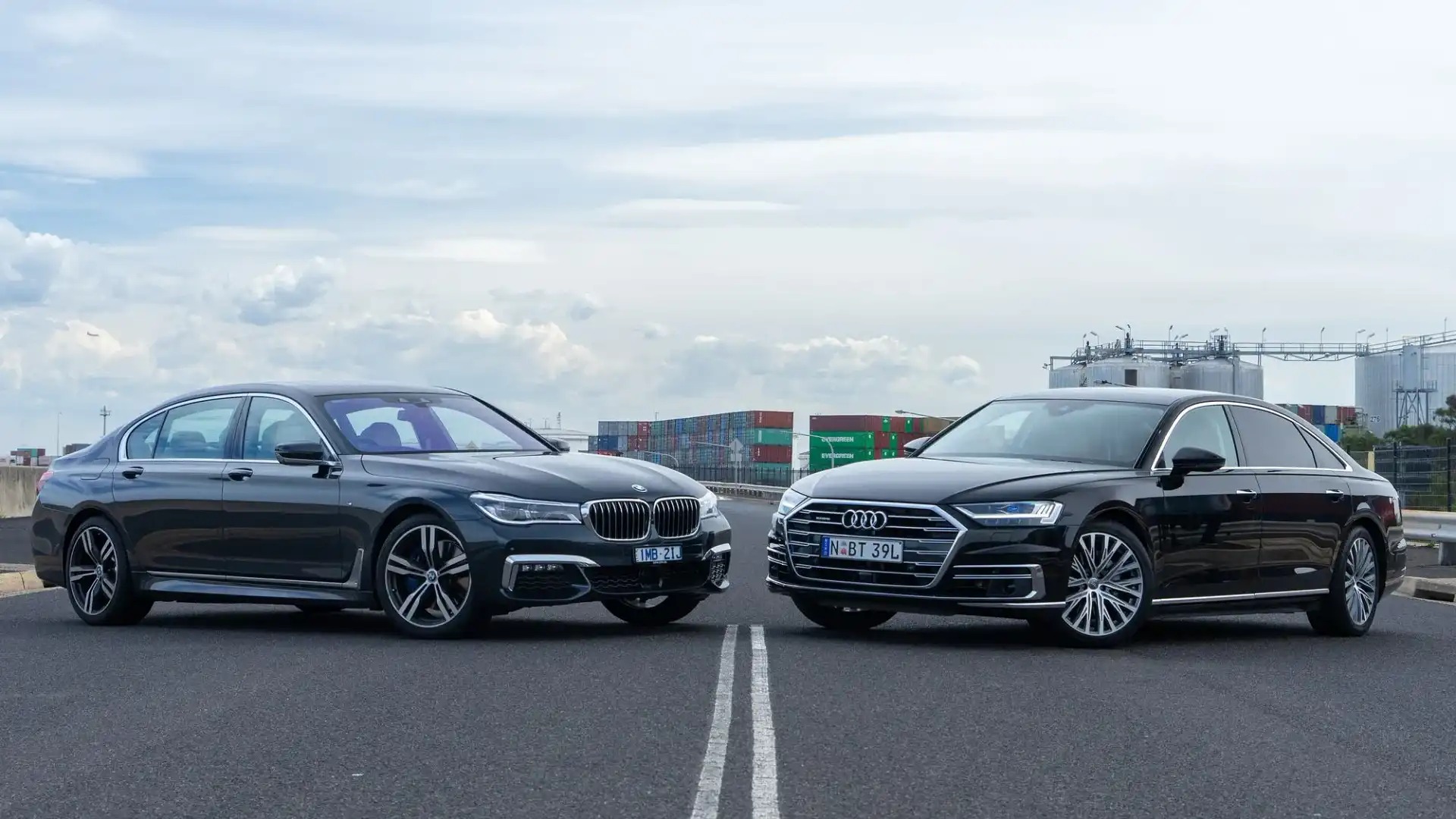
The Infiniti QX80, Audi A8 L, BMW 7 Series, and Range Rover all lost between roughly $52,000 and $70,000 on average.
Brauer’s point about electric cars applies to luxury models in a similar way. When a new version costs far more than a comparable mainstream vehicle, used buyers hesitate to pay that gap for a five-year-old example. They can buy something newer, simpler, and cheaper instead.
Consider how a typical used shopper reasons. Warranty coverage often fades around year five, and many people worry that a repair on a high-end SUV or sedan could cost far more than the same fix on a mainstream model.
Technology ages quickly too, so screens and driver aids that felt advanced at launch can look dated soon after.
None of that makes these vehicles poor choices to drive. It simply explains why the badge carries less weight when the second owner arrives with a checkbook.
How Discounts and Incentives Speed Up the Slide
Sticker price is only part of the story. The Forbes report notes that resale values depend on condition and mileage, local supply and demand, and especially how deep the discounts and incentives were when the vehicle was new. Bigger cash-back rebates and dealer discounts tend to accelerate depreciation.
The logic is easy to follow. A used buyer sees what the original owner actually paid, not the number on the window sticker. If dealers routinely knocked thousands off a luxury SUV, used prices start from a lower baseline.
When many similar vehicles reach the market at once, they compete for the same shoppers, and sellers cut prices to win a sale.
Leasing adds another wrinkle. Monthly payments depend on the gap between the transaction price and what the leasing company predicts the vehicle will be worth at the end of the term.
A model with weak resale forecasts produces higher lease payments, so drivers pay for depreciation whether they buy or lease.
Local conditions matter as well. A model might hold its value in one region and slip in another. Check what similar vehicles actually sell for near you before you decide, rather than trusting national averages alone.
How Smart Shoppers Turn Depreciation Into a Bargain
Now for the good news. One person’s loss can be another person’s gain. A five-year-old vehicle that lost 60% of its value costs roughly 40% of its original price, and that math can put a luxury badge within reach of a modest budget.
Used shoppers should still shop carefully. Ask for full service records, and pay a trusted independent mechanic to inspect the car before you buy.
Find out whether any warranty remains, and set aside a repair fund, since parts and labor on premium models often cost more than on mainstream ones. Check the vehicle’s history report and compare several listings in your area.
New-car buyers can use the same data in reverse. If you plan to sell in five years, favor models that hold their value well. Forbes also pointed readers to a Kelley Blue Book list showing that trucks and sports cars lead the 2026 resale rankings.
Remember that these figures are averages. Condition, mileage, and local demand will move any single car above or below them. Do your homework, negotiate patiently, and let someone else take the depreciation hit.
I could open only the Forbes article, which reports the iSeeCars study. The NewsNation page blocked my request, and I did not open the other links, so every figure above comes from the Forbes piece.