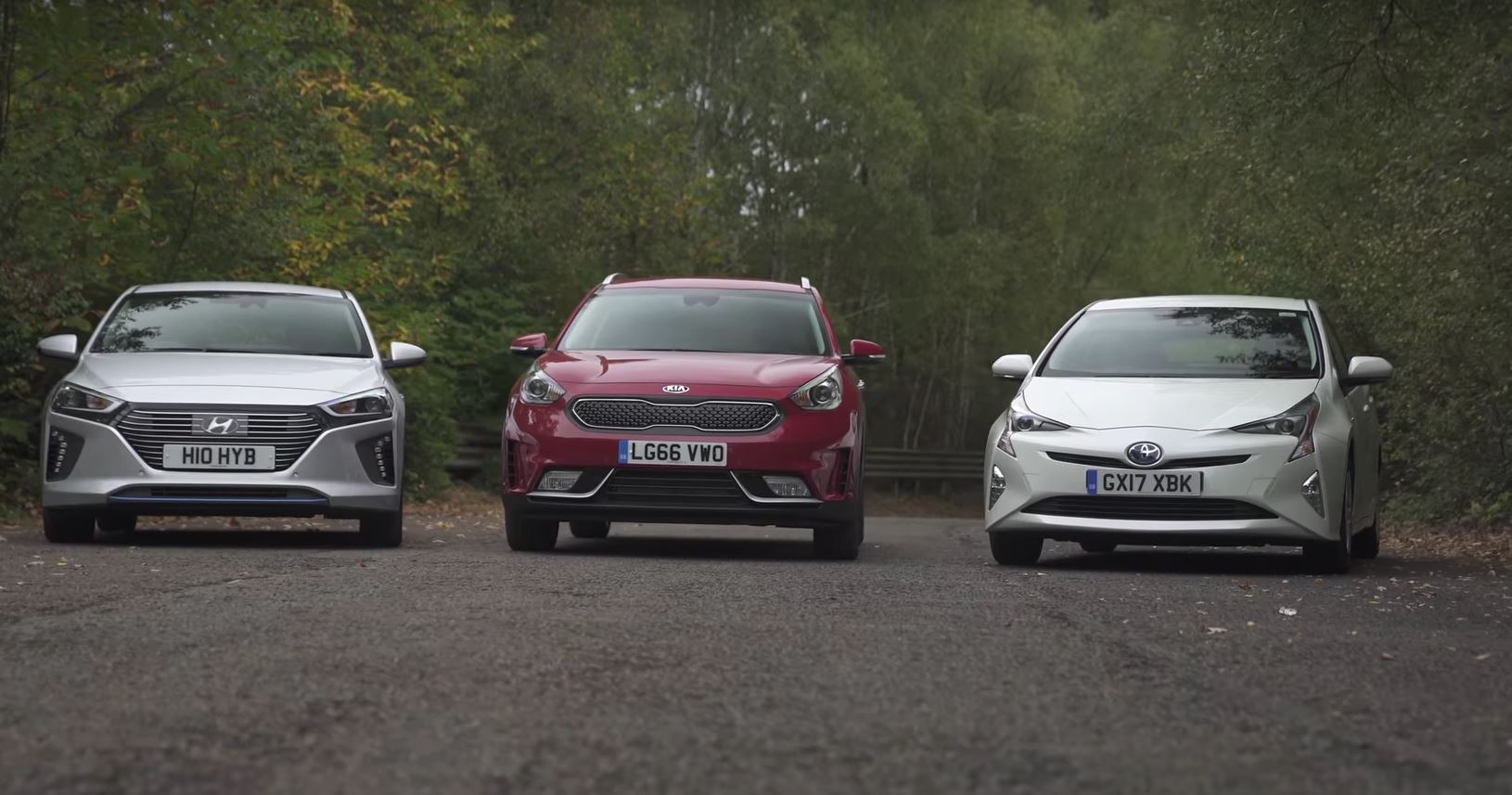
Buying a car is about more than the price on the window sticker. How much it will be worth when you sell it can make a major difference to your finances, and hybrids are giving shoppers a compelling reason to pay attention. A recent iSeeCars study found that hybrid vehicles lost an average of 35.4% of their value over five years, beating the 41.8% average across all vehicle types.
That stronger resale performance puts hybrids ahead of other major vehicle segments in the study. Their appeal comes from a practical mix of fuel savings, familiar refueling, and demand from buyers seeking efficient transportation without relying entirely on charging stations. For anyone shopping for a new or used vehicle, the numbers suggest that a hybrid deserves serious consideration.
Why Hybrids Are Winning the Resale Value Race
Trucks technically edge out hybrids in the latest study, losing 34.2% of their value over five years compared with 35.4% for hybrids. Still, hybrids rank among the strongest performers, beating the 41.8% market average by 6.4 percentage points.
What explains their appeal? Hybrids offer a familiar ownership experience with better fuel economy than many conventional gasoline vehicles.
Drivers can fill up at ordinary gas stations, while the electric motor helps reduce fuel consumption during city driving. That combination appeals to people who want efficiency without depending on public charging infrastructure.
Used-car shoppers also have plenty of choices. Toyota and Honda have built strong reputations for practical hybrid vehicles, giving buyers access to sedans, compact SUVs, and family vehicles with hybrid powertrains. Broad appeal helps support demand in the used market.
For owners planning to sell after five years, that demand can make a meaningful financial difference. A vehicle that retains more of its original price may leave its owner with more money toward the next purchase.
Of course, individual results vary, and no depreciation rate guarantees a particular resale price.
Toyota Models Lead the Hybrid Rankings
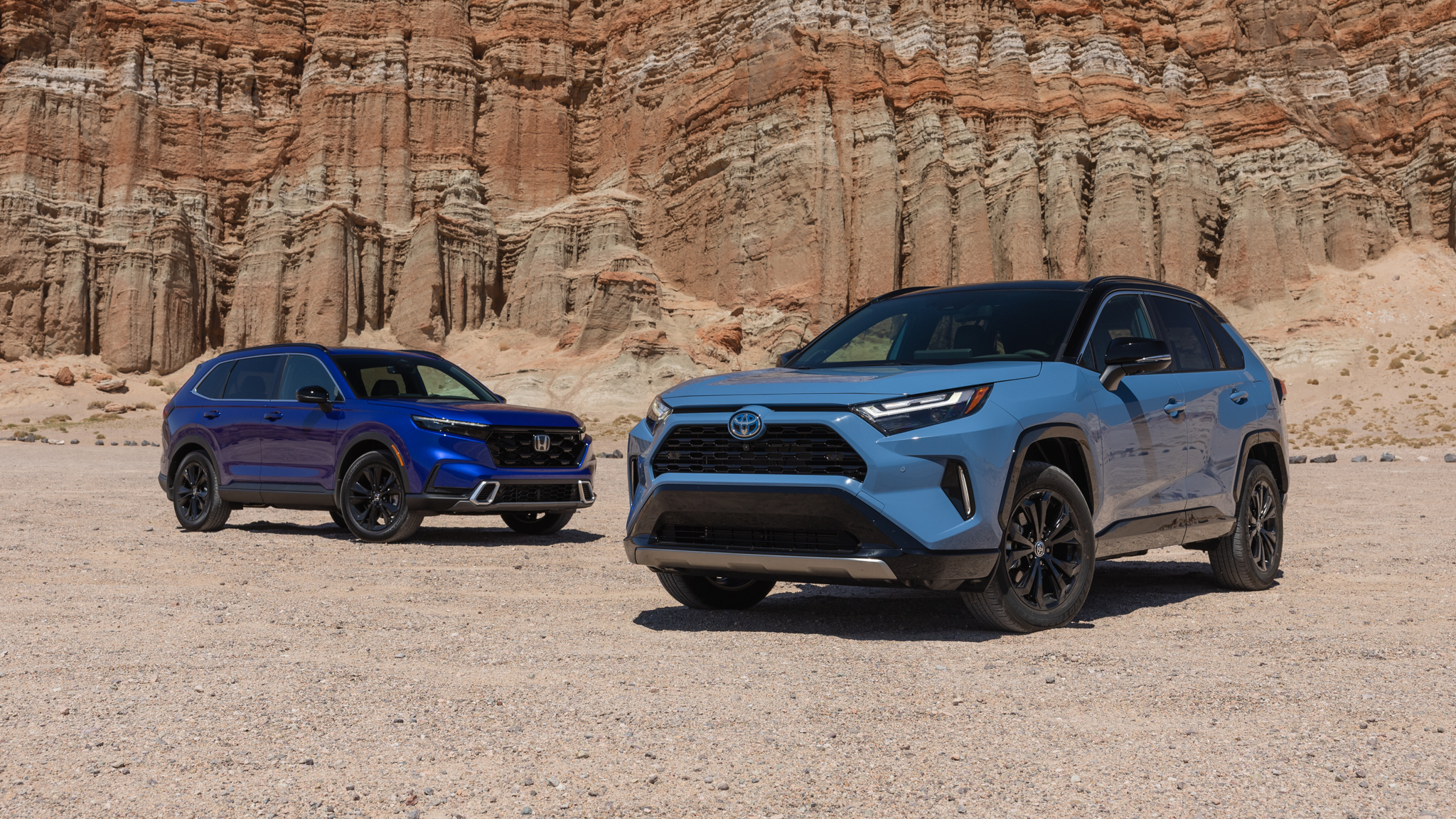
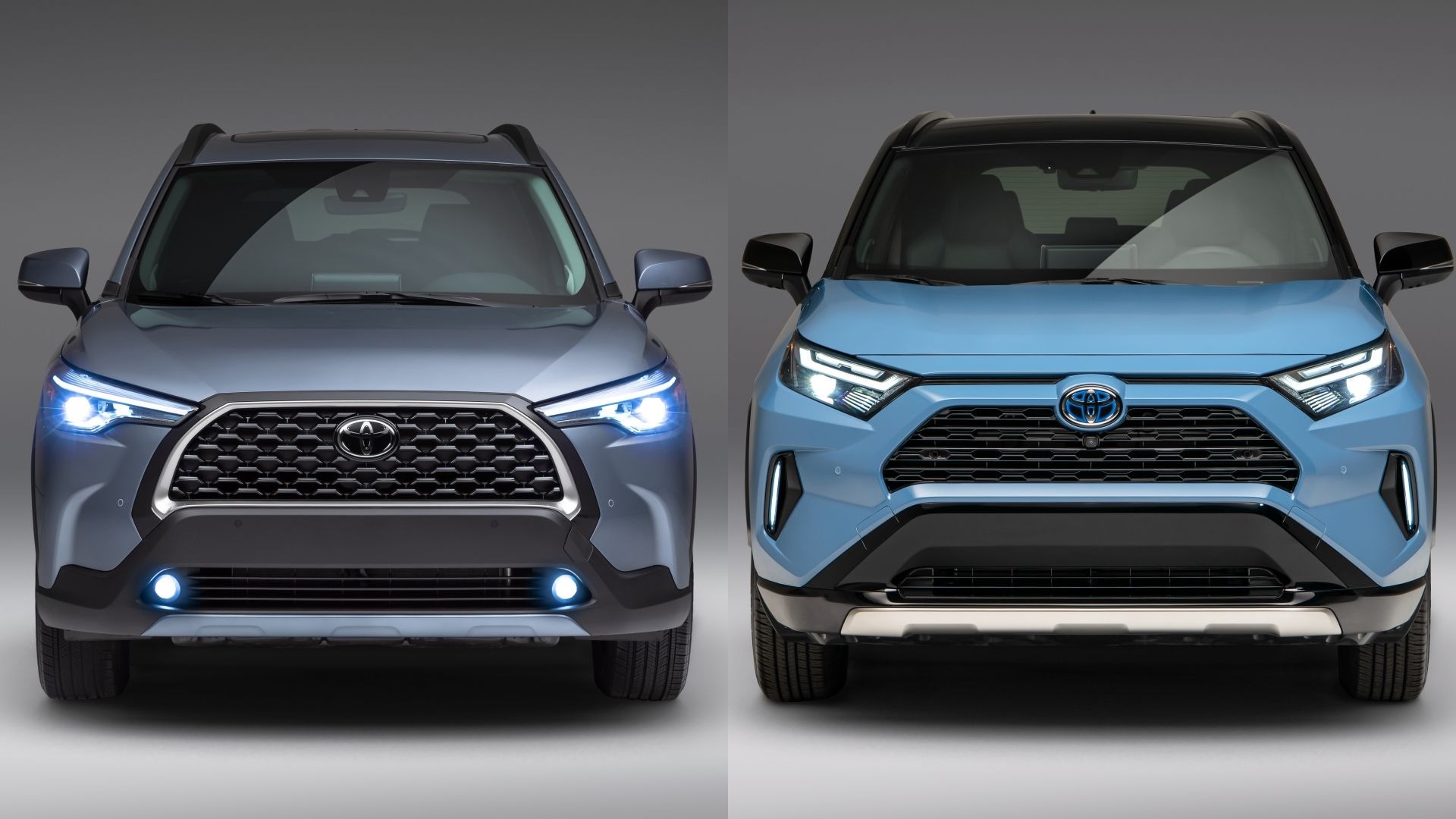
Toyota’s presence in the hybrid resale rankings is hard to miss. The RAV4 Hybrid records just 25.3% five-year depreciation, followed by the Sienna at 28.5% and the Corolla Hybrid at 30.1%. The Prius follows at 32.1%, according to the 2026 study.
These results reflect the appeal of vehicles that combine fuel efficiency with everyday practicality.
The RAV4 Hybrid serves drivers who need SUV space, the Sienna caters to families, and the Corolla Hybrid offers economical transportation in a compact package. The Prius continues to appeal to shoppers who prioritize efficiency.
Toyota’s reputation for reliability may also help buyers feel comfortable purchasing a used example. Still, brand reputation alone cannot determine a vehicle’s resale price.
Mileage, service history, condition, local demand, and equipment all influence what a buyer will pay.
A shopper considering a hybrid should compare the model’s original price with current used listings for vehicles of similar age and mileage.
That provides a more useful estimate than assuming every Toyota hybrid will retain value at the rate recorded in the study.
Honda and Subaru Also Deliver Strong Results
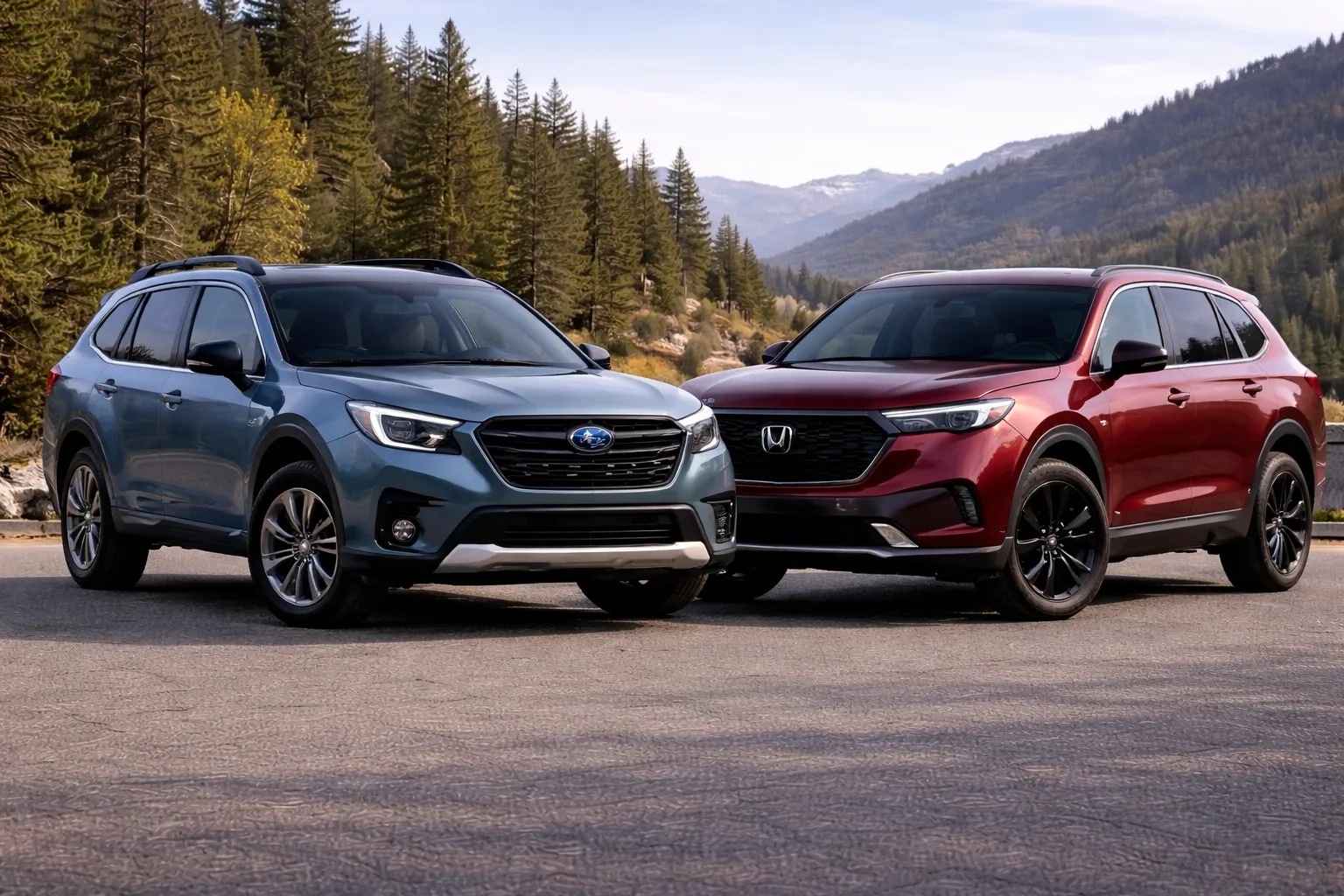
Toyota does not have a monopoly on hybrid resale value. The Honda CR-V Hybrid loses 34.1% over five years, while the Honda Accord Hybrid records a 36.8% decline. The Subaru Crosstrek, included in the study’s hybrid category, loses 33.1%.
Each model serves a different type of buyer. The CR-V Hybrid offers family-friendly space and SUV versatility.
The Accord Hybrid suits drivers who prefer a midsize sedan with comfortable passenger accommodations. The Crosstrek appeals to people seeking a compact vehicle with standard all-wheel drive and useful ground clearance.
These differences matter because a car’s value depends partly on who wants it. A model that suits common household needs may attract a broad group of used buyers, supporting demand when its original owner decides to sell.
Shoppers should compare more than depreciation percentages. Insurance premiums, fuel costs, servicing, and purchase price can change the financial picture.
A model with a slightly higher depreciation rate may still cost less to own if its original price is lower or its operating expenses are more manageable.
Why Hybrids Beat EVs on the Used Market
Picture two shoppers standing on a used car lot. One considers a five-year-old EV, the other a five-year-old hybrid. Both want to save on fuel. Yet the hybrid buyer is willing to pay far more for what they are getting. Why?
Start with price. Karl Brauer, an executive analyst at iSeeCars, says electric vehicles usually cost more than equivalent gas or hybrid versions, and that high upfront price comes back to hurt them on the used market, where buyers will not pay the premium.
Then consider worry. Electric cars rely on a large battery, and the technology behind it improves quickly.
Used buyers fear that an older EV will feel outdated or need an expensive battery replacement. Hybrids use smaller batteries paired with a proven gas engine, so those fears shrink.
Finally, think about demand. Proven, fuel-efficient hybrids from Toyota and Honda attract steady interest from careful shoppers. Strong demand keeps prices from sliding.
None of this means an EV is a bad machine. It means the market currently rewards the hybrid formula of familiar technology and moderate sticker prices, and it penalizes the EV formula of high prices and rapid change.
What the Numbers Mean for Your Budget
Imagine buying a new hybrid for $35,000. Applying the segment’s average five-year depreciation rate of 35.4% gives an estimated remaining value of $22,610.
The vehicle would have lost approximately $12,390 in value, before accounting for fuel, insurance, servicing, taxes, and financing. Now compare that with a $35,000 vehicle that depreciates at the 41.8% market average.
Its estimated value after five years would be $20,370, representing a $14,630 loss. The difference is $2,240, assuming both vehicles began at the same price and followed their respective segment averages.
These calculations are illustrations, not predictions for a particular model. A vehicle’s actual resale value depends on condition, mileage, accident history, equipment, and local market demand.
The lesson for budget-conscious buyers is to look beyond monthly payments. A vehicle with a slightly higher purchase price may prove less expensive to own if it retains more value and uses less fuel.
Yet the reverse can happen if the initial price is too high or maintenance expenses exceed expectations.
Before buying, estimate the likely resale price and compare ownership costs across several models
. A realistic calculation is more useful than relying on a manufacturer’s promise of efficiency or a dealer’s claim about future value.
How to Choose a Hybrid That Holds Its Value
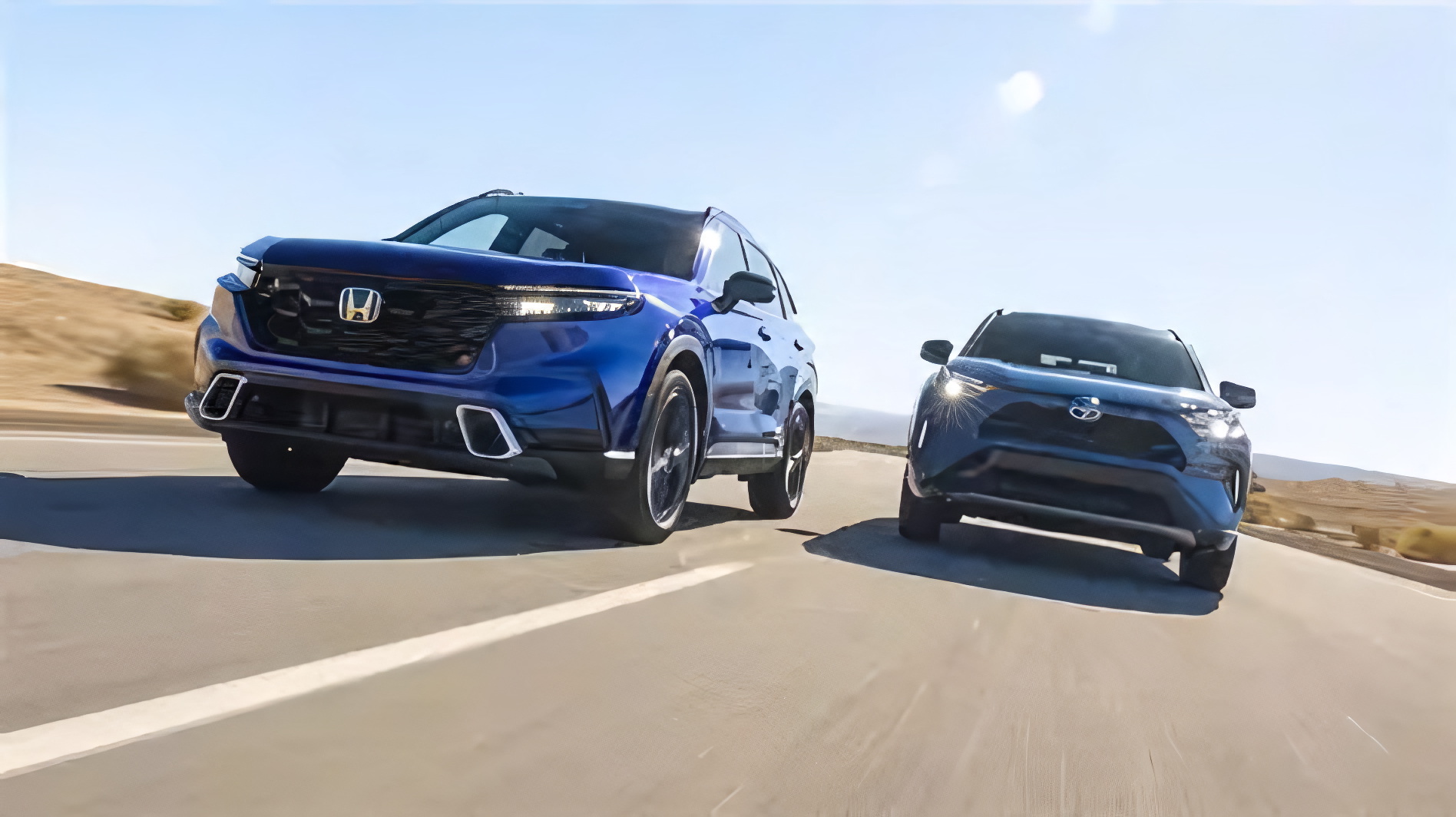
Start with models that have established used-car demand. The Toyota RAV4 Hybrid, Toyota Corolla Hybrid, Toyota Prius, and Honda CR-V Hybrid all performed well in the cited study. Their results make them sensible candidates for further research, not guaranteed winners in every local market.
Next, choose a powertrain and body style that fit your driving habits. A compact sedan may be ideal for commuting, while a hybrid SUV or minivan may better suit a household with children and cargo needs.
Paying for extra size or equipment you rarely use can raise the purchase price without adding much practical value.
Condition matters just as much when buying used. Review maintenance records, check for accident damage, and arrange an independent inspection.
Ask about the hybrid battery warranty and have the system checked if the vehicle’s history or condition raises concerns.
Finally, compare current asking prices with the prices of similar vehicles that have recently sold, where reliable sales data are available. Resale rankings describe broad trends, but local supply and demand can produce different results.
Are Hybrids the Smartest Long-Term Purchase?
For many drivers, hybrids offer an appealing balance of fuel economy, familiar refueling, and strong resale performance.
The 35.4% five-year depreciation rate places them well ahead of the 41.8% market average, even though trucks retain slightly more value in the same study.
That advantage can matter when it is time to trade in a vehicle or sell it privately. Retaining more value may reduce the effective cost of ownership and provide a larger amount to put toward another car.
It cannot guarantee a profit, but it gives buyers a useful reason to compare hybrid models carefully.
There are trade-offs. Hybrids may cost more upfront than comparable gasoline vehicles, and repairs to batteries or hybrid components can be expensive outside warranty coverage. Fuel savings depend on annual mileage, traffic, driving style, and gasoline prices.
The best purchase is not necessarily the hybrid with the lowest depreciation percentage. It is the vehicle that fits your needs, costs a reasonable amount to operate, and has a strong market among future buyers.
For shoppers who want efficient daily transportation without taking on the resale uncertainty associated with some fully electric models, hybrids deserve a place near the top of the shortlist.
Research the specific model, calculate expected ownership expenses, and compare real market prices before making your decision.