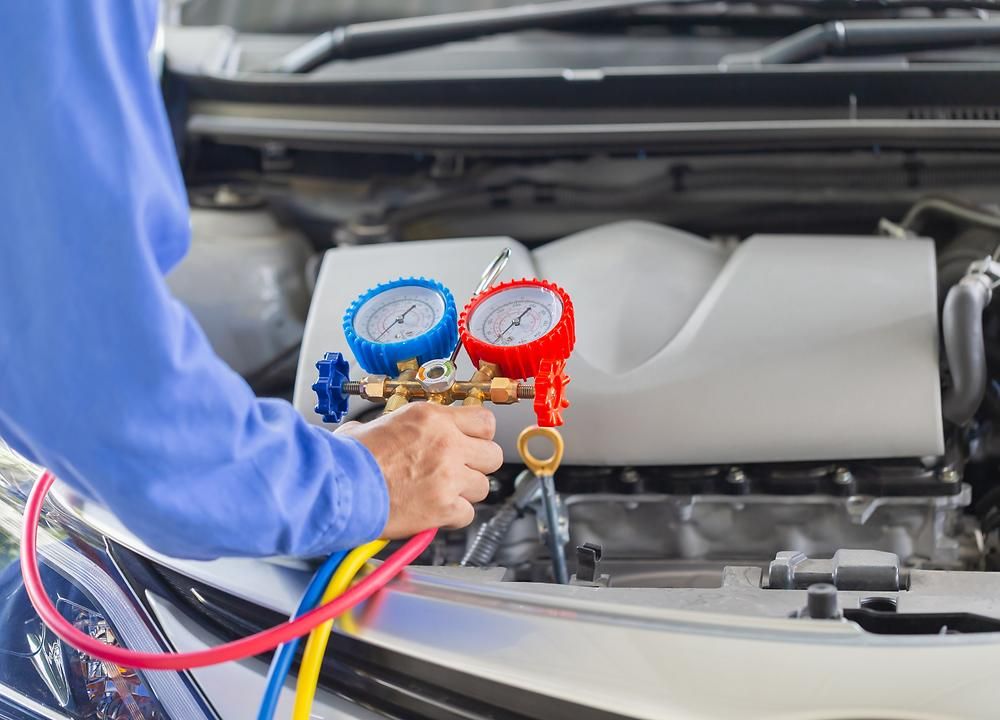
Your car’s AC feels simple. You turn a knob and cold air arrives. Behind that knob sits a sealed, pressurized system with tight tolerances. A compressor, condenser, evaporator, expansion valve, and several rubber hoses all work together. Each part depends on clean airflow, correct pressure, and the right oil. A small mistake in one place can spread across the whole system.
Most AC failures are not sudden. They build up from daily habits that look harmless. Drivers blast the cold too early, skip filter changes, or ignore a faint noise.
Repair bills are the proof. A new compressor can cost tens of thousands of rupees in India. Premium cars and newer models with R1234yf refrigerant cost even more.
The good news is that most of this damage is avoidable. Small changes in how you use and care for the AC extend its life by years. They also keep cooling strong in peak summer.
Here are ten habits that quietly destroy your car’s AC. Each one comes with the reason it hurts and what to do instead. Read them with your own driving routine in mind.
1. Blasting Max AC in a Heat-Soaked Cabin
You get into a car parked in the sun. You start the engine and slam the AC to maximum. It feels logical, but it is hard on the system. A sun-baked cabin can reach 60°C on the dashboard. The air inside is often far hotter than the air outside. The compressor faces a huge heat load from the first second.
Pressure on the high side climbs fast. The compressor works at full stress while the engine is still cold. Oil flow is not yet ideal. Open the windows for the first minute. Let the trapped hot air escape. Then close them and switch on the AC.
Many drivers also use recirculation instantly. That recycles the hot cabin air back through the evaporator. Fresh air mode for the first minute is smarter.

Start with a moderate fan speed. Let the system stabilize before going to maximum. This reduces shock on the compressor clutch and belt. Repeated heat-soak starts shorten compressor life.
The clutch coil, bearings, and seals all take extra strain. Failures show up years earlier than they should. In heavy summer, a small habit helps. Crack the windows slightly when parking in the open. Cabin temperatures drop noticeably.
Also avoid setting the lowest temperature at once. The system does not cool faster at “16°C”. It just runs longer without cycling. Think of it as a warm-up routine. Windows down, fan on, AC on, then windows up. It takes sixty seconds and protects an expensive part.
2. Ignoring the Cabin Air Filter
The cabin air filter is cheap and easy to forget. It sits behind the glove box in most cars. Yet it controls how much air reaches the evaporator. A clogged filter chokes airflow. The blower motor works harder to push air through. You feel weak cooling even though the system is healthy.
Restricted airflow causes a second problem. The evaporator gets too cold, and its surface can ice over. Ice then blocks airflow even more. This freeze-thaw cycle strains the system. Water drips, odors rise, and mold finds a damp home. The blower motor may burn out from constant overwork.
Indian roads add heavy dust and pollen. Filters here clog faster than manufacturer charts suggest. Many mechanics suggest checking every 10,000 km in city driving.
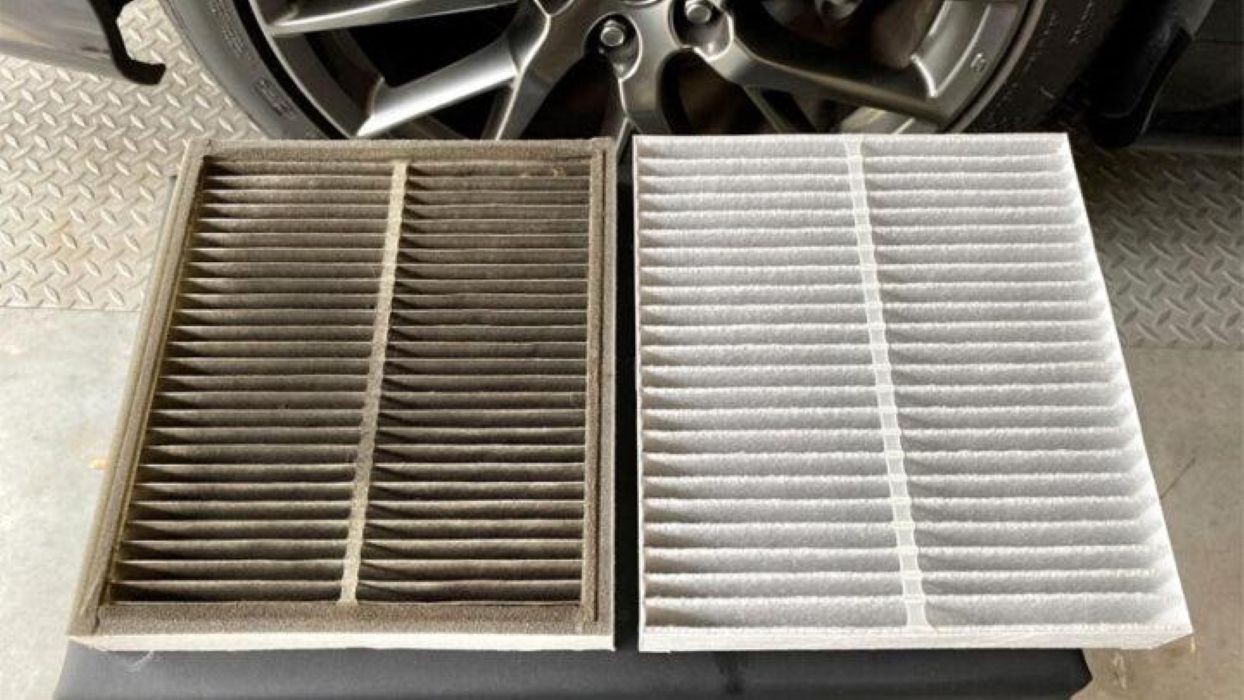
Replace it at least once a year. Do it earlier if you drive in dusty areas or construction zones. Monsoon humidity also speeds up fungal growth. Signs of a bad filter are easy to spot. Airflow feels weak on high fan. A musty smell appears when you start the AC.
Do not tap it clean and refit it. Paper filters trap fine particles deep inside. Tapping barely helps. Choose a quality filter. Activated carbon versions reduce odors and pollutants.
Cheap unbranded ones can fit poorly and let dust bypass. A ₹500 filter often saves a ₹5,000 blower repair. It also keeps the air you breathe cleaner. This is one of the best-value habits in car care.
3. Never Running the AC in Winter
Many people switch off the AC from November to March. It feels like a saving. In reality, a dormant AC system ages badly. The refrigerant carries compressor oil through the system. When the AC runs, that oil lubricates seals and moving parts. When it sits idle, the oil settles.
Rubber seals and O-rings need that oil film. Without it, they dry out and shrink. Small cracks then form. Leaks often begin after a long idle period. The first hot day arrives and cooling is weak. Owners blame the weather, but the damage happened in winter.
Run the AC for about 10 minutes every two weeks. Do it even when it is cold outside. Many cars also run the compressor when you use the defrost mode.

Defrost mode matters here. It activates the AC to dry the air on the windscreen. That gives you a free monthly workout for the compressor. Set a mild temperature and moderate fan speed. Let the engine reach normal temperature first. A short drive works better than idling.
This habit also keeps the clutch and bearings from seizing. Metal parts can rust slightly in humid storage. Regular running keeps them moving. It also helps you spot problems early.
You can test cooling, listen for noise, and check for smells. A winter fault is far cheaper to fix than a May emergency. If you park the car for months, run it at least once a month. Treat the AC like any moving machine. Machines need motion to stay healthy.
4. Switching Off the Engine Without Drying the Evaporator
You reach your destination and turn the key. The AC stops instantly. The evaporator, however, is still cold and soaking wet. Cooling air strips moisture from the cabin. That water collects on the evaporator fins. It normally drains out through a small tube.
When you shut down suddenly, damp fins stay in a dark, closed box. Warm air returns and moisture lingers. Mold and bacteria grow quickly. This causes that sour, “dirty socks” smell. It is common in city cars used for short trips. The smell returns each summer if the cause stays.
Moisture also promotes corrosion. Aluminum fins and joints can develop tiny pits over time. Pinhole leaks in the evaporator are a known problem.
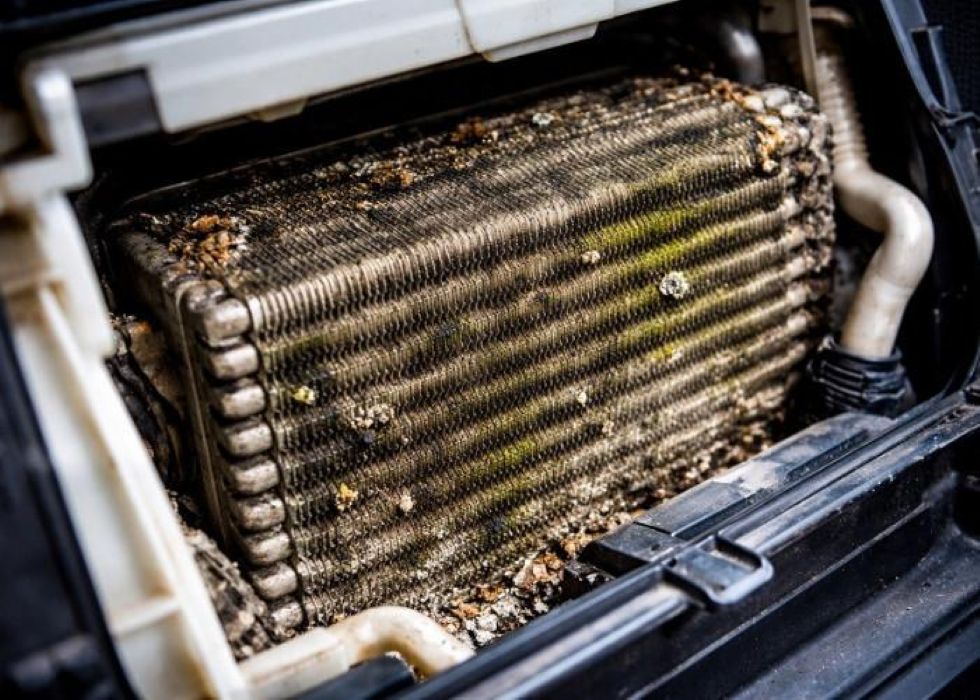
Evaporator replacement is a major job. The dashboard often must come apart. Labor can cost more than the part itself. A simple routine helps. Two or three minutes before arriving, switch off the AC button. Keep the fan running on fresh air mode.
The airflow dries the evaporator and ducts. Moisture leaves before the system shuts down. You lose almost nothing in comfort. Some modern cars have an auto-dry feature. If yours does, let it finish its cycle. Do not interrupt it by switching off early.
Check the drain tube too. A clogged tube leaves water pooling under the dash. If you see wet carpet on the passenger side, get it cleared. Occasional antibacterial cleaning also helps. A professional foam cleaner treats the evaporator safely. Do it once a year in humid regions.
5. Using DIY Top-Up Cans and Stop-Leak Products
Cooling feels weak, so you buy a DIY recharge can. It looks cheap and quick. This habit causes some of the costliest damage. AC systems need an exact charge. The amount is measured in grams, not “until it feels cold”. Too little starves the compressor of oil and cooling.
Too much is worse. High pressure strains the compressor and can blow seals. The system cools poorly and may shut off to protect itself. DIY cans often have a basic gauge. That gauge reads only one side of the system. It cannot show real conditions without proper tools.
Many cans also contain stop-leak sealant. This gel is meant to plug small leaks. It can also clog the expansion valve, the orifice tube, and the condenser passages.
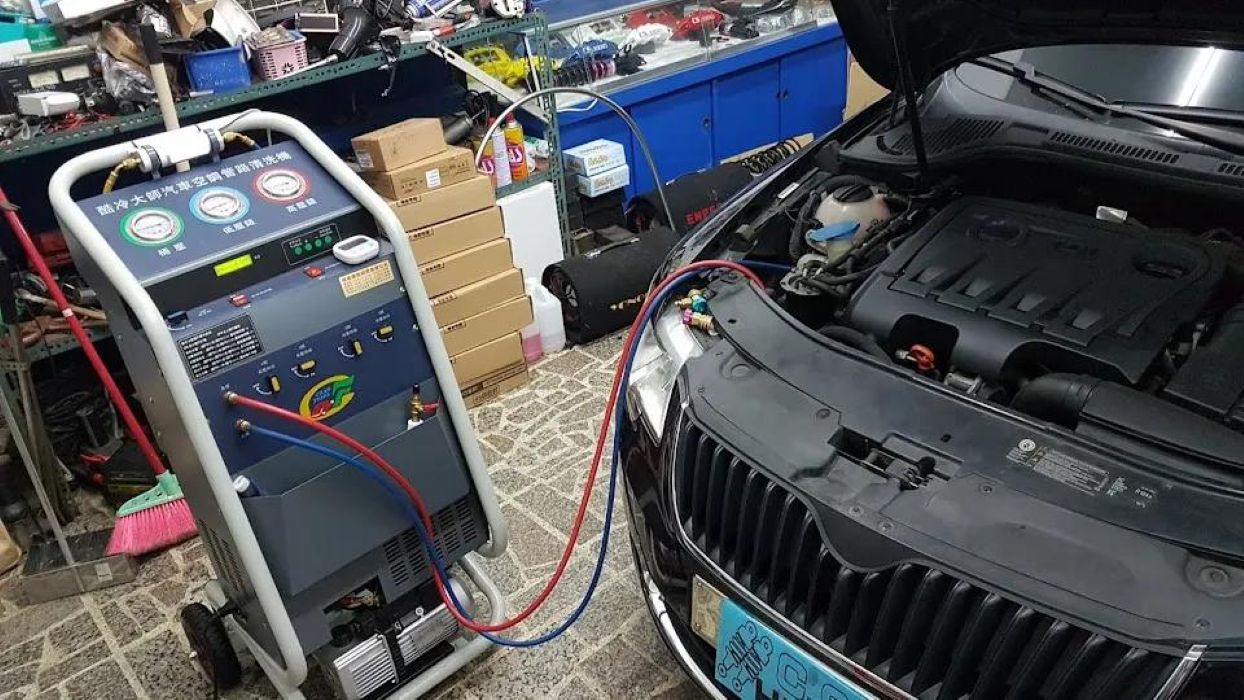
Workshop recovery machines can be damaged by sealant. Many garages refuse to service systems with it. Some charge extra to flush it out. Remember that low refrigerant means a leak. Refrigerant does not get “used up” like fuel. Topping up without fixing the leak only delays the failure.
A proper fix starts with leak detection. Technicians use UV dye or electronic sniffers. They repair the leak, vacuum the system, and charge it by weight.
The vacuum step matters. It removes air and moisture that would otherwise form acids inside. Those acids eat the system from within. Refrigerant type also matters. Older cars use R134a.
Newer ones use R1234yf, which is mildly flammable and needs different equipment. Skip the cans. Pay for a proper diagnosis once. It costs less than a new compressor and condenser.
6. Parking in Direct Sun Every Day
Parking in the sun feels unavoidable in many cities. Still, it quietly punishes the AC. Heat is the enemy of every component. Under strong sun, the cabin acts like an oven. Dashboards, vents, and ducts absorb extreme heat. Plastic parts expand and age faster.
Rubber hoses and seals soften and crack with repeated heating. Their flexibility is part of their sealing ability. Once they harden, leaks begin. Heat also raises pressure inside a parked system. Refrigerant expands as temperatures climb. Weak joints and aged seals feel the strain.
The compressor then faces the worst start of the day. Every drive begins with maximum load. Over years, this shortens its life. Use shade whenever you can. Covered parking is best, even if it costs a bit more. Trees help but drop sap and debris.

A reflective windscreen sunshade makes a real difference. It can lower interior temperatures by several degrees. It also protects the dashboard from cracking.
Window tint helps too, within legal limits. Quality heat-rejecting film cuts infrared heat. Cheap dark film only reduces visible light. Parking direction also matters. In India, the afternoon sun is strong from the west. Face the windscreen away from it if you can.
Slightly open windows on safe, secure days can reduce heat buildup. Even a small gap lets hot air escape. Do not do this where theft or rain is a concern.
Combine these steps with the warm-up routine from Habit 1. Shade plus ventilation keeps the AC under much less stress. Your cabin plastics will thank you as well.
7. Neglecting the Condenser at the Front
The condenser looks like a thin radiator at the front of the car. Its job is to release heat from the refrigerant. When it cannot, the whole system suffers.
Bugs, leaves, dust, and road grime collect on its fins. This blocks airflow. The refrigerant stays hot and pressure climbs. Cooling drops, especially in slow traffic. At speed, air forces through the blockage. In a jam, there is little help.
The compressor works harder to fight the high pressure. Power draw rises and fuel use increases. Prolonged strain can shorten compressor life. Condensers also face physical damage. Stones from the road bend fins and puncture tubes. Small punctures leak refrigerant slowly.
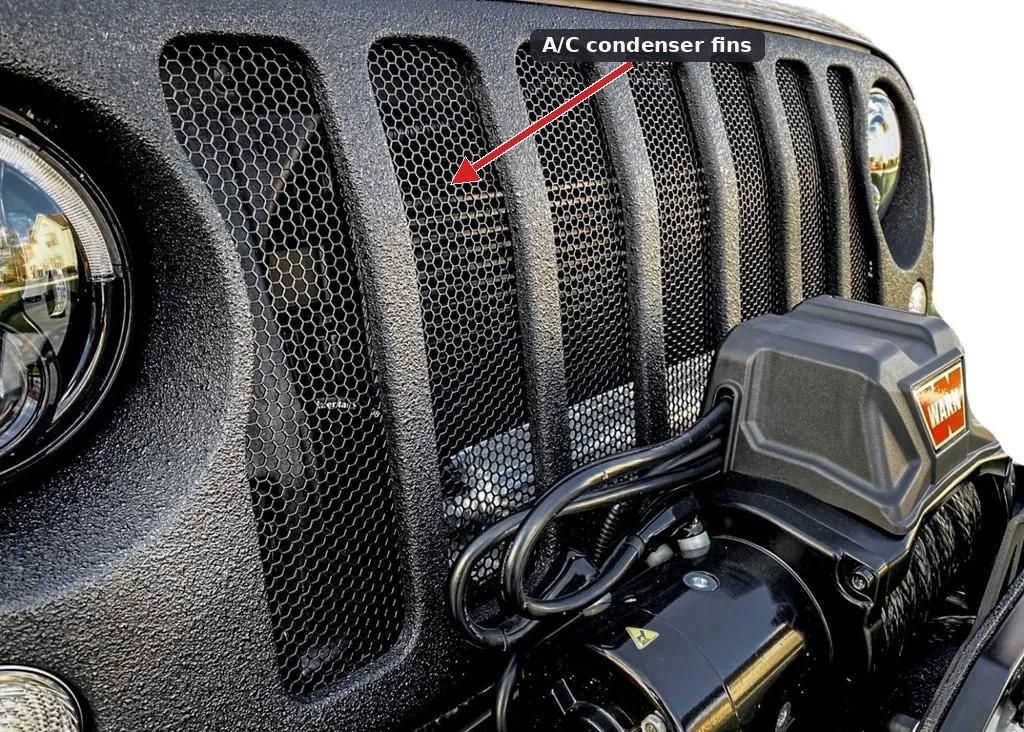
Corrosion is another threat. Coastal salt air and monsoon moisture attack the aluminum. Old condensers develop leaks near joints. Inspect it every few months. Shine a torch through the front grille. If you cannot see light through the fins, it is clogged.
Clean it gently. Use a garden hose with low pressure, spraying from behind if possible. Never use a high-pressure washer directly on the fins. High pressure bends the thin fins flat. That reduces airflow even more. A soft brush and a fin comb are safer tools.
Do not forget the cooling fan. The electric fan pulls air through the condenser at idle. A weak or dead fan causes poor cooling in traffic. Also keep the radiator clean. It sits right behind the condenser. Heat from one affects the other. Add this check to your regular service. A clean condenser lets the AC run cooler and easier.
8. Ignoring Early Warning Signs
Cars give small hints before a big failure. Drivers often dismiss them. “It still cools a bit” is a costly sentence. Weak cooling is the most common sign. It may point to low refrigerant, a clogged filter, or a failing compressor. Each has a different fix.
Odd noises matter too. A rattle or grinding sound when the AC starts can mean worn bearings. A squeal may be a slipping belt. A clicking clutch that engages and disengages rapidly is another clue. It often points to low pressure. The compressor cycles too often and wears out.
Smells tell a story as well. A sweet chemical smell may indicate a refrigerant leak. A musty smell suggests mold in the evaporator. Water inside the cabin or oily residue near fittings are warning signs. Refrigerant oil leaves a greasy film at leak points. Dust sticks to it, making dark patches.
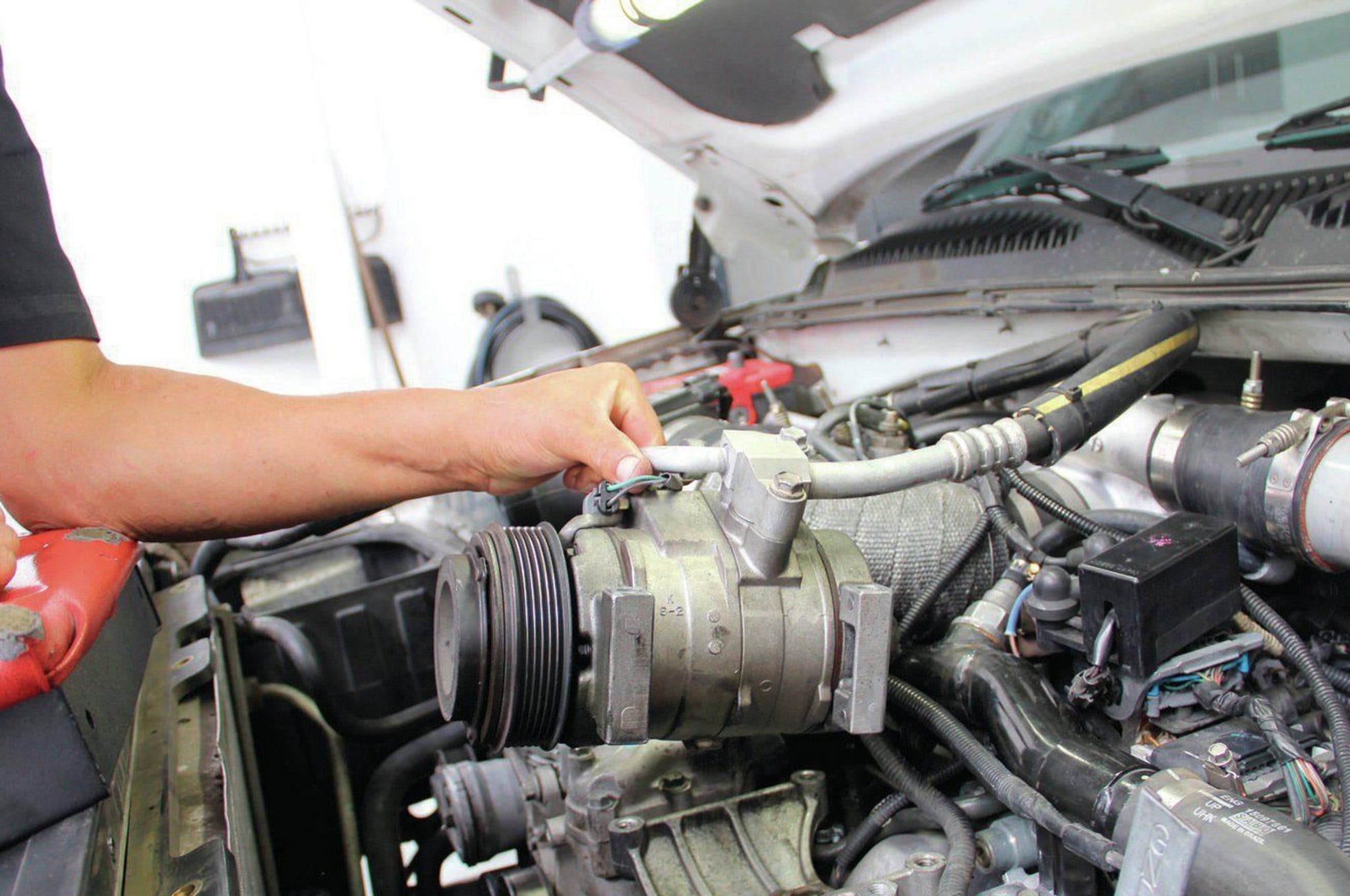
The real danger is a failing compressor. When it breaks down internally, metal particles spread through the system. This is called black death in the trade.
Those particles contaminate the condenser, lines, and valves. A simple compressor swap is no longer enough. You must flush or replace several parts.
That turns a moderate repair into a large bill. Early action prevents that chain reaction. A noisy compressor caught in time can be handled more cheaply.
Do not keep driving with a loud, grinding AC. Switch it off and book a diagnosis. The car runs fine without it, but the damage grows with use. Keep a short log of symptoms. Note when they happen and what you hear or smell. That helps your mechanic find the cause faster.
9. Running the AC on a Weak Engine, Belt, or While Idling for Hours
The AC compressor draws power from the engine. It is driven by a belt, and it adds real load. A weak engine or belt cannot carry it well. A worn or loose belt slips under load. The compressor then spins unevenly. You get squealing, heat, and weak cooling.
Belt slip also damages pulleys and the clutch. The friction generates heat and wear. A cheap belt change avoids it. Overheating engines are another risk. The AC adds heat through the condenser in front of the radiator. If the cooling system is weak, temperatures rise quickly.
Never ignore a rising temperature gauge with the AC on. Switch the AC off first. That reduces engine load and heat right away. Long idling with AC on is another poor habit. Many people sit in parked cars with the engine and AC running. Idle speed gives little airflow through the condenser.
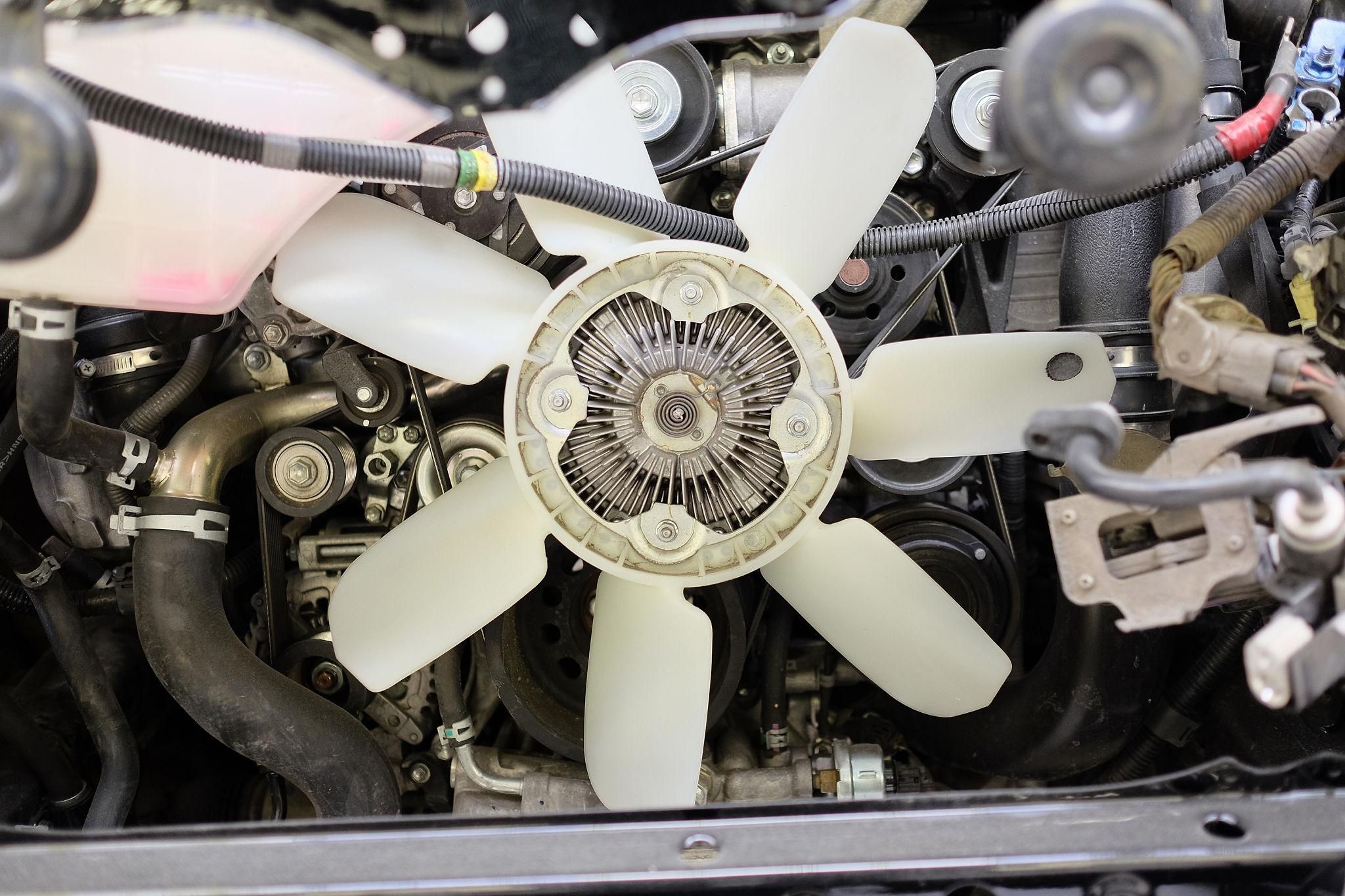
Pressure runs high, cooling is weak, and fuel is wasted. The engine also runs rich at idle, which contaminates oil. It is bad for the car and the environment.
Newer turbo and small-capacity engines feel the AC load more. Pushing a three-cylinder engine uphill with the AC on is tiring for it. Easing off the AC briefly helps.
Some drivers turn the AC off before overtaking. That is a smart trick for older or smaller engines. It frees a little power for a moment. Service the basics. Check the belt tension, coolant level, and radiator fan. A healthy engine supports a healthy AC. If you must wait in the car, take short breaks. Park in shade and switch off the engine. Run the AC only when needed.
10. Letting Unqualified Workshops Service the AC
The last habit is trusting the wrong hands. AC work looks easy but needs special tools and care. Poor service often does more harm than neglect. Roadside garages may top up gas without checking for leaks. Some use whatever refrigerant is cheap. That includes unapproved blends sold as “universal” gas.
Mixing refrigerants is dangerous for the system. It changes pressures and can ruin oil compatibility. Some blends are flammable or harm service equipment.
Oil is another trap. Different compressors need specific oils. Standard cars often use PAG oil, while hybrid and EV compressors need a special electrically safe type.
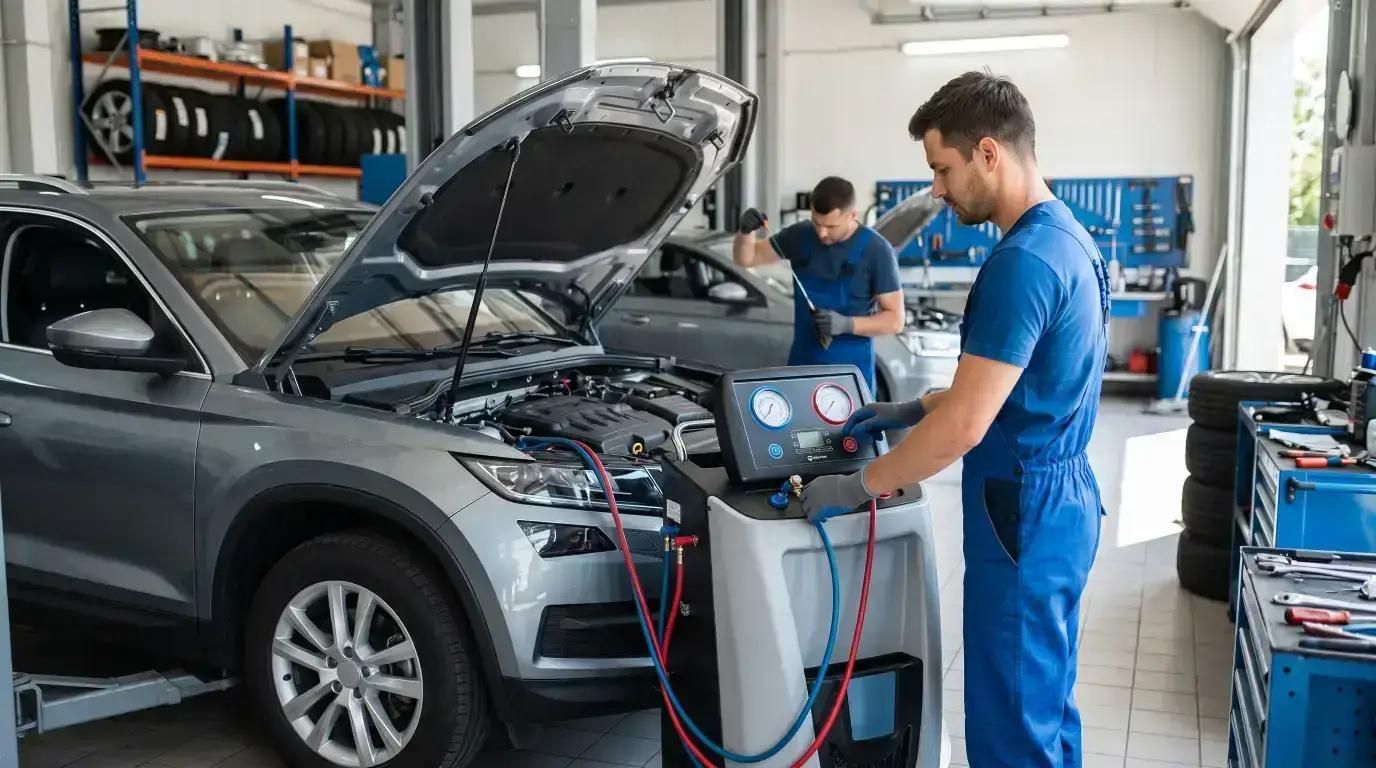
Wrong oil can damage insulation inside electric compressors. In hybrids and EVs, this can cause serious faults. Always follow the manufacturer’s specification.
Many shops skip the vacuum and leak test. They open the system and refill it directly. Moisture and air remain inside and form acids. Acids attack seals and metal over time. The system seems fine for a month, then problems return. You pay twice.
Another poor practice is reusing old O-rings. Fresh seals are cheap but often skipped. Reused ones leak sooner. Choose a workshop with proper recovery and charging machines. Ask them to charge by weight, not by guesswork. Ask what refrigerant and oil they will use.
Authorized service centers are costlier but follow specifications. Trusted independent AC specialists can also be good. Look for ones that show readings and give clear bills.
Keep your service records. They help with warranty claims and resale. They also show future mechanics what was done. A good AC technician explains the cause, not just the cost. That honesty is a sign you are in the right place.