Buying a new car brings excitement, comfort, and the satisfaction of owning a vehicle built to modern standards. However, the purchase price tells only part of the financial story. Depreciation, the decline in a vehicle’s market value over time, can quietly become one of the highest costs of ownership.
Some cars retain their value remarkably well, while others lose a substantial share of their original price within five years. For American drivers, understanding these losses can help prevent expensive mistakes. This article examines 11 vehicles known for steep depreciation, explains the reasons behind their declining values, and offers practical buying advice.
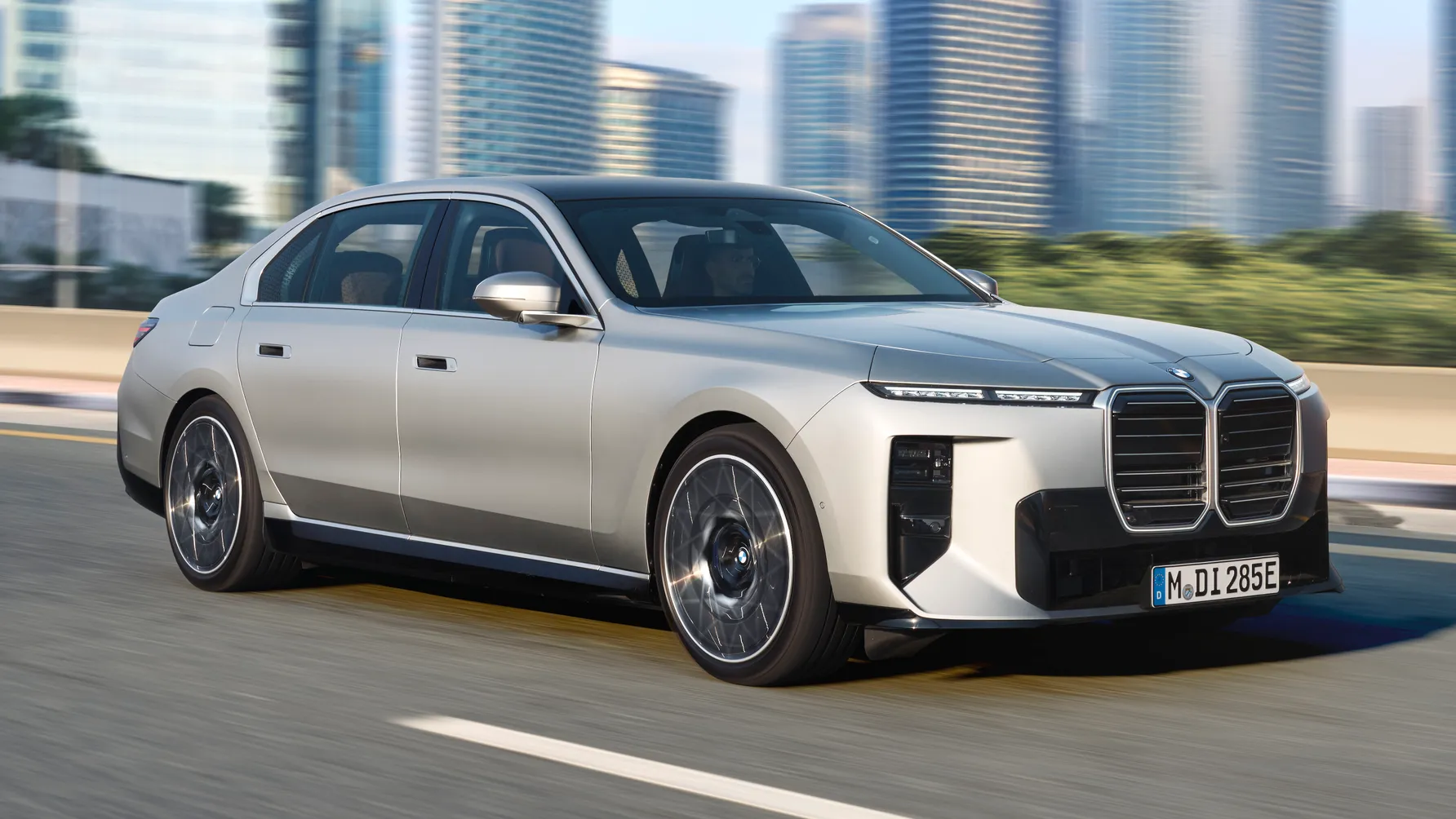
1. BMW 7 Series: Luxury Comes at a High Resale Cost
The BMW 7 Series represents the flagship end of the German automaker’s passenger car lineup. It offers an upscale cabin, advanced driver assistance systems, powerful engines, sophisticated suspension technology, and a comfortable ride designed for long-distance travel.
Buyers pay a substantial amount for these features when purchasing a new model in the United States. However, the same vehicle can become significantly less expensive on the used market after several years. Large luxury sedans frequently experience substantial depreciation because their original prices include premium materials, complex technology, and performance features that become less valuable as newer models arrive.
A major factor behind the 7 Series’ declining resale value is the pace of technological change. BMW regularly updates its flagship sedan with revised styling, improved infotainment systems, additional driver assistance features, and more efficient powertrains.
Buyers seeking a used luxury vehicle often prefer a newer example with the latest equipment, even when an older model remains comfortable and mechanically sound. As a result, earlier versions must compete on price. The introduction of a redesigned generation can also affect demand for the outgoing model, particularly when improvements in interior design and technology are substantial.
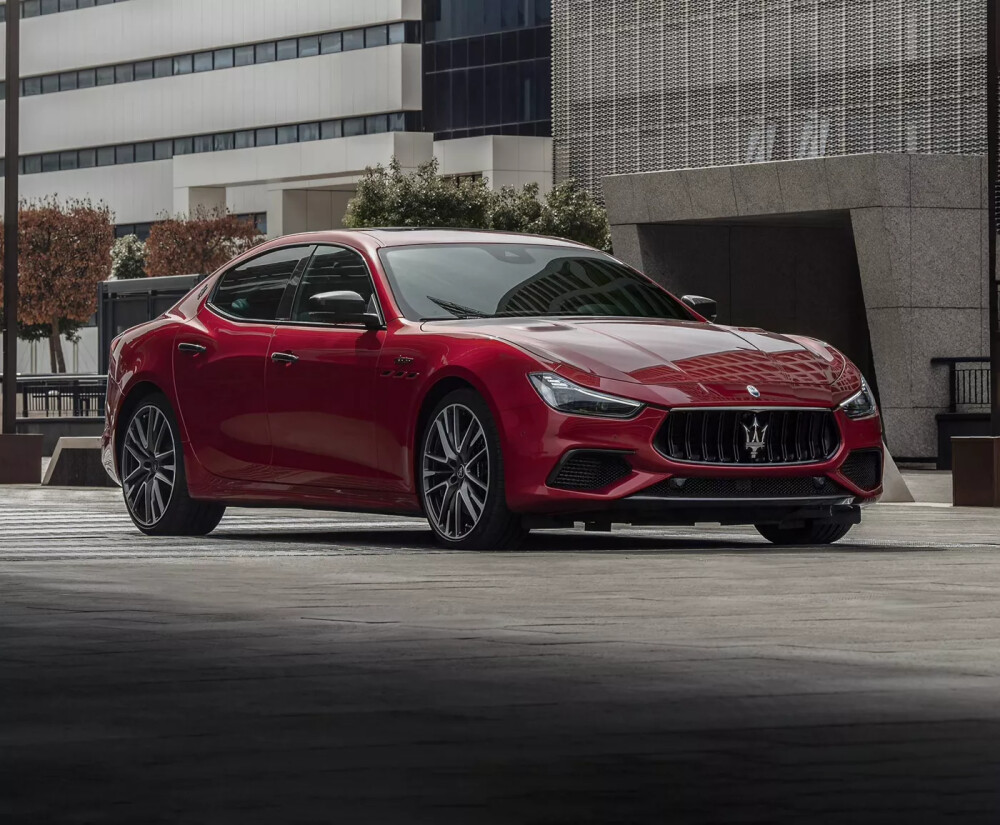
2. Maserati Quattroporte: Exclusivity With a Smaller Buyer Pool
The Maserati Quattroporte is a large Italian luxury sedan known for distinctive styling, a premium interior, and an emphasis on performance and exclusivity. Its appeal rests partly on being less common than familiar luxury sedans from BMW, Mercedes-Benz, and Audi.
New-car buyers may be drawn to its distinctive character and prestigious badge. However, the used-car market rewards broad demand, predictable ownership expenses, and easy access to service. These priorities can work against an exclusive vehicle, particularly when the original purchase price is high, and the pool of potential secondhand customers is relatively small.
Depreciation becomes more pronounced when a car has a narrow audience. A used-car shopper comparing luxury sedans may choose a better-known alternative with more widely available service facilities, stronger brand familiarity, or a reputation for lower ownership costs.
The Quattroporte must therefore compete not just on purchase price but also on the buyer’s perception of long-term risk. Dealers may need to reduce asking prices to attract interested shoppers, especially when several used examples are available at the same time.
Maintenance expectations also influence resale demand. A premium Italian sedan contains specialized mechanical and electronic systems that may require trained technicians and specific replacement parts. Repair costs depend on the model year, engine, service history, and nature of the fault, but buyers often account for the possibility of expensive repairs before making an offer.
A vehicle with incomplete maintenance records or unexplained warning lights can face an even steeper discount. This is why documented servicing and a thorough pre-purchase inspection matter so much in the luxury segment.
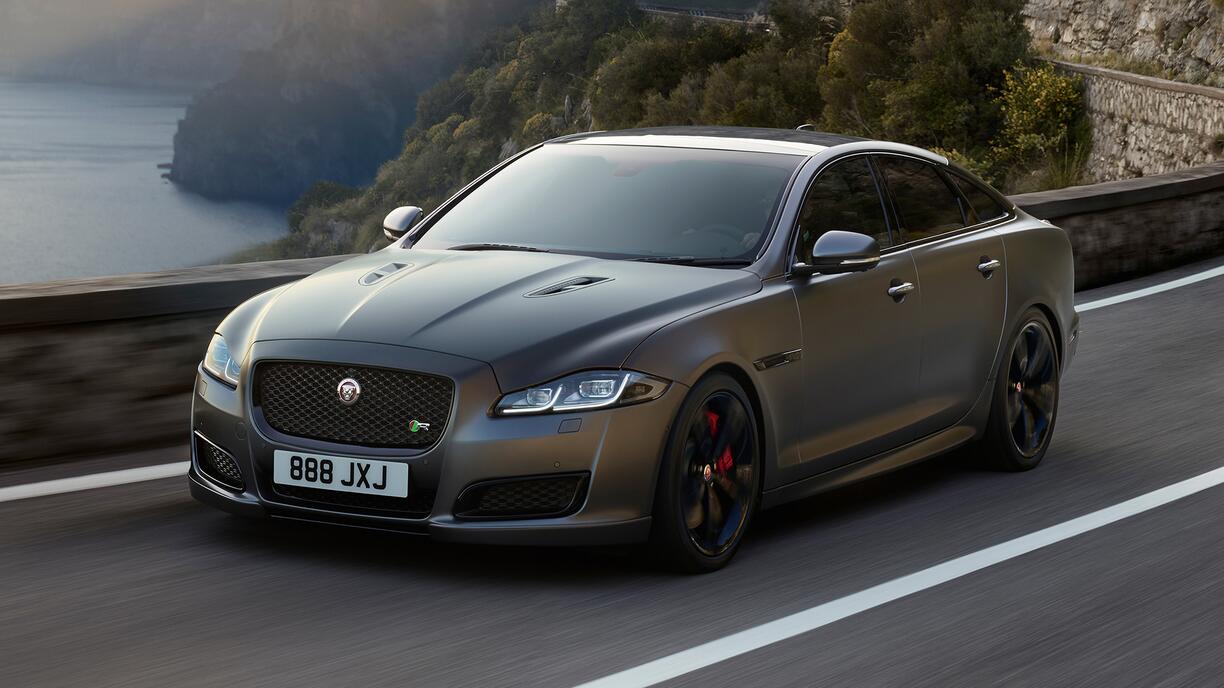
3. Jaguar XJ: A Premium Sedan Facing Changing Market Preferences
The Jaguar XJ combines British luxury with a design that emphasizes elegance, comfort, and driving character. Depending on the model year, the sedan offers features such as leather upholstery, refined interior finishes, powerful engines, and advanced suspension systems.
Its distinctive styling has attracted buyers who want an alternative to the German luxury brands. Nevertheless, premium sedans can lose value quickly when new-car prices are high, and the used market places greater emphasis on affordability, reliability expectations, and long-term service costs.
The XJ’s resale performance is influenced by competition. Buyers in the United States can choose from a wide range of used luxury sedans, including vehicles from Mercedes-Benz, BMW, Audi, Lexus, and Genesis.
Some alternatives may offer a stronger reputation for durability or a broader dealer network, making them easier to own over several years. As used shoppers compare available cars, the XJ may need a lower asking price to stand out. The degree of depreciation differs by generation and specification, so a single percentage should not be applied to every XJ.
Service and parts availability are important considerations for a discontinued or less widely supported model. Jaguar vehicles require maintenance appropriate to their engineering, and repairs can be costly when specialist knowledge or uncommon components are needed.
Buyers may be particularly cautious about vehicles with complex electrical equipment, air suspension, or incomplete service documentation. These concerns do not mean every XJ is unreliable. They do mean that perceived ownership risk can influence market value, even before a specific vehicle develops a problem.
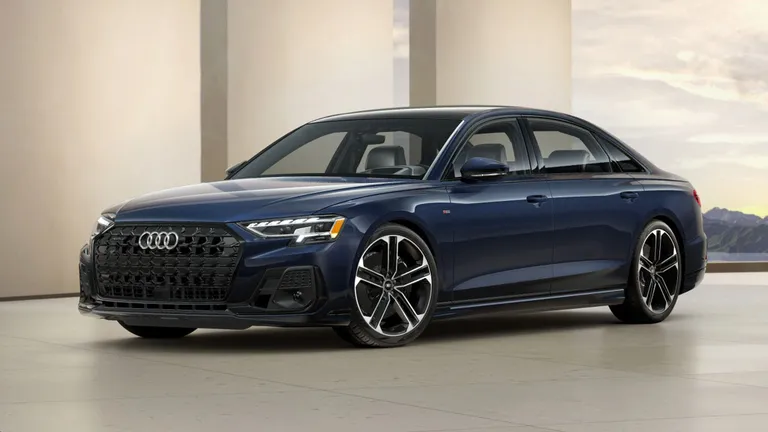
4. Audi A8: Advanced Engineering and the Cost of Aging Technology
The Audi A8 is a flagship luxury sedan built around comfort, technology, and understated design. It typically includes sophisticated infotainment features, premium interior materials, powerful engines, and a range of electronic driver assistance systems.
Such equipment helps justify a high original price, but it can complicate the vehicle’s position in the used market. As the car ages, shoppers may worry about repair bills and the cost of maintaining systems that were designed to deliver a premium experience when new.
One source of depreciation is the rapid evolution of in-car technology. Infotainment displays, connectivity features, parking assistance, and driver assistance systems improve with each generation.
A five-year-old A8 may still offer an impressive collection of equipment, yet some buyers will prefer a newer model with a revised interface or more advanced features. Older luxury cars therefore face competition from newer used vehicles as well as from discounted new-car inventory.
The cost of maintaining a complex luxury sedan also influences its resale value. Depending on the particular model, repairs may involve specialized diagnostic equipment, expensive components, or labor from a qualified technician.
Items such as suspension components, electronic modules, and engine-related systems deserve careful inspection. Maintenance costs are not identical across all A8 models, so buyers should investigate the exact engine, transmission, service schedule, and known issues associated with their chosen model year.
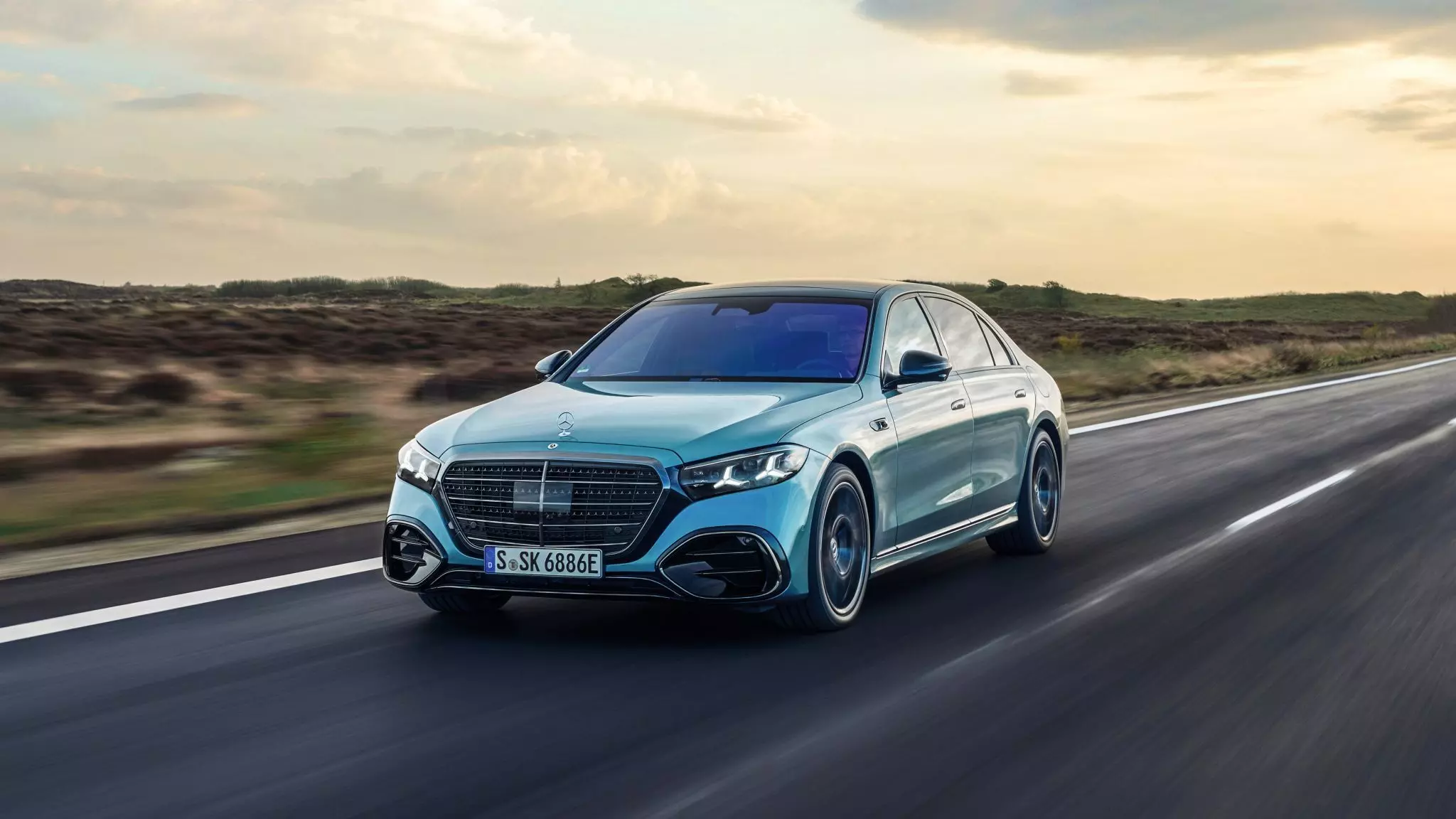
5. Mercedes-Benz S-Class: Premium Features Lose Value With Age
The Mercedes-Benz S-Class has long served as a benchmark for full-size luxury sedans. It combines a comfortable ride, advanced safety equipment, carefully finished interiors, and powerful engine options. New models command premium prices because they offer a wide range of technology and amenities.
However, the high initial cost also creates room for substantial depreciation. When an S-Class reaches the used market after several years, its value reflects not just its condition but also the availability of newer models with updated equipment and improved convenience features.
The depreciation process often begins with the difference between the manufacturer’s suggested retail price and the price a buyer is willing to pay for a used example. Luxury cars may also receive substantial incentives or negotiated discounts when new, meaning the original sticker price does not always represent the amount a first owner actually paid.
Used-car valuations depend on real transaction prices, mileage, condition, and local demand. This makes it important to distinguish depreciation measured from the original manufacturer’s suggested retail price from losses calculated using the actual purchase price.
The S-Class contains numerous systems that support comfort and convenience, including electronic seat adjustments, climate controls, infotainment equipment, and advanced suspension technology on applicable versions. These systems help make the vehicle enjoyable, yet repairs can become expensive as the car ages.
A prospective buyer may therefore discount an older example to account for possible maintenance expenses. Regular servicing, proper repairs, and complete documentation can improve buyer confidence, but they cannot completely eliminate the financial uncertainty associated with a complex luxury vehicle.
Changing consumer preferences also influence the S-Class market. Some luxury shoppers prefer SUVs because they provide greater cargo flexibility and a higher driving position. Others continue to choose large sedans for their quieter cabins, smooth highway performance, and traditional executive styling.
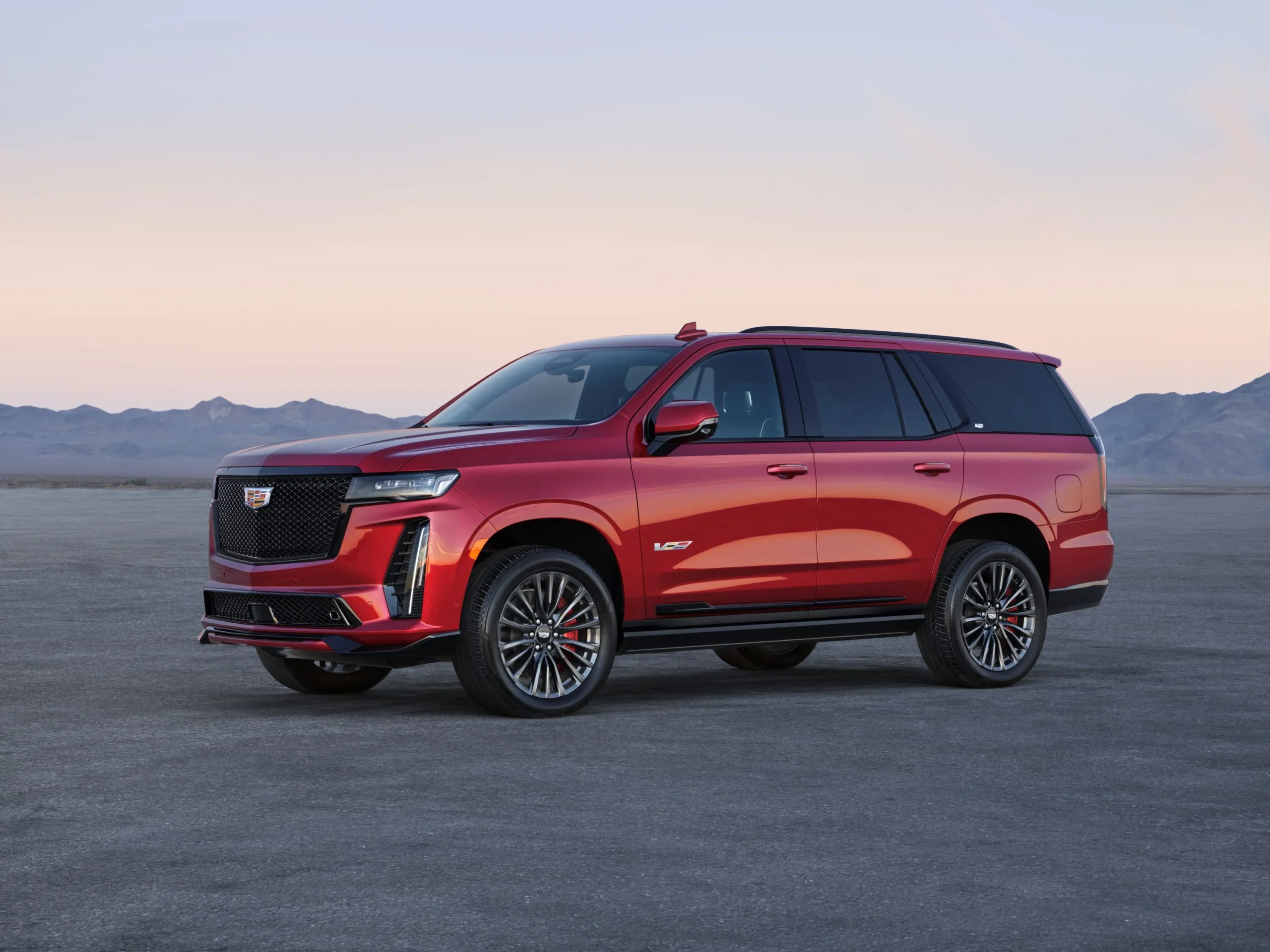
6. Cadillac Escalade: High Purchase Prices and Changing Used-Car Demand
The Cadillac Escalade is a large American luxury SUV known for its imposing appearance, spacious cabin, strong road presence, and extensive equipment. Its higher trim levels can carry substantial prices when new, particularly when buyers select premium interiors and additional options.
Large SUVs have historically attracted American households seeking space and comfort, but their resale values remain sensitive to fuel prices, insurance expenses, maintenance costs, and shifts in consumer demand. A high initial price can translate into a significant dollar loss even when the vehicle retains a respectable portion of its value.
Fuel consumption is an important consideration for used Escalade shoppers. Large engines and substantial vehicle weight can result in higher fuel expenses than those associated with smaller crossovers or sedans. When gasoline prices rise, some buyers become more interested in vehicles with lower running costs.
This can reduce demand for less fuel-efficient models, particularly among households that use their vehicles for daily commuting. Fuel economy is not the only factor affecting depreciation, but it can influence the price buyers are willing to pay.
The Escalade’s size and equipment also contribute to ownership costs. Tires, brakes, insurance, and routine maintenance can cost more than they would for a smaller vehicle, depending on the specification and driving conditions. Luxury features and electronic systems may require additional attention as the vehicle ages.
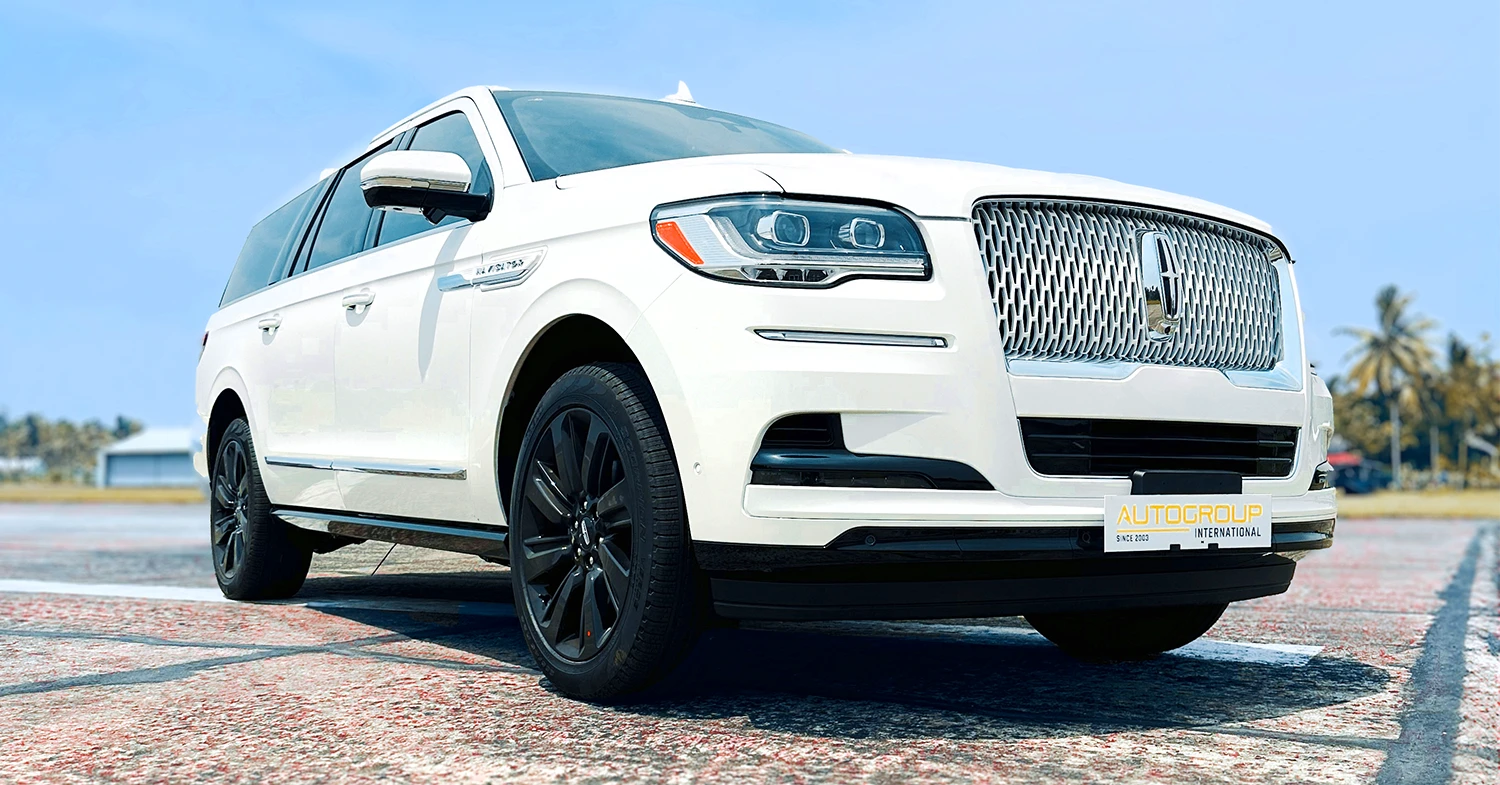
7. Lincoln Navigator: Luxury SUV Depreciation and Ownership Expenses
The Lincoln Navigator competes in the American full-size luxury SUV market with a spacious cabin, substantial towing capability when properly equipped, and a strong emphasis on passenger comfort. Its premium trims can cost a considerable amount when purchased new.
As the vehicle ages, resale prices are influenced by the arrival of redesigned models, shifts in demand for large SUVs, and the expenses associated with keeping a heavy, well-equipped vehicle on the road. A large drop in dollar value can occur even when the Navigator remains useful and comfortable.
The cost of fuel can affect the used-car appeal of the Navigator. Buyers who travel long distances or commute daily may compare it with smaller SUVs that consume less gasoline.
Although many households choose full-size SUVs for their seating capacity and cargo needs, those advantages may not justify the added running costs for every shopper. Changes in fuel prices and household budgets can therefore influence demand. The extent of the effect depends on local conditions, competing models, and the individual vehicle’s fuel economy.
The Navigator also contains a range of comfort and convenience equipment that can influence maintenance expenses. Features such as powered seats, climate systems, advanced driver assistance equipment, and electronic displays improve everyday usability.
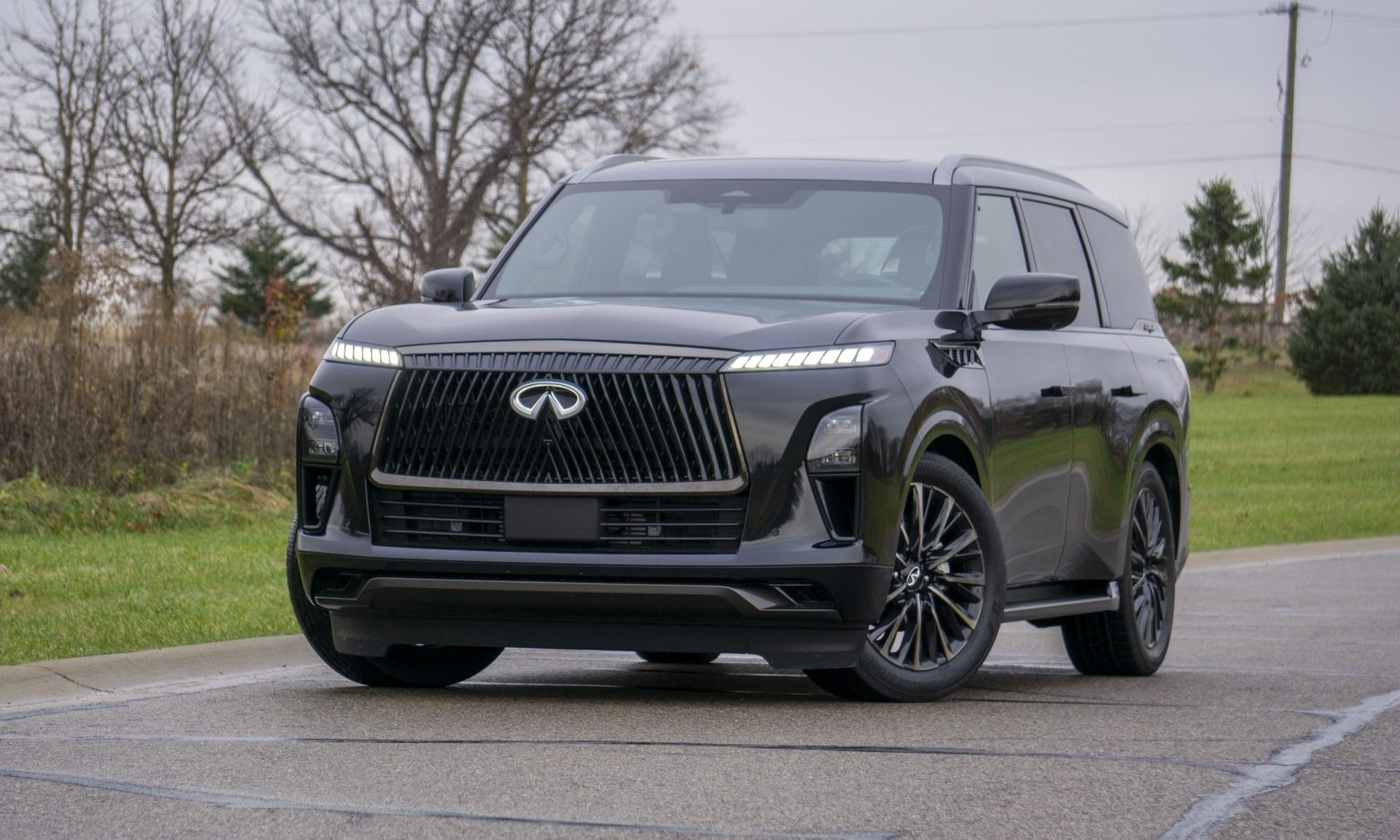
8. Infiniti QX80: A Large Luxury SUV Facing Intense Competition
The Infiniti QX80 is a full-size luxury SUV designed to provide generous passenger space, a commanding driving position, and a premium alternative to mainstream family vehicles. Its size, equipment, and powerful engine contribute to a substantial new-car price.
However, the used market evaluates large SUVs according to practical considerations as well as luxury appeal. Fuel consumption, insurance costs, maintenance needs, and the availability of newer competitors can all affect resale values as the vehicle moves beyond its first few years of ownership.
One challenge for the QX80 is its position in a crowded premium SUV segment. Buyers may compare it with the Cadillac Escalade, Lincoln Navigator, Lexus LX, and other large vehicles.
Each model has a different reputation, interior design, equipment package, and ownership profile. If shoppers believe a competing SUV offers better technology or a stronger long-term ownership proposition, the QX80 may need a lower asking price to attract attention. Brand preferences and local availability can influence the final result.
Fuel economy can be an important factor in this category. A large SUV typically requires more energy to move its weight than a smaller, lighter vehicle, particularly in stop-and-go traffic. The resulting expense may matter to households that cover substantial annual mileage.
Buyers who need towing capability or regularly transport several passengers may accept these costs, while others may prefer a smaller crossover. Resale demand can shift as household budgets and fuel prices change, creating additional uncertainty for vehicles with high operating expenses.
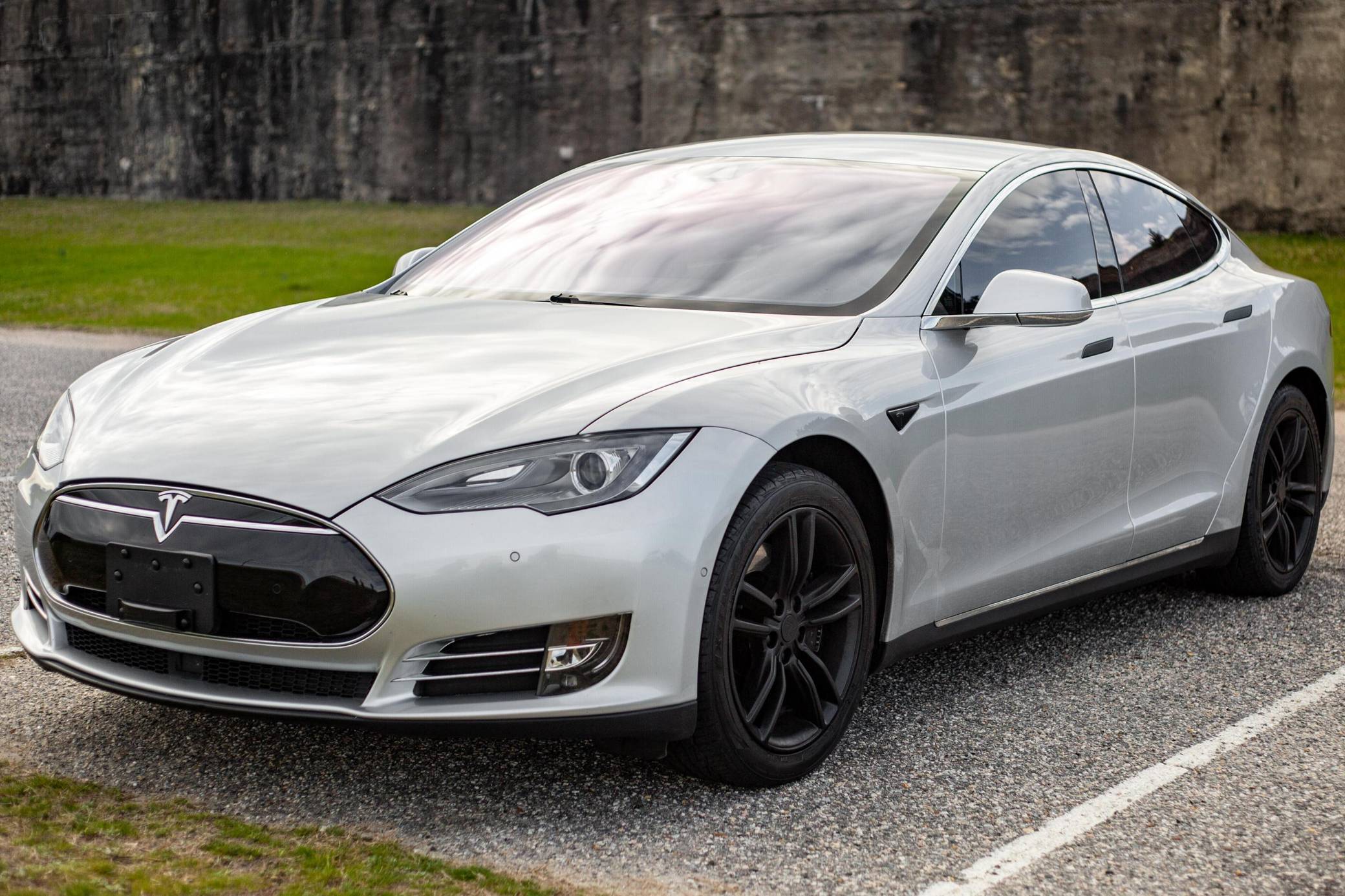
9. Tesla Model S: Rapid Product Changes and Electric Vehicle Price Competition
The Tesla Model S helped establish the modern premium electric sedan as a serious alternative to gasoline-powered luxury cars. It offers rapid acceleration, a quiet driving experience, a low center of gravity, and access to Tesla’s charging ecosystem.
However, electric vehicle resale values can respond quickly to changes in new-car pricing, battery technology, government incentives, and consumer expectations. When a manufacturer reduces new-car prices, the used market may adjust accordingly, placing pressure on the value of vehicles that were purchased at higher prices.
New-car pricing is particularly important for electric vehicles because manufacturers can alter prices and equipment more frequently than buyers expect. A used Model S must compete with both other pre-owned electric cars and new vehicles offered at revised prices.
If a new model becomes more affordable, shoppers may be unwilling to pay as much for an older example. The original transaction price, including any incentives available to the first owner, is therefore essential when calculating the actual financial loss.
Battery condition is another consideration. An electric vehicle’s battery can gradually lose some of its usable capacity over time, although the rate depends on factors such as battery chemistry, charging patterns, climate, mileage, and vehicle management systems.
A prospective buyer should review any available battery health information, confirm warranty coverage, and understand the terms that apply to the specific model year. Battery degradation does not automatically make a used electric car a poor purchase, but uncertainty about its remaining performance can influence what shoppers are willing to pay.
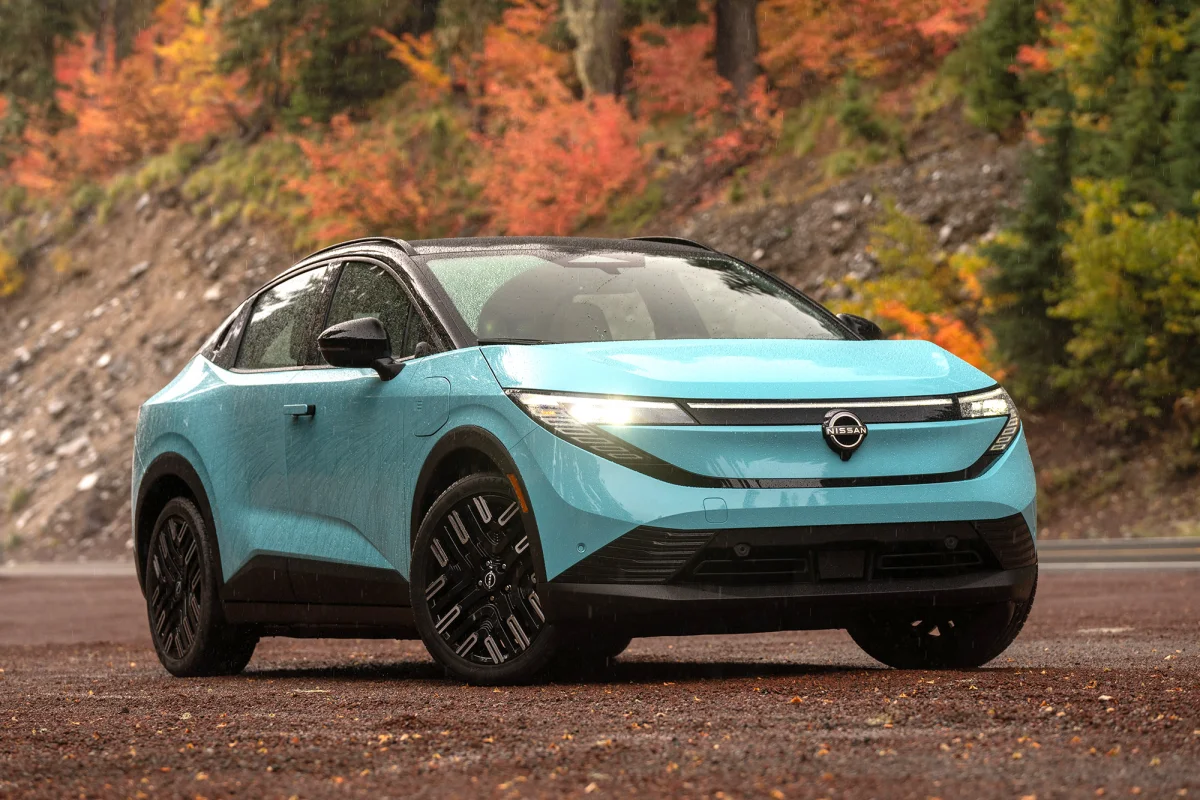
10. Nissan Leaf: Affordable Electric Driving and Stronger Price Pressure
The Nissan Leaf is a compact electric car that has helped make battery-powered transportation accessible to a broad range of American drivers. Its smaller size and electric powertrain make it suitable for commuting, local errands, and urban driving.
Yet older Leaf models can experience substantial depreciation because their driving range, charging capabilities, and battery specifications may compare less favorably with newer electric vehicles. Buyers considering a used Leaf should distinguish between different battery capacities and model years rather than treating the entire model range as a single category.
Driving range is central to the Leaf’s used-car value. Early versions were designed for shorter daily journeys, while later models offered larger battery options and improvements in range. As electric vehicle technology has advanced, buyers have gained access to cars that can travel farther between charges.
This development can reduce demand for older Leaf models among drivers who regularly travel on highways or need greater flexibility. However, a shorter-range Leaf may still suit someone whose daily driving needs are predictable and whose home charging arrangements are convenient.
Battery health deserves particular attention when evaluating an older example. Battery capacity can decline with age and use, and the extent of that decline varies from vehicle to vehicle. Temperature exposure, charging habits, mileage, and battery design can all influence long-term performance.
Buyers should review the available battery condition indicators, understand the warranty terms, and confirm that the remaining range meets their requirements. A car that has lost some capacity may remain useful for local travel, but its market value may be lower than that of a comparable example with healthier battery performance.
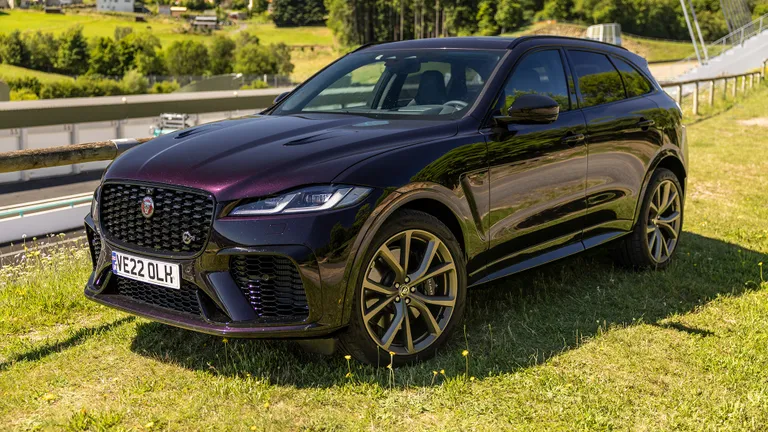
11. Jaguar F-Pace: Premium Crossover Appeal and Resale Challenges
The Jaguar F-Pace combines the practicality of an SUV with the styling and road manners associated with the British brand. It offers a raised driving position, flexible cargo space, and a range of powertrain and equipment choices depending on the model year.
The crossover segment remains competitive in the United States, and shoppers can choose from many premium alternatives. This abundance of options can place pressure on the resale value of an older F-Pace, particularly when newer models offer revised interiors, updated technology, or more attractive warranty arrangements.
The F-Pace competes with luxury crossovers from BMW, Mercedes-Benz, Audi, Lexus, and other manufacturers. Buyers often compare purchase price, reliability expectations, fuel economy, cargo capacity, and service availability.
A model that appeals strongly to a particular driver may not attract the same level of interest from the broader used-car market. When demand is limited, sellers may need to offer a lower price to compete with similar vehicles. This is a general market dynamic rather than evidence that every F-Pace performs poorly.
Maintenance expectations can also affect resale values. Premium crossovers may have sophisticated engines, electronic systems, all-wheel-drive components, and driver assistance equipment. Repairs vary by model year and powertrain, but prospective owners should understand the service requirements before purchasing.
Incomplete records, overdue maintenance, or unexplained warning lights can make a vehicle harder to sell at a strong price. Buyers should also confirm that any required recall work has been completed and investigate the availability of qualified Jaguar technicians in their area.