A bad smell inside your car can make even a short drive unpleasant. Lingering food odors, damp carpets, cigarette smoke, pet hair, and stale air can quickly turn a comfortable cabin into an uncomfortable space. Fortunately, you do not need expensive detailing services or costly cleaning products to freshen up your vehicle.
Many effective solutions cost less than $15 and use simple household supplies or affordable automotive products. With a little effort, you can identify the source of unpleasant odors, clean the affected areas, and keep your car smelling fresh for longer without spending more than necessary.

1. Remove Trash and Unwanted Items From Your Car
The simplest way to stop a car from smelling is to remove the rubbish that causes unpleasant odors. Food wrappers, takeaway containers, empty drink bottles, used tissues, coffee cups, and forgotten snacks can accumulate in door pockets, under seats, and inside the center console.
Even a small piece of food trapped beneath a seat can develop a noticeable smell when the vehicle warms up in the sun. Before purchasing an air freshener, inspect the entire cabin and remove anything that could be contributing to the problem.
Start by taking everything out of the passenger area, including reusable shopping bags, gym clothes, old receipts, and unnecessary accessories. Check beneath the front seats, around the seat rails, inside cup holders, and in the rear footwells. Pay particular attention to the trunk, where groceries, sports equipment, and damp luggage may remain unnoticed for several days. A thorough inspection often reveals the source of an odor that seemed impossible to identify.
Next, empty the glove compartment and center console if you have stored food, wrappers, or other items there. Wipe sticky cup holders with a damp microfiber cloth and a small amount of mild dish soap diluted in water.
Remove loose debris from narrow gaps using a soft detailing brush. Avoid pouring cleaning liquid into electrical switches, charging ports, or other sensitive components. The aim is to remove the residue that feeds odor-causing bacteria rather than simply cover up the smell.
A basic rubbish bag costs little, and a reusable cleaning cloth can usually be purchased for just a few dollars. If you already have these supplies at home, the process may cost nothing. Keep a small waste bag in the vehicle and empty it regularly, particularly after road trips or meals eaten in the car. Do not leave food scraps in the cabin overnight, especially during warm weather.
2. Vacuum Carpets, Seats, and Floor Mats
Car carpets and upholstered seats trap dust, crumbs, hair, soil, and other particles that can contribute to persistent odors. These materials act like sponges, holding onto substances that are difficult to remove with a simple wipe. When moisture reaches trapped dirt, unpleasant smells can become more noticeable.
Vacuuming is an inexpensive way to remove the material responsible for many everyday car odors, particularly when the vehicle regularly carries passengers, pets, or groceries.
Begin by removing the floor mats and shaking loose dirt outside the vehicle. Vacuum both sides of each mat if the material allows it. Next, clean the carpet underneath, moving the front seats forward and backward to reach hidden areas.
Use a narrow vacuum attachment around seat rails, beneath pedals, and along the edges of the center console. These locations often collect crumbs and debris that remain untouched during ordinary cleaning.
For fabric seats, use an upholstery attachment or a soft brush attachment to lift loose particles. Work slowly across the seat cushions, seams, and backrests.
Check the gaps between the seat cushions because small pieces of food can become trapped there. If you have leather or imitation leather seats, vacuum the seams carefully and use a suitable leather-safe cleaner when needed. Avoid aggressive brushing that could scratch or damage delicate surfaces.
You may already own a household vacuum cleaner, making this method free. If you need additional supplies, an inexpensive upholstery brush or narrow vacuum attachment may fit within a $15 budget.
Avoid buying several specialized products before determining whether ordinary vacuuming solves the problem. For many vehicles, a careful cleaning removes enough dirt and debris to make a noticeable difference.
3. Use Baking Soda to Absorb Lingering Odors
Baking soda is an affordable household product that can help control certain unpleasant odors. Its chemical name is sodium bicarbonate, and it is commonly used in household cleaning and odor-control applications.
Rather than adding a strong perfume, baking soda can help reduce some smells in suitable dry materials. A small box often costs only a few dollars, making it a practical option for drivers who want to freshen carpets and fabric floor mats without buying expensive specialty products.
To use baking soda on a carpet, first remove rubbish and vacuum the surface thoroughly. Sprinkle a light, even layer over the dry carpet or fabric floor mats. Avoid creating thick piles that may become difficult to remove. Leave the powder in place for several hours, following the product’s intended use and taking care to keep it away from children and pets. Overnight treatment may be convenient when the vehicle can remain unused in a secure, dry location.
After the waiting period, vacuum the treated area slowly and carefully. Make several passes if necessary to collect the fine powder from carpet fibers. Check around seat rails and along carpet edges where residue can accumulate.
Do not leave loose baking soda scattered across the cabin, because it can become airborne or interfere with sensitive components. If you have a powerful vacuum, confirm that its filter is suitable for fine dust before using it.
Take care when applying baking soda to upholstery. Test a small, hidden area first, especially if the fabric is dark, delicate, or treated with a protective coating. Avoid applying powder to leather, suede, electronic controls, ventilation openings, or wet surfaces.
Baking soda is not a substitute for removing spilled milk, pet accidents, or other substances that have penetrated deeply into the upholstery. Those problems may require an appropriate upholstery cleaner or professional treatment.
4. Clean Floor Mats With Mild Soap and Water
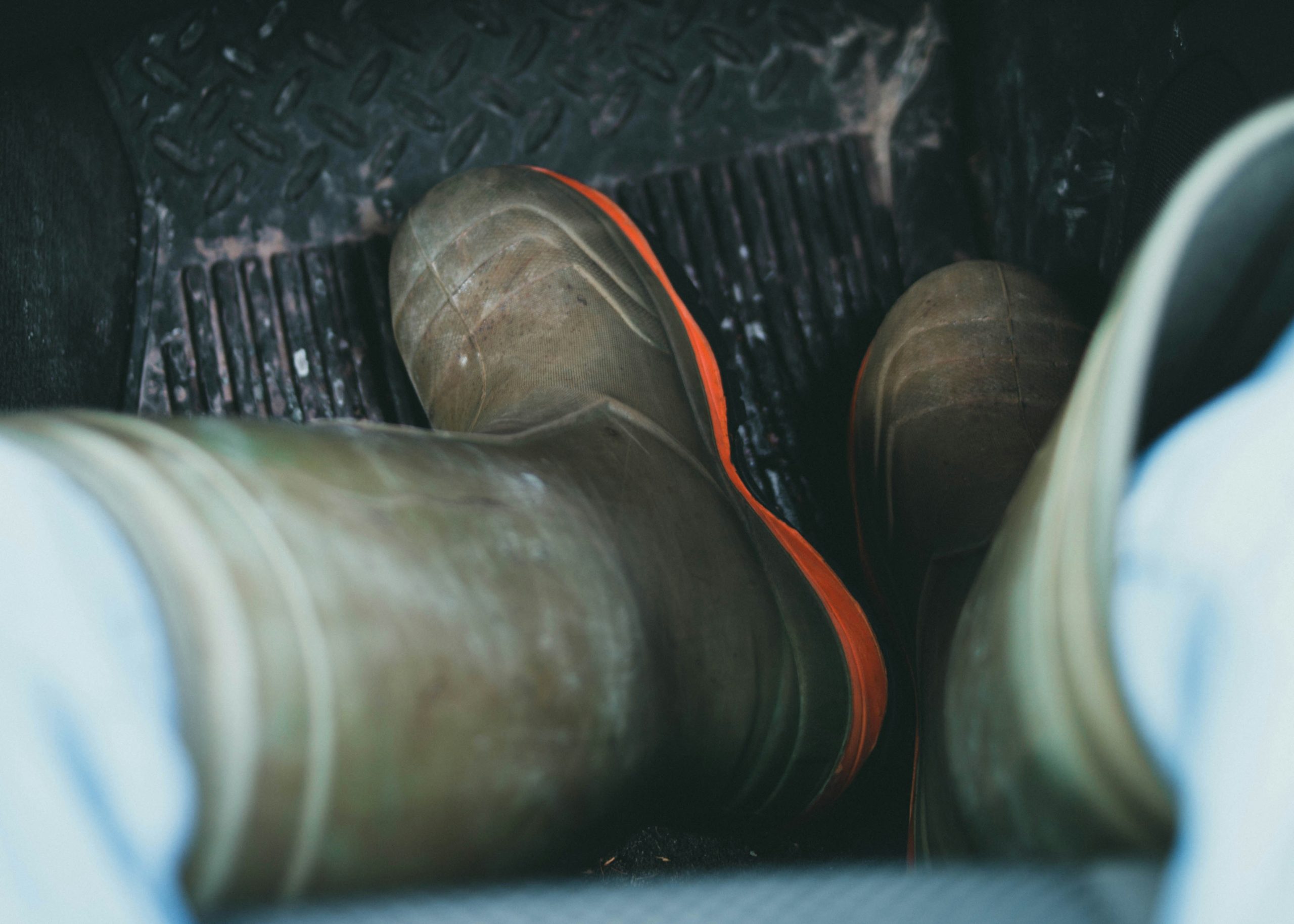
Floor mats receive constant exposure to dirt, muddy shoes, rainwater, spilled drinks, road salt, and food particles. Because they sit directly beneath passengers’ feet, they can develop unpleasant odors even when the rest of the cabin appears clean.
Removing and washing the mats is a low-cost way to eliminate grime before it spreads to the carpet underneath. A small amount of mild dish soap, clean water, and an ordinary soft brush are often enough for routine cleaning.
Begin by identifying whether your mats are made from rubber, thermoplastic material, carpet, or a combination of fabrics. Rubber mats are generally easy to rinse, while carpeted mats need more careful moisture control. Remove each mat from the vehicle before washing it. Never clean loose mats while they are positioned beneath the pedals, because a wet mat may become slippery or interfere with safe pedal operation.
For rubber mats, rinse away loose dirt and scrub the surface with a soft brush dipped in water containing a small amount of mild soap. Pay attention to raised grooves where mud and food residue can collect.
Rinse thoroughly so that no slippery detergent remains. For carpeted mats, use a cleaner suitable for automotive upholstery and avoid soaking the backing unless the manufacturer permits it. Excess water can become trapped inside the mat and create a musty smell.
You can usually complete this job for under $5 if you already have soap, water, and a brush at home. If the mats need extra attention, an inexpensive detailing brush may be a useful purchase.
Avoid harsh household chemicals, bleach, or strong solvents that could discolor the material or damage its backing. Always follow the mat manufacturer’s cleaning instructions, particularly for specialty materials.
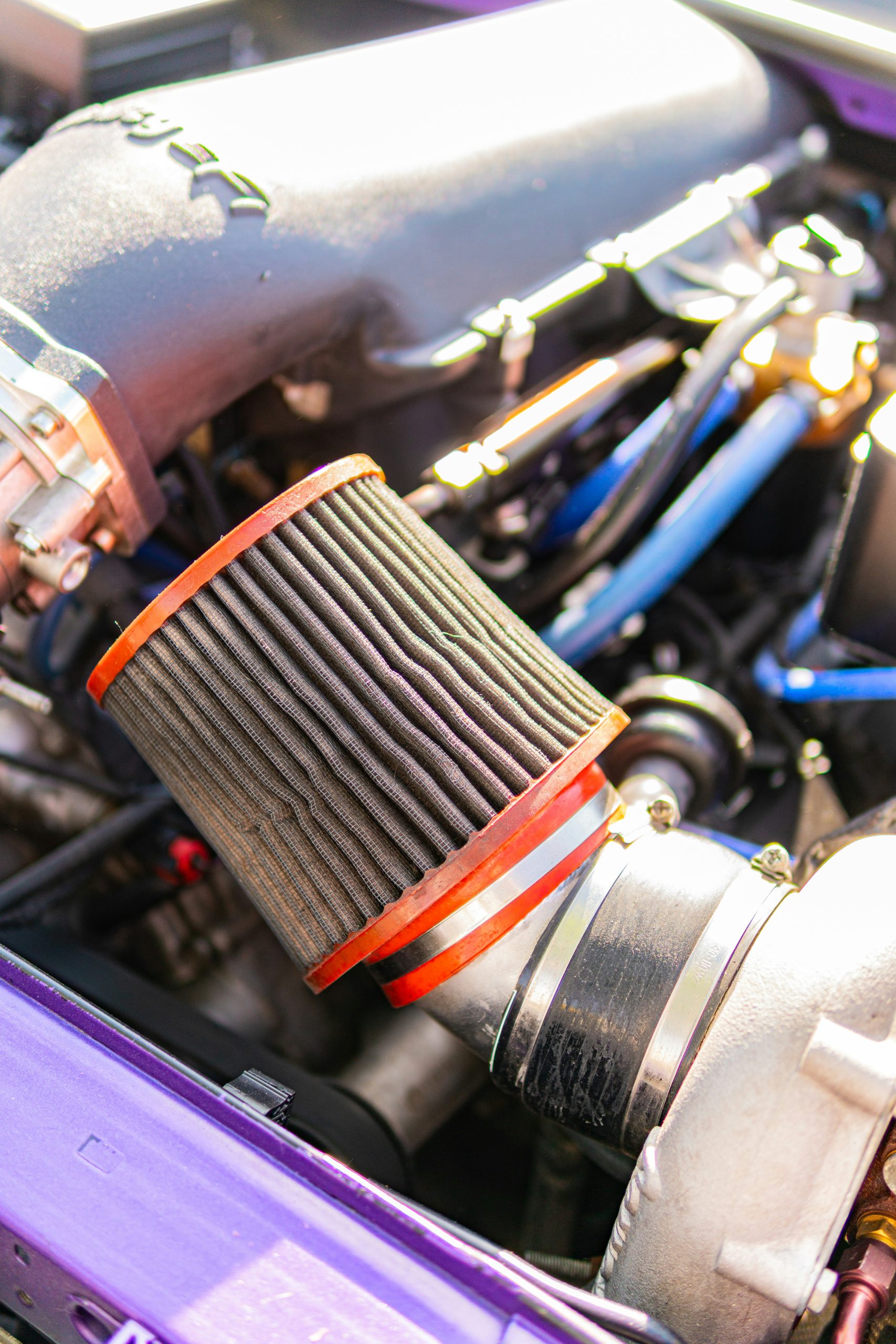
5. Replace a Dirty Cabin Air Filter
A cabin air filter helps capture dust, pollen, and other airborne particles entering your vehicle’s passenger compartment through the heating, ventilation, and air-conditioning system.
Over time, the filter can accumulate debris, and a damp or heavily contaminated filter may contribute to unpleasant smells from the vents. If your car smells musty when you switch on the fan or air conditioner, checking the cabin filter is a sensible and relatively inexpensive troubleshooting step.
The location of the filter depends on the vehicle. Many cars have it behind the glove compartment, beneath the dashboard, or in an accessible section near the windshield.
Consult your owner’s manual before attempting replacement. The manual can identify the correct filter type, recommended maintenance interval, and any special instructions for removing nearby panels. Never force components that do not release easily, as plastic clips can break.
Once you have located the filter, inspect it for accumulated dust, leaves, discoloration, or signs of moisture. A dirty filter may need replacement rather than cleaning.
Compare the old filter with the new one and confirm that the dimensions and design match. Some filters are designed to capture particles, while activated-carbon versions may also help reduce certain odors. A basic compatible filter may cost less than $15 for many vehicles, though some models require more expensive parts.
Follow the manufacturer’s installation instructions carefully. Pay attention to the airflow direction marked on the filter, since installing it backward can reduce its effectiveness.
Avoid using compressed air on a disposable filter unless the manufacturer specifically permits it. Cleaning can damage the filter material or release trapped particles. If access requires removing complex dashboard components or handling electrical parts, consider getting help from a qualified technician.
6. Wipe Down Hard Surfaces With a Mild Cleaning Solution
The dashboard, steering wheel, door panels, cup holders, and center console collect oils from hands, dust, spilled drinks, and residues from everyday use. These surfaces may not absorb odors as deeply as fabric, but sticky deposits and forgotten spills can still contribute to an unpleasant cabin.
A gentle wipe-down helps remove grime while improving the appearance of the interior. You can often complete the job for very little money using a microfiber cloth and a suitable cleaning solution.
Start by removing loose dust with a dry microfiber cloth. Then use a cleaner approved for the particular surface you are treating.
For many hard plastic areas, a small amount of mild soap diluted in water may be appropriate, provided the vehicle manufacturer allows it. Apply the solution to the cloth rather than spraying it directly onto the dashboard. This reduces the chance of liquid entering switches, speakers, air vents, or electronic equipment.
Pay particular attention to cup holders and door pockets, where sticky drinks and food residues can remain for weeks. Use a soft detailing brush to loosen dirt from seams and narrow gaps.
Wipe the loosened debris away before it settles elsewhere. For the steering wheel, follow the material-specific cleaning guidance because some cleaners can damage leather, coated surfaces, or textured finishes. Avoid products that leave a greasy residue on surfaces that need a secure grip.
A basic microfiber cloth often costs only a few dollars, and mild cleaning products may already be available at home. If you need to purchase something, choose a simple product that matches your vehicle’s interior materials instead of buying a collection of specialty sprays.
Avoid ammonia-based cleaners on sensitive finishes, and do not assume that a product safe for glass is suitable for every plastic or screen.
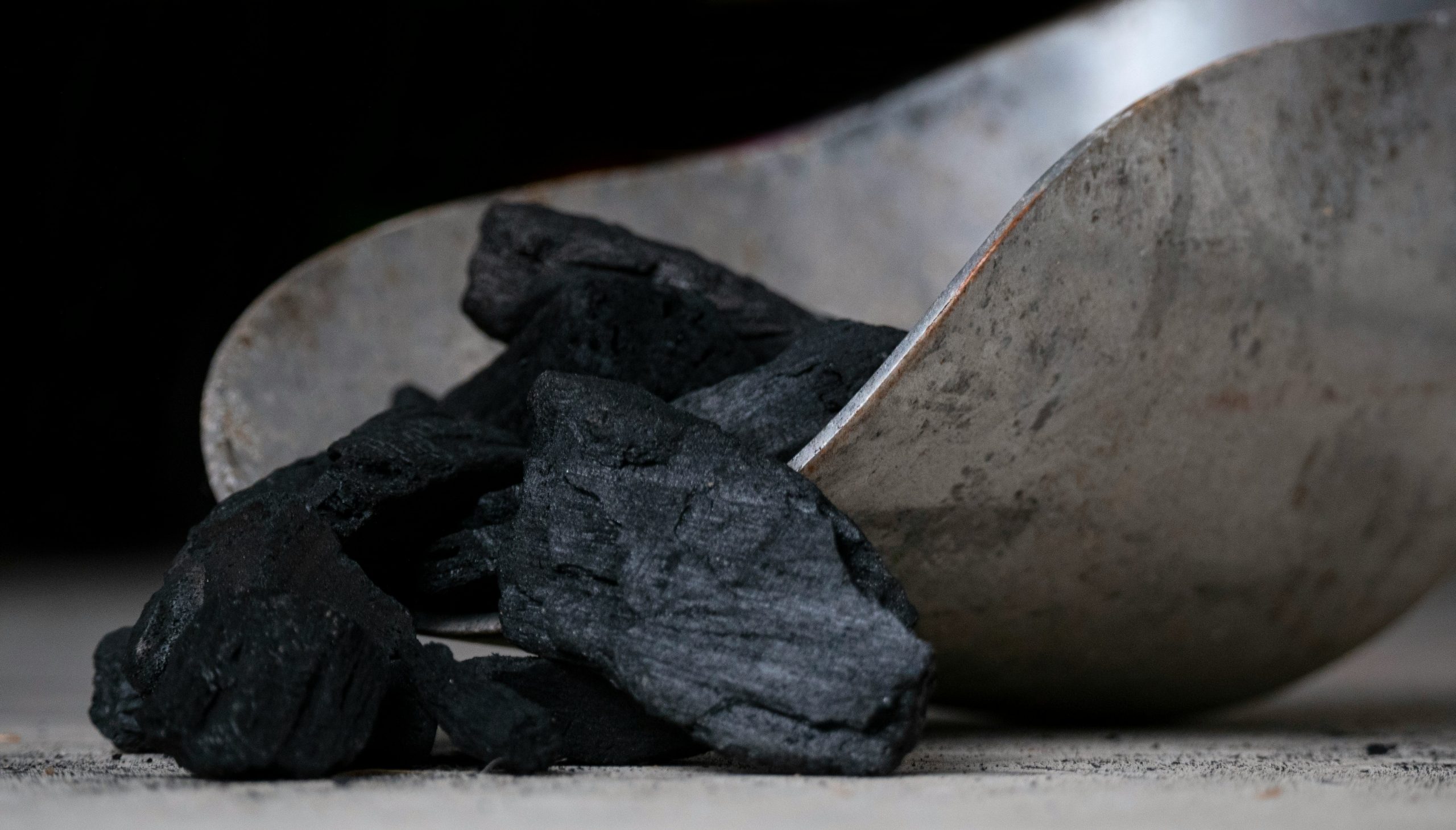
7. Use Activated Charcoal to Reduce Musty Smells
Activated charcoal is a porous material used in various filtration and odor-control applications. Its large internal surface area allows it to adsorb certain substances from the surrounding air.
Small charcoal odor-absorber bags are sold for vehicles, wardrobes, shoes, and other enclosed spaces. Depending on the product, they may cost less than $15, making them a convenient option for drivers who prefer a fragrance-free approach to controlling mild lingering odors.
Choose a product designed for odor control and read the packaging before using it. Place the bag in a stable, well-ventilated area of the cabin, such as a door pocket or a secure section of the rear footwell. Keep it away from pedals, airbag deployment areas, and moving parts.
Avoid positioning loose charcoal directly on upholstery, as dust or residue could stain the fabric. A sealed or well-constructed bag is generally more practical for everyday use.
Charcoal products may help with certain residual smells from food, shoes, and general cabin use, but their performance depends on the product, the type of odor, and the surrounding conditions.
They should not be expected to remove every airborne contaminant or neutralize a severe odor source. If a bag has become damp or dirty, follow the manufacturer’s instructions for drying, recharging, or replacing it. Not all charcoal products can be refreshed in the same way.
8. Dry Wet Carpets and Upholstery Thoroughly
Moisture is a common cause of musty smells in vehicles. Rainwater carried in on shoes, wet umbrellas, damp clothing, leaking windows, and spilled drinks can leave carpets and upholstery wet for hours or days.
When moisture becomes trapped beneath floor mats or deep inside padding, the cabin may develop a stale, earthy odor. Removing the water and allowing the affected materials to dry thoroughly is more effective than trying to cover the smell with perfume.
Begin by locating the damp area. Press a clean absorbent towel against the carpet or upholstery to draw out surface moisture. Repeat with a dry section of the towel until little additional water transfers. If a spill is substantial, a wet-dry vacuum designed for this purpose may remove water more effectively. Do not use an ordinary household vacuum on wet materials unless it is specifically rated for wet pickup.
Remove floor mats and place them in a suitable drying area. If weather permits, open the vehicle doors in a secure, dry location to improve airflow. Avoid leaving the vehicle unattended with doors open, and do not expose the interior to rain or excessive direct sunlight.
A fan can help circulate air around damp surfaces. If using the vehicle’s climate-control system, follow the owner’s manual and ensure that the system is functioning properly.
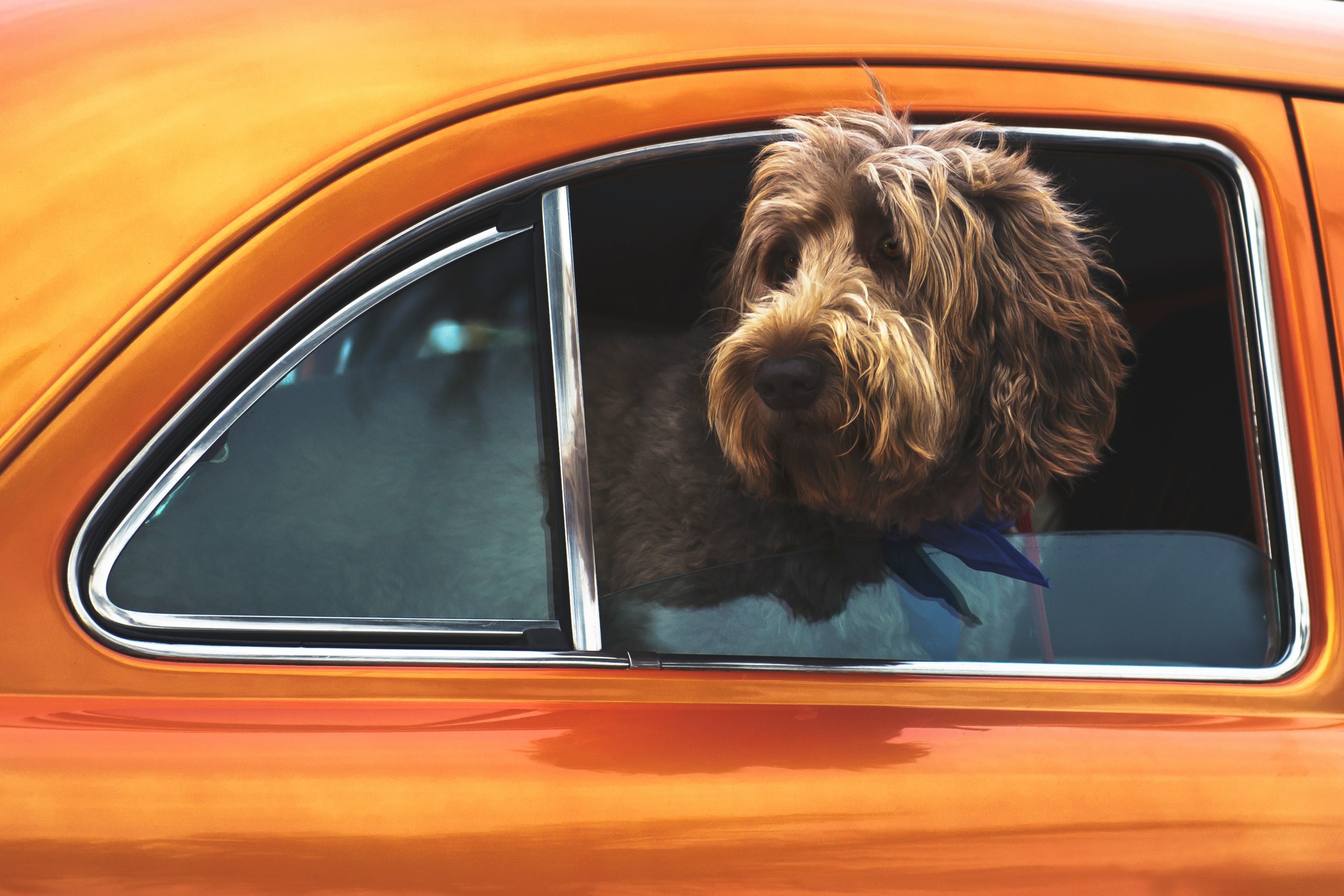
9. Clean Up Pet Hair and Pet-Related Odors
Pets can make car journeys more enjoyable, but their fur, saliva, muddy paws, and occasional accidents may leave unpleasant odors behind. Hair traps dirt and can retain traces of moisture, while urine and vomit can penetrate upholstery and carpet padding.
A quick spray of air freshener will not remove these materials. A combination of physical cleaning and suitable stain treatment offers a more effective and affordable way to keep the cabin comfortable after travelling with an animal.
Start by removing loose hair from seats, carpets, and the trunk. A rubber pet-hair brush or an upholstery tool can help gather fur into manageable clumps. Work gently so you do not damage fabric or scratch delicate trim. Follow with a vacuum cleaner to collect the loosened hair and debris. Pay attention to the rear seat seams and cargo area, especially if your pet regularly travels in the vehicle.
For muddy paw prints or ordinary dirt, use a cleaner suitable for the affected material. If there has been a urine or vomit accident, blot up as much liquid as possible with absorbent towels. Avoid rubbing aggressively, because that may push the substance deeper into the upholstery.
An enzyme-based cleaner formulated for pet accidents may help break down certain odor-causing organic residues. Confirm that the product is safe for your seat fabric or carpet, and follow the label directions.
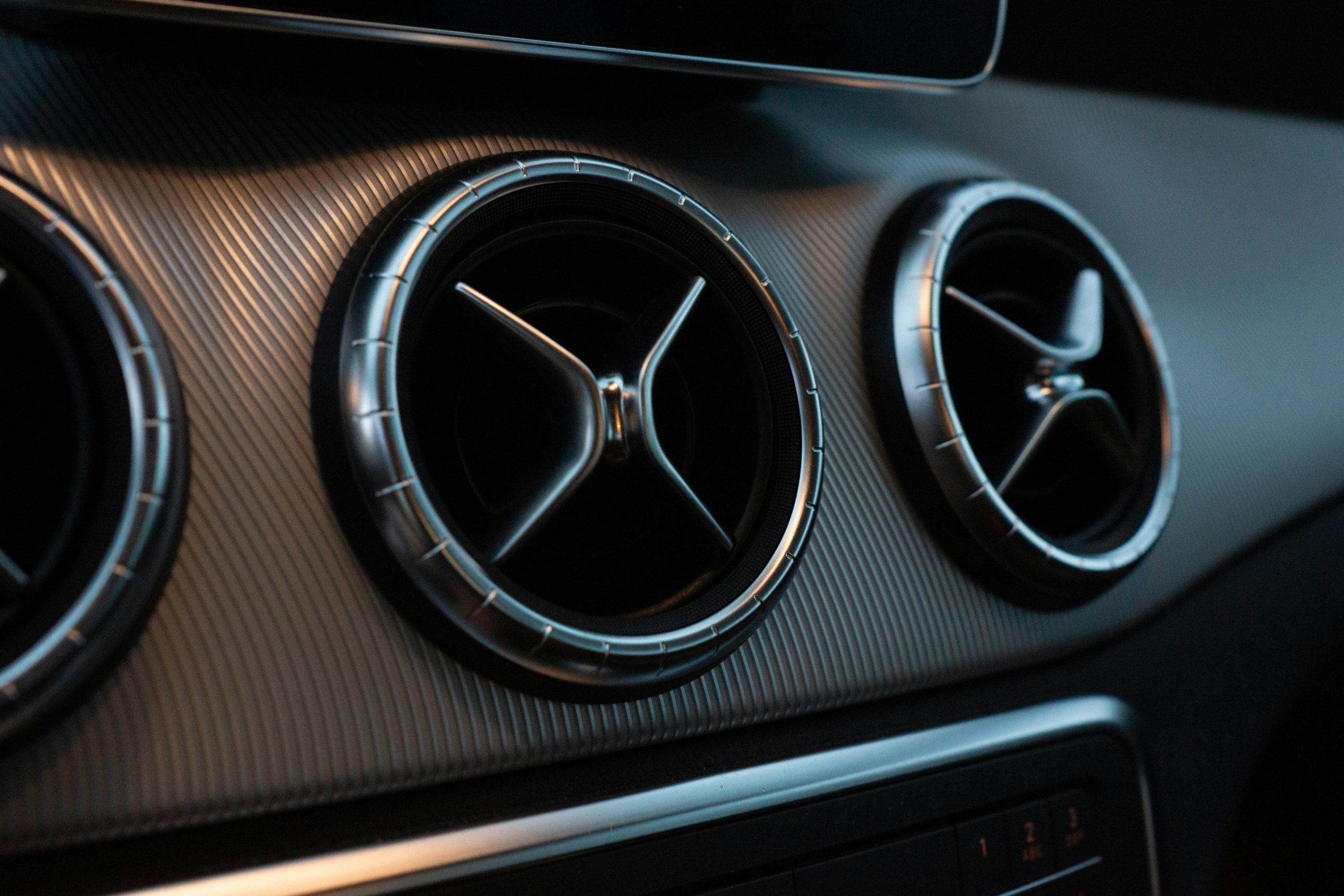
10. Improve Ventilation and Use a Low-Cost Air Freshener
Fresh air can help clear mild stale odors from a vehicle, particularly after a long journey or a period when the windows remained closed. Heat can intensify smells from food residue, upholstery, plastics, and other interior materials.
Opening the windows briefly in a safe, suitable location allows cabin air to circulate and may reduce the concentration of ordinary lingering odors. Ventilation works best after rubbish has been removed and surfaces have been cleaned.
When the weather is dry and the location is secure, open the doors or windows for a short period to exchange the stale cabin air. Never leave the vehicle unattended in a way that creates a theft risk, and avoid exposing the interior to rain, heavy dust, or polluted outdoor air.
If the car is parked in a garage, do not run the engine to ventilate the cabin. Engine exhaust can build up in enclosed or poorly ventilated areas and pose a serious risk.
If you prefer a scented product, choose an inexpensive automotive air freshener that suits your preferences. Basic vent clips, hanging fresheners, and small fragrance cards often cost less than $15.
Follow the product instructions, secure it properly, and keep it away from the driver’s view. Do not attach accessories where they could interfere with airbags, obstruct the windshield, or distract the driver.