

A car mechanic’s hourly wage can look attractive on a job listing, but the amount that reaches their bank account is often lower than expected. Taxes, insurance premiums, retirement contributions, and other deductions can make a noticeable difference in weekly earnings.
The actual take-home pay also depends on experience, location, certifications, employer policies, and the type of repair work performed. Understanding these factors helps mechanics evaluate job offers, plan expenses, and negotiate better wages.
This guide explains what car mechanics earn per hour, how deductions affect paychecks, and what workers can realistically expect to keep.
Understanding a Car Mechanic’s Hourly Wage
A car mechanic’s hourly wage represents the amount an employer agrees to pay for each hour worked before taxes and other deductions.
For example, a mechanic earning $25 per hour who works 40 hours in a week has a gross weekly income of $1,000. This figure is useful when comparing job offers, but it does not represent the amount the worker receives in their bank account.
The difference between gross earnings and net earnings is important because everyday expenses must be covered with the money left after deductions.
Automotive mechanic wages vary considerably across the United States. Entry-level technicians generally earn less than experienced professionals who diagnose complex engine problems, repair transmissions, or handle advanced vehicle electronics.
Dealerships, independent garages, fleet maintenance companies, and specialized repair centers can also offer different compensation packages. An employer might offer a higher hourly wage but provide fewer benefits, while a lower-paying position might include health insurance, paid leave, and retirement contributions. Comparing the entire compensation package provides a clearer picture of a job’s financial value.
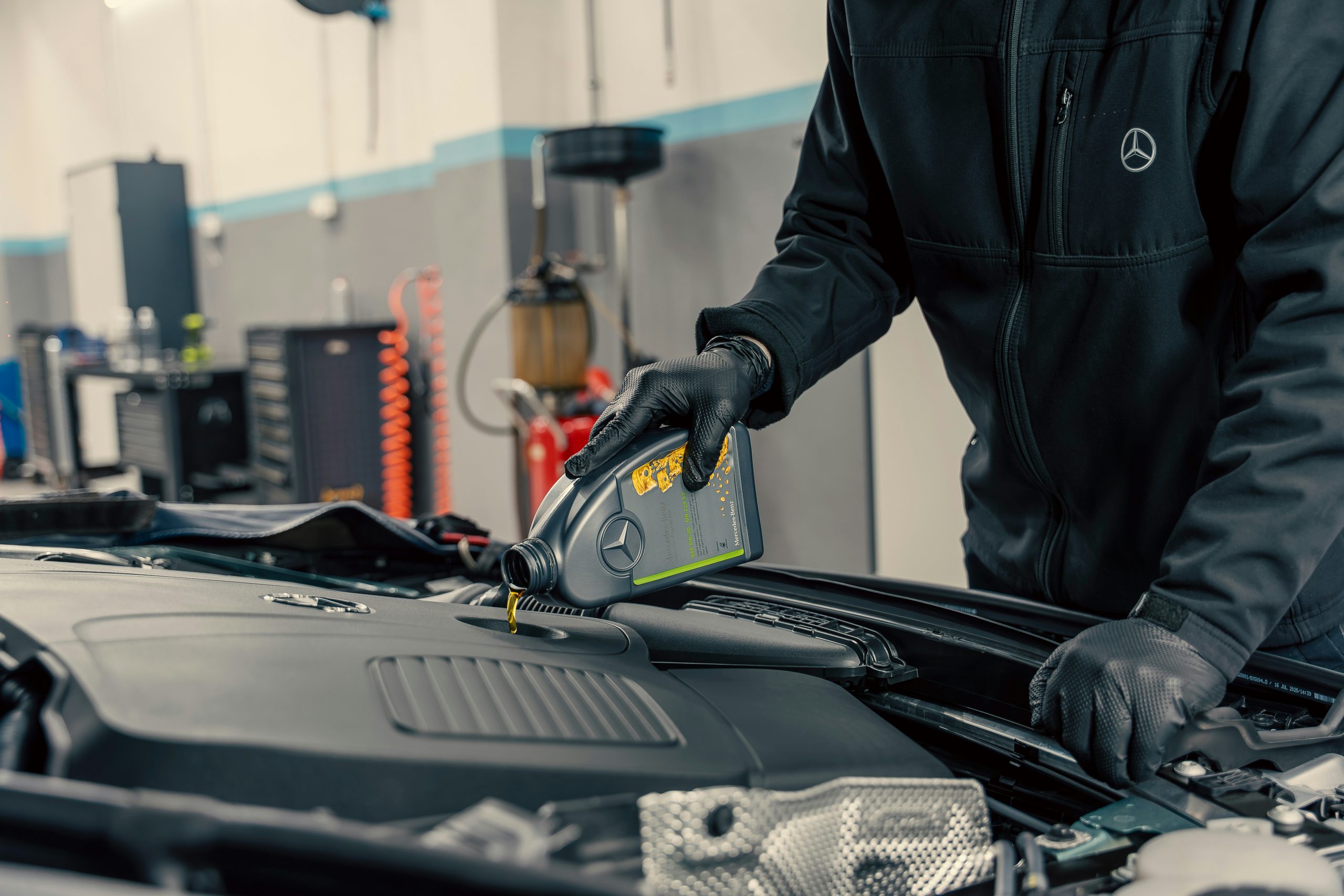
How Much Does a Car Mechanic Actually Take Home Per Hour?
Take-home pay is the amount remaining after payroll taxes and other deductions have been removed from gross earnings. For a typical employee in the United States, deductions can include federal income tax, Social Security, Medicare, state income tax, health insurance, and retirement contributions.
Not every worker pays the same amounts. Tax filing status, dependents, state of residence, benefit choices, and annual income all influence the final paycheck. As a result, two mechanics earning identical hourly wages may receive different amounts in take-home pay.
Consider a mechanic earning $20 per hour and working 40 hours each week. Their gross weekly pay would be $800, equivalent to $41,600 annually if they worked all 52 weeks. Their actual take-home pay would be lower after applicable taxes and deductions.
A mechanic earning $30 per hour under the same schedule would receive $1,200 in gross weekly wages, or $62,400 annually before deductions. The second worker would generally keep more money in absolute terms, but their net income would not necessarily rise in direct proportion to the hourly wage.
For illustration, a worker who retains 75% of gross earnings after all applicable deductions would keep $15 from every $20 earned before deductions. At a gross wage of $30 per hour, the same assumed retention rate would leave $22.50 per hour. These figures are examples, not universal tax estimates.
Actual take-home amounts can fall above or below these levels depending on personal circumstances, benefits, and local tax rules. A payroll calculator that accounts for the worker’s location and filing information can provide a more useful estimate.
It is also important to distinguish the take-home amount per paid hour from the amount earned per hour spent at work. Suppose a flat-rate technician receives $30 for each billed labor hour but spends 45 clock hours at the shop in a week while being credited for only 35 labor hours.
Their gross weekly pay would be $1,050, assuming the stated rate applies to all 35 credited hours. Dividing that amount by 45 actual hours produces an effective gross rate of approximately $23.33 per clock hour. Taxes and deductions reduce the effective take-home amount further.
Mechanics should therefore look beyond a headline hourly rate when deciding whether a position pays well. The most useful comparison considers actual hours worked, guaranteed wages, billed labor hours, overtime eligibility, and the money received after deductions. Keeping several recent pay stubs can reveal the real difference between promised earnings and the amount available for household spending.

Taxes and Paycheck Deductions That Reduce Mechanic Earnings
Federal income tax is a major factor affecting take-home pay for many automotive mechanics. The amount withheld from a paycheck depends on income, filing status, information provided on the employee’s tax forms, and other circumstances.
The United States uses progressive federal income tax brackets, meaning different portions of taxable income may be taxed at different rates. A mechanic earning more money does not automatically pay the highest applicable rate on every dollar earned. Understanding this system helps workers interpret their paychecks more accurately.
Social Security and Medicare taxes also reduce the wages received by most employees. Under standard employee payroll rules, Social Security tax is generally 6.2% of covered wages up to the applicable annual wage base, while Medicare tax is generally 1.45% of covered wages.
Additional Medicare tax may apply to employees whose earnings exceed the relevant threshold. Employers typically withhold these taxes from wages, and they are separate from federal income tax. Consequently, even a worker with relatively low federal income tax liability may still see payroll taxes deducted.
State and local taxes create further differences between mechanics working in different locations. Some states impose individual income taxes, while others do not tax wage income at the state level. Certain cities or local jurisdictions also collect income taxes.
A mechanic working in a location with higher taxes may receive a smaller paycheck than a colleague with the same gross wage in a location with lower taxes. However, wages, housing costs, insurance expenses, and other living costs should also be considered before deciding which location offers the better financial opportunity.

How Experience, Certifications, and Specialization Affect Take-Home Pay
Experience can influence how much a car mechanic earns per hour. Entry-level workers often begin with routine maintenance, tire services, inspections, and basic repairs while developing practical skills.
Experienced technicians may handle difficult electrical faults, engine performance issues, transmission repairs, and advanced diagnostic procedures. Employers may be willing to pay more for workers who can complete challenging jobs efficiently, reduce repeat repairs, and explain technical problems clearly to customers. Higher gross wages can lead to higher take-home earnings, provided the additional pay is not offset by excessive deductions or reduced working hours.
Professional certifications can also improve a technician’s employment prospects. In the United States, Automotive Service Excellence, commonly known as ASE, offers certifications in several areas of automotive service and repair.
Depending on the position, employers may value credentials related to brakes, engine performance, electrical systems, heating and air conditioning, or other specialties. Certification does not guarantee a specific wage increase, but it can help demonstrate technical competence. Its financial value depends on employer requirements, local demand, experience, and the cost of training and examinations.
Specialized skills may open opportunities in dealership service departments, fleet maintenance, diesel repair, heavy vehicles, and advanced automotive diagnostics. Hybrid and electric vehicles also require knowledge of high-voltage systems, battery components, and manufacturer-specific procedures.
Appropriate training and safety practices are essential for this work. Technicians who develop skills that are difficult to replace may qualify for better-paying positions, additional responsibilities, or specialized training opportunities. However, wages differ across employers, so researching local vacancies remains important.
The payment model can be just as important as technical skill. Hourly employees generally receive wages based on paid time, subject to applicable employment rules.
Flat-rate technicians may earn more when repair work is steady and jobs are completed efficiently, but their earnings can fluctuate with workload, diagnostic complexity, and shop scheduling. A high flat-rate figure is not necessarily better than a lower guaranteed hourly wage. Workers should compare their actual earnings over several weeks rather than relying on the advertised rate alone.
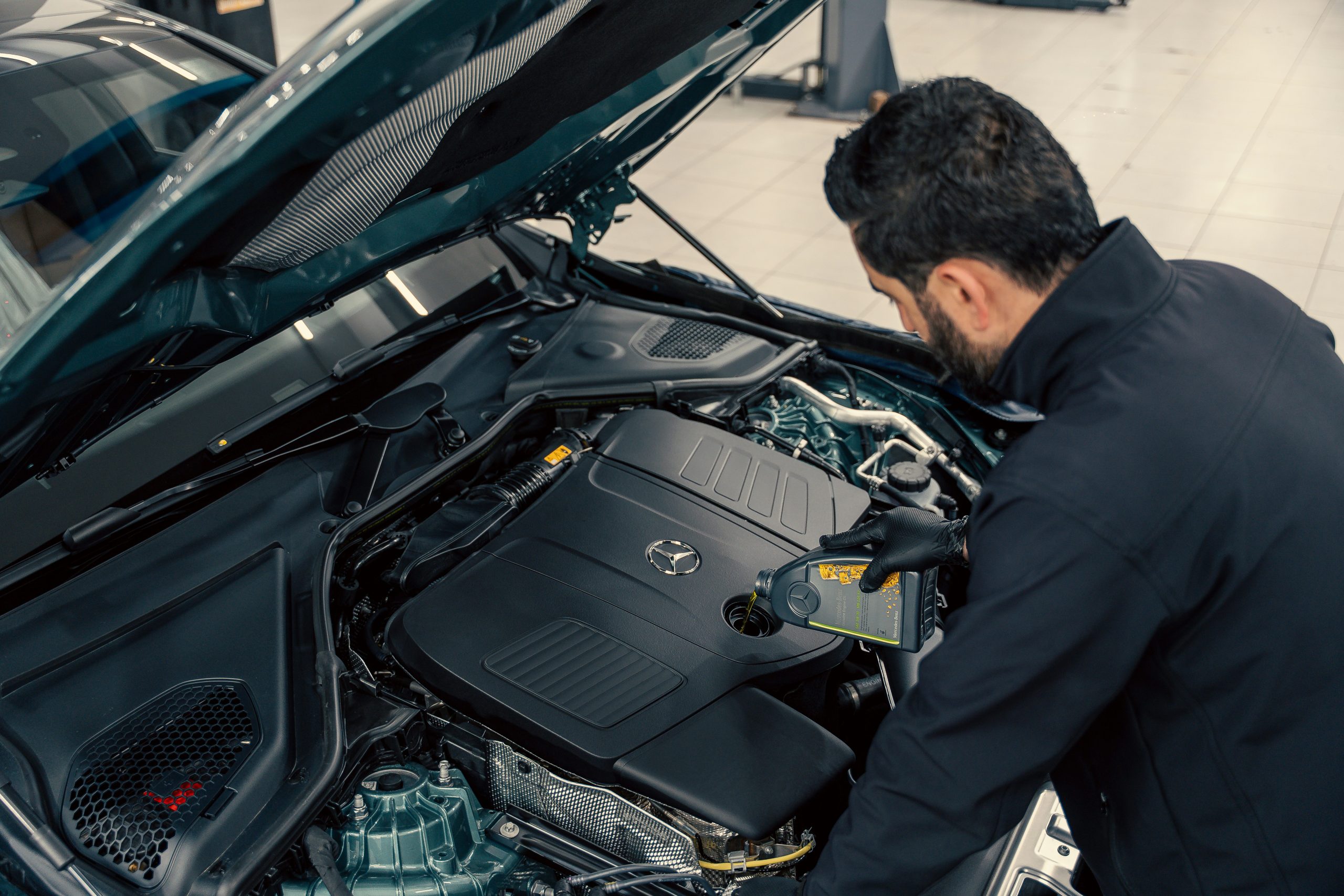
Ways Car Mechanics Can Increase Their Actual Earnings
One practical way to increase take-home pay is to negotiate compensation using evidence. Mechanics can research local job listings, compare wages for similar positions, and document their experience, certifications, and responsibilities. A worker who consistently diagnoses difficult problems, maintains high repair quality, and helps reduce comebacks may have a stronger case for a raise.
Negotiations should address guaranteed wages, overtime eligibility, training opportunities, and benefits rather than focusing exclusively on the advertised hourly rate. A higher gross wage can improve financial security when the additional earnings are supported by consistent working hours.
Developing specialized technical skills can create further opportunities. Training in electrical diagnostics, air conditioning systems, diesel engines, or hybrid vehicle maintenance may qualify a mechanic for positions that require more advanced knowledge.
The best training choice depends on local employer demand and the technician’s existing experience. Before paying for a course, workers should confirm that the credential is recognized by relevant employers and that the likely career benefits justify the expense. Employer-funded education can make professional development more affordable.
Choosing the right workplace also matters. Dealerships, independent garages, fleet operators, government agencies, and commercial vehicle maintenance companies can offer different combinations of wages, schedules, benefits, and job security.
A position with a slightly lower hourly rate might provide paid leave, affordable insurance, regular hours, and retirement contributions. A higher-paying position might involve unpredictable workloads or expensive benefit deductions. Comparing annual compensation and expected net income can help workers choose an opportunity that fits their financial priorities.
Mechanics can improve their financial position by managing deductions and expenses carefully. Reviewing health insurance options during enrollment, understanding retirement plan contributions, and checking payroll withholding can help workers make informed choices.
It is important not to eliminate valuable coverage or retirement savings solely to increase the next paycheck. Instead, compare the immediate cash-flow effect with the long-term value of each benefit. Maintaining an emergency fund can also help cover periods of reduced work, unexpected vehicle repairs, and other unplanned costs.
